What Your Florida Garden Will Look Like 30 Days After Frost
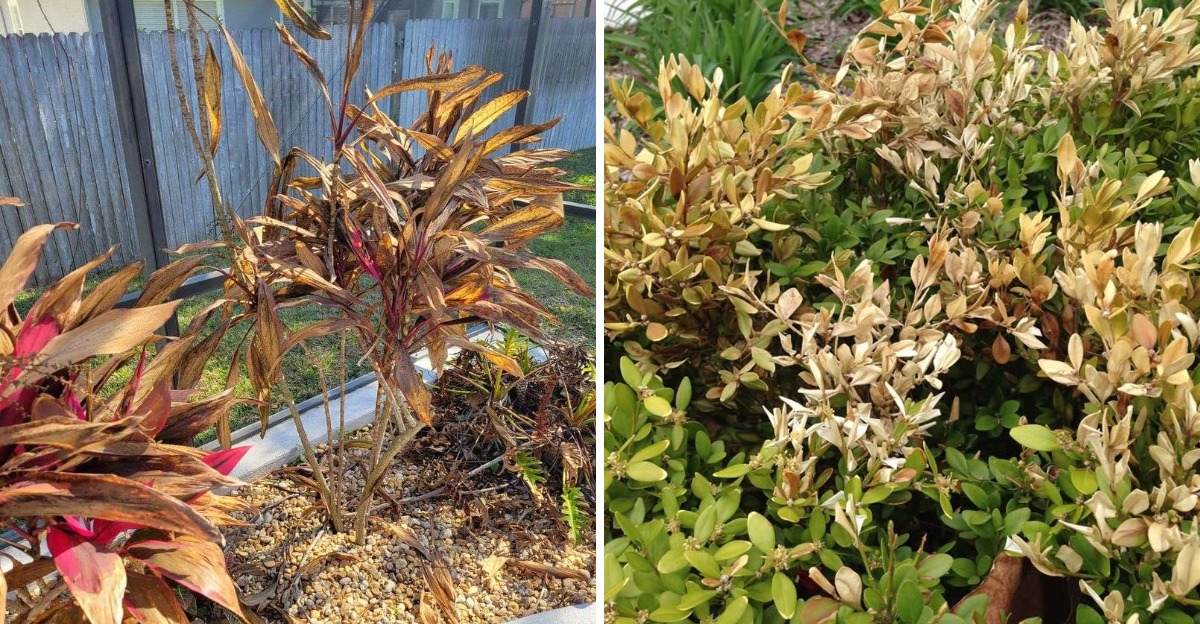
Florida woke to frost, and gardens across the state felt the shock overnight. Tender leaves burned, tropical plants drooped, and once lush beds turned patchy and tired.
Palms showed scars, flowers collapsed, and many growers feared the worst. Yet this is not the end of your garden story.
Roots still hold strength beneath the soil, and life waits for warmth to return. New buds can rise where loss seemed certain, and quiet soil can pulse with energy again.
Thirty days from now, your yard may tell a very different story, one filled with comeback, color, and resilience. Step forward with hope, tend what remains, and trust the hidden power of Florida soil to deliver a surprising rebound.
Your garden has entered recovery, and the coming weeks will reveal which plants rise strong after the freeze.
1. The Week After Frost: When Everything Turns Brown
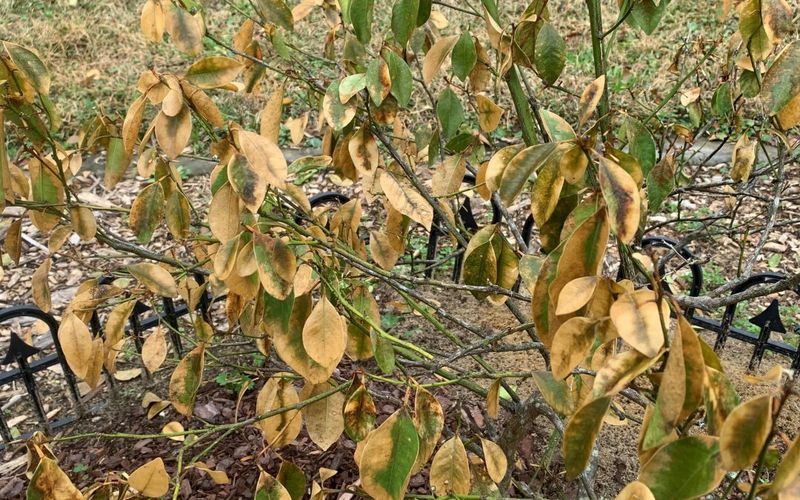
Panic sets in fast when you see your garden the morning after a freeze. Leaves that were green and glossy yesterday now hang limp and dark.
The transformation happens so quickly that it feels unreal.
Within the first week, the damage becomes even more obvious. Soft-tissued plants like impatiens, begonias, and coleus turn to mush.
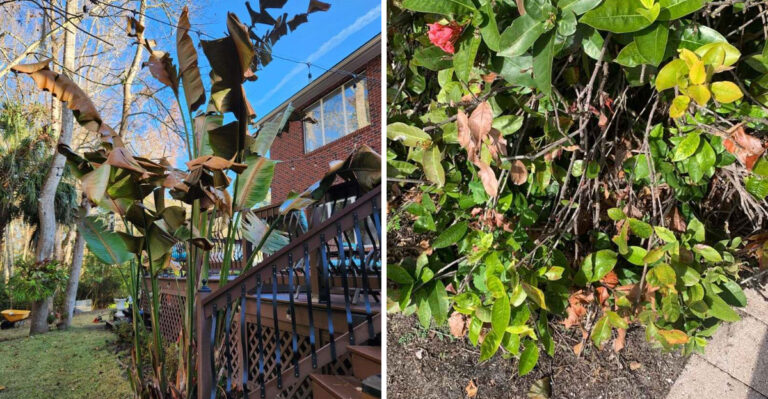
Tropical plants such as bananas, gingers, and elephant ears collapse into brown heaps. Even tougher plants like citrus trees show leaves curling and changing color.
This browning happens because ice crystals form inside plant cells during the freeze. When temperatures drop to freezing and plant tissue freezes, ice crystals can form and damage cell membranes and walls.
This expansion damages cell membranes and cell walls, and once the sun comes up and things thaw out, those damaged cells cannot function anymore.
The visual shock during this first week is the worst part. Your garden looks like a disaster zone.
Homeowners in North Florida see this more regularly, while gardeners in South Florida may experience it only once every few years. Either way, the emotional impact hits hard.
Resist the urge to start cutting everything back immediately. What looks completely ruined might actually be alive beneath the surface.
The roots of many plants survive even when everything above ground looks terrible. Give your garden time before you make any drastic decisions about what stays and what goes.
2. The Waiting Game Most Gardeners Get Wrong
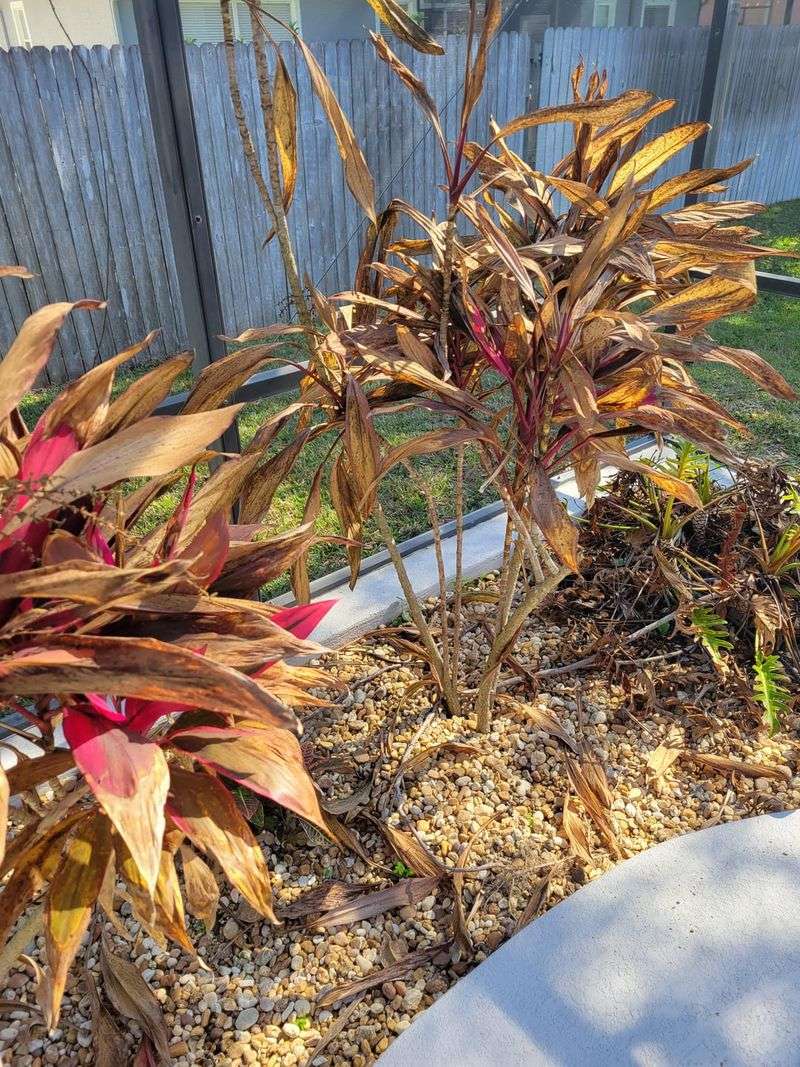
Acting too soon after frost often causes more plant loss than the cold itself. The biggest mistake Florida gardeners make is grabbing pruning shears too soon.
When you cut back damaged tissue before the plant has time to recover, you often remove parts that could have bounced back.
During weeks two and three after frost, your garden enters a critical waiting period. Nothing looks better yet.
In fact, some plants look worse as additional leaves turn brown and drop off. This is normal but hard to watch.
UF/IFAS Extension advises holding off on major pruning right after a freeze and waiting until the risk of more cold has passed and new growth helps reveal what actually survived. Some experts suggest waiting even longer for woody plants like citrus and hibiscus.
The reason is simple: plants need time to show you what survived and what did not.
Healthy tissue remains firm and green under the bark. Damaged tissue turns brown or black all the way through.
But you cannot always tell the difference right away. Stems that look questionable on day five might push out new growth by day 25.
This waiting period tests your patience like nothing else in gardening. You want to clean up the mess and make your yard look presentable again.
Neighbors might even comment on how rough things look. But plants operate on their own timeline, not yours.
The gardeners who wait almost always save more plants than those who prune too early.
3. The Damage You Cannot See Yet
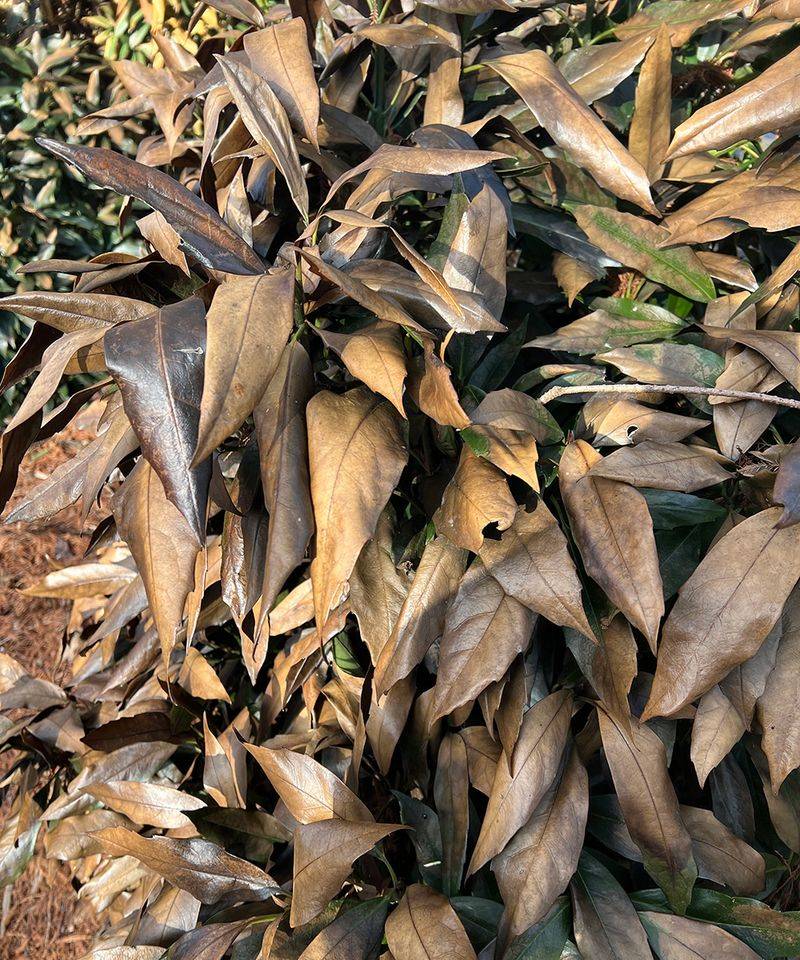
Frost damage goes deeper than what you see on the surface. While blackened leaves grab your attention, the real story unfolds inside the plant where you cannot observe it directly.
Root systems, vascular tissue, and dormant buds all experience stress that takes weeks to reveal itself.
Some plants look fine initially but decline over the following weeks. This delayed reaction happens because the freeze compromised their internal systems.
Water and nutrient transport gets disrupted when vascular tissue freezes. Even if the damage is not immediately fatal, the plant struggles to function normally.
Root damage is particularly sneaky. Cold weather slows drying, and overly wet soil can stress roots.
If drainage is poor, root problems may follow during the recovery period. This is more common in areas with poorly draining soil or low spots that stay wet after cold weather.
The combination of cold stress and waterlogged conditions creates perfect conditions for root problems.
Fruit trees face another hidden issue. Flower buds that will bloom in spring may be damaged even though the tree looks healthy.
You will not know the extent of this damage until bloom time arrives and you see reduced flowering. Citrus growers across the state watch this carefully because it affects their harvest months later.
By day 30, some of this hidden damage starts showing up. Plants that seemed okay suddenly wilt or drop leaves.
This is why the one-month mark is so important for assessment. It gives enough time for internal problems to become visible external symptoms.
4. Day 30: The First Signs Of Life Return
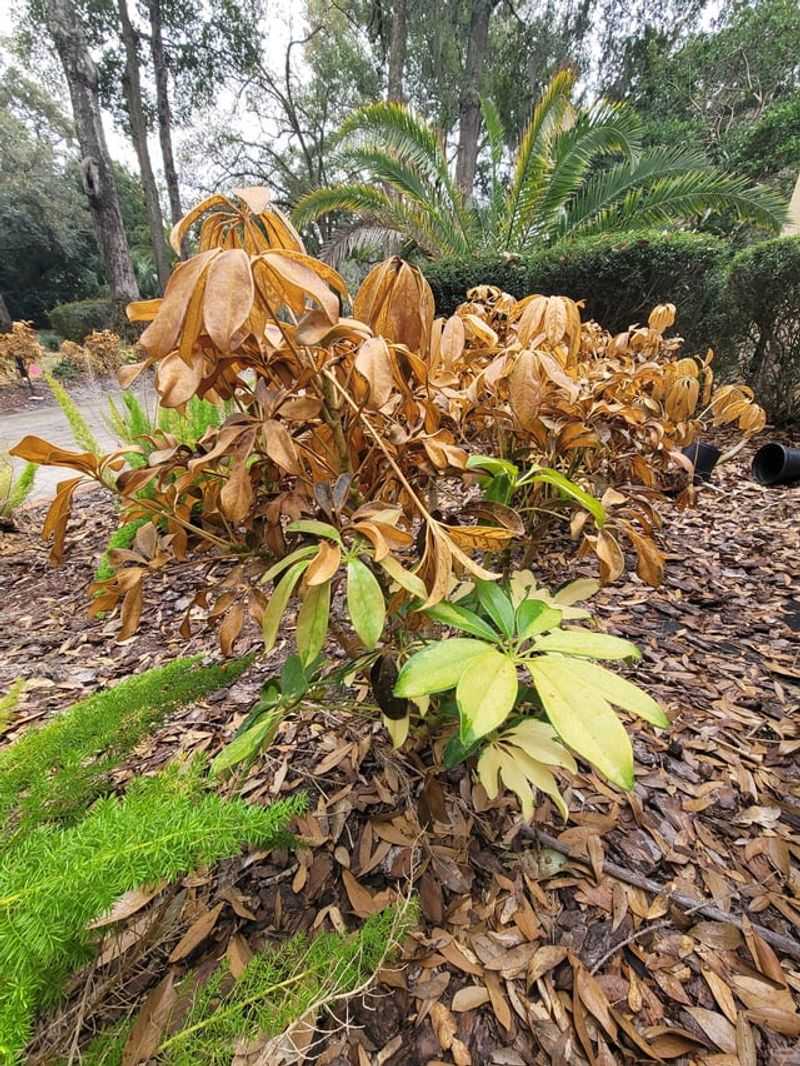
Around the 30-day mark, something wonderful starts happening. Small green shoots emerge from stems you thought were gone.
Tiny leaves unfurl near the base of plants that looked completely finished. This is the moment when hope returns to your garden.
The timing varies depending on several factors. Warmer areas of Florida see recovery faster than cooler regions.
Plants that were healthy and well-established before the freeze bounce back quicker than stressed or newly planted specimens. The severity of the freeze also matters tremendously.
Perennials like salvias, pentas, and firebush often show new growth from their root systems by day 30. Even if all the stems above ground froze, the roots stayed protected under the soil.
These plants essentially start over, but they do it with an established root system that helps them grow back quickly.
Tropical plants behave differently. Bananas send up new pups from their rhizomes.
Gingers push fresh stems through the mulch. Elephant ears sprout new leaves that look nothing like the damaged foliage from before the freeze.
This new growth looks fragile and precious. Those little green shoots represent survival and resilience.
Gardeners who waited patiently get rewarded with these signs of life. The plants that looked most damaged sometimes surprise you with the strongest comeback.
Your garden is not finished, it was just resting and regrouping.
5. Why Your Garden Still Looks Rough
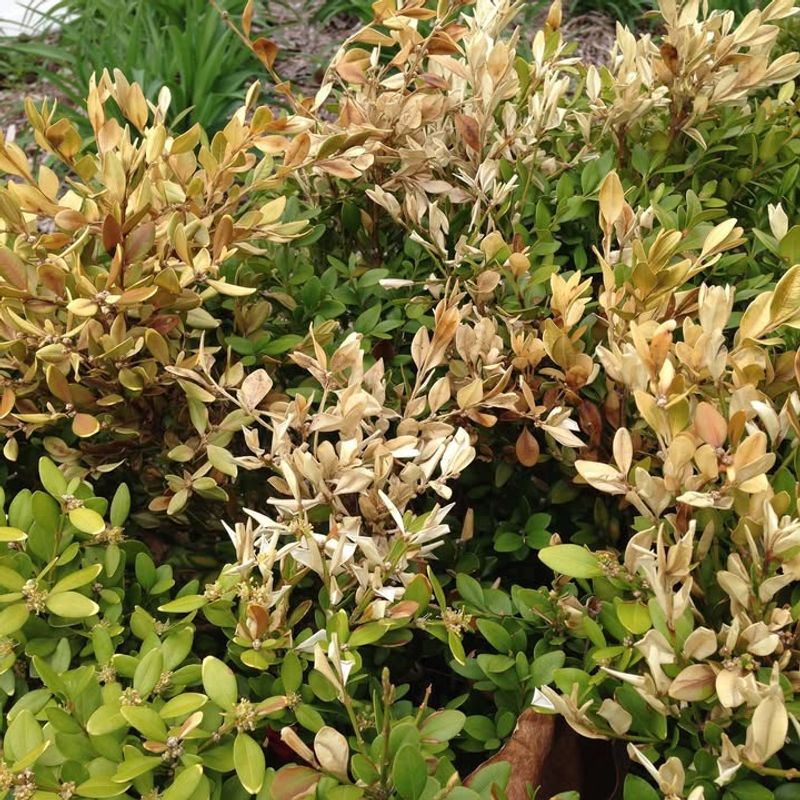
Expecting your garden to look beautiful again after just 30 days sets you up for disappointment. The reality is that one month after frost, your landscape still looks pretty rough.
New growth appears, but it is small and sparse compared to the lush fullness you had before.
Plants recover at wildly different speeds. Annuals and fast-growing perennials might look decent by day 30.
Shrubs and trees, however, take months to fill back in. Your once-full hibiscus might have a few new leaves clustered near the base while the rest remains bare stems.
The aesthetic challenge frustrates many Florida gardeners. You want your yard to look nice again, but nature does not care about your timeline.
Some gardeners give up and replace everything, spending money unnecessarily on plants that would have recovered with more time.
Spent foliage that has not fallen off yet makes things look worse. Brown leaves clinging to branches create a messy appearance even when new growth emerges below.
You can gently remove loose damaged material, but leave anything that is still firmly attached.
Regional differences across Florida affect recovery speed significantly. South Florida gardens green up faster because warmer temperatures and longer growing seasons accelerate regrowth.
North Florida gardeners might still be in waiting mode at day 30, especially if the freeze happened in January rather than December. Your garden is healing, but healing takes time that feels frustratingly slow.
6. When It Is Finally Safe To Prune
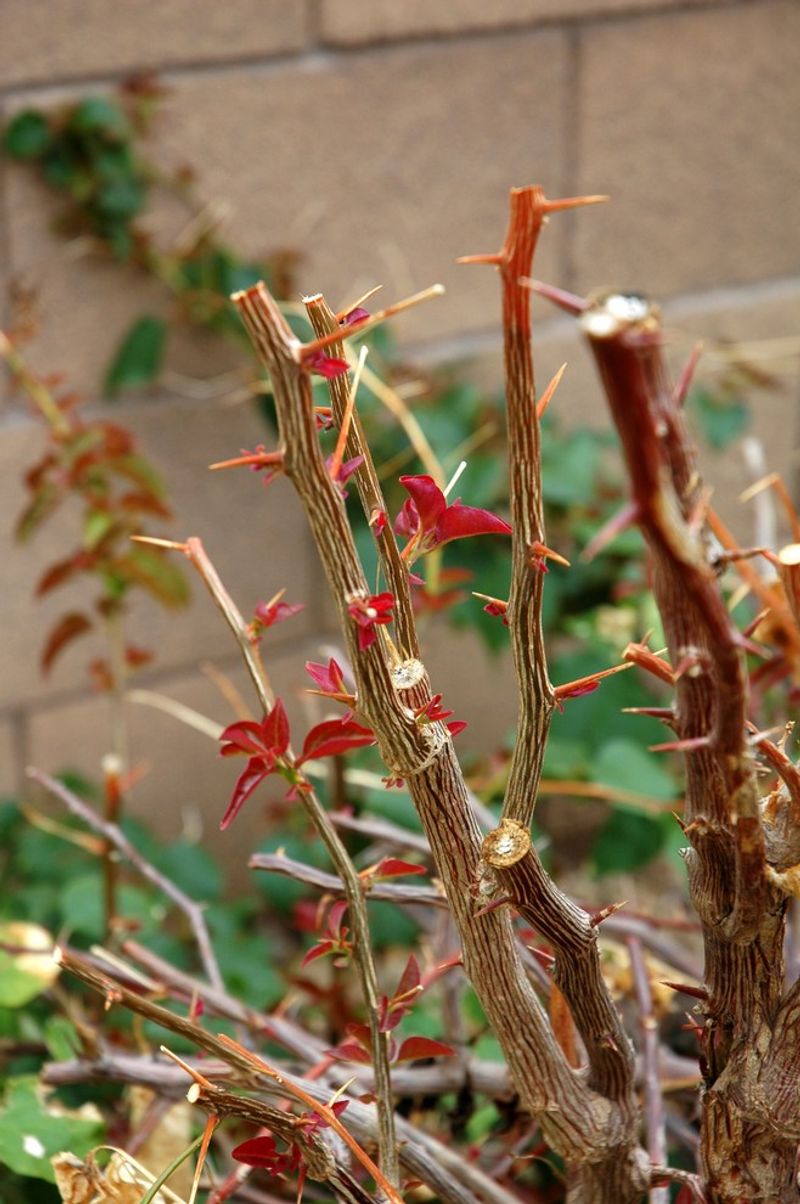
Around the 30-day mark, you can begin evaluating what survived, though major pruning should still wait until weather stabilizes and new growth reveals the full extent of damage. By now, the difference between living and damaged tissue becomes much clearer.
Stems that will recover show green tissue under the bark when you scratch them gently with your fingernail.
Start with the obviously damaged material. Mushy, blackened stems that are clearly gone can be removed.
Cut back to where you find firm, healthy tissue. Make your cuts at a slight angle just above a node or bud if possible.
For woody plants like citrus, hibiscus, and ixora, prune conservatively. Remove only what you are absolutely certain is finished.
If you are unsure about a branch, leave it alone for another few weeks. You can always cut more later, but you cannot put it back once it is gone.
Herbaceous perennials can be cut back more aggressively. Plants like pentas, salvias, and lantanas can often be cut back hard once the danger of cold has passed and new growth begins.
Their root systems send up fresh stems that grow quickly once warm weather returns.
Timing your pruning with the weather forecast matters too. Do not prune right before another cold front arrives.
Fresh cuts expose tender tissue that is vulnerable to additional freeze damage. Wait until the forecast shows stable, warming temperatures.
For most landscape shrubs, you can begin selective pruning once warmer weather is settling in and new growth shows what made it through. For citrus, UF/IFAS recommends waiting longer, often until late spring or even summer, because branch damage may keep showing up after the first flush.
7. What Recovers And What Does Not After Frost
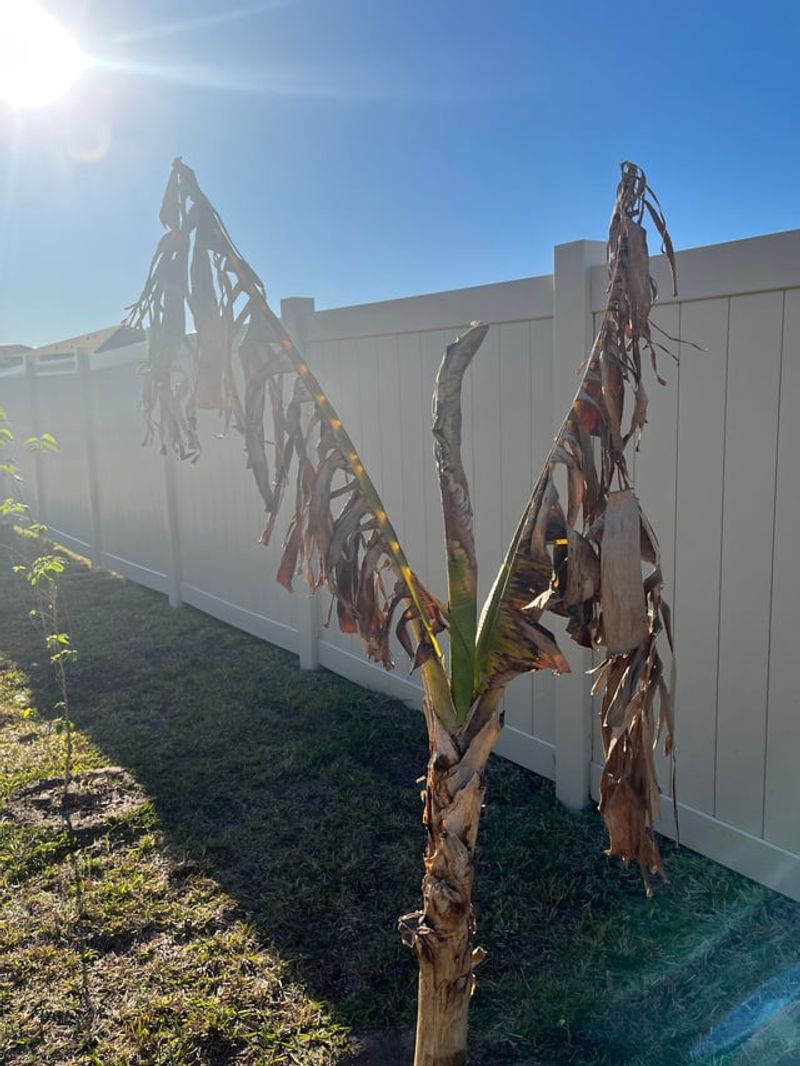
Not every plant makes it back after a hard freeze. Knowing which plants typically recover and which ones probably will not helps you plan your next steps.
Thirty days after frost gives you enough information to make these assessments accurately.
Tropical plants with thick rhizomes or tuberous roots almost always come back. Cannas, gingers, elephant ears, and bananas regrow from underground structures even when everything above ground freezes completely.
These are some of the most reliable comeback plants in Florida gardens.
Woody perennials like lantana, pentas, firebush, and salvia usually survive freezes and regrow from their base. Even if the entire plant looks finished, the crown and roots typically make it through.
Mexican petunia rebounds quickly after freezes, though in some areas it can spread aggressively.
Citrus trees present a more complicated picture. Young trees or those grafted onto sensitive rootstock may struggle more than mature trees on hardy rootstock.
By day 30, you can assess branch damage, but full recovery takes much longer. Some branches recover while others do not.
True tropical plants without cold tolerance often struggle after a hard freeze and may need replacement, especially in colder parts of Florida. Crotons, ti plants, and tropical ferns usually need replacing after a hard freeze.
Succulents with high water content in their leaves, like certain sedums and echeveria, turn to mush and rot rather than recovering. Accepting these losses is part of gardening in Florida where freezes happen unpredictably but inevitably over time.