What Your Rosemary Needs Before October Ends In Michigan
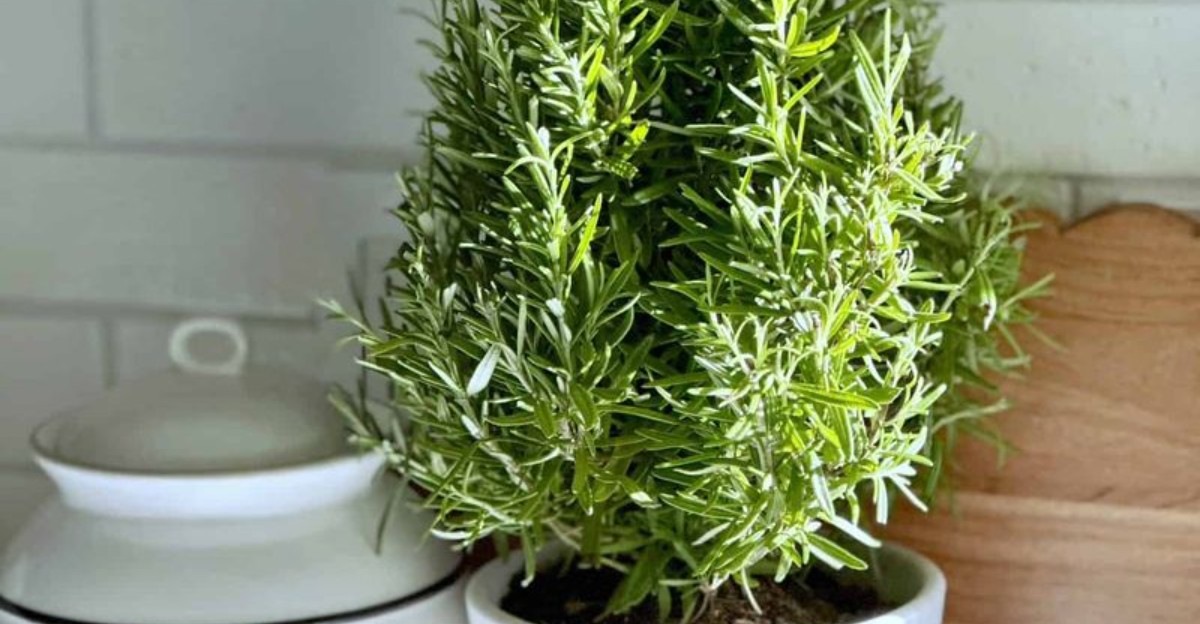
Rosemary loves heat and sunshine, which is exactly why Michigan winters are a problem. Most varieties cannot handle a hard freeze outdoors in this climate. A pot that thrived all summer on the patio can turn brown in a single cold night.
October is the month to act, and this week’s sharp temperature drop is a reminder. Moving a plant indoors takes more than carrying it through the door, though. Rosemary is picky about light, air, and water.
Too little sun makes it stretch and weaken. Too much water brings root rot. A bright window and good airflow are the basics.
A few small steps before the move help the plant settle in faster. Do them now, and you will be cooking with fresh rosemary all winter.
1. Plan To Bring It Indoors For Winter
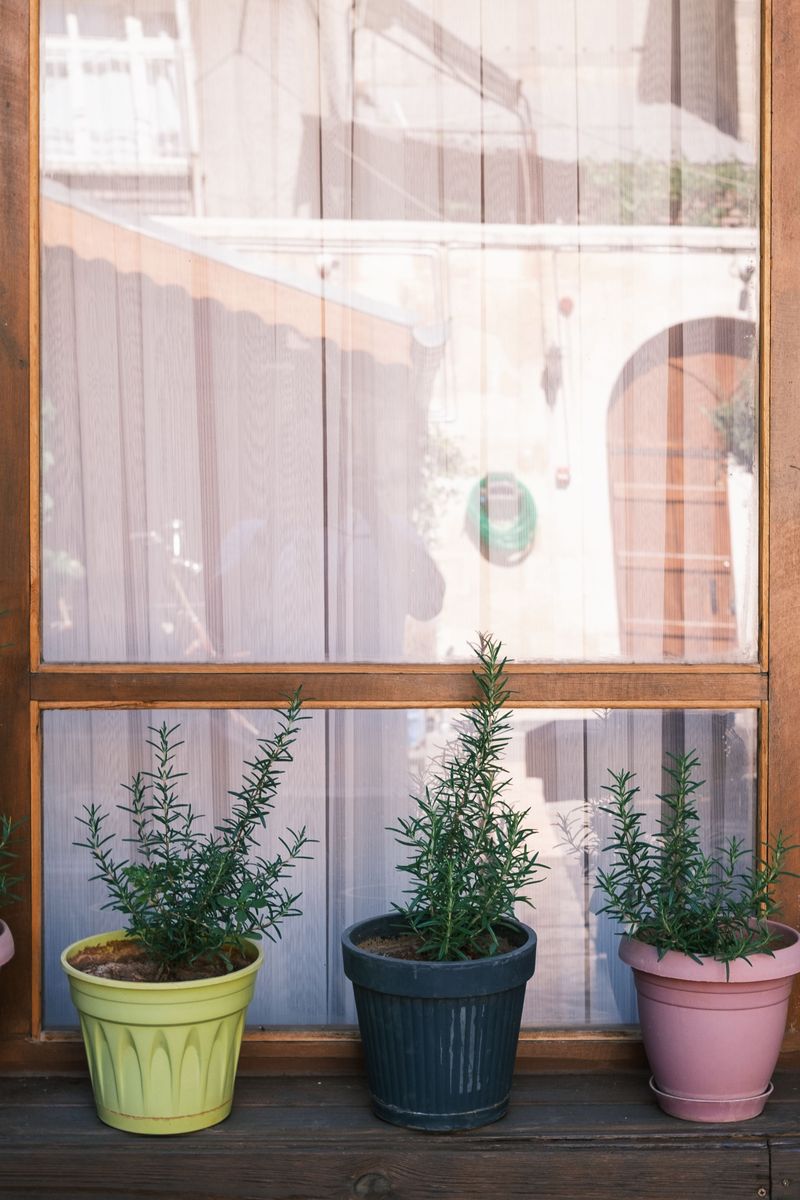
Sunny hillsides along the Mediterranean Sea are where rosemary (Salvia rosmarinus) first grew wild.
Winters there are mild and short, which is a far cry from what a Michigan November brings. That history explains a lot about how your plant behaves when the weather turns cold.
Rosemary can shrug off a light frost without much trouble. Once temperatures drop well into the 20s, though, the needles and stems can suffer serious damage.
Even tough varieties like Arp, famous for handling cold better than most, often fail to make it through a full Michigan winter outside.
So the smartest move is to plan ahead. Keep an eye on your local forecast and aim to move rosemary indoors before nights slip into the mid to low 20s. A simple weather app with alerts can remind you when that point is getting close.
Some gardeners try leaving their plants outside anyway. In the southern Lower Peninsula, a very sheltered spot next to a warm brick wall, covered with thick mulch and frost cloth, might give a plant a fighting chance.
Still, treat that idea as a gamble rather than a plan, because one bitter week in January can undo all your effort.
Timing matters more here than in many other states. Hard freezes are common across Michigan by late October and into November, and they can arrive with little warning. A sudden cold snap after a warm week can hit before you expect it.
Deciding now saves you from a frantic rescue later. Pick your indoor spot, gather your supplies, and get ready, because your rosemary will thank you with fresh sprigs all season.
2. Pot Up Garden Plants A Few Weeks Before Moving Them

Moving house is stressful, and plants feel that too. When rosemary goes from a roomy garden bed into a pot, its roots get disturbed. Asking it to adjust to indoor life at the very same moment piles two big changes on top of each other.
Breaking the move into steps gives your plant an easier ride. Start by watering the ground a day before you dig, since moist soil holds together better. Then use a sharp spade to cut a wide circle around the plant, keeping as much of the root ball as you can.
Your Michigan Garden Changes Every Week. Your Plan Should Too.
Gardening in Michigan changes quickly throughout the season. Every Friday you’ll receive a simple weekly plan showing exactly what to plant, prune, fertilize, harvest, and protect so you never miss the right timing.
Next comes the new home. Choose a pot with drainage holes that is a little wider than the root ball. Fill it with a fast-draining potting mix, and stir in some perlite or coarse sand so water flows through easily, just like rosemary prefers.
Set the plant at the same depth it grew in the garden. Fill in around the sides, press the mix gently, and water it well so the soil settles around the roots. Avoid piling extra soil on top of the stem.
Now leave it outside for a couple of weeks. A sheltered spot near the house, out of harsh wind, works nicely while new roots reach into the fresh mix. During that time, the plant gets used to container life without also coping with indoor air.
Michigan gardeners need to start early for this step. The gap between a good digging day and a hard freeze can be surprisingly short, sometimes only a week or two. Aim to pot up your rosemary in late September or early October for the best results.
3. Check Closely For Pests First

Tiny hitchhikers love rosemary. Its dense, needle-like leaves make perfect hiding places for spider mites, aphids, mealybugs, and whiteflies. Outdoors, birds and helpful insects keep these pests in check, but inside your house, they suddenly have no enemies at all.
Warm, dry indoor air is a dream for many of these bugs. Spider mites in particular can multiply fast, sometimes in just a week or two. A few pests you missed in October can turn into a full-blown problem by Thanksgiving.
A careful look now goes a long way. Grab a flashlight and check the stems closely, then turn the needles over and study their undersides. Watch for fine webbing, white cottony clumps, sticky spots, or tiny insects that fly up when you brush the plant.
Even if everything looks clean, give your rosemary a shower outside. A gentle spray from the garden hose knocks off many pests you might not spot. Let the plant dry in the sun before moving on.
Found some trouble? Insecticidal soap is a gentle, effective choice for soft-bodied pests. Follow the label, coat the stems and leaf undersides well, and repeat as directed, since one treatment rarely catches every egg.
Once inside, keep rosemary away from your other houseplants for about two weeks. That short quarantine lets you spot any surprise pests before they spread.
In Michigan, rosemary often spends five or six months sharing windows with ferns, pothos, and other indoor favorites, so a little caution now protects your whole plant family.
4. Ease It Into Lower Light Gradually
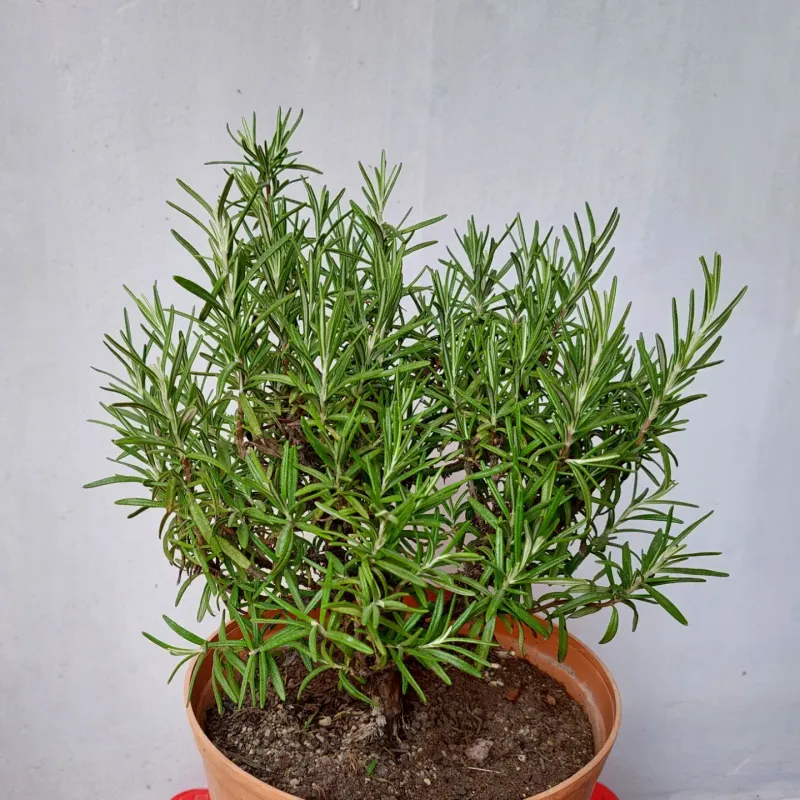
Walking out of a dark movie theater into bright sunshine makes you squint. Rosemary goes through the opposite shock when it moves indoors. After a summer of full sun, a living room window can feel like a cave to this sun-loving herb.
Sudden changes in light can stress the plant in ways you can see. Needles may turn yellow and drop, and new growth often comes in thin and weak. The plant is simply trying to adjust to far less energy than it had before.
A slow transition helps a lot. About a week before your moving day, shift the pot into a partly shaded spot outdoors.
Under a tree, on a covered porch, or along the east side of the house all work well, since those spots get some light without blazing afternoon sun.
During that week, the plant starts adapting to dimmer conditions. Its leaves adjust gradually, so the final move indoors feels less like a jolt. Keep watering as usual and watch for any wilting.
When the big day comes, go straight to the brightest location you have. Avoid parking it in a dim corner for a few days while you figure things out, because that undoes the benefit of easing it in.
Michigan makes this step extra important. Summer sun here is strong and long, with days stretching past fifteen hours in June.
Winter light indoors is a tiny fraction of that, especially through window glass on gray days, so the gap your rosemary must cross is huge.
5. Give It The Brightest, Coolest Spot You Have

Think of rosemary as a guest who loves sunshine but hates a stuffy room. Indoors, it does best with as much light as possible and cooler air.
Put it in a warm, dim spot, and you will soon see long, floppy stems with pale needles stretching toward any light they can find.
Your sunniest window is the place to start. South-facing windows give the most light in winter, and west-facing ones come in second. Keep the glass clean, since dusty windows block more light than most people realize.
For even better results, add a grow light. An affordable LED light hung a few inches above the plant can make a huge difference. Run it for 12 to 14 hours a day, and a simple outlet timer will handle that job for you.
Temperature matters too. Rosemary prefers a cool room, ideally somewhere in the 50s or low 60s at night. A chilly sunroom, an unheated spare bedroom with a bright window, or a cool kitchen corner can all work well.
Keep the plant away from heating vents, radiators, and wood stoves. Blasts of hot, dry air stress the needles and dry out the soil quickly. Even a few feet of distance helps.
Michigan winters bring short days and plenty of gray skies, especially near the Great Lakes, where lake-effect clouds can hang around for weeks.
Natural window light alone often falls short during December and January. That is exactly why extra light can turn a struggling rosemary into a thriving one.
6. Water Carefully, Not Too Much Or Too Little

Ask any indoor herb grower about their biggest rosemary headache, and watering will likely top the list. The plant walks a fine line. Too much water and the roots rot, but too little and the needles turn brown and crispy.
The tricky part is timing. Rosemary dislikes soggy soil, yet letting a pot dry out completely indoors can cause damage before you notice anything wrong. By the time needles start dropping, the roots may already be stressed.
A simple habit solves most of this. Check the soil every few days by pushing your finger about an inch deep. If it feels dry at that depth, it is time to water, and if it still feels damp, wait another day or two.
When you water, do it thoroughly. Pour slowly until water runs out of the drainage holes, which means the whole root ball got a drink. A quick splash on top only wets the surface and leaves deeper roots thirsty.
Afterward, empty the saucer within about fifteen minutes. Standing water at the bottom keeps the roots soaking, which leads straight to rot. A pot with good drainage holes is a must, and terracotta helps extra moisture escape through its walls.
Michigan homes add their own twist. Furnaces run for months, and heated indoor air gets very dry, often dropping humidity well below what plants enjoy.
That dry air pulls moisture from pots faster than you might expect, so a schedule that worked in October may leave your rosemary thirsty by January. Keep checking rather than guessing.
7. Keep Air Moving Around The Plant
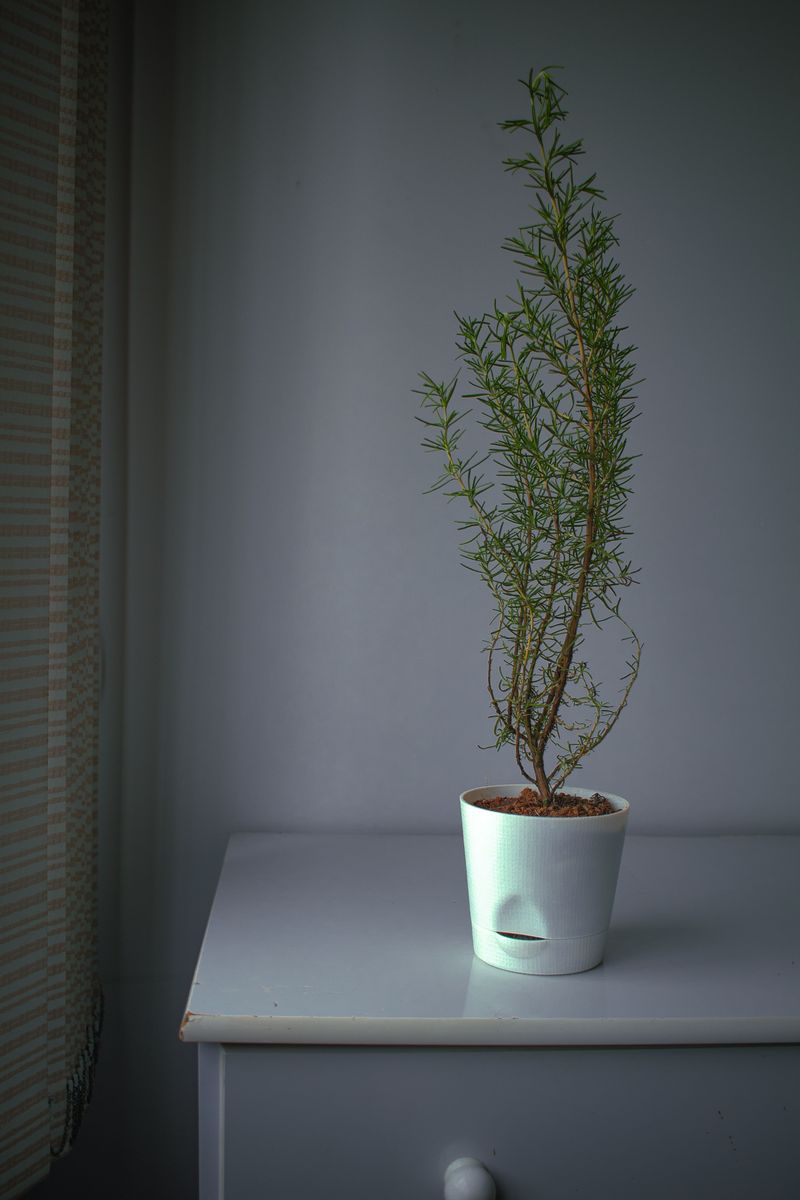
White dust on your rosemary is not flour from the kitchen. More likely, it is powdery mildew, one of the most common problems for rosemary grown indoors. The fungus shows up as white, powdery patches on needles and stems.
Still, humid air is what this mildew loves. When plants are packed tightly together and nothing stirs the air, moisture lingers around the leaves. That creates the perfect setup for spores to settle in and spread.
Fresh, moving air is your best defense. Start by giving rosemary some elbow room, with a few inches of space between it and its neighbors. Leaves that are not touching other plants dry off faster and stay healthier.
A small fan works wonders here. Set it on low and point it so it gently moves air near the plant, not blasting it directly. Even a light breeze for a few hours a day helps keep mildew away.
Skip the misting bottle, too. Some houseplants enjoy a spritz, but wet rosemary needles invite mildew. If you want to raise humidity, a pebble tray under nearby plants is a safer option.
If you spot white patches, snip off the affected stems with clean scissors and toss them in the trash, not the compost. Catching it early keeps the problem small.
Many Michigan gardeners crowd every plant they own into one bright window once the cold arrives. It makes sense, since sunny spots are rare in winter. Still, a little spacing and a quiet fan can keep that cozy window garden from turning into a mildew party.
8. Harvest And Preserve Extra Sprigs Now

Few smells beat fresh rosemary on a chilly evening, roasting alongside potatoes or chicken. Fall is the perfect time to stock up. Before your plant heads inside, a good harvest sets you up for months of flavor.
Trimming has a practical side, too. A smaller, tidier plant fits more easily in a sunny window and needs less light to stay healthy. Plus, if your rosemary struggles indoors over winter, you will still have a stash ready for the kitchen.
Grab clean, sharp scissors and cut sprigs from the tips of the stems. Focus on soft, green growth, which has the best flavor. Never take more than about a third of the plant at once, so it keeps enough leaves to stay strong.
Drying is easy and old-fashioned. Tie small bundles with string and hang them upside down in a warm, airy spot out of direct sun. In about one to two weeks, the needles should feel crisp and slide off the stems easily.
Freezing works great as well. Rinse the sprigs, pat them dry, and lay them in freezer bags with as much air pressed out as possible. Frozen rosemary keeps its flavor well and can go straight into soups and stews.
Store dried leaves in airtight jars away from heat and light. Kept that way, they hold good flavor for up to a year.
Michigan winters are long, and comfort food helps get everyone through them. A pantry filled with homegrown rosemary brings a taste of summer to every snowy supper.