What’s Actually Drawing Raccoons Into Georgia Yards This Summer
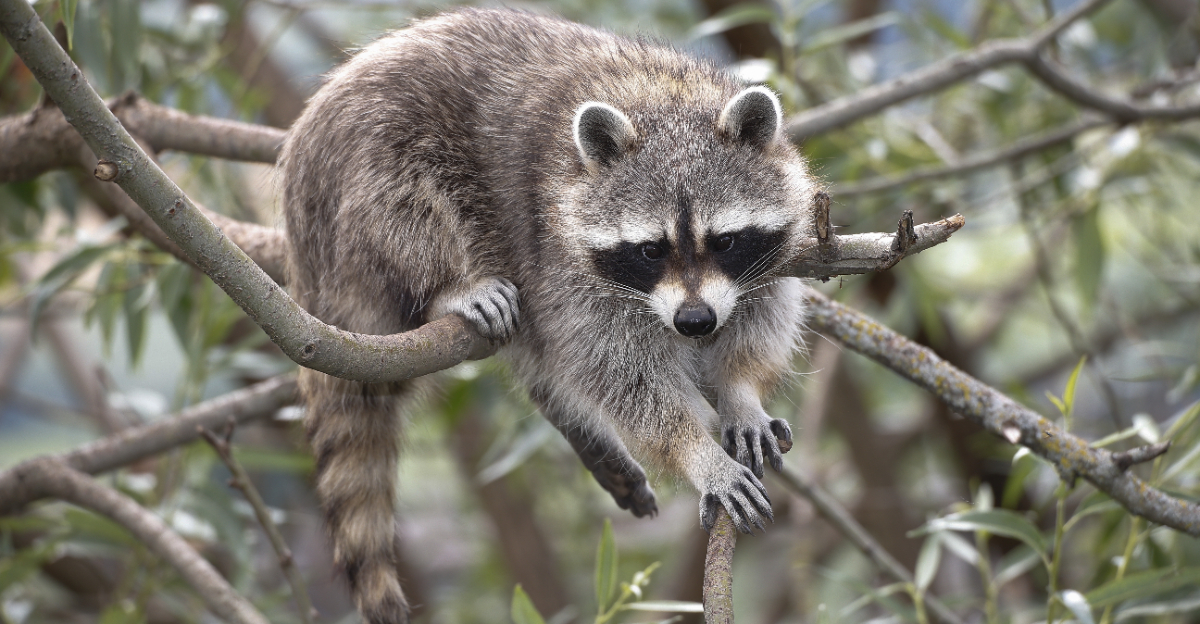
Raccoons rarely wander into a yard without finding something worth coming back for. One visit can quickly turn into a regular nighttime routine.
It is easy to think they are simply passing through the neighborhood. Most repeat visits happen because they keep finding food, water, or safe places to explore.
Summer changes what raccoons are looking for and where they search. Small details around a home can become much more attractive than people expect.
Neighborhoods across Georgia offer plenty of opportunities once the sun goes down. That is why sightings become much more common during this time of year.
The reason may be closer than you think.
Looking at your yard through a raccoon’s eyes can explain why those nighttime visitors keep showing up instead of moving on.
1. Pet Food Quickly Becomes A Nighttime Attraction
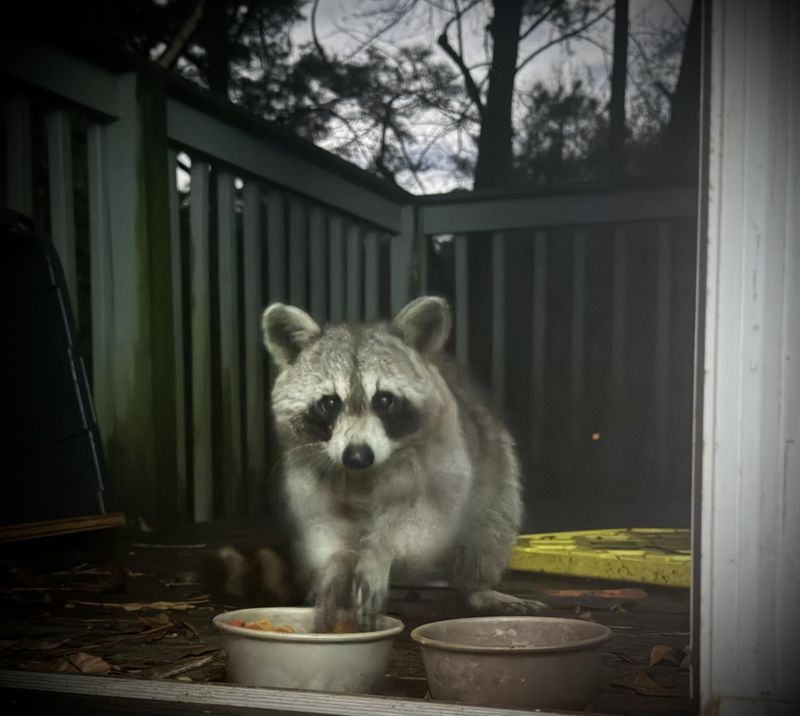
Leaving pet food outside feels harmless, but raccoons notice it fast. A single bowl of dry kibble on a back porch can pull them in night after night.
Once they find a reliable food source, they return on a regular schedule.
Raccoons have a sharp sense of smell. They can pick up food scents from a surprising distance, especially in warm summer air.
Cat food tends to attract them even faster than dog food because of its stronger odor.
Feeding your pets indoors is the most straightforward fix. If indoor feeding is not possible, bring bowls inside before sunset.
Even a small amount of leftover food at the bottom of a bowl is enough to keep raccoons interested.
Storing pet food in sealed containers also helps. Bags left in garages or on porches can attract raccoons even without a bowl present.
Raccoons are capable of opening loosely latched lids, so a secure container matters.
Water bowls left outside overnight are another draw. Raccoons need fresh water regularly, and a pet water dish makes an easy stop.
Removing both food and water bowls each evening is one of the simplest and most effective habits a homeowner can build during summer months.
2. Compost Piles Can Hide Easy Meals
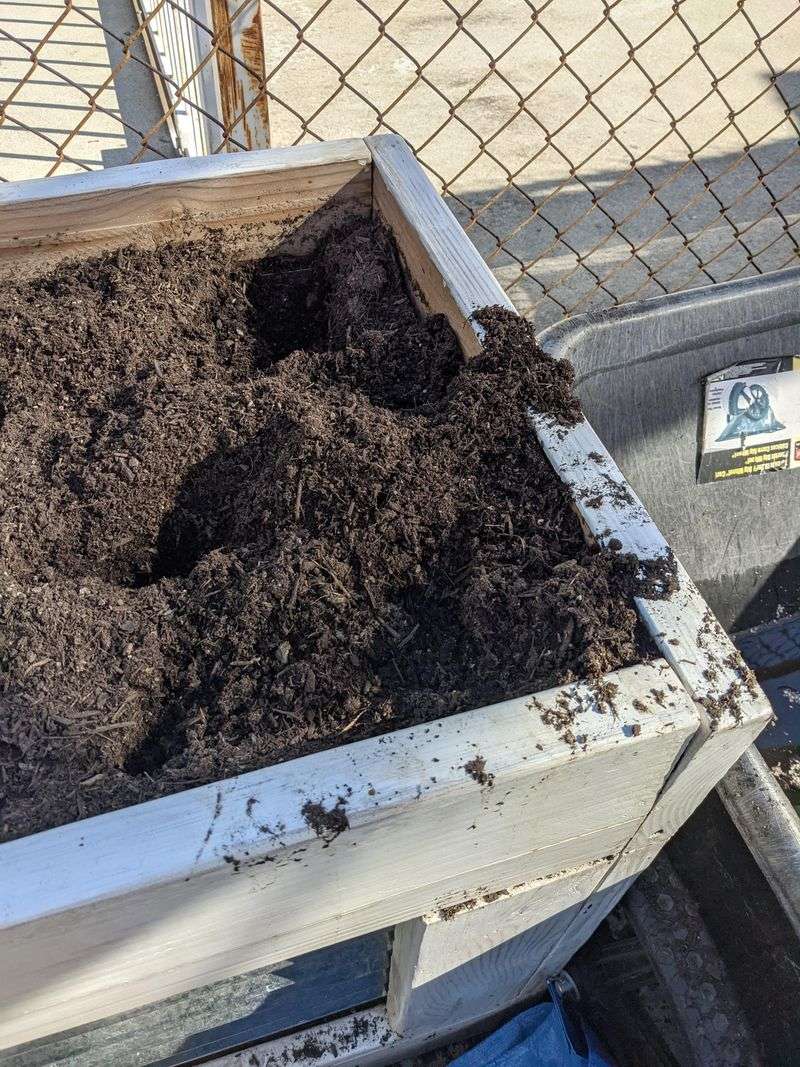
Compost piles smell like a buffet to a hungry raccoon. Fruit scraps, vegetable peels, bread crusts, and cooked leftovers all release strong odors as they break down.
Raccoons zero in on those smells quickly.
Open compost bins are especially vulnerable. A raccoon can dig through loose material in minutes.
By morning, a well-organized pile can look like something turned it completely upside down.
Avoid adding cooked foods, meat, dairy, or anything with strong grease to your compost. Stick to raw fruit and vegetable scraps, yard clippings, and coffee grounds.
Limiting high-odor materials reduces how attractive the pile smells to wildlife.
A secured compost bin makes a real difference. Look for bins with locking lids or heavy latches.
Wire mesh around the base can also help prevent raccoons from digging underneath to access the pile from below.
Turning your compost regularly buries fresh scraps under older, less fragrant material. This cuts down on surface odors and makes the pile less immediately rewarding for a foraging raccoon.
Your Georgia Garden Changes Every Week. Your Plan Should Too.
Gardening in Georgia changes quickly throughout the season. Every Friday you’ll receive a simple weekly plan showing exactly what to plant, prune, fertilize, harvest, and protect so you never miss the right timing.
Keeping the bin away from fences or structures raccoons can climb from also limits easy access. Small adjustments to how you manage compost can reduce nighttime visits without giving up composting altogether.
3. Outdoor Water Keeps Them Coming Back
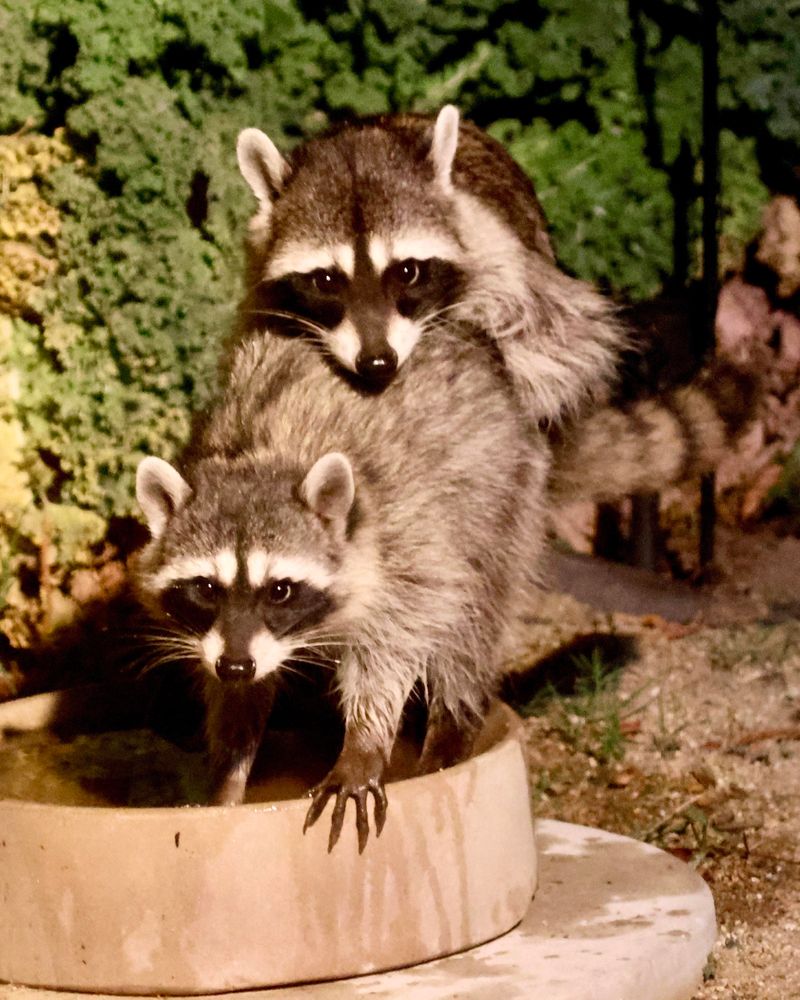
Water is just as important as food when raccoons choose which yards to visit. During hot Georgia summers, standing water in yards is a significant draw.
Birdbaths, garden ponds, pet water bowls, and even clogged gutters holding rainwater all count.
Raccoons are well known for washing or dunking their food before eating it. Having a water source nearby makes a yard feel like a complete setup to them.
Food plus water in the same space is a combination they will return to repeatedly.
Emptying birdbaths at night is one practical option. If you want to keep a birdbath active for daytime birds, refill it each morning and empty it again before dusk.
Small ponds are harder to remove, but motion-activated lights or sprinklers near the water can discourage nighttime visits.
Check for low spots in your yard that collect rainwater after summer storms. These small puddles may seem minor, but they function as water stops for raccoons moving through the neighborhood.
Improving drainage in those areas reduces the appeal.
Gutters that hold standing water are often overlooked. Cleaning gutters regularly and making sure downspouts drain properly removes one more water source that raccoons might rely on during dry stretches between summer rain events.
4. Roof Access Leads To More Attic Visits
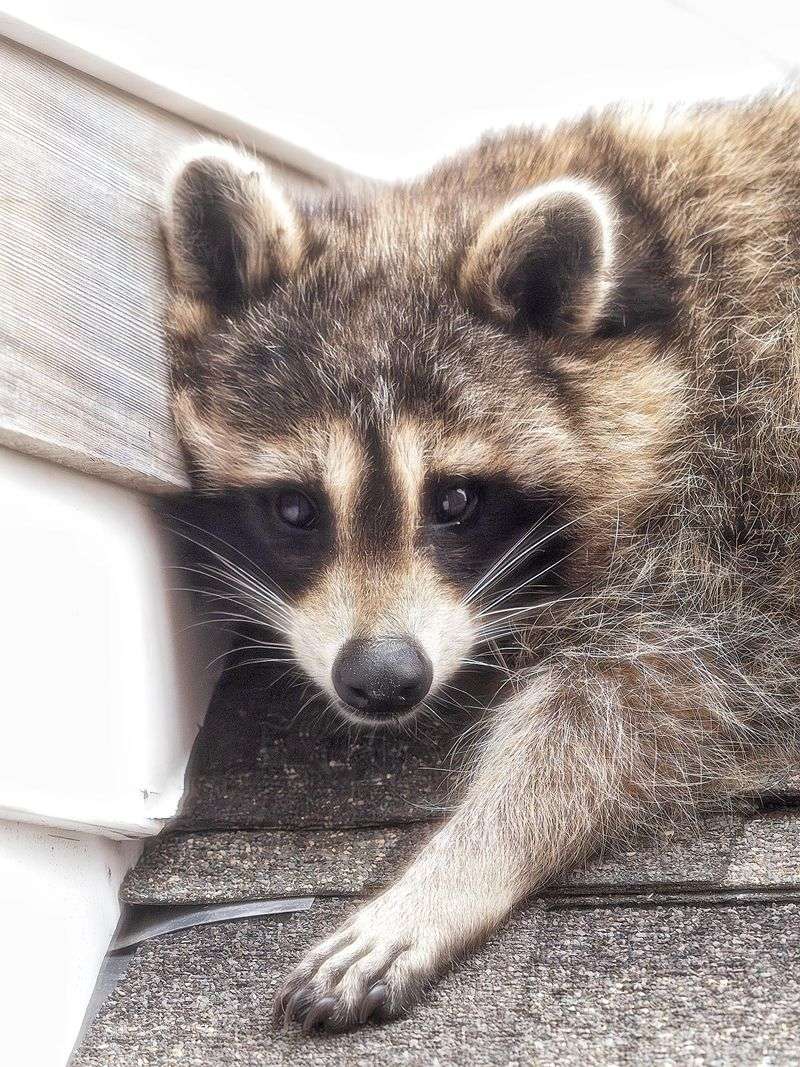
Getting onto a roof is easier for raccoons than most homeowners realize. Overhanging tree branches are the most common access point.
A branch that sits within a few feet of the roofline gives a raccoon a simple bridge from the yard up to the house.
Once on the roof, raccoons explore edges, soffits, and vents. Damaged or loose vent covers are particularly vulnerable.
Raccoons can pull at weak spots with their front paws and create openings large enough to squeeze through.
Trimming branches so they sit at least eight to ten feet away from the roofline is a practical starting point. It does not block raccoons from climbing trees, but it removes the easy jump point onto the house itself.
Inspect your roofline at least once a season. Look for soft fascia boards, cracked vent screens, or gaps around pipe openings.
Reinforcing these areas with hardware cloth or metal flashing before damage occurs is far easier than dealing with an animal already inside.
Downspouts and wooden fence posts near the house can also serve as climbing routes. Metal collars or smooth pipe guards placed around downspouts make them harder to grip.
Reducing every accessible climbing path around the structure lowers the chance of raccoons exploring what is above the gutters.
5. Fruit Trees Draw More Activity As Crops Ripen
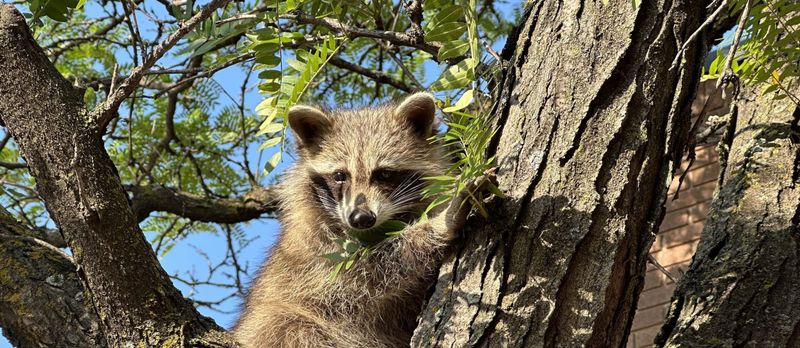
Ripe fruit is one of the strongest natural attractants for raccoons during summer. Peach trees, fig trees, apple trees, and muscadine vines all produce fruit that raccoons actively seek out.
As crops ripen through July and August, activity around those trees tends to increase noticeably.
Fallen fruit on the ground is an even easier target than fruit on the branch. Raccoons do not need to climb or reach when a ripe peach has already dropped overnight.
Picking up fallen fruit daily is one of the most effective habits during peak harvest season.
Harvesting fruit as soon as it ripens reduces the window raccoons have to access it. Leaving overripe fruit on trees or letting it accumulate on the ground sends a clear signal that the yard is a food source worth revisiting.
Motion-activated lights placed near fruit trees can startle raccoons and interrupt their foraging. They are not a permanent solution, but they can reduce how comfortable raccoons feel spending extended time near the trees at night.
For smaller trees, a metal collar wrapped around the trunk can make climbing more difficult. Raccoons are capable climbers, but smooth metal surfaces give their claws very little grip.
Combining trunk guards with consistent fruit cleanup gives the best chance of keeping raccoons out of the harvest.
6. Open Garages Can Offer Easy Shelter
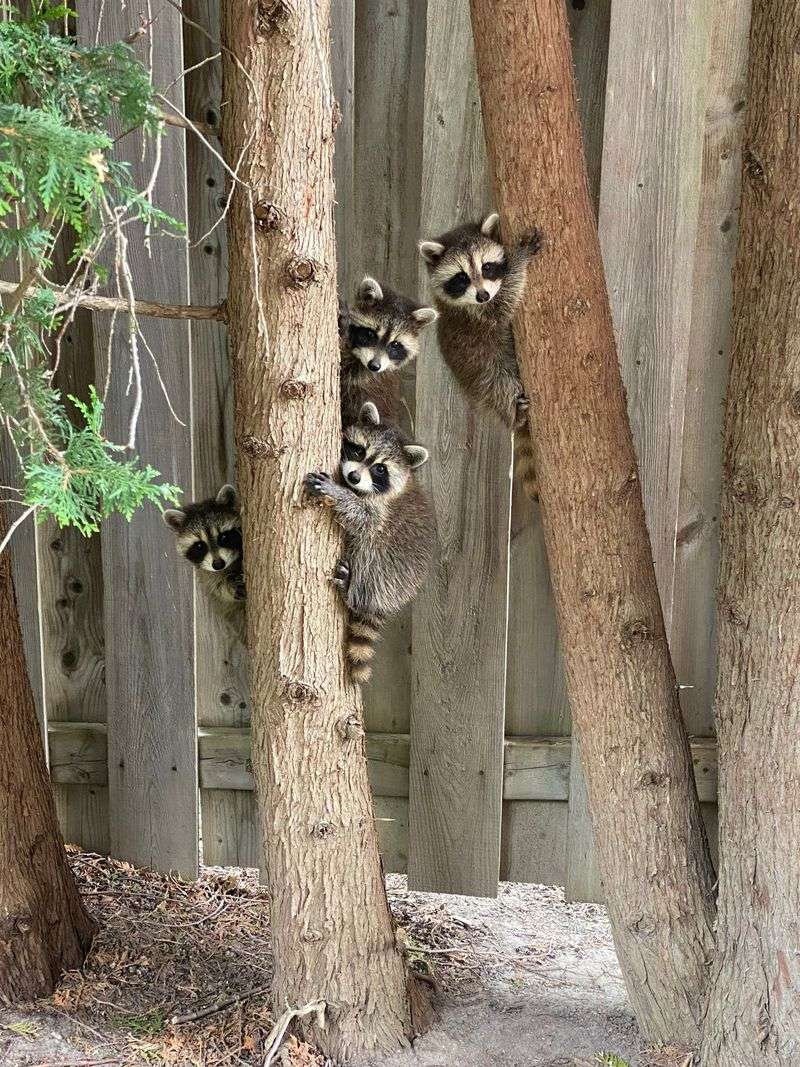
An open garage at night is an invitation most raccoons will not pass up. Garages offer shade, shelter from summer heat, and often a surprising number of food-related smells.
Birdseed bags, pet food storage, and trash cans all tend to end up in garages, making them even more attractive.
Raccoons do not need a wide opening to get inside. A gap of a few inches under a side door or a slightly raised garage door is enough for a motivated animal to squeeze through.
Once inside, they may explore, nest, or raid whatever storage they find.
Closing the garage door fully each evening is the simplest prevention step. Side entry doors should have tight-fitting seals and working latches.
Gaps under doors can be sealed with door sweeps, which are inexpensive and easy to install.
Inside the garage, store all food-related items in hard-sided, sealed containers. Raccoons can chew through thin plastic bags and cardboard without much effort.
Metal or thick plastic bins with secure lids are far more resistant.
Trash cans stored in garages should also have locking or weighted lids. A raccoon that finds an easy meal inside a garage once will check back on following nights.
Keeping the space consistently unappealing reduces repeat visits over time.
7. Warm Summer Nights Keep Them Active Longer
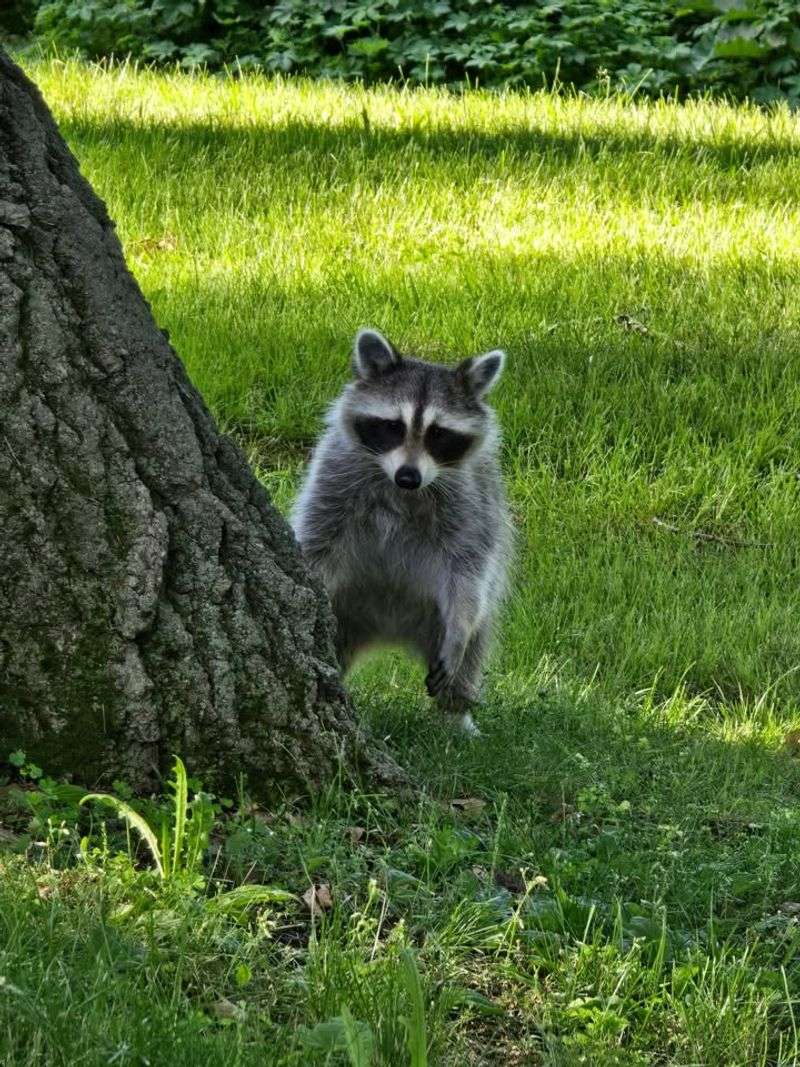
Summer nights in the South are warm enough to keep raccoons moving for hours. Cooler seasons naturally limit how long they stay active, but summer removes that constraint.
Longer active periods mean more time spent exploring yards, testing trash cans, and checking familiar food spots.
Raccoons are primarily nocturnal, but they are not strictly bound to darkness. On warm summer evenings, it is not unusual to spot one moving around before full dark.
High temperatures during the day push them to rest, then they make up for it with extended nighttime activity.
Knowing this pattern helps homeowners time their prevention habits better. Bringing in pet food, closing garage doors, and removing outdoor water sources before sunset matters more in summer than in cooler months.
The window of raccoon activity is longer, so earlier action is more effective.
Motion-activated deterrents work better when they respond quickly and cover the right areas. Sprinklers, lights, or sound devices placed near known entry points can interrupt foraging routines.
Raccoons are adaptable, so rotating deterrent placement occasionally may help maintain effectiveness.
Consistency matters more than any single tactic. Raccoons learn fast and adjust their behavior when one approach stops working.
Combining multiple strategies and applying them every night through the summer season gives yards in Georgia the best chance of staying raccoon-free through the hottest months.