6 Things Florida Gardeners Should Watch Out For When Growing Hibiscus
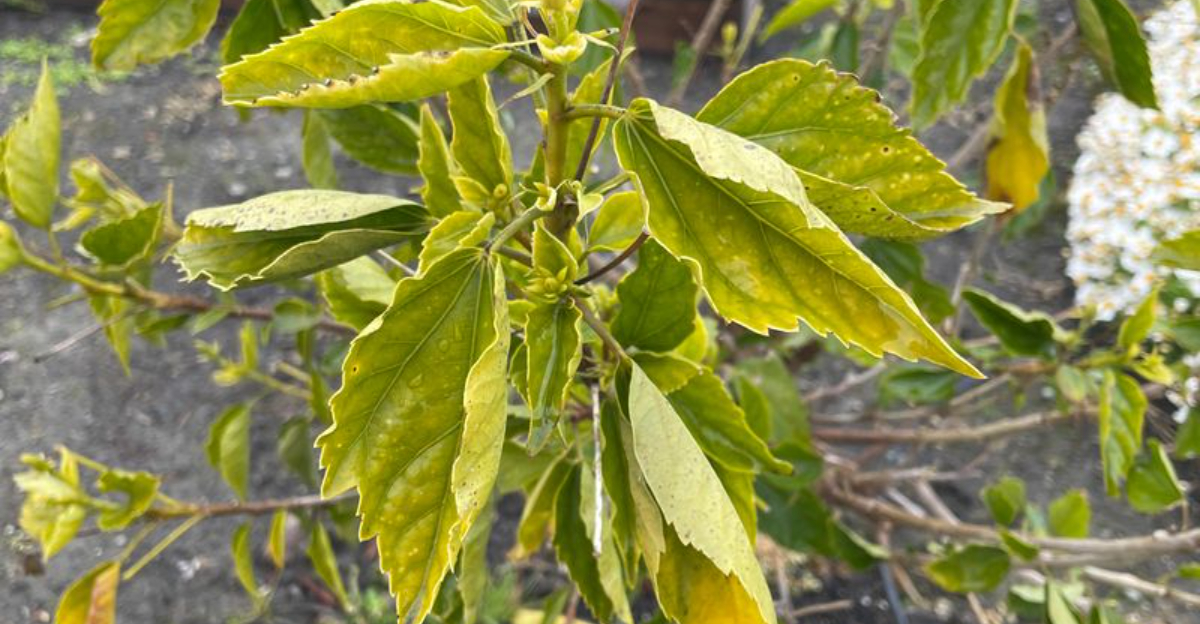
Hibiscus can make a Florida yard look like a postcard, right up until the plant starts dropping buds, yellowing, or looking rough for no obvious reason. That is the part that catches people off guard.
In a state where hibiscus seems like an easy win, a lot can still go sideways fast. The trouble usually comes from the little things.
Too much water, the wrong pruning timing, hungry soil, surprise pest problems, or a spot that looked fine at first can all throw the plant off its game. One week it is covered in flashy blooms, and the next it is sulking like it has a score to settle.
That is why hibiscus does best with a bit more attention than people expect. Once you know what tends to trip it up in Florida, it gets much easier to keep it lush, leafy, and putting on the kind of show it is famous for.
1. Too Much Rain Can Cause Root Trouble
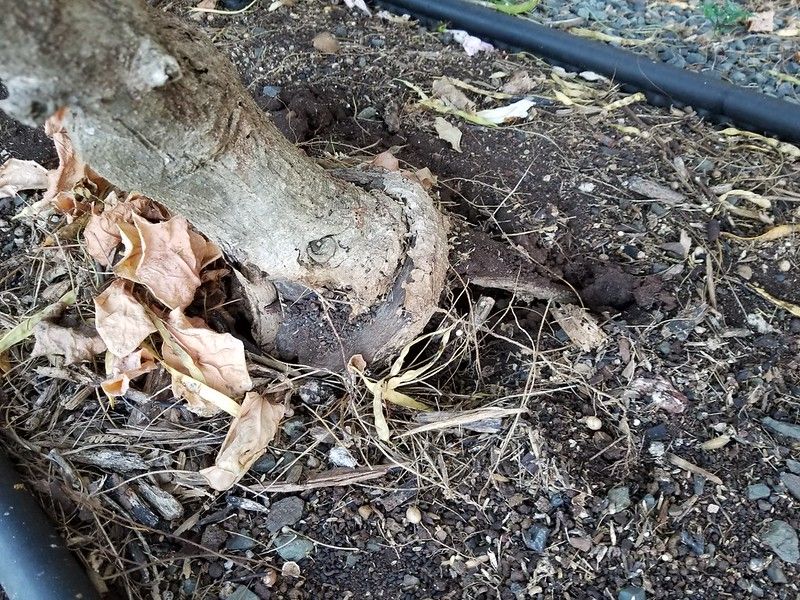
Florida’s rainy season is no joke. From June through September, some parts of the state can receive six inches of rain or more in a single month, and hibiscus roots sitting in waterlogged soil for too long will start to show it.
The first signs usually appear above ground, not below, which is what makes this problem easy to miss until it has already gotten serious.
When roots are deprived of oxygen because the soil stays saturated, the plant starts to struggle with water and nutrient uptake. Leaves may yellow, droop, or drop off even though the soil looks plenty moist.
Gardeners often make the mistake of thinking the plant needs more water when the actual problem is that it already has too much.
Well-draining soil is one of the most important factors for healthy hibiscus in Florida. According to UF/IFAS, hibiscus prefers fertile, moist soil that drains freely rather than holding standing water.
Sandy Florida soils actually drain well on their own, but areas with compacted clay, poor grading, or low-lying spots in the yard can turn into trouble zones after a heavy downpour.
If your yard tends to hold water, consider raising the planting area slightly or amending the soil with compost to improve structure. Planting in containers is another practical option for spots where drainage is consistently poor.
For in-ground plants, avoid mulching so heavily that water cannot escape the root zone at all.
Checking the planting site before you plant is far easier than trying to fix drainage problems later. A spot that drains within an hour or two after heavy rain is a solid choice.
Consistently soggy ground is a setup for root stress that no amount of pruning or fertilizing will fix.
2. Harsh Afternoon Sun Can Scorch The Leaves
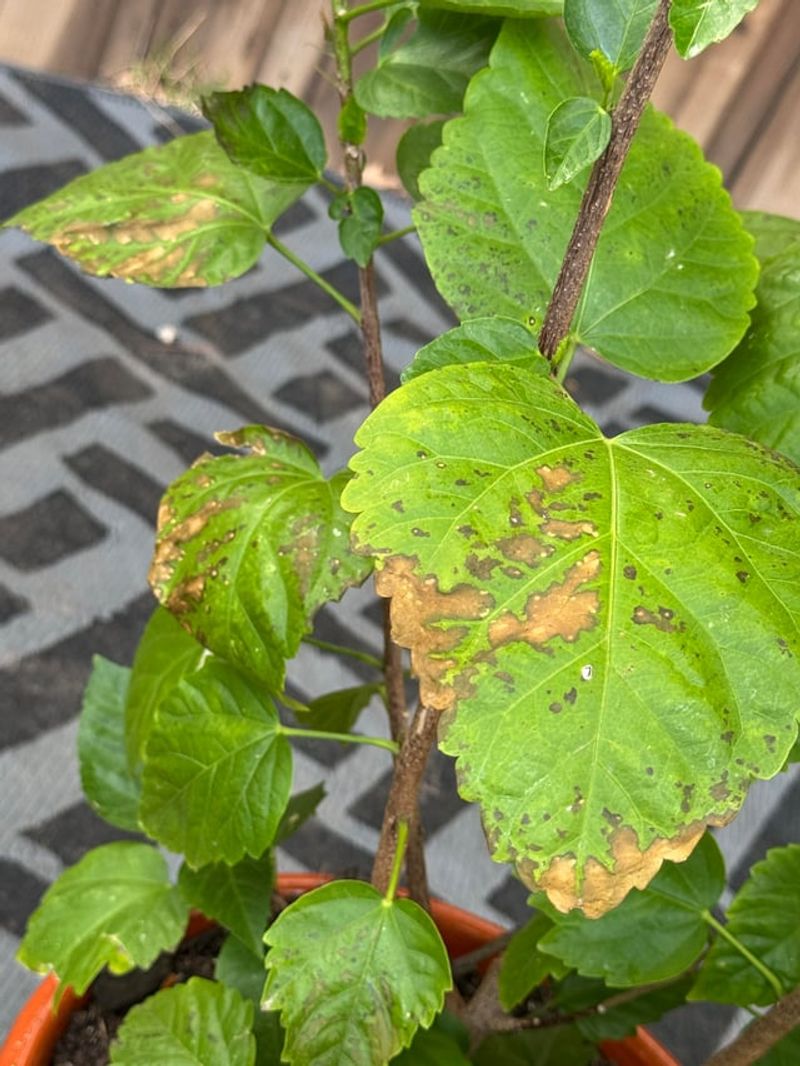
Walk past a hibiscus planted against a white stucco wall on a July afternoon in Central Florida and you can practically feel the heat radiating off it.
Hibiscus is a sun-loving plant, no question, but there is a real difference between healthy full sun and the kind of reflected, concentrated heat that builds up in certain spots around Florida homes and hardscapes.
Your Florida Garden Changes Every Week. Your Plan Should Too.
Gardening in Florida changes quickly throughout the season. Every Friday you’ll receive a simple weekly plan showing exactly what to plant, prune, fertilize, harvest, and protect so you never miss the right timing.
Leaf scorch shows up as brown or crispy edges, bleached patches, or a general washed-out look to the foliage. It tends to be most noticeable on the side of the plant facing west or southwest, where afternoon sun hits the hardest.
The damage is not just cosmetic. A plant under constant heat stress redirects energy toward survival rather than blooming, which means fewer flowers even if the plant technically looks alive.
According to University of Florida Gardening Solutions, hibiscus performs best with at least six hours of direct sun daily, but the source and intensity of that sun matters. Morning sun is gentler and more consistent.
Afternoon sun in South and Central Florida, especially when paired with reflective surfaces like concrete, pavers, or light-colored walls, can push leaf temperatures well beyond what the plant handles comfortably.
Choosing the right planting spot from the start helps more than any fix applied after the fact. An east-facing location or a spot with light afternoon shade from a nearby tree or structure can make a noticeable difference during peak summer heat.
For container plants, moving them slightly during the hottest weeks of the year is a straightforward adjustment.
Keeping plants well-watered during heat waves also reduces stress significantly. A properly hydrated hibiscus handles intense sun far better than one that is even slightly dry.
Consistent soil moisture and smart placement work together to keep the foliage looking clean and healthy all season.
3. Whiteflies Love A Stressed Hibiscus
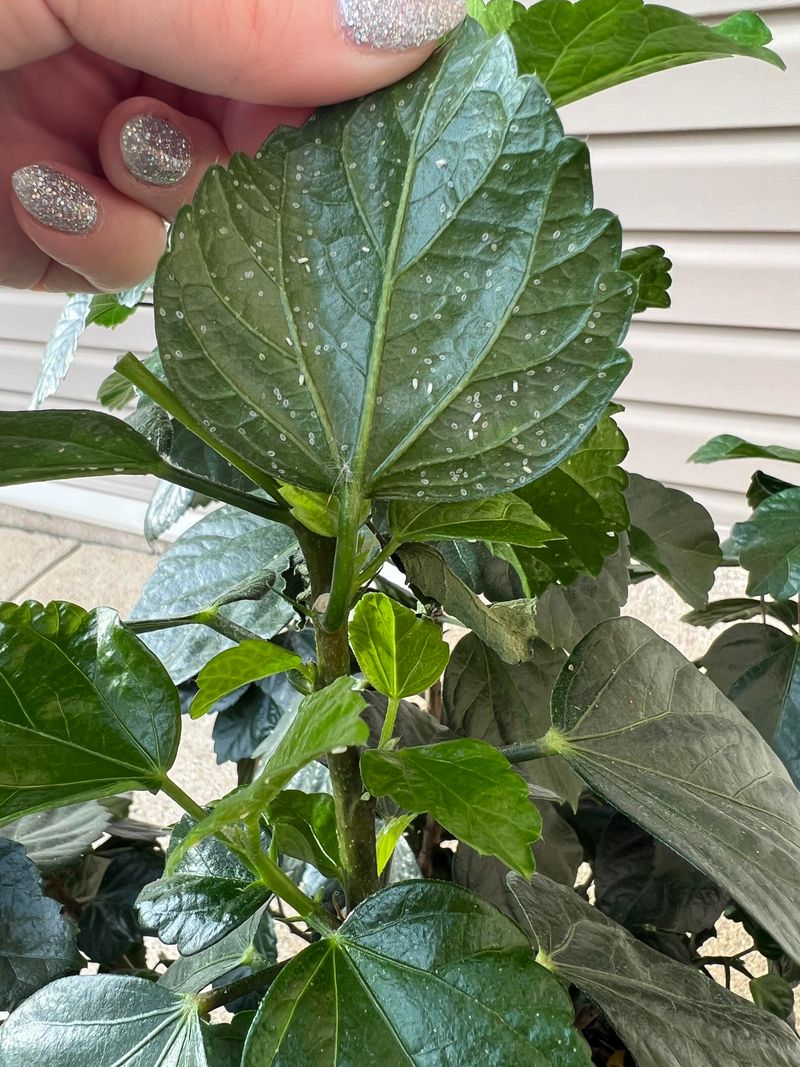
Shake a hibiscus branch and watch what happens. If a small cloud of tiny white insects lifts off the leaves, you have got whiteflies, and they are one of the most frustrating pests Florida hibiscus growers deal with.
These insects are not random visitors. They actively seek out plants that are already under some kind of stress, whether from heat, inconsistent watering, or nutrient imbalance.
Whiteflies feed on plant sap by clustering on the undersides of leaves, which is why gardeners often do not notice them right away. The visible signs above ground come a little later: yellowing leaves, reduced vigor, and a sticky coating on the foliage called honeydew.
That honeydew is a waste product from the feeding insects, and it can attract a black sooty mold that coats the leaves and blocks sunlight even further.
UF/IFAS identifies whiteflies as one of the most common pest threats to hibiscus in Florida, especially during warm months when populations can build up quickly. The silverleaf whitefly is particularly aggressive and has been documented causing significant damage to ornamental plants throughout the state.
Once the population gets large, it becomes harder to manage effectively.
Catching the problem early makes a big difference. Inspect the undersides of leaves regularly, especially during summer.
Insecticidal soap and horticultural oil are both recognized treatment options for whitefly management on ornamentals, and they work best when applied thoroughly to cover both leaf surfaces.
Repeat applications are usually needed since eggs are not always affected by a single treatment.
Keeping your hibiscus healthy overall is genuinely the best long-term defense. A plant with consistent water, appropriate fertilizer, and good air circulation is simply less attractive to whiteflies than one that is struggling.
Strong plants recover faster and resist re-infestation more effectively than weakened ones.
4. Bad Pruning Timing Can Cut Down Blooms
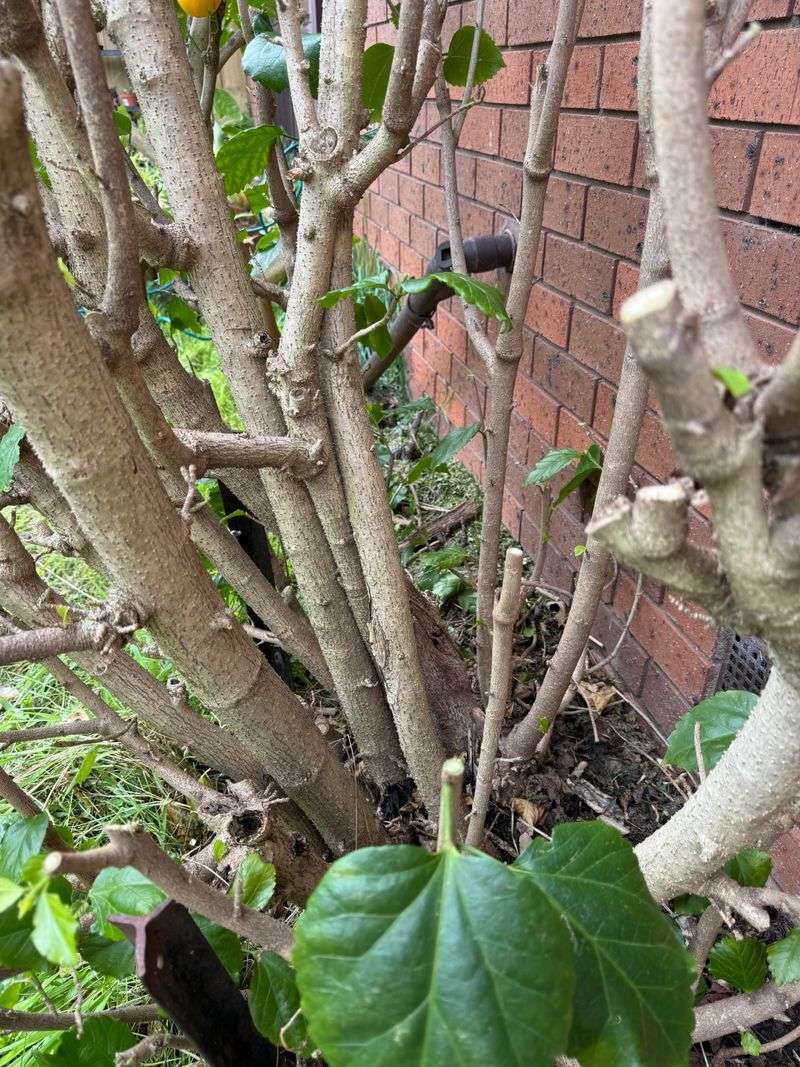
Grab the pruning shears at the wrong time of year and you might spend the next few months staring at a beautifully shaped bush with almost no flowers on it.
Pruning timing is one of those hibiscus care details that feels minor until you get it wrong, and plenty of Florida gardeners learn that lesson the hard way.
Tropical hibiscus blooms on new growth, meaning flowers develop on the fresh stems the plant pushes out after being cut or shaped. If you prune at the right time, you encourage a fresh flush of vigorous new growth that leads directly to more blooms.
If you prune too late in the season, you may remove the very stems that were about to produce flowers, or you may trigger tender new growth right before a cold snap arrives.
For most of Florida, early spring is the ideal window for major pruning. This timing lets the plant recover during the warm growing season and produce new flowering stems throughout spring and summer.
Light shaping can be done throughout the growing season without much concern, but heavy cuts are best saved for that early spring period before the plant fully kicks into its active growth phase.
Pruning heavily in late fall is a common mistake in North and Central Florida. New growth pushed out after a late-season cut is vulnerable to cold damage if temperatures drop unexpectedly, and losing that tender growth sets the plant back considerably going into winter.
According to UF/IFAS guidelines, timing major pruning correctly is one of the simplest ways to protect both blooms and overall plant health.
Sharp, clean tools matter too. Ragged cuts from dull blades heal more slowly and create entry points for disease.
Wiping blades with rubbing alcohol between plants also helps prevent spreading any issues from one hibiscus to another in your yard.
5. Cold Snaps Can Hit Faster Than Expected
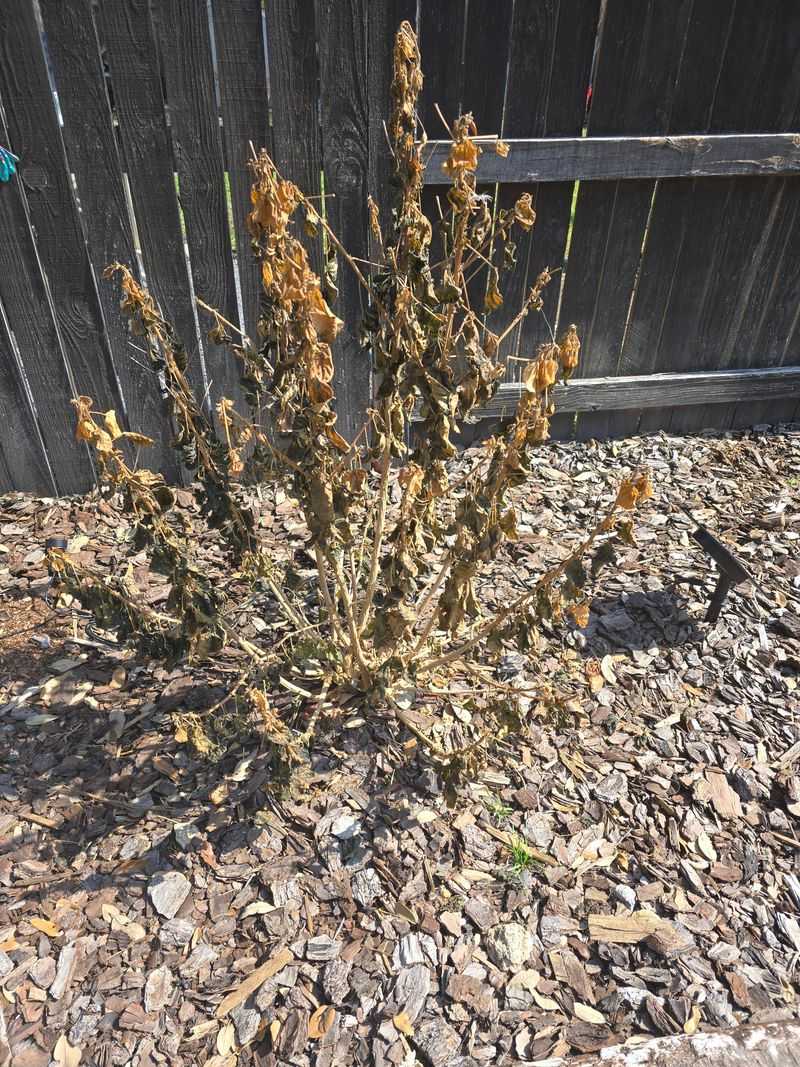
Most people picture Florida as a place where frost never happens, but ask any gardener in Gainesville, Tallahassee, or even Orlando about a January cold snap and you will get a very different story.
Tropical hibiscus is genuinely cold-sensitive, and even a brief dip into the low 30s can cause noticeable damage to foliage and tender stems if the plant is caught unprepared.
Cold stress on hibiscus shows up in a few recognizable ways. Leaves may turn yellow or drop off suddenly.
Stem tips may look blackened or mushy after temperatures recover. In more severe cases, the cold can work its way down into larger branches, requiring more significant cleanup once the weather warms back up.
The damage is not always obvious immediately and may take several days to fully appear.
Regional differences matter a lot here. South Florida gardeners in Zones 10 and 11 rarely deal with freeze events, but Central and North Florida gardeners need to stay alert from December through February.
Hardy hibiscus varieties like Hibiscus moscheutos handle brief freezes better than tropical types and can regrow from their root systems even after significant cold exposure, according to UF/IFAS.
Keeping an eye on extended weather forecasts during winter months gives you time to act. Covering plants with frost cloth on nights when temperatures are expected to drop below 40 degrees Fahrenheit can make a real difference for tropical varieties.
Potted hibiscus can simply be moved indoors or into a sheltered space until the cold passes.
Avoid heavy fertilizing or pruning heading into late fall, since both can stimulate new growth that is especially vulnerable to cold. Letting the plant slow down naturally as temperatures drop is a smarter approach than pushing it to keep growing through the cooler months.
6. Overfeeding Can Create More Problems Than Flowers
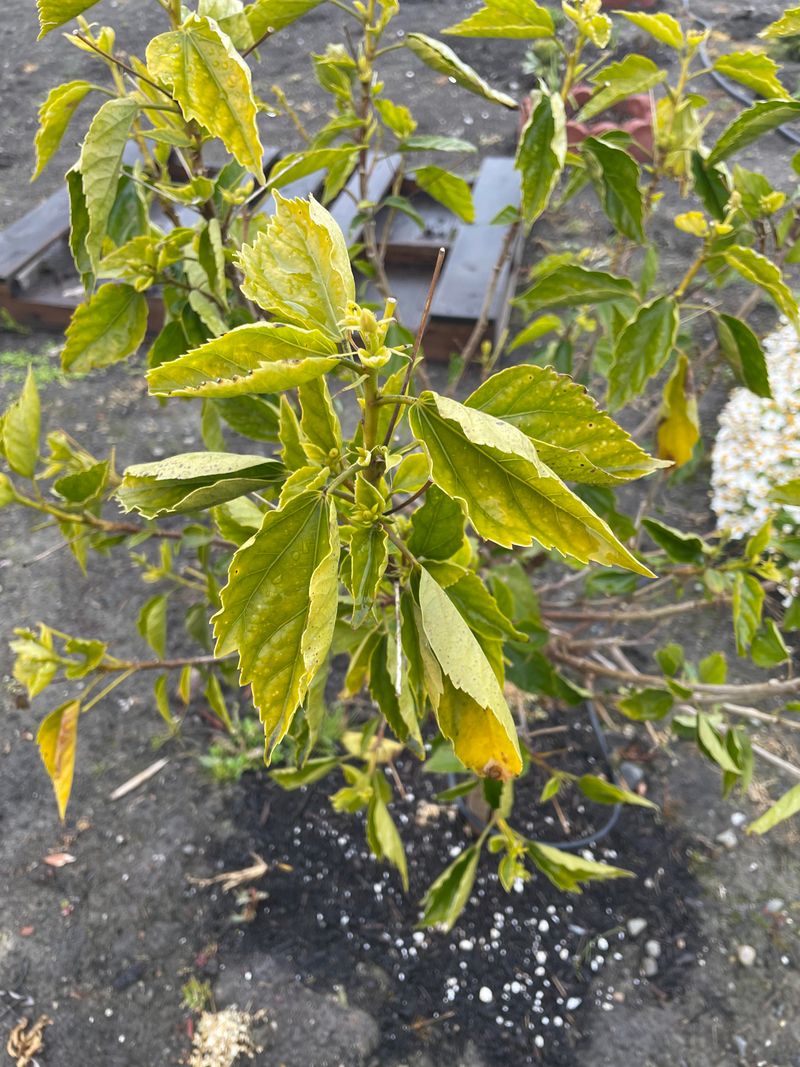
More fertilizer feels like a logical solution when a hibiscus is not performing the way you hoped. The reasoning makes sense on the surface: feed the plant more, get more flowers.
In practice, overdoing it with fertilizer is one of the most reliable ways to end up with a big, leafy hibiscus that barely blooms at all.
When nitrogen levels in the soil get too high, hibiscus responds by putting its energy into producing lush green foliage rather than flowers. The plant looks healthy and full, which is part of what makes this mistake so confusing.
Gardeners see vigorous growth and assume things are going well, but bloom production stays low or stops almost entirely. Too much phosphorus can also interfere with the plant’s ability to absorb other nutrients it needs.
Salt buildup from excessive fertilizer applications is another real concern in Florida. Over time, salts from fertilizer accumulate in the soil and can interfere with root function, causing tips and edges of leaves to brown even when watering is consistent.
Florida’s sandy soils do not hold nutrients the way heavier soils do, which means fertilizer moves through quickly and reapplying too soon can cause buildup before the previous application has fully cleared.
UF/IFAS recommends using a balanced, slow-release fertilizer formulated for hibiscus or flowering tropicals, applied on a measured schedule during the active growing season.
A product with a ratio around 10-4-12 or similar, including micronutrients like magnesium and iron, supports both healthy foliage and consistent blooming without pushing the plant too hard in any one direction.
Pulling back on fertilizer frequency and sticking to the recommended application rate on the label is usually all it takes to get blooms back on track. Less is genuinely more when it comes to feeding hibiscus in Florida’s warm, fast-growing conditions.