When Florida Gardeners Should Plant Palms

Planting a palm tree is one of those moments that makes a yard finally feel like Florida.
Many gardeners picture that fresh palm settling into the landscape, swaying in the breeze, and instantly making the whole place look a little more tropical.
The tricky part is timing. Palms do best when they are planted during the right stretch of warm weather, when the soil and air are ready to help new roots grow quickly.
Plant too early or during stressful conditions and the tree may struggle longer than expected.
Most garden centers sell palms year round, which makes it easy to assume any time works. In reality, Florida gardeners get much better results during a certain window of the season.
And once you know when that window opens, planting palms becomes a whole lot easier.
1. Why Timing Matters More Than Most Florida Gardeners Realize

Most people assume that because Florida is warm and sunny nearly year-round, you can just stick a palm in the ground anytime and it will be fine. That assumption has led to a lot of struggling palms across the state.
Timing actually plays a huge role in how well a newly planted palm establishes its root system, and getting it wrong can set your tree back by months or even longer.
Palms go through a natural adjustment period after being planted. During this time, the roots need to spread out into the surrounding soil and anchor the tree properly.
If a palm is planted during a stressful period, like a cold snap or an unusually dry stretch, it has to work much harder just to survive instead of growing.
Florida’s climate is unique compared to most of the country. The state experiences a wet season and a dry season, and those patterns directly affect how quickly a palm can settle in.
Gardeners in Florida who pay attention to these seasonal rhythms tend to have much better results with their palms than those who plant without thinking about timing.
Think of it like starting a new job. If you begin during a busy, chaotic season, it is harder to learn and adjust.
But if you start during a calmer period with plenty of support, you settle in quickly and confidently. Palms work the same way, and understanding this simple idea can completely change your results as a Florida gardener.
2. The Best Season To Plant Palms In Florida Yards
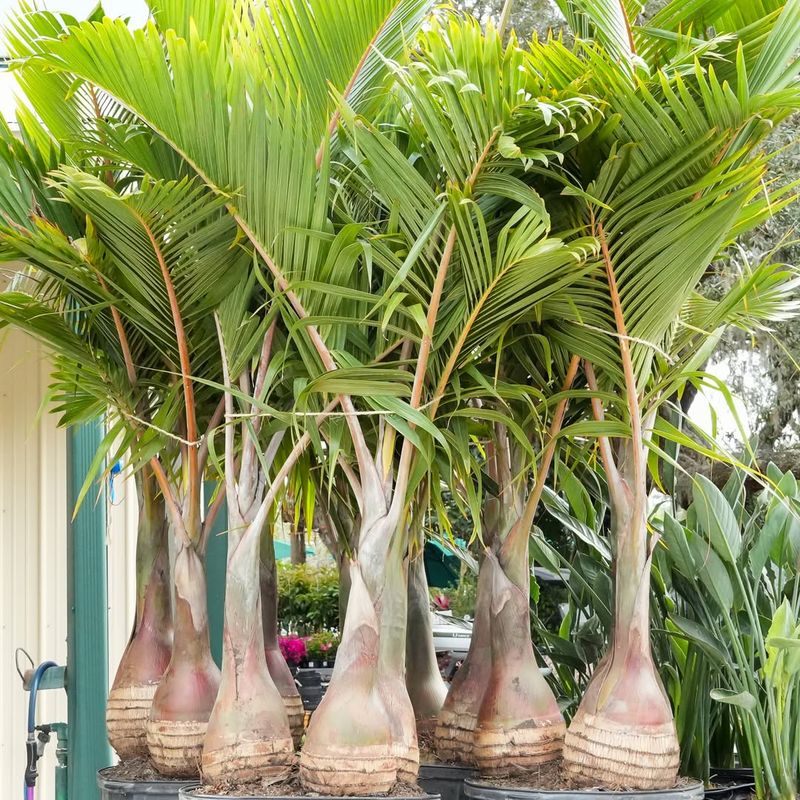
Warm weather tends to give newly planted palms a helpful head start in Florida landscapes. Many gardeners notice that palms planted from late spring through the warm months often establish roots more quickly because the soil temperatures are higher and growth is naturally more active.
Florida’s rainy season, which typically runs from late May through early fall, can also make planting easier. Regular afternoon rain showers help keep the soil evenly moist while the palm adjusts to its new location.
That steady moisture can reduce the amount of supplemental watering gardeners need to do during the first several weeks after planting.
That said, palms are surprisingly flexible when it comes to planting time in Florida. In many parts of the state, especially frost-free regions of Central and South Florida, palms are planted successfully during much of the year as long as they receive proper watering and care.
Late spring can be a comfortable planting window for many gardeners because temperatures are warming and the risk of cold weather is fading. The palm then has several months of warm conditions ahead to develop new roots before cooler weather arrives.
Winter planting is usually less ideal in the northern parts of the state because cooler soil temperatures slow root growth. A palm planted during colder months may take longer to establish compared with one planted during warmer conditions.
Waiting for consistently warm weather often gives the tree a smoother start in a Florida landscape.
3. How Florida’s Different Regions Affect Palm Planting Time
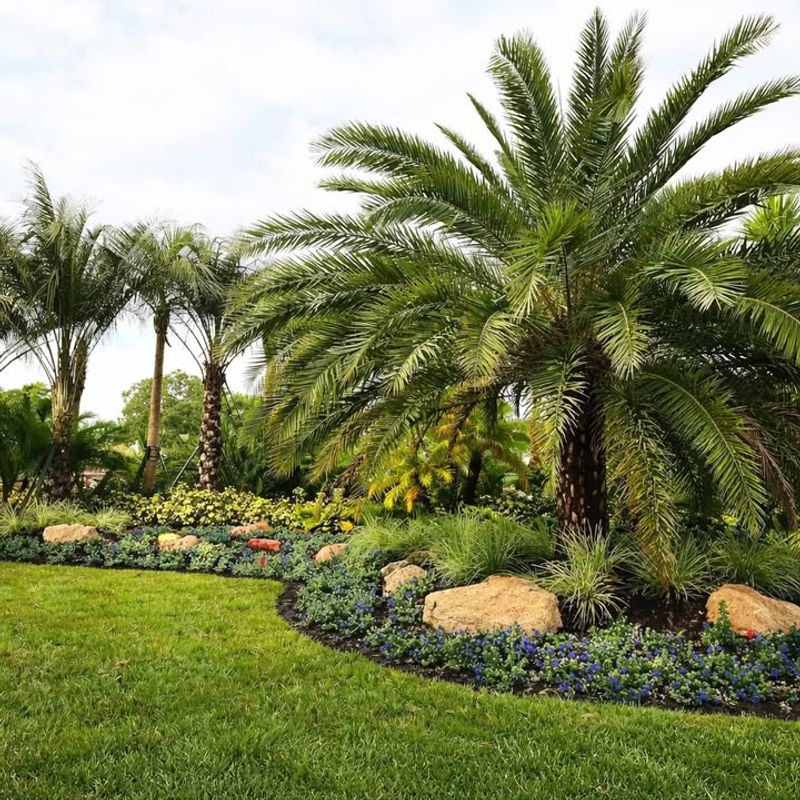
Florida is a long state, stretching from the Georgia border all the way down to the Florida Keys, and the climate changes quite a bit as you move from north to south. That difference matters a lot when you are deciding when to plant a palm.
What works perfectly in Miami might not be the best approach in Tallahassee or Jacksonville.
North Florida experiences cooler winters than the rest of the state. Temperatures can occasionally drop below freezing, which means palm planting should be timed more carefully in that region.
Gardeners in North Florida are generally better off waiting until late spring or early summer to plant, giving the tree a full warm season to establish before any cool weather arrives.
Central Florida sits in a middle zone where winters are mild but can still bring occasional cold snaps. Gardeners in the Orlando or Tampa areas have a bit more flexibility, but summer planting is still the safest bet.
The wet season in Central Florida is reliable and brings enough rainfall to support new palms without requiring constant hand watering.
South Florida, including areas like Miami, Fort Lauderdale, and Naples, has the most tropical climate in the state. Palms planted there can establish roots almost year-round, though summer is still the preferred window.
The warm temperatures and consistent rainfall in South Florida make palm growing relatively forgiving compared to other parts of the state. Knowing your specific region helps you make smarter decisions as a Florida gardener.
4. What Weather Conditions Help New Palms Settle In Faster
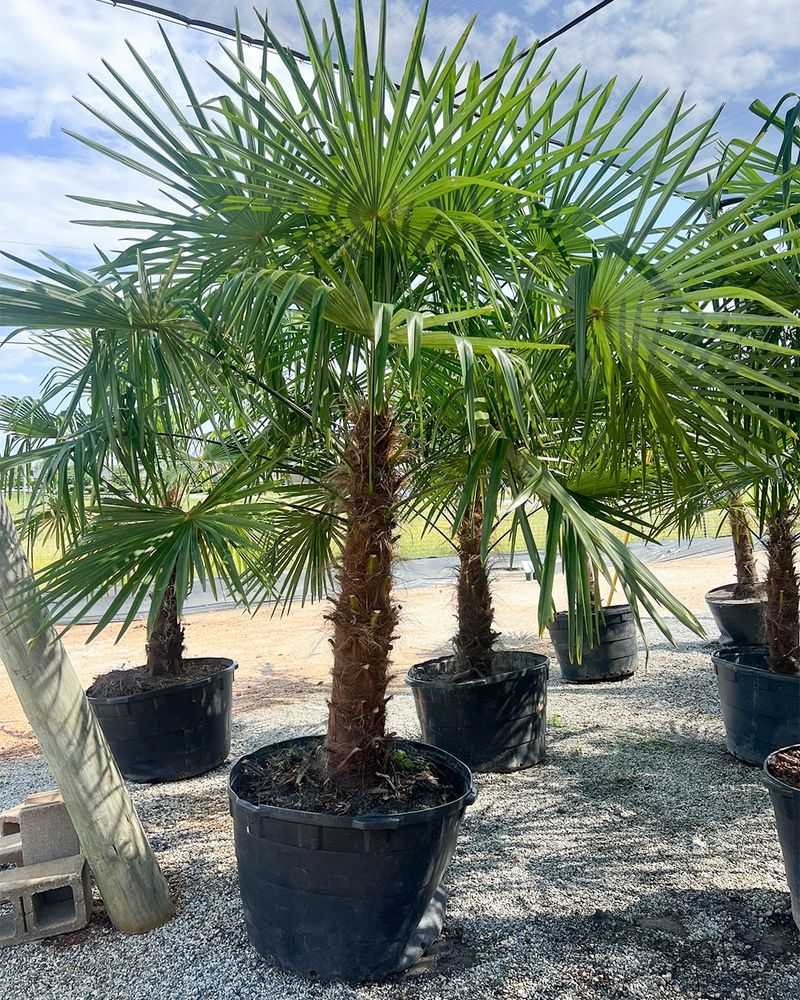
Rainy days are actually a new palm’s best friend. After being transplanted, a palm needs consistent moisture to help its roots spread into the surrounding soil.
Florida’s summer rain pattern, with those reliable afternoon showers rolling in almost daily, provides that moisture naturally without the gardener having to do much extra work. It is one of the biggest reasons summer planting works so well across the state.
Mild temperatures also play a big role. Extremely hot and dry conditions can stress a newly planted palm before its roots have had a chance to establish.
Ideally, you want warm but not scorching weather, with some cloud cover during the hottest parts of the day. Planting on a slightly overcast day rather than the hottest, sunniest day of the week can reduce early stress on the tree.
Wind is another factor that Florida gardeners sometimes overlook. Strong winds can rock a newly planted palm back and forth, which disrupts the tiny root hairs that are just starting to form in the soil.
If you live in a particularly windy part of Florida, using support stakes for the first several months after planting is a smart move that can make a noticeable difference.
Soil moisture balance matters too. The ground should stay consistently moist but never waterlogged.
Florida’s sandy soils drain quickly, which helps prevent soggy roots, but it also means you may need to water more often during dry spells. Checking the soil regularly during the first few months keeps your new palm on track.
5. Common Palm Planting Mistakes Florida Gardeners Should Avoid
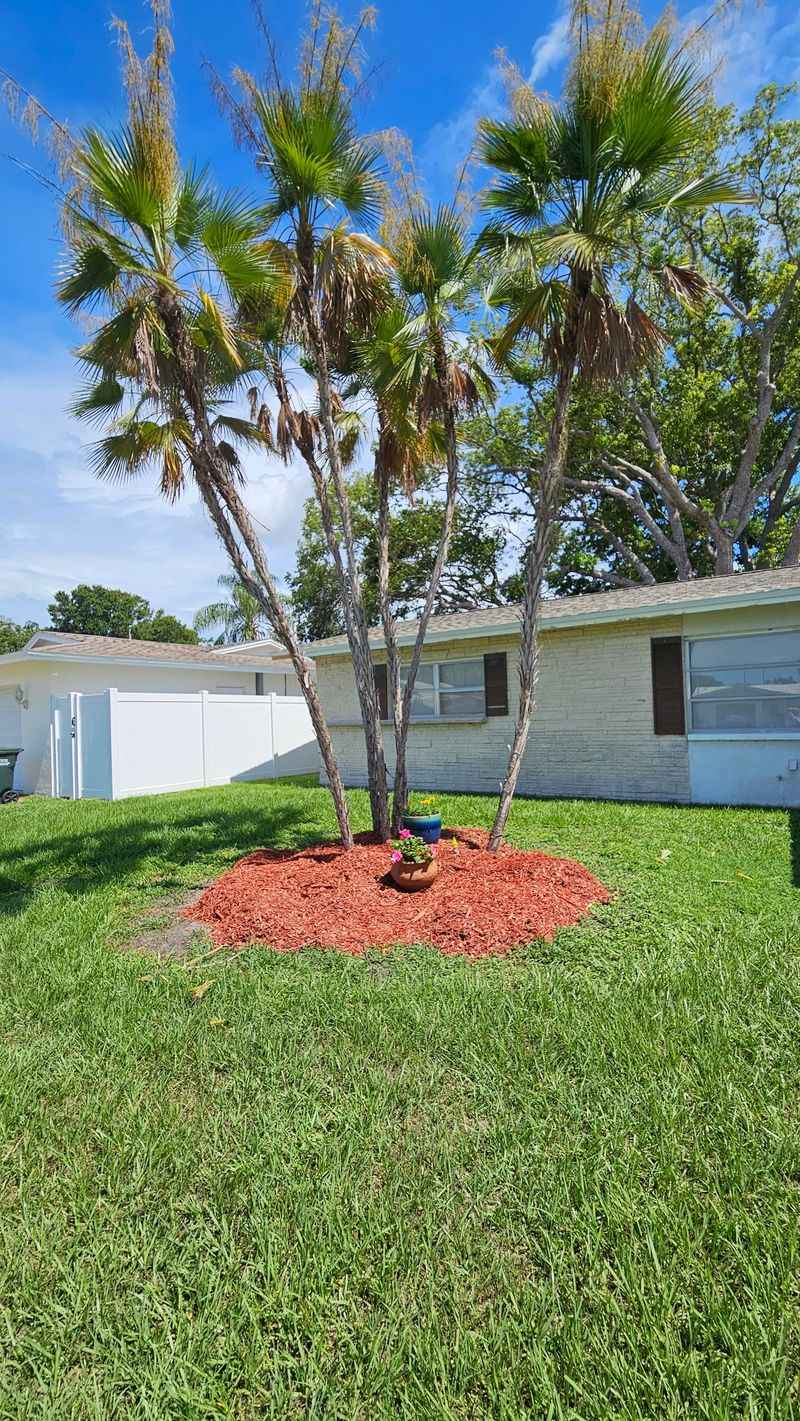
One of the most common mistakes Florida gardeners make is planting a palm too deep. It might seem like burying the base of the trunk deeper would make the tree more stable, but it actually does the opposite.
Planting too deep cuts off oxygen to the roots and can lead to serious problems over time. The top of the root ball should sit right at ground level, not below it.
Another frequent mistake is skipping the watering routine right after planting. Some gardeners assume Florida’s rain will take care of everything, but a newly transplanted palm needs extra attention during its first few weeks.
The root ball needs to stay consistently moist while the roots begin spreading into the surrounding soil. Skipping this step can leave the tree struggling even during Florida’s rainy season.
Over-fertilizing is also a trap that many new Florida gardeners fall into. It seems logical that more nutrients would help a struggling palm grow faster, but applying too much fertilizer too soon can actually burn the roots and cause more harm than good.
Use a slow-release palm-specific fertilizer and follow the recommended amounts on the label.
Planting in the wrong spot is another issue worth mentioning. Most palms love full sun, but some species prefer partial shade.
Doing a little research on your specific palm species before choosing its location in your Florida yard can save you a lot of frustration later. Matching the right palm to the right spot is just as important as timing the planting correctly.
6. How To Help Newly Planted Palms Thrive After Planting
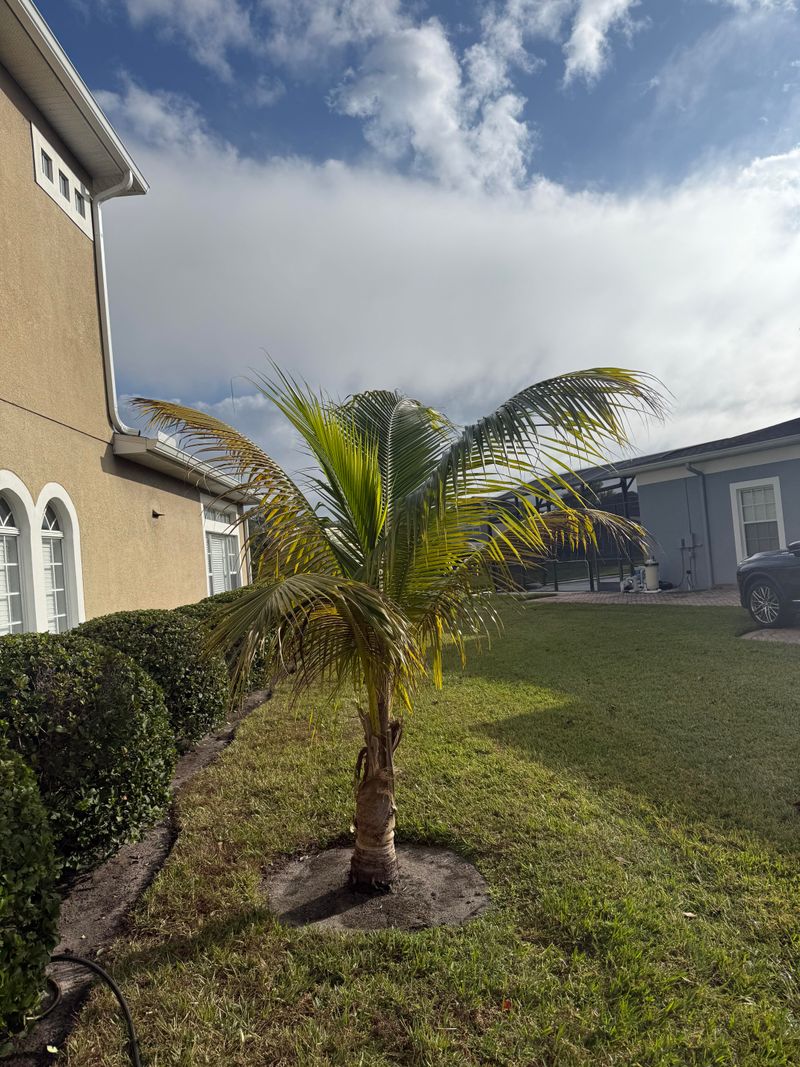
Getting a palm in the ground is just the beginning. What happens in the weeks and months after planting often determines how well the tree grows long-term.
Florida gardeners who take a little extra time to care for their newly planted palms are almost always rewarded with stronger, healthier trees that look great for years. A few simple habits can make a noticeable difference.
Mulching around the base of the palm is one of the easiest and most effective things you can do right after planting. A ring of mulch about two to three inches deep helps hold moisture in the soil, keeps the roots cooler during hot Florida afternoons, and reduces competition from weeds.
Just make sure the mulch does not touch the trunk directly, as that can trap moisture against the base and cause problems.
Watering consistently during the first six months is essential. Even during Florida’s rainy season, there can be dry stretches that last a week or more.
Checking the soil moisture regularly and watering when needed keeps the roots growing steadily. Once the palm is fully established, it becomes much more self-sufficient and requires far less attention.
Fertilizing with a quality palm fertilizer four times a year gives your tree the nutrients it needs to produce healthy fronds and strong roots. Look for a fertilizer with magnesium, manganese, and potassium, as palms in Florida’s sandy soils often lack these minerals.
Staying consistent with fertilization after planting sets your palm up for a long, healthy life in your Florida yard.