When Hummingbirds Start Coming Back To Florida (Don’t Miss These Easy Viewing Spots)
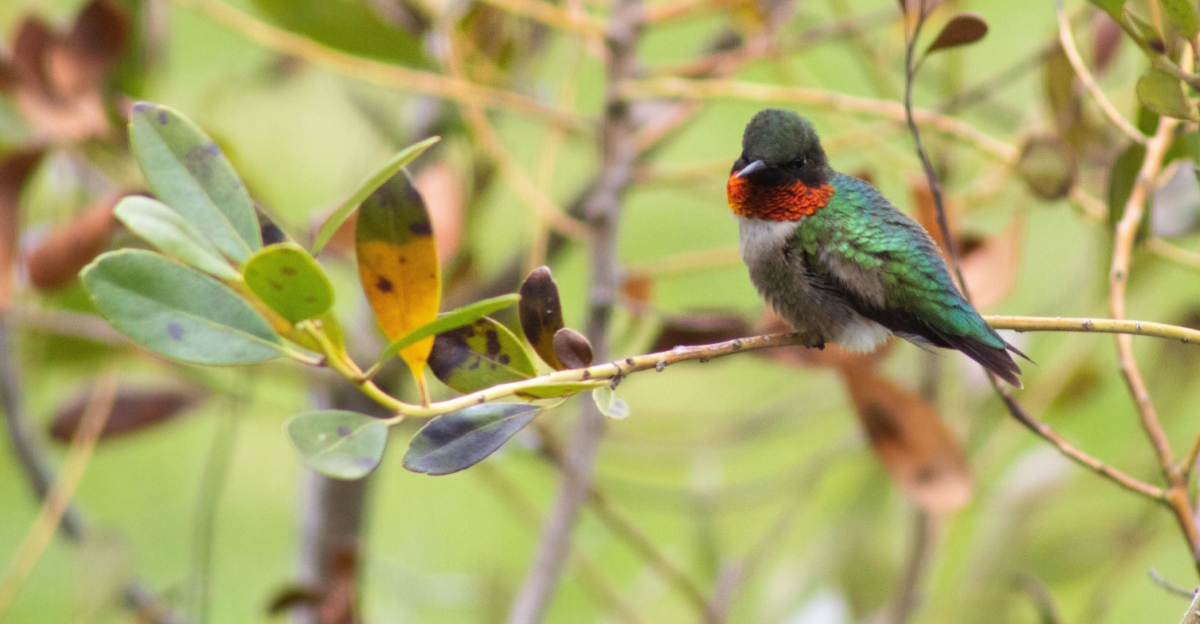
Florida skies are about to light up with flashes of green, red, and gold. Hummingbirds are returning, and spotting them feels like catching a secret the garden only shares with a lucky few.
Tiny, dazzling, and impossibly fast, these little birds bring energy and life wherever they hover. Watching them sip from flowers or feeders is addictive, but the best sightings don’t happen by accident.
Knowing where to look transforms ordinary mornings into front-row experiences full of color and motion.
Backyard gardens, local parks, and hidden nature spots become theaters where these feathered acrobats steal the show.
Their return marks more than the start of spring – it’s a reminder that patience, curiosity, and a little planning reward you with moments you’ll remember all year. Don’t let the season slip by.
Step outside, tune your eyes, and discover the easiest spots in Florida to see hummingbirds at their dazzling best.
1. Backyard Feeders Become Busy Hummingbird Stops
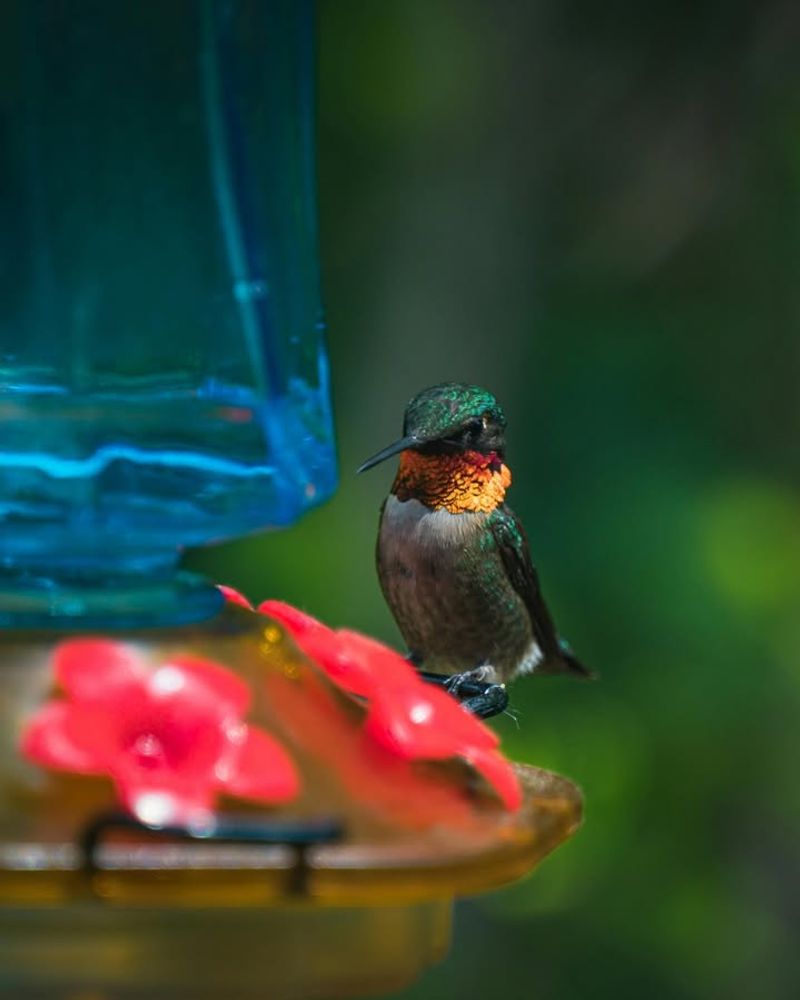
Nothing beats the thrill of watching a hummingbird zip up to a feeder just a few feet from your window. Setting up a simple sugar-water feeder in your Florida yard is one of the easiest ways to attract these speedy little visitors during spring migration.
The ruby-throated hummingbird is the most common species passing through Florida, and males often arrive as early as mid-March.
To make the right nectar, mix one part plain white sugar with four parts water. Avoid red dye, honey, or artificial sweeteners, as these can be harmful.
Florida’s heat and humidity mean your feeder needs to be cleaned every three to four days to prevent mold and bacteria from building up inside.
Place your feeder about three to five feet off the ground, near shrubs or trees that offer quick cover. Hummingbirds like to feel safe while they feed.
According to the University of Florida IFAS Extension, feeders placed near native flowering plants tend to attract more birds because hummingbirds naturally look for nectar-rich areas. Once you spot your first visitor of the season, you will want to keep that feeder stocked all spring long.
2. Native Flower Gardens Draw Them In Naturally
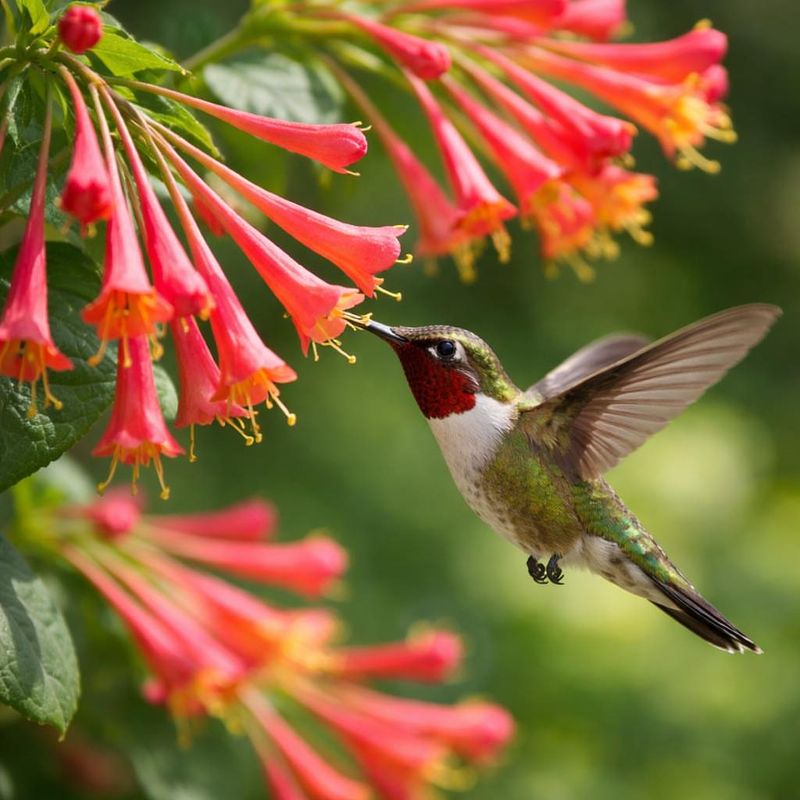
Long before feeders existed, hummingbirds were finding their meals the old-fashioned way, straight from the flowers. Planting native, nectar-rich plants in your Florida yard is one of the most natural and effective ways to bring hummingbirds right to your doorstep.
Florida’s climate is ideal for growing a wide range of flowering natives that bloom throughout the spring migration season.
Some of the best choices include firebush, coral honeysuckle, cardinal flower, and salvia. These plants produce tubular red and orange blooms that are perfectly shaped for a hummingbird’s long, slender bill.
According to the Arch Foundation and Florida native plant resources, these species are well-suited to Florida’s heat and humidity, making them easy to grow even for beginner gardeners.
Grouping several plants together creates a more visible and inviting feeding station. Hummingbirds are attracted to clusters of color and will return to the same garden repeatedly if the flowers are reliable.
Unlike feeders, native plants also support other pollinators like bees and butterflies, making your garden a full-on wildlife habitat. Starting a small native garden this spring could mean years of exciting hummingbird sightings right outside your own back door.
3. Shady Forest Edges Offer Quiet Viewing Spots
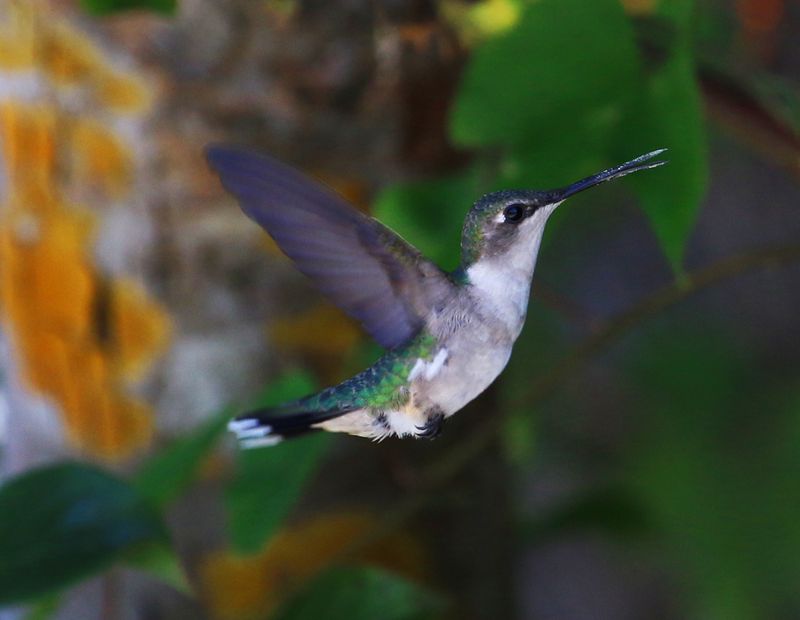
Somewhere between the open field and the deep woods, hummingbirds find one of their favorite hangouts. Forest edges, where trees meet open meadows or trails, give hummingbirds the perfect mix of shelter and feeding opportunities.
Florida has no shortage of these transitional zones, found in state parks, nature preserves, and even along suburban greenbelts.
Hummingbirds use the tree line for quick cover when they sense a threat, then dart back out to feed on nearby flowers. The shade along these edges also keeps nectar-producing plants cooler, which helps flowers stay fresh and full of sugar.
Spots like Jonathan Dickinson State Park in Hobe Sound offer excellent woodland edge habitat where patient visitors often spot hummingbirds during spring migration.
If you are exploring a trail in Florida, slow down near areas where the path opens up to a sunny clearing bordered by trees. These transition zones are prime territory.
Bring binoculars and look for quick flashes of iridescent green or a hovering silhouette near flowering shrubs. Early morning is the best time to look, since hummingbirds are most active when temperatures are cooler.
A quiet approach and a little patience can reward you with an unforgettable sighting.
4. Coastal Gardens Can Surprise You With Sightings
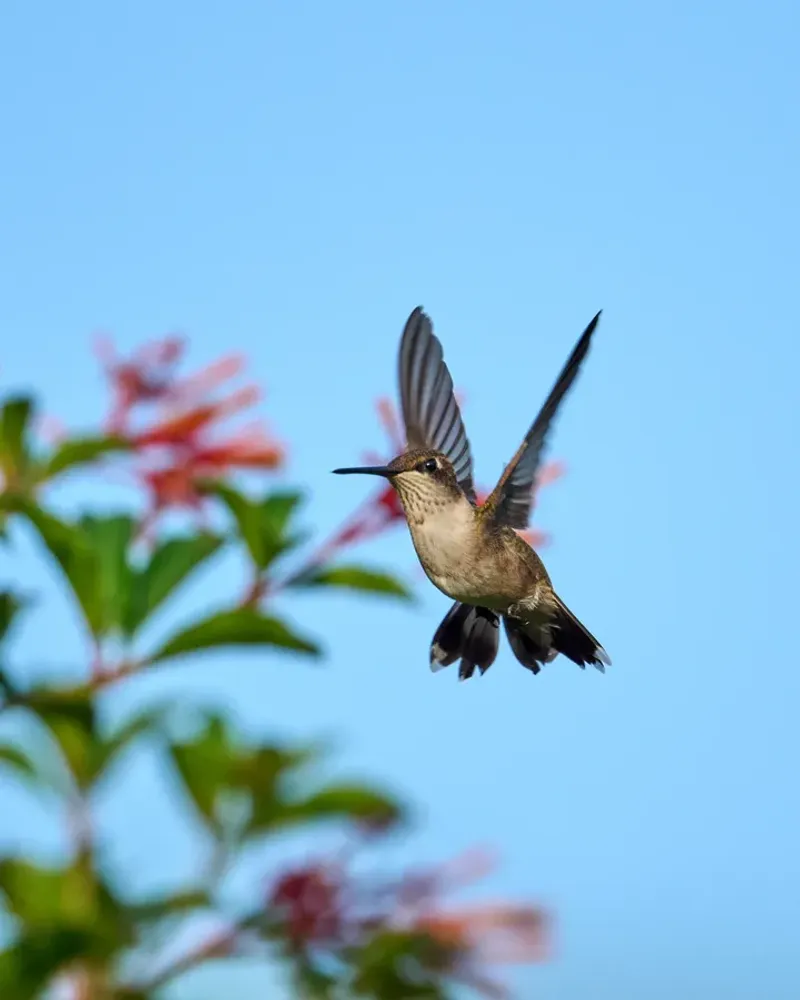
Few birdwatching moments are as unexpected as spotting a hummingbird while you are standing near the Florida coast. Many people do not realize that Florida’s coastlines serve as important migration corridors, with hummingbirds following the shoreline as they travel north each spring.
The Florida Keys are a well-known example, where the islands create a natural funnel that concentrates migrating birds, including hummingbirds.
Coastal gardens benefit from this migration traffic in a big way. Yards and green spaces near the water that feature flowering plants can attract hummingbirds that are stopping to refuel before continuing their journey.
Even a few well-placed pots of salvia or firebush near a coastal porch can turn into an impromptu feeding stop for a tired traveler.
Hummingbirds migrating along Florida’s Atlantic and Gulf coasts sometimes appear in surprising numbers after a cold front passes, since weather systems can push birds closer to land. Keeping a feeder stocked and a few blooming plants nearby during March and April gives you the best chance of a coastal sighting.
Birding groups in Florida often report exciting coastal sightings during peak migration weeks, so connecting with a local Audubon chapter can help you know exactly when to look.
5. Parks With Flowering Plants Become Hummingbird Hotspots
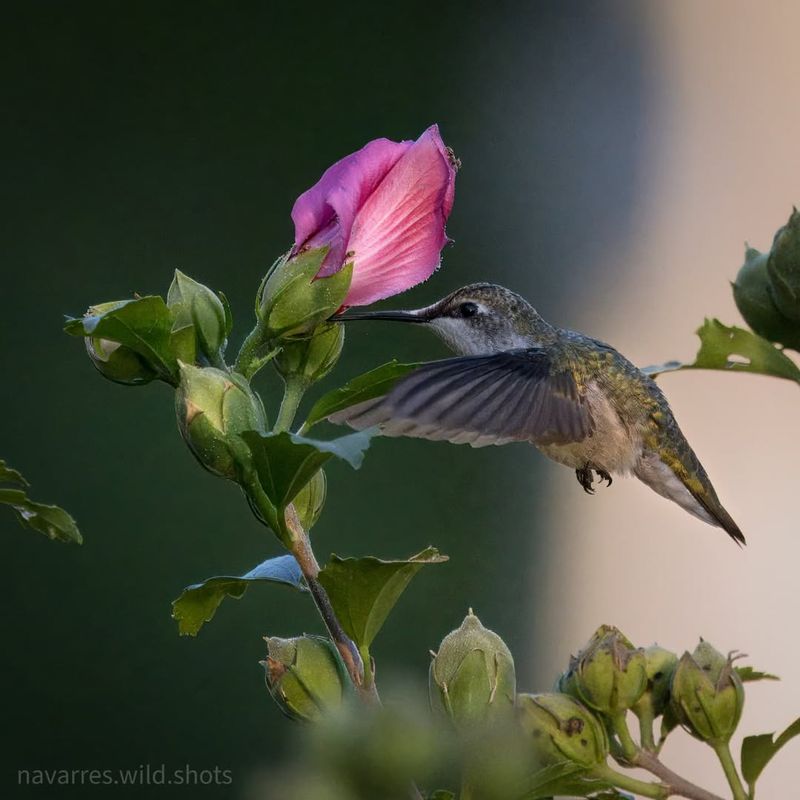
Some of the best free hummingbird viewing in Florida happens in public parks, and most people have no idea. Parks that maintain native plantings, pollinator gardens, or natural meadows along their trails can become reliable hummingbird hotspots during spring migration.
Myakka River State Park in Sarasota and Jonathan Dickinson State Park in Hobe Sound are two excellent examples where diverse ecosystems support hummingbird activity.
What makes parks so effective is the sheer variety of flowering plants spread across a large area. Hummingbirds can move freely from one nectar source to the next without feeling confined or threatened.
Visitors who walk slowly and quietly along flowering trail sections tend to have the most success spotting these fast-moving birds.
Many Florida state parks also have ranger programs and birding events during spring migration season. Signing up for a guided walk is a smart move if you are new to birdwatching, since experienced guides know exactly where hummingbirds tend to appear.
Visiting in the morning, between sunrise and mid-morning, gives you the best window of activity. Pack a water bottle, wear neutral-colored clothing to avoid startling the birds, and keep your eyes open near any cluster of red or orange tubular flowers along the trail.
6. Wildlife Refuges Are Great Places To Watch Them
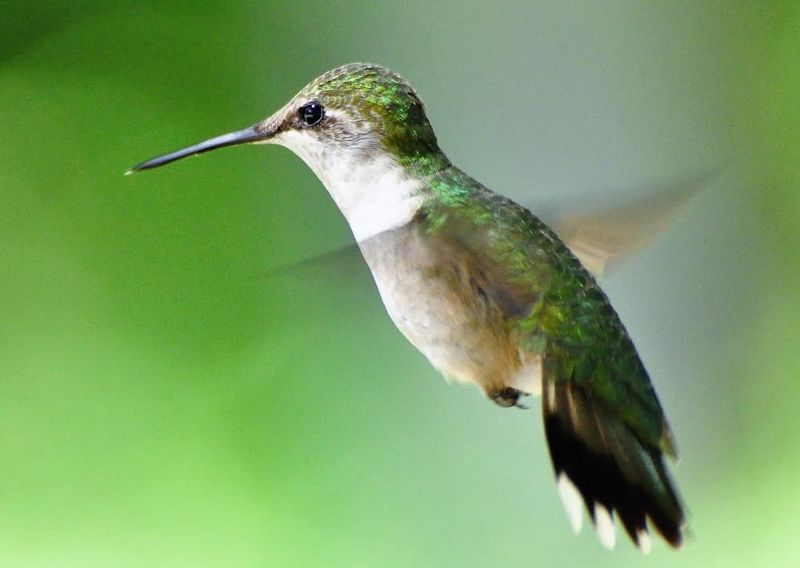
Protected land in Florida does something remarkable for migrating birds: it gives them a safe place to rest and refuel without disturbance. Wildlife refuges across Florida maintain large areas of natural habitat, including the flowering plants and forest edges that hummingbirds depend on during their spring journey northward.
Corkscrew Swamp Sanctuary near Naples is one standout location where diverse habitats support a range of hummingbird species.
What sets refuges apart from ordinary parks is the level of habitat protection. Because these areas are managed specifically for wildlife, the plant communities inside them tend to be richer and more varied.
That means more nectar sources spread across a wider area, which translates to more hummingbird activity for patient observers.
Many Florida refuges have boardwalks, observation platforms, and designated birding areas that make viewing comfortable and accessible. Bringing a field guide to southeastern hummingbirds can help you identify the different species that pass through Florida, since the rufous hummingbird and black-chinned hummingbird occasionally show up alongside the more common ruby-throated.
Visiting a refuge during the peak migration window in March and April, and arriving early in the morning, dramatically improves your chances of a memorable sighting. Check each refuge website for current bird activity reports before you go.
7. Botanical Gardens Often Have Reliable Sightings
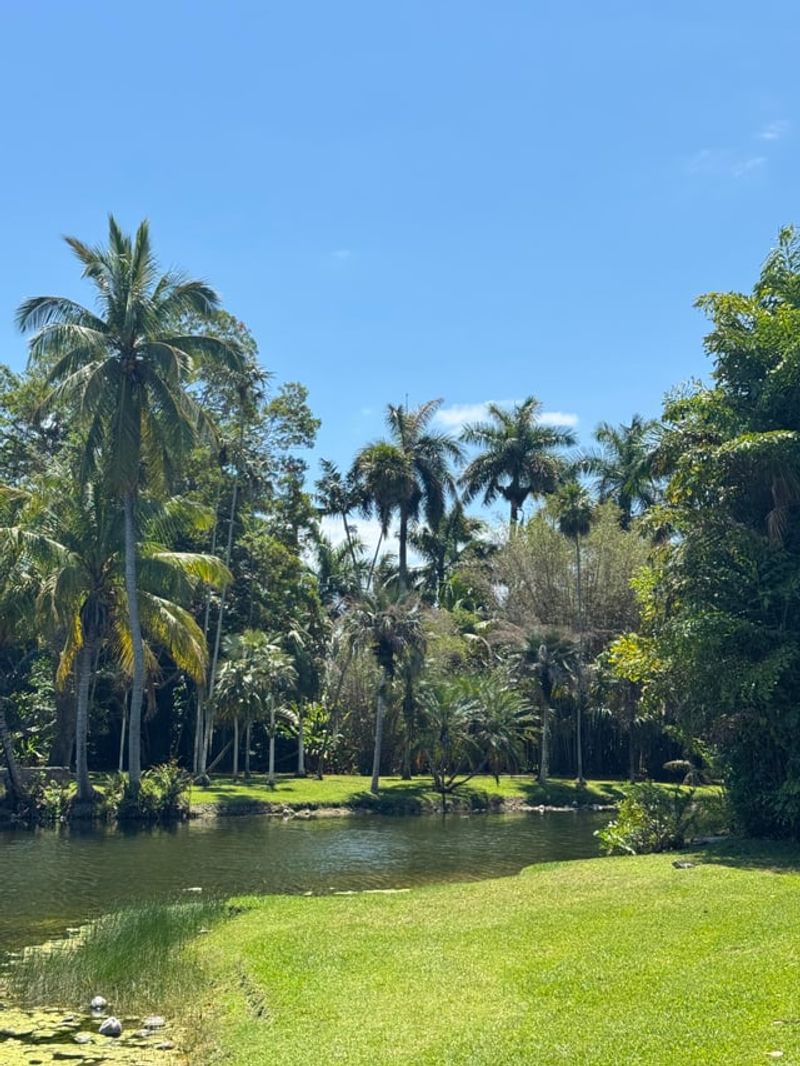
Walking through a botanical garden during hummingbird season feels a little like stepping into a nature documentary. Fairchild Tropical Botanic Garden in Miami is one of Florida’s most celebrated spots for reliable hummingbird sightings, thanks to its carefully curated collection of nectar-rich tropical and native plants.
Gardens like this one are designed with pollinators in mind, which means hummingbirds find exactly what they need in one concentrated location.
Botanical gardens have a big advantage over most other viewing spots: the plants are tended and maintained to stay in peak bloom. That consistency means hummingbirds learn to return to these spaces regularly throughout migration season.
Visitors benefit from well-maintained paths, informational signage, and sometimes even staff or volunteers who can point out where birds have been spotted most recently.
Florida’s year-round warmth means botanical gardens here often have something blooming in every season, which can attract not just migrating hummingbirds but also year-round residents in certain parts of the state. Checking the garden’s event calendar is a good idea, since many Florida botanical gardens host special pollinator or birding days during spring migration.
Bringing a camera with a zoom lens can help you capture close-up shots of hummingbirds without getting close enough to disturb them.
8. Even Small Patios Can Turn Into Hummingbird Hangouts
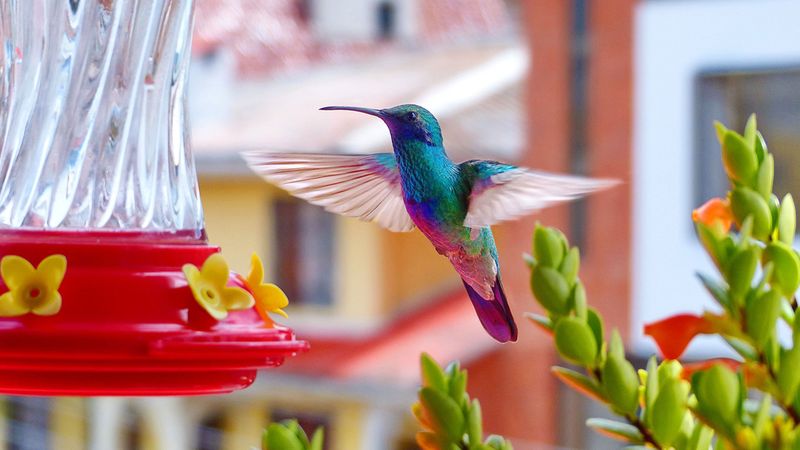
You do not need a sprawling yard to enjoy hummingbirds up close. Some of the most rewarding sightings happen on small balconies and compact patios right in the middle of Florida’s busy cities.
As long as you offer food and a sense of safety, hummingbirds will find you, even on a second-floor apartment balcony or a tiny townhouse patio.
Container gardening is the secret weapon for urban hummingbird fans. Plants like red salvia, pentas, and porterweed grow beautifully in pots and produce the kind of tubular blooms that hummingbirds actively seek out.
Pairing a container garden with a small feeder creates a double attraction that is hard for passing migrants to ignore during Florida’s spring migration window.
Keeping things clean and fresh is especially important in small spaces. Florida’s heat can cause nectar to spoil quickly, so refreshing your feeder every two to three days keeps it safe and appealing.
Position your feeder and plants near a railing or wall where hummingbirds can hover and quickly retreat to cover if needed. Urban birders in Florida are often surprised by how quickly hummingbirds discover a well-stocked patio setup.
Once they find your spot, they tend to return on a regular schedule throughout the season.