When Is The Best Time To Plant Hostas In Texas
Hostas may be known as shade garden favorites, but growing them successfully in Texas takes a bit of smart timing.
With the state’s intense sun, sudden heat waves, and unpredictable weather swings, planting at the right moment can make all the difference between struggling leaves and lush, thriving foliage.
These leafy beauties love cool soil, gentle light, and enough time to establish strong roots before summer temperatures climb. Plant too late and the heat can stress young plants, slowing growth and dulling their vibrant color.
Plant at the right time and you will be rewarded with full, healthy clumps that brighten shady corners and add rich texture to your landscape.
Whether you are starting a brand new shade bed or adding to an existing garden, understanding the best planting window helps your hostas settle in comfortably and grow with confidence.
A little timing know how goes a long way toward creating a thriving, beautiful Texas shade garden.
1. Why Timing Matters For Hostas In Texas
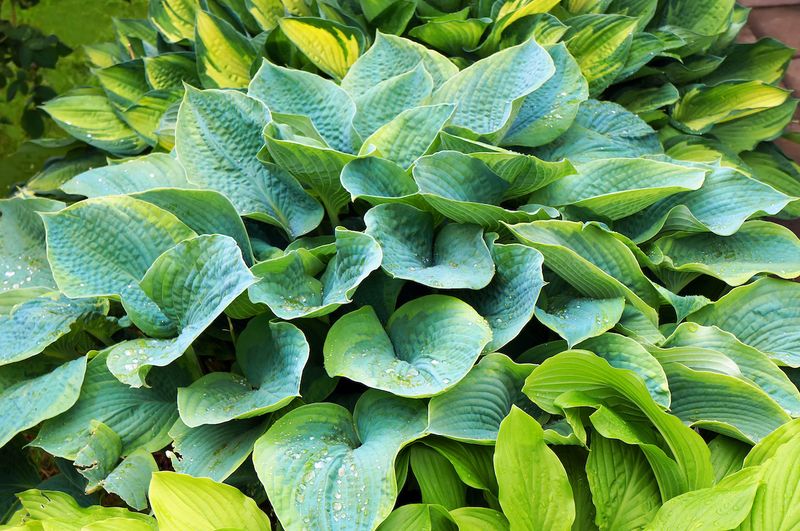
Hostas love shade and cool conditions, which makes Texas a challenging home for them. These perennials come from Asian forests where temperatures stay moderate and moisture is plentiful.
When you plant at the wrong time in Texas, your hostas face extreme heat before their roots can grow deep enough to support the plant.
Spring planting gives hostas the best chance to establish strong root systems. Cool soil temperatures and regular spring rains help new plants settle in without stress.
The roots spread through the soil, creating a network that will support the plant when summer temperatures soar above 95 degrees.
Heat stress is the biggest enemy of newly planted hostas in Texas. When roots haven’t developed properly, plants can’t draw enough water from the soil to keep leaves healthy. The foliage may turn brown at the edges, lose its vibrant color, or stop growing altogether.
Established hostas handle Texas summers much better than new transplants. A plant with several months of root growth can access moisture from deeper soil layers. This makes spring planting essential rather than optional in Texas gardens.
Fall planting works in some regions but carries more risk in Texas. Warm fall temperatures don’t give hostas the dormant period they need. Spring remains the safest choice across all Texas climate zones.
Planning your planting schedule around Texas weather patterns protects your investment. Hostas aren’t cheap, and replacing stressed plants costs money and time.
Getting the timing right from the start saves both and gives you beautiful foliage for years to come.
2. Understanding Texas Climate Zones
Texas spans multiple climate zones, each with different growing conditions. North Texas experiences colder winters and later spring warmth compared to southern regions.
Central Texas sits in the middle with moderate temperatures, while South Texas enjoys mild winters and early springs. West Texas brings desert conditions with extreme temperature swings and less rainfall.
Frost dates vary dramatically across the state. North Texas sees last frosts in mid-April, while South Texas rarely experiences freezing temperatures after early March. These differences affect when soil warms enough for planting hostas safely.
Soil temperature matters more than air temperature for root development. Hostas need soil temperatures consistently above 50 degrees for roots to grow actively. Cold soil keeps plants dormant and vulnerable to rot if overwatered.
Rainfall patterns also differ by region in Texas. East Texas receives abundant spring moisture, while West Texas gardeners must irrigate regularly. South Texas deals with humidity that can encourage fungal problems if plants sit in wet soil.
Your specific location determines your ideal planting window. A gardener in Houston follows a different schedule than someone in Amarillo. Understanding your local climate zone helps you make smart decisions about timing.
USDA hardiness zones provide useful guidance for Texas gardeners. Most of Texas falls between zones 6 and 9, with hostas generally hardy in zones 3 through 9. However, heat tolerance matters more than cold hardiness in Texas.
Microclimates within your yard also play a role. Shaded areas stay cooler and moister than sunny spots. Choose the coolest, shadiest locations for your hostas in Texas gardens.
3. Ideal Planting Windows By Region
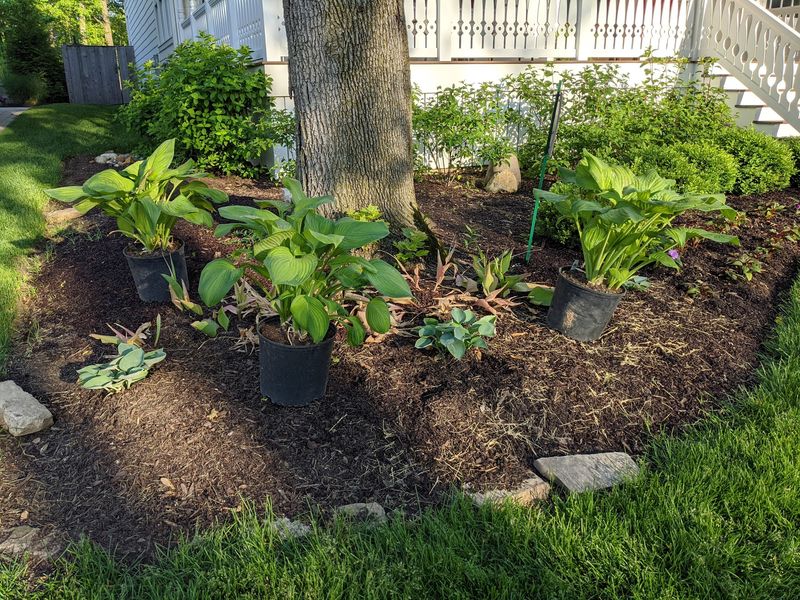
South Texas gardeners can start planting hostas in late February through March. Soil temperatures rise early in this region, and the risk of hard freezes drops significantly by late winter.
The mild climate gives plants extra establishment time before heat arrives in May.
Central Texas offers the best planting window from March through April. Austin, San Antonio, and surrounding areas warm up steadily during these months.
Spring rains typically provide good moisture, reducing the need for constant watering of new plants.
North Texas gardeners should wait until late March through April for hosta planting. Dallas, Fort Worth, and areas further north experience later warming and occasional late freezes. Patience pays off as soil temperatures stabilize and spring weather settles in.
West Texas presents unique challenges with its late March through early May planting window. El Paso and Lubbock areas see dramatic temperature swings and limited rainfall.
The later planting window allows soil to warm thoroughly while giving plants time before extreme summer heat.
Soil temperature drives these regional differences more than calendar dates. Use a soil thermometer to check temperatures at planting depth. Wait until readings consistently stay above 50 degrees before putting hostas in the ground.
Frost risk also influences regional timing across Texas. Even mild freezes can damage tender new hosta shoots. Check your local frost date predictions and plan accordingly for your specific area.
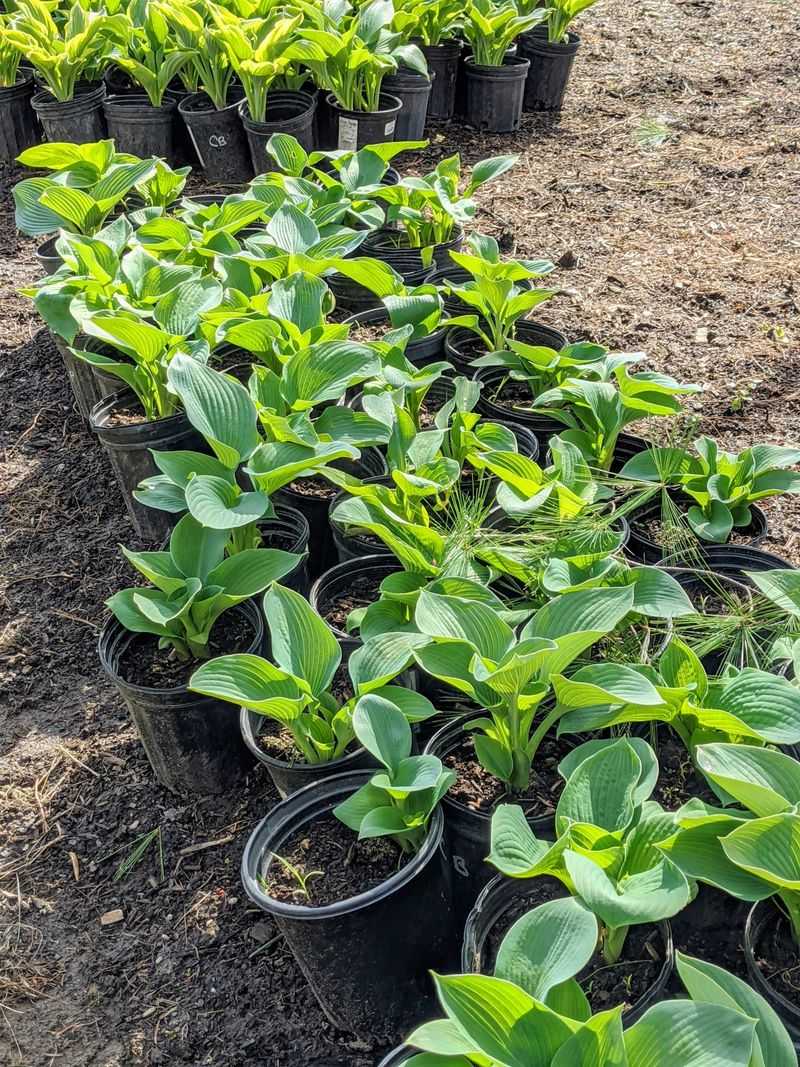
These windows assume you’re planting dormant crowns or divisions. Container-grown hostas from nurseries can go in slightly earlier since they already have established root systems. Still, avoid planting during the hottest months across any Texas region.
4. Preparing Your Soil And Garden Bed
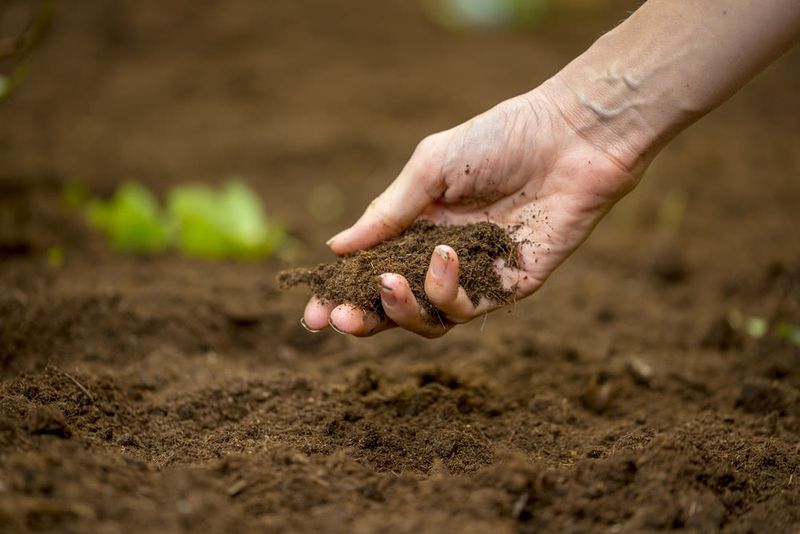
Rich, well-drained soil makes all the difference for hostas in Texas. These plants need soil that holds moisture without becoming waterlogged.
Texas clay soil often drains poorly and becomes rock-hard when dry, creating problems for hosta roots.
Adding organic matter transforms difficult Texas soil into hosta-friendly growing medium. Work compost, aged manure, or leaf mold into the planting area to a depth of 12 inches.
This amendment improves drainage in clay soil while increasing water retention in sandy soil.
Hostas prefer slightly acidic to neutral soil with pH between 6.0 and 7.0. Most Texas soils fall within this range, but testing your soil pH ensures you’re starting right. Garden centers sell inexpensive test kits that give quick results.
Drainage is critical in Texas where heavy spring rains can saturate soil. Poor drainage leads to root rot and fungal problems.
If your garden bed holds water after rain, consider building raised beds or choosing a different location.
Mulch serves multiple purposes in Texas hosta beds. A 2-3 inch layer of shredded bark, pine needles, or compost keeps soil cool and moist. Mulch also suppresses weeds that compete with hostas for water and nutrients.
Prepare your bed at least two weeks before planting if possible. This gives amended soil time to settle and allows you to observe how it drains after watering. Making adjustments before planting saves trouble later.
Choose a location with morning sun and afternoon shade in Texas. Full shade works in southern regions, but some morning light helps hostas in areas with less intense heat. Protection from hot afternoon sun is essential everywhere.
5. Planting And Establishment Tips
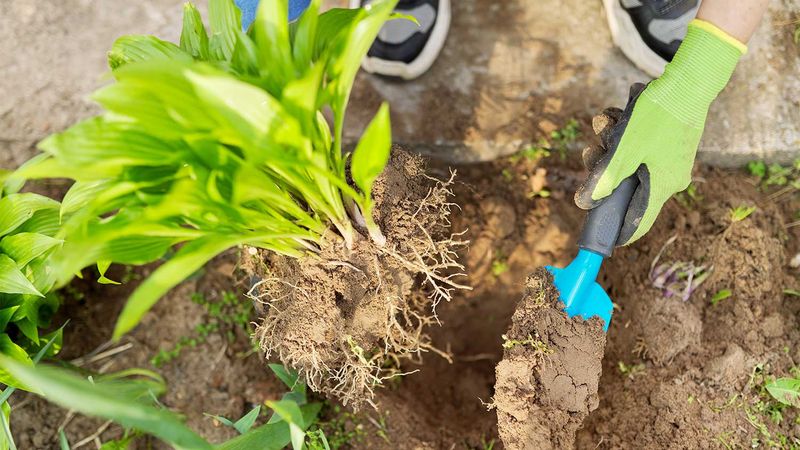
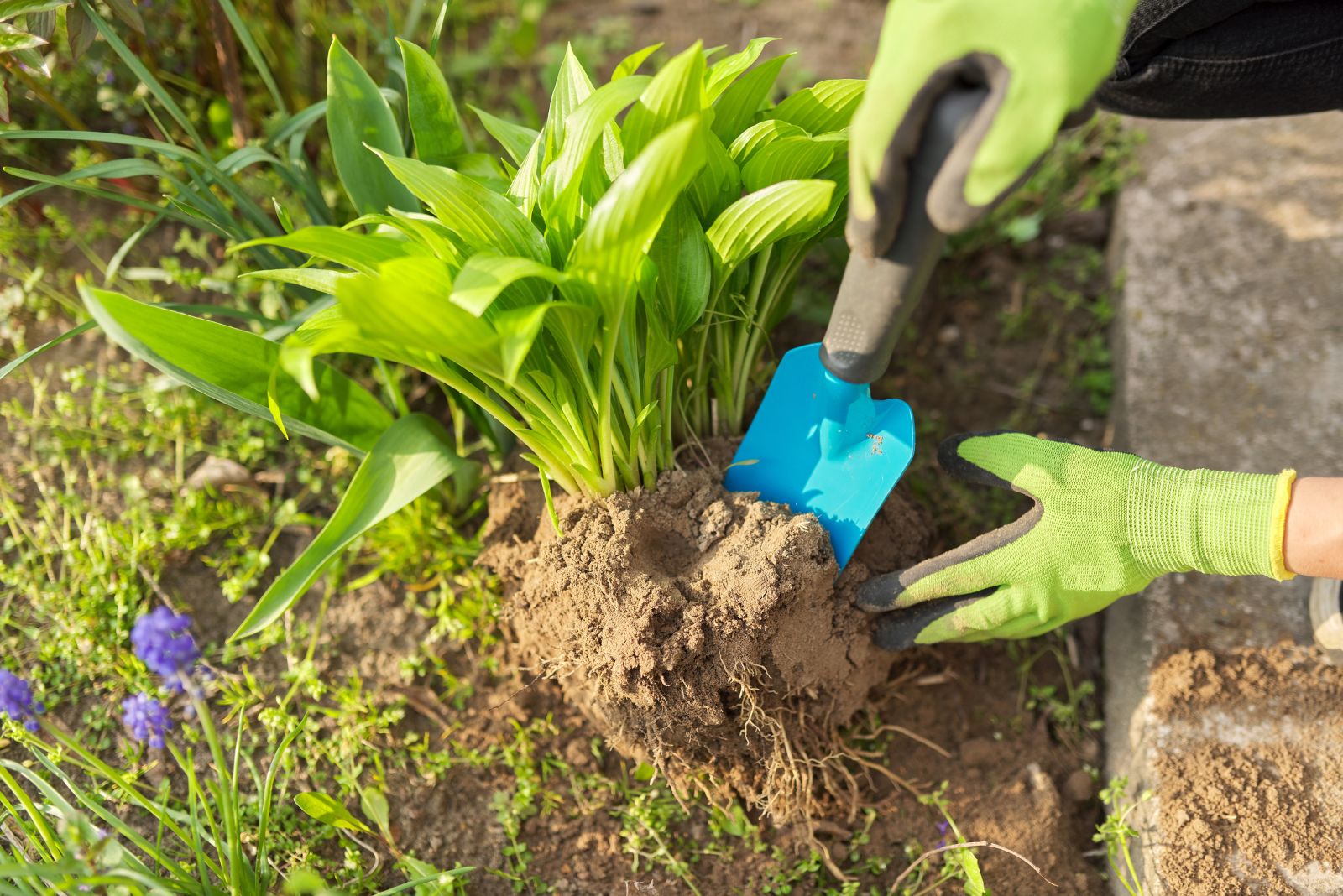
Planting hosta crowns or divisions correctly ensures strong establishment in Texas gardens. Dig holes twice as wide as the root spread but no deeper than the crown. The crown should sit at or slightly above soil level to prevent rot in Texas humidity.
Spread roots out in the planting hole rather than bunching them together. This encourages roots to grow outward into surrounding soil.
Fill the hole with amended soil, pressing gently to remove air pockets without compacting the soil too much.
Water thoroughly immediately after planting to settle soil around roots. Apply enough water to moisten the entire root zone without creating puddles. This initial watering is crucial for helping roots make contact with soil particles.
Consistent moisture during the first growing season determines success in Texas. Water deeply two to three times per week rather than light daily watering. Deep watering encourages roots to grow downward where soil stays cooler and moister.
Shade cloth provides extra protection for newly planted hostas during their first Texas summer. Suspend shade cloth above plants to filter intense afternoon sun. Remove it once fall arrives and temperatures moderate.
Avoid fertilizing newly planted hostas for the first month. Let roots establish before adding nutrients that push leaf growth.
Once plants show new growth, apply a balanced, slow-release fertilizer according to package directions.
Watch for signs of stress like wilting or browning leaf edges. These symptoms indicate plants need more water or additional shade. Adjust your care routine based on how plants respond during establishment.
Patience is important during the first season in Texas. Hostas may look small and grow slowly as they focus energy on root development. Strong growth appears in the second season once roots are established.
6. Care After Planting
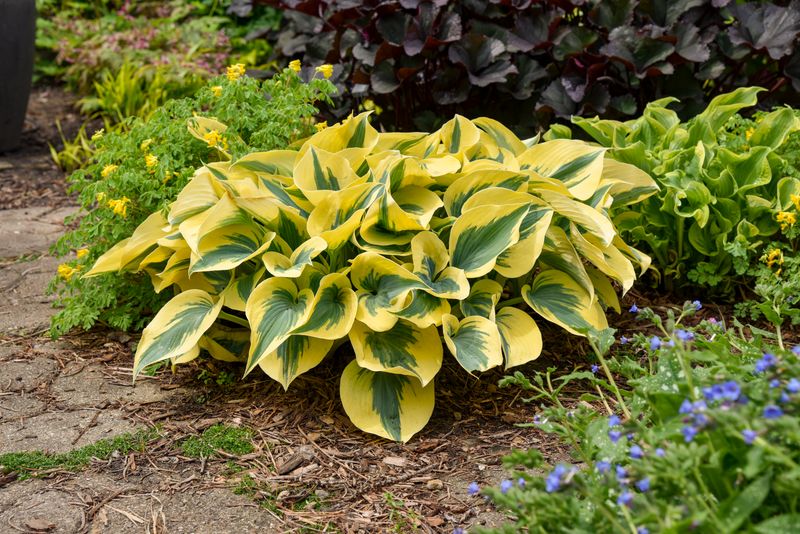
Maintaining proper mulch depth protects hostas through Texas summers. Replenish mulch as it decomposes to keep a consistent 2-3 inch layer. Pull mulch back slightly from plant crowns to prevent rot while still covering the root zone.
Fertilizing established hostas supports healthy growth in Texas gardens. Apply a balanced fertilizer like 10-10-10 in early spring as new shoots emerge.
A second light application in early summer provides nutrients for continued growth without pushing tender new leaves during peak heat.
Pest management becomes important as hostas establish in Texas. Slugs and snails love hosta leaves, especially in humid areas.
Set out beer traps or use iron phosphate baits to control these pests without harming beneficial insects.
Deer also find hostas delicious in many Texas areas. Fencing or deer repellent sprays protect plants if deer browse in your neighborhood. Reapply repellents after rain to maintain effectiveness.
Sunburn appears as bleached or brown patches on hosta leaves. This indicates plants receive too much direct sun for Texas conditions. Add additional shade or move plants to shadier locations if sunburn occurs repeatedly.
Monitor soil moisture throughout the first summer after planting. Texas heat dries soil quickly even in shaded areas. Check soil 2 inches deep and water when it feels dry to the touch.
Remove damaged leaves to improve plant appearance and reduce disease risk. Cut brown or tattered foliage at the base using clean, sharp scissors. This tidying also improves air circulation around plants.
Fall care prepares hostas for dormancy and next year’s growth. Continue watering until foliage naturally yellows and collapses.
Leave dry foliage in place through winter as natural mulch, or remove it to reduce pest habitat.