When Ohio Gardeners Should Stop Pruning
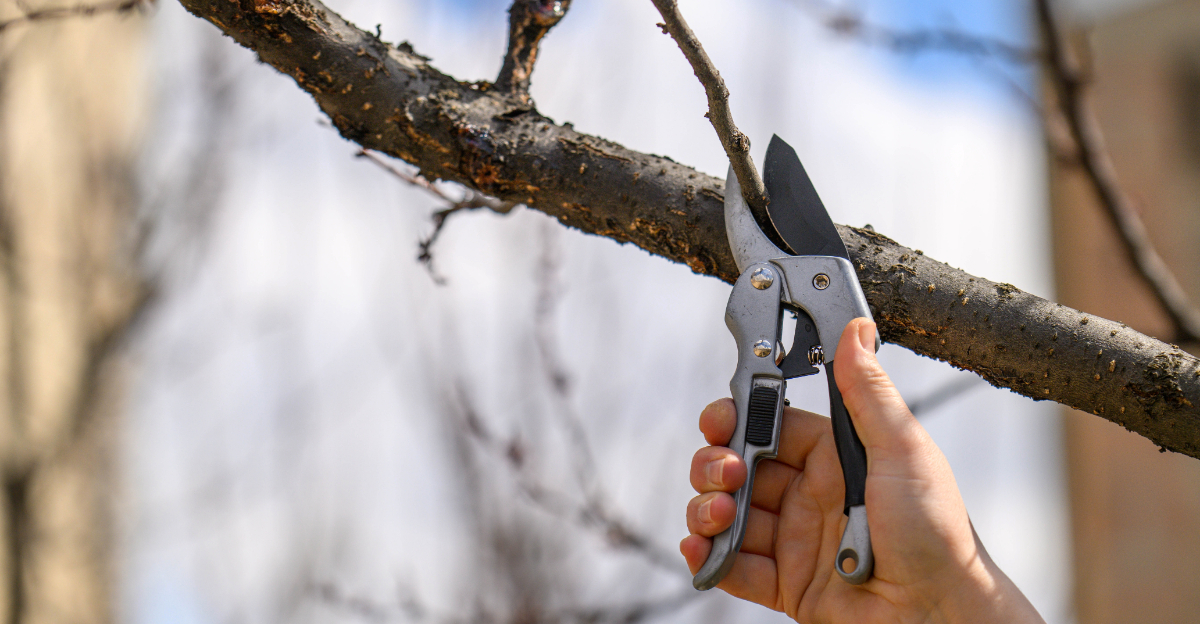
There is a certain rhythm to spring yard work in Ohio. As the weather warms, many people head outside with pruners in hand, ready to clean up branches, shape shrubs, and get everything looking neat again.
It feels like a natural part of getting the garden back in order. But timing plays a bigger role than most people realize.
While early pruning can help plants grow well, continuing too late into the season can interfere with how they develop, especially once new growth starts to take off.
It is easy to keep trimming a little here and there without thinking much about the impact. That is where things can quietly go off track.
A few extra cuts at the wrong time can shift how a plant grows for the rest of the season, and most people do not notice it until something looks off weeks later.
1. Stop Before New Growth Starts On New-Wood Bloomers
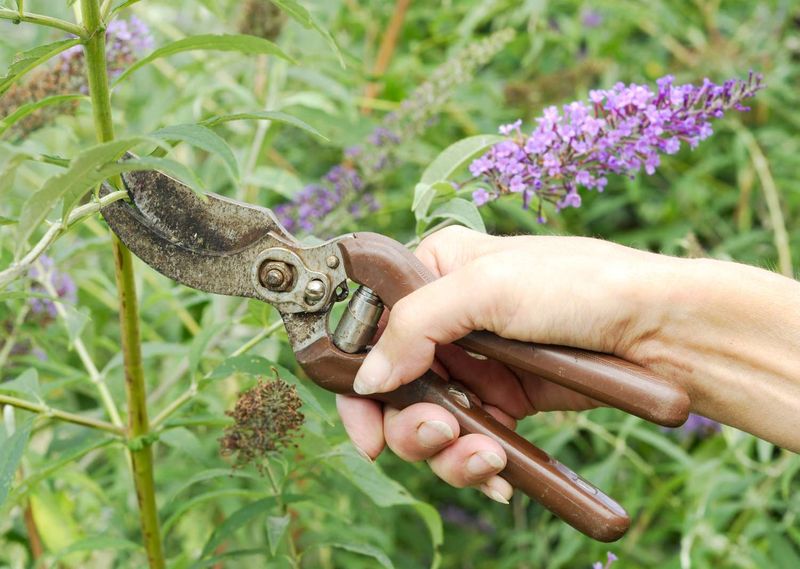
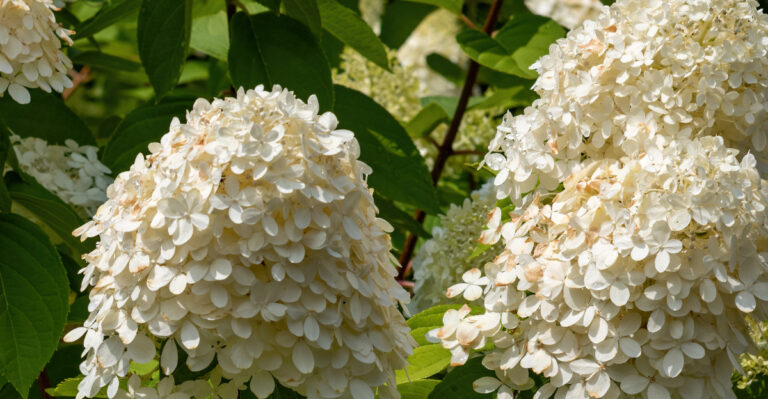
Panicle hydrangeas, smooth hydrangeas, butterfly bushes, and Rose of Sharon all have one big thing in common: they bloom on new wood. That means they produce flowers on the fresh stems they grow during the current season, not on last year’s branches.
For Ohio gardeners, that is actually great news because it gives you a clear and forgiving window to prune.
The best time to prune new-wood bloomers in Ohio is late winter or very early spring, right before new growth starts pushing out. Think late February through early April, depending on where you live in the state.
If you wait too long and green buds have already started swelling or leafing out, you have missed your ideal window.
Cutting these plants back hard before growth begins encourages strong, vigorous stems and bigger, more impressive blooms later in summer. Gardeners in cities like Cincinnati or Columbus often use forsythia bloom as a natural signal that spring pruning season is underway.
Once you see forsythia flowering, it is a good reminder to get out and prune your new-wood bloomers before things get too far along. Keep your cuts clean and sharp, and your plants will reward you with an outstanding display all summer long.
2. Wait Until After Bloom For Spring Shrubs
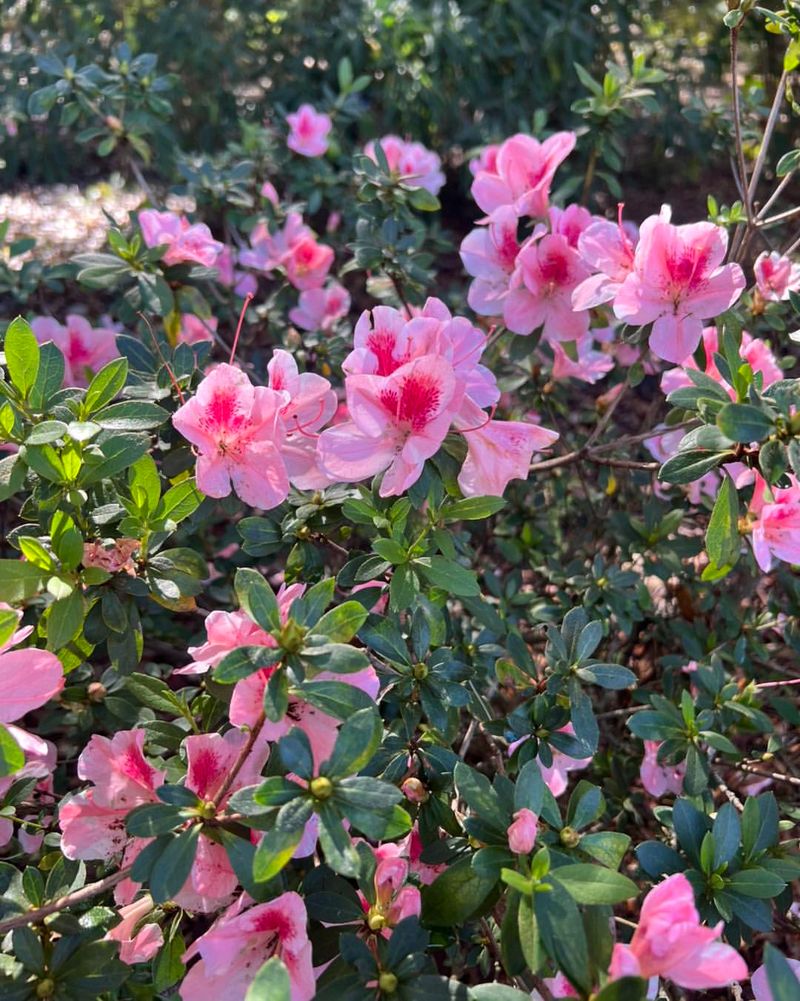
Spring-flowering shrubs like lilacs, azaleas, rhododendrons, and viburnums follow a completely different schedule than summer bloomers. These plants set their flower buds on old wood, meaning the buds that will open next spring are already formed on the branches by late summer or early fall.
If you prune them in fall or winter, you are cutting off next year’s flowers before they ever get a chance to open.
The golden rule for spring shrubs in Ohio is simple: wait until after they finish blooming, then prune within a few weeks. For most lilacs and forsythia in the state, that means pruning in May or early June.
You get to enjoy the flowers, and the plant still has plenty of time to set new buds for the following year before summer ends.
Pruning too late in summer is a common mistake that frustrates many Ohio gardeners. If you wait until August or September to shape your lilac or azalea, those new buds are already forming and you will accidentally remove them.
A good habit is to keep your pruning shears nearby while you are deadheading spent blooms. Once the flowers fade, do your shaping right away.
That simple timing tweak can completely transform how well your spring shrubs perform year after year across Ohio gardens.
3. Finish Forsythia Pruning By Mid-July
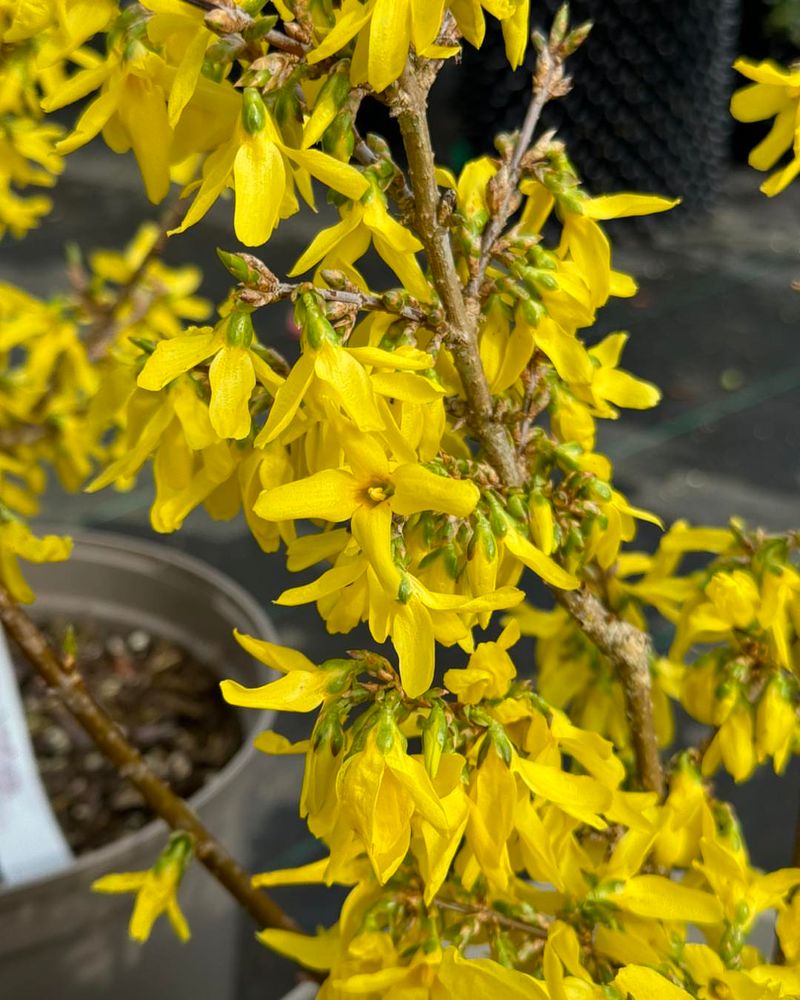
One of the most cheerful sights in an Ohio spring comes from forsythia, with its bright yellow blooms lighting up the landscape early in the season. Those bright yellow flowers bursting open in March or April are a welcome sign that winter is finally losing its grip.
But once the blooms fade and the leaves fill in, it is time to think about pruning, and you need to act before the calendar flips too far toward fall.
Forsythia blooms on old wood, just like lilacs and other spring shrubs. By mid to late summer, the plant is already quietly building the flower buds that will open next spring.
If you prune after mid-July in Ohio, there is a real risk of cutting off those developing buds. The result is a shrub that looks perfectly healthy but produces very few flowers the following spring, which is deeply disappointing after a long Ohio winter.
Aim to finish any forsythia pruning by the middle of July at the latest. Ideally, get it done right after flowering ends in April or May.
You can remove older, woody stems at the base to encourage fresh new growth, or simply shape the plant to fit your landscape. Forsythia can grow quite large and unruly if left alone, so regular pruning keeps it tidy and productive.
Ohio gardeners who stay on schedule with forsythia almost always enjoy a stunning yellow display the next spring.
4. Finish Oak Pruning By April 15
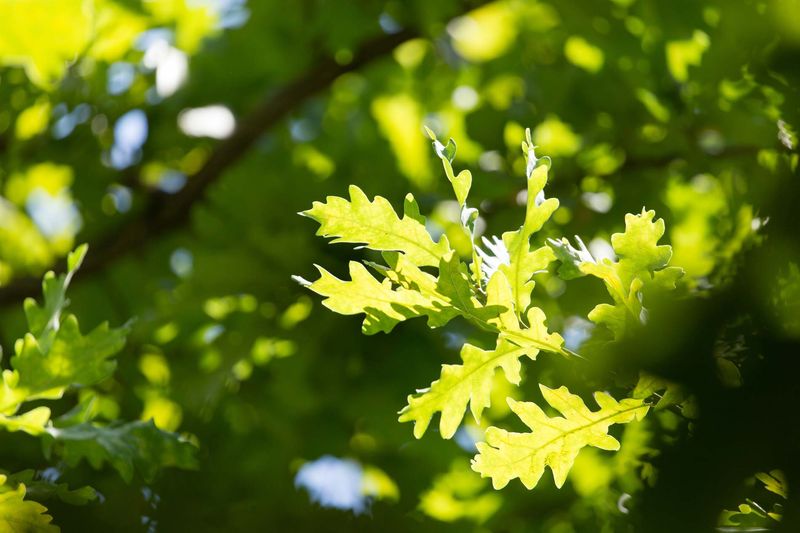
Across Ohio landscapes, few trees are as majestic, long-lived, and deeply valued as oaks. But they come with a serious pruning deadline that every homeowner and gardener in the state should know about.
Oak wilt is a devastating fungal disease spread by beetles that are most active from April through July. Fresh pruning wounds during that window are like an open invitation for those beetles to introduce the fungus directly into your tree.
To protect your oaks, Ohio arborists and extension experts strongly recommend finishing all oak pruning by April 15. That tight deadline might feel stressful, but the good news is that late winter and very early spring are actually ideal times to prune most trees anyway.
The tree is still dormant, wounds heal faster, and you can see the branch structure clearly without leaves in the way.
If you miss the April 15 window, it is generally better to wait until late fall or winter when beetles are no longer active and the risk of oak wilt transmission drops significantly. Avoid pruning oaks during peak beetle season to reduce the risk of infection.
Some professionals recommend sealing fresh cuts with wound paint specifically during high-risk months, though this is debated outside of oak wilt prevention. Whether you have a towering red oak in Toledo or a white oak in Akron, respecting this deadline keeps your trees safe and healthy for generations.
5. Do Fruit Tree Pruning During Dormant Season
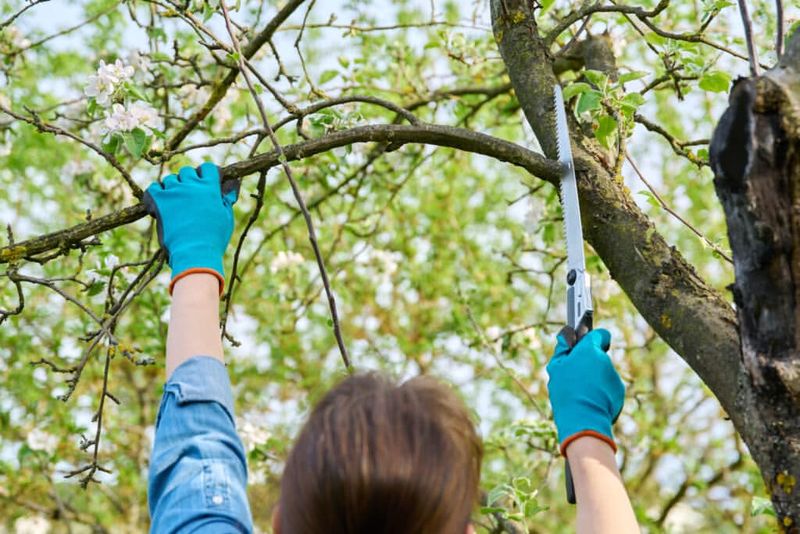
There is something deeply satisfying about heading out to prune fruit trees on a crisp late-winter morning in Ohio. Apple, pear, peach, and cherry trees all benefit tremendously from dormant-season pruning, which generally means late January through early April in most parts of the state.
During dormancy, the tree is resting, sap flow is minimal, and the risk of spreading certain diseases through fresh cuts is much lower.
Pruning fruit trees while they are dormant also makes the job much easier. Without leaves in the way, you can clearly see crossing branches, weak crotch angles, water sprouts shooting straight up, and damaged or lifeless wood that needs to be removed.
Structural decisions are simpler and more accurate when you can see the whole framework of the tree at once.
For Ohio gardeners growing apples in the Licking County area or pears in the Maumee Valley, timing is everything. Prune too early in deep winter and extreme cold snaps can damage the exposed cuts.
Prune too late and you risk cutting off swelling buds or early blossoms. Late February through mid-March is often the sweet spot for most of Ohio.
Finishing up before buds break fully ensures the tree can put all its energy into healthy new growth and a productive fruiting season. Clean, well-timed cuts lead to better yields and stronger trees over time.
6. Remove Damaged And Weak Growth First
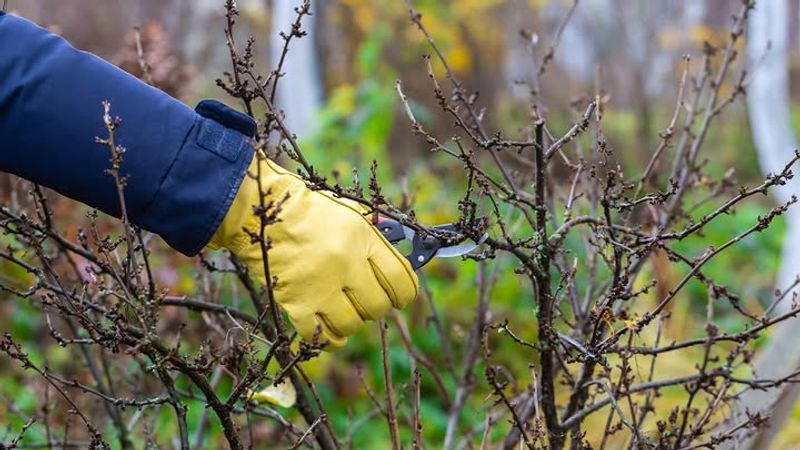
Every good pruning session in Ohio should start the same way: look for the obvious problems first. Damaged branches, broken limbs, crossing stems that rub against each other, and weak or spindly growth are all candidates for removal regardless of what time of year it is.
Many experts agree that removing damaged or unhealthy growth can be done when noticed, though timing may still matter for certain species and conditions.
Starting with damaged wood also gives you a clearer picture of how much additional pruning the plant actually needs. A lot of gardeners over-prune because they jump straight into shaping without first removing the obvious stuff.
Once the damaged material is gone, you might find the plant needs very little additional work to look clean and balanced.
Weak, twiggy growth in the center of shrubs and trees is worth removing too. It rarely produces good flowers or fruit, and it blocks airflow and light from reaching the stronger, more productive branches.
Poor air circulation is a common trigger for fungal problems in Ohio gardens, especially during the humid summers the state is known for. By routinely clearing out weak and damaged material, you are doing your plants a real favor.
Keep a pair of sharp bypass pruners handy throughout the growing season so you can address problems quickly as they appear in your Ohio landscape.
7. Make Cuts At A Bud Or Branch Collar
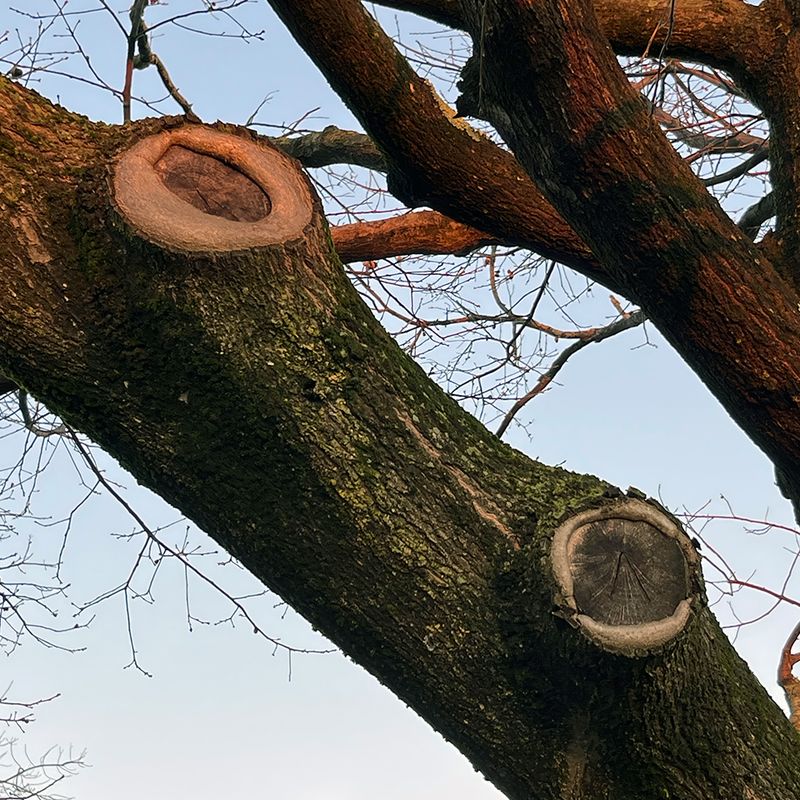
Where you make your pruning cut matters just as much as when you make it. A cut placed in the wrong spot can lead to disease entry or a stubby stub that never heals properly.
Two of the most important landmarks to aim for are the bud and the branch collar, and learning to identify both will instantly improve your pruning results across your Ohio garden.
When cutting back a stem, always cut just above a healthy outward-facing bud, about a quarter inch above it at a slight angle. That angle helps water run off rather than pooling on the cut surface.
The bud below your cut will become the new growing tip, so choosing an outward-facing one helps direct growth away from the center of the plant, which improves airflow and shape.
When removing an entire branch from a tree or large shrub, cut just outside the branch collar, which is the slightly swollen ring of tissue where the branch meets the trunk or main stem. That collar is packed with specialized cells that help the wound close over time.
Cutting into it or leaving a long stub both interfere with that natural healing process. Ohio gardeners who master this simple technique see noticeably cleaner wound closure and healthier plants overall.
It takes a little practice, but once you get the feel for it, every cut you make will be more confident and precise.
8. Never Remove More Than One Third At Once
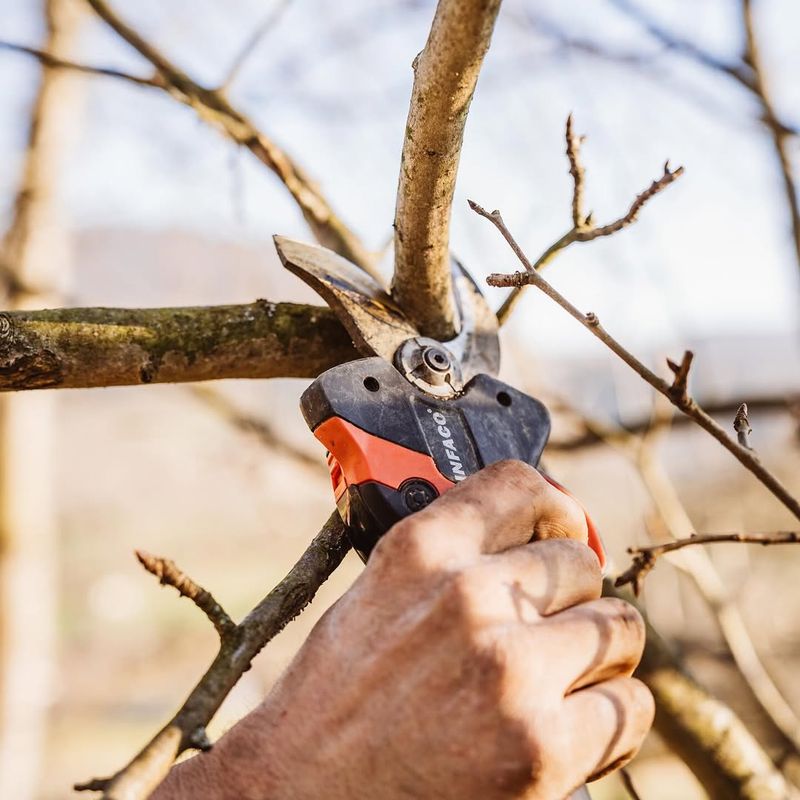
One of the oldest and most reliable rules in gardening is the one-third rule: never remove more than one third of a plant’s total growth in a single pruning session. It sounds simple, but it is surprisingly easy to get carried away with the pruners, especially when a shrub has gotten overgrown or a tree has been neglected for several seasons.
Removing too much at once puts serious stress on the plant.
When you cut away a large portion of a plant, you are removing a significant amount of the leaf surface it uses to produce energy through photosynthesis. The plant responds by pushing out a flush of weak, fast-growing shoots called water sprouts or suckers in an attempt to replace what was lost.
These stress shoots are usually poorly attached and rarely contribute to healthy structure or good flowering.
If you are dealing with a badly overgrown shrub or neglected tree in your Ohio yard, the smarter approach is to spread the renovation over two or three growing seasons. Remove up to one third each year, giving the plant time to recover and adjust between sessions.
This gradual approach works beautifully for overgrown forsythia, lilacs, and even old apple trees across Ohio. Your patience will pay off with a plant that bounces back stronger, fills in more naturally, and continues to thrive without the setback of being cut back too hard all at once.