When To Move Plants Back Outside In North Florida (Many Gardeners Do It Too Early)
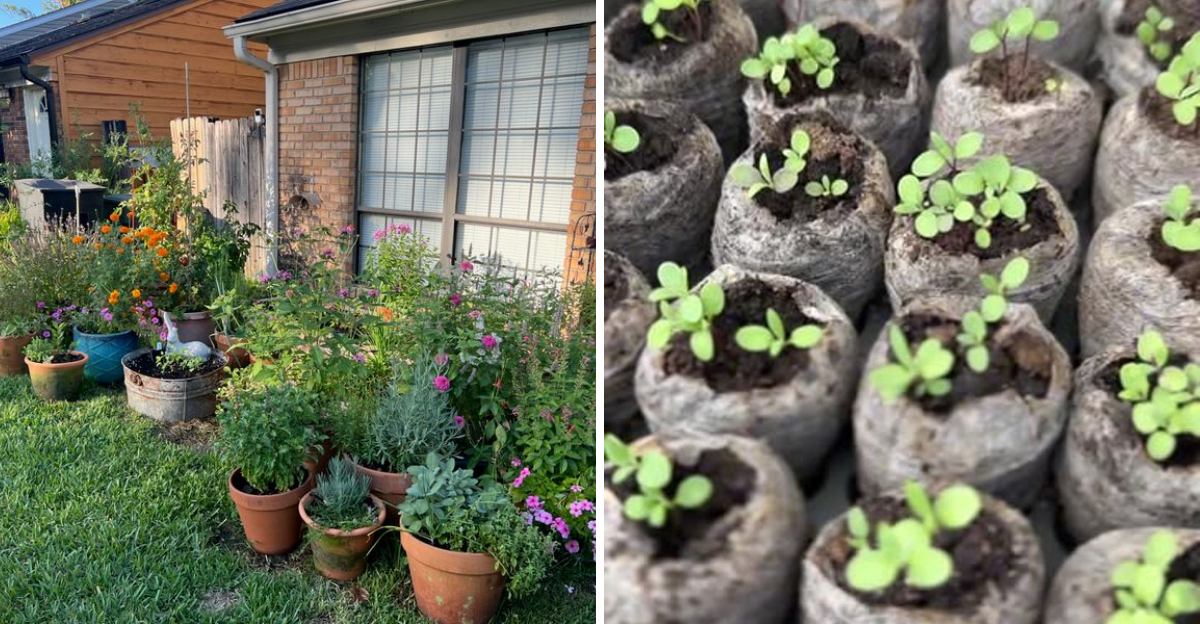
After weeks indoors, it is tempting to move plants back outside as soon as the sun appears. Many North Florida gardeners try this too early, and it can cause stressed plants, slow growth, and fewer blooms than expected.
Cold snaps, late frosts, or strong winds create extra challenges for tender plants, and the first flowers of the season may struggle to thrive if they are not ready. Timing matters more than most gardeners realize.
Moving plants outside at the right moment gives them the best chance for full blooms, strong roots, and healthy growth. A careful transition keeps your yard looking vibrant and ensures plants perform their best throughout the season.
Do it at the right time, and your garden fills with color and life. Move plants too soon, and you face setbacks that could have been prevented.
1. North Florida Weather Plays By Different Rules
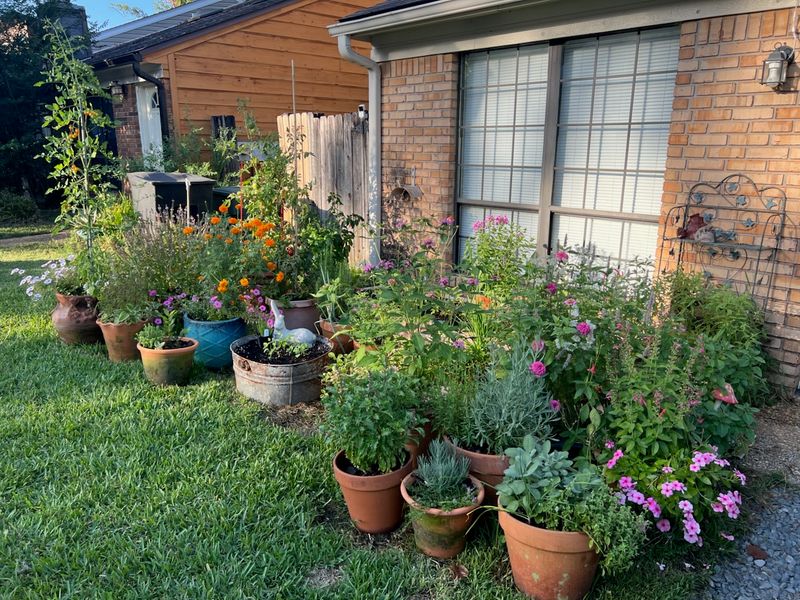
You step outside in late February and feel that warm afternoon sun, noticing how quickly temperatures climb into the seventies. Your neighbors start setting potted plants on their front steps, and it feels like spring has arrived for good.
But North Florida primarily falls within USDA zones 8a through 9a, where winter releases its grip slowly and unpredictably, sending cold fronts through March and sometimes early April.
This region experiences what extension agents call variable spring weather, with daytime highs that often swing 15 to 25 degrees warmer than nighttime lows. Inland areas around Gainesville and Lake City face colder pockets than coastal spots near Jacksonville or Tallahassee.
Your plants respond to overnight temperatures more than midday warmth, because cold stress happens when the sun goes down and temperatures drop below what tender foliage can tolerate.
Understanding this pattern keeps you from making the classic mistake of trusting one warm week. North Florida springs require patience because the risk of frost lingers longer than the calendar suggests.
When you wait for consistent nighttime temperatures instead of reacting to a few sunny days, your plants transition smoothly without the setback of cold damage that stunts growth for weeks afterward.
2. Why Early Warm Spells Fool Gardeners Every Year
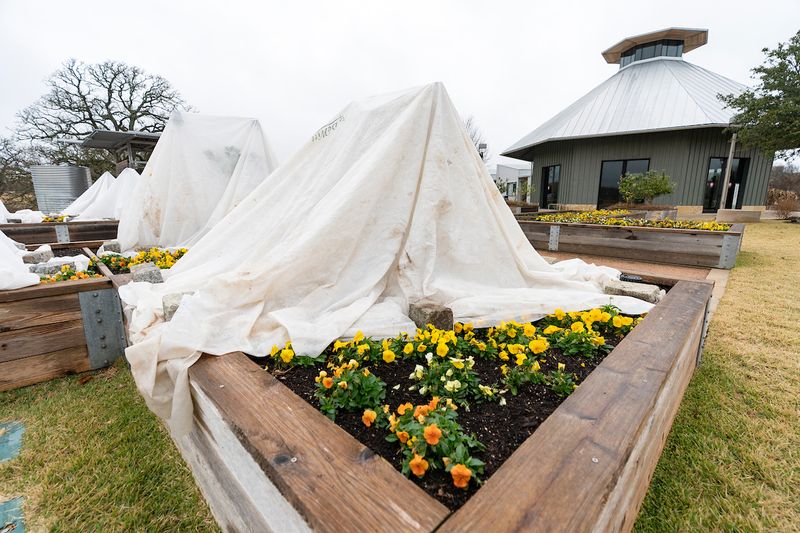
That stretch of seventy degree days in mid February feels so convincing that you start planning your entire outdoor plant setup. Garden centers fill with colorful annuals and vegetable seedlings, and many gardeners seem ready to plant.
The warm spell triggers something in gardeners, a belief that winter has finished and outdoor growing season has officially begun, but North Florida weather patterns do not work that way.
These early warm periods happen almost every year, often followed by cold snaps that drop temperatures back into the thirties or even lower. University of Florida IFAS Extension data shows that the average last frost date for much of North Florida typically falls between late February and mid March, depending on your specific location.
Coastal areas warm faster, while inland spots stay vulnerable longer. Your plants do not care about one warm week, they respond to the coldest night they experience, and that single frosty morning can set them back significantly.
Recognizing this pattern helps you resist the urge to rush. When you see warm days but know cold nights still threaten, you keep plants protected a bit longer.
That patience pays off with stronger, healthier growth once conditions truly stabilize and your plants can handle full outdoor exposure without stress.
3. The Temperature Threshold That Actually Matters
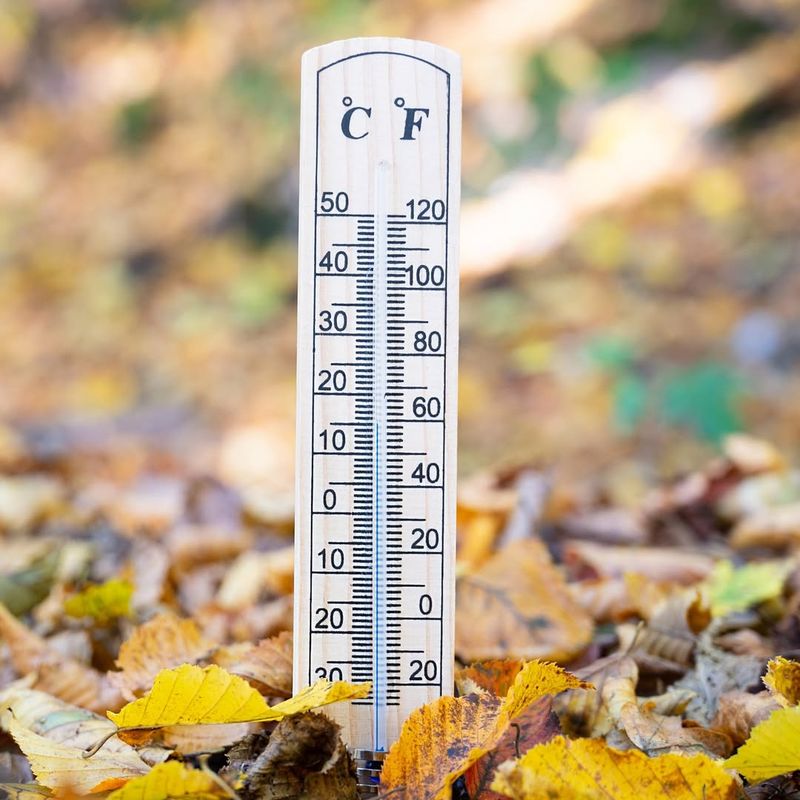
Most gardeners focus on daytime highs when deciding to move plants outside, but nighttime lows determine whether your plants thrive or struggle. Tender plants like tomatoes, peppers, basil, and tropical houseplants need consistent nighttime temperatures above fifty degrees to avoid stress.
When nights dip into the forties or lower, these plants experience slowed growth, leaf discoloration, and increased vulnerability to pests and disease.
Check your local weather forecast for overnight lows, not just afternoon temperatures. North Florida can see a seventy degree afternoon followed by a forty degree night, and that swing shocks plants that have been indoors for months.
Soil temperature also matters because roots grow best when the ground stays consistently warm. Cold soil slows root development even if air temperatures seem acceptable during the day.
University of Florida IFAS Extension generally advises waiting until nighttime temperatures consistently remain above 50°F before planting warm-season crops or moving tender plants outdoors permanently.
Hardy plants like pansies, snapdragons, and kale tolerate cooler nights, but tropicals and warm-season vegetables need that fifty degree threshold.
When you base your timing on nighttime lows instead of daytime warmth, you give your plants the stable conditions they need to transition successfully and grow vigorously once they settle into their outdoor spots.
4. Frost Risk Lingers Longer Than Most Expect
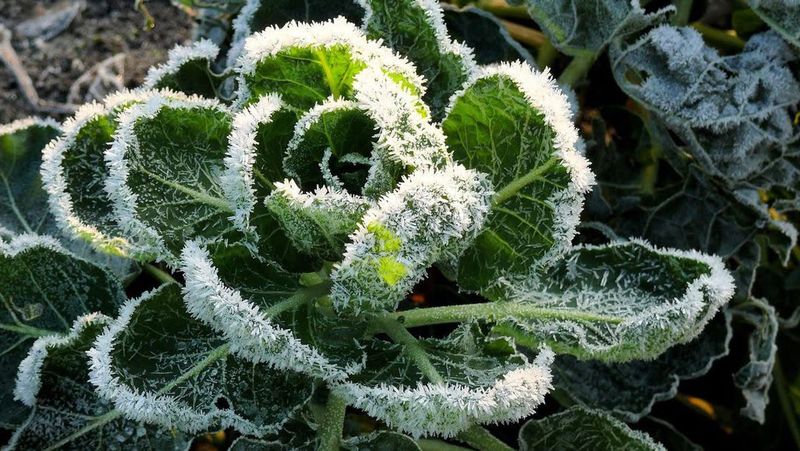
You might assume that once March arrives, frost risk disappears completely, but North Florida weather keeps surprising gardeners well into spring. Frost warnings can pop up through mid March in inland areas, and even coastal spots occasionally see unexpected cold snaps that threaten tender plants.
Your plants do not recover quickly from frost damage, and that setback can delay growth for several weeks or even the entire season.
Frost typically forms when air temperatures approach 32°F or below, but frost damage can occur slightly above freezing under clear, calm conditions due to radiational cooling. Radiational frost happens on calm, clear nights when heat escapes rapidly from the ground, creating pockets of freezing air that settle in low areas.
Your backyard might have microclimates where certain spots stay colder than others, especially in low lying areas or spaces without wind protection.
Checking the ten day forecast before moving plants outside helps you avoid surprise cold nights. If frost warnings appear, bring plants back inside or cover them with cloth sheets or frost blankets.
Never use plastic directly on foliage because it conducts cold and can cause more damage. When you respect the lingering frost risk and protect your plants accordingly, you avoid the frustration of watching carefully grown seedlings suffer from one unexpected cold night.
5. Hardening Plants Makes A Huge Difference
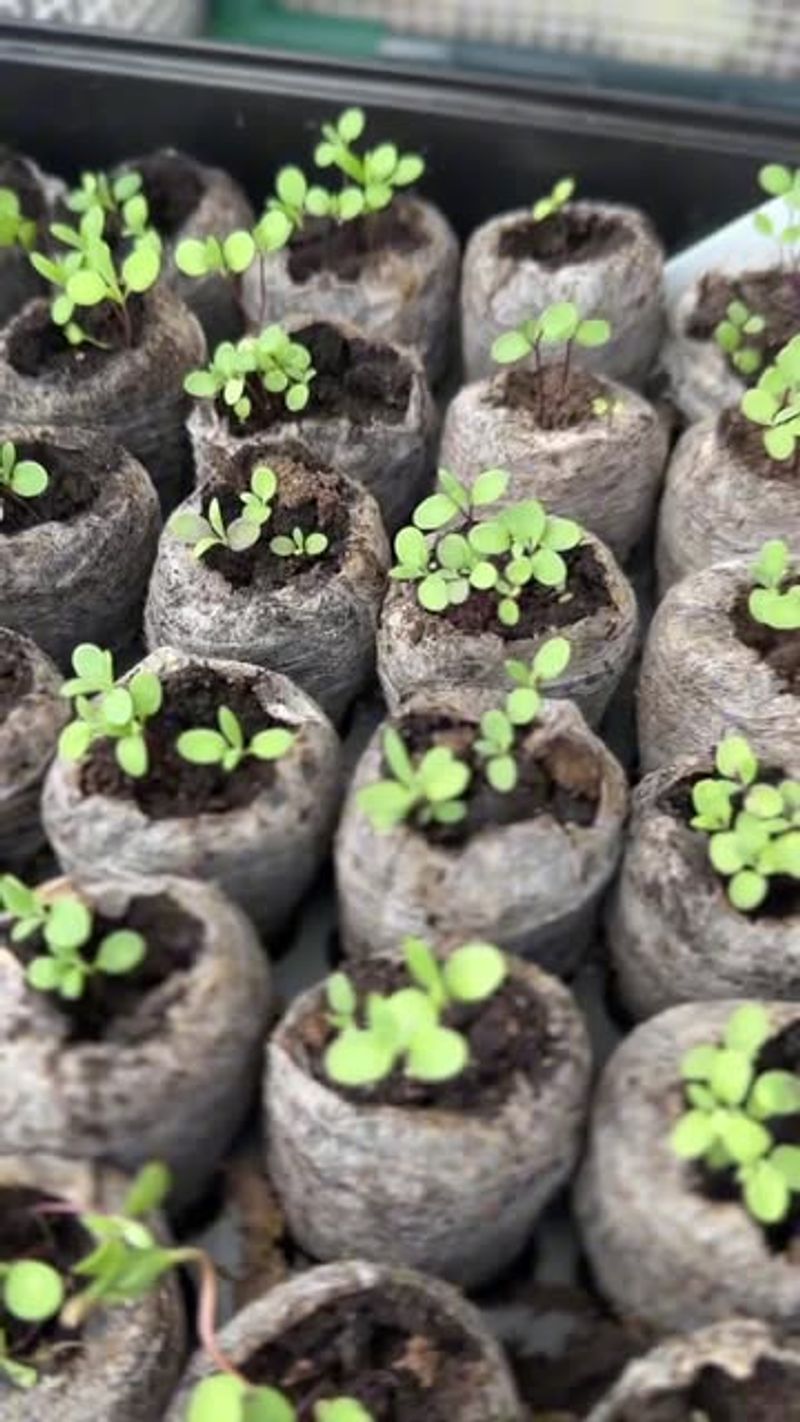
Moving plants straight from your cozy indoor space to full outdoor sun and wind almost guarantees stress and damage. Plants grown indoors develop soft foliage that cannot handle direct sunlight, temperature swings, or wind exposure without a gradual adjustment period.
This process, called hardening off, strengthens plant tissues and prepares them for the harsher outdoor environment, and skipping it causes sunburn, wilting, and stunted growth.
Start hardening off by placing plants in a shaded, protected outdoor spot for just a few hours each day. Gradually increase their time outside over seven to ten days, moving them into brighter light and more exposed locations as they adjust.
Bring tender plants back inside if nighttime temperatures drop below 50°F during the hardening process. Watch for signs of stress like drooping leaves or pale spots, which indicate you are moving too quickly.
This gradual transition gives plants time to develop thicker leaf cuticles, stronger stems, and more robust root systems. By the end of the hardening off period, your plants can handle full sun, wind, and temperature fluctuations without shock.
Gardeners who skip this step often wonder why their plants look terrible after a week outside, while those who harden off properly see vigorous, healthy growth from the start. Patience during this phase sets your plants up for success throughout the entire growing season.
6. Which Plants Can Go Out First And Which Need More Patience
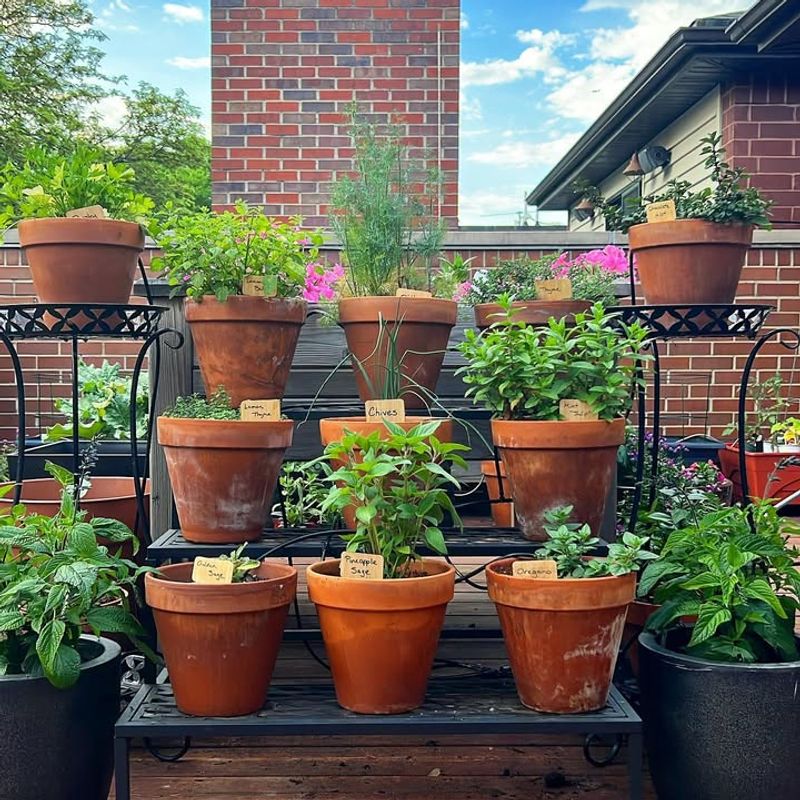
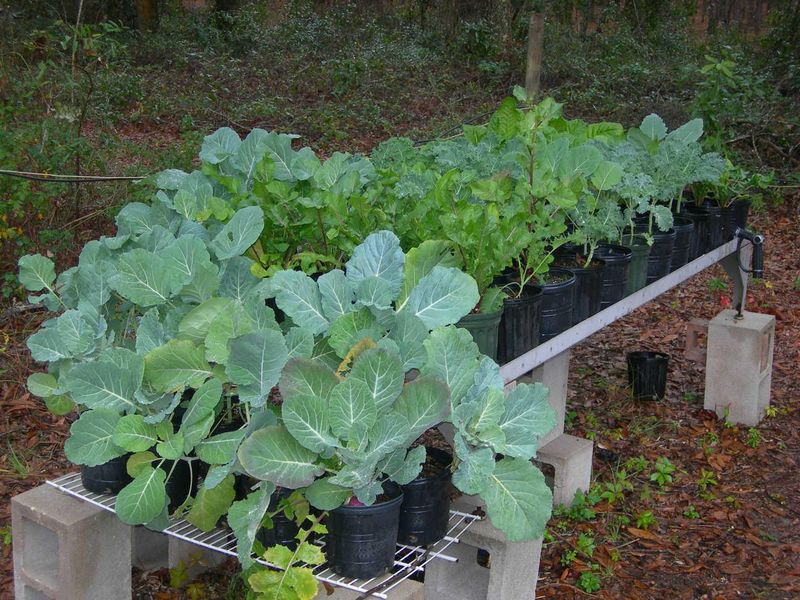
Not every plant requires the same timing, and understanding which ones tolerate cooler temperatures helps you stagger your outdoor transition. Cool season crops like lettuce, broccoli, cabbage, and kale tolerate nighttime temperatures in the low to mid 40s and can go outside earlier in North Florida spring.
Pansies and snapdragons tolerate cooler nights, while petunias prefer slightly warmer conditions but can handle brief dips into the mid 40s.
Warm-season vegetables like tomatoes, peppers, squash, and cucumbers need those consistent fifty degree nights before they can thrive outdoors. Basil is especially sensitive and suffers even when temperatures hover in the high forties.
Tropical houseplants like pothos, philodendrons, and ferns also need stable warmth and should wait until nighttime lows stay reliably above fifty five degrees. Rushing these plants outside too early causes more harm than waiting a few extra weeks.
Create a schedule based on plant types rather than moving everything outside at once. Start with hardy cool season plants in late February to early March, depending on local frost forecasts, then transition warm season crops and tropicals in mid to late March once conditions stabilize.
This staggered approach reduces risk and ensures each plant gets the conditions it needs to establish strong growth right from the start, giving you a thriving outdoor garden throughout spring and summer.
7. Use Local Data, Not Just the Calendar
One of the most reliable ways to time outdoor moves is by using local weather stations and soil thermometers instead of fixed planting dates.
North Florida spans hundreds of miles, and planting conditions in Pensacola, Tallahassee, Gainesville, and Jacksonville can differ by weeks. Elevation, tree cover, and proximity to water all influence temperature patterns.
Checking your nearest NOAA or local extension weather station provides accurate overnight low trends. Soil thermometers are inexpensive and reveal when soil temperatures stabilize above crop-specific planting thresholds.
University of Florida IFAS also offers county-specific planting calendars that reflect real regional conditions instead of statewide averages.
Combining weather forecasts, soil readings, and plant type knowledge gives gardeners the most reliable results and helps avoid costly early-season mistakes.