When To Plant Amaryllis Bulbs In Georgia For Christmas Blooms
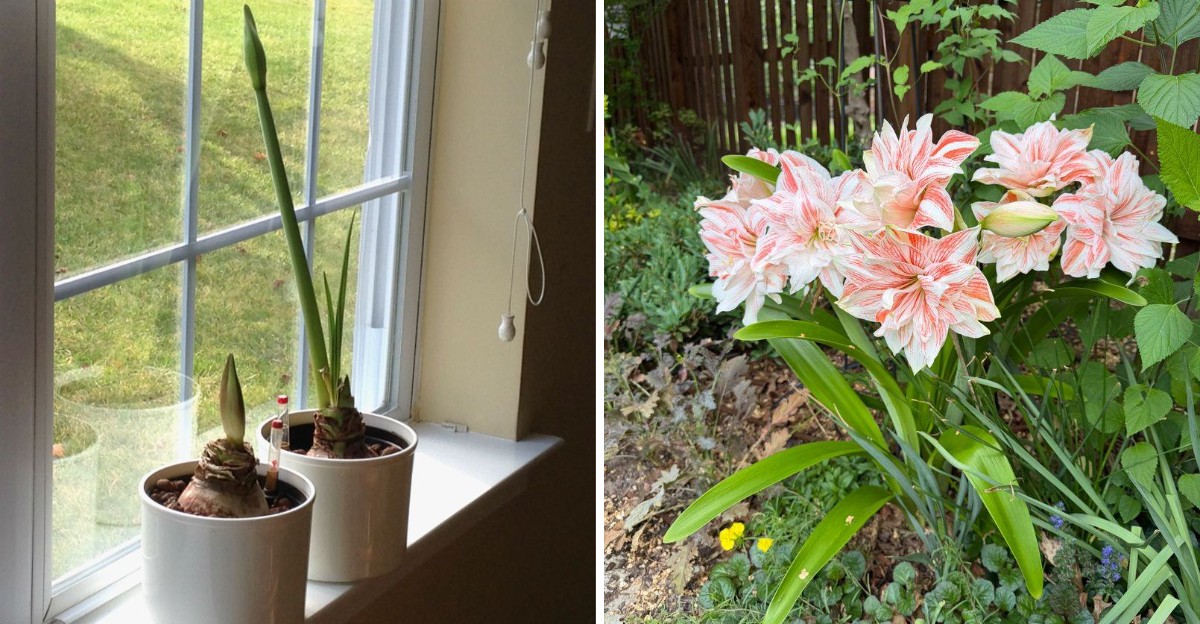
Amaryllis bulbs sold in boxed kits around Thanksgiving often bloom after the holidays instead of during them.
Most of those bulbs need several weeks of steady growth before the first flower stalk opens. Starting them too late is a common reason a Georgia windowsill shows buds instead of blooms on Christmas.
Planting time can matter more than the bulb’s size or the pot you choose.
Warm rooms tend to speed growth while cool spots slow it, so where you set the pot matters too.
Mark the date on your calendar when you plant, then count the weeks as the stalk rises. Varieties move at different speeds, which makes that count worth tracking.
Getting the timing right turns a plain brown bulb into one of the brightest decorations in the house.
1. Holiday Flowers Depend On Planting Several Weeks Ahead
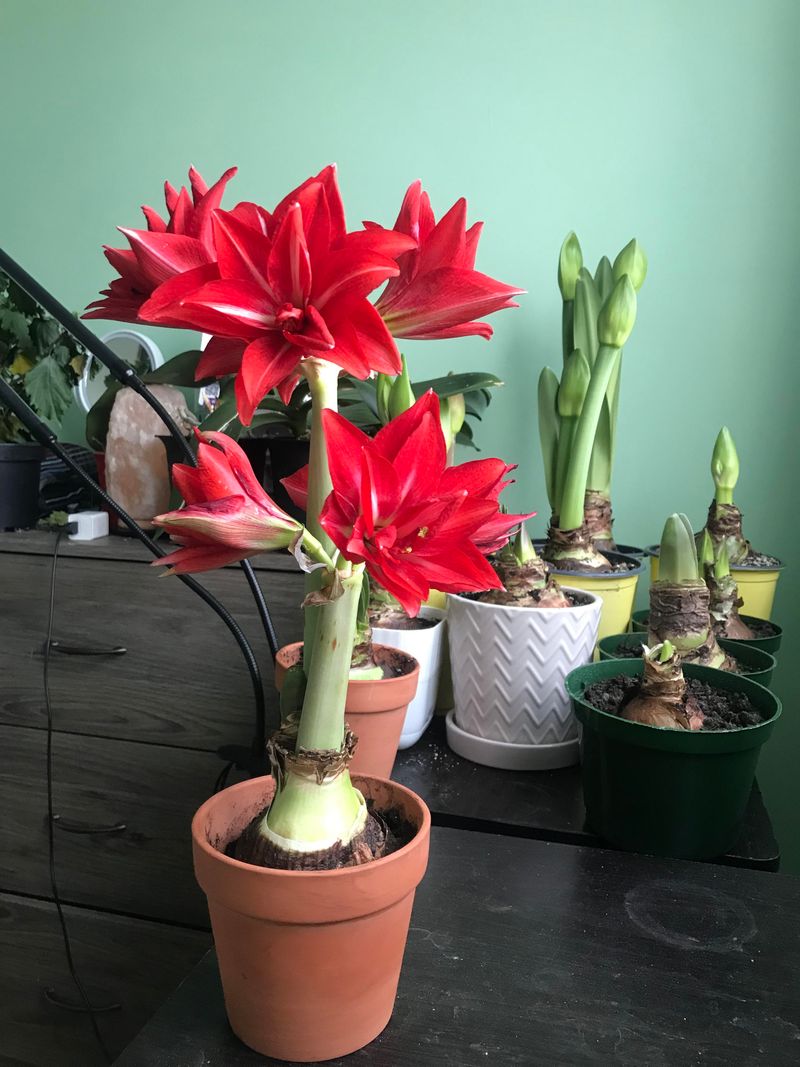
Christmas flowers start long before the tree goes up. An amaryllis bulb needs time to wake up, send up a stalk, and open its buds, so planting early matters.
Most bulbs sold for holiday growing take somewhere around six to ten weeks to flower after planting.
That timeline is only a guide, not a promise. Bulb size, variety, and how warm your house stays can all speed things up or slow them down.
Counting backward from late December gives you a rough planting window. If you want blooms by Christmas, aim to get your bulb potted sometime in mid to late October or through November.
Waiting until December can still give you flowers, just maybe closer to New Year or into January.
Buying bulbs early helps too. Garden centers and stores in Georgia often stock amaryllis in fall, and the best-looking bulbs can sell out before the holidays.
Pick bulbs that feel firm and heavy for their size, without soft spots or mold.
Larger bulbs often produce more stalks and flowers, though results still vary by variety. A firm, healthy bulb gives you a better starting point than a bargain bulb that already looks tired.
Planting a few bulbs a week or two apart is a handy trick, since it spreads out your chances of having something in bloom on the big day.
2. Blooming Time Varies Between Bulbs And Growing Conditions
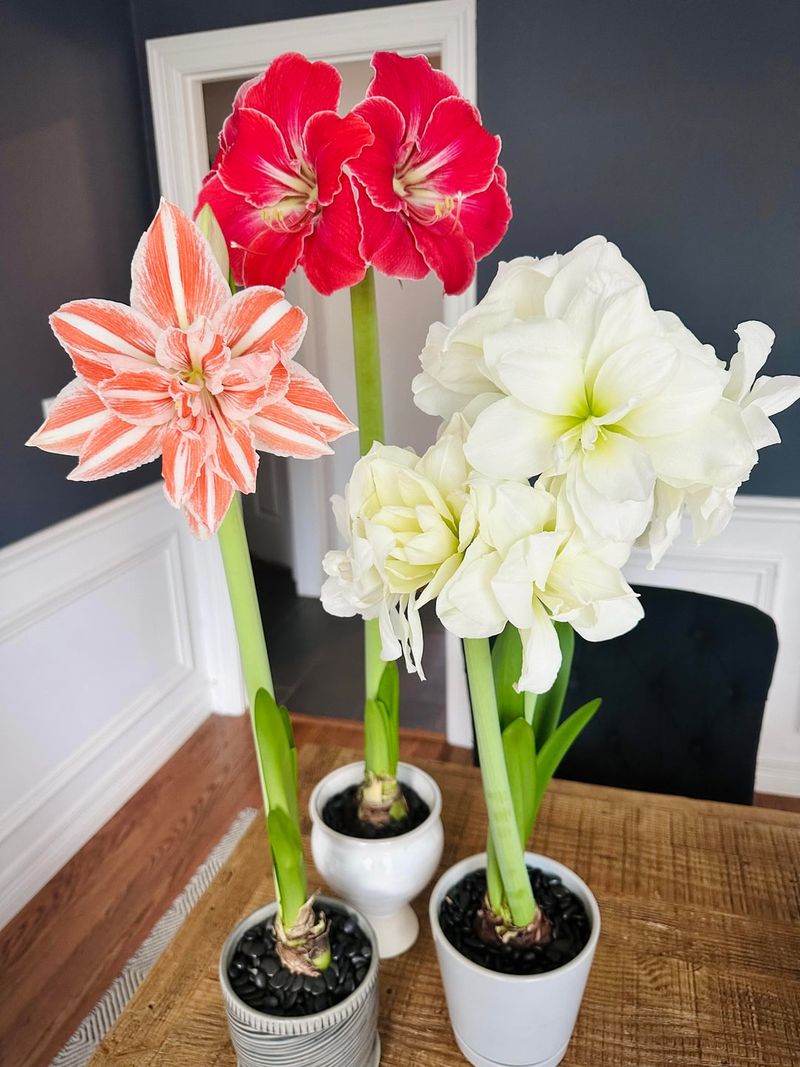
Two bulbs planted on the same day rarely bloom together. Anyone who has grown a few side by side has probably noticed one racing ahead while the other barely moves.
Variety plays a big role in that difference.
Some types, like certain bulbs sold as early or fast bloomers, tend to flower sooner than others. Bulbs from Southern Hemisphere growers are often marketed as quicker for the holidays, but check the package for guidance.
Room temperature also changes the pace. Warmer rooms usually push growth along faster, while a cool spot near a drafty door can slow a bulb down.
Light matters as well, since bright, indirect light helps the stalk grow sturdy instead of thin and stretched.
Bulb health makes a difference too. A large, firm bulb with healthy roots often grows more steadily than a small or dried-out one.
Your Georgia Garden Changes Every Week. Your Plan Should Too.
Gardening in Georgia changes quickly throughout the season. Every Friday you’ll receive a simple weekly plan showing exactly what to plant, prune, fertilize, harvest, and protect so you never miss the right timing.
Homes across Georgia vary a lot in how warm or bright they stay during late fall, so your timing may not match a neighbor’s.
Keeping a simple note of your planting date and first bloom can help you plan better next year.
If a bulb runs behind, try moving it to a slightly warmer, brighter spot. If one runs ahead, a cooler room may help the open flowers last a bit longer.
3. Late October Through November Offers Time To Prepare For Christmas
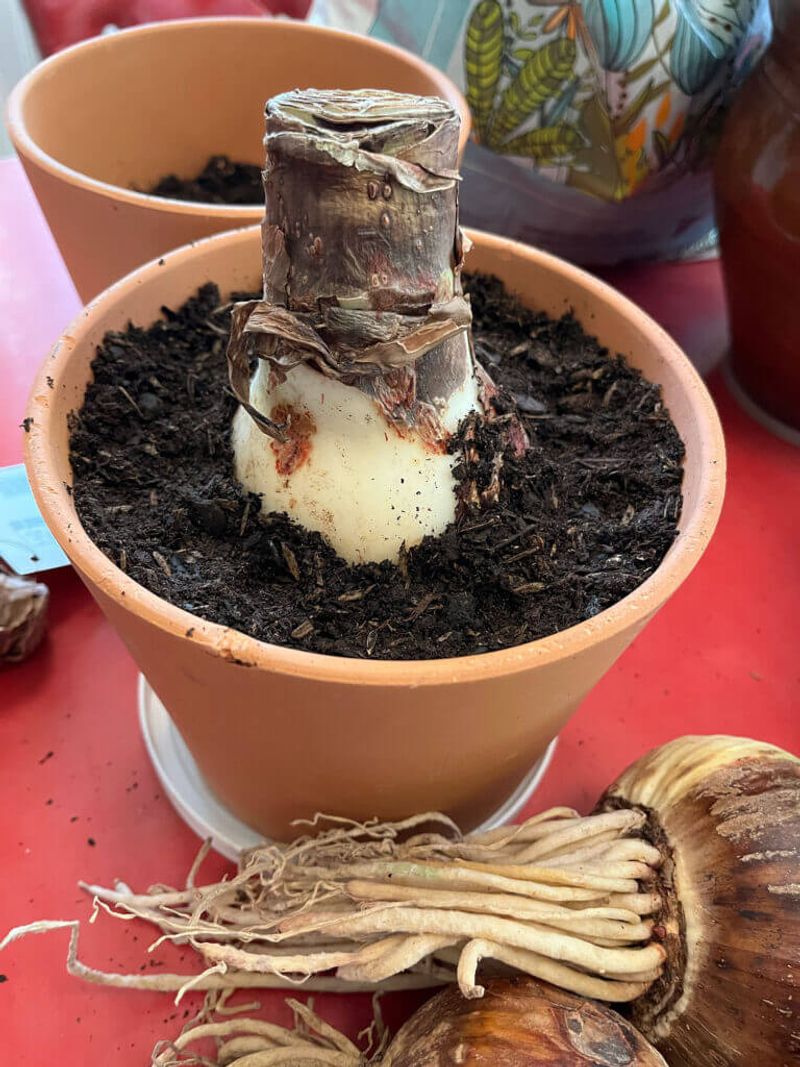
Fall in Georgia brings a sweet spot for planting. Late October through November usually leaves enough weeks for a bulb to grow and flower near the holidays.
Earlier planting, like late October, gives you a cushion in case your bulb is a slow starter.
Bulbs potted in late November might bloom right on time or a little after Christmas. Much depends on the variety and how warm your home stays.
Getting supplies ready ahead of time makes planting day easy. You will want a pot with a drainage hole, fresh potting mix, and a bulb that feels firm.
Choose a pot only an inch or two wider than the bulb, since amaryllis tends to grow well in a snug container.
Some bulbs arrive with dry roots attached. Soaking just the roots in room-temperature water for a few hours before planting is a common tip that some growers like.
Once potted, place the bulb somewhere warm with bright, indirect light, away from heating vents.
Holiday decorating season gets busy fast. Planting in this window means the bulb does most of its growing quietly while you handle everything else.
If you miss the window entirely, plant anyway and enjoy a winter bloom a few weeks later.
4. Leave The Upper Third Of The Bulb Above The Soil
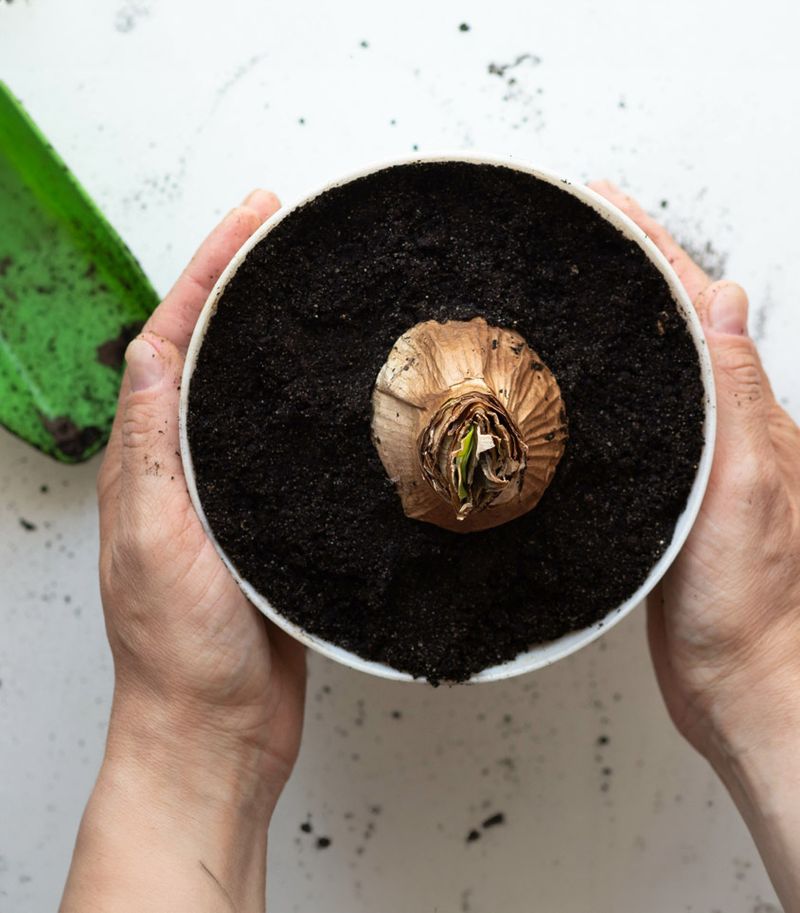
Burying an amaryllis like a tulip is a common mistake. These bulbs prefer to sit partly out of the soil, with roughly the top third showing.
Planting at that height helps keep the neck of the bulb drier, which may lower the chance of rot.
Start by adding some potting mix to the bottom of the pot. Set the bulb on top, spread the roots gently, and fill in around the sides.
Press the mix down lightly so the bulb feels steady and does not wobble.
A well-draining potting mix works better than heavy garden soil. Clay soil found in many Georgia yards holds too much water for a pot and can stay soggy.
Leave about an inch of space between the soil and the pot rim so watering is less messy.
Some growers plant with half the bulb exposed, and that can work fine too. The goal is simply to avoid covering the shoulders and neck with soil.
A heavy pot, like terracotta or ceramic, can help keep a tall bloom from tipping over later.
Once the bulb is set, you can add a little moss on top for looks. Just keep it away from the neck so moisture does not collect there.
5. Light Watering Until Green Growth Appears Prevents Rot
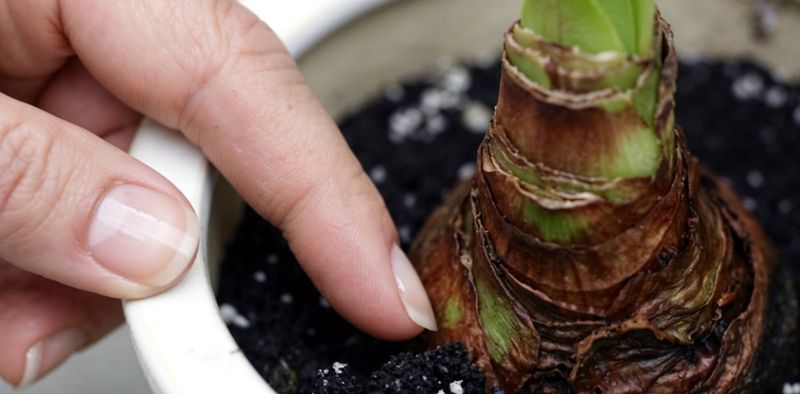
Too much water early on is one of the easiest ways to ruin a new bulb. Without leaves or many active roots, it cannot use much moisture yet.
Water the pot well once after planting, then let the extra drain out completely.
After that first soak, go easy. Add a small amount only when the top inch or so of soil feels dry, and avoid letting water sit in the saucer.
Soggy soil around a resting bulb can lead to soft, mushy tissue and rot. Light watering helps lower that risk, though no method removes it entirely.
Patience pays off here.
Once a green shoot or flower bud pushes up a few inches, the bulb starts drinking more. You can then water a bit more often, still checking the soil first.
Indoor air in Georgia homes can feel dry once the heat runs in winter, so pots may dry faster in December than they did in early November.
Watering needs change with pot size, potting mix, and room conditions. Use your finger to check the soil instead of following a strict schedule.
Fertilizer is not needed before growth starts, since the bulb already holds stored energy for its first bloom.
6. Turning The Pot Every Few Days Keeps Stalks Growing Straight
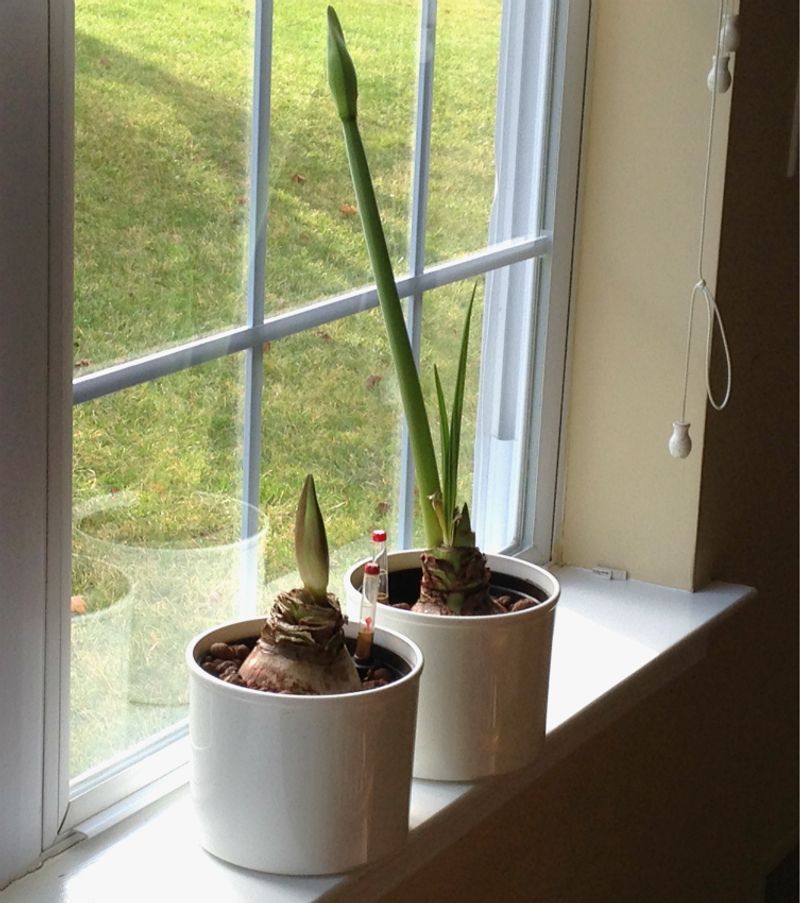
Leaning stalks are a sign the plant is chasing the sun. Amaryllis grows toward its light source, and a pot that never moves can end up tilting.
A quick quarter turn every few days helps the stalk grow more evenly upright.
Set a simple reminder if you tend to forget. Turning the pot when you water is an easy habit that keeps the plant balanced without extra effort.
Bright, indirect light near a window works well for most homes. Low light can lead to tall, thin stalks that flop more easily.
Even with turning, some stalks grow very tall and top-heavy once the big flowers open.
A thin stake or bamboo stick placed gently beside the stalk can offer support. Tie it loosely with soft twine so the stem is not pinched.
Short winter days in Georgia mean light can be limited in some rooms, so pick the brightest spot you have during the growing weeks.
After the buds begin to open, moving the plant out of direct sun and into a slightly cooler spot may help the flowers last longer.
Every plant grows a little differently. Watch how yours responds and adjust the turning or staking as needed.
7. Milder Parts Of The State Allow Outdoor Planting As Well
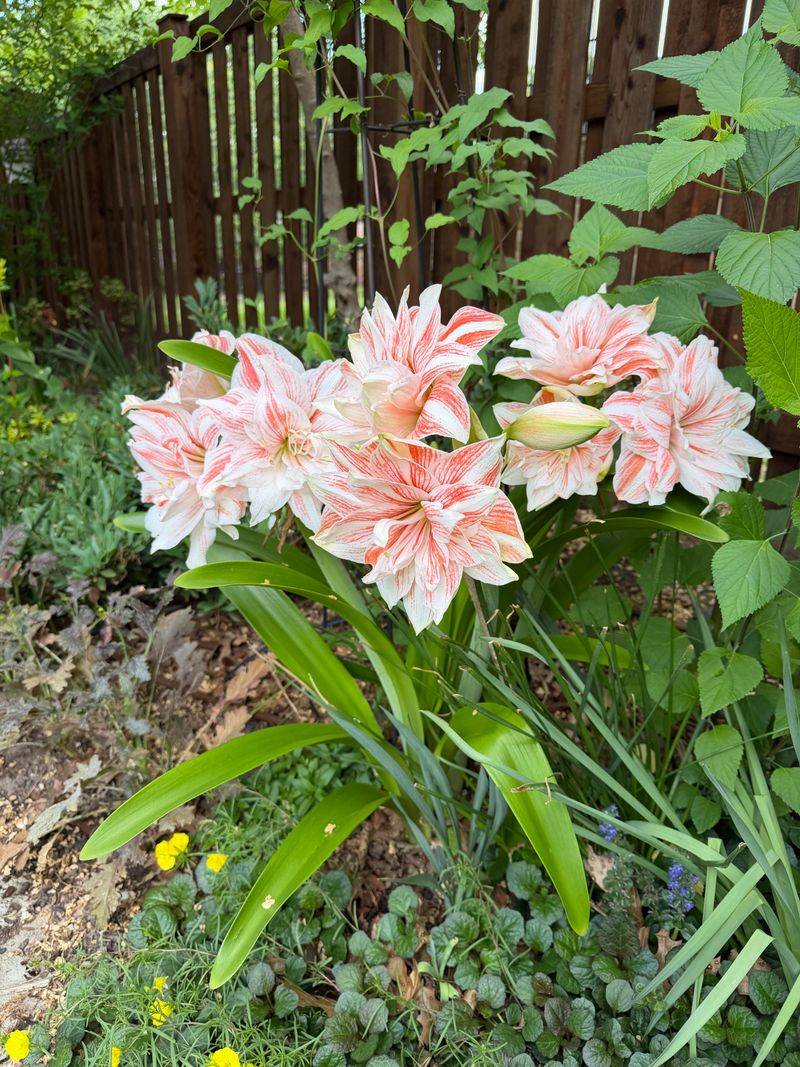
Outdoor amaryllis can thrive in parts of the South, but do not expect them outside at Christmas. Garden-grown bulbs usually flower in spring, not during the holidays.
Gardeners in the coastal and southern regions of Georgia often have better luck keeping amaryllis in the ground year-round.
Many hybrid amaryllis are considered hardy in roughly USDA zones 8 through 10, though cold tolerance varies by type. Colder parts of north Georgia and the mountains get harder freezes that can damage bulbs.
Choose a spot with good drainage and some afternoon shade. Heavy clay that stays wet in winter can cause bulbs to rot.
A layer of mulch over the bed may help protect bulbs during cold snaps.
Holiday bulbs that finished blooming indoors can often move outside in spring after frost danger passes. Let the leaves keep growing so the bulb can rebuild energy for future flowers.
Results outdoors depend on soil, winter weather, and care, so some years will be better than others.
If you live farther north in the state, keeping bulbs in pots is the safer choice. You can set them outside for summer and bring them back indoors before the first frost.