When To Plant Desert Willow In Texas For Best Results
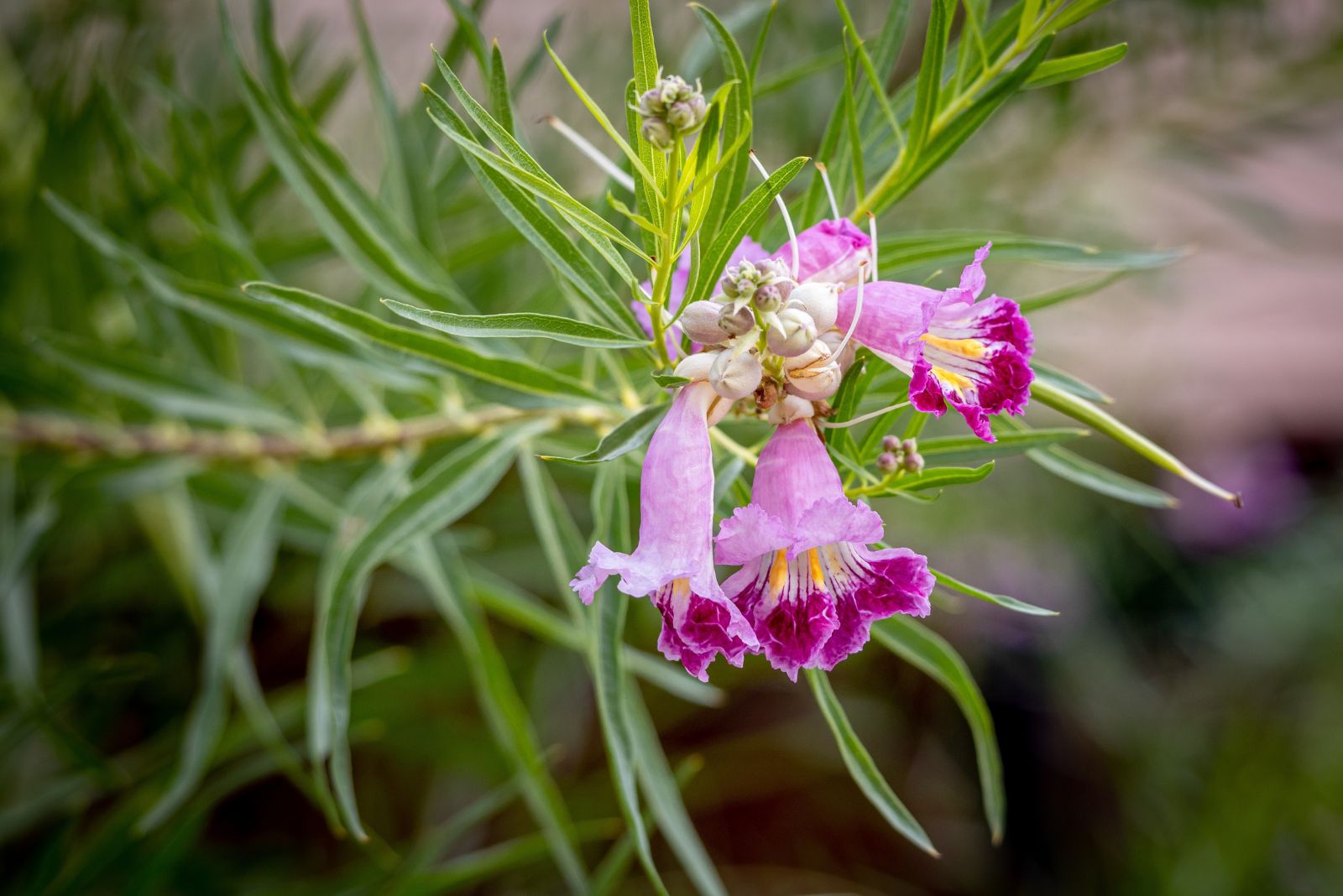
Some trees seem made for Texas, and desert willow definitely feels like one of them. With its airy shape, trumpet-like blooms, and ability to handle heat without falling apart, it has become an easy favorite for gardeners who want something beautiful but not overly demanding.
It brings color, movement, and a softer look to a landscape, all while fitting in naturally with the dry, sunny conditions that can make other trees struggle. That alone makes it worth considering, but timing matters more than many people expect.
Planting at the right point in the year can make a huge difference in how well a desert willow settles in. Get the timing right, and the tree has a much better chance of establishing strong roots before extreme heat or cold starts causing stress.
Plant at the wrong time, and even a tough tree can have a harder start than it should. In a place like Texas, where weather can shift fast and conditions vary from one region to another, knowing when to plant is one of the smartest ways to set this tree up for success from the beginning.
1. Why Timing Matters For Desert Willow Success
Planting a tree might seem as simple as digging a hole and dropping it in, but timing is everything when it comes to Desert Willow success in Texas. The roots need time to settle into the ground before facing extreme weather.
If a young tree has to deal with scorching summer heat or a hard freeze right after planting, it struggles to establish properly.
Root establishment is the foundation of a healthy tree. When a Desert Willow first goes into the ground, it spends most of its energy growing roots rather than leaves or flowers.
This process takes several weeks and requires stable temperatures and consistent moisture. Extreme heat or cold can interrupt this process and leave the tree vulnerable.
Texas weather can be unpredictable, which makes timing even more critical here than in other states. A cold snap in North Texas or a heat wave in South Texas can stress a newly planted tree very quickly.
Giving your Desert Willow a calm, mild window of weather helps it anchor itself before tougher conditions arrive.
Think of it like starting a new job. You want to ease in during a manageable period, not during the busiest or most stressful time of year.
The same logic applies to your tree. Planting during mild weather gives it a fair chance to grow strong roots before facing Texas extremes.
Proper timing also leads to better blooming. Trees that establish well in their first season tend to produce more flowers the following year.
So choosing the right planting window is not just about survival; it is about setting your Desert Willow up for years of beautiful growth in the Texas landscape.
2. The Best Time To Plant In Texas: Spring Vs Fall
Spring and fall are the two golden windows for planting Desert Willow in Texas, and both seasons offer real advantages. Early spring, from mid-March to early June, gives the tree a chance to grow roots before the brutal summer heat sets in.
The soil is warming up, rainfall is more frequent, and temperatures are mild enough for healthy root growth.
Fall planting, from mid-September to early November, is another excellent option across Texas. As the air cools down after summer, the soil stays warm enough to encourage root development.
The tree can spend the cooler months quietly building its root system underground without the added stress of producing new leaves or blooms.
Many Texas gardeners actually prefer fall planting because there is less risk of heat stress. The tree gets several months of mild weather before summer arrives again.
By the time the following July rolls around, a fall-planted Desert Willow has a much stronger root system to handle the heat.
Spring planting works well too, especially in South Texas where winters can be very short. Planting in March or April gives the tree a solid two to three months of moderate temperatures before summer arrives. Just make sure to water consistently during those first warm weeks.
Both seasons share one important benefit: they avoid the two most stressful periods, which are peak summer and hard winter freezes. Whether you choose spring or fall in Texas, you are giving your Desert Willow the best possible foundation.
Picking either of these windows is one of the smartest decisions you can make for long-term success with this beautiful native tree.
3. When NOT To Plant Desert Willow In Texas
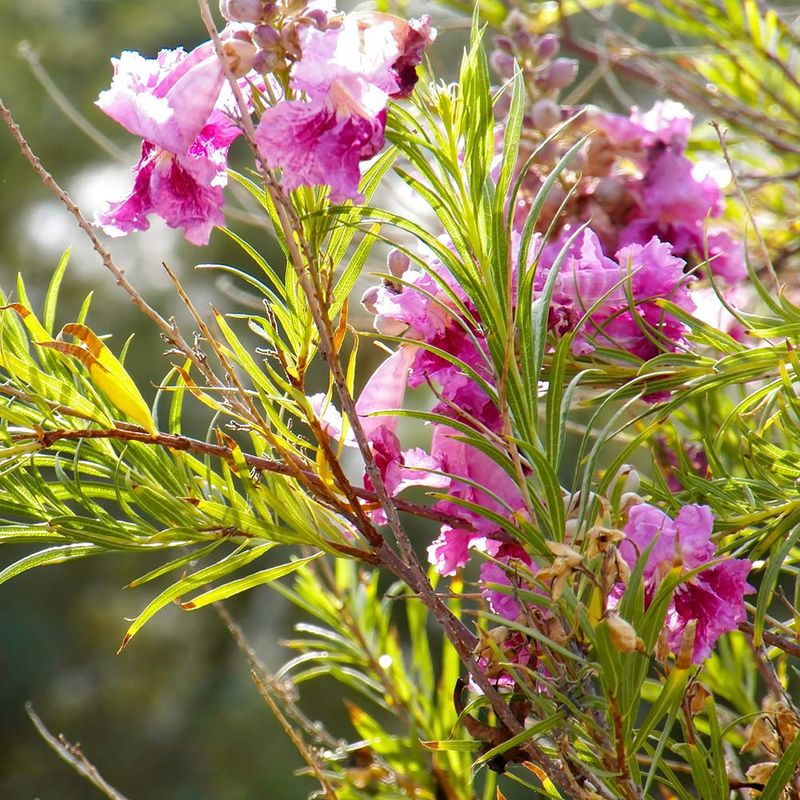
Knowing when not to plant is just as valuable as knowing the right time. July and August are the worst months to put a Desert Willow in the ground anywhere in Texas.
Temperatures regularly climb above 100 degrees Fahrenheit during these months, especially in Central, West, and South Texas. A newly planted tree simply cannot absorb enough water to stay healthy when the heat is that extreme.
During peak summer, the ground dries out fast, and the roots have no chance to anchor before they get stressed by heat and moisture loss. Even with daily watering, a young Desert Willow planted in July or August is fighting an uphill battle.
The energy it needs to grow roots is instead being used just to stay alive in the scorching conditions.
On the other end of the calendar, planting during freezing temperatures or frost periods is also a bad idea. In North Texas and the Panhandle region, hard freezes can occur from late November through February.
Frost can damage tender new roots before they have time to harden off and settle into the soil.
A late cold snap in March can also catch early planters off guard. If you are in a northern part of Texas, always check the last frost date for your specific area before putting any tree in the ground.
The USDA Plant Hardiness Zone Map is a great free resource to use. Basically, avoid the extremes on both ends of the thermometer.
Stick to mild, stable weather conditions and your Desert Willow will have a much smoother start. Patience in timing pays off in a big way with this tree across the Texas landscape.
4. Regional Timing Differences Across Texas
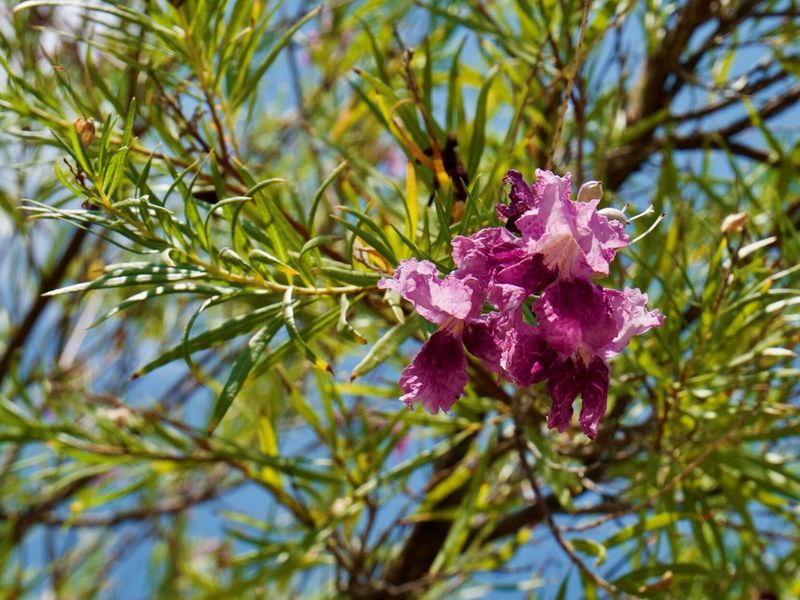
Texas is a massive state, and the right planting time can vary quite a bit depending on where you live. Central Texas, including cities like Austin and San Antonio, follows a fairly standard spring planting window starting in late March.
The last frost in this region usually falls in late February or early March, so mid-March is generally safe for getting your Desert Willow in the ground.
North Texas, including the Dallas-Fort Worth area, tends to have colder winters and later last frost dates. Gardeners in this region should wait until after the last frost, which can sometimes fall in mid-March or even early April.
Planting too early in North Texas can expose new roots to a surprise cold snap that sets the tree back significantly.
South Texas has a much warmer climate, and the planting window opens earlier. In areas like Laredo, Corpus Christi, and the Rio Grande Valley, you can often plant Desert Willow as early as late February or early March.
Winters are short and mild in South Texas, giving the tree extra time to establish before summer heat arrives.
West Texas presents a unique challenge. Cities like El Paso and Midland experience wide temperature swings between day and night, along with very dry conditions.
Spring planting works well here, but you will need to water more carefully since the soil dries out quickly in arid West Texas conditions.
No matter which region of Texas you call home, the key is to match your planting time to your local climate. Researching your specific area’s frost dates and seasonal patterns will help you make the most informed decision for your Desert Willow.
5. How To Prepare Before Planting
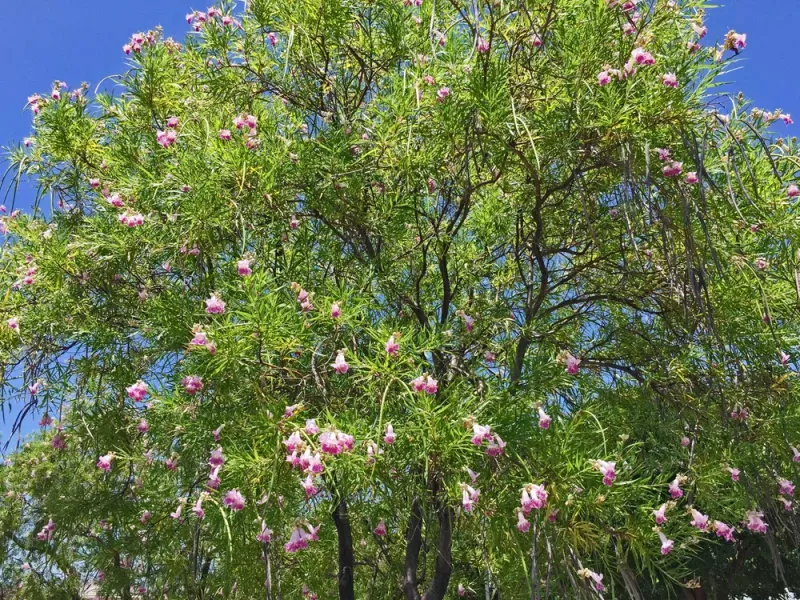
Good preparation before planting makes a world of difference for your Desert Willow. Start by choosing the right location.
This tree loves full sun, meaning at least six to eight hours of direct sunlight per day. A spot that gets shade during the hottest part of the afternoon might seem kind, but Desert Willows actually prefer all-day sun and handle heat very well once established.
Soil drainage is critical. Desert Willows do not like sitting in waterlogged soil. They are native to dry creek beds and rocky slopes across Texas and the Southwest, so they naturally thrive in sandy, loamy, or even rocky soil that drains quickly.
If your yard has heavy clay soil, consider amending it with coarse sand or planting in a raised area to improve drainage.
When it comes to digging the hole, size matters. The hole should be two to three times wider than the root ball but only as deep as the root ball itself.
This gives the roots room to spread out horizontally without forcing them down into potentially wetter, compacted soil. Avoid digging too deep, as this can cause the tree to settle and have drainage problems.
Spacing is also worth thinking about before you plant. Desert Willows can grow anywhere from 15 to 25 feet tall and spread nearly as wide.
Give your tree enough room to grow without crowding nearby structures, fences, or other plants. Proper spacing improves air circulation and reduces future maintenance headaches.
Taking these preparation steps seriously before planting day means your Desert Willow starts life in Texas with every possible advantage. A little extra effort upfront leads to a much healthier and more rewarding tree in the years ahead.
6. After-Planting Care For Strong Establishment
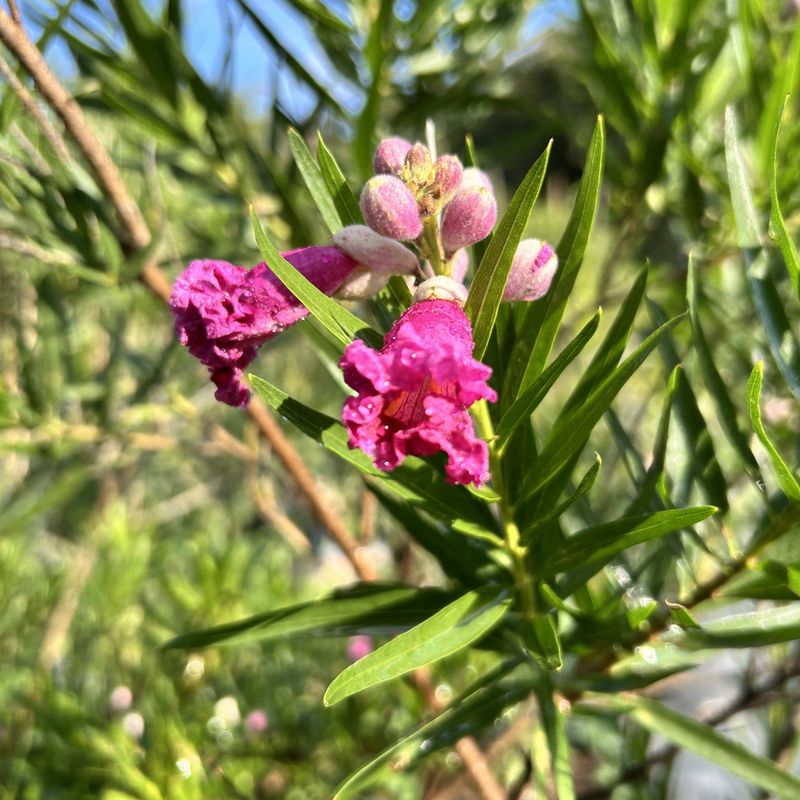
Once your Desert Willow is in the ground, the real work begins. Watering correctly during the first growing season is one of the most important things you can do.
Deep, infrequent watering is the way to go. Instead of giving the tree a little water every day, water it deeply once or twice a week.
This encourages the roots to grow downward in search of moisture, which builds a stronger and more drought-resistant root system over time.
During the hottest weeks of a Texas summer, you may need to water more frequently to keep the soil from drying out completely. A good rule of thumb is to stick your finger two inches into the soil near the tree.
If it feels dry, it is time to water. If it still feels slightly moist, you can wait another day or two.
Mulching around the base of your Desert Willow is a game-changer. Spread two to four inches of organic mulch, like wood chips or shredded bark, in a ring around the tree.
Keep the mulch a few inches away from the trunk to prevent moisture buildup against the bark. Mulch slows down water evaporation, keeps the soil cooler, and reduces how often you need to water.
Keep an eye on your tree throughout its first growing season. Watch for signs of stress like wilting leaves or yellowing foliage, and adjust your watering accordingly.
Avoid fertilizing heavily in the first year, as this can push too much leafy growth before the roots are ready to support it.
With consistent care and attention during those first critical months, your Desert Willow will reward you with gorgeous blooms and strong, lasting growth across your Texas landscape for many years to come.