When To Plant Peonies In Ohio
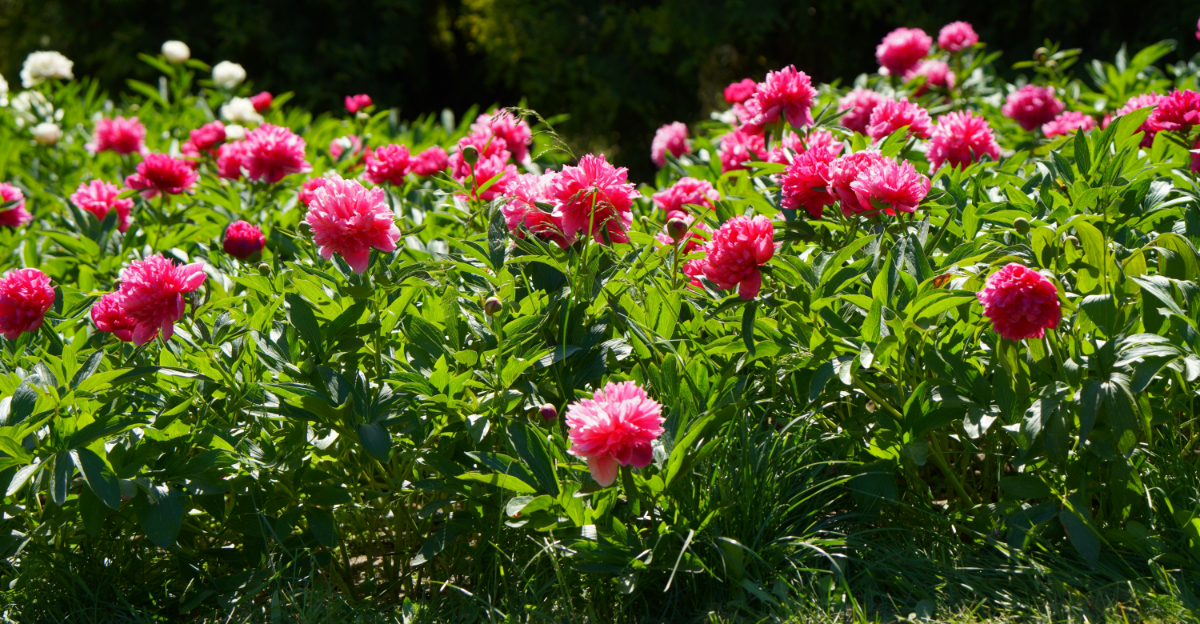
Peonies have a way of making people a little sentimental. Maybe they remind you of your grandmother’s yard, a church bouquet, or that old-fashioned garden that looked perfect for two glorious weeks every year.
Then you decide you want your own, and the big question shows up fast. When exactly should they go into the ground in Ohio?
Timing matters with peonies more than many gardeners expect. Plant them too late, and they can sulk.
Plant them too deep, and they may give you leaves without flowers. Add Ohio’s shifting weather into the mix, and it is easy to second-guess everything from frost dates to soil temperature.
The good news is that peonies are not fussy forever. Get the planting window right, give them a strong start, and they can settle in for the long haul.
The trick is knowing what Ohio conditions are telling you before you plant outdoors.
1. Why Fall Is The Best Time To Plant Peonies In Ohio

Ask any experienced Ohio gardener about the best time to get peonies in the ground, and most will say the same thing without hesitation: fall is the winner. Planting peonies in Ohio between late September and early November gives the roots a real head start.
The soil is still warm enough for roots to spread and settle in, but the air is cool enough to keep stress on the plant low.
One of the biggest reasons fall works so well is the cold period that follows. Peonies actually need a stretch of cold temperatures to form flower buds, which is called vernalization.
Ohio winters provide exactly that. When spring arrives, plants that were put in the ground the previous fall are already prepared to push up strong shoots and, with some luck, even bloom in their first or second year.
Fall planting also gives the roots several weeks to anchor themselves before the ground freezes solid. That underground activity during those cool autumn weeks sets the stage for everything that happens above ground the following spring.
After planting, water the area thoroughly so the soil settles tightly around the roots with no air pockets.
A light layer of mulch applied after the first hard frost can protect young roots from the freeze-thaw cycles Ohio winters are known for. Just remember to pull that mulch back in early spring so the plant can emerge without any obstacles.
Getting the timing right in fall truly is the foundation of a long and successful relationship with your peonies in Ohio.
2. Why Spring Planting Is Usually Second Best
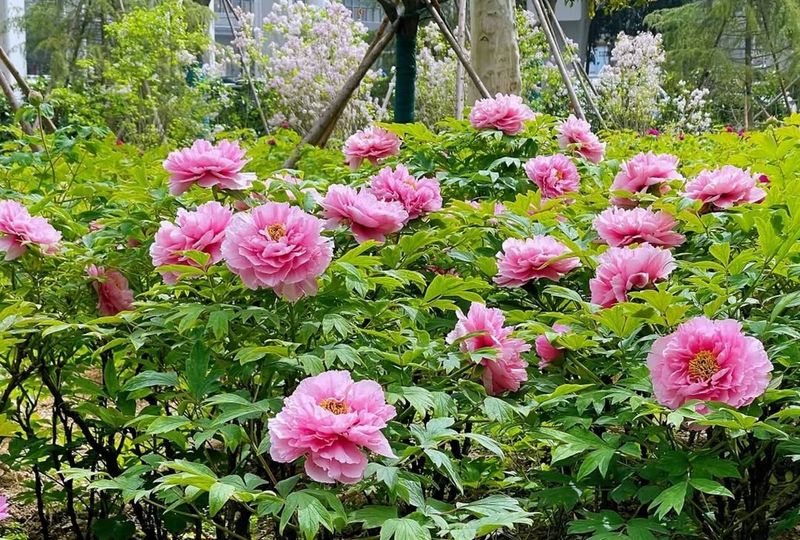
Spring planting is not off the table, but it does come with a few trade-offs that every Ohio gardener should know about before grabbing a shovel. When you plant peonies in spring, the roots spend most of their first season focused on getting established rather than preparing to bloom.
That means you may wait two or even three years before seeing your first flowers.
The main challenge with spring planting in Ohio is timing. The ground needs to be workable and not still frozen or waterlogged from snowmelt.
Your Ohio Garden Changes Every Week. Your Plan Should Too.
Gardening in Ohio changes quickly throughout the season. Every Friday you’ll receive a simple weekly plan showing exactly what to plant, prune, fertilize, harvest, and protect so you never miss the right timing.
Typically, late March through April is the window, but that can shift depending on where in Ohio you live. Northern parts of the state near Lake Erie tend to stay colder longer, while southern Ohio warms up a bit earlier in the season.
Another thing to keep in mind is that spring-planted peonies can experience transplant shock more easily. The warming temperatures and longer days push the plant to grow fast, but if the roots are not fully settled, the plant can look droopy or stressed during its first few weeks.
Consistent watering and avoiding fertilizer overload during the first season can help ease that transition.
Potted peonies purchased from a local Ohio nursery are your best bet if you are going the spring route. Container-grown plants have established root systems that handle the transition better than bare-root divisions planted in spring.
While fall will always be the gold standard for planting peonies in Ohio, a well-cared-for spring-planted peony can still reward you with stunning blooms once it finds its footing.
3. The Difference Between Planting Bare Root And Potted Peonies
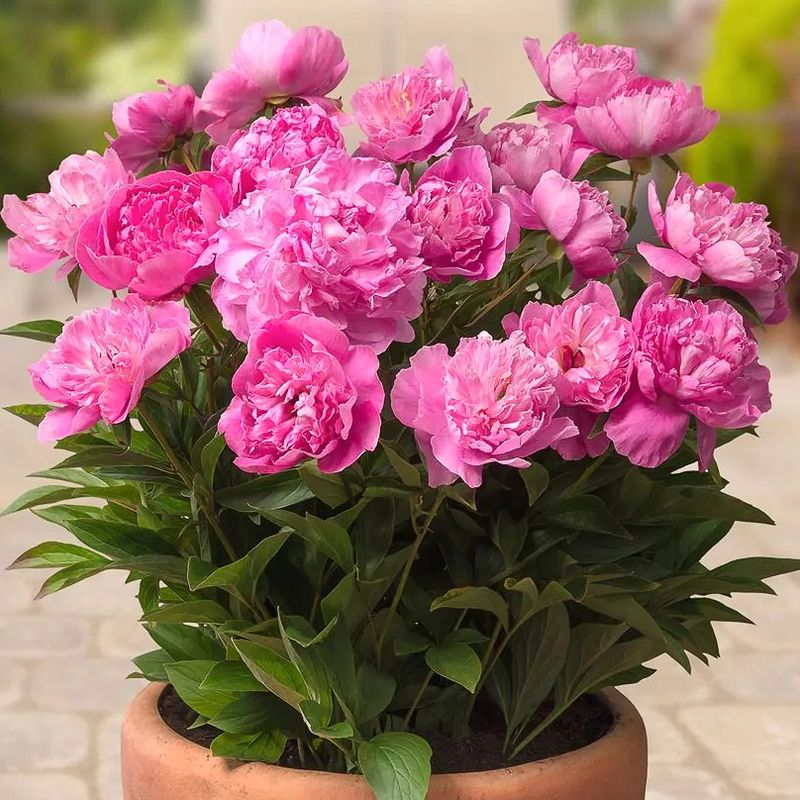
Walking into a garden center in Ohio, you will likely come across two very different versions of peonies for sale: bare-root divisions and potted plants. Both can grow into gorgeous, long-lived specimens, but they have different needs and timelines that are worth understanding before you buy.
Bare-root peonies look almost nothing like a living plant when you first see them. They are typically brown, firm, and have small pinkish-red buds called eyes.
Do not let their plain appearance fool you. These roots are full of stored energy and are perfectly designed for fall planting in Ohio.
When you plant them in September or October, they settle into the soil and quietly build a root system all winter long.
Potted peonies, on the other hand, are already growing when you buy them. They have green shoots, established roots, and sometimes even flower buds.
These are a great choice for spring planting because the root system is already developed and can handle the transition into your garden more smoothly. The downside is that potted peonies can be pricier than bare-root options, and they may need more consistent watering during their first season.
Whichever form you choose, the key is matching the type to the season. Bare root works best in fall, and potted works better in spring.
Both types will eventually reward Ohio gardeners with full, lush blooms once established. If you are new to growing peonies, starting with a potted plant can feel less intimidating, while experienced gardeners often prefer bare-root divisions for their flexibility and lower cost.
4. Why Good Drainage Matters Before You Plant
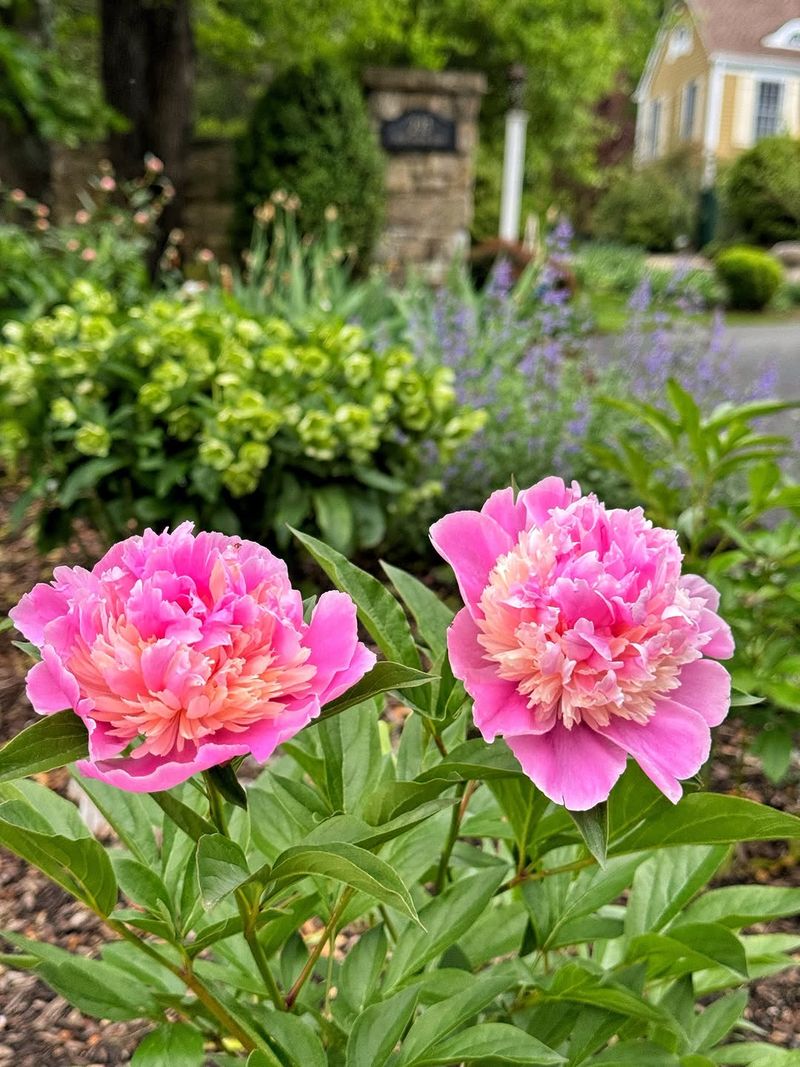
Soggy soil is one of the fastest ways to run into trouble with peonies in Ohio. Before you even think about dropping a root into the ground, take a good look at where you plan to plant.
After a heavy rain, does water pool in that area for hours? If so, that spot needs some work before it becomes home to a peony.
Peonies need soil that drains well because their roots can suffer from rot if they sit in standing water for too long. Ohio has a wide range of soil types, from the heavy clay found in many central and western parts of the state to the sandier soils in some eastern regions.
Clay soil is especially tricky because it holds moisture tightly and drains slowly. Mixing in compost, aged bark, or other organic matter before planting can break up the clay and create a looser, more breathable soil texture.
Raised beds are another smart solution for Ohio gardeners dealing with poor drainage. By planting peonies just a few inches higher than ground level, you give excess water a clear path away from the roots.
Even a modest raised bed can make a big difference in how well peonies establish and grow over time.
Good drainage also affects how nutrients move through the soil. When water flows freely, roots can access the minerals and organic matter they need to stay healthy.
Before planting, it is worth doing a simple drainage test: dig a hole about 12 inches deep, fill it with water, and see how long it takes to drain. Drainage is generally considered suitable when water moves through the soil at about 1 to 3 inches per hour rather than judging the site by whether the hole empties within a single hour.
If water drains much more slowly than that or lingers for several hours, improving drainage before planting is the right move for your Ohio peonies.
5. How Deep Peony Eyes Should Be Planted In Ohio
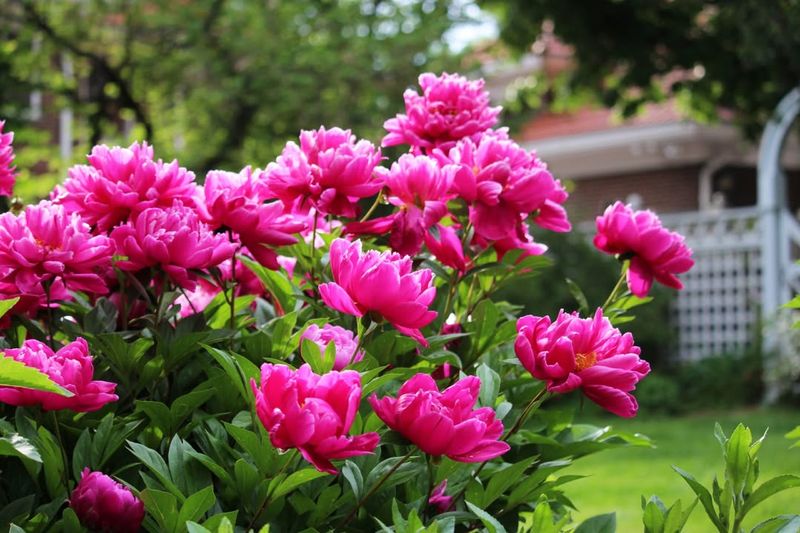
One of the most common reasons peonies fail to bloom in Ohio has nothing to do with the weather or the soil. It comes down to planting depth.
Specifically, the eyes, which are those small pink or red buds on the root, need to be placed at just the right depth below the soil surface.
For Ohio gardeners, the rule of thumb is to plant peony eyes no more than one to two inches below the soil surface. That may sound incredibly shallow, but it is intentional.
Peonies planted too deep simply will not bloom, or they will take many extra years to get there. The eyes need to be close enough to the surface to sense the cold temperatures of an Ohio winter, which triggers the blooming process the following spring.
When you are setting the root in the hole, take your time to position it so the eyes face upward and are sitting at the correct depth. Use a ruler or your finger as a guide if you need to.
It is one of those small details that makes a huge difference in the long run. After covering the roots with soil, press the ground down gently to remove air pockets without compacting the soil too much.
If you have peonies that have been growing in Ohio for years but are not blooming, planting depth is one of the first things to check. Over time, soil can build up around plants from mulching or settling, pushing the eyes deeper than they should be.
Carefully removing some of that excess soil to bring the eyes back up closer to the surface can sometimes wake up a non-blooming peony and get it flowering again.
6. Why Sunny Spots Give Peonies Better Blooms
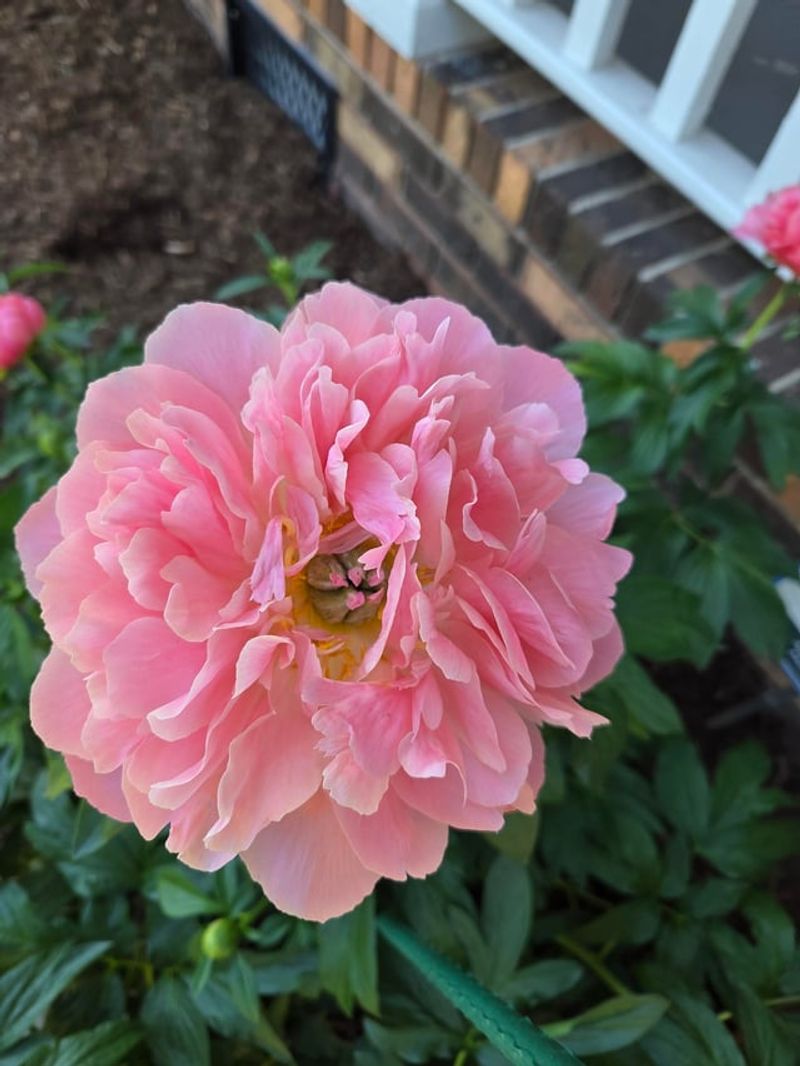
Sunlight is basically fuel for peony flowers. The more direct sun your peonies receive each day, the more energy they have to produce those big, show-stopping blooms that Ohio gardeners love.
Choosing the right spot in your yard before you plant is one of the most impactful decisions you will make for your peonies long-term success.
Peonies thrive when they receive at least six to eight hours of direct sunlight each day. A south-facing or west-facing bed in your Ohio yard is usually a strong choice.
Spots that get morning sun are especially helpful because the light dries off any overnight moisture on the leaves, which reduces the chance of fungal issues. Partial shade might keep the plant alive, but blooms will likely be fewer, smaller, and less vibrant compared to plants grown in full sun.
It is also worth thinking about what surrounds the planting spot. Large trees and tall shrubs can cast shade that creeps across your garden bed as the season changes and the sun shifts.
A spot that looks sunny in March might be heavily shaded by June when nearby trees are in full leaf. Walk the area at different times of day and in different seasons before committing to a location.
Beyond just bloom production, sunny spots also tend to have better air circulation, which peonies appreciate. Good airflow keeps the foliage dry and reduces the likelihood of botrytis blight, a common fungal problem that affects peonies in Ohio.
Planting them about three to four feet apart from each other and from other plants helps air move freely through the garden. A bright, open spot is truly where Ohio peonies do their best work.
7. Why Peonies Should Be Planted Where They Can Stay Put
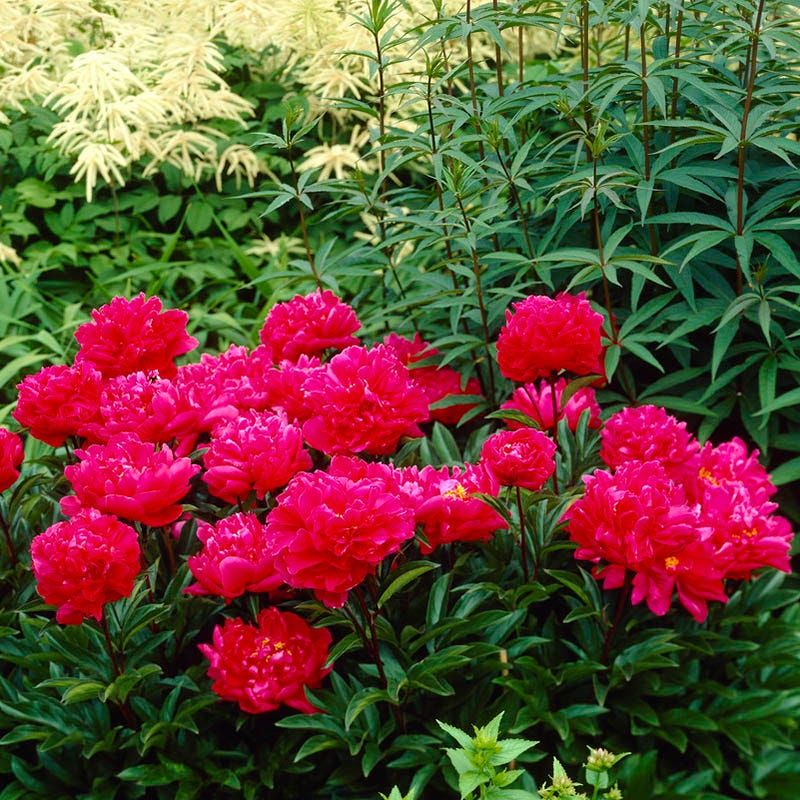
Peonies are not fans of being moved. Once you plant them in your Ohio garden, the best thing you can do for them is leave them alone and let them grow in that same spot for years.
These plants can live for 50 years or more when they are happy, which means the location you choose today matters for a very long time.
Every time a peony is dug up and transplanted, it goes through a period of stress and readjustment. Roots get disturbed, the plant has to re-establish itself, and blooming is often set back by a year or two.
For a plant that already takes two to three years to settle in after its first planting, that kind of setback can feel frustrating. Picking the right permanent spot from the start saves a lot of time and energy down the road.
Before planting in Ohio, think about how your yard might change over the next decade. Will that sunny open area eventually be shaded by a growing tree?
Are you planning to add a deck, fence, or garden structure nearby? Consider the long game.
A peony planted thoughtfully in a stable, permanent location will outperform a relocated plant almost every single time.
Permanent planting also allows the root system to grow deep and wide over the years, making the plant more resilient to Ohio’s hot summers and cold winters. Older, well-established peonies often produce more blooms per season than younger plants because their root systems are so extensive.
Treat your Ohio peony planting spot like a long-term investment, because that is exactly what it is. Give it a great home once, and it will reward you with blooms season after season for generations.