The 6 Surprising Ways Ohio Gardeners Are Putting Citrus Peels To Work
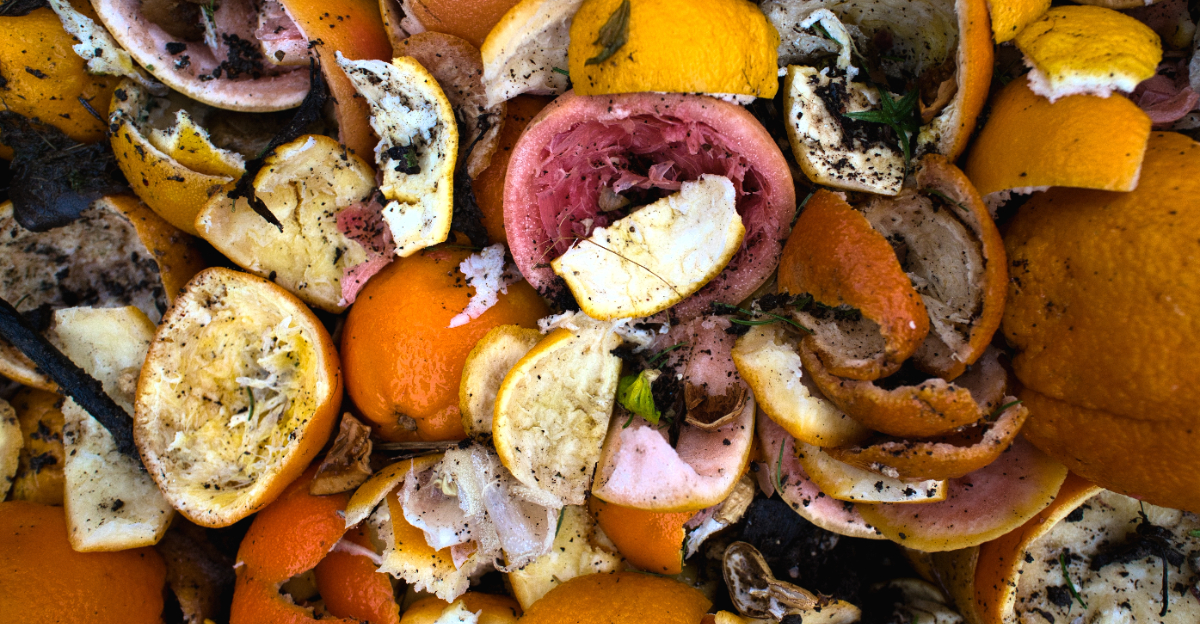
Every time you peel an orange or squeeze a lemon, you probably toss the leftover rind into the trash without a second thought.
Ohio gardeners, though, are starting to look at those scraps differently.
Citrus peels can actually play a small but helpful role in a backyard composting routine, and the payoff shows up later in healthier, richer soil.
Before you get too excited, though, it is worth knowing what citrus peels can and cannot do, because there is a lot of misleading information floating around online about these fragrant kitchen scraps.
1. Toss Them Into Compost Instead Of The Trash
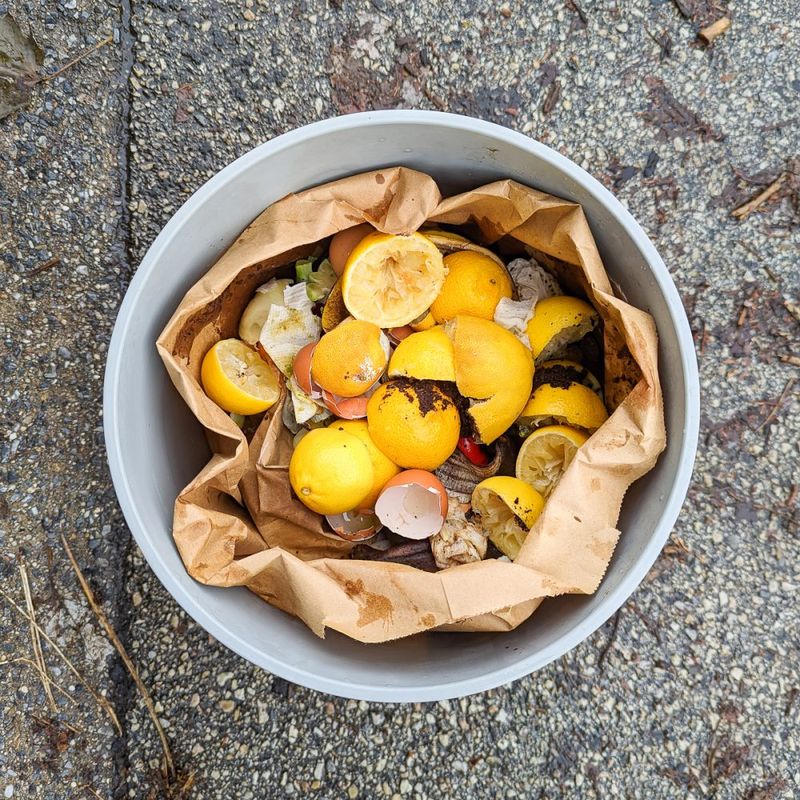
Your kitchen trash can does not have to be the final destination for orange rinds, lemon halves, or grapefruit peels. Citrus peels are fruit scraps, and like most fruit and vegetable peelings, they belong in a backyard compost pile rather than a landfill.
Ohio State University Extension and the Ohio EPA both recognize fruit and vegetable scraps as appropriate materials for home composting, making citrus peels a perfectly reasonable addition to your bin.
One thing worth understanding right away is that fresh citrus peels are not a fertilizer you can sprinkle directly around your tomatoes or pepper plants.
They need time to break down as part of a working compost pile before they offer any real benefit to your garden soil.
Treating them like instant plant food is one of the most common misconceptions gardeners run into.
Composting is really about patience and process. You add organic material, the pile heats up, microbes and other decomposers get to work, and over time everything transforms into something useful.
Citrus peels fit into that process just fine. They add organic material and some moisture to the pile, and over time they become part of the same dark, crumbly finished compost that improves garden soil.
Ohio gardeners dealing with heavy clay soil, which covers a large portion of the state, especially benefit from adding finished compost regularly to their beds. Every bag of kitchen scraps that becomes compost instead of trash is a step toward better soil.
Starting with something as simple as saving your citrus peels and dropping them into the compost bin is a low-effort habit with a genuine long-term payoff for your backyard garden.
2. Chop Them Small So They Break Down Faster

Grab a knife before you head to the compost bin. Whole citrus rinds, especially thick-skinned ones like navel oranges and grapefruits, can sit in a compost pile for a surprisingly long time without doing much of anything.
The peel is dense, waxy on the outside, and full of natural oils that slow down the decomposition process.
Tossing them in whole is not wrong, but it does mean you might be fishing out recognizable orange peels months later when everything else has already broken down.
Chopping or tearing peels into smaller pieces makes a real difference. Smaller pieces give the microbes, fungi, and other decomposers in your compost pile much more surface area to work on.
Your Ohio Garden Changes Every Week. Your Plan Should Too.
Gardening in Ohio changes quickly throughout the season. Every Friday you’ll receive a simple weekly plan showing exactly what to plant, prune, fertilize, harvest, and protect so you never miss the right timing.
More surface area means faster breakdown, which means the material moves through the composting process more efficiently. A quick rough chop into one-inch or smaller pieces is all it takes.
You do not need any special equipment. A kitchen knife and a cutting board work perfectly well.
Some gardeners keep a small cutting board near the compost pail on the counter and chop scraps as they go. Others do a quick chop right before they carry the scraps out to the bin.
Either way, the habit takes about thirty extra seconds and noticeably improves how quickly citrus peels disappear into the pile.
Lemon peels and lime peels tend to be thinner and break down faster than orange or grapefruit rinds, but chopping all of them is still a good habit.
A well-maintained Ohio compost pile that gets turned regularly and stays moist will process chopped citrus peels much more reliably than a pile that receives whole rinds and minimal attention.
Small changes in prep work lead to noticeably better results over a full composting season.
3. Mix Them With Fall Leaves For A Better Bin
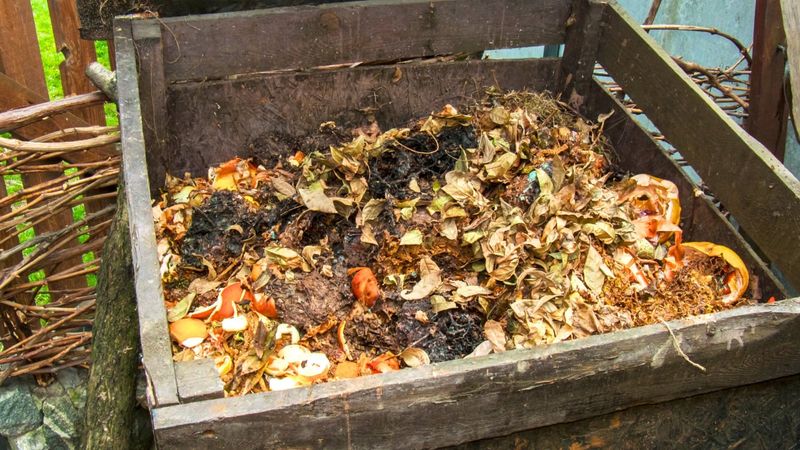
Fall in Ohio is generous. Maple, oak, and sycamore trees drop enormous quantities of leaves every October and November, and most Ohio gardeners already have more than they know what to do with.
Those dry leaves turn out to be one of the best things you can pair with citrus peels and other wet kitchen scraps in a compost pile.
Compost works best when you balance wet, nitrogen-rich green materials with dry, carbon-rich brown materials. Kitchen scraps like citrus peels, vegetable trimmings, and coffee grounds are considered green materials even though they might not look green.
Dry fall leaves, shredded cardboard, straw, and small twigs are brown materials. A healthy compost pile needs both to function well and avoid turning into a soggy, smelly mess.
Ohio State University Extension composting guidance lists kitchen scraps such as fruit and vegetable peelings along with yard materials such as leaves as good compost additions, and a working pile needs both wet greens and dry browns to stay balanced.
Without enough dry material, a pile heavy with food scraps can become too wet, compact, and slow.
Layering citrus peels and other kitchen waste with a good handful of dry leaves each time you add to the bin is a practical and easy way to maintain that balance.
Many Ohio gardeners bag up fall leaves in the autumn specifically to use as brown material throughout the winter and spring composting months. Keeping a pile of dry leaves near the compost bin makes it easy to grab a handful every time you add food scraps.
Citrus peels mixed into a well-balanced pile with fall leaves will break down far more reliably than peels dumped into a bin that has too much moisture and not enough structure.
Ohio’s seasons actually make this pairing quite natural and convenient for home gardeners.
4. Bury Fresh Peels Deep To Keep Critters Away
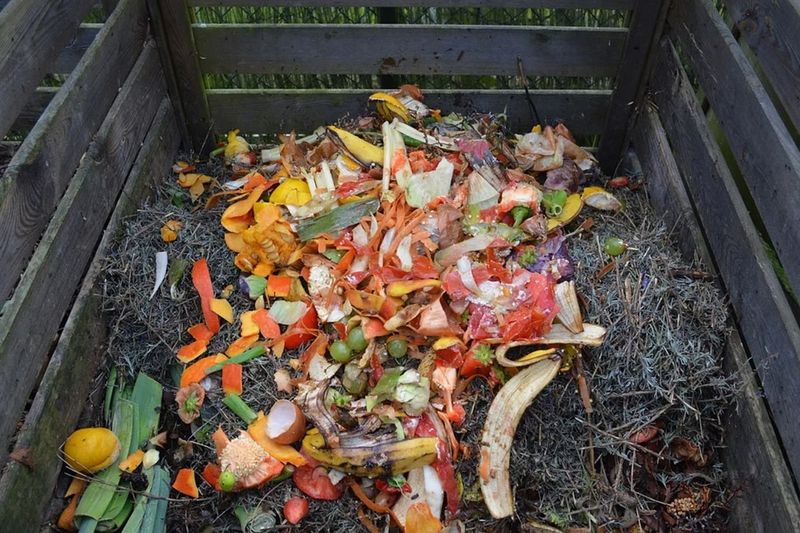
Raccoons are not picky eaters, and neither are the opossums, skunks, and mice that wander through Ohio backyards at night. Fresh citrus peels sitting on top of a garden bed, scattered across mulch, or left exposed on a compost pile are basically an open invitation.
No matter how strong citrus smells to you, it smells like food to a hungry backyard animal.
Exposed food scraps of any kind attract nuisance wildlife. Ohio wildlife and Extension guidance commonly points homeowners back to the same basic rule: do not leave easy food sources where backyard animals can get to them.
Once an animal learns that your yard or compost bin is a reliable food stop, it tends to keep coming back. The solution is simple but requires a little discipline every time you add to the pile.
Bury fresh citrus peels in the center of an active compost pile and cover them immediately with a layer of dry brown material like leaves or shredded cardboard.
The center of an active pile tends to be hotter and more protected, which speeds up decomposition and makes the scraps much harder for animals to detect and dig out.
Leaving food scraps on the surface or loosely covered is the most common composting mistake that leads to wildlife problems.
A compost bin with a lid or secure sides helps reduce animal access even further. Ohio gardeners in suburban or rural areas especially benefit from enclosed or lidded bins since wildlife pressure tends to be higher in those settings.
Burying peels deeply and consistently is a habit that protects your composting setup and keeps your yard from becoming a regular wildlife dining spot. Fresh peels are still food scraps first and foremost, so treat them that way from the moment they leave your kitchen.
5. Turn Finished Compost Into Better Ohio Soil
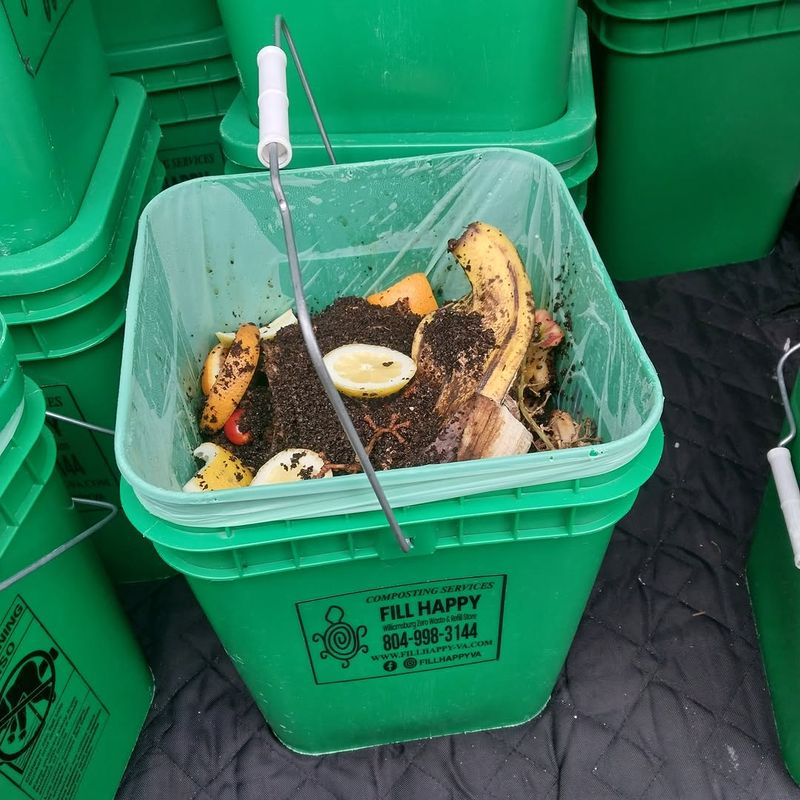
Here is where the real reward shows up. After weeks or months of turning the pile, balancing greens and browns, and keeping things moist, citrus peels and all the other organic material you added transform into finished compost.
Finished compost looks dark, crumbles easily, smells earthy, and no longer resembles any of the original ingredients. At that point, it becomes genuinely useful to your garden.
Ohio soil presents real challenges for home gardeners. A significant portion of the state sits on heavy clay soil left behind by glacial activity thousands of years ago.
Clay soil can compact easily, drain slowly, and become difficult for plant roots to move through, especially when organic matter is low.
Organic matter, including finished compost, is one of the most consistently recommended tools for improving clay soil over time according to Ohio State University Extension soil health guidance.
Working finished compost into garden beds improves soil structure, helps the soil hold moisture and nutrients more effectively, and supports the kind of biological activity that healthy plant roots depend on.
Raised beds, in-ground vegetable gardens, and even flower borders benefit from regular compost additions each season.
Ohio gardeners who compost consistently often notice their soil becoming easier to work with and more productive over several growing seasons.
Fresh citrus peels cannot do any of this on their own. Burying raw peels directly around plants is not a shortcut to better soil and can actually cause problems as they break down unevenly.
The composting process is what does the work. Citrus peels are just one small ingredient in a larger system that, over time, produces something genuinely valuable for Ohio gardens.
Patience and consistency are what turn kitchen scraps into a real soil amendment worth using.
6. Skip The Pest Repellent Hype And Use Peels Wisely
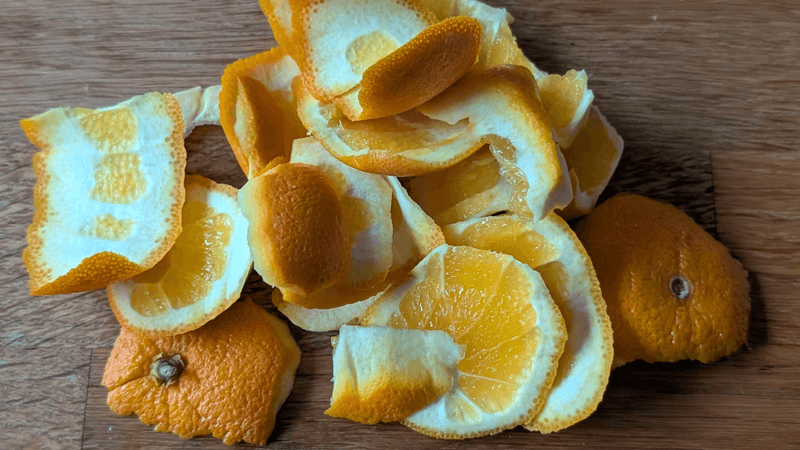
Search online for citrus peel garden tips and you will quickly run into bold claims. Orange peels scattered around plants supposedly chase away ants.
Lemon peels near the garden supposedly drive off aphids, slugs, mosquitoes, cats, rabbits, and deer. Some posts treat citrus rinds like a natural force field for the entire yard.
The problem is that reliable Extension sources simply do not back up these claims.
Ohio State University Extension, like most land-grant university Extension services, focuses pest management recommendations on approaches that have been tested and shown to work consistently.
Citrus peels have not earned that kind of support as a pest control method.
The strong smell of citrus might be noticeable to humans, but there is no solid evidence that it reliably drives away the pests gardeners in Ohio actually deal with, including Japanese beetle grubs, aphids, deer, groundhogs, or slugs.
Relying on scattered orange peels to protect your vegetable garden is likely to lead to disappointment and possibly a wildlife problem if the peels are left exposed and attract animals instead.
Pest management in Ohio gardens is most effective when it involves proven strategies like physical barriers, row covers, appropriate plant selection, and guidance from Ohio State University Extension’s integrated pest management resources.
Knowing what citrus peels cannot do is just as useful as knowing what they can do. Compost them correctly, chop them up, balance them with dry materials, bury them properly, and let them become part of finished compost that actually improves your soil.
That is the honest, practical, and genuinely helpful way to put citrus peels to work in an Ohio garden. No miracle claims needed, just good composting habits that pay off season after season in healthier, more productive garden beds.