When To Prune Native Shrubs In Florida For More Flowers
Florida yards should be exploding with color, yet many gardeners stare at green shrubs that refuse to bloom. The problem usually isn’t fertilizer, water, or sunlight.
It’s timing. Pruning at the wrong moment can quietly erase months of future flowers before they ever appear.
One bad cut can mean fewer blooms for an entire season, while a well-timed trim can trigger fuller growth and heavier flower displays. Florida’s long growing season and warm climate make pruning mistakes even easier because plants grow almost year-round.
Some native shrubs store next season’s blooms on old branches, while others flower only on fresh new growth. This one detail often makes the difference between shrubs that barely bloom and plants that burst with color year after year.
Once you learn when to prune and when to leave your plants alone, your landscape finally starts working with nature instead of against it.
Why Native Shrubs Bloom Based On Timing
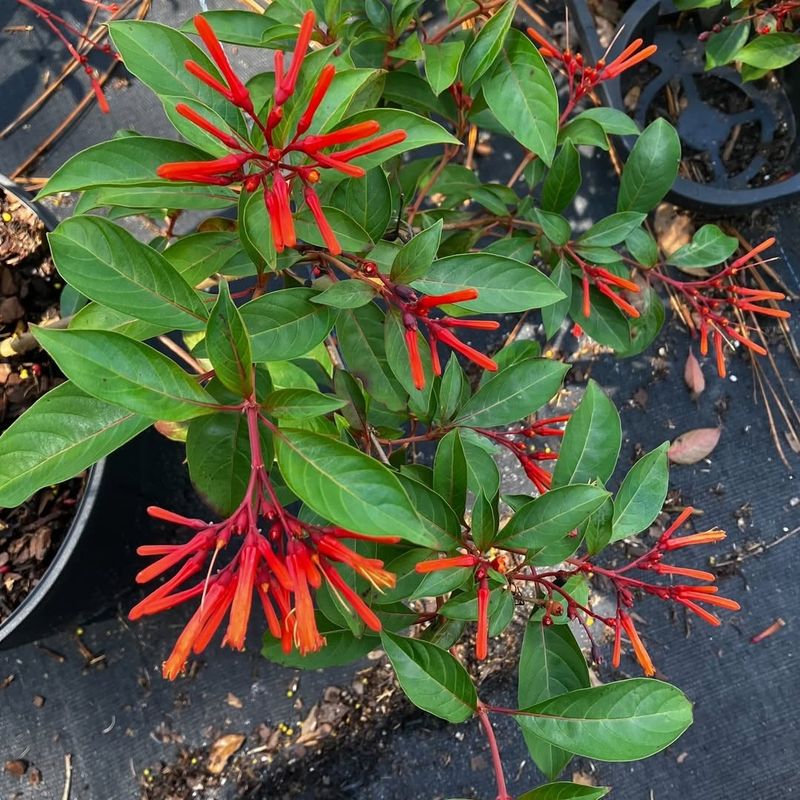
Your firebush explodes with orange blooms in summer while your Walter’s viburnum covers itself in white flowers each spring, and this difference reveals something important about how native shrubs produce flowers.
Each species follows an internal clock tied to daylight length, temperature shifts, and seasonal rainfall patterns that tell the plant when to form flower buds.
Some shrubs create next season’s buds immediately after this year’s blooms fade, while others form buds on fresh branches grown during the current season.
When you prune without considering this timing, you might accidentally remove branches carrying dormant flower buds that would have opened months later. A beautyberry pruned in February loses the spring growth that would have carried summer flowers.
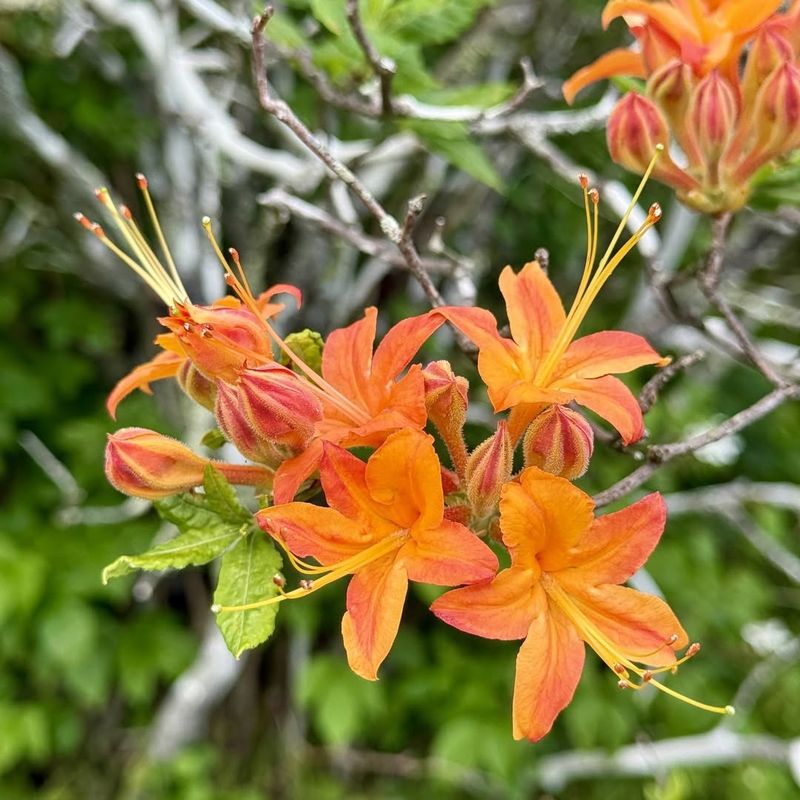
A wild azalea trimmed in August loses the buds already forming for next spring’s show.
Florida’s extended growing season makes timing even more critical because plants can push new growth almost year-round in central and south regions. North Florida gardeners notice more defined dormancy periods that create clearer pruning windows.
Understanding your specific shrub’s bloom cycle helps you prune after flowering finishes but before new buds form for the next display.
The Difference Between Old Wood And New Growth
Walk through your landscape in late spring and you’ll notice some shrubs blooming on branches that grew last year while others flower on stems that just emerged weeks ago. This distinction between old wood bloomers and new growth bloomers determines everything about your pruning schedule.
Old wood bloomers like wild azaleas and Florida anise set their flower buds on mature branches during summer and fall, then hold those buds through winter for a spring display.
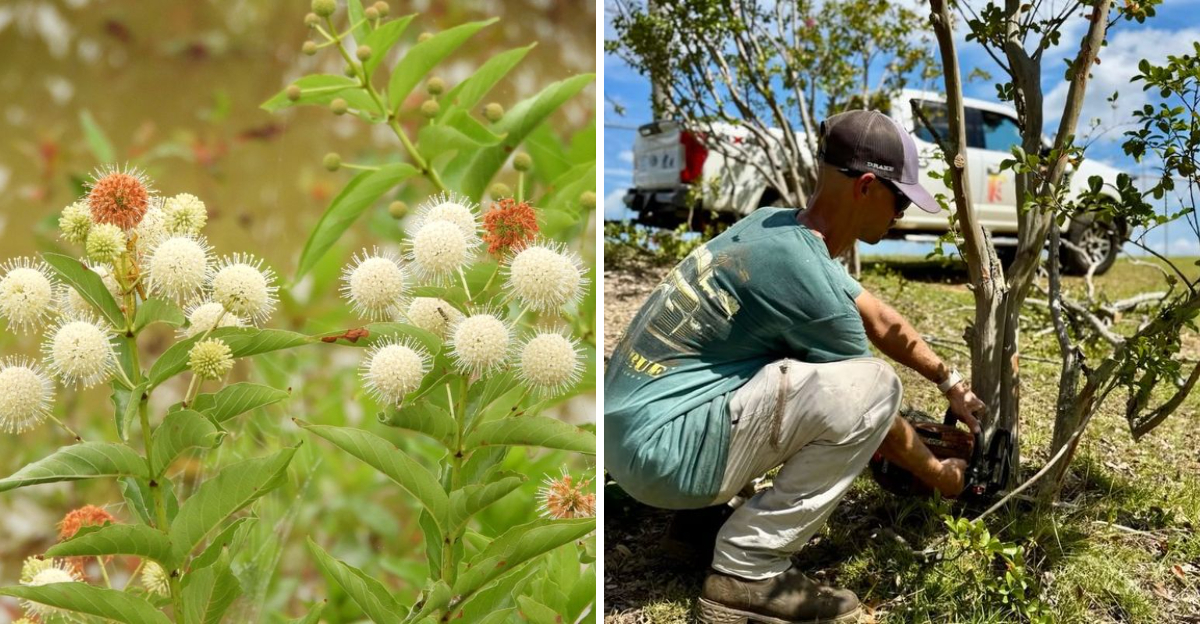
New growth bloomers such as firebush, beautyberry, and buttonbush create flowers on the current season’s branches, pushing out fresh stems and buds simultaneously throughout their active growing period.
You can recognize many old wood bloomers because they typically flower in spring before or during their main leaf flush, although bloom timing can vary slightly by region.
New growth bloomers usually peak in summer and fall when they’ve had time to produce vigorous young branches.
Pruning old wood bloomers in fall or winter removes the very branches carrying next spring’s flowers, leaving you with healthy green shrubs but disappointing bloom counts. New growth bloomers tolerate late winter or early spring pruning because they’ll simply grow new flowering branches as temperatures warm.
Learning which category your shrubs fall into prevents the frustration of perfectly timed cuts that accidentally eliminate your flower show.
The Best Time To Prune Spring-Blooming Native Shrubs
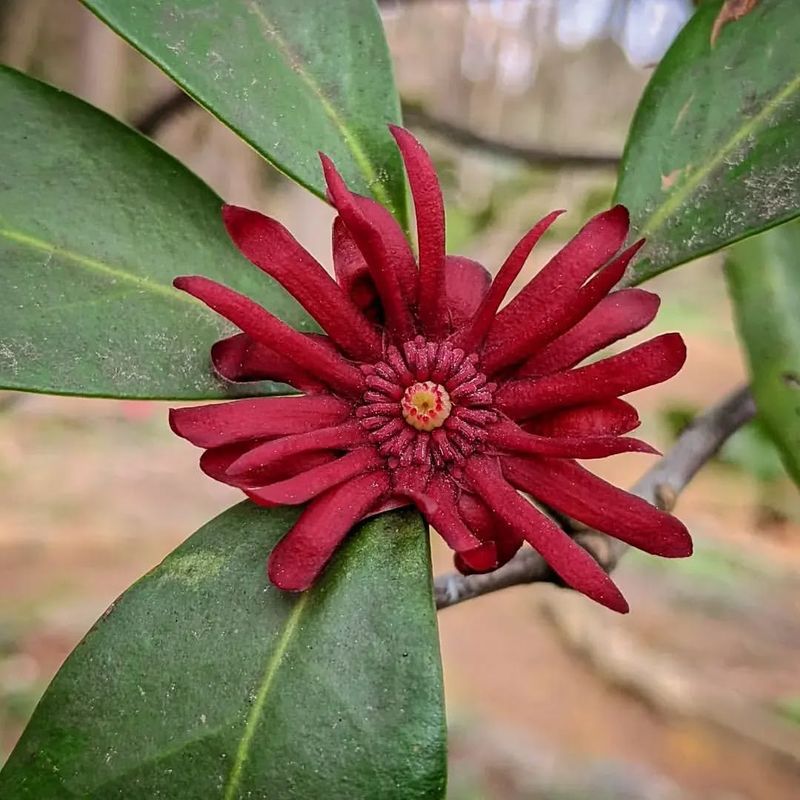
March brings wild azaleas into full bloom across north Florida while central regions see their displays in February and south Florida sometimes witnesses flowers in January. These spring-blooming natives follow a predictable pattern that makes pruning timing straightforward once you recognize it.
Your pruning window opens right after the flowers fade and generally extends for about six to eight weeks before most shrubs begin forming next year’s flower buds later in summer.
For wild azaleas, Florida anise, and Walter’s viburnum, this means pruning between late March and early June in north Florida, shifting slightly earlier as you move south. Waiting until summer or fall means cutting away branches already carrying dormant flower buds for next spring.
Many gardeners make the mistake of tidying up their landscapes in November or January, removing exactly what would have bloomed beautifully in a few months.
Shape your spring bloomers gently right after flowering, removing only what disrupts the natural form or blocks pathways. These shrubs evolved to thrive without heavy pruning, so restraint produces better results than aggressive cutting.
North Florida gardeners have a slightly longer window because cooler temperatures delay bud formation, while south Florida’s year-round warmth means buds form faster after blooming finishes, tightening your pruning schedule to just four or five weeks in some cases.
The Best Time To Prune Summer-Blooming Native Shrubs
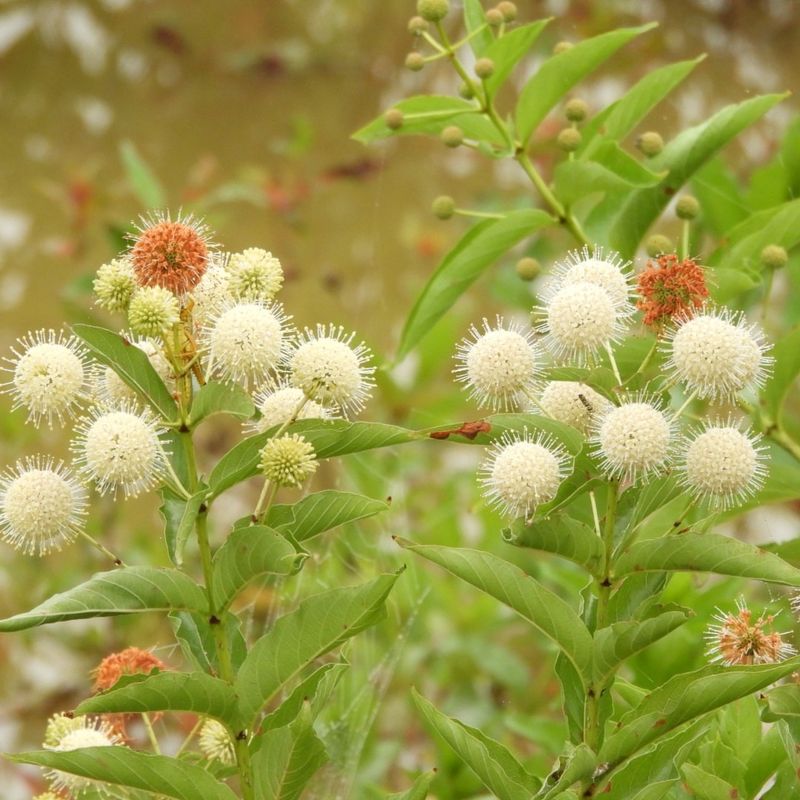
Beautyberry’s purple clusters appear in fall on branches that grew during summer, while firebush blooms continuously on new growth from May through November. These summer and fall bloomers give you much more flexibility because they flower on the current season’s wood rather than buds formed months earlier.
Your best pruning window falls in late winter before new growth begins, typically February in north Florida and January in central and south regions.
Cutting back beautyberry, buttonbush, firebush, and similar summer bloomers in late winter encourages vigorous spring growth that quickly develops into flower-bearing branches.
You can prune these shrubs quite hard if needed because they’ll respond with energetic new stems that bloom the same year.
Some gardeners even cut beautyberry down to 12 inches in February, and by September the shrubs stand four feet tall loaded with berries.
Avoid pruning these shrubs in fall even though it seems logical after blooming finishes. Late-season pruning can stimulate tender new growth that gets damaged when winter cold arrives in north and central Florida.
South Florida gardeners have more leeway, but even there, late winter pruning aligns with natural growth cycles and produces stronger flowering branches that mature as summer heat intensifies and afternoon rains begin.
The Best Time To Prune Evergreen Native Shrubs
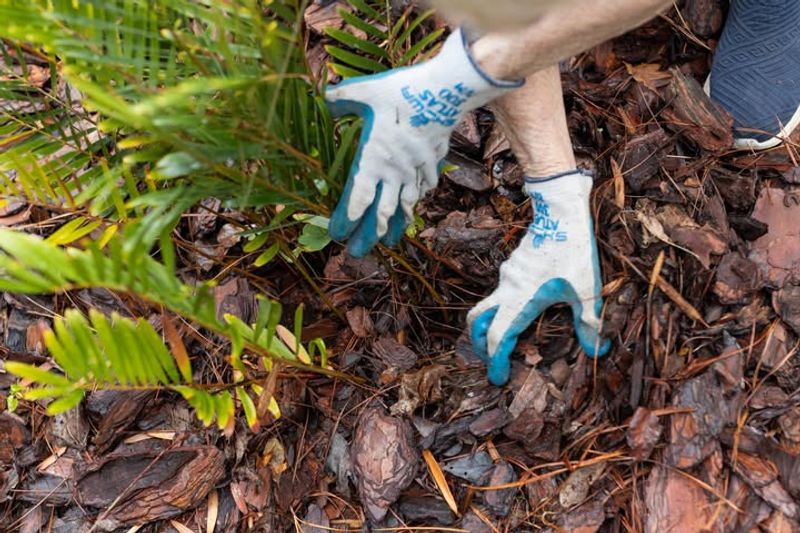
Coontie and many evergreen native shrubs maintain their foliage year-round but still follow growth cycles that affect pruning timing. Palms such as saw palmetto should not be pruned for shaping and should only have withered or damaged fronds removed.
Many Florida gardeners assume evergreens can be trimmed anytime, but even these tough plants flower more abundantly when pruning respects their growth patterns. Coontie produces its cone-like structures in spring and early summer, while wax myrtle blooms inconspicuously but sets berries that birds love in fall and winter.
Your best approach with evergreen natives such as coontie involves light, selective pruning in late winter before the spring growth flush begins. For palms like saw palmetto, limit pruning to removing brown, withered, or damaged fronds only.
This timing allows you to shape plants and remove damaged fronds or branches without interfering with flower and fruit production. Avoid heavy pruning during the active growing season when these plants direct energy toward new leaves and reproductive structures.
Even though they look green and healthy year-round, they still experience growth surges tied to seasonal rainfall and temperature patterns.
South Florida’s evergreen natives rarely experience true dormancy, so timing becomes less critical, but late winter still offers advantages because plants recover quickly as days lengthen.
North Florida gardeners should wait until the last frost threat passes before pruning frost-sensitive evergreen natives.
Throughout all regions, removing no more than one-third of the plant in any single session keeps stress low and allows continued flowering and fruiting without interruption.
How Florida Heat Affects Regrowth
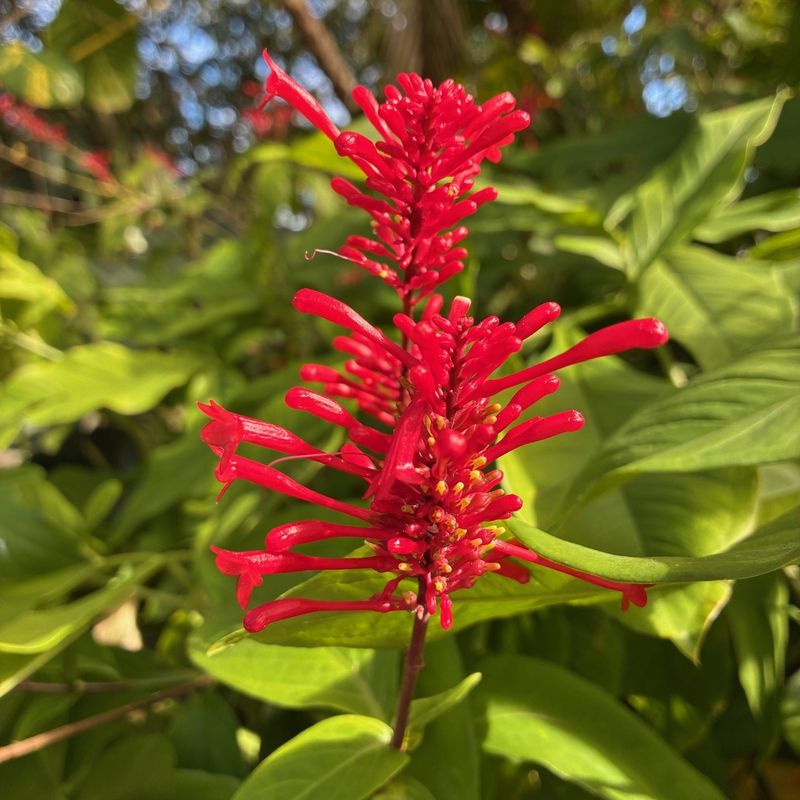
June through September brings intense heat and humidity that changes how shrubs respond to pruning cuts. Your firebush might push new growth within days after a June pruning, while the same cut in December could take weeks to show any response.
Florida’s summer heat accelerates cell division and branch elongation, meaning shrubs pruned during hot months regrow faster but also face greater stress from moisture loss through cut surfaces.
This rapid regrowth sounds beneficial, but it can actually reduce flowering because the plant diverts energy into replacing lost branches rather than forming flower buds. Summer-pruned shrubs often produce long, soft stems that take time to mature enough for blooming.
North Florida gardeners notice slightly slower regrowth during July and August heat waves when plants conserve water. Central and south Florida’s year-round warmth means regrowth happens faster but also increases the risk of stimulating growth during the hottest, driest periods.
Timing your pruning for late winter or early spring takes advantage of warming temperatures without exposing fresh cuts to peak summer stress. Plants pruned in February or March have months of moderate weather to develop strong new branches before summer heat arrives.
Those branches mature properly and produce more flowers than the stressed, rapid growth that follows mid-summer pruning. Understanding this heat response helps you work with Florida’s climate rather than fighting against it.
Why Over-Pruning Reduces Flowers
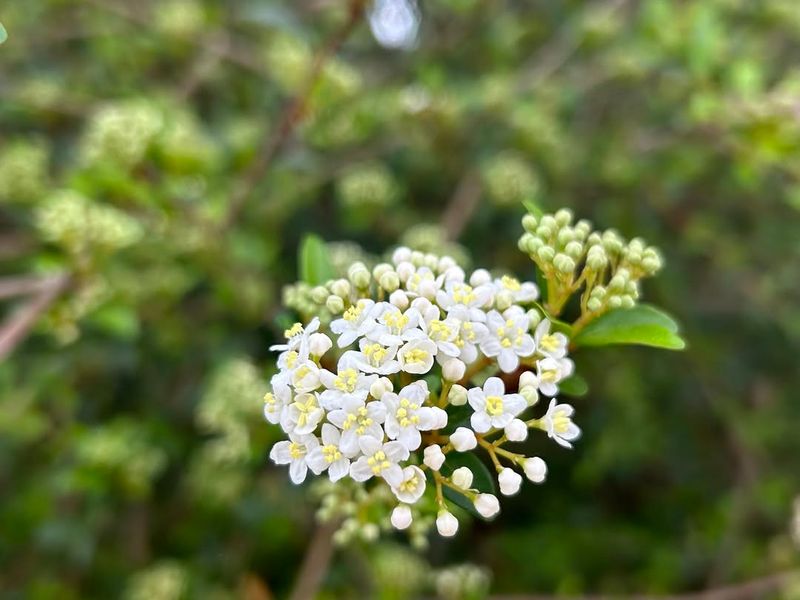
Your Walter’s viburnum stands eight feet tall and you decide to cut it back to four feet for a neater appearance, but next spring brings almost no flowers. Over-pruning removes not just excess growth but also the mature wood and stored energy reserves that support abundant blooming.
Native shrubs evolved to grow into their natural shapes, and when you force them into tight balls or severely reduced forms, they spend years trying to regain their preferred size rather than producing flowers.
Each time you remove more than one-third of a shrub’s total growth, you trigger a survival response that prioritizes vegetative regrowth over reproduction. The plant pushes out long, fast-growing branches with widely spaced leaves, trying to rebuild its canopy quickly.
These juvenile branches rarely flower well during their first season. Repeatedly shearing shrubs into formal shapes removes the branch tips where most flower buds form, leaving you with dense green mounds but few blooms.
Light, selective pruning that removes only the largest or most awkwardly placed branches maintains the shrub’s natural form and preserves flowering wood. Think of pruning as editing rather than erasing, taking out just enough to improve structure without shocking the plant into survival mode.
South Florida gardeners sometimes prune more frequently because faster growth requires more maintenance, but keeping each session light prevents the over-pruning that eliminates flowers across all regions.
Regional Pruning Timing Differences In Florida
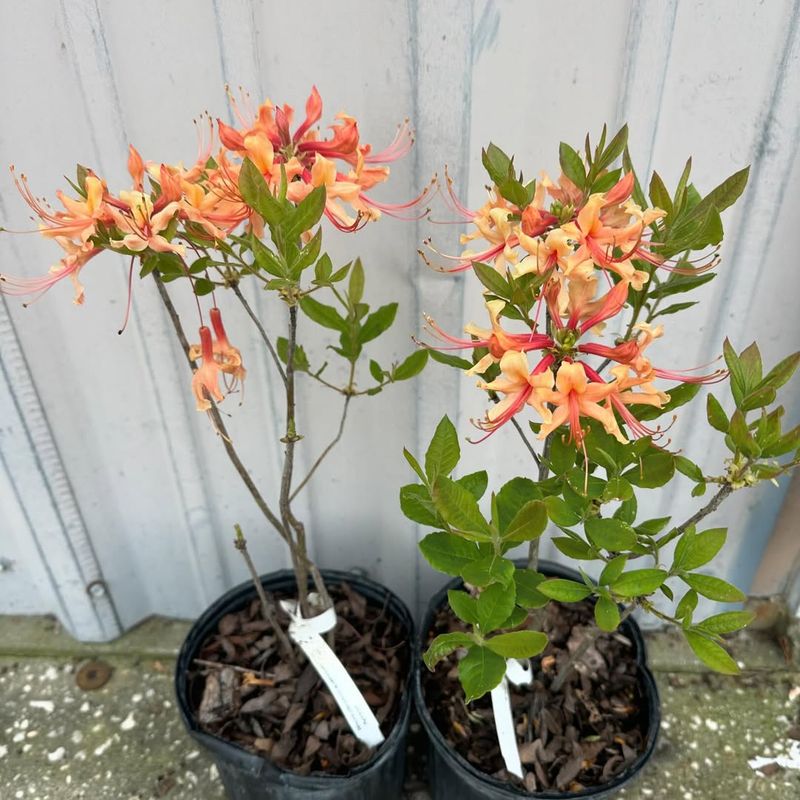
North Florida gardeners watch frost warnings in January while south Florida landscapes never experience freezing temperatures, and this difference shifts pruning windows by weeks or even months. Your Tallahassee beautyberry should wait until late February for pruning because earlier cuts might stimulate growth that gets nipped by a March cold snap.
That same shrub in Miami can be pruned in early January because no frost threat exists and new growth emerges safely in the warm winter air.
Central Florida occupies the middle ground with occasional freezes that require caution but not the extended winter dormancy of northern counties. Spring-blooming shrubs in Gainesville might flower three weeks later than the same species in Fort Myers, shifting the post-bloom pruning window accordingly.
These regional differences matter most for old wood bloomers because mistiming removes flower buds, while new growth bloomers tolerate more variation since they bloom on current-season wood.
Pay attention to your specific location’s average last frost date and adjust pruning schedules to avoid stimulating tender growth before cold weather passes.
South Florida’s year-round growing season means you can prune summer bloomers almost anytime without frost concerns, but north Florida requires waiting until late winter for safety.
Watching your neighbors’ gardens and connecting with local extension offices helps you fine-tune timing for your exact microclimate and zone, ensuring your pruning schedule matches what your plants actually experience rather than generic statewide recommendations.
What Proper Timing Looks Like In Your Landscape
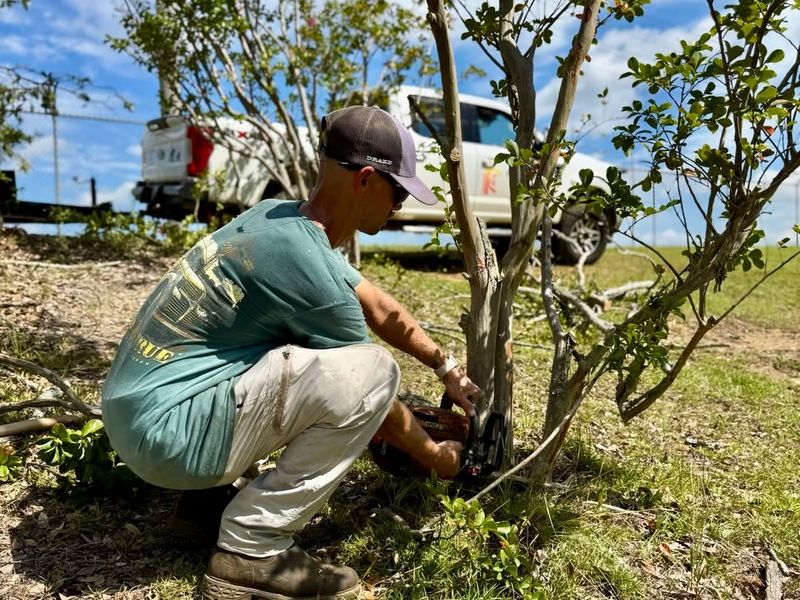
Imagine walking through your yard in late April and seeing your wild azaleas covered in pink blooms just beginning to fade. This moment marks your pruning window opening, giving you the next month to shape these shrubs before they start forming next year’s buds.
Your firebush stands nearby with its first orange flowers appearing on new spring growth, reminding you that you timed your February pruning perfectly for these summer bloomers.
Proper timing creates a landscape where shrubs bloom abundantly on healthy, well-structured branches rather than producing sparse flowers on overgrown or severely cut-back plants.
You’ll notice fuller flower clusters, longer bloom periods, and better overall plant vigor when pruning aligns with natural growth cycles.
Spring bloomers develop strong branch frameworks during summer that support heavy flower loads the following spring. Summer bloomers push vigorous new stems in spring that mature into productive flowering wood by mid-summer.
Keep simple records noting when each shrub blooms in your specific location, then schedule pruning for the appropriate window based on whether it flowers on old or new wood. North Florida gardeners develop later spring schedules while south Florida timing shifts earlier across most species.
This attention to timing transforms pruning from a chore that risks reducing flowers into a tool that actually increases bloom production, creating the abundant flowering landscape that made you choose native shrubs in the first place.