When To Prune Ornamental Grasses In Texas (Without Damaging New Growth)
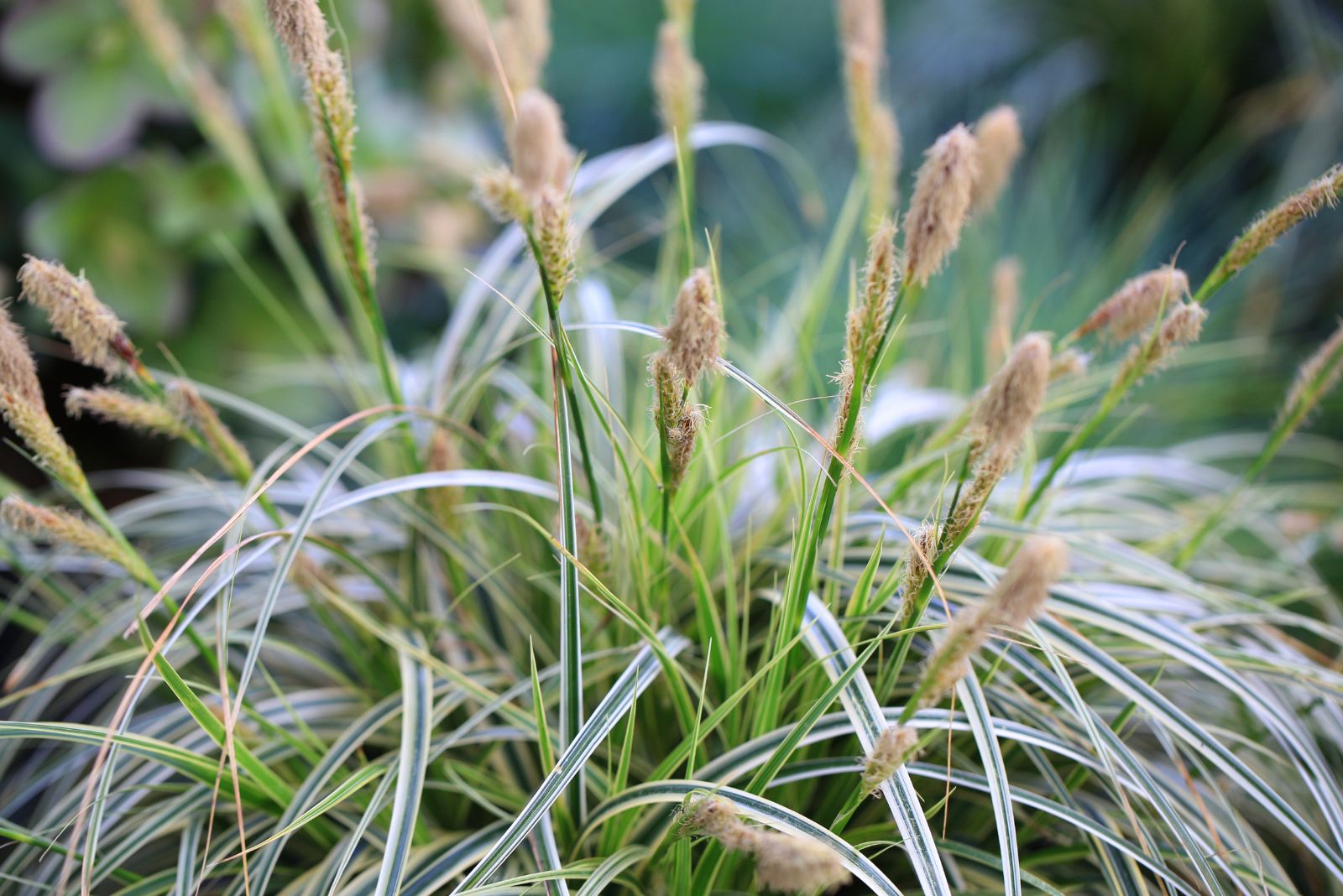
Ornamental grasses can make a Texas yard look full, soft, and beautifully textured, but they can also turn messy fast if they are cut back at the wrong time.
One day they are adding movement and color to the landscape, and the next they look dry, shaggy, and ready for a trim.
That is when many gardeners start wondering if they should grab the shears now or wait a little longer.
Timing matters more than people think. Prune too early, and you may leave the plant exposed during cold snaps.
Wait too long, and you risk cutting into fresh new growth that is already starting to emerge. In Texas, where winter can be mild one week and surprising the next, figuring out the right window takes a little more attention.
The good news is that ornamental grasses are usually forgiving when handled properly. Once you understand when to cut them back and how to avoid damaging tender new shoots, it becomes much easier to keep them healthy, tidy, and looking their best through the growing season.
1. Why Timing Matters When Pruning Ornamental Grasses?
Most people do not think twice about when they grab their shears and start cutting back their ornamental grasses. But timing is everything, and getting it wrong can set your plants back for the whole growing season.
In Texas, where warm weather can arrive earlier than expected, this matters even more than in cooler states.
Ornamental grasses store energy in their root systems over the winter months. As spring approaches, they use that stored energy to push out fresh new shoots from the base of the plant.
If you prune too late, after those shoots have already started growing, you end up cutting off the very growth the plant spent all that energy producing.
Think of it like a savings account. The plant spends all winter saving up, then invests that energy into new blades in spring.
Pruning at the wrong time is like draining the account right after the plant made its biggest deposit. The result is a weaker, slower-recovering plant that may look patchy and uneven well into summer.
Pruning at the right time keeps the plant focused. It removes the dry foliage from last season without touching any of the fresh growth underneath.
This gives the new shoots a clear path to sunlight and air, which is exactly what they need to grow strong and full.
Across Texas, gardeners sometimes rush the process because the weather warms up fast. But a little patience goes a long way.
Watching your grasses closely and waiting for the right moment will reward you with healthier, more vigorous plants every single year.
2. The Best Time To Prune Ornamental Grasses In Texas
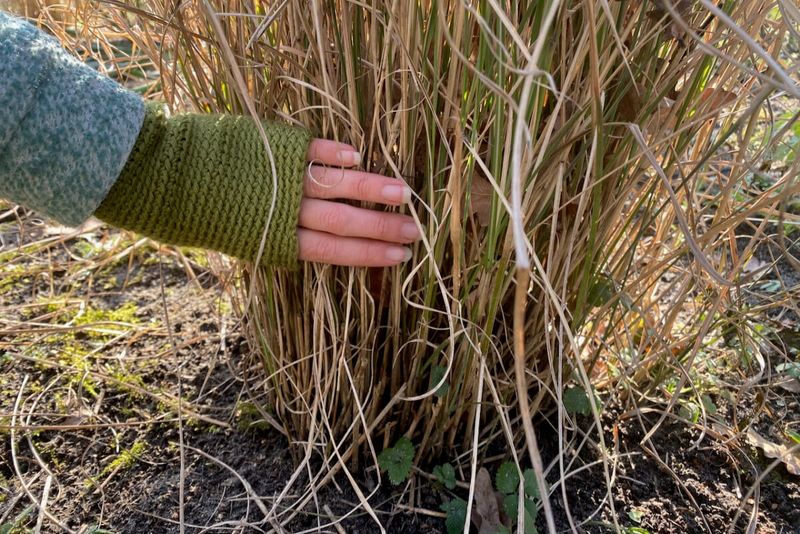
Late winter to very early spring is the golden window for pruning ornamental grasses in Texas. Most years, that means somewhere between late February and early March, depending on where in the state you live.
North Texas tends to stay cooler a bit longer, while South Texas gardeners may need to act a week or two earlier.
Many Texas gardeners wonder whether they should cut their grasses right after the first freeze in fall or winter. Some sources do suggest that as an option, and it can work.
However, a lot of experienced gardeners across Texas prefer to wait until late winter instead. The reason is simple: those dried brown blades actually protect the crown of the plant from cold snaps that can still roll through in January and February.
Leaving the old foliage standing through winter also adds visual interest to your yard. The tawny, feathery plumes catch morning light and move beautifully in the breeze.
So there is both a practical and an aesthetic reason to hold off until late winter before you reach for your pruning shears.
Once you hit that late winter window, the plant is still fully dormant. There is no green growth to accidentally cut into, and the crown is ready to be exposed to the warming sun.
This is the safest and most effective time to prune throughout Texas.
Mark your calendar for late February as a reminder. A quick check of your local forecast before you prune is also smart, since one last cold front could still sweep through parts of Texas even in early March.
3. How To Tell When New Growth Is About To Start?
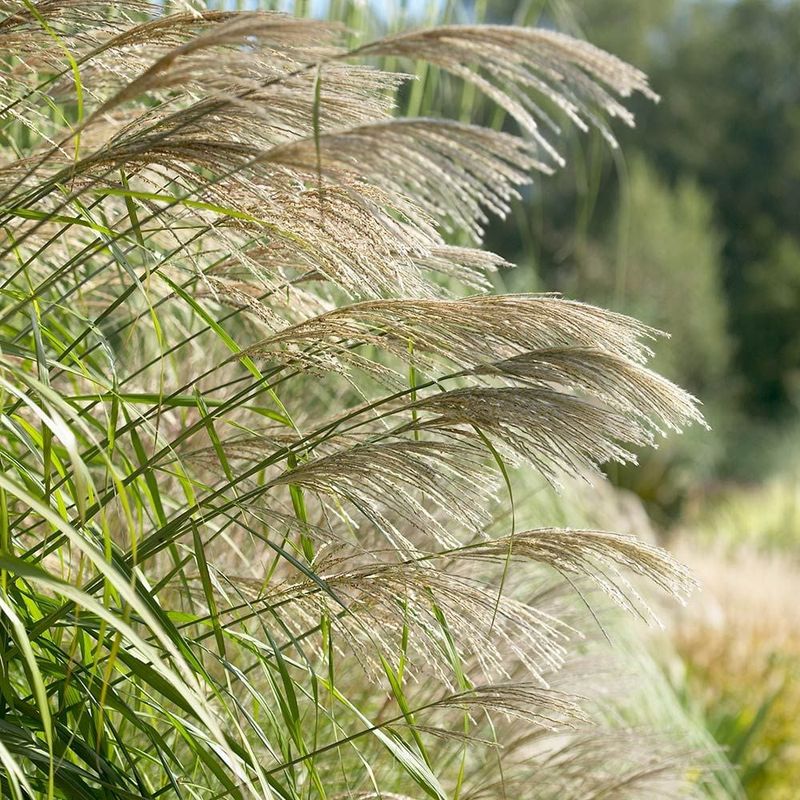
One of the most reliable ways to avoid pruning at the wrong time is to learn how to read your plants. Ornamental grasses give you clear signals when they are about to wake up for the season.
You just need to know what to look for, especially in a state like Texas where spring can show up without much warning.
The most obvious sign is the appearance of fresh green blades at the very base of the clump. These tiny shoots start as tight little points of bright green pushing up through the soil or through the old dried foliage.
They are easy to miss at first, so getting low and looking closely at the base of the plant is a good habit in late winter.
Once you spot those green tips, you are already at the edge of your safe pruning window. The goal is to get your cuts in before those shoots start to stretch upward and elongate.
Once they grow even a few inches tall, your shears can easily clip them along with the old dry material, which sets the plant back.
In warmer parts of Texas, like the Rio Grande Valley or the Houston area, new growth can emerge as early as mid-February. In the Panhandle or North Texas, you might have until early March before the shoots appear.
Checking your specific grass variety online can also help you anticipate the timing more accurately.
A quick weekly check of your ornamental grasses starting in early February is the best approach. It takes less than a minute and gives you the heads-up you need to prune at exactly the right moment.
4. How Far Back To Cut Different Ornamental Grasses?
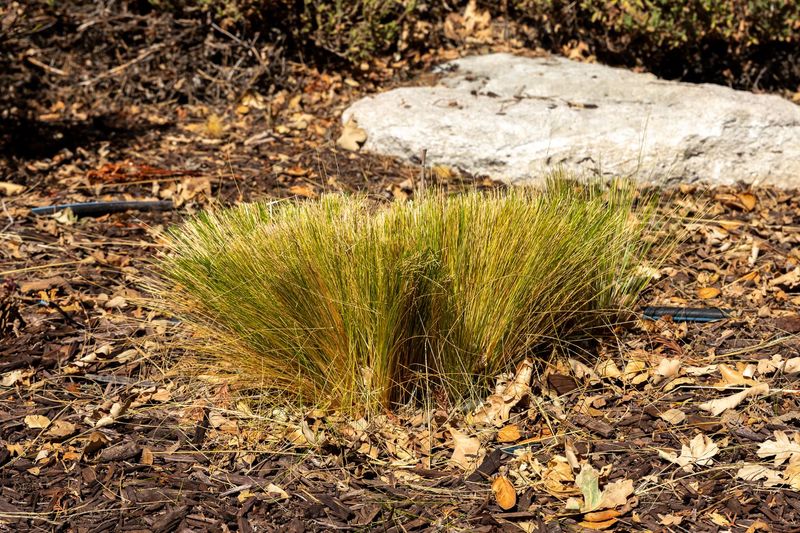
Not every ornamental grass gets the same haircut. The type of grass you are growing determines how far back you should cut, and using the wrong approach can do more harm than good.
Understanding the difference between deciduous and evergreen grasses is the key starting point for any Texas gardener.
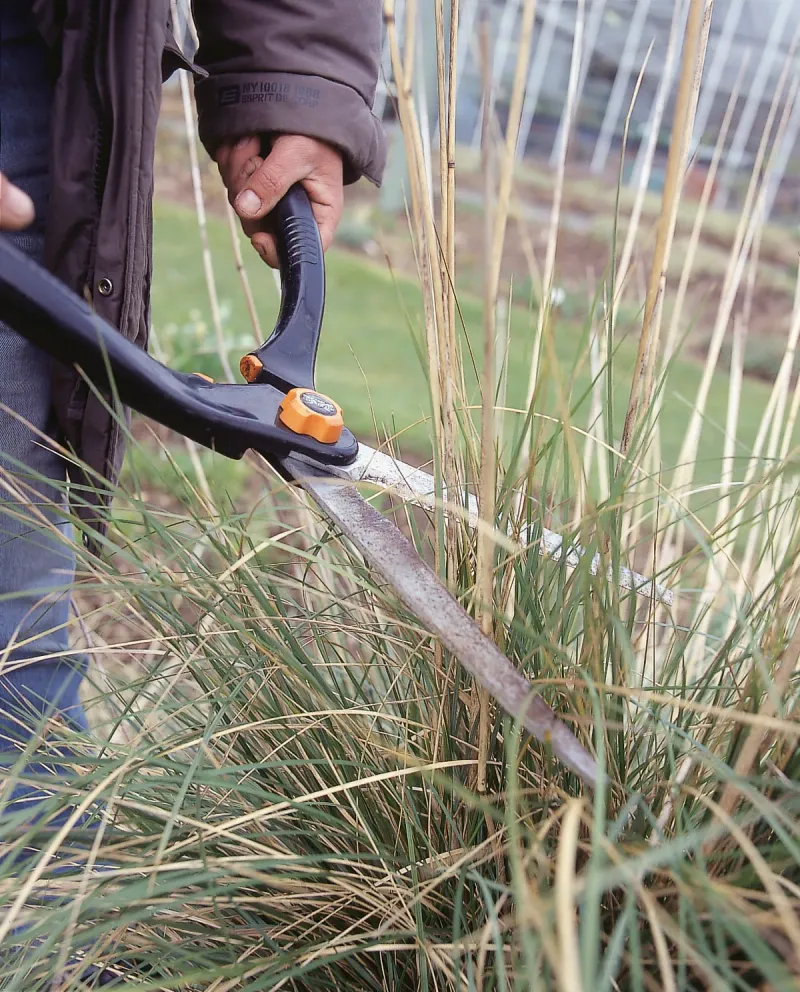
Deciduous ornamental grasses, meaning those that go fully brown and dormant in winter, can be cut back hard. Most of these are trimmed down to a short stubble, usually around three to six inches above the ground.
This includes popular warm-season grasses like maiden grass and miscanthus, which are commonly grown across Central and North Texas landscapes.
Muhly grass, a Texas favorite especially in Hill Country and Central Texas gardens, is typically cut back to several inches before spring growth begins. It responds well to this treatment and comes back full and feathery.
Inland sea oats, a native Texas grass that thrives in shaded areas, is usually cut back to its basal growth in mid- to late winter before new blades emerge.
Evergreen and semi-evergreen grasses are a different story. Hard shearing these varieties can seriously damage them.
Instead, most gardeners simply comb through the clump with gloved fingers or use shears to remove only the dry or brown blades, leaving the green foliage untouched. Liriope and certain sedges fall into this category.
When in doubt, research your specific grass variety before cutting. Texas A&M AgriLife Extension is a great resource for species-specific guidance tailored to Texas growing conditions. A little research upfront saves a lot of frustration later in the season.
5. Common Mistakes That Damage New Growth
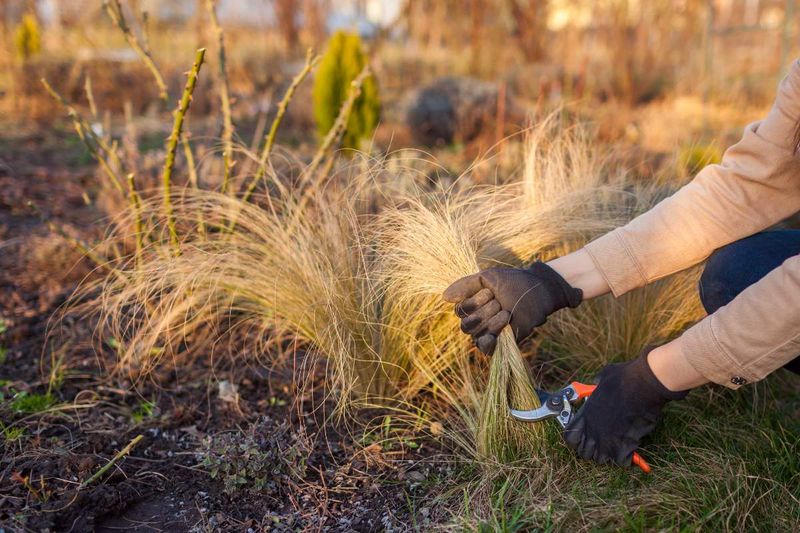
Even experienced gardeners make mistakes when pruning ornamental grasses. The most common one across Texas is simply waiting too long.
Life gets busy, and before you know it, those grasses are already pushing out bright green growth while the old brown blades are still standing. By that point, pruning becomes a risky move.
Cutting into green shoots is the mistake that causes the most visible damage. Those fresh blades represent the plant’s first real investment of the season.
Slicing through them is wasteful and stressful for the plant. It has already used stored energy to produce that foliage, so removing it forces the plant to start over, drawing from reserves that are now much lower than they were in winter.
Another common error is scalping evergreen grasses too severely. Some gardeners see a clump that looks a little ragged and decide to give it a dramatic cutback, not realizing the plant holds onto green foliage year-round for a reason.
Cutting an evergreen grass like a deciduous one can leave it struggling to recover, especially in the intense summer heat that Texas is known for.
Pruning right after a warm spell in early spring is also risky. Warm weather can trigger early growth, and if you have not checked your grasses recently, those new shoots may already be several inches tall before you realize it.
A quick look at the base of the plant before every pruning session is a simple habit that prevents this problem.
Rushing the process is rarely worth it. Taking a few extra minutes to assess each clump individually, rather than cutting everything at once, leads to far better results throughout the Texas growing season.
6. What To Do After Pruning For Healthy Regrowth?
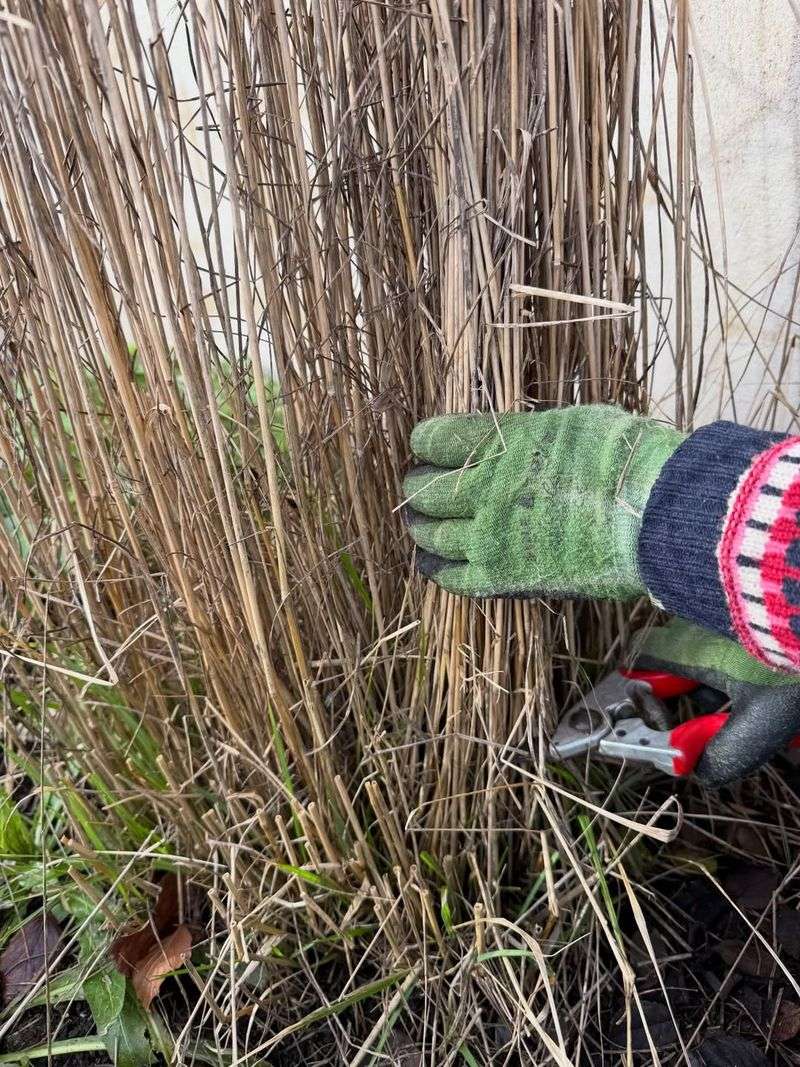
Finishing the cut is only half the job. What you do right after pruning can have a real impact on how well your ornamental grasses recover and grow through the rest of the season.
Luckily, the post-pruning routine for most Texas grasses is pretty simple and does not take much time.
Start by raking out all the old debris from around the base of the clump. Dried clippings, leaves, and matted foliage can trap moisture and block airflow around the crown.
Removing this material right away gives the new shoots a clean, open environment to emerge into, which encourages faster and healthier regrowth.
Leave the crown of the plant open to sunlight and fresh air. After being buried under dried foliage all winter, the base of the grass benefits from direct light exposure.
This warmth from the sun helps wake up the root zone and signals the plant that it is time to get growing again. In Texas, that warming effect can happen quickly once late winter turns to early spring.
Hold off on heavy watering right after pruning. Most established ornamental grasses in Texas are drought-tolerant once they get going, and the soil is usually still holding enough moisture from winter rains.
Resume your normal watering schedule only as spring growth begins to show. Fertilizing is generally not necessary for most native or adapted ornamental grasses in Texas.
These plants are tough, low-maintenance performers that do not need a lot of extra help once they are established in the landscape.
A light top-dressing of compost around the base is plenty if you want to give them a little boost heading into the growing season.