When To Start Planting Again After Frost In Florida
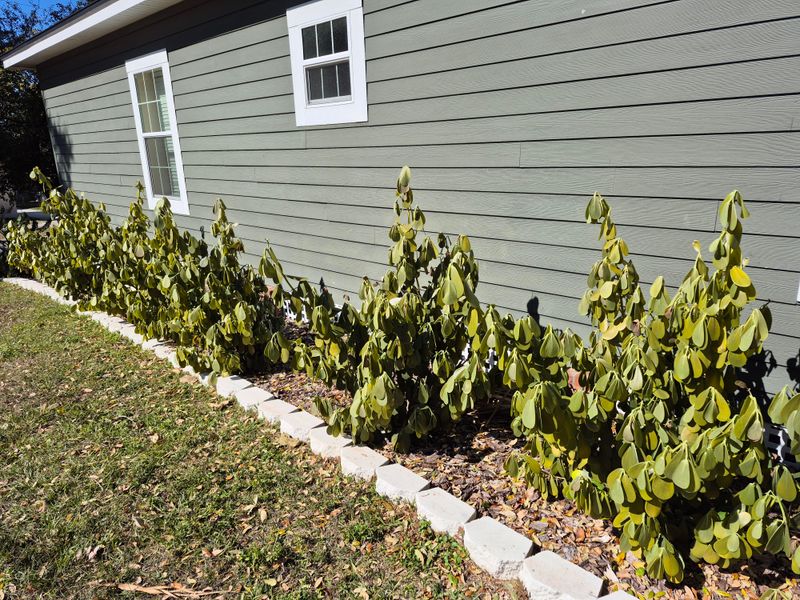
The recent hard freeze left a lot of Florida gardens looking like a winter battlefield. Wilted leaves, brown patches, and drooping plants can make it feel like all your hard work was wasted.
If you’ve been staring at your yard wondering when it’s actually safe to start planting again, you’re not alone. Jumping back in too soon can stress fragile roots, but waiting too long wastes valuable growing weeks.
The key is finding the right timing to get back in the dirt so your garden has the best chance to recover quickly and thrive. Even frost-hit flower beds, vegetable patches, and potted plants can bounce back with a little care and patience.
With the right approach, your garden can come back stronger than ever, full of healthy growth, vibrant blooms, and fresh energy for the season.
1. Know Your Last Frost Timing Across Florida
Florida spans three distinct climate zones, and each one experiences frost differently. North Florida typically sees its last frost between late February and mid-March, while Central Florida usually clears frost risk by early to mid-February.
South Florida rarely deals with frost at all, and when it does occur, it is usually over by late January.
Knowing your specific zone helps you plan replanting with confidence. Gardeners in Jacksonville or Tallahassee face different timing than those in Tampa or Miami.
Checking historical frost data for your county through University of Florida IFAS Extension resources gives you a reliable baseline.
Last frost dates are averages, not guarantees. Some years bring late cold snaps that surprise even experienced gardeners.
Tracking your own garden observations year after year builds local knowledge that complements official data.
Pay attention to microclimates within your yard as well. Low-lying areas, open spaces, and spots away from buildings often stay colder longer.
These pockets may need extra time before replanting, even if your general area has warmed up. Understanding these variations prevents frustration and helps you time planting efforts more accurately across your entire property.
2. Wait Until Soil And Nights Warm Up
Soil temperature matters just as much as air temperature when deciding to replant after frost. Cold soil slows root development and makes plants more vulnerable to stress and disease.
Many vegetables and flowers establish best once soil temperatures are around 50°F or higher, though cool-season crops can grow in cooler soil, and warm-season crops prefer 60 degrees or higher.
Night temperatures also tell you whether conditions are truly stable. If nights are still dipping into the 30s or low 40s, it is too early for tender plants.
Cool-season crops tolerate chilly nights better, but warm-season varieties like tomatoes, peppers, and squash need consistently mild evenings to grow strong.
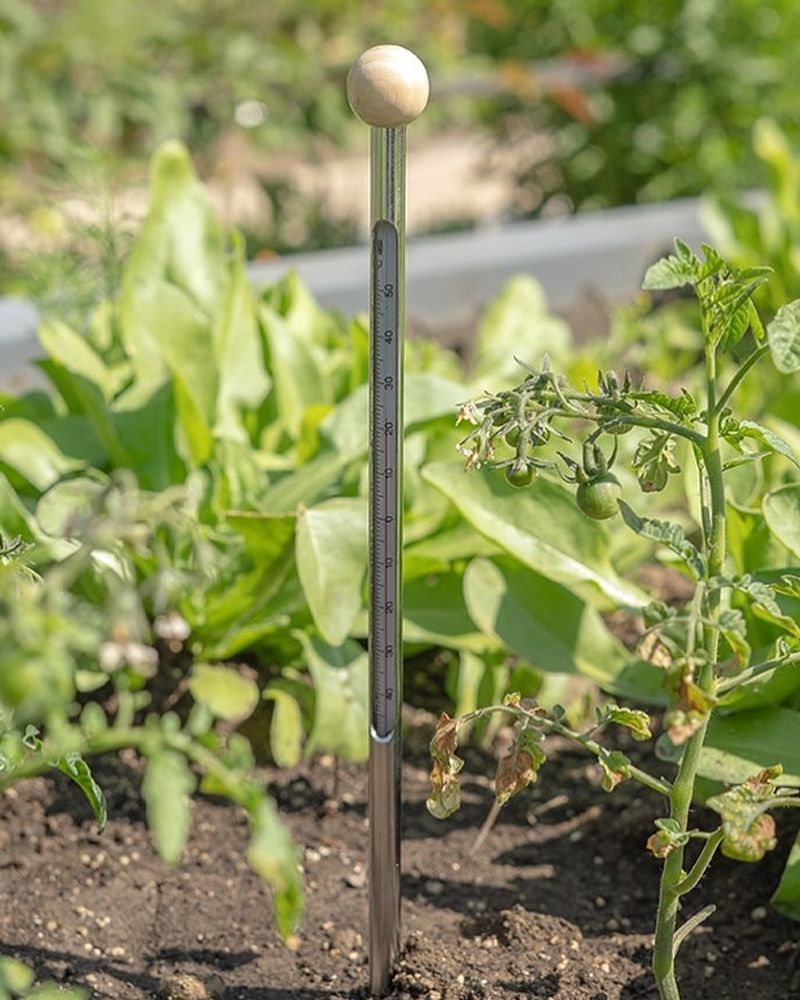
Use a soil thermometer to check temperatures at typical planting depth, usually about 2–4 inches down depending on the crop. Take readings in the morning for the most accurate picture.
If the soil feels cold to the touch, it probably is not ready yet.
Central and South Florida warm up faster than North Florida, often reaching safe planting temperatures weeks earlier. Patience pays off here.
Waiting an extra week or two for soil and nights to stabilize leads to healthier transplants and faster growth than rushing into cold ground.
3. Check Plants For True Cold Damage First
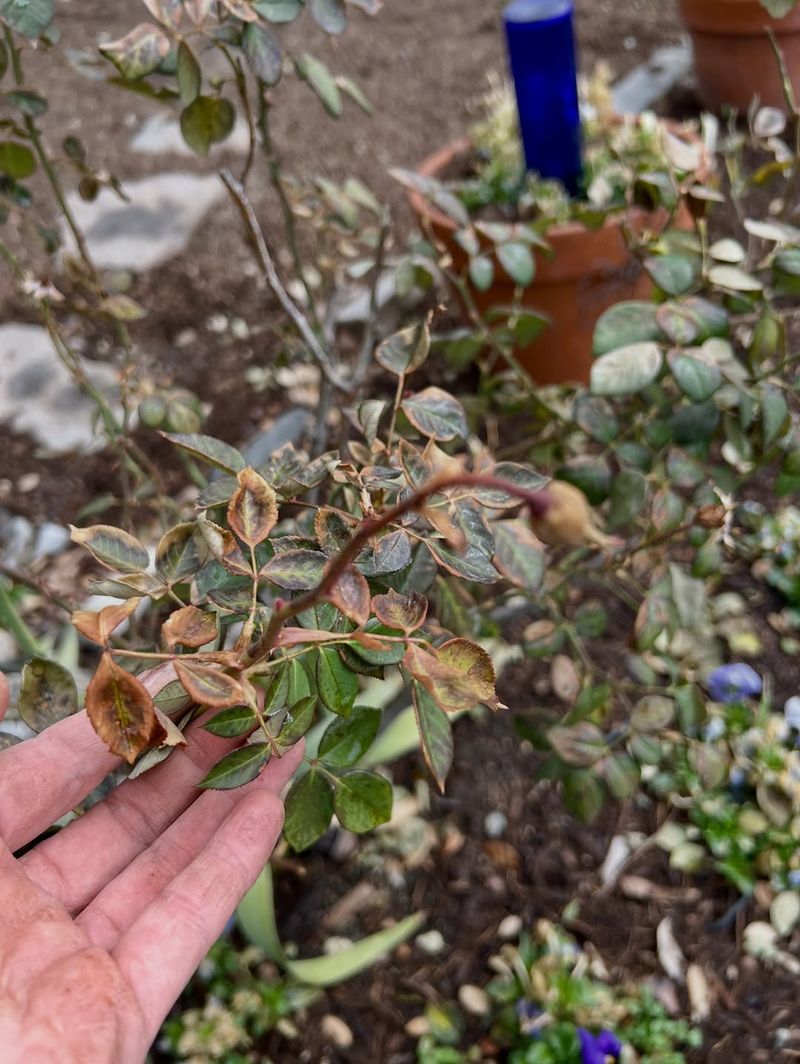
Not all plants that look damaged after frost are actually lost. Many perennials, shrubs, and even some annuals can recover from surface damage if their roots and lower stems remain healthy.
Before pulling anything out, wait a week or two to see what bounces back.
Brown, crispy leaves and blackened stems are common after frost, but these do not always mean the entire plant is gone. Scratch the bark gently near the base with your fingernail.
If you see green tissue underneath, the plant is still alive and may regrow from lower buds or the root system.
Avoid heavy pruning immediately after frost. Damaged foliage, while unsightly, can still provide some protection if another cold snap arrives.
Wait until new growth starts appearing before trimming back the damaged parts. This approach prevents additional stress and gives plants time to redirect energy where it is needed most.
Some tropicals and tender perennials in Central and South Florida may look completely wiped out but can surprise you with new shoots weeks later. Patience and observation help you avoid removing plants that could have recovered with a little more time and warmth.
4. Start With Cold Hardy Crops And Flowers
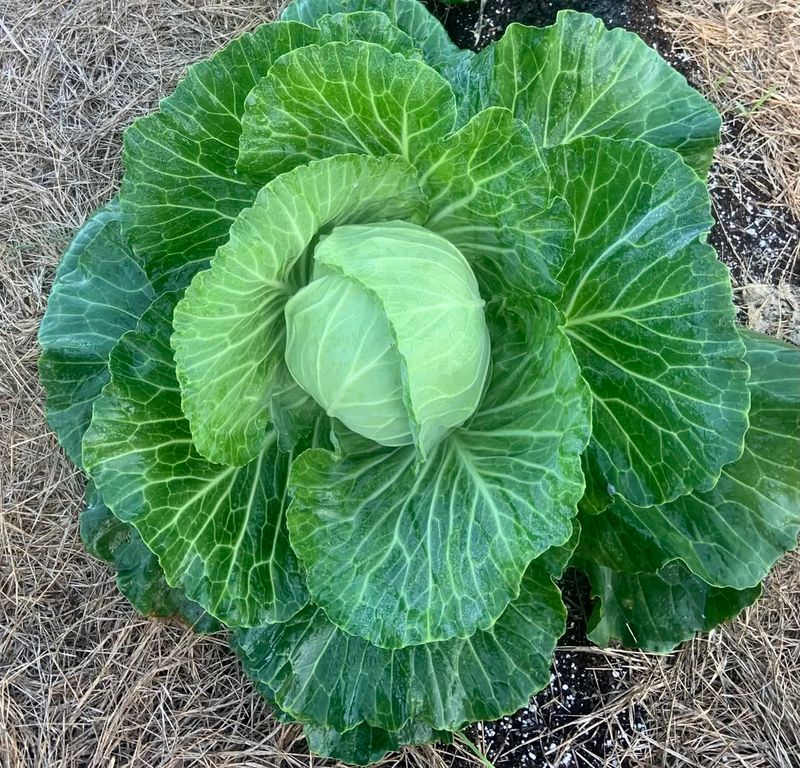
Cold-hardy plants offer a safe way to restart your garden after frost without risking major setbacks. These crops and flowers tolerate cooler soil and occasional chilly nights, making them ideal choices while conditions continue stabilizing.
Vegetables like lettuce, kale, broccoli, and carrots thrive in cooler weather and can go into the ground as soon as soil is workable.
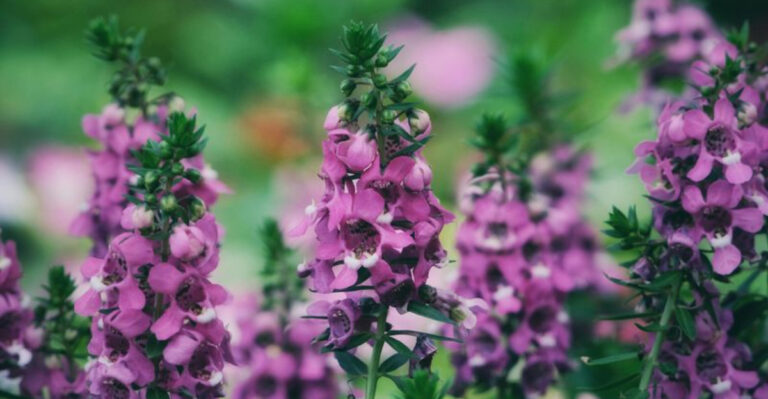
Flowers such as pansies and snapdragons tolerate cooler temperatures well, while petunias prefer mild conditions and should be protected from frost. These varieties establish quickly and provide reliable growth even if another light frost occurs.
They bridge the gap between winter and true warm-season planting.
North Florida gardeners benefit most from this approach, as their growing season starts later and cold snaps can linger into early spring. Central Florida can also use cold-hardy plants to extend productivity while waiting for warmer weather.
South Florida gardeners enjoy more flexibility but can still use these crops during the coolest months.
Starting with hardy varieties builds confidence and keeps your garden productive. Once these plants are growing well and soil temperatures rise consistently, you can transition to more tender warm-season crops with less risk and better success rates.
5. Warm Season Plants Need Stable Nights
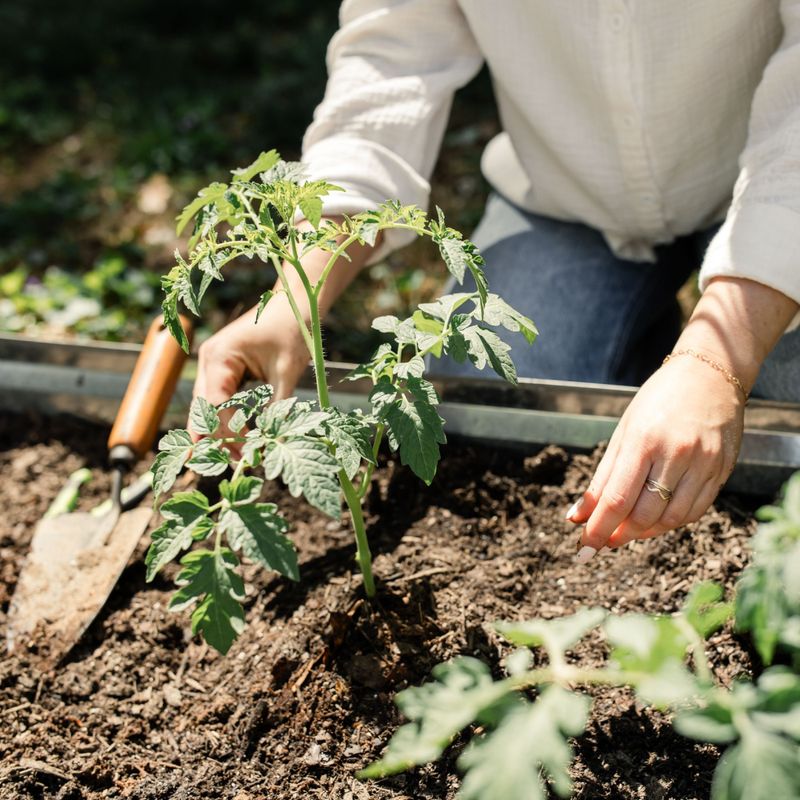
Tomatoes, peppers, squash, cucumbers, and beans all fall into the warm-season category, and they demand stable conditions before planting. These crops grow best when night temperatures stay near or above 50°F and soil temperatures are above about 60°F.
Planting too early leads to stunted growth, poor fruit set, and increased vulnerability to pests and disease.
Even if daytime temperatures feel warm, cold nights stress warm-season plants significantly. Their roots struggle in cool soil, and leaves can show discoloration or slow growth.
Waiting until conditions are truly stable saves you from replanting and wasting effort on struggling transplants.
North Florida gardeners typically wait until mid-March or early April before planting warm-season crops. Central Florida can often start in late February or early March, while South Florida may begin as early as late January or February, depending on the year.
Regional differences matter greatly for these temperature-sensitive plants.
Watch the forecast for at least a week before planting. If another cold front is predicted, delay planting until it passes and temperatures rebound.
Warm-season crops reward patience with vigorous growth, heavy yields, and fewer problems once conditions are right. Rushing them into cold soil does more harm than good.
6. Watch The Forecast Before Replanting
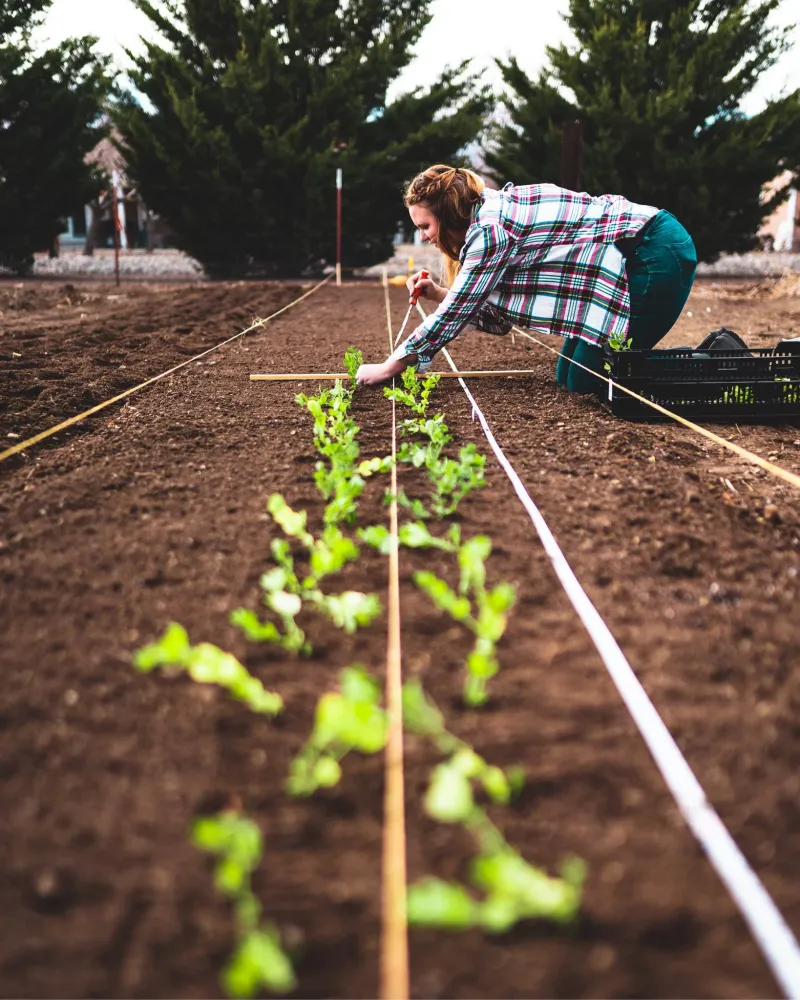
Weather forecasts are essential tools for post-frost planting decisions. Even after the official last frost date passes, surprise cold fronts can still sweep through Florida, especially in North and Central regions.
Checking the extended forecast before planting helps you avoid losing new transplants to unexpected cold.
Look for at least seven to ten days of stable, mild weather before putting tender plants in the ground. If forecasters predict another dip into the 30s or low 40s, hold off on planting.
A short delay now prevents the frustration of covering plants or watching them struggle through another cold snap.
Frost warnings and freeze watches are not common in South Florida, but they do happen occasionally. Paying attention to these alerts protects your investment and keeps your garden on track.
Central Florida gardeners should stay especially alert during late February and early March, when conditions can shift quickly.
Mobile weather apps and local news sources provide reliable updates. Set alerts for temperature drops and frost warnings so you can respond quickly if conditions change.
Being proactive with weather monitoring gives you control over timing and reduces the risk of setbacks during the critical replanting period.
7. Soil Temperature Matters More Than The Calendar!
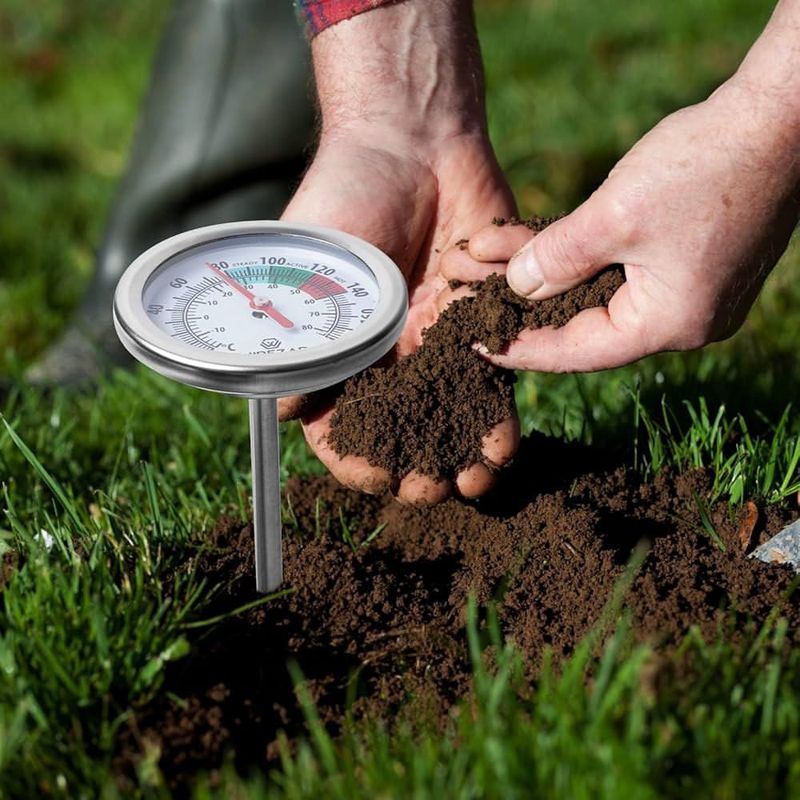
Calendar dates offer general guidance, but soil temperature provides the real answer about when to plant. Seeds and transplants respond to the warmth of the soil around their roots, not the date on the calendar.
Planting based on temperature rather than tradition leads to better germination, stronger roots, and healthier plants overall.
Many cool-season crops germinate best in soil around 45–55°F, while warm-season crops need at least 60 degrees, and some prefer 65 or higher. Checking soil temperature at planting depth takes only a moment and gives you accurate information specific to your garden.
Different areas of your yard may warm up at different rates, so test multiple spots.
North Florida soil warms more slowly than Central or South Florida, often lagging by several weeks. This regional difference explains why planting schedules vary so much across the state.
Relying on soil temperature instead of a fixed date accounts for these variations and keeps your timing accurate no matter where you garden.
Warm soil also supports beneficial microbial activity that helps plants access nutrients. Cold soil slows everything down, from root growth to nutrient uptake.
Waiting for the right temperature creates a better environment for success and reduces the need for extra fertilizers or interventions later in the season.
8. Protect New Growth From Surprise Cold Snaps
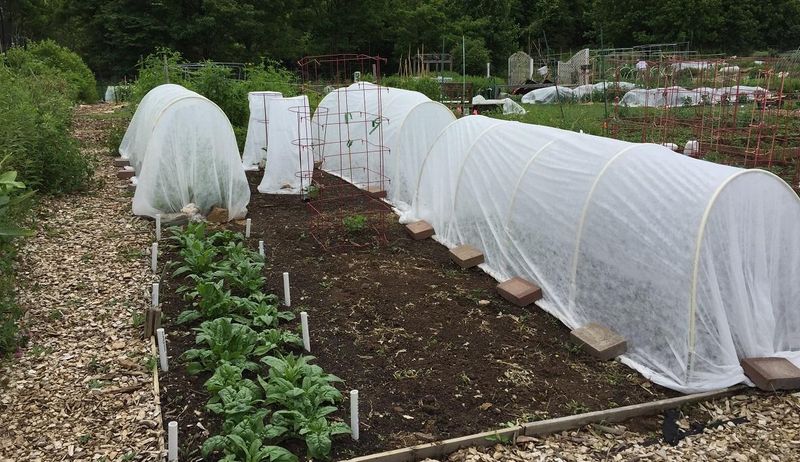
Even with careful timing, surprise cold snaps can still threaten newly planted gardens. Having simple protection strategies ready helps you respond quickly and save your plants from damage.
Row covers, frost cloth, and even old sheets can provide several degrees of insulation when draped over plants before temperatures drop.
Lightly moist soil can help retain heat before a cold night, but avoid overwatering or saturating already wet soil. Moist soil holds heat better than dry soil and releases it slowly overnight, providing some protection to plant roots.
Avoid watering the foliage directly, as wet leaves can freeze more easily.
Container plants and raised beds are especially vulnerable because their roots are more exposed to cold air. Move containers to sheltered spots near walls or under eaves, or wrap them with insulating material.
Raised beds can be covered with hoops and frost cloth to trap warmth and block cold wind.
Remove covers once temperatures rise above freezing during the day to prevent overheating and allow sunlight to reach your plants. Keeping covers on too long can cause more harm than good.
Central and North Florida gardeners should keep protective materials handy through early spring, while South Florida gardeners may only need them occasionally during unusual cold spells.