When Tomato Flowers Appear In New Jersey, These 10 Steps Make All The Difference
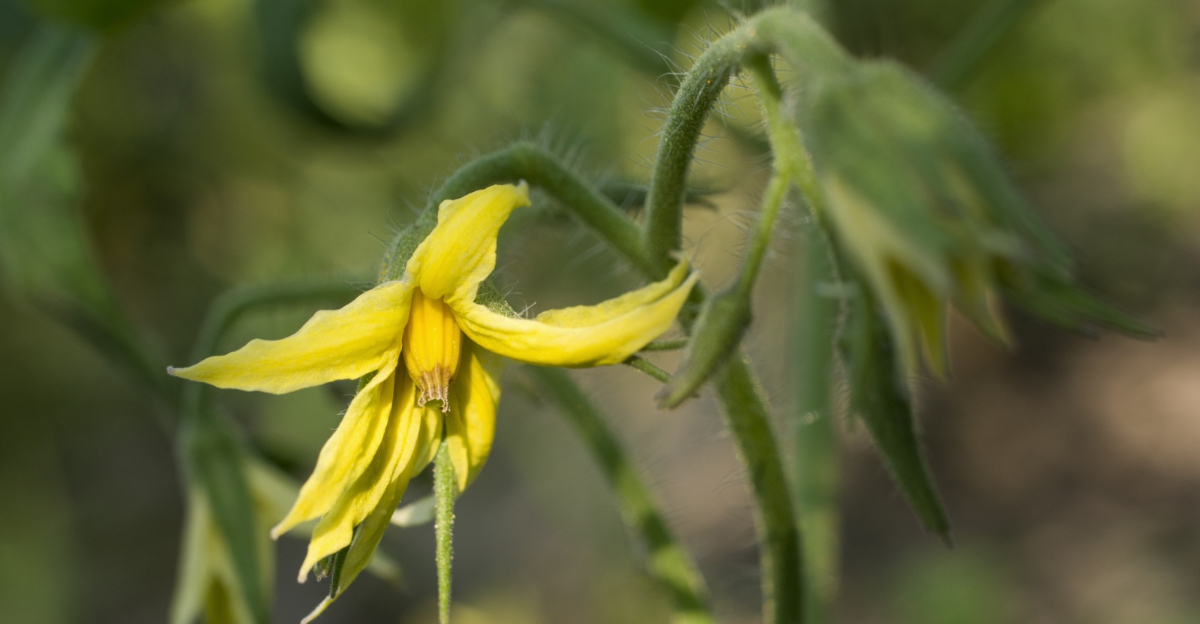
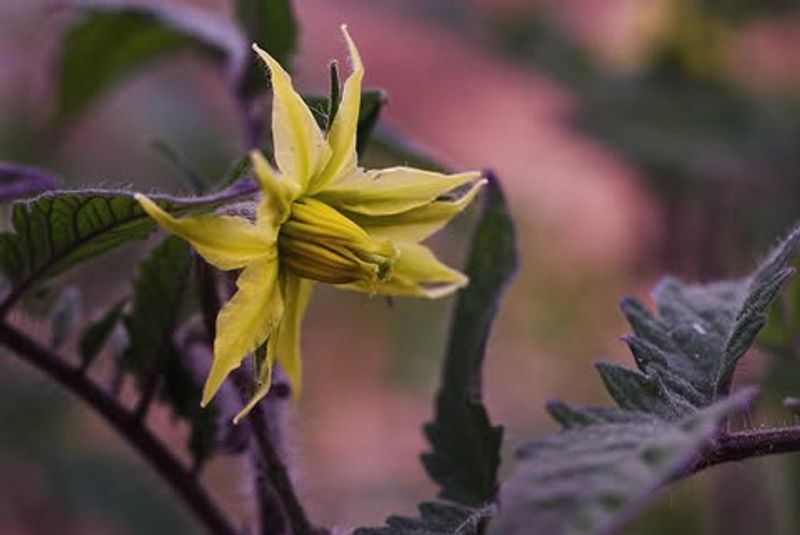
That first yellow blossom on your tomato plant is practically a text message from summer saying it is on the way. New Jersey gardeners know this feeling well.
One day you are watering hopefully, and the next, tiny flowers are changing everything.
Here is the thing most people miss: planting day gets all the glory, but flowering time is where your harvest is quietly decided.
Get this window right, and your tomatoes will be legendary. Get it wrong, and you are left wondering what happened.
Whether you are tending a raised bed in Monmouth County or coaxing plants from rooftop pots in Hoboken, the approach is the same.
These steps cover everything that matters the moment those blooms appear. New Jersey summers move fast, so let’s make every single one of those flowers count.
1. Stop Heavy Nitrogen Feeding
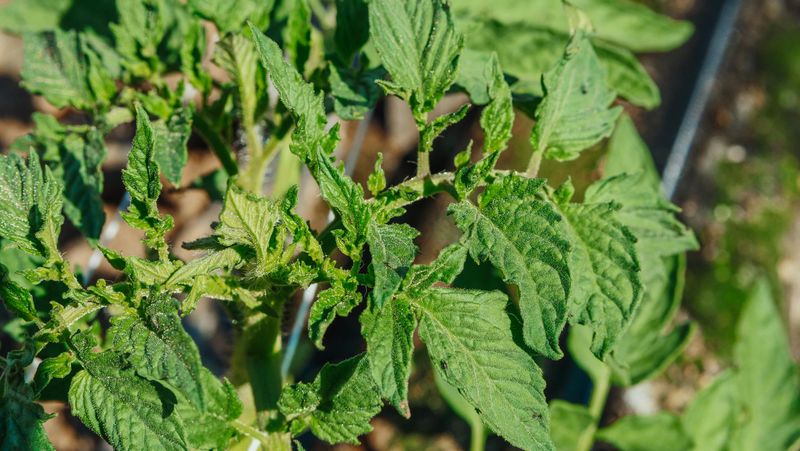
Nitrogen is the engine behind every flush of new growth. Flood a plant with too much of it at the wrong time and that engine starts to work against you.
When your tomato plants start showing flowers, they are officially shifting gears from growing leaves to making fruit.
If you keep applying high-nitrogen fertilizer at this stage, you are basically telling the plant to keep growing leaves.
Instead of getting down to the business of making tomatoes.
The stems and foliage will look absolutely gorgeous while your flower clusters wither and fall off without setting a single fruit.
Switch to a fertilizer with a lower first number on the label, something like 5-10-10 or a tomato-specific blend that emphasizes phosphorus and potassium.
Phosphorus supports root strength and flower development, while potassium helps the plant handle stress and build solid fruit walls.
A light feeding every two weeks is plenty once blooms appear.
Think of it like changing your athlete’s diet from carb-loading to race-day fuel, because the plant has a different job now and it needs different support to finish strong.
2. Hand-Pollinate Or Shake Blooms Daily
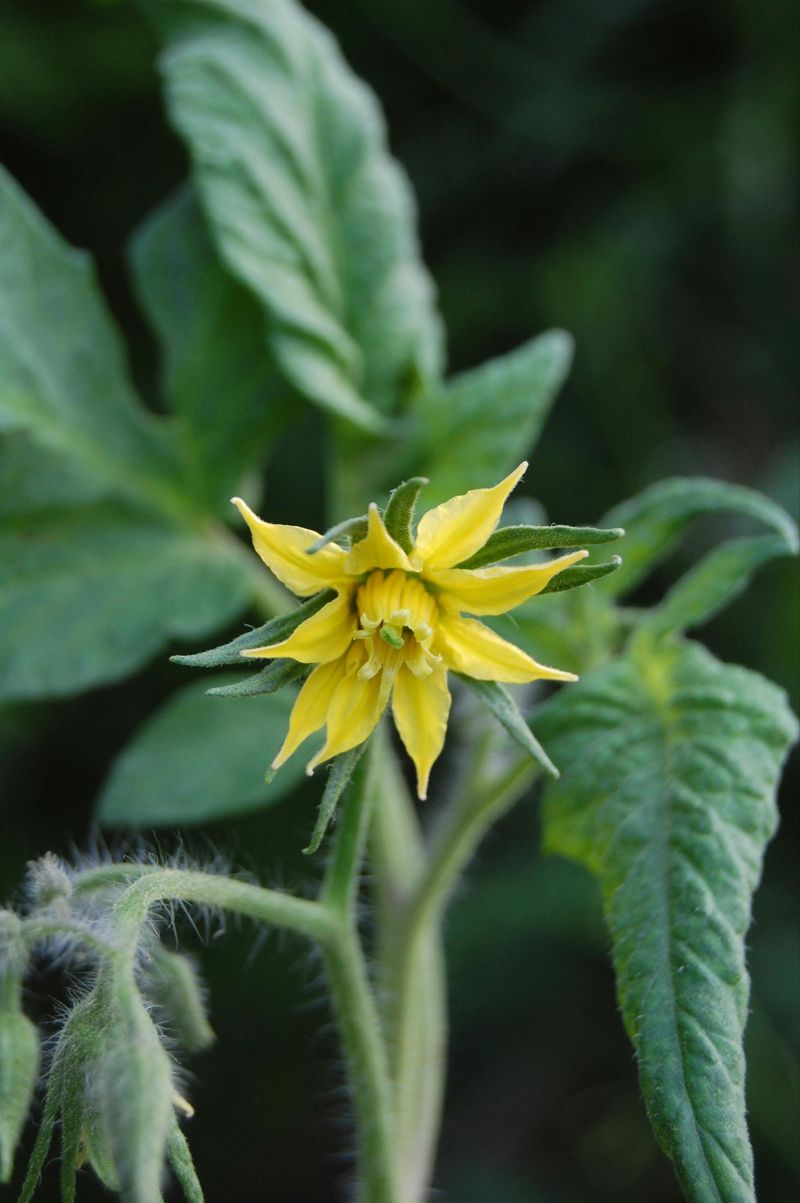
Tomatoes are self-pollinating, but that does not mean they do it without a little help from the world around them.
In a perfect garden, wind and buzzing bees do the shaking that releases pollen from the anthers onto the stigma inside each flower.
When you are growing in a sheltered spot or a greenhouse, natural agitation just does not happen enough. The same is true during a stretch of calm, humid New Jersey weather.
Flowers sit there looking pretty, then drop off without ever setting fruit, and you are left staring at bare stems wondering what went wrong.
The fix is wonderfully simple: give each flower cluster a gentle shake every morning between 10 a.m. and 2 p.m. when pollen is most active and the air is driest.
You can also use an electric toothbrush held against the stem just below the bloom to mimic the vibration of a bumblebee.
Do this daily for about thirty seconds per plant and you will see a noticeable jump in fruit set within a week.
Your New Jersey Garden Changes Every Week. Your Plan Should Too.
Gardening in New Jersey changes quickly throughout the season. Every Friday you’ll receive a simple weekly plan showing exactly what to plant, prune, fertilize, harvest, and protect so you never miss the right timing.
Consistent daily action during New Jersey tomato season turns a struggling vine into a producing machine.
3. Water Deeply and Consistently
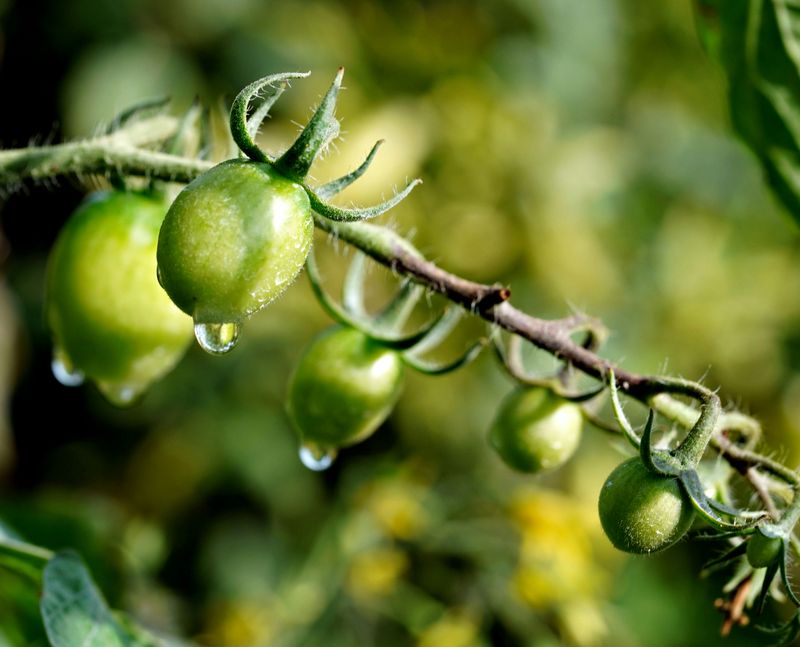
Uneven watering is the quiet cause of flower loss, and most people have no idea it is happening until the damage is already done.
When soil swings between bone dry and waterlogged, the plant panics and the flowers are the first to go.
Irregular moisture is one of the most common causes of blossom drop during New Jersey tomato season, especially when July heat arrives fast.
The goal is deep, consistent moisture that reaches at least six to eight inches down into the soil where the roots actually drink.
Shallow watering encourages roots to stay near the surface, making them even more vulnerable to heat and drought swings.
A drip system or soaker hose set on a timer is honestly the best investment you can make for your tomato patch.
If you are hand-watering, aim for about one to two inches per week, and always water at the base of the plant rather than overhead to avoid wet foliage and fungal issues.
Steady moisture keeps flowers calm, fruit forming, and your whole season on track.
4. Protect Flowers During NJ Heat Waves
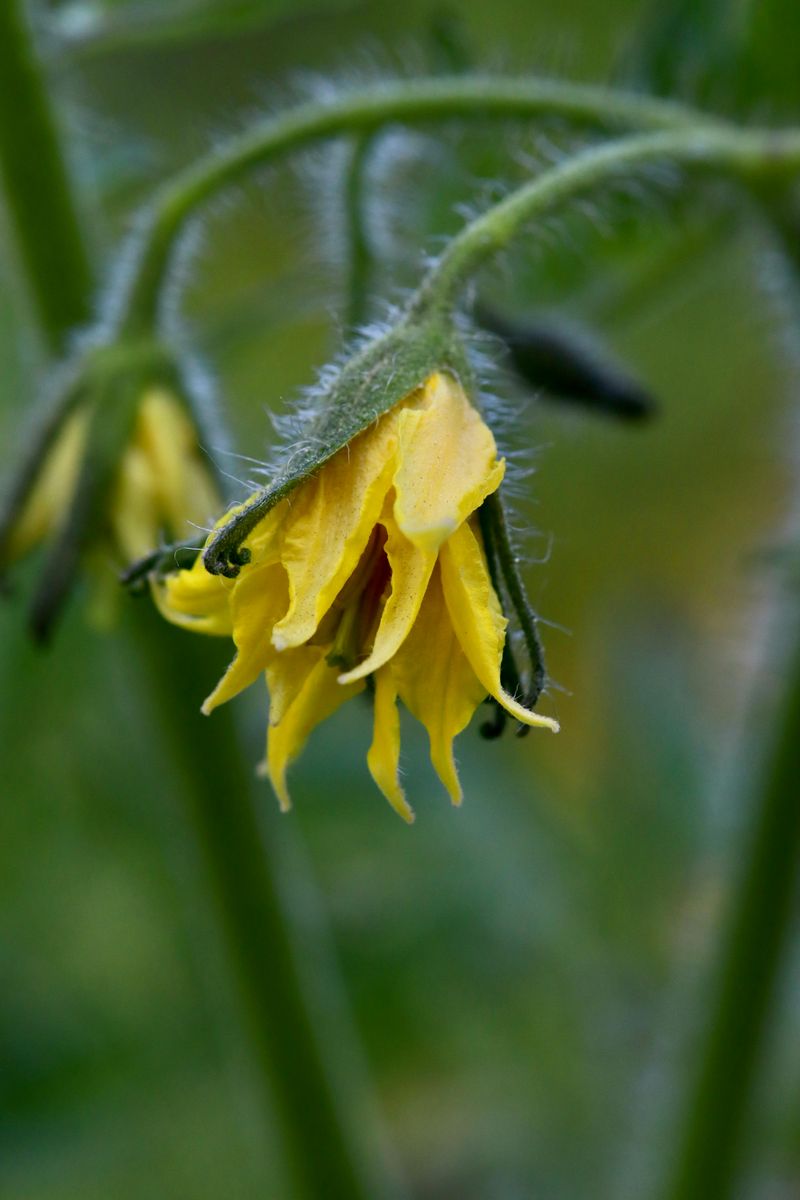
Temperatures above 90 degrees Fahrenheit are genuinely stressful for tomato blooms.
New Jersey summers serve up that heat regularly and without much warning.
When the mercury climbs, the pollen inside each flower becomes non-viable.
That means even perfect pollination conditions cannot save a flower that has been baked beyond its tolerance.
Night temperatures above 75 degrees add another layer of trouble, preventing proper fertilization even after a cooler morning.
During heat waves, your flowers need a buffer between them and the brutal afternoon sun that rolls in from the southwest across the state.
A 30 to 40 percent shade cloth draped loosely over plants during peak heat hours can drop leaf surface temperature by ten degrees or more.
Remove the cloth in the evening so plants get full airflow overnight and morning sun for photosynthesis.
You can also mist the foliage lightly in the early morning to give a brief cooling effect before the heat builds.
Protecting your blooms through a heat wave means you will have fruit forming when your neighbors are starting all over from scratch.
5. Prune Suckers Below The First Flower Cluster Only
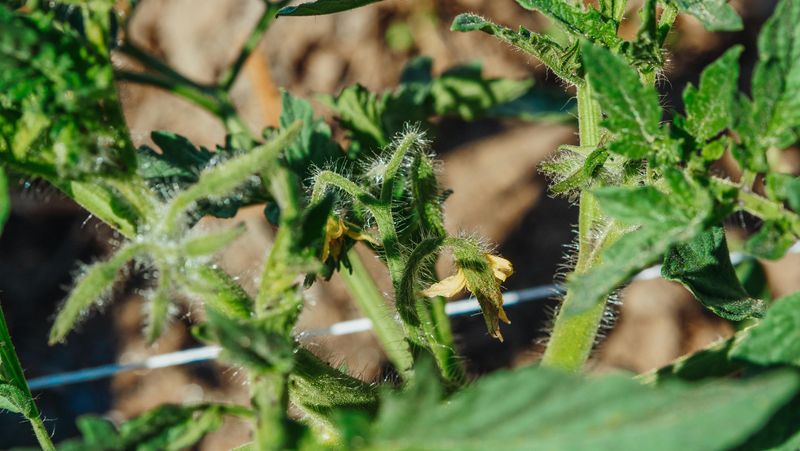
Suckering tomatoes is one of those garden tasks that sounds simple but trips up a lot of people when the flowers start appearing.
A sucker is the new shoot that grows in the V-shaped crotch between the main stem and a side branch.
When left alone, each one becomes a whole new vine competing for the plant’s energy.
The key rule for indeterminate varieties when flowers are present is to remove suckers only below that first flower cluster, not above it.
Removing growth above the first bloom can actually strip away productive flowering branches and reduce your total fruit count for the whole season.
Below the first cluster, though, those suckers serve no purpose except to drain resources away from the flowers and developing fruit higher up on the plant.
Snap them off when they are small, under two inches, using clean fingers or a sanitized pair of snips.
Removing larger suckers leaves open wounds that invite disease, especially during humid New Jersey summers when fungal pressure is high.
Stay consistent with this practice every five to seven days, and your plant will channel all of its energy into the blooms and fruit that actually matter.
6. Inspect Daily For Stink Bugs, Hornworms, And Aphids
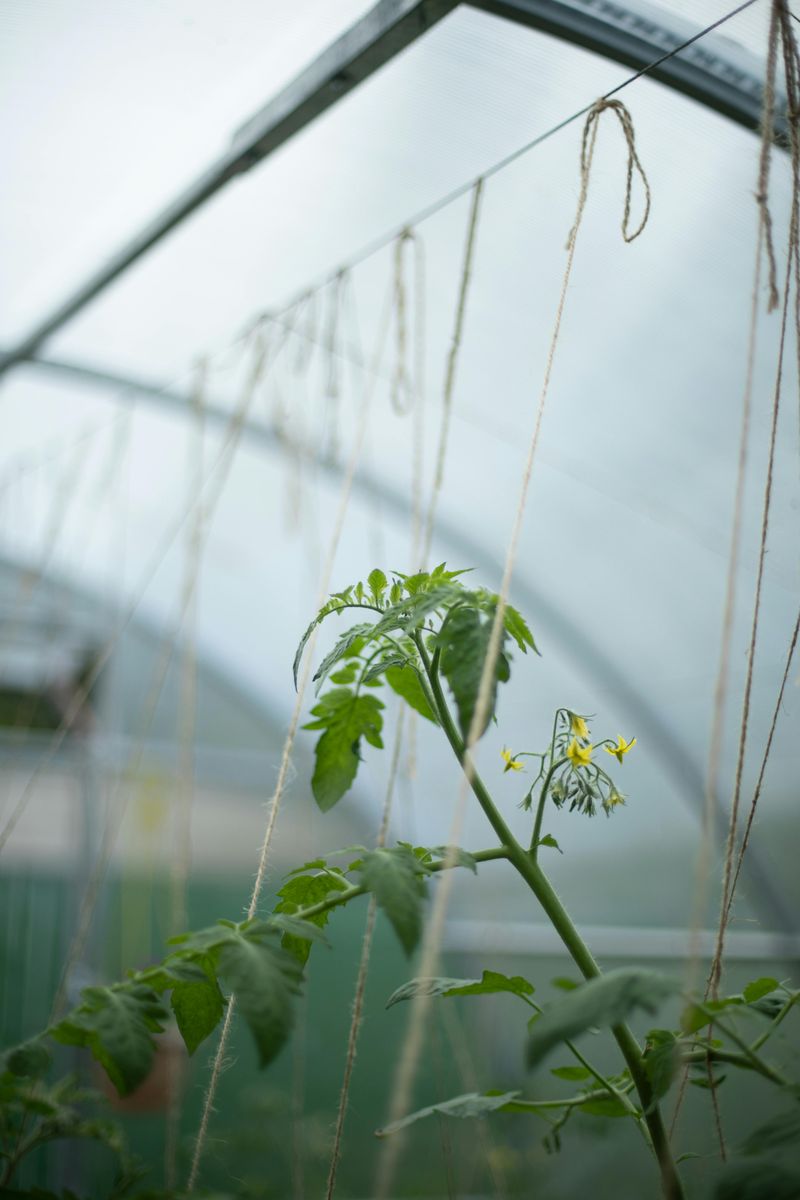
The moment your tomato plant flowers, it sends out a chemical signal that basically broadcasts “free buffet” to every pest in your zip code.
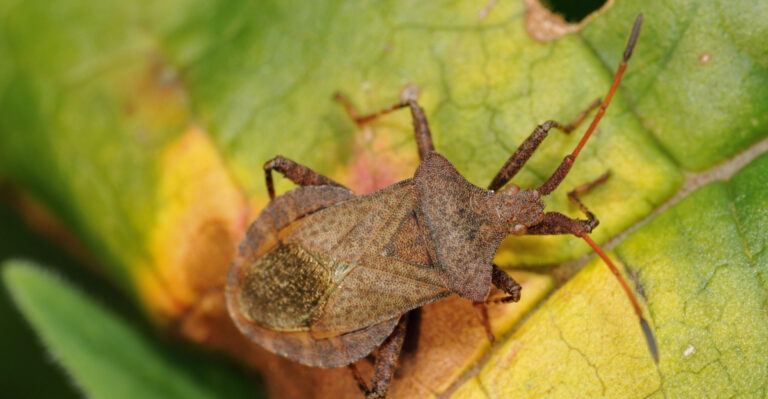
In New Jersey, three culprits show up more reliably than a summer thunderstorm: the brown marmorated stink bug, the tomato hornworm, and aphids.
Stink bugs pierce fruit and flowers, ruining tomatoes from the inside out before anything looks wrong on the outside.
Hornworms are camouflage masters, blending into green foliage so well that a single caterpillar can strip a branch overnight while you sleep.
Aphids cluster on leaf undersides, sucking sap and spreading disease between plants with surprising speed.
A daily five-minute walkthrough, checking both sides of leaves and flower clusters, catches problems while they are still manageable.
Drop hornworms into soapy water, knock aphids off with a firm stream from the hose, and use row cover or kaolin clay to deter stink bugs.
Catching trouble early during New Jersey tomato season means you stay in control instead of playing catch-up all summer.
7. Stake And Cage Firmly Before Fruit Sets
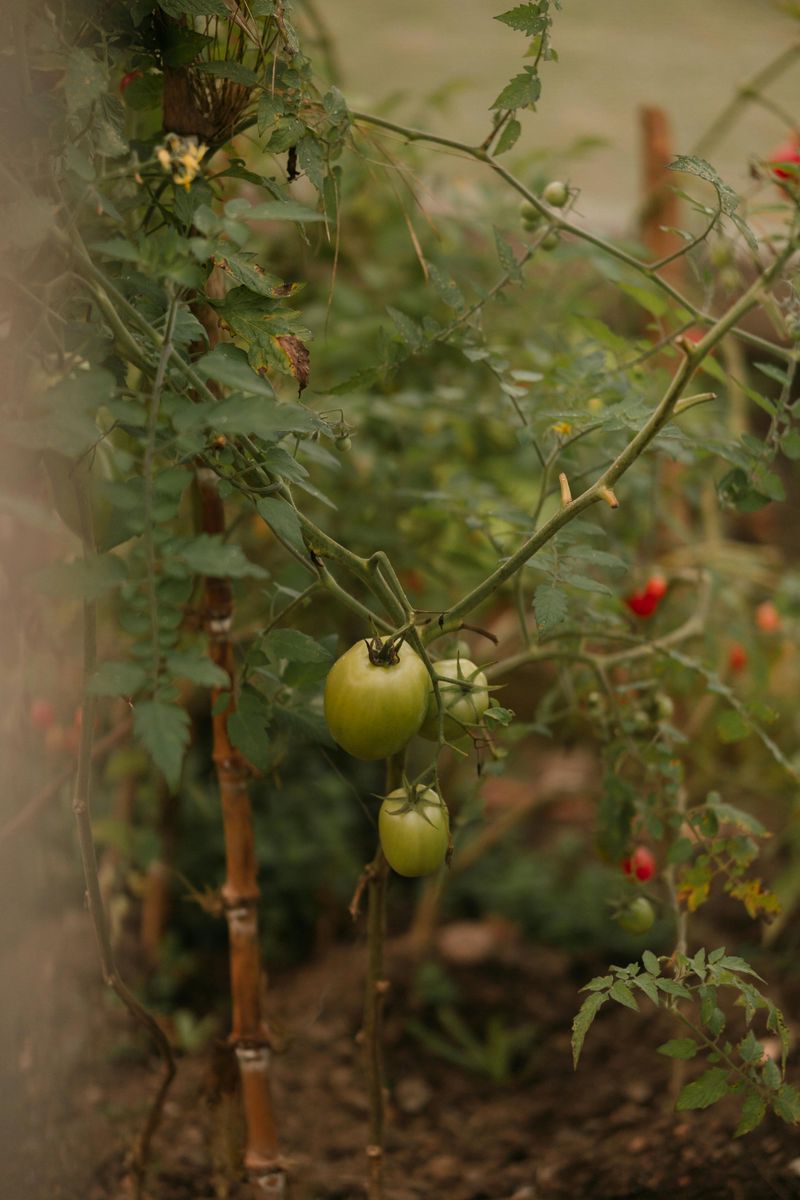
Waiting until your tomatoes are already heavy with fruit to add support is one of the most common and painful mistakes a gardener makes.
By the time those green globes start weighing down the branches, the plant’s root zone is a tangled web. You cannot dig into without causing serious damage.
The window for staking and caging closes fast, and it closes right around the time those first flowers open.
For indeterminate varieties, which grow all season long and are popular across New Jersey, a flimsy wire cone from the hardware store is not going to cut it.
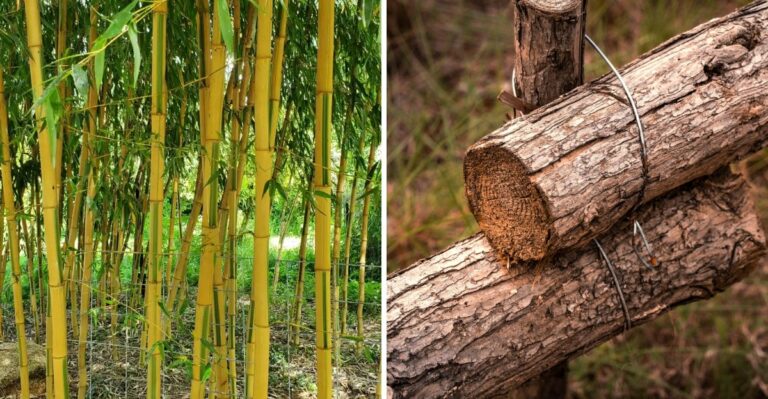
Go for heavy-gauge steel cages at least five feet tall, or drive wooden stakes at least eighteen inches into the ground on either side of the plant.
Then, tie the main stem loosely with soft garden twine.
The goal is to distribute the plant’s future weight without restricting its growth or cutting into the stem.
Check ties every week as the plant grows, loosening anything that starts to look snug.
A well-supported plant produces more fruit, suffers less branch breakage in summer storms, and is simply easier to manage through a long, productive season.
8. Apply Calcium To Prevent Blossom End Rot
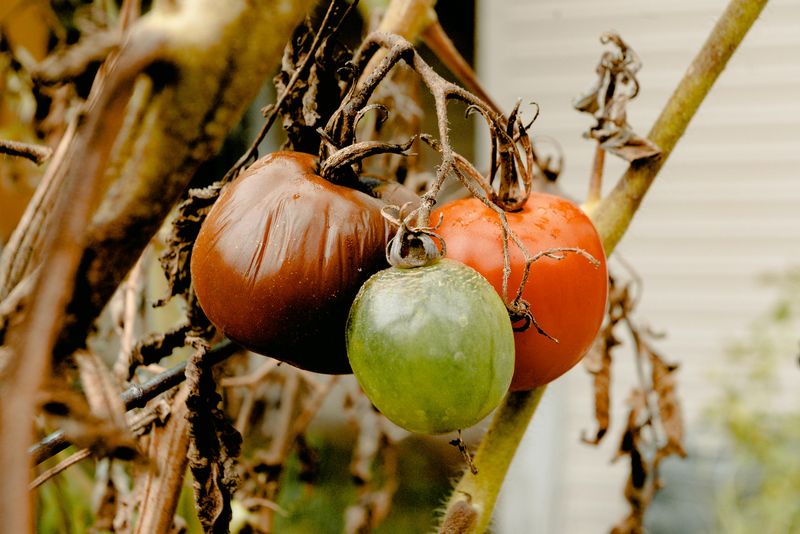
Blossom end rot is that heartbreaking dark, sunken patch that appears on the bottom of your first beautiful tomatoes, and it is not caused by a disease or a pest.
It is a calcium deficiency inside the fruit.
It is almost always triggered by uneven watering, which prevents the plant from moving available calcium up to developing tomatoes in time.
New Jersey soils are often inconsistent in calcium levels.
It all depends on whether you are gardening in clay-heavy central Jersey or the sandier soils closer to the shore.
When flowers first appear is the ideal moment to start a calcium program before fruit even begins to form.
Work garden lime into the soil around each plant for faster results.
If you are thinking ahead to next season, crushed eggshells are a good option since they break down slowly.
You can also apply a liquid calcium spray directly to the foliage and developing flower clusters every ten days.
Products containing calcium chloride absorb quickly and are easy to find at any garden center.
Avoid over-liming, though, because throwing off your soil pH creates a whole new set of nutrient problems that can haunt you for the rest of the season.
A little prevention at flower time means you open your first ripe tomato to find perfect, solid flesh all the way through.
9. Expect and Accept Early Flower Drop
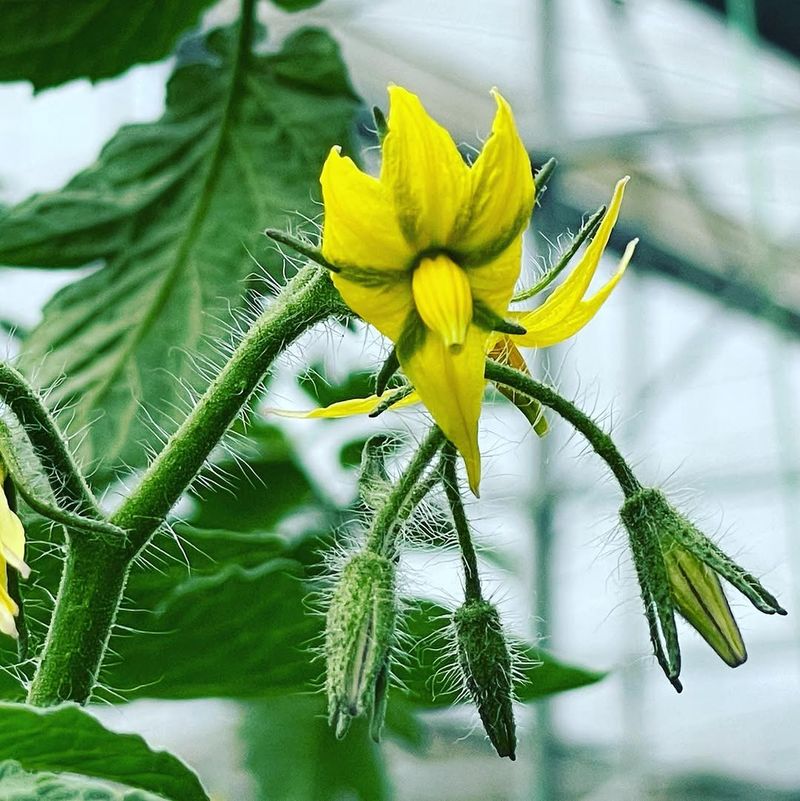
Seeing your tomato flowers fall off before setting fruit can send a new gardener into full panic mode, but the truth is that some early drop is completely normal.
Tomato plants are surprisingly selective, shedding blooms based on temperature, stress, or their own internal scheduling.
That first flower cluster often drops entirely after erratic early spring temperatures in New Jersey, and that is completely normal.
What you are watching for is systemic drop where every single flower falls off day after day with nothing setting at all.
That pattern points to a real problem: heat stress, poor pollination, inconsistent moisture, or a nitrogen imbalance.
Isolated early drop, on the other hand, is the plant doing its own quality control.
Keep your watering consistent, your feeding balanced, and your pollination routine going, and the plant will settle into a strong fruiting rhythm within a few weeks.
Trusting the process during New Jersey tomato season is hard, but the gardeners who stay calm through early drop almost always end up with the best harvests.
10. Track Your Microclimate
Your backyard is not the same as your neighbor’s backyard, and it is definitely not the same as the regional weather forecast on your phone.
Every garden has a microclimate. Think of it as your plot’s own personal weather system.
Sun exposure, wind patterns, reflected heat from nearby walls or pavement, and soil moisture all combine in ways that make your space unlike any other.
Knowing your microclimate during New Jersey tomato season can mean the difference between a thriving plant and one that struggles no matter what you do.
A south-facing bed against a brick wall can run ten degrees hotter than an open raised bed just twenty feet away, and flowering tomatoes feel every degree of that difference.
Place a simple min-max thermometer near your plants to track overnight lows and afternoon highs specific to your exact growing spot.
Note which areas dry out fastest after rain and which stay soggy, because both extremes stress flowers in different ways.
Keep a small garden journal or even just a notes app on your phone, logging what you observe each week alongside what your plants are doing.
Over a single season, that record becomes an invaluable map.
And the best part? Every future New Jersey tomato season gets smarter, more productive, and a whole lot more satisfying because of it.