The Real Meaning Behind A Red-Tailed Hawk Visit To Your New Jersey Yard
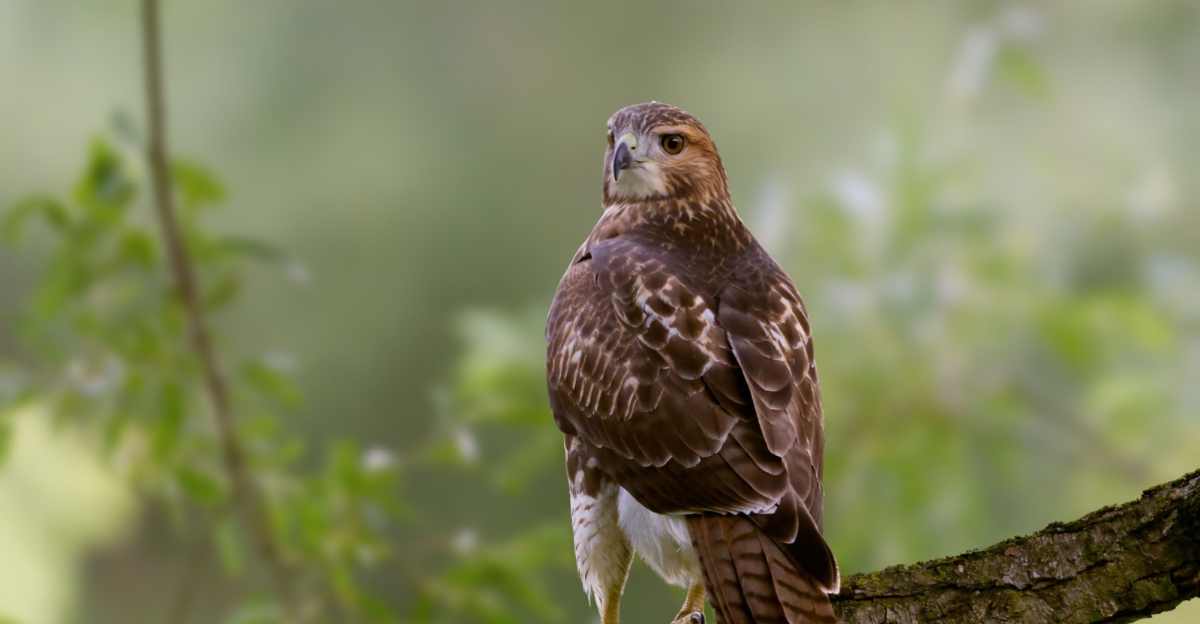
A red-tailed hawk just landed in your yard. That is not something you walk past.
These birds do not show up by accident. A red-tailed hawk visit is a signal, one that tells you more about your yard, your neighborhood, and your local ecosystem than you might expect.
They are drawn to specific conditions, specific prey, and specific landscapes. If one has found your yard worth visiting, there are real reasons behind it.
It all comes down to what is already living in your yard. Once you understand that, you will never look at your outdoor space the same way.
They are one of the most recognizable raptors in North America, and seeing one up close feels like a rare thing. In New Jersey, it is becoming less rare.
These hawks are adapting to suburban life, and your yard may be exactly the kind of place they are looking for.
A Red-Tailed Hawk Visit Is A Sign Your Ecosystem Is Thriving
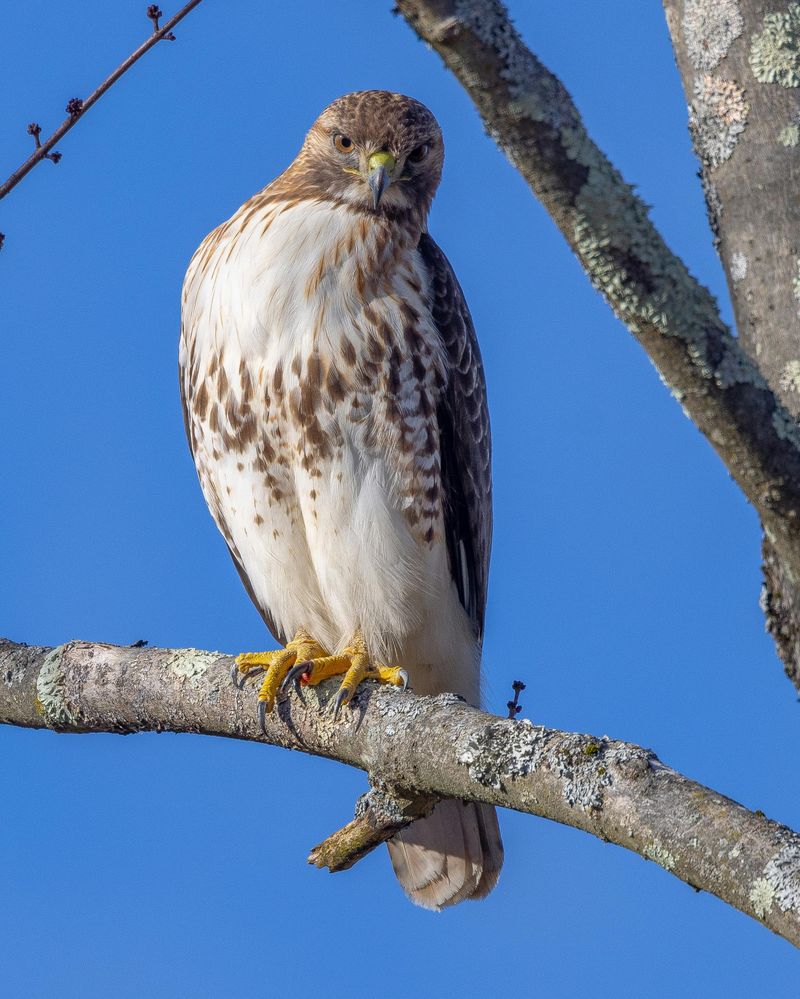
Your yard just passed a serious nature test. When a red-tailed hawk chooses to visit your property, it is not a coincidence.
Hawks are apex predators. They sit at the top of the local food chain and only show up where the ecosystem below them is rich and active.
Think of it like a report card for your outdoor space. A healthy yard supports insects, which feed small birds and rodents, which in turn attract larger hunters like hawks. If your space is drawing in raptors, the whole web beneath them is working.
Red-tailed hawks have sharp eyesight that is roughly eight times more powerful than a human’s. They can spot a mouse moving through tall grass from 100 feet in the air.
That kind of precision means they are choosy about where they hunt. Yards with overgrown edges, mature trees, open lawn areas, and brush piles tend to attract the most wildlife activity.
All of those features create habitat for the prey that hawks depend on. The more layered your landscape, the more appealing it becomes.
Seeing a red-tailed hawk in your New Jersey yard means your little patch of earth is part of something much bigger. You are contributing to a connected network of wildlife corridors that stretch across the region.
That is genuinely worth feeling good about, and it is a reason to keep nurturing what you have already built.
How To Identify A Red-Tailed Hawk
Picture a bird the size of a small cat, soaring in wide, lazy circles above an open field. That image is almost certainly a red-tailed hawk.
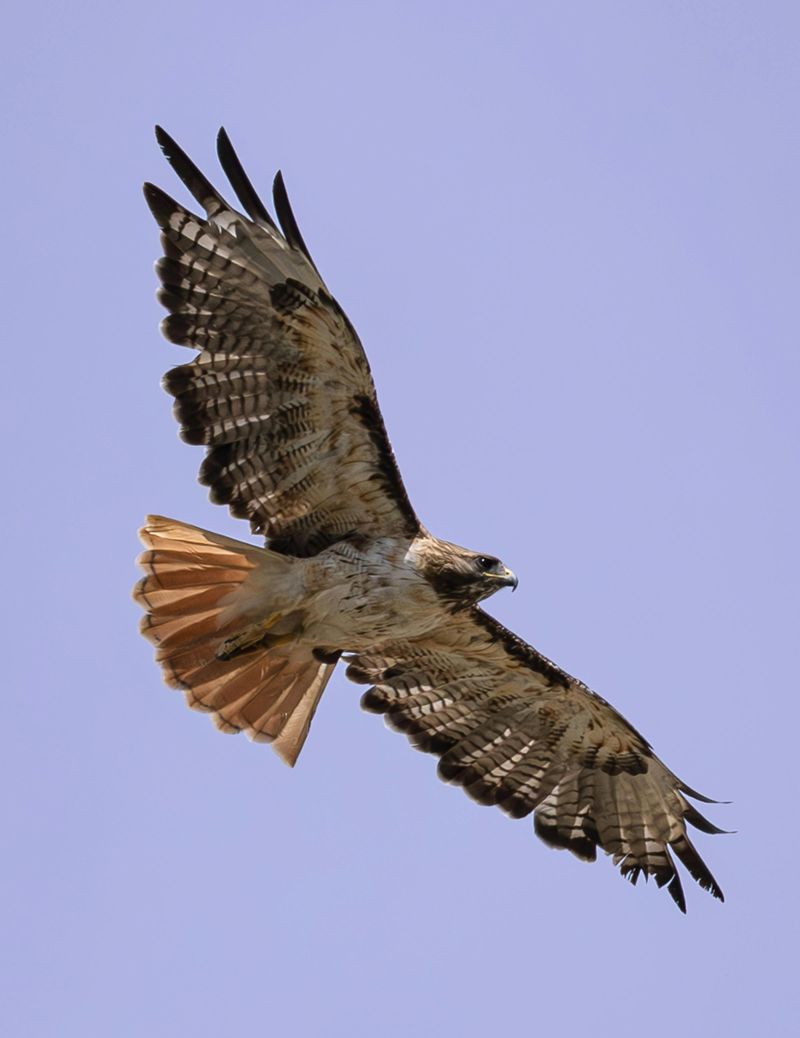
Knowing exactly what to look for makes every future sighting more exciting and more meaningful. The most obvious feature is the tail. Adults sport a rich, brick-red upper tail that practically glows in sunlight.
From below, the tail looks pale and washed out, but flip your angle and that rusty color is unmistakable. The belly band is another key marker.
Most red-tailed hawks have a dark streaked band across their lower belly that stands out against a paler chest. Color variations exist, but the belly band shows up consistently across the species.
Your New Jersey Garden Changes Every Week. Your Plan Should Too.
Gardening in New Jersey changes quickly throughout the season. Every Friday you’ll receive a simple weekly plan showing exactly what to plant, prune, fertilize, harvest, and protect so you never miss the right timing.
In flight, look for broad, rounded wings and a short, fanned tail. The wingspan typically stretches between 43 and 57 inches, and when one banks in the wind, you will notice how effortlessly it rides thermals without flapping.
Their call is another giveaway. That iconic screech you hear in every movie or TV show featuring any bird of prey? That sound almost always belongs to a red-tailed hawk, even when the scene shows an eagle.
Learning that call lets you identify one before you even spot it. Once you recognize a red-tailed hawk by sight and sound, you will start noticing them everywhere.
Why Red-Tailed Hawks Visit Residential Yards In New Jersey
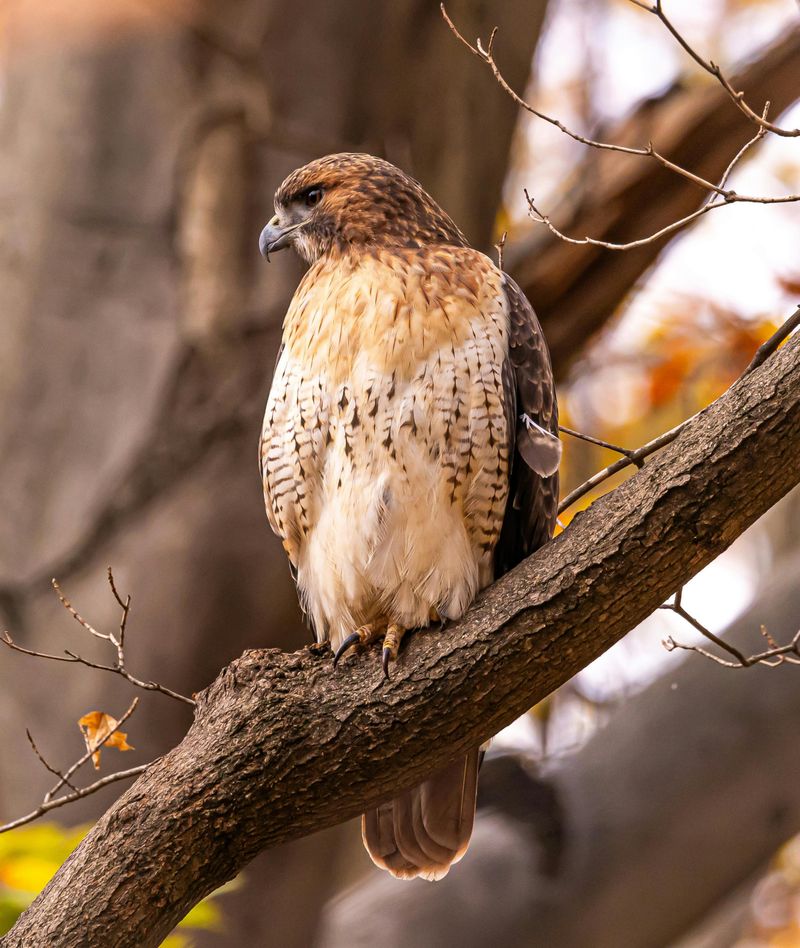
New Jersey is one of the most densely populated states in the country, yet it supports a surprisingly robust population of red-tailed hawks. That might seem strange at first.
But suburban landscapes actually offer some ideal hunting conditions for these birds. Open lawns create clear sightlines. Hawks need unobstructed views to spot prey moving along the ground.
A mowed backyard surrounded by tall trees gives them the perfect combination of perch height and open hunting ground. Rodent populations tend to spike in suburban areas because of bird feeders, compost bins, and pet food left outside.
Mice, voles, and chipmunks thrive in these environments. Where rodents are plentiful, hawks are never far behind.
Seasonal movement also plays a role. During fall migration, red-tailed hawks from further north push through the region in large numbers.
Many settle in for the winter if food is available. So a hawk you spot in October or November may stick around through March.
The landscape patchwork of New Jersey, with its mix of open fields, wooded parks, and residential neighborhoods, creates perfect hunting corridors. Hawks can move between habitats with ease, following prey wherever it leads.
Your yard may sit right along one of those invisible pathways. Understanding why they show up helps you appreciate that a red-tailed hawk visit is not random.
Your yard fits a profile these birds actively seek out, and that makes your outdoor space genuinely special.
What Red-Tailed Hawks Eat And Why That Matters For Your Yard
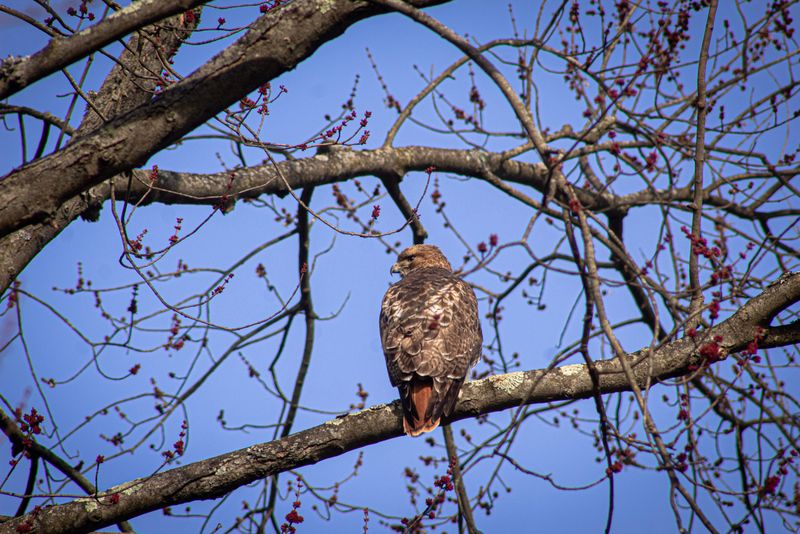
A red-tailed hawk is not coming for seeds or suet. It is coming for the creatures living in your lawn, garden beds, and brush piles.
And knowing what is on the menu tells you a lot about your yard’s hidden wildlife population. Mice and voles make up the largest portion of a red-tailed hawk’s diet.
These small rodents tunnel through grass and mulch, often going completely unnoticed by homeowners. A visiting hawk reveals that your yard is hosting a whole underground community you probably never knew was there.
Squirrels, rabbits, and chipmunks are also fair game, especially for larger individuals. Hawks are not picky when hunger strikes. They will also take snakes, frogs, and large insects when the opportunity arises.
Here is the practical upside for gardeners. Red-tailed hawks act as a natural pest control system. A single hawk can consume one to two rodents per day during active hunting periods.
That means fewer creatures chewing through your bulbs, gnawing on tree bark, or raiding your vegetable beds.
Welcoming a hawk into your yard is essentially hiring the most efficient exterminator in the business, and the service is completely free. It requires fewer chemicals, fewer traps, and less cleanup. The hawk handles everything.
A red-tailed hawk patrolling your space keeps the prey population in check, which protects your plants and supports a more balanced, healthy outdoor environment overall.
How To Make Your Yard More Welcoming To Red-Tailed Hawks
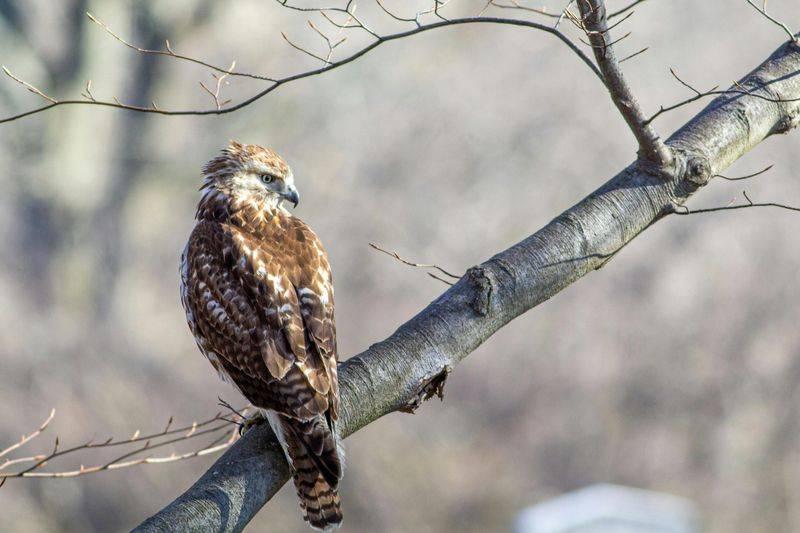
Want a red-tailed hawk to keep coming back? Start with your yard.
Start with perch options. Red-tailed hawks love elevated spots where they can survey the ground below. Tall bare trees, thick fence posts, or even a purpose-built raptor perch can give them the vantage point they need.
If you have a mature tree with a sturdy bare branch, consider leaving it rather than trimming it. Reduce the amount of ground-level clutter in open areas. Hawks need clear sightlines to hunt effectively.
A clean lawn edge next to a wilder, brushier section is an ideal setup. That contrast between open and covered ground creates the hunting conditions they prefer.
Avoid using rodenticides or chemical pesticides. When prey animals are poisoned, hawks that eat them can become sick or harmed.
Keeping your yard chemical-free protects the birds you are trying to attract and supports the entire food web. Native plantings also help by supporting the insects and small mammals that form the base of the hawk’s food supply.
Dense ground cover plants, native grasses, and brush piles all create habitat for prey species. Patience matters too.
Hawks are territorial and take time to scout new areas. Once a red-tailed hawk finds your yard reliable, it may return season after season, making your space a permanent part of its home range.
What To Do When You Spot A Red-Tailed Hawk In Your Yard
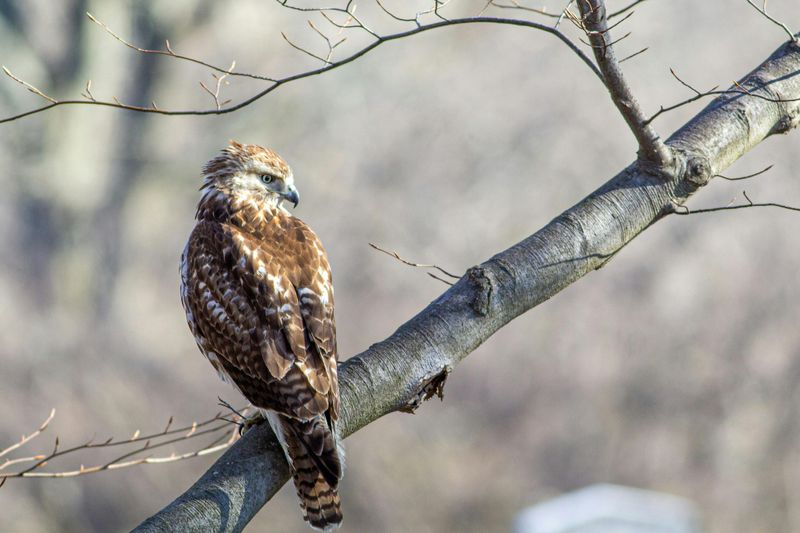
Freeze. That is the first and most important thing to do when you notice a hawk has landed nearby. Sudden movement will spook the bird and end the encounter before it really begins.
Hawks are alert and cautious, and they will flush quickly if they feel threatened. Move slowly toward a window or a spot where you can observe without being directly in the bird’s line of sight.
Watching from inside your home is often the best option. Glass does not bother hawks the way open-air human presence does.
Grab your binoculars if you have them. Getting a close look at the tail color, the belly markings, and the overall size will help you confirm the species and notice details you would otherwise miss.
Even a smartphone camera with a good zoom can capture a decent photo for your records. Keep pets and small children away from the area while the hawk is present.
Red-tailed hawks rarely pose a threat to humans, but they can occasionally target very small pets left unattended outdoors. A little caution during the visit is sensible.
After the hawk leaves, take note of where it perched, what time of day it appeared, and what the weather was like. Logging these observations over time reveals patterns that make future sightings easier to predict and more rewarding to experience.
Each visit from a red-tailed hawk is a reminder that your yard is connected to something wild and worth protecting. Treat every sighting as the gift it genuinely is.