Where Late Season Aphids Show Up First On Michigan Porch Plants
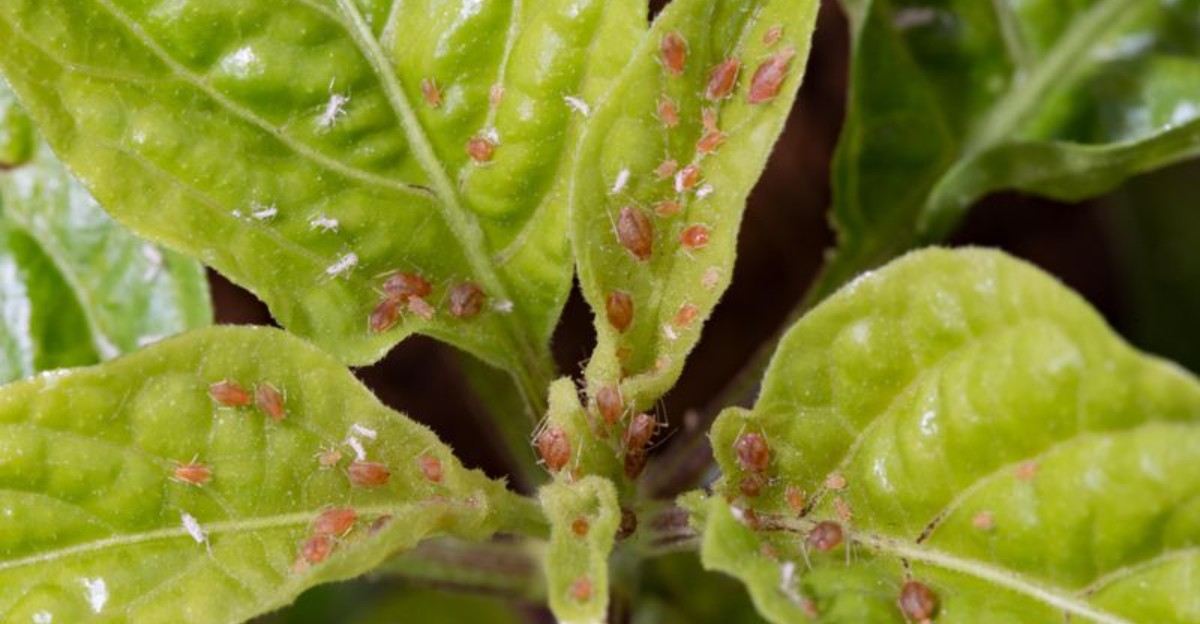
Aphids are tiny, but they are good at finding the best spot on a plant. In fall, Michigan porch pots become their favorite hideout. The plants are still green and tender, and the porch blocks wind and rain.
Gardeners often notice sticky leaves or curled tips before they ever see a bug. By then the group has been feeding for days. Aphids do not spread evenly.
They cluster in certain places on a plant, and knowing those places turns a long search into a quick check.
A close look every few days catches them early, when a simple response works. Wait too long, and they can move to nearby pots. A little detective work now keeps your fall display looking fresh.
1. Check The Tender Tips Of New Growth
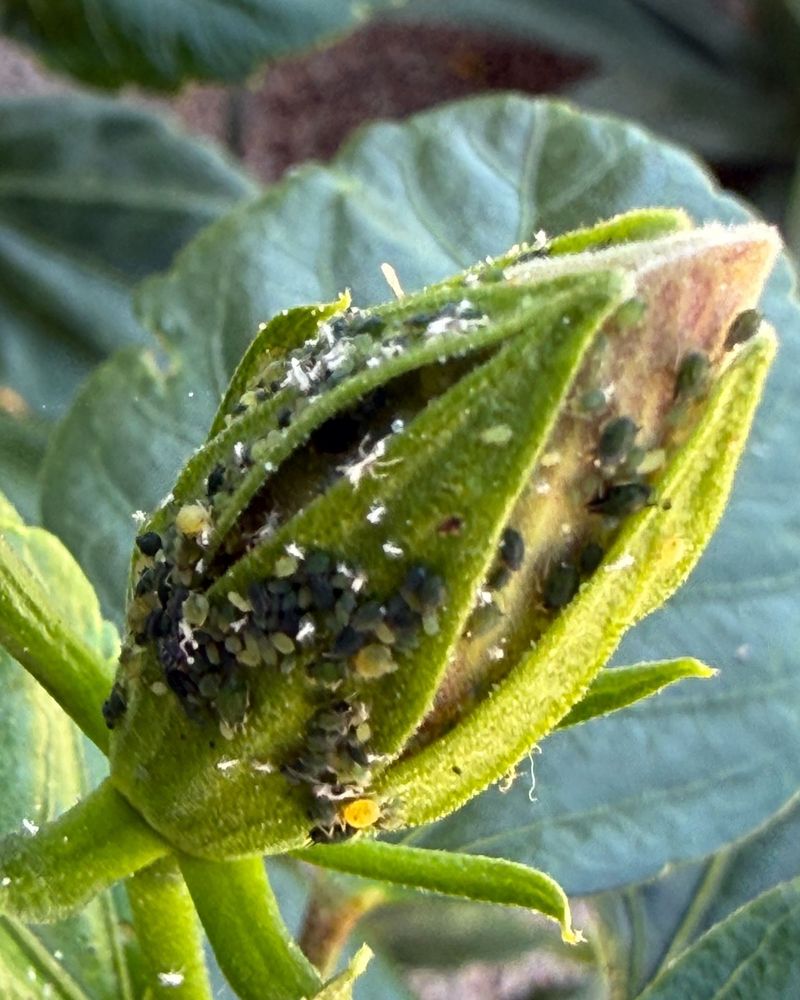
Aphids have a sweet tooth, and the sweetest snack on any plant sits right at the top. Those soft, bright green tips at the end of each stem are where colonies usually start. If you only have a minute to check your plants, start there.
Why do they pick that spot? Aphids feed by poking a tiny mouthpart into the plant and drinking its sap. Young, tender tissue is easy to pierce, and the sap flowing there is packed with nutrients that help aphids grow and multiply fast.
A few bugs can turn into a crowded cluster in about a week, and then they start moving down the stem.
Make it a habit to look closely at the newest leaves every few days. Bend down, tilt the stem toward the light, and scan for tiny pear-shaped bugs. Curled, puckered, or twisted new leaves are a big clue, even if you cannot see the insects right away.
Small problems have simple fixes. Pinch off a tip that is heavily covered and toss it in the trash, not the compost. For lighter groups, a quick rinse with the hose or a spray bottle knocks most aphids off, and many cannot climb back up.
Timing matters a lot here in Michigan. When the hot days of summer fade and cooler nights arrive, many porch plants push out a fresh flush of growth.
That new growth is like a welcome sign for aphids looking for one last feast before winter. Catching them on the tips now saves you from a much bigger mess later in the season.
2. Look Under The Leaves
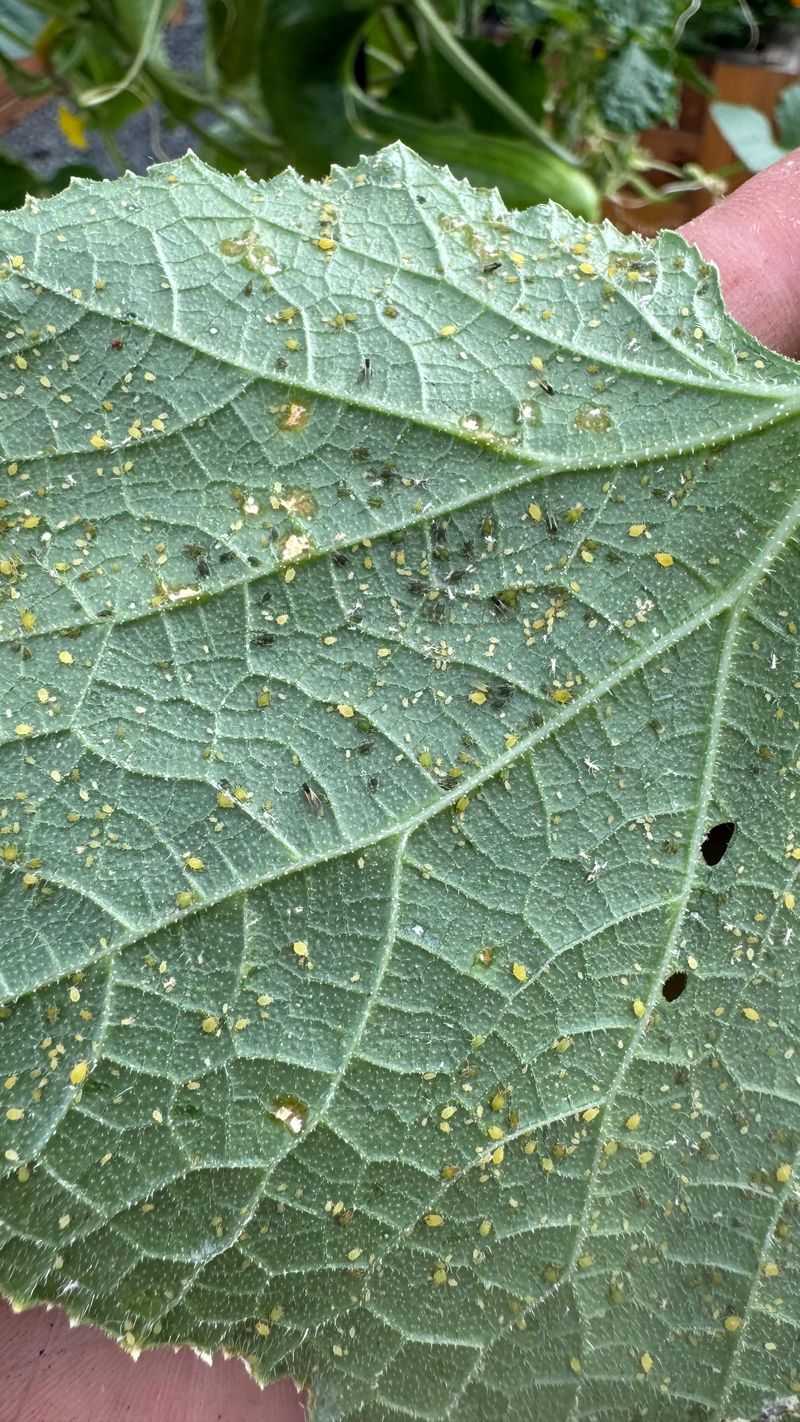
Flip a leaf over, and you might find a whole hidden town. Aphids are sneaky, and the underside of a leaf is their favorite hiding place. From above, a plant can look perfectly healthy while trouble grows just out of sight.
That shady spot gives aphids everything they need. Rain and wind rarely reach the bottom of a leaf, so the bugs can feed in peace. Birds and people walking by also tend to miss them, which lets the group grow larger before anyone notices.
Getting into the habit of turning leaves takes only a moment. Pick a few leaves from different parts of the plant, including the middle and bottom, and gently flip them over. Look for tiny soft insects that might be green, black, gray, yellow, or even pinkish.
Your Michigan Garden Changes Every Week. Your Plan Should Too.
Gardening in Michigan changes quickly throughout the season. Every Friday you’ll receive a simple weekly plan showing exactly what to plant, prune, fertilize, harvest, and protect so you never miss the right timing.
Another clue is small white flakes stuck to the leaf. Many people mistake them for dust or tiny bugs, but they are actually old skins that aphids shed as they grow. Lots of skins usually mean a busy colony nearby.
Once you find them, grab the hose and aim a firm stream of water at the leaf undersides. Hold the leaf gently from the top so it does not tear. Repeat every two or three days for about a week, since new aphids can hatch or crawl in.
Michigan gardeners should stay alert from late summer into fall. Aphids can build up quickly during this stretch, especially on hanging baskets and big potted plants.
A few minutes of leaf flipping each week keeps those hidden colonies small and easy to handle.
3. Watch Flower Buds And Stems
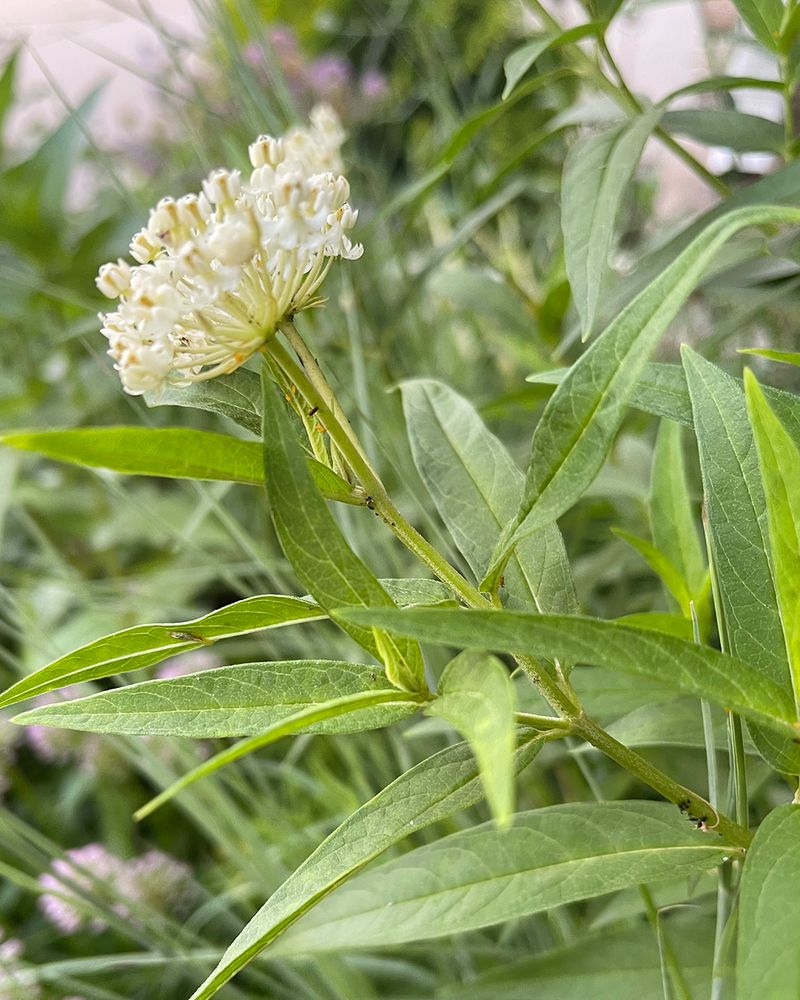
Nothing spoils a fall display faster than mum buds that refuse to open. Many gardeners blame the weather, but tiny aphids are often the real problem. They love to pack together on flower buds and the stems just below them.
Buds are like little treasure chests full of nutrients. A plant sends lots of energy into those buds so they can bloom. Aphids know a good meal when they find one, and their feeding can leave buds twisted, spotted, or stuck closed.
Take a slow look at the buds on mums, hibiscus, and petunias. Peek at the stems right under each bud, too, because that is where crowds often form. A dense cluster of small bugs, sticky shine, or bent buds all point to aphids.
Start with plain water to wash them away. If they keep coming back, insecticidal soap is a gentle option that works when it touches the insects directly. Always test it on a few leaves first and wait a day to make sure the plant does not react badly.
Spray in the morning or evening, not in hot afternoon sun. Soap sprays only work while wet, so cover the buds and stems well. You may need to repeat every five to seven days, following the label.
Here in Michigan, fall mums are the stars of countless porches and front steps. They set lots of buds in late summer, which makes them an easy target. Checking those buds twice a week helps you enjoy a full burst of color right up until the first hard frost.
4. Look Deep In The Center Of Ornamental Kale And Cabbage
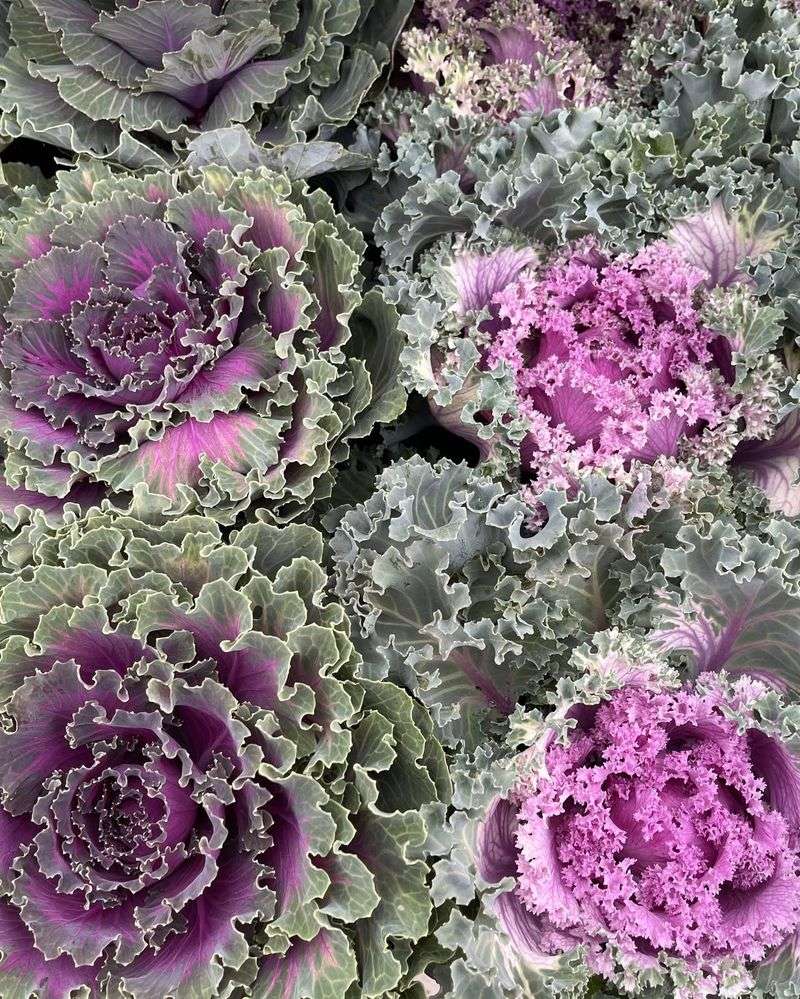
Ornamental kale looks like a giant frilly rose, but its center can hide a gray surprise. Cabbage aphids are a special type that love kale, cabbage, and their cousins.
They are grayish green and covered in a waxy, powdery coating that makes them look almost dusty.
Unlike many bugs, cabbage aphids actually enjoy cool fall weather. They tuck themselves deep into the tight center leaves, where they stay safe and very hard to spot. By the time you notice them from above, the colony may already be large.
Checking takes a gentle touch. Use your fingers to carefully spread apart the inner leaves and peek down toward the heart of the plant. Gray, crusty-looking clusters are a sure sign you have company.
A strong spray of water can break up those groups. That waxy coating helps them shed water, so aim right into the folds and be patient. For stubborn groups, insecticidal soap can help, but coverage is everything since the spray must touch the bugs.
Here is a helpful tip: add a drop of soap only if the label allows, and spray from several angles. Check again in a few days, since cabbage aphids bounce back quickly.
Ornamental kale is one of Michigan’s most loved fall porch plants. It stays colorful through chilly nights, and its colors often grow brighter after a light frost.
Since cabbage aphids thrive in that same cool weather, giving the center a quick look each week keeps your kale looking as pretty as a bouquet.
5. Check Plants In Sheltered Porch Corners
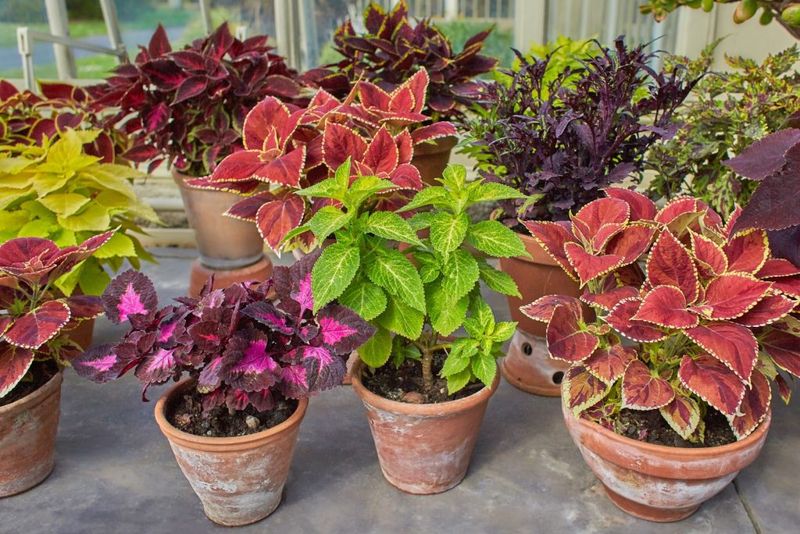
That cozy corner of your porch might feel like the safest spot for plants. Sadly, aphids think so too. Plants tucked under roofs and into quiet corners often get aphid trouble before plants out in the open.
Nature usually helps keep aphids in check. Rain showers and breezy days knock lots of them off leaves, and many never make it back. In a sheltered corner, that free cleaning never happens.
Fewer helpful insects visit those spots, too. Lady beetles, lacewings, and tiny wasps are great aphid hunters, but they may not find plants hidden under an overhang. With no one to stop them, aphid groups grow fast.
So give those corner plants a little extra attention. Check them a couple more times each week than your other pots. Look at tips, buds, and leaf undersides, since those are the hot spots you already know.
You can also play the role of the rain. Every so often, carry the plant to the yard or use a spray bottle to rinse the leaves well. A quick shower like this washes off early aphids and dust at the same time.
Moving pots around helps as well. When you can, swap plants between sheltered corners and sunnier, breezier spots every week or two. That simple shuffle gives each plant a turn in fresh air.
Many Michigan porch plants spend the fall under covered porches to stay out of cold rain and early frost. Keeping a closer eye on those protected spots means your favorite plants stay healthy right where you enjoy them most.
6. Follow The Ants
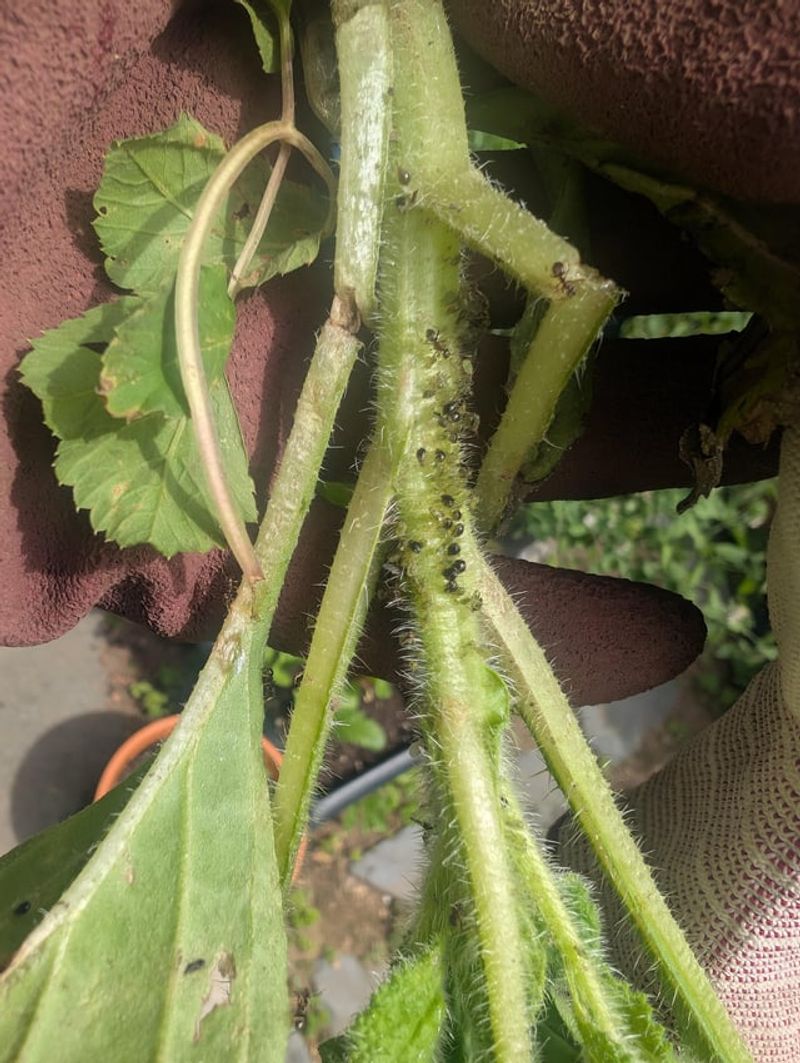
Ants make surprisingly good detectives. If you see a busy line of them marching up a plant stem, they are probably heading to an aphid party. Following them can lead you straight to colonies you never knew were there.
The reason is sweet. Aphids drink so much sap that they give off a sugary liquid called honeydew. Ants love it, and some will even stroke aphids with their antennae to get more, almost like farmers tending a herd.
In return, ants act like bodyguards. They chase away lady beetles and other insects that would normally eat aphids. With ants on patrol, aphid groups can grow much larger than usual.
Start by watching your porch plants for ants climbing up and down. Trace their path with your eyes, and check where they stop. Often you will find aphids tucked on a stem, under a leaf, or inside a curled tip.
Treat the aphids first with water or insecticidal soap. Once the honeydew supply drops, many ants lose interest and wander off. Wiping away sticky residue on leaves helps, too.
Sometimes ants build nests right in the pot. If you see them streaming out of the soil, set the pot in a bucket of water for about 20 minutes so the water covers the soil. Most ants will leave, and you can let the pot drain afterward.
Warm fall afternoons in Michigan keep ants active longer than many people expect. That extra help lets aphids keep growing, so spotting the ants early gives you a smart head start.
7. Check Plants Before Bringing Them Indoors
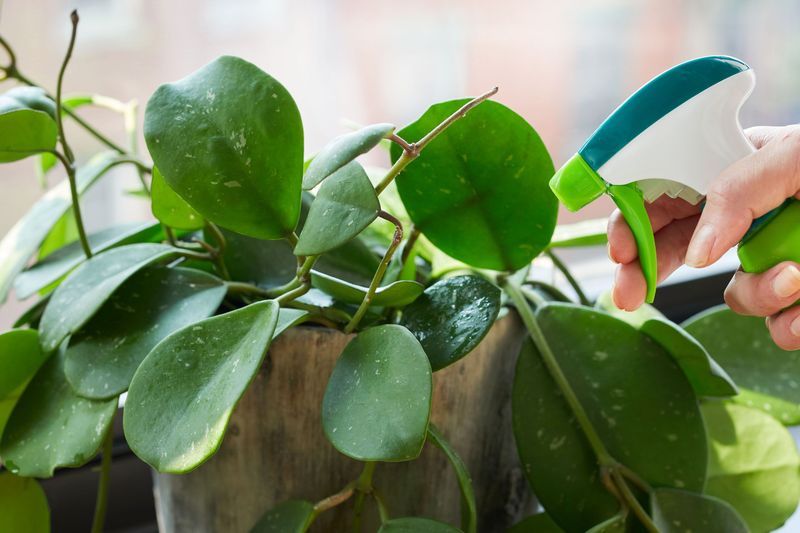
Every fall, many porch plants get a ticket inside for the winter. Before you open the door, though, make sure no tiny passengers are coming along. A quick check now can save your whole houseplant collection.
Indoors, aphids have it easy. The air is warm, the food is steady, and there are no lady beetles or birds to eat them. A handful of aphids can turn into a big problem in just a few weeks and then spread to nearby houseplants.
Begin your check with the places you already know. Look closely at stem tips, flower buds, and the undersides of leaves. Do not forget the spots where leaves meet stems, since aphids like those snug corners.
Next, give each plant a good bath outside. Use a hose or a big watering can to rinse the leaves top and bottom. Let the plant drip dry in the shade before moving on.
If you still spot aphids, treat them with insecticidal soap, following the label. Repeat in about a week to catch any that hatched later. It is easier to do this outdoors, where spills and drips will not matter.
Once inside, keep the newcomers in their own room or corner for two to three weeks. Watch them closely during that time before placing them near other plants.
In Michigan, most porch plants come indoors in September and October, before nights drop near freezing. Planning your checks a week or two ahead keeps the move calm and helps your green friends start winter clean, healthy, and ready to thrive.