Who Is Responsible When A Neighbor’s Tree Causes Drainage Problems In Florida
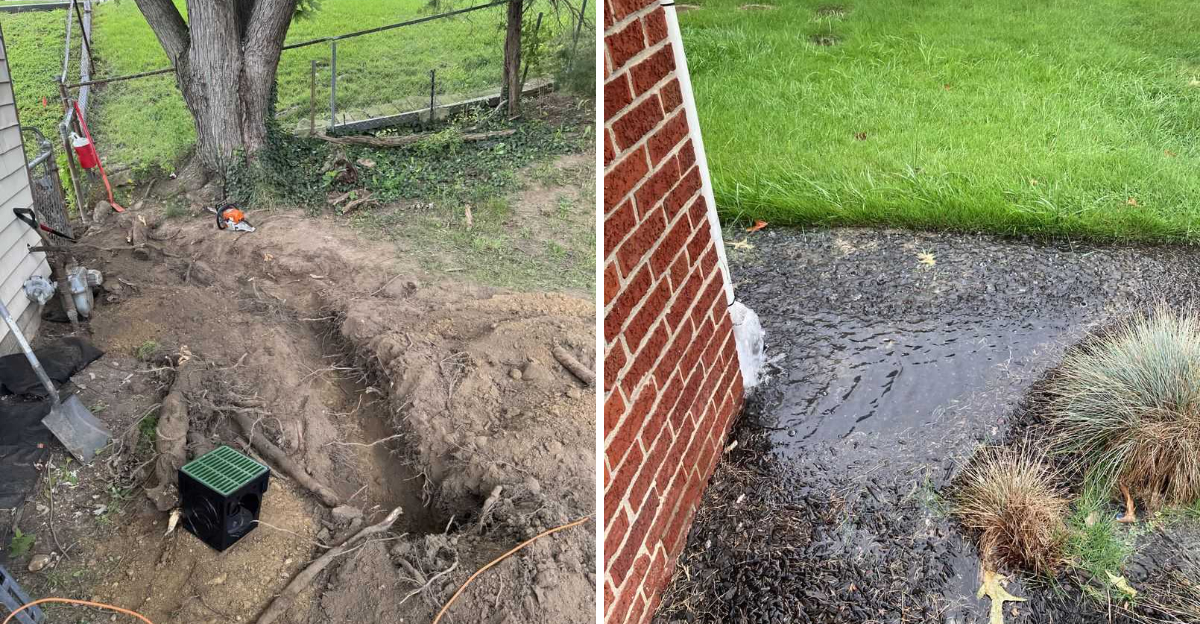
After a Florida downpour, you step into your yard expecting soggy grass. Instead, you find ankle-deep puddles that refuse to drain, mud creeping toward your patio, and water collecting right along your property line.
Your first thought probably isn’t about drainage law. It is about that massive oak or palm tree next door that keeps growing closer every year.
What starts as a small nuisance can quickly turn into stained foundations, withered grass, mosquito breeding grounds, and repair bills nobody planned for. Many homeowners assume the neighbor with the tree automatically carries the responsibility.
In Florida, it rarely works that way. Drainage disputes are more common than most people realize, especially in neighborhoods with mature trees and heavy summer rain.
Knowing how responsibility is determined can protect your property and your wallet. It can also help you avoid turning a neighbor disagreement into a legal headache.
That “little water problem” in your yard could become a major headache faster than you think.
How Drainage Problems Usually Start
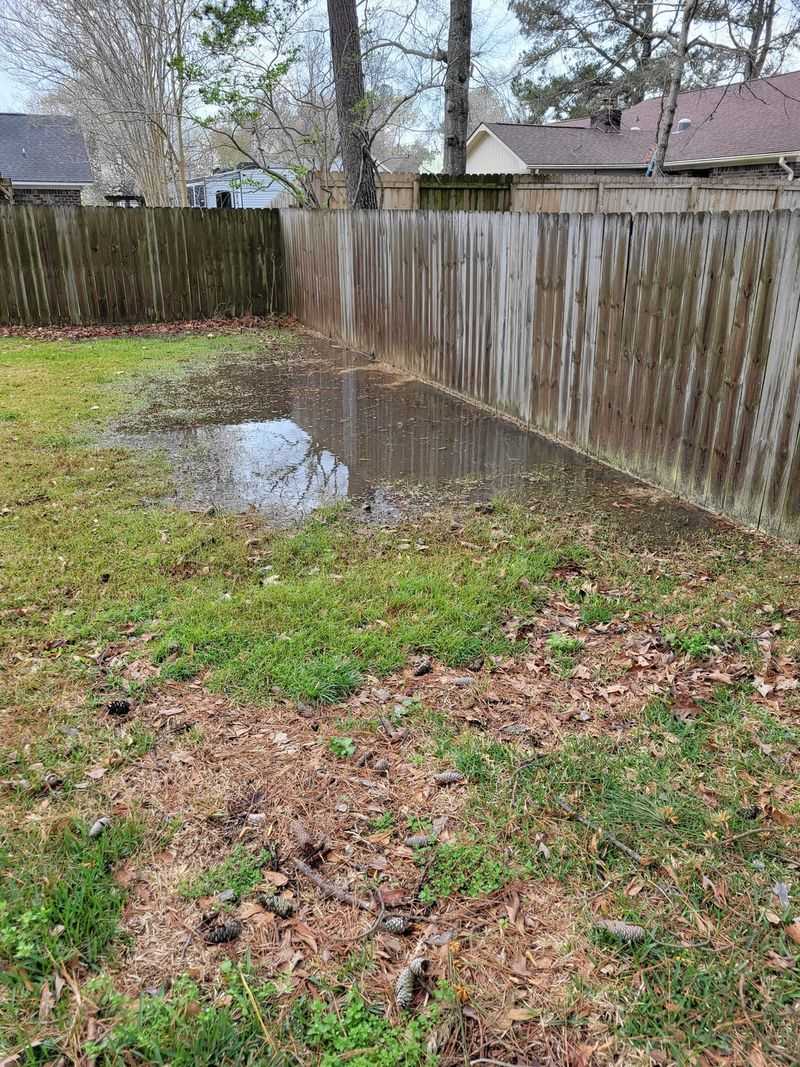
Most drainage problems do not appear overnight. They usually begin slowly as tree roots spread underground, pipes clog, soil shifts, or water flow patterns change over time.
Florida’s frequent heavy rains simply make these hidden issues visible.
Tree roots naturally grow toward moisture. Drainage pipes, French drains, septic lines, and underground culverts attract roots because they provide a consistent water source.
Over time, roots can enter tiny pipe cracks or joints and expand, creating blockages that slow or completely stop water movement. When this happens, stormwater may back up into yards, create standing water, or flow in new directions that were never intended in the original drainage design.
In many neighborhoods, drainage systems were designed decades ago for smaller homes and lighter landscaping. As properties are renovated and trees mature, these systems often become overwhelmed.
What worked ten years ago may no longer handle today’s runoff patterns.
Florida generally follows a modified “common enemy” doctrine for surface water. In simple terms, rainwater is treated as a shared problem that property owners may protect themselves against.
You generally have the right to manage water on your own land, including installing drains, grading soil, or improving runoff flow.
However, this right is not unlimited. You cannot intentionally or negligently redirect large amounts of water onto a neighbor’s property or create new drainage problems that did not exist before.
Courts focus heavily on whether actions were reasonable and whether someone altered natural drainage patterns in a way that caused harm.
This balance between self-protection and neighbor impact is the foundation of most drainage disputes in Florida.
When Your Neighbor Is Responsible And When You Are
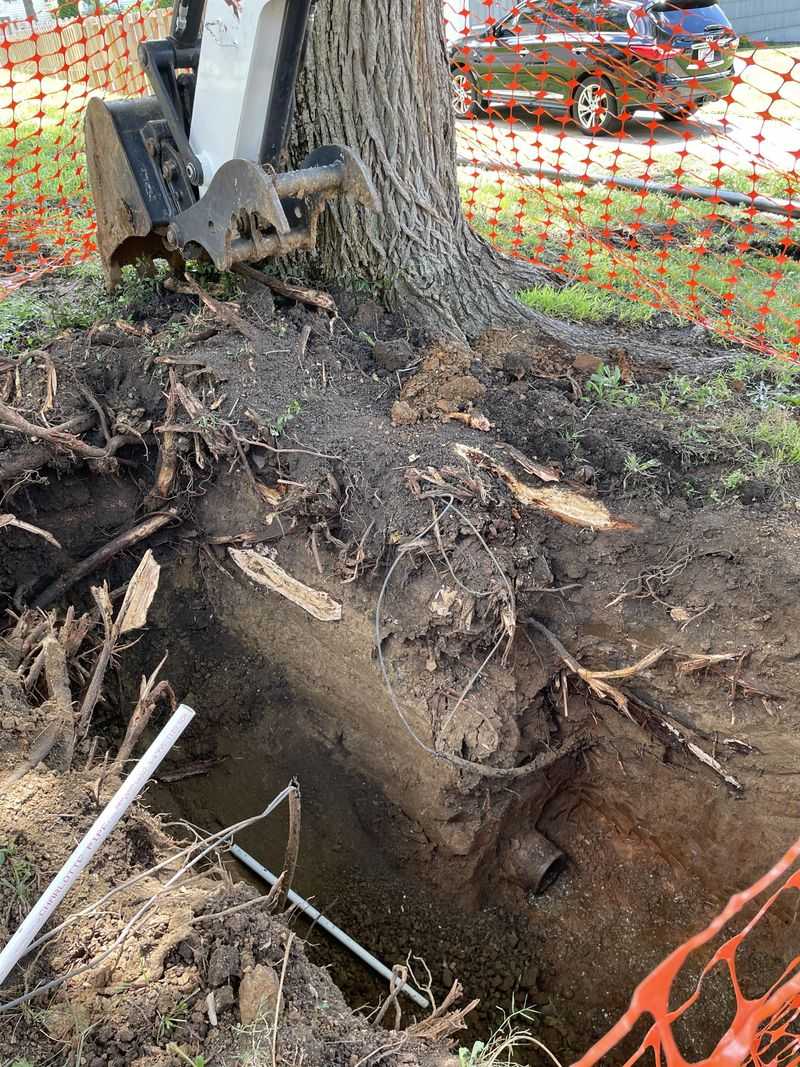
Responsibility depends on conduct, not simply tree ownership.
A neighbor may be responsible if their actions created or worsened the problem. This can include planting trees too close to known drainage infrastructure, ignoring repeated warnings that roots are damaging pipes, failing to maintain vegetation that blocks drainage channels, or violating local ordinances by allowing trees to obstruct drainage easements.
When a property owner knows their tree is causing damage and fails to take reasonable steps to correct it, courts may view this behavior as negligence or nuisance. In these situations, liability often shifts toward the tree owner because they had notice of the problem and an opportunity to fix it.
At the same time, Florida law places responsibility on property owners to maintain their own drainage systems. If your yard floods because gutters were clogged, drains were never cleaned, catch basins were ignored, or landscaping blocked natural water flow, the problem may fall on you — even if your neighbor’s tree contributes slightly.
Many disputes involve shared responsibility. For example, a homeowner may alter grading or install patios, retaining walls, or raised garden beds that interfere with original drainage patterns.
Nearby tree roots may then worsen the blockage. In these situations, courts examine who changed conditions first and whether either party violated building codes, stormwater rules, or permit requirements.
The key question is not simply “whose tree is it?” but rather “who created or failed to correct the condition that caused damage?”
Easements, HOAs, And City Rules That Change Everything
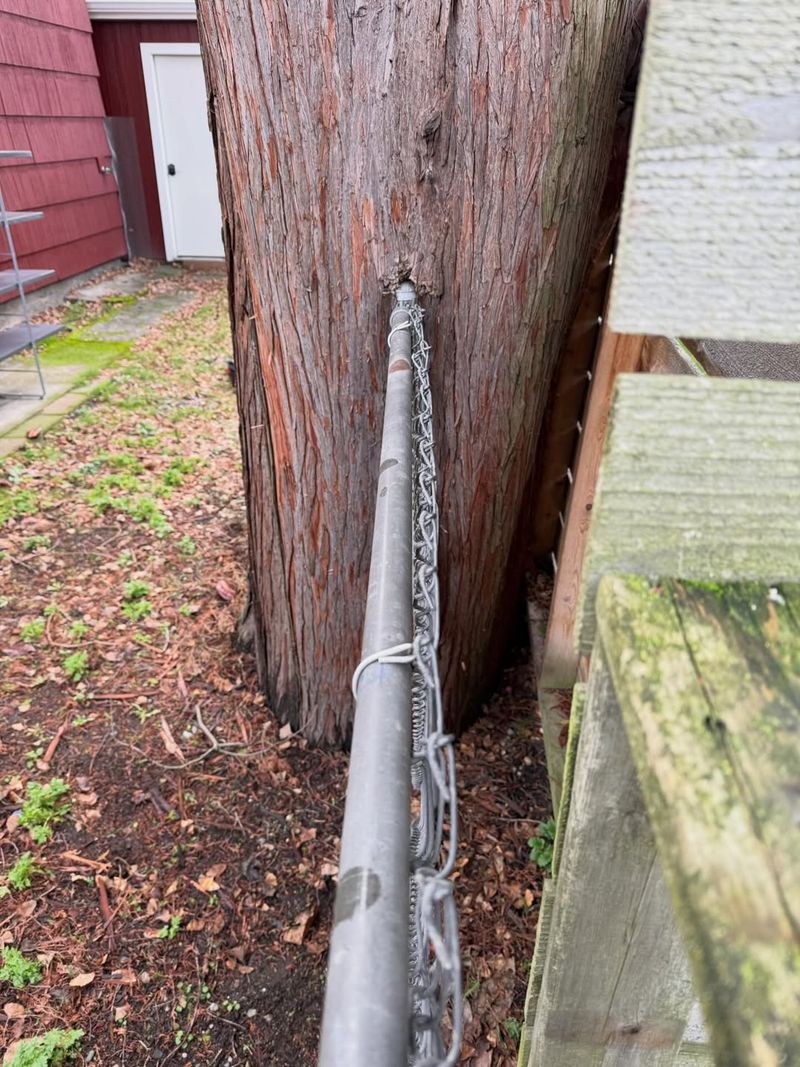
Drainage disputes often involve rules that homeowners overlook.
Many Florida properties include drainage easements — narrow strips of land reserved for stormwater flow or utility access. Even though you may technically own the land, you cannot block water movement or plant trees that interfere with drainage within these easements.
Structures, fences, and landscaping placed in easement areas can create legal violations.
If roots growing from a neighbor’s tree obstruct pipes located in an easement, responsibility may still fall on the tree owner depending on easement restrictions and local codes. Easement rules often override private property assumptions.
Homeowner associations add another layer of authority. Many HOAs control landscaping standards, tree placement rules, and maintenance of shared drainage infrastructure.
If a neighbor violates HOA landscaping guidelines and causes drainage issues, the association may require corrective action without the need for private legal disputes. In some communities, HOAs can fine property owners or require removal of noncompliant trees.
Local governments also regulate stormwater management. Blocking roadside swales, damaging public drainage systems, altering grading without permits, or allowing vegetation to obstruct runoff paths can result in code enforcement citations and mandatory repairs.
In flood-prone Florida communities, stormwater violations are treated seriously because they affect public safety and emergency response access.
Before confronting a neighbor, it is often helpful to check your property survey, HOA rules, and local stormwater ordinances. These documents frequently determine responsibility more clearly than personal opinions.
What To Do When The Problem Starts

When you first notice standing water or drainage changes, act quickly and methodically.
Start by documenting the issue. Take photos and videos after rainfall, record dates, note how long water remains, and track whether the problem is getting worse over time.
If possible, photograph visible root intrusion, exposed pipes, or blocked drainage areas. This documentation becomes critical if the dispute escalates or if insurance or city inspections become involved.
Next, consider speaking with your neighbor calmly and respectfully. Many homeowners are unaware their trees or landscaping are causing problems.
Approaching the situation as a shared concern rather than an accusation often leads to faster and cheaper solutions.
If the issue persists, hire a qualified drainage or plumbing professional to inspect the system. Camera inspections can identify root intrusion, collapsed pipes, broken connections, or blocked drains.
A written report provides objective evidence and helps determine the true source of the problem.
You can also contact your local public works or code enforcement department if public drainage systems or swales appear affected. Some municipalities offer site inspections that clarify whether violations exist and who is responsible for repairs.
The earlier you address drainage issues, the easier and less expensive they are to fix. Waiting often allows root systems and blockages to grow worse.
Legal Action As A Last Resort
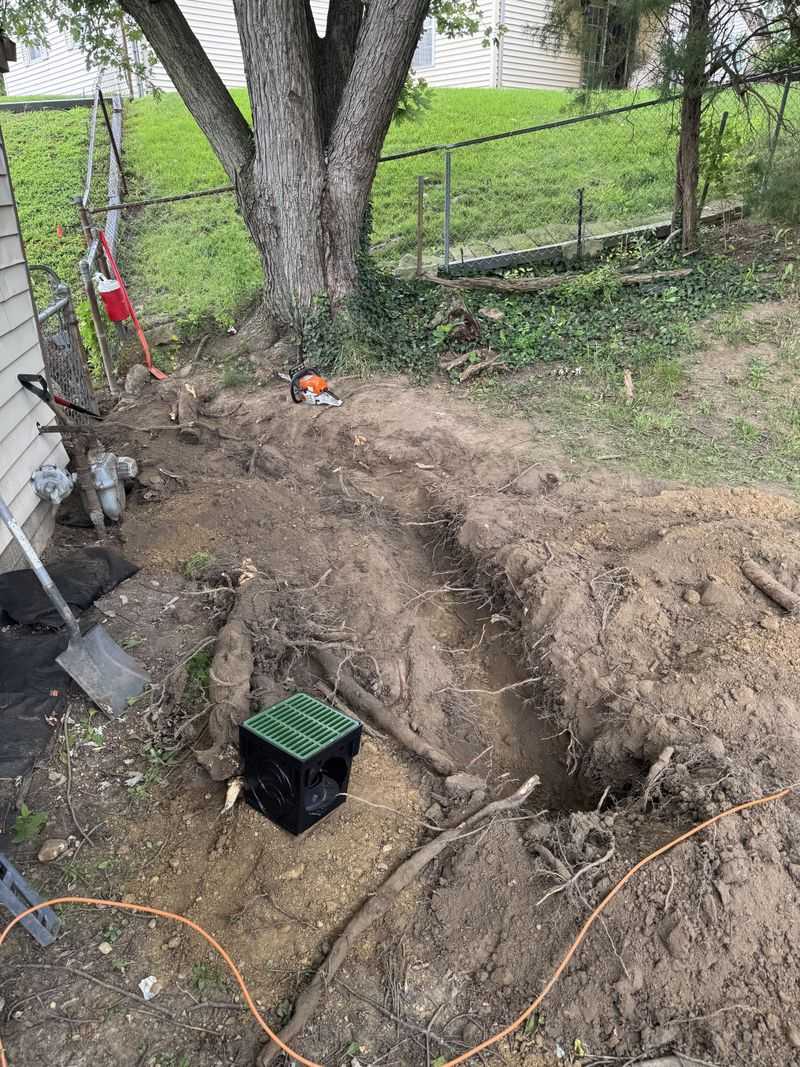
When friendly communication and professional assessments fail, legal action may become necessary, especially when flooding continues to damage landscaping, structures, or nearby foundations.
Although most drainage disputes never reach a courtroom, some situations involve ongoing water intrusion or neighbors who refuse to address known problems, leaving homeowners with limited options.
Florida drainage disputes are commonly handled under nuisance, negligence, or property damage claims. Nuisance cases focus on whether the drainage issue interferes with your normal use of your property.
Negligence claims examine whether a property owner failed to act reasonably after becoming aware of the problem. Smaller disputes may qualify for small claims court, which offers a faster and more affordable process that often does not require attorneys.
Larger disputes involving repeated flooding, erosion damage, or expensive repairs usually require civil court filings and professional legal representation.
Before filing a lawsuit, consult a Florida attorney who handles property disputes. An initial consultation can help you evaluate evidence, estimate potential costs, and understand whether settlement discussions or formal demand letters could resolve the issue without trial.
It is also important to remember that even if you win a case, collecting payment is not guaranteed. Legal proceedings take time, energy, and money, which is why lawsuits should remain a last resort when all reasonable solutions have failed and damages are substantial.
How To Prevent Drainage Problems Before They Start
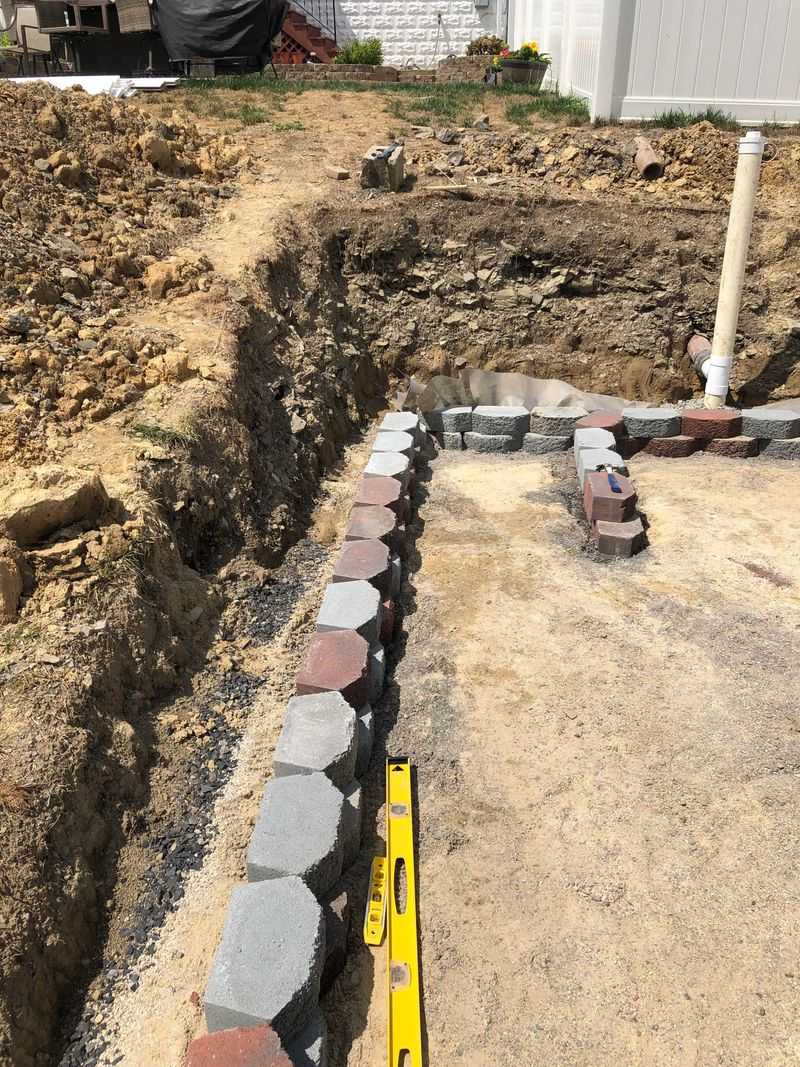
Prevention is the best strategy for Florida homeowners.
When purchasing property, look for signs of poor drainage such as persistent wet areas, erosion marks, water stains on foundations, mold smells, or large trees near property lines and drainage features.
Ask sellers about past flooding issues and request documentation of previous drainage work or repairs.
Once you own the property, maintain gutters, swales, drains, and catch basins regularly. Avoid altering grading without professional guidance, and review easements before planting trees or installing landscaping features.
Keep vegetation trimmed around drainage areas to prevent blockages.
Building positive relationships with neighbors also helps. Open communication makes it easier to address small drainage concerns before they turn into expensive legal disputes.
Florida’s climate makes drainage management unavoidable. With proper maintenance, awareness of local rules, and early action, most neighbor-related drainage problems can be resolved without conflict, major repairs, or court involvement.