Who Is Responsible When A Neighbor’s Tree Drops Fruit Into Your Yard In Florida
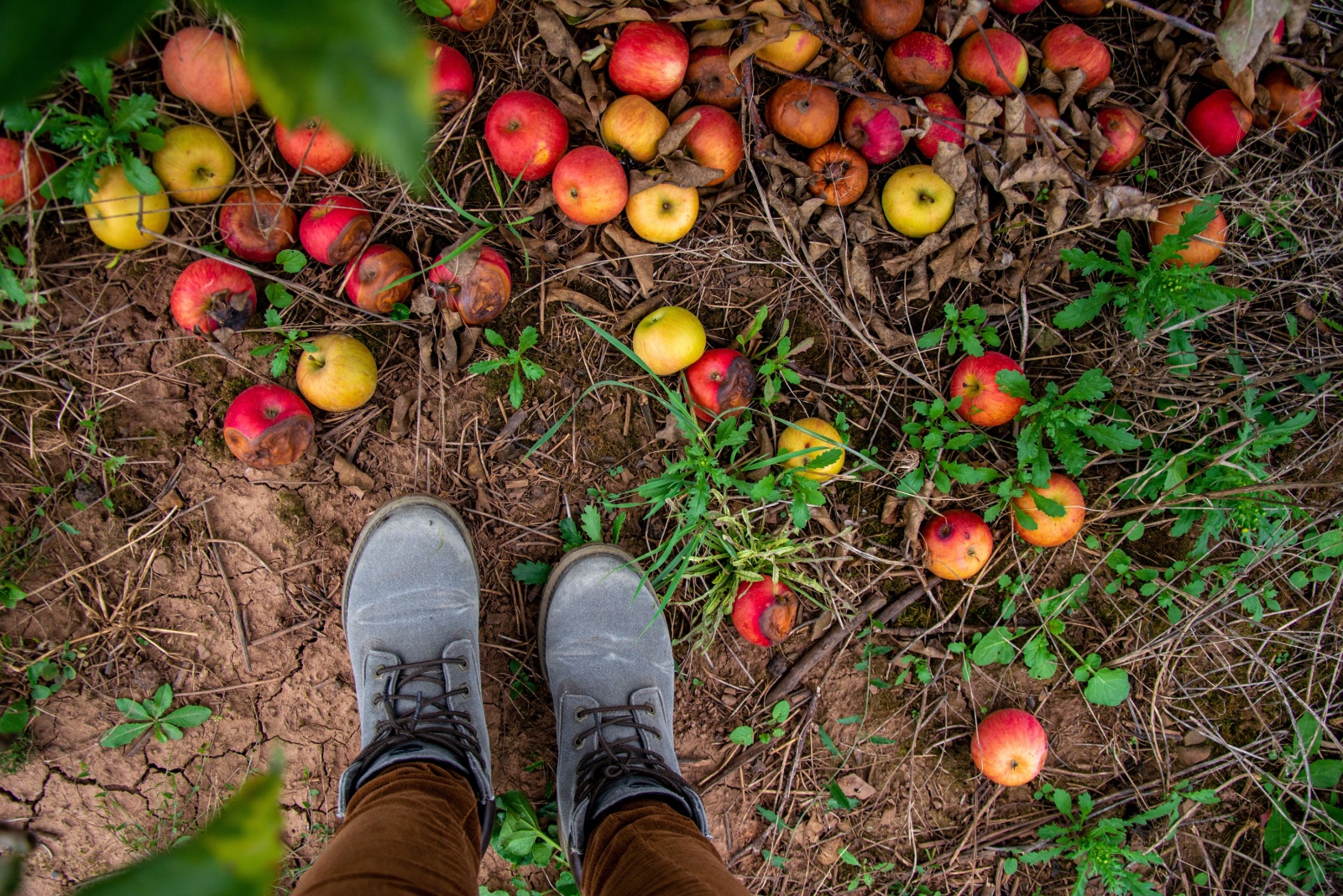
Sunshine, sea breezes, and backyard fruit trees make Florida feel like paradise, yet paradise can turn into a sticky wicket when a neighbor’s mangoes or oranges start raining down on your lawn.
One day it is a few sweet treats, the next it is a slippery mess that has you shaking your head and wondering where the buck stops.
Are you stuck playing clean up crew, or does the responsibility fall back across the fence?
Like many good neighborly puzzles, this one sits at the crossroads of common sense and state law, where old sayings like good fences make good neighbors and every cloud has a silver lining both seem to apply.
In the land of palm trees and property lines, fallen fruit is more than just a snack, it is a legal hot potato that can spark debates, bruised egos, and even backyard cold wars.
Before you cry foul or start tossing oranges back like a game of catch, it pays to know how Florida draws the line, who owns what hits the ground, and how you can keep the peace while protecting your patch of the Sunshine State.
1. Understanding Property Lines In Florida

Property lines mark the official boundary between your land and your neighbor’s land.
A property line defines where one person’s real estate ends and another’s begins and is crucial for resolving disputes about trees, roots, and branches that may grow or spread across boundaries.
Property lines and encroachments determine what you may legally trim or control when vegetation from a neighbor’s yard extends into your space.
Most property surveys clearly show where one yard ends and another begins.
Sometimes a fence marks this boundary, but not always.
Trees planted near these lines can grow over time, spreading branches and roots into neighboring properties.
Florida common law on tree encroachments allows adjoining property owners to cut back any encroaching tree limbs or roots up to the property line at their own expense, as long as they remain on their own side and do not unlawfully enter the neighbor’s land.
Florida property law recognizes that property owners have certain rights and responsibilities on their side of the line.
If a tree’s trunk sits entirely on your neighbor’s property, they own the tree.
However, branches and roots do not always respect boundaries, and when parts of a tree extend over the line, things can become more complicated.
Knowing exactly where your property ends helps you understand what actions you can legally take.
Getting a current survey can clear up confusion about boundaries and prevent misunderstandings with neighbors about tree issues.
2. Why Trees Can Cross Property Boundaries
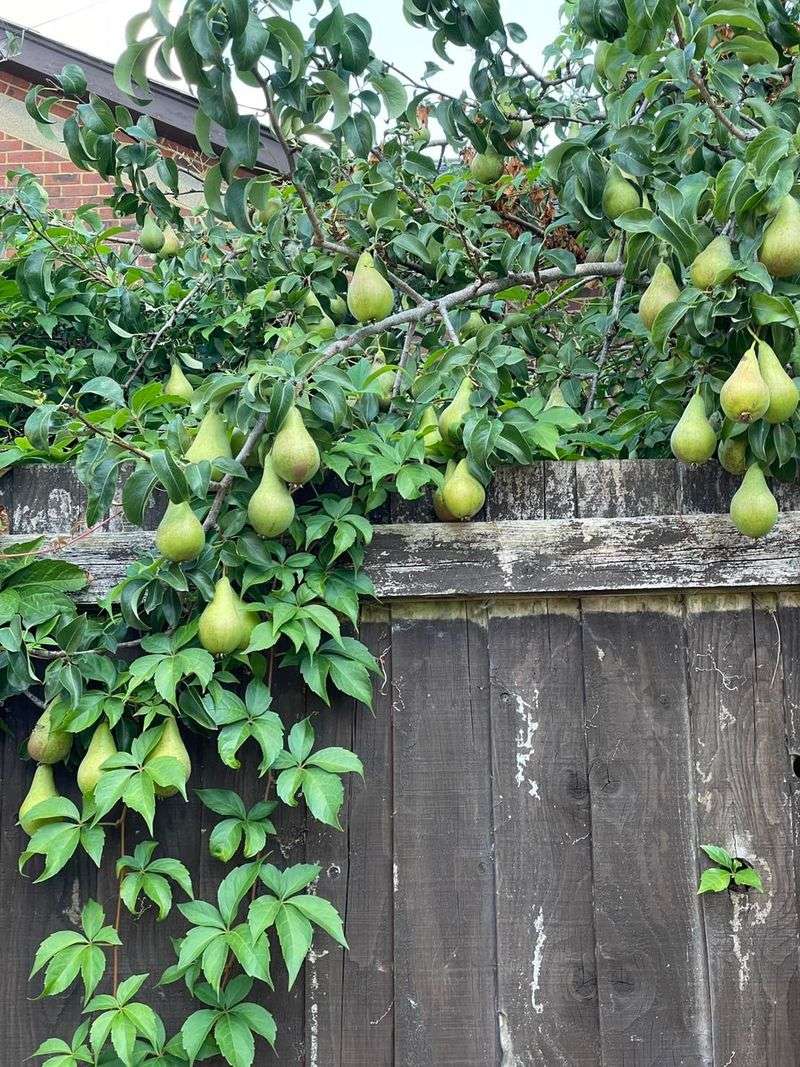
Trees grow naturally and don’t follow human rules about property ownership.
A tree planted years ago near a property line will eventually spread its canopy outward as it matures.
Branches reach toward sunlight, and roots search for water and nutrients underground.
Florida’s warm climate encourages vigorous growth in many tree species.
Citrus trees, mangoes, avocados, and other fruit bearing varieties thrive here and can develop wide canopies.
What started as a small sapling can become a large tree with branches extending fifteen or twenty feet beyond its trunk.
Root systems also spread extensively, often reaching far beyond the visible canopy above.
These underground networks can cross property lines just as easily as branches.
Weather events like storms and hurricanes can cause trees to lean or shift, pushing more growth into neighboring yards.
Nobody can really control how a tree grows once it’s planted.
This natural expansion is why neighbor disputes about trees are so common throughout Florida communities.
3. Who Owns The Fruit That Falls
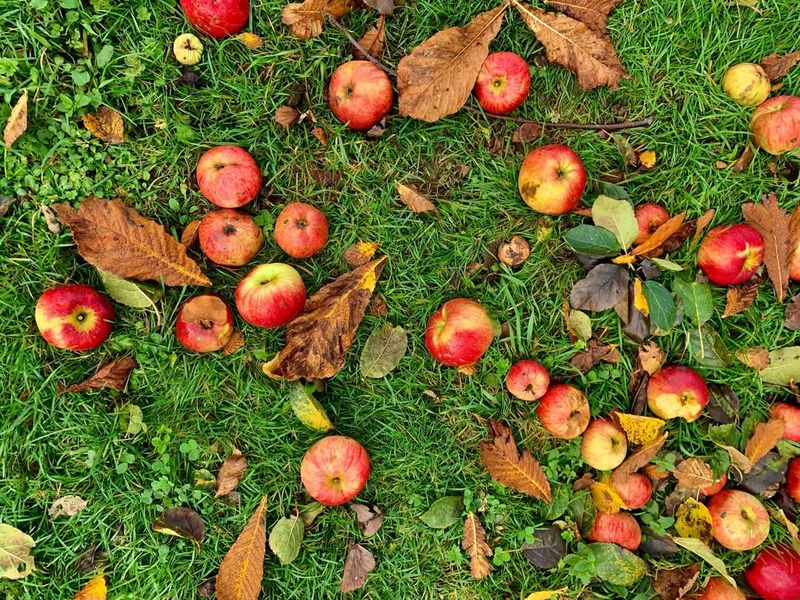
Under Florida tree encroachment law, fruit that falls naturally onto a neighboring property is often treated as belonging to the land where it lands, but Florida statutes do not clearly define ownership of fallen fruit.
Because local ordinances and legal interpretations can vary, many attorneys recommend handling fallen fruit through neighbor agreement rather than assumption of ownership.
This principle applies whether you want the fruit or not.
Your neighbor doesn’t have the automatic right to come into your yard and collect fruit that has fallen there.
They would need your permission to enter your property for any reason, including fruit collection.
However, fruit still hanging on branches belongs to the tree owner, even if those branches hang over your property.
You cannot legally pick fruit from overhanging branches without permission.
The key distinction is where the fruit physically rests when you take possession of it.
This ownership rule might seem strange, but it follows basic property principles.
Whatever lands on your property generally becomes yours to deal with.
Many neighbors work out friendly arrangements about sharing fruit or handling cleanup that work better than strict legal rules.
4. What Homeowners Are Usually Allowed To Do
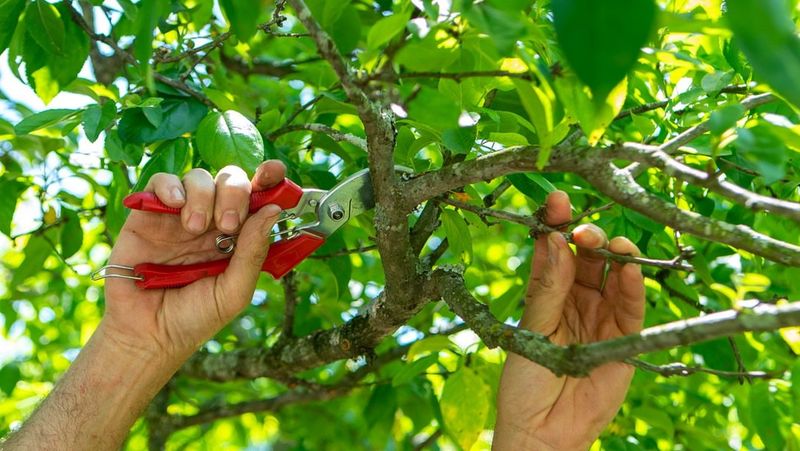
Florida law gives property owners certain rights when dealing with trees that encroach from neighboring properties.
You can trim branches that hang over your property line, cutting them back to the boundary.
This right exists even without asking your neighbor first.
You can also remove roots that have crossed into your property if they’re causing problems.
Many homeowners exercise these rights when roots damage driveways, foundations, or underground pipes.
The law recognizes your right to protect your property from damage.
When trimming, you must stay on your side of the property line.
You cannot go onto your neighbor’s property to cut their tree, and you cannot cut so aggressively that you harm the overall health of the tree.
Reasonable trimming for your own protection is allowed.
You’re also free to clean up any fruit, leaves, or debris that falls into your yard.
You can dispose of it, compost it, or use it however you wish.
These rights help homeowners maintain their properties without needing constant permission from neighbors for routine maintenance.
5. What Typically Requires Neighbor Permission
While you have certain rights, there are clear limits to what you can do without your neighbor’s consent.
You cannot cut down a tree that belongs to your neighbor, even if branches hang into your yard.
The tree itself remains their property.
You should not trim branches so severely that you damage the tree’s health or stability.
Excessive cutting that harms the tree could make you liable for damages.
If you’re unsure how much trimming is safe, consulting with a tree professional helps avoid problems.
Entering your neighbor’s property without permission to deal with their tree is trespassing.
Even if you think you’re helping by cleaning up fruit on their side, you need their okay first.
Applying chemicals or treatments to branches hanging over your property could also create liability if it harms the tree.
Picking fruit that’s still attached to branches, even when those branches are over your property, requires the owner’s permission.
The fruit belongs to them until it naturally falls.
Building these permissions into friendly conversations prevents legal complications and maintains good neighbor relationships.
6. How Florida Law Looks At Tree Related Disputes
Florida courts generally view tree disputes as civil matters between neighbors.
The law tries to balance property rights with the reality that trees are living things that naturally grow and spread.
Courts prefer that neighbors resolve these issues without litigation.
Legal precedent in Florida establishes that tree owners are typically not responsible for normal nuisances like falling fruit, leaves, or seeds.
These are considered natural consequences of living near vegetation.
However, if a tree poses a genuine hazard or causes actual property damage, different rules may apply.
If a neighbor’s tree causes damage to your property, such as roots breaking your sewer line or branches damaging your roof during a storm, you may have grounds for a claim.
You would generally need to show that the tree owner knew or should have known about the hazard and failed to address it.
Documentation becomes important if disputes escalate.
Photos, written communications, and records of damage help establish facts.
Most situations never reach court because the costs and stress encourage neighbors to find reasonable compromises instead.
7. Common Situations With Overhanging Fruit Trees

Several typical scenarios come up repeatedly with fruit trees in Florida neighborhoods.
One common situation involves citrus trees dropping large amounts of fruit during harvest season.
The fruit attracts insects, creates mess, and requires frequent cleanup for the neighbor receiving it.
Another frequent issue occurs when falling fruit stains driveways, patios, or pool decks.
Mangoes and other soft fruits can leave marks that are difficult to remove.
Some homeowners worry about slipping hazards when rotting fruit accumulates.
Wildlife attraction is another concern.
Fallen fruit brings raccoons, possums, rats, and other animals into yards.
These visitors can create additional problems beyond just the fruit itself.
Some neighbors worry about bees and wasps attracted to fermenting fruit.
Maintenance burden is a real issue when you’re constantly cleaning up fruit you didn’t plant and don’t want.
During peak season, this can mean daily yard work.
Some people feel frustrated spending time and effort on a problem they didn’t create, especially when the tree owner enjoys the benefits without the cleanup responsibilities.
8. How To Talk With A Neighbor About The Issue
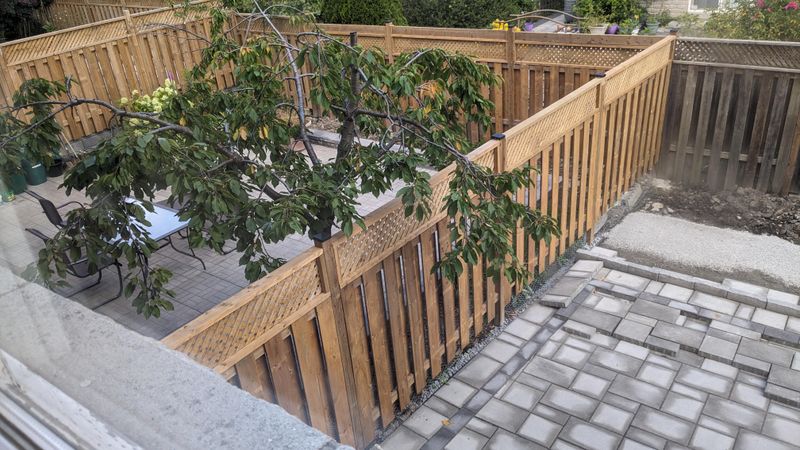
Approaching your neighbor with respect and friendliness gives you the best chance of resolving fruit tree issues peacefully.
Start the conversation assuming good intentions.
Many tree owners simply haven’t realized how much their tree affects your property.
Choose a calm moment to talk, not right after you’ve spent an hour cleaning up fruit.
Explain the specific problems you’re experiencing without blaming or demanding.
Use phrases like “I’ve noticed” rather than “You’re causing.” Most people respond better to friendly requests than accusations.
Suggest practical solutions that might work for both of you.
Perhaps they could help with occasional cleanup, or you could share the fruit.
Maybe they’d be willing to prune the tree during the next trimming cycle.
Coming with ideas rather than just complaints shows you’re interested in solving the problem together.
Listen to their perspective too.
They might have concerns about trimming costs or worry about harming a tree they love.
Finding middle ground often requires understanding what matters to each person.
Document your conversation in a friendly follow up message to confirm what you discussed and agreed upon.