Who Pays When An Oregon Tree Falls On A Neighbor’s Car During A Storm
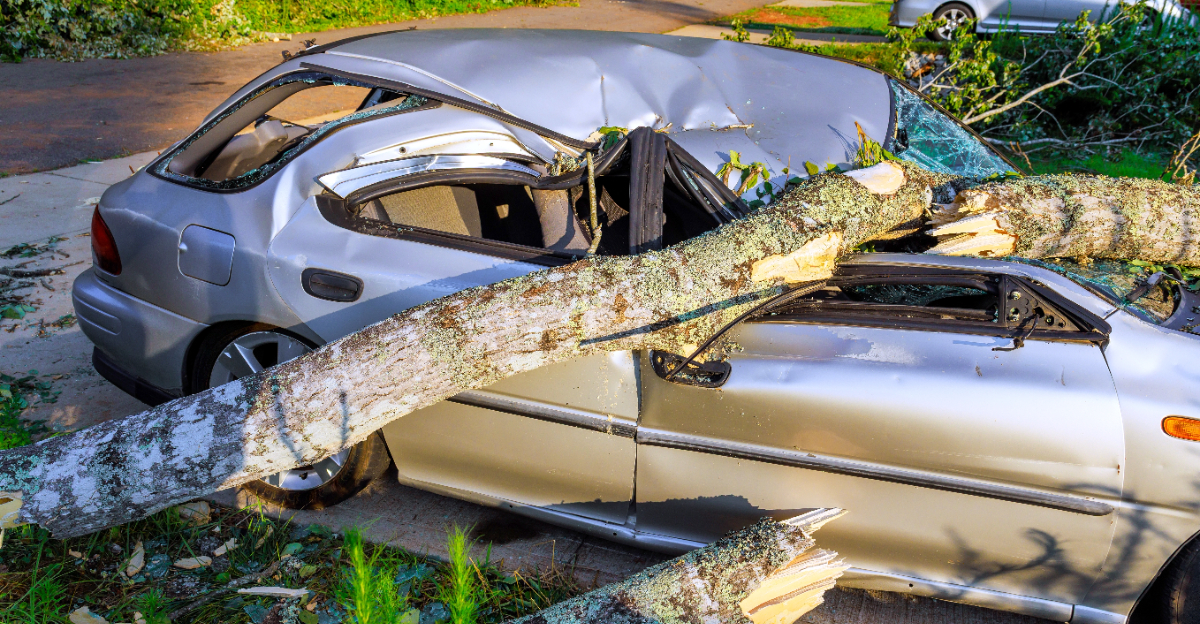
A storm can turn a quiet Oregon street into a cleanup puzzle fast. One loud crack, one fallen tree, and suddenly two neighbors are staring at a damaged car and wondering who is supposed to pay.
The answer is not always as simple as “the tree owner pays.” Insurance, tree health, warning signs, and basic care can all matter once the branches are on the ground. That is where confusion usually starts.
A healthy tree brought down by wild weather may be treated very differently than one that had obvious problems for months.
Still, most people do not think about those details until the damage is already done.
Knowing how responsibility usually works can save stress, awkward conversations, and costly mistakes after a storm.
Before blame starts flying across the fence, it helps to understand what really matters.
1. Storm Damage Is Usually Treated As An Accident
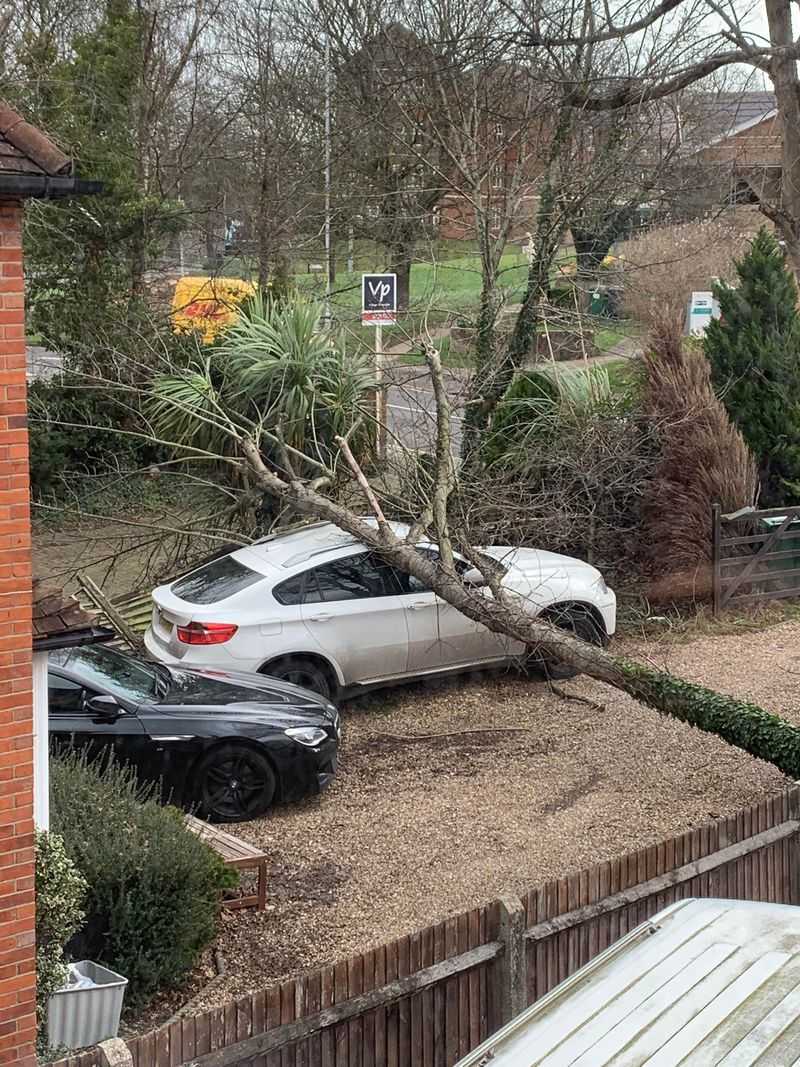
Most people assume someone must be at fault when a tree crushes a car during a storm. That is a natural reaction, but insurance companies and courts often see it differently.
When a storm causes a tree to fall, it is usually considered an act of nature.
Acts of nature are events that happen outside of anyone’s control. High winds, heavy rain, and lightning are all examples.
Because no one caused the storm, no one is automatically blamed for what it destroys.
In this state, storm damage is generally treated the same way across most counties and cities. Insurance adjusters are trained to look at the cause of the damage first.
If a storm started the chain of events, the claim process follows a specific path.
That path usually starts with the car owner’s own insurance policy. It does not automatically start with the tree owner’s insurance.
This surprises a lot of people who expect the neighbor to pay right away.
Knowing this upfront can help you stay calm after a storm. Instead of arguing with your neighbor, you can contact your insurance company first.
They will guide you through the next steps and explain what your policy covers. Being prepared and informed makes the whole process much smoother and less stressful for everyone involved on both sides of the fence.
2. The Car Owner’s Comprehensive Coverage Usually Pays
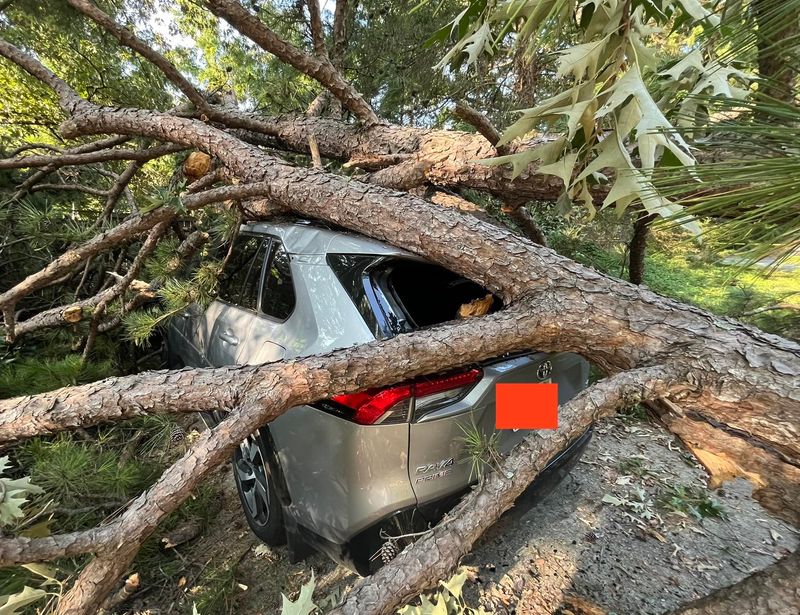
Comprehensive auto insurance is the type of coverage that handles damage not caused by a car crash. That includes falling trees, hail, floods, and fire.
If you have this coverage, you are in a much better position after a storm knocks a tree onto your vehicle.
When a tree falls on your car during a storm, your comprehensive coverage typically kicks in first. You file a claim with your own auto insurance company.
They assess the damage and help cover the repair or replacement cost.
You will likely need to pay your deductible before the insurance covers the rest. Deductibles vary by policy, so check yours ahead of time.
Some people have a $250 deductible, while others have $1,000 or more.
One thing many drivers do not realize is that comprehensive coverage is optional in most states. If you only carry liability insurance, you may have no coverage at all for this type of damage.
Your Oregon Garden Changes Every Week. Your Plan Should Too.
Gardening in Oregon changes quickly throughout the season. Every Friday you’ll receive a simple weekly plan showing exactly what to plant, prune, fertilize, harvest, and protect so you never miss the right timing.
That could leave you paying out of pocket for repairs.
Adding comprehensive coverage to your policy is usually affordable. For most drivers, the monthly cost increase is small compared to the potential repair bills.
A single storm event can easily cause thousands of dollars in damage to a vehicle. Checking your current policy and upgrading if needed is a smart move, especially if you live in an area with tall trees or frequent storms during certain seasons of the year.
3. Liability Coverage Alone Usually Won’t Help The Driver
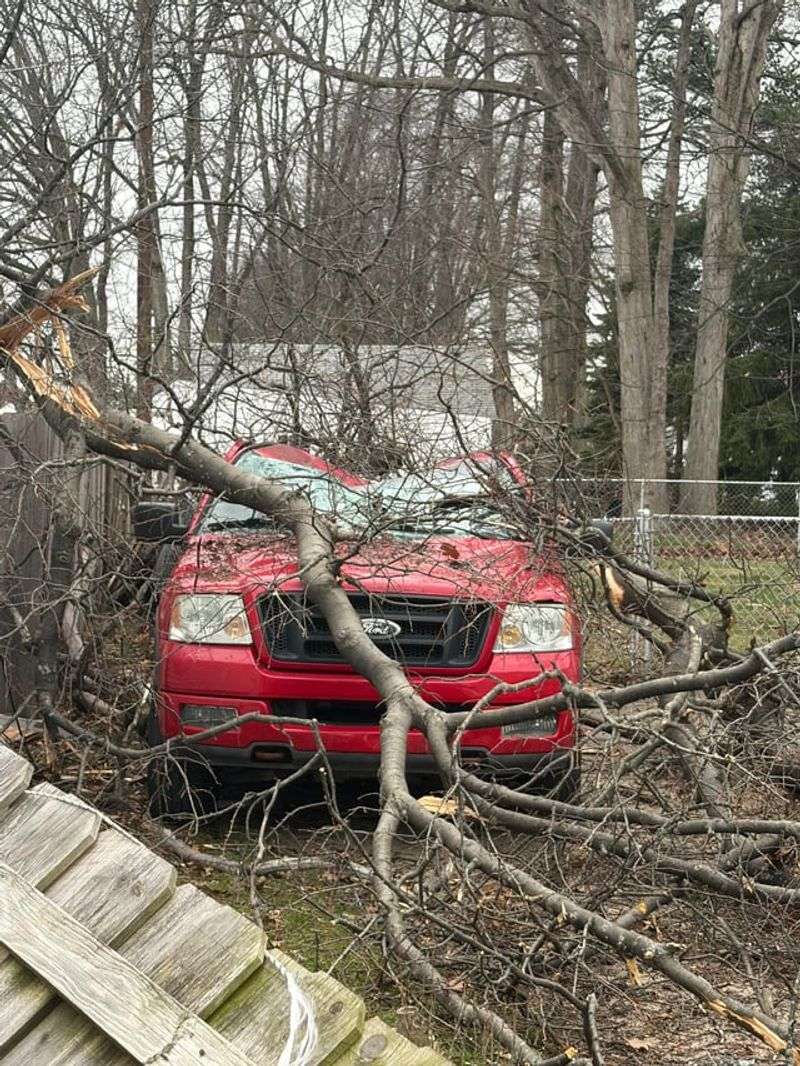
Liability insurance is designed to protect you when you cause damage to someone else. It pays for the other person’s injuries or property damage in an accident you caused.
But a falling tree during a storm is not an accident you caused.
Because of that, your liability coverage will not pay to fix your own car. Liability only flows outward, meaning it covers damage you do to others.
It does not cover damage done to you or your property.
Many drivers carry only the minimum required coverage, which in most states is just liability. If that is your situation, a fallen tree could leave you with a big repair bill and no insurance help.
That is a tough spot to be in after an already stressful event.
Some people mistakenly believe their neighbor’s liability insurance will cover their car. That would only apply if the neighbor was somehow negligent.
Without proven negligence, the neighbor’s liability policy is unlikely to pay anything.
The clearest takeaway here is to review your auto insurance policy before storm season arrives. Knowing what you have and what you lack gives you time to make changes.
Calling your agent and asking about adding comprehensive coverage takes only a few minutes.
That small conversation could protect you from hundreds or even thousands of dollars in unexpected costs down the road when a storm hits your street without warning.
4. The Tree Owner Is Not Automatically Responsible
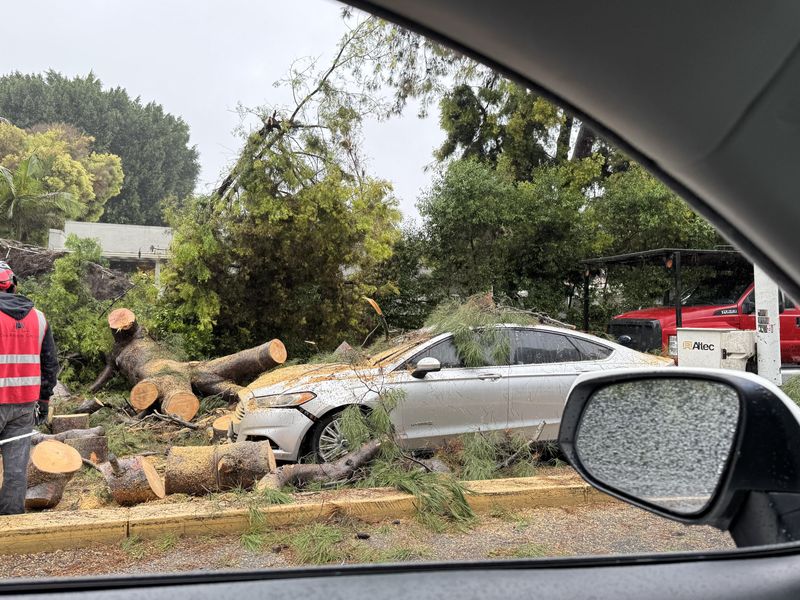
Many people believe that if a tree belongs to you, you are responsible for anything it does. That seems logical on the surface, but property law does not always work that way.
Ownership of a tree does not automatically mean liability for its actions during a storm.
Legal responsibility usually requires proof of negligence. Negligence means someone failed to act reasonably and that failure caused harm.
Simply owning a tree that falls in a storm is generally not considered negligence on its own.
Courts in this state and across the country have consistently held that property owners are not liable for storm damage caused by otherwise healthy trees. The reasoning is straightforward.
You cannot predict or prevent a storm, and a healthy tree falling is not a foreseeable event you should have stopped.
That said, there are exceptions to this general rule. If the tree was visibly rotting, leaning dangerously, or had been flagged as a hazard, the situation changes significantly.
We will cover that in more detail in a later section of this article.
For now, the key point is this: do not assume your neighbor owes you money just because their tree fell on your car. The law requires more than just ownership to assign blame.
Understanding this can help you approach the situation calmly and avoid damaging a neighborly relationship over something that may not be anyone’s legal fault at all.
5. A Healthy Tree Falling In A Storm Is Usually Not Negligence
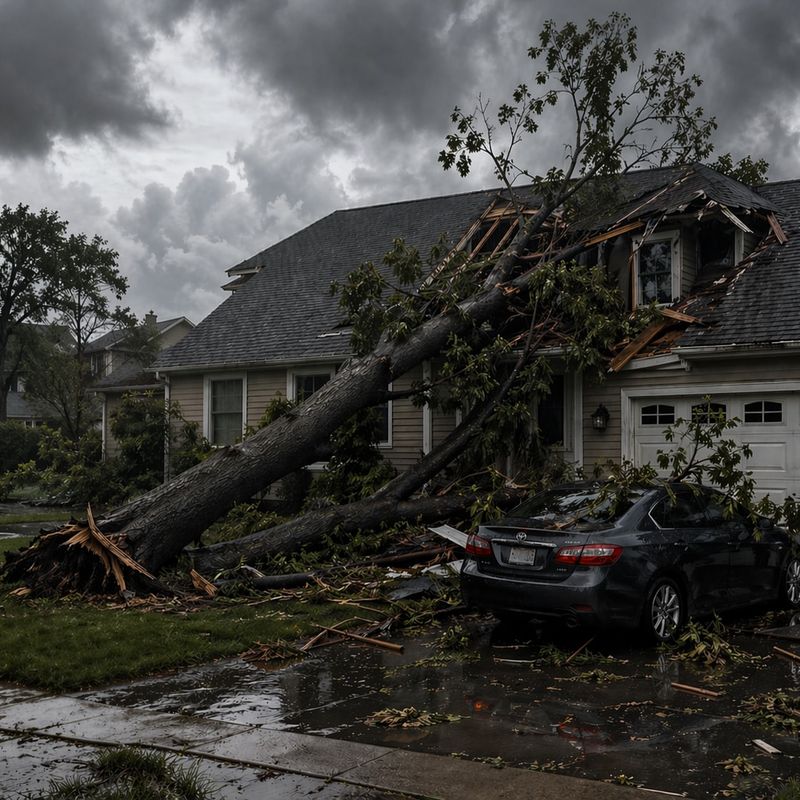
Not every fallen tree is a sign of carelessness. Sometimes a perfectly healthy, well-maintained tree simply cannot stand up to extreme wind or a lightning strike.
When that happens, most legal systems do not assign blame to the tree’s owner.
To prove negligence, you generally need to show four things: a duty of care, a breach of that duty, a direct connection to the harm, and actual damages. A healthy tree falling in a storm usually fails the second test.
The owner did not breach any duty by having a healthy tree on their property.
Think of it this way: if you park your car outside and a strong gust sends a neighbor’s healthy oak crashing down on it, that is an unfortunate accident.
It is not something the neighbor could have reasonably prevented. Courts tend to agree with that reasoning.
Weather events in this region can be powerful. Wind gusts during winter storms can exceed 60 miles per hour in some areas.
Even professionally maintained trees can come down under those conditions. No amount of care can fully storm-proof a tree.
This is why insurance exists in the first place. Comprehensive auto coverage is built for exactly these kinds of unpredictable situations.
Rather than pointing fingers at a neighbor whose healthy tree fell, the better move is to work through your own insurance company and let them handle the claim process efficiently and fairly for everyone.
6. A Damaged Or Dangerous Tree Can Change Everything
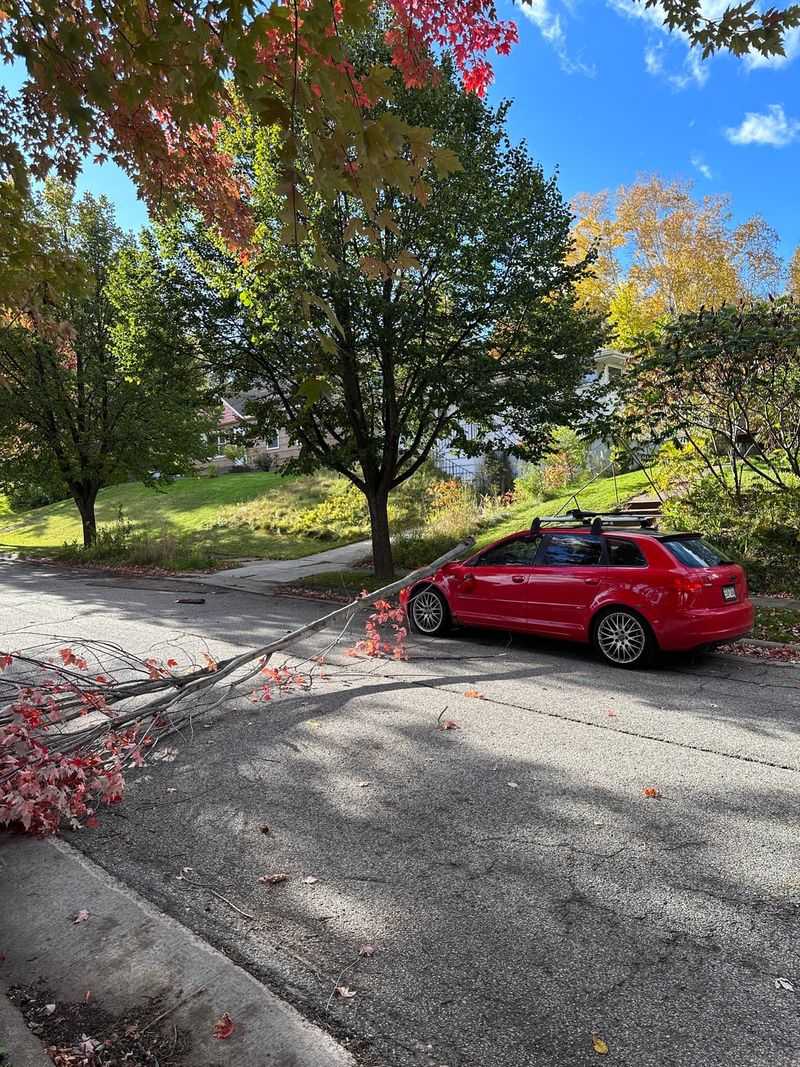
Here is where things get more serious. If a tree was already sick, rotting, or visibly leaning before the storm hit, the owner may have had a responsibility to deal with it.
Ignoring a known hazard is a different story than simply owning a healthy tree.
Property owners have a general duty to maintain their land in a reasonably safe condition. That includes trees that show clear signs of decay or structural weakness.
If a tree looked dangerous before the storm and the owner did nothing about it, negligence becomes a real possibility.
Signs of a dangerous tree include hollow trunks, large dead branches, visible fungal growth, cracks in the trunk, and severe leaning toward structures or vehicles. These are warning signs that a reasonable person should notice and act on.
If a neighbor’s visibly rotting tree falls on your car during a storm, you may have a stronger case for holding them responsible. Their homeowners insurance liability coverage could potentially come into play.
But you would need to demonstrate that they knew or should have known about the risk.
Documentation becomes extremely important in these cases. Photos of the tree taken before the storm can be powerful evidence.
Witness statements from neighbors who noticed the tree’s condition also carry weight.
The more you can show that the danger was visible and ignored, the stronger your case becomes when you pursue a claim or take the matter to court.
7. Written Warnings And Arborist Reports Matter
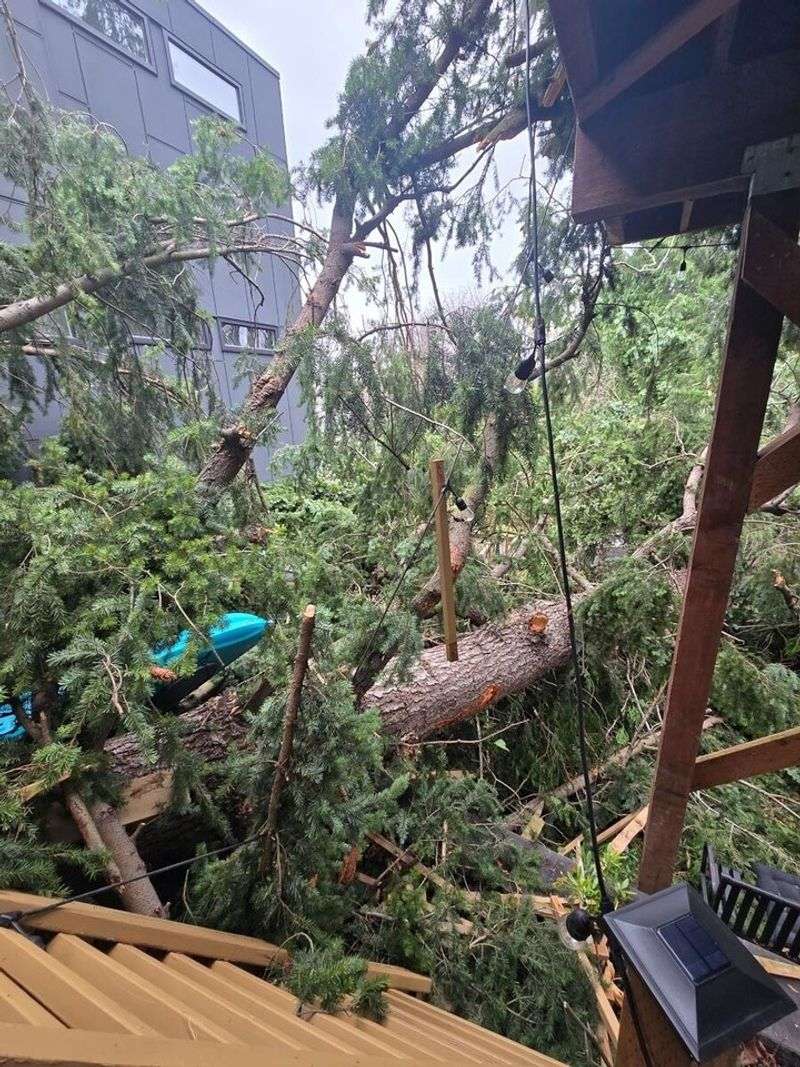
Sending a written warning to your neighbor about a dangerous tree might feel awkward, but it could be one of the smartest things you ever do.
If that tree later falls and causes damage, your warning becomes a key piece of evidence. It shows the owner was informed and still chose not to act.
An arborist is a certified tree care professional. They can inspect a tree, assess its health, and write a formal report about any risks they find.
That report carries significant weight in legal and insurance disputes.
If you are concerned about a tree on a neighbor’s property, you can hire an arborist yourself to do an inspection.
You can then share the written findings with your neighbor formally, ideally by sending a letter or email so there is a record. This creates a paper trail that documents your concern.
On the flip side, if you own trees and someone warns you about one, take it seriously. Getting your own arborist inspection and addressing the problem promptly protects you legally.
Acting on a warning shows good faith and reasonable care.
Written records and professional assessments can make or break a negligence claim. Insurance adjusters and attorneys both rely heavily on documentation when evaluating these cases.
A simple letter and a professional report can be the difference between winning and losing a dispute over thousands of dollars in vehicle damage.
Keep copies of everything you send and receive related to any tree concern on or near your property.
8. Homeowners Insurance May Get Involved If There Was Negligence
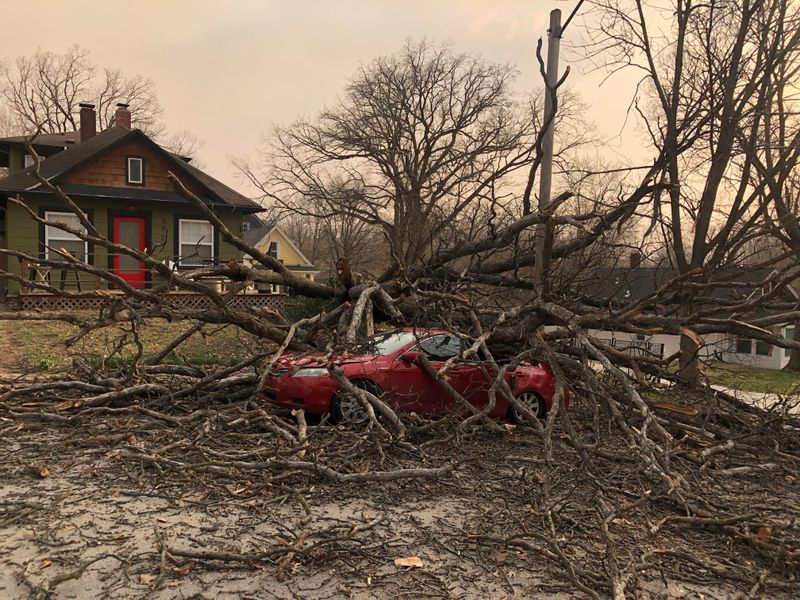
Homeowners insurance typically includes liability coverage. That coverage is meant to protect the homeowner if someone is injured or their property is damaged due to the homeowner’s negligence.
In tree damage cases, this can come into play under the right circumstances.
If a neighbor can prove that you knew your tree was dangerous and failed to act, your homeowners liability coverage may be responsible for covering their car damage.
This is the scenario where the tree owner’s insurance actually does pay for someone else’s vehicle.
The key word here is prove. The injured party needs solid evidence.
They need to show the tree was visibly hazardous, that you were aware of it, and that you had a reasonable opportunity to fix the problem before the storm.
Without that, the claim likely goes back to the car owner’s own insurance.
Insurance companies investigate these claims carefully. They will look at tree condition reports, maintenance records, prior complaints, and photos.
If evidence of negligence is found, the homeowner’s liability coverage typically kicks in to pay for damages.
Most standard homeowners policies include at least $100,000 in liability coverage, and many include more. That is often enough to cover vehicle repairs or even a total loss.
Reviewing your own homeowners policy to understand your liability limits is always a good idea.
Being underinsured in a negligence situation could leave you personally responsible for costs that exceed your policy’s coverage limits, which is a stressful and costly outcome.
9. Photos Before And After The Storm Can Help The Claim
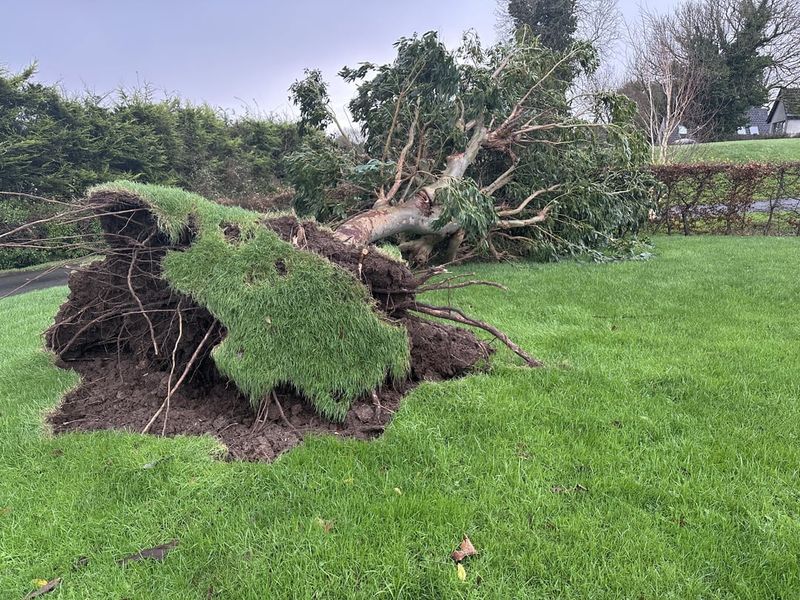
A picture really can be worth a thousand dollars in situations like these. Whether you are the car owner or the tree owner, having photos of the tree before and after the storm is incredibly valuable.
Visual evidence tells a story that words alone cannot always tell.
Before storm season arrives, walk around your property and photograph your trees. Pay close attention to any that look unhealthy, leaning, or have large dead limbs.
Date-stamped photos stored in the cloud create a reliable record that cannot easily be disputed later.
After a storm causes damage, photograph everything right away. Capture the fallen tree, the damaged vehicle, the point of impact, and any visible decay or rot in the wood.
Wide shots and close-ups both matter. Do not move anything until you have documented the scene thoroughly.
These photos support your insurance claim and help adjusters evaluate the situation faster. They also protect you if the other party tries to make claims about the tree’s condition that are not accurate.
Good photos remove a lot of guesswork from the process.
Video walkthroughs of the damage are also helpful. A short video recorded on your phone the morning after a storm captures details that still photos might miss.
Store everything in multiple places such as cloud storage and email backups.
The more organized your documentation, the smoother your claim experience will be from start to finish, saving you time and unnecessary frustration throughout the entire process.