Who’s Responsible When a Neighbor’s Runoff Floods Your Ohio Yard?
Rainwater has its own rulebook in court, and judges have argued over it for more than a century. Ohio settled on its current approach in 1980, after a case involving a housing development and soggy downhill land.
I spent a rainy weekend reading about it, and the answer surprised me. Your neighbor is allowed to change how water moves across their lot.
The catch hides inside one small, slippery word.
You have probably watched a puddle creep toward your tomatoes and wondered who should pay for the mess. I’ll admit I judged the uphill neighbor as automatically at fault for years.
Gravity, it turns out, does not decide these cases.
When muddy water pours over the fence line, a judge asks a very different question than most of us expect. A few smart moves now might keep lawyers out of the picture entirely.
1. That Muddy Water Crossing Your Property Line Has a Legal Label
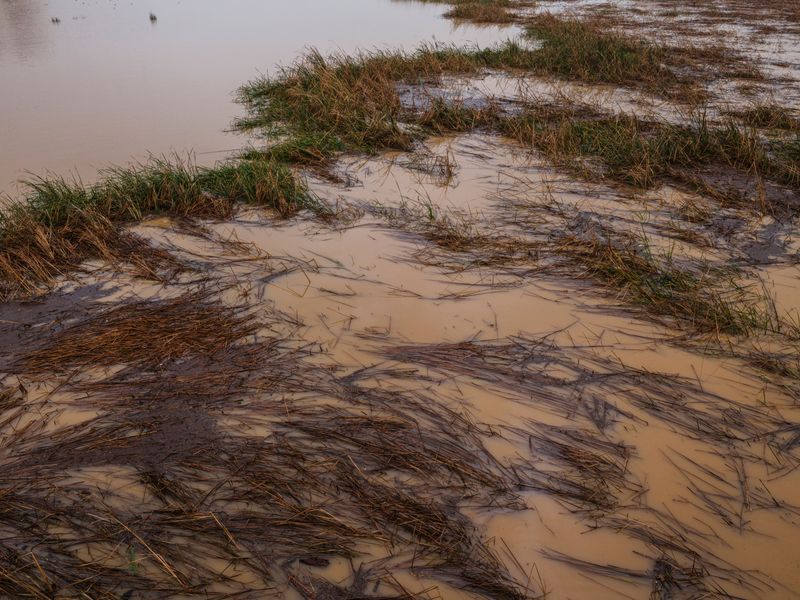
Lawyers have a special name for the water sheeting across your lawn after a storm. They call it surface water, or diffused surface water.
It means rain or melting snow that spreads over the ground before it reaches a stream, pond, or ditch. Once water settles into a defined creek or channel, different rules can apply.
Why should a gardener care about the label? The type of water decides which legal test a court uses.
A flooded vegetable bed caused by rain running off a neighbor’s new patio is a classic surface water problem.
Groundwater seeping up into your basement is a separate topic. Water from a broken pipe or an overflowing pool is also handled differently, often as plain negligence or a nuisance claim.
For a long time, American courts split into camps on surface water. One old idea treated it as a common enemy that every owner could push away.
Another said natural drainage patterns had to be left alone.
Both ideas caused headaches. The first rewarded whoever built the biggest wall, and the second froze land in place.
Ohio eventually chose a middle path, which shapes every runoff fight in the state today.
2. Reasonable Use Is the Rule Ohio Courts Apply to Runoff
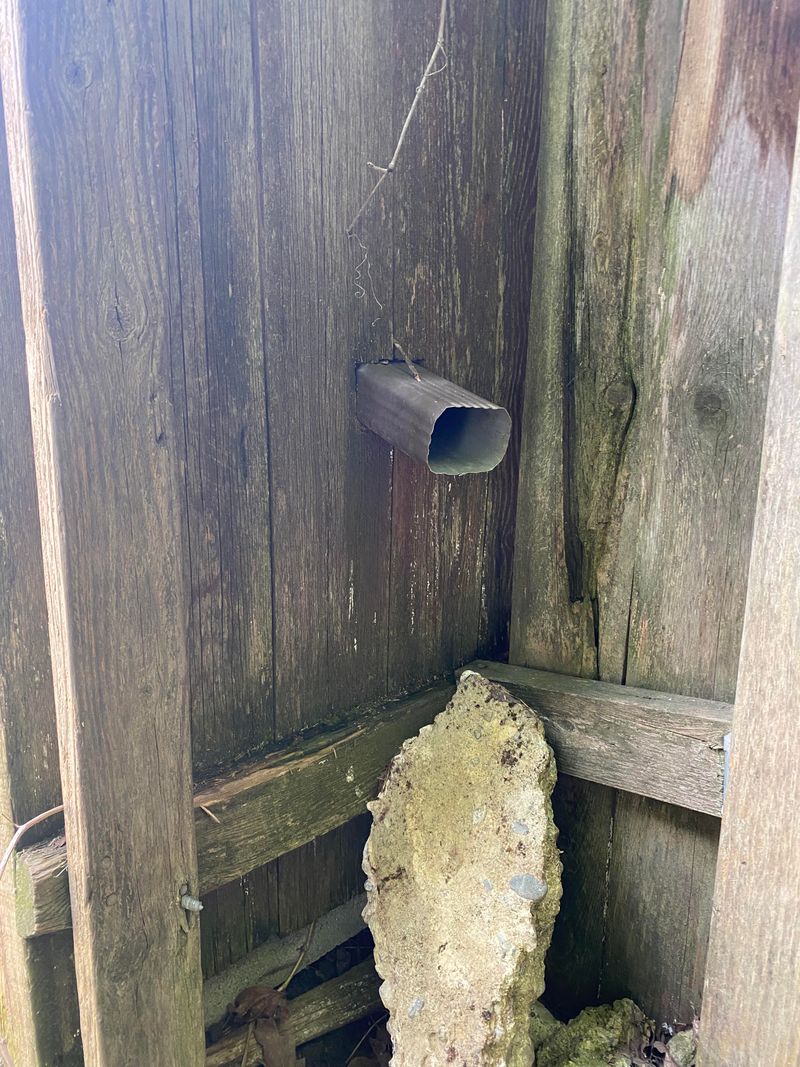
Our state follows the reasonable use doctrine for surface water. The Ohio Supreme Court adopted it in the 1980 case McGlashan v.
Spade Rockledge Terrace Condo Development Corp.
Under this rule, your neighbor may change their land, even if that shifts how rain flows. They become legally responsible only when the change is unreasonable and it harms your property.
So a new garage, driveway, or raised garden does not automatically put your neighbor on the hook. You need to show two things together, real damage to your yard and an unreasonable interference with water flow.
Courts look at the whole picture rather than one dramatic storm. They weigh the usefulness of the neighbor’s project against the harm it causes downhill.
I like this approach because it feels fair to both sides. Nobody gets a free pass to dump water, and nobody can block every shovel of dirt next door.
Keep in mind that the doctrine works in both directions. If you regrade your own flower beds or add a big shed, the same standard applies to you.
A careful gardener checks where the water goes before building anything new.
3. New Grading or Pavement Next Door Can Tip the Scales Toward Unreasonable
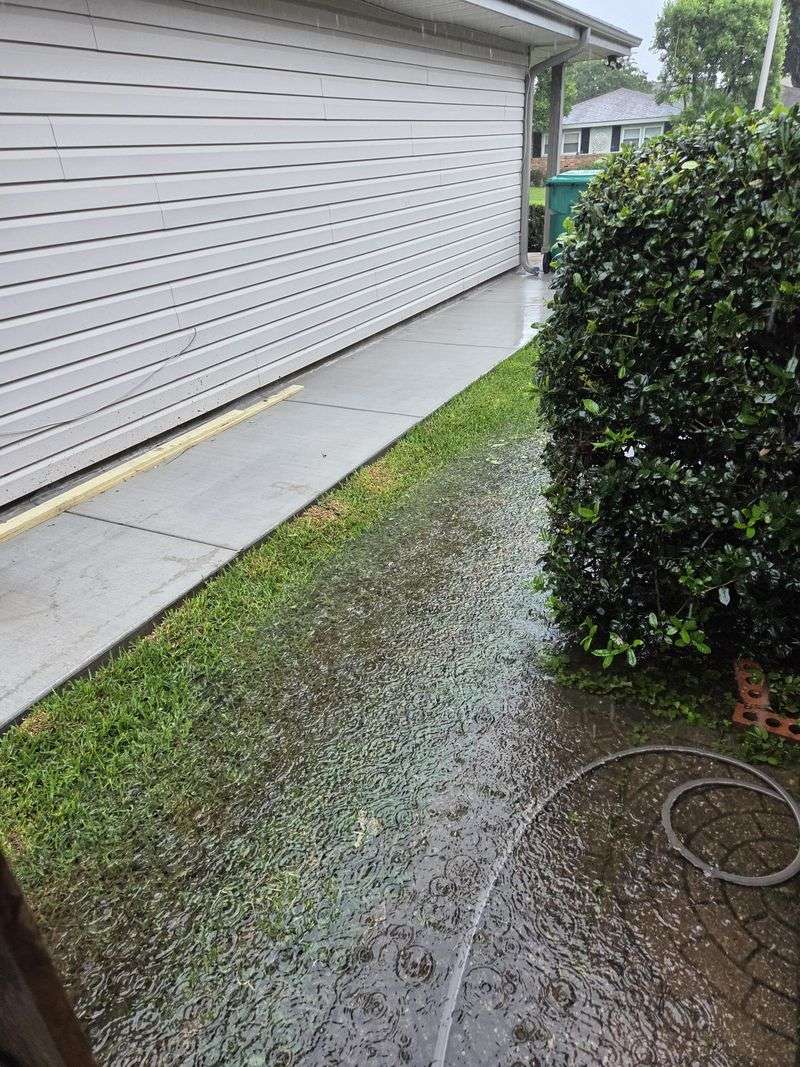
Fresh dirt piled against a fence after a weekend project is often the first clue. Grading, paving, and new structures change how fast rain leaves a lot.
Ohio courts judge unreasonableness case by case. Judges ask whether the project had little practical use, whether it fit the neighborhood, how much damage followed, and whether the harm could have been prevented at a sensible cost.
A neighbor who builds a patio with no drainage plan, when a simple swale would have worked, may look unreasonable. A neighbor who adds gutters and directs them to a rain garden probably looks careful.
Watch for changes in volume, speed, or concentration of water. Gullies cutting through your mulch, silt on your lawn, or standing water that never used to appear are all worth noting.
Timing matters too. If your yard drained fine for ten years and started flooding right after the neighbor’s driveway went in, that link carries weight.
Natural slopes are a different story. If water has run downhill across your lot since the subdivision was built, the uphill owner usually is not at fault.
Downhill land in Ohio generally has to accept natural drainage.
4. A Downspout Pipe Aimed at Your Garden Is a Big Red Flag
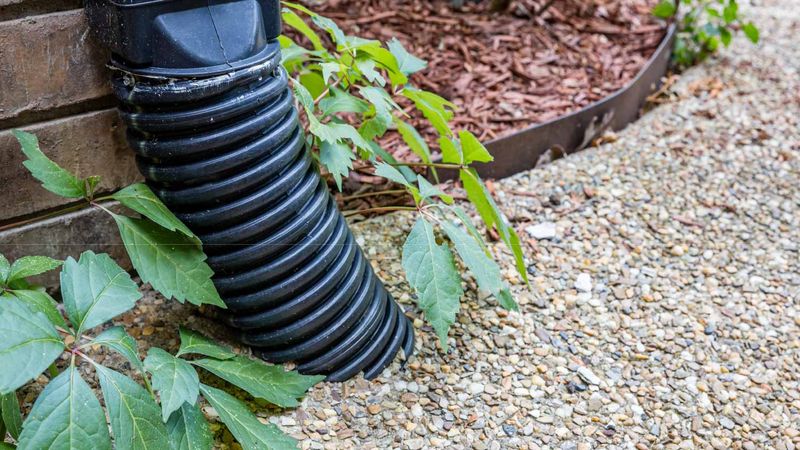
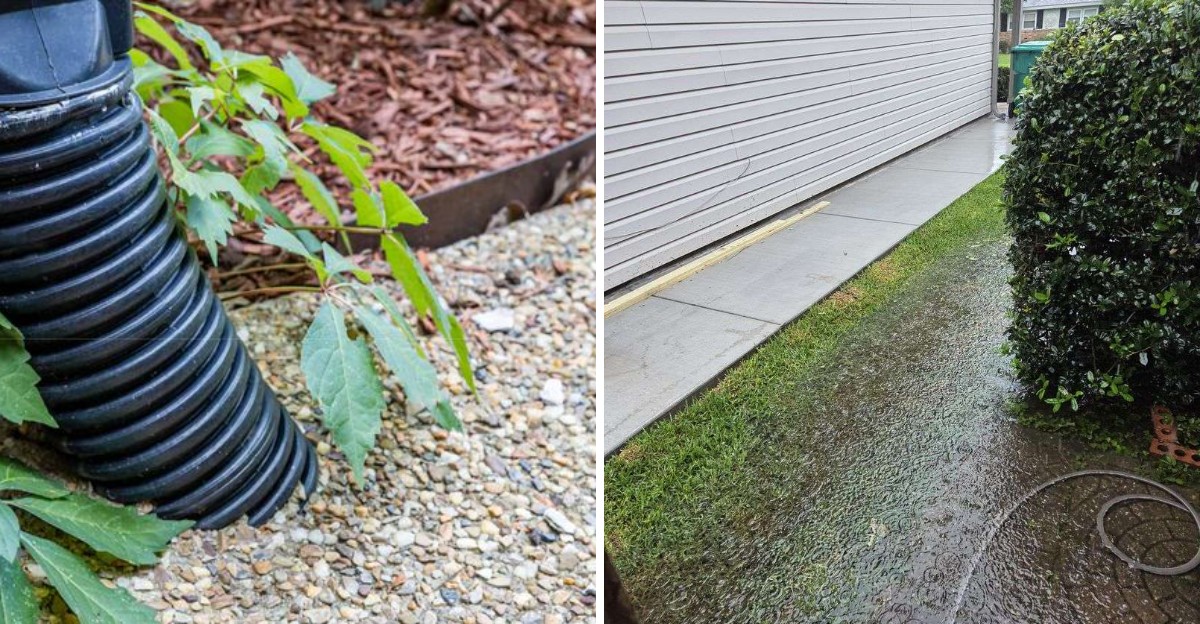
Few things annoy a gardener faster than a black corrugated pipe pointed straight at the hostas. Ohio courts tend to agree.
Legal writers call it point-source channelization. Someone gathers scattered rainwater from a roof, driveway, or lawn and releases it in one concentrated stream onto a neighbor’s land through a pipe, culvert, or trench.
According to Ohio State University agricultural law experts, courts frequently find this kind of discharge unlawful. Concentrating water multiplies its force, so it scours soil and drowns roots far more than gentle sheet flow.
Natural ditches are not a free pass either. If a neighbor speeds water into a channel beyond what it can carry, and it overflows onto your land, liability can follow.
Take a slow walk along your shared boundary on a dry day. Look for downspout extensions, sump pump lines, buried drain tiles, and trenches pointed your way.
Many cities also have rules about where sump pumps and downspouts may discharge. A quick call to your city service or engineering office can tell you whether a local code applies.
That code violation may be easier to solve than a lawsuit.
5. Photos of Flooded Flower Beds Become Your Best Evidence
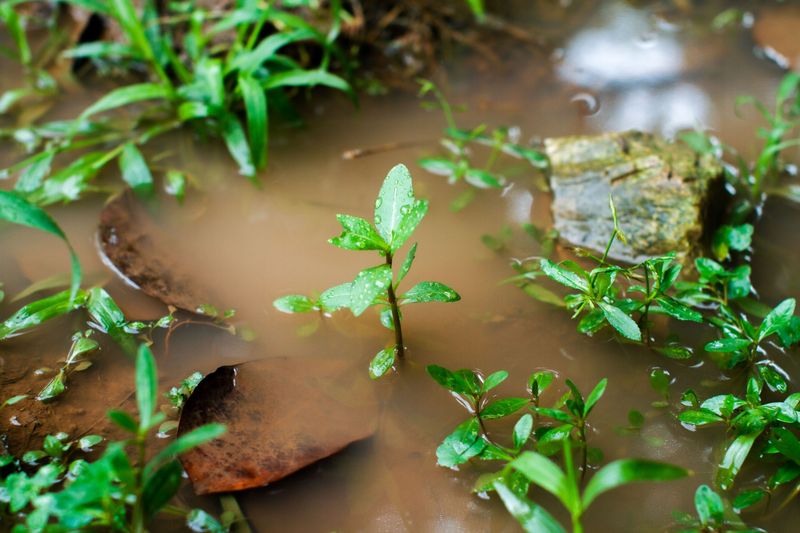
Grab your phone while the rain is still falling. Evidence fades fast once the puddles soak in.
Take dated photos and short videos showing where water enters your yard and where it pools. Try to capture the source, such as a pipe outlet or a new slope, from your own property without trespassing.
After the storm, photograph the damage. Washed-out mulch, exposed roots, silt on the lawn, and toppled perennials all tell the story.
Keep a simple flooding journal. Write the date, how much rain fell, and what happened.
Local rainfall totals from the National Weather Service help show the storms were ordinary, not freak events.
Save every receipt. Replacement plants, topsoil, gravel, grading work, and drainage contractor bills all count toward your losses.
Before-and-after comparisons are powerful. If you have old photos showing a healthy, dry yard before the neighbor’s project, dig them out now.
A written estimate from a landscaper or drainage contractor adds weight. Professionals can explain how the water changed course in plain terms.
That kind of record helps in a friendly talk, a mediation session, or a courtroom.
6. Soil and Water Conservation District Staff Offer Advice, Not Rulings
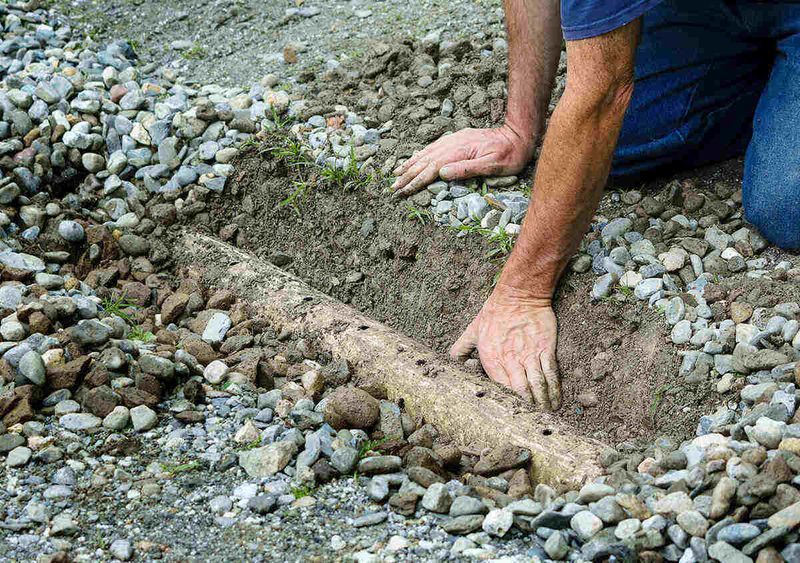
Plenty of homeowners call the county expecting someone to march next door and fix things. That call usually ends with a polite surprise.
County soil and water conservation districts and city offices across the state generally do not referee private drainage disputes. Several district and city websites say so plainly, describing these issues as civil matters between neighbors.
Staff can still be a huge help. Many districts offer technical advice on drainage, erosion, and rain gardens, and some will visit to look at a problem area.
They may explain how your watershed drains or point you to soil maps and grading records. That knowledge can clarify whether the water is natural flow or something new.
Your city engineer or zoning office is also worth a call. If a neighbor built without a required permit or broke a stormwater rule, the local government may have enforcement power over that piece.
Agricultural drainage is its own world. Rural landowners may run into county ditch petitions handled by county commissioners and engineers under state law.
If farm tile or a public ditch is involved, ask your county engineer how those rules apply to you.
7. A Shared Rain Garden Along the Fence Can Calm Things Down
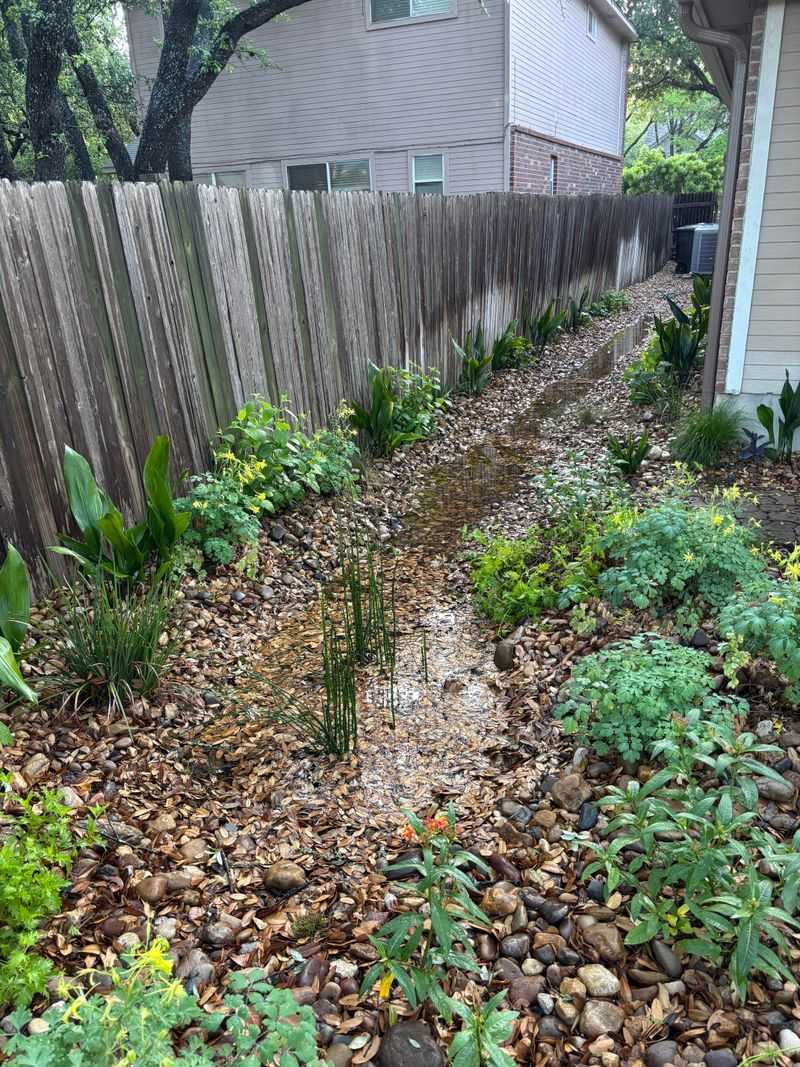
Knock on the door before you hire a lawyer. Many neighbors have no idea their downspout is soaking your garden.
Bring a few photos and keep the tone curious rather than angry. Saying you noticed water heading your way since spring sounds far friendlier than an accusation.
Shared fixes can cost less than either of you expects. A rain garden, a shallow grassed swale, a dry well, or a downspout extension pointed toward the street can solve a lot.
Rain gardens make a gardener smile. Ohio State University Extension recommends native plants such as swamp milkweed, blue flag iris, purple coneflower, and switchgrass, which handle both wet spells and dry summers.
Place the garden at least ten feet from house foundations and check that it drains within about a day. Call 811 before you dig to locate buried utilities.
Put any agreement in writing, even a simple signed note. If the fix involves land on both sides, ask a real estate attorney about a drainage easement.
Community mediation programs exist in many cities and counties. A neutral mediator can help when conversations stall.
8. Court Remedies and a Four Year Clock Await If Talks Stall
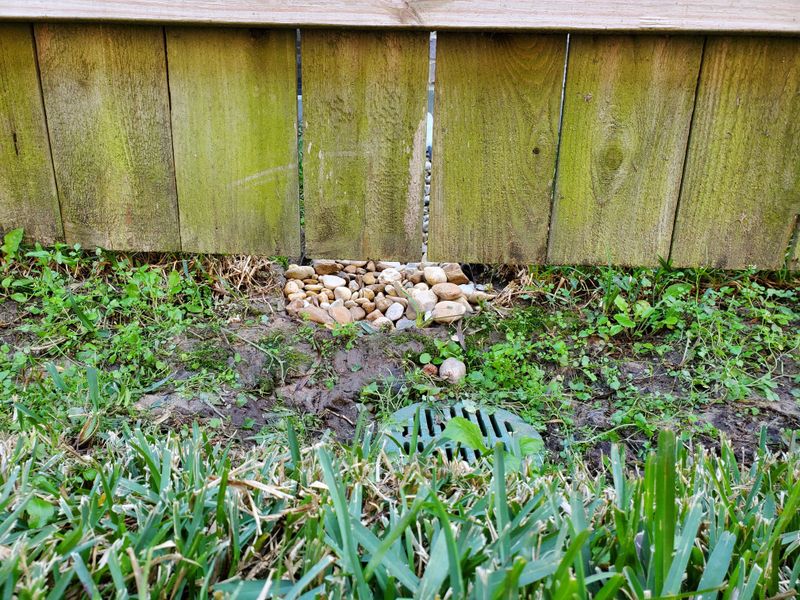
Sometimes friendly talks go nowhere. That is when the legal path matters.
A property law attorney can review your evidence and explain whether your case meets the reasonable use test. Many offer a first consultation at modest cost.
Courts can award money damages for repairs, lost plants, and reduced property value. A judge may also issue an injunction ordering a neighbor to reroute a pipe or regrade the land.
Watch the calendar. The state generally allows four years to file claims for property damage, including unlawful flooding, under Ohio Revised Code 2305.09.
Ongoing runoff can raise tricky questions about when the clock starts, so ask early.
Check your homeowners insurance as well. Many standard policies exclude surface water flooding, and separate flood coverage may be needed.
Your agent can tell you what your policy actually covers.
Homeowners associations sometimes have drainage rules in their covenants too. A letter to the HOA board may move faster than a court filing.
My takeaway is simple. Document early, talk first, and know your rights.
Water follows gravity, but responsibility follows choices, and careful records keep yours on solid ground.