This Is How To Get Ohio Bush Beans Producing Like Crazy In Late July
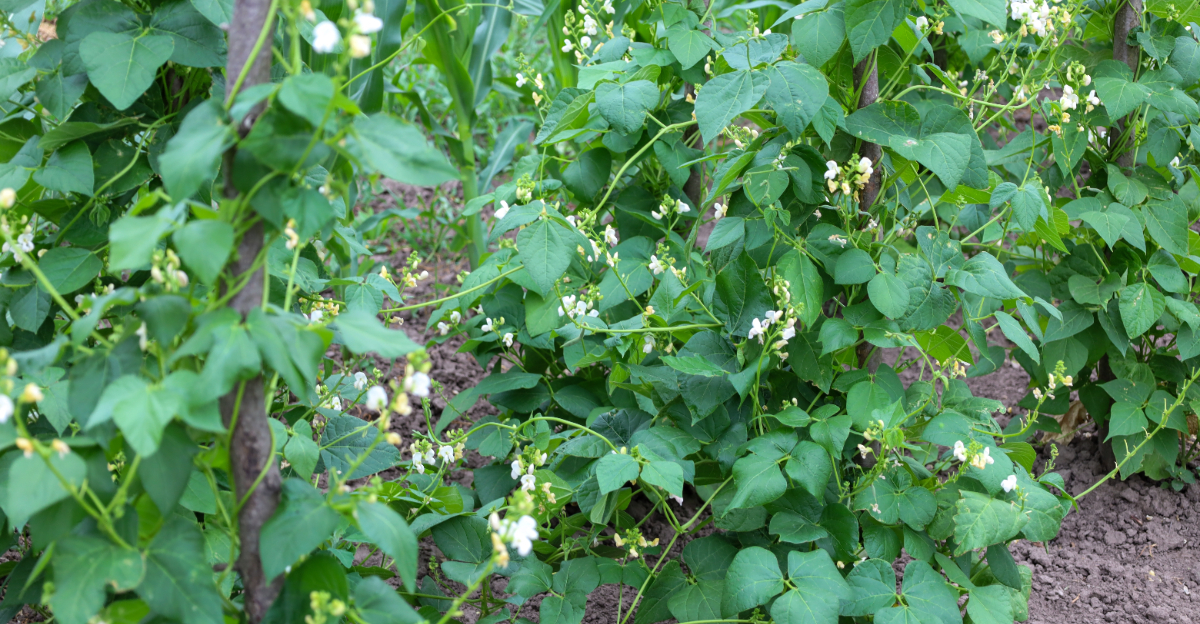
Bush beans in late July should be hitting their stride in Ohio. Instead, a lot of bean patches are slowing down, producing sparse pods, or looking like the season peaked two weeks ago and already made its exit.
That slowdown is not inevitable. It is usually the result of a few missed moves at the exact moment the plant needed them.
Bush beans respond fast. That is one of their better qualities and also what makes the late July window so consequential.
The right push at the right time produces a flush of production that can run well into August. The wrong approach, or no approach at all, leaves yield on the table that the season still had time to deliver.
Late July is not the end of Ohio bush bean season. For the patches that get this right, it is closer to the beginning of the best stretch.
1. Pick Pods Before The Plant Slows Down
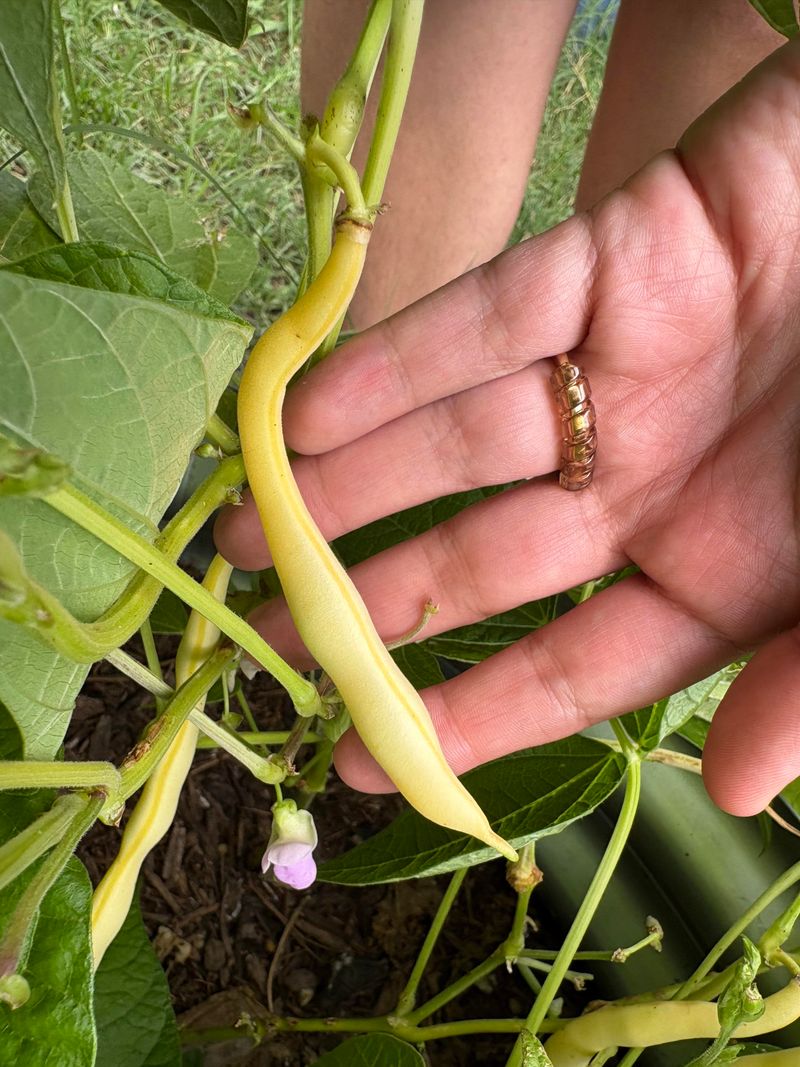
Hidden under a broad leaf, a pod that grew two sizes overnight is already working against you. When bush beans are left on the vine too long, seeds inside the pod swell and the plant reads that as a signal that reproduction is nearly complete.
At that point, the plant begins redirecting energy away from new flowers and toward maturing those existing seeds. Frequent harvesting interrupts that cycle and can help encourage more pod set during the plant’s active production window.
Pods should feel firm but still snap cleanly when bent. A pod that feels thick, bulging, or leathery has already passed its best eating stage and may be hurting future production.
OSU Extension vegetable guidance recommends harvesting at the stage when pods are well-filled but before seeds create obvious bumps along the length.
Lift leaves and check both sides of every row carefully. Pods hide under dense foliage, especially once plants fill in during warm summer weather.
Use two hands when pulling pods so stems are not torn, since torn stems can stress the plant and create entry points for disease. Carry a basket or small bucket and work through the entire row before moving on.
Keep in mind that even perfect harvesting cannot make one planting produce forever. Bush beans have a natural production window, and this strategy works best when pods are caught early and consistently throughout that window.
2. Harvest Every Two Days In Peak Season
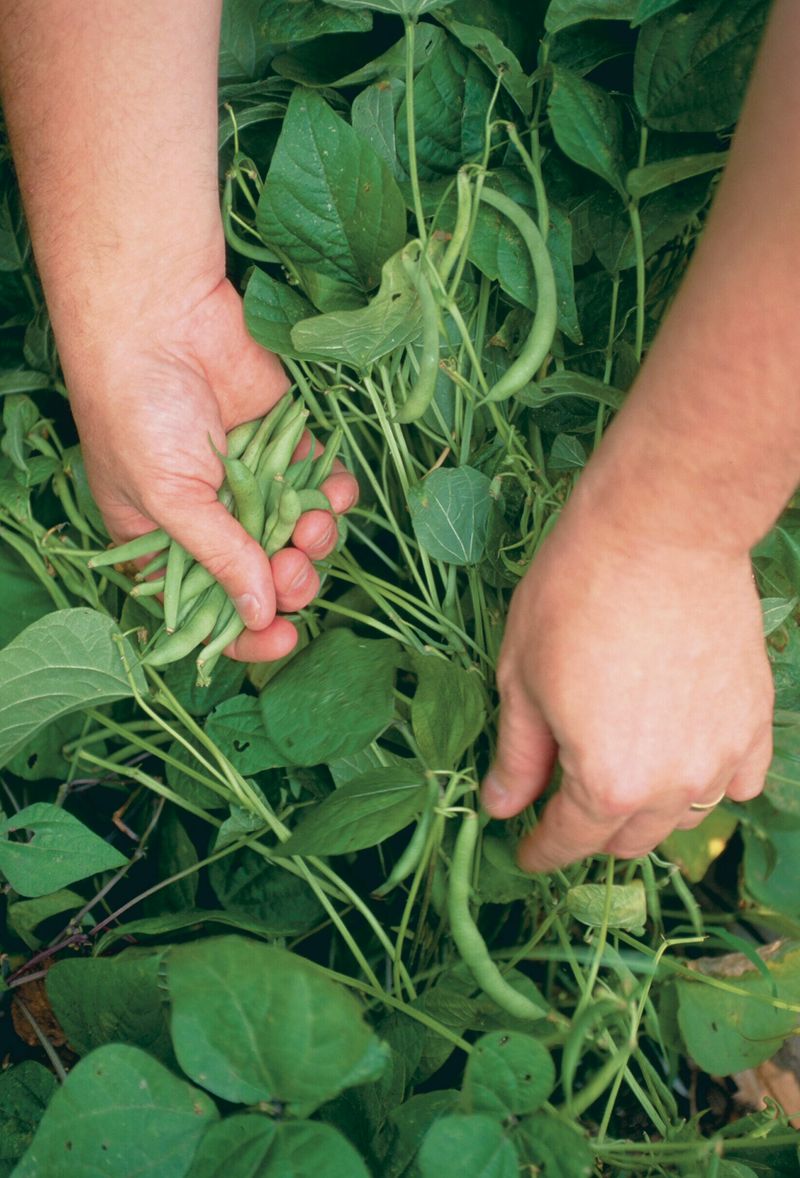
A basket can fill up faster than expected once bush beans hit their stride in warm summer weather. Pods can size up surprisingly quickly when daytime temperatures are high and soil moisture is consistent.
What looked like a tiny pencil-thin pod one morning may be a full-sized, borderline-tough pod just 48 hours later. Checking every day or two during peak production is one of the most practical habits an Ohio gardener can build.
University extension bean guidance notes that frequent harvest during peak production helps prevent pods from crossing into the overmature stage. Once pods start maturing on the plant, the signal to slow flowering can accelerate quickly.
Your Ohio Garden Changes Every Week. Your Plan Should Too.
Gardening in Ohio changes quickly throughout the season. Every Friday you’ll receive a simple weekly plan showing exactly what to plant, prune, fertilize, harvest, and protect so you never miss the right timing.
Missing a few pods across a full row adds up, and those overlooked beans can push the plant toward seed development faster than expected.
Plan harvests for the cooler parts of the day, such as early morning or late evening, when both you and the plants are under less heat stress. Work through the row with two hands so stems stay intact.
Bring a small basket and harvest before you water or weed so you can see the row clearly before foliage gets disturbed. Not every variety moves at the same speed, so watch your specific plants closely rather than following a rigid schedule.
Staying attentive during the peak flush is the most reliable way to keep that production window open as long as possible.
3. Water Deeply Before Flowers Drop
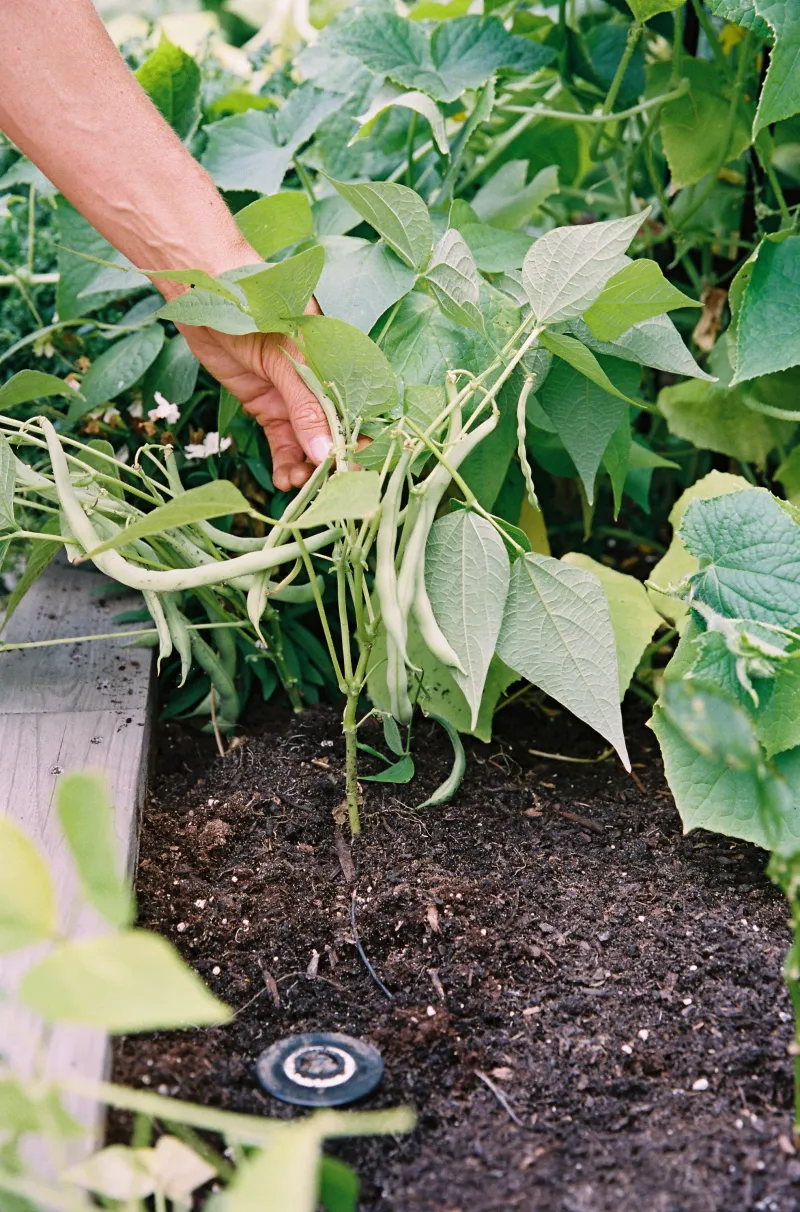
Dry soil in late July does not just slow plants down. It can cause flower drop, which directly reduces the number of pods that ever develop.
Bean plants under moisture stress during flowering may drop blossoms before pods have a chance to form. OSU Extension vegetable guidance says consistent soil moisture is especially important during flowering and early pod development.
Water stress then can directly reduce yield.
Sprinkling the surface lightly is not enough when temperatures are high and foliage is dense. Water needs to reach the root zone where plants can actually use it.
Soaking the soil deeply and less frequently tends to encourage roots to reach down rather than staying shallow, which makes plants more resilient during brief dry spells. Check soil moisture by pushing a finger two inches into the soil near the base of the plants.
If it feels dry at that depth, it is time to water.
Avoid overhead watering late in the day since wet foliage overnight can increase disease pressure. A soaker hose or drip line placed along the base of the row works well for delivering moisture directly to the root zone.
Rainfall may not be enough during hot, dry stretches, especially when dense foliage intercepts water before it reaches the soil. Waterlogged soil is also a problem, so make sure drainage is adequate.
Steady, deep moisture is the goal, not soggy roots.
4. Mulch Lightly So Roots Stay Cooler
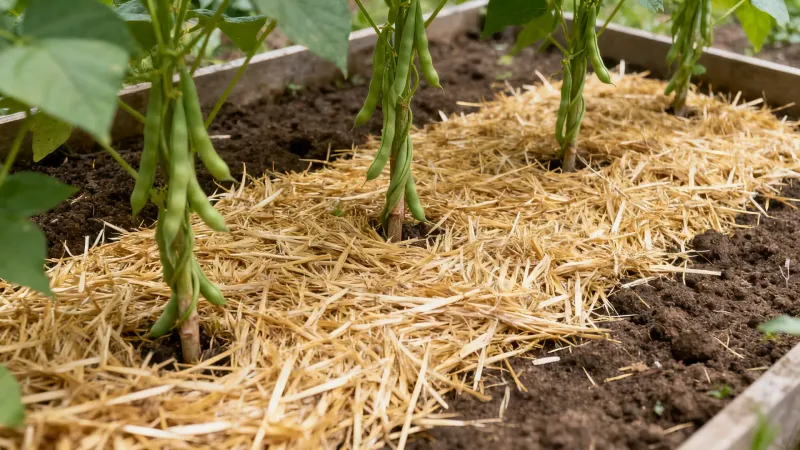
Soil temperature in a bare Ohio garden bed can climb quickly during a hot July afternoon. When root-zone temperatures rise too high, bean plants can struggle to take up water and nutrients efficiently even when both are present.
A light mulch layer placed around the base of plants can help moderate soil temperature, slow moisture evaporation, and limit weed competition all at once.
Straw is a popular choice because it is lightweight, easy to apply, and breaks down slowly enough to last through the season. Shredded leaves, untreated grass clippings, or compost can also work well.
Vegetable gardening resources recommend keeping mulch two to three inches deep. That provides benefits without smothering stems or holding too much moisture at the plant’s base.
Keep mulch pulled slightly away from the main stem so air can circulate and the stem base stays dry. Piling mulch directly against stems can encourage rot and may create hiding spots for slugs or other pests.
Do not bury the lower leaves or stem base in an attempt to add extra coverage. Thin and even is better than thick and dense for most summer vegetable beds.
In a raised bed with fast-draining soil, mulch can be especially helpful for extending time between waterings during the hottest part of the season. A small investment in mulching now can pay off noticeably by mid-August.
5. Skip Heavy Nitrogen That Grows Leaves
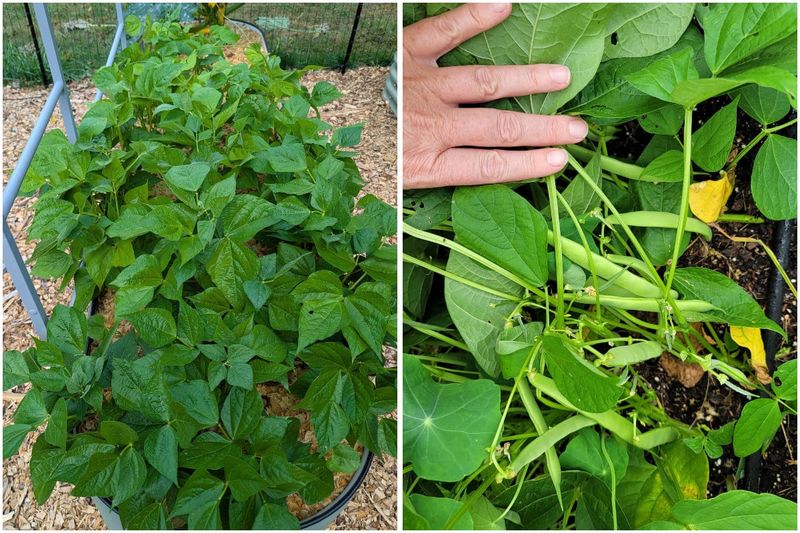
Beans are legumes, which means they can work with soil bacteria called rhizobia to fix atmospheric nitrogen directly in the root zone under the right conditions. That ability sets them apart from heavy-feeding crops like corn or squash.
Pouring on extra nitrogen fertilizer when bean plants slow down in late July can make the problem worse. It can push leafy growth instead of pods.
OSU Extension vegetable guidance notes that beans generally need less supplemental nitrogen than non-legume crops.
If your plants are dark green and leafy but producing few pods, the issue is more likely related to heat, dry soil, plant age, or pest pressure than a nitrogen shortage.
Reaching for fertilizer before diagnosing the real cause can waste money and delay the actual fix.
Soil testing through your Ohio local extension office is the most reliable way to know what your garden actually needs. If a test shows a deficiency, a balanced fertilizer applied at a moderate rate is a better choice than a heavy nitrogen push.
Focus first on harvest timing, soil moisture, and a pest check before considering any feeding change. A well-watered plant in healthy soil that gets harvested regularly will almost always outperform an over-fertilized plant sitting in dry ground.
Fertilizer is a tool, not a shortcut, and in late July, most bush bean problems respond better to water and picking than to a bag of granules.
6. Plant One Last Fast Round Only Where Frost Allows
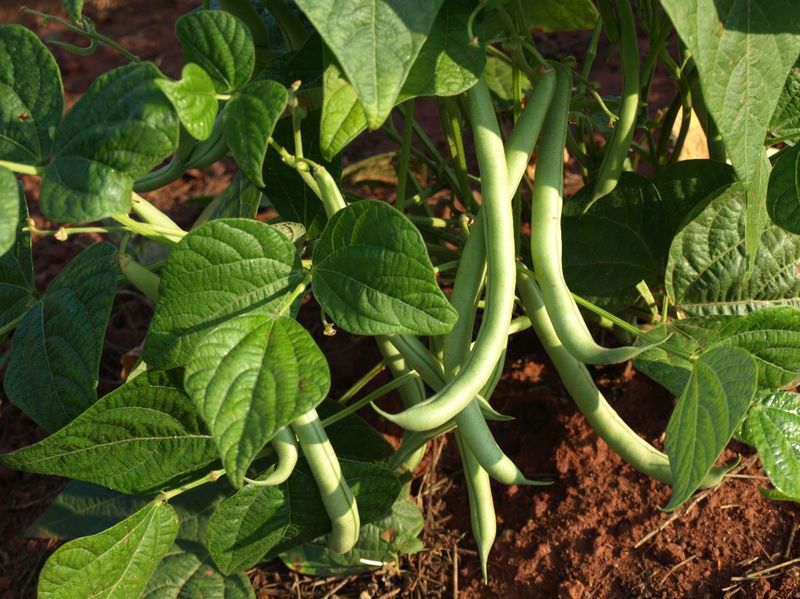
A seed packet sitting on the potting bench in late July can feel like a second chance at a full bean harvest. The temptation to sow one more row is real, especially after a strong first flush.
Bush beans do mature faster than many other vegetables, with most varieties reaching harvest in roughly 50 to 60 days. But a late-July planting is still a calculated risk that depends heavily on frost timing and where you garden in Ohio.
Seed packet guidance advises checking days to maturity carefully and then comparing that number against your local average first frost date.
Add a few extra days as a buffer since beans planted in late summer often develop more slowly as nights cool in September and October.
Southern Ohio may have enough frost-free time for a final harvest. Northern regions may not have enough runway for most standard varieties.
Choosing a quick-maturing variety, such as one that reaches harvest in 50 days or fewer, improves the odds in borderline situations. Plant in a warm, sheltered spot with good sun exposure and well-prepared soil.
Do not count on a late planting to replace a missed first flush. Think of it as a bonus round with real conditions attached.
If the math on frost timing does not work out cleanly, skipping the sowing and focusing on fall cleanup and soil improvement is the smarter long-term move.
7. Watch Beetles Before Leaves Look Shredded
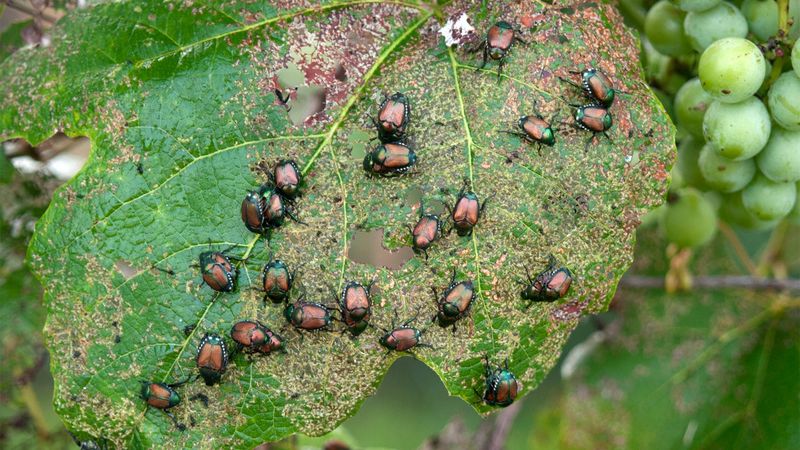
A row of bush beans that looked perfect on Monday can show ragged, lace-like leaves by the weekend if beetle pressure goes unchecked. Bean leaf beetles, Japanese beetles, and Mexican bean beetles are all documented pests of beans in this region.
Entomology guidance from university extension sources says these insects can reduce plant vigor. The risk is higher when populations are high and plants are already heat- or moisture-stressed.
Bean leaf beetles chew round holes in leaves and can also damage pods directly. Japanese beetles feed in groups and skeletonize leaves quickly.
Mexican bean beetles, which look somewhat like orange ladybugs with black spots, chew the undersides of leaves and can defoliate plants if left unchecked.
Checking undersides of leaves, flowers, and pods regularly is the most reliable way to catch problems before they escalate.
A small amount of leaf damage may not hurt overall production much, but heavy pressure can weaken plants enough to reduce pod set and shorten the productive season. Extension guidance in Ohio recommends identifying the pest accurately before taking any action.
Hand-picking beetles into soapy water can help manage light infestations. Row covers can offer protection but need to be removed during flowering to allow pollination.
For more serious pressure, contact your local extension office for regionally appropriate recommendations. Always read and follow product labels if a treatment is used.
Early detection keeps your options wider and your plants healthier.
8. Pull Tired Plants Once The Flush Is Finished
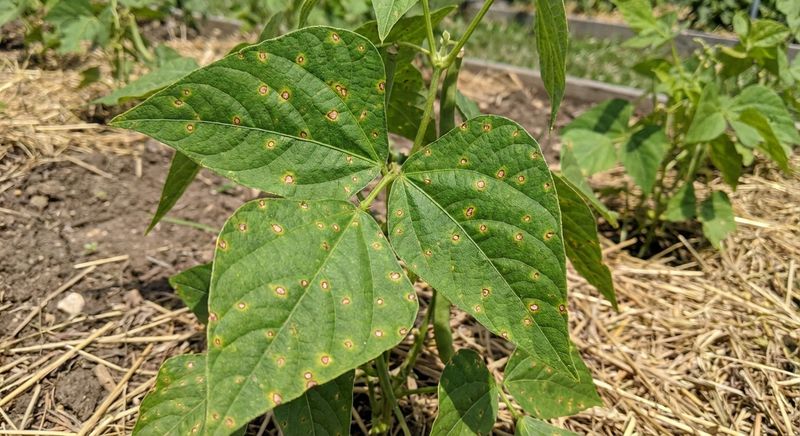
Every row of bush beans reaches a point where more effort going in returns very little coming out. Once the main flush is finished and pods are small, sparse, or yellowing before they size up, the plant is telling you something honest.
Trying to nurse a worn-out planting back to full production in late July rarely works. It can also keep space tied up that could be used for a fall crop or final fast round.
Removing spent plants promptly has real benefits beyond clearing space. Old bean foliage can harbor fungal disease, bean beetles, and other pests that will move to nearby plants or overwinter in garden debris.
Vegetable gardening resources recommend composting healthy plant material. Discard any debris showing signs of disease instead of adding it to the compost pile.
After clearing the row, consider what comes next. If frost timing in your area allows and you skipped the late sowing discussed earlier, a quick-maturing variety planted now may still produce before cold arrives.
Fall brassicas, cover crops, or a simple soil amendment can also make good use of that cleared space. The biggest bush bean harvest comes from working with the plant’s natural timing.
Pick hard while the flush is active, then move on cleanly when it ends. Knowing when to let go is just as important as knowing when to keep picking.