Who’s Liable When A Neighbor’s Tree Roots Damage Your Florida Property
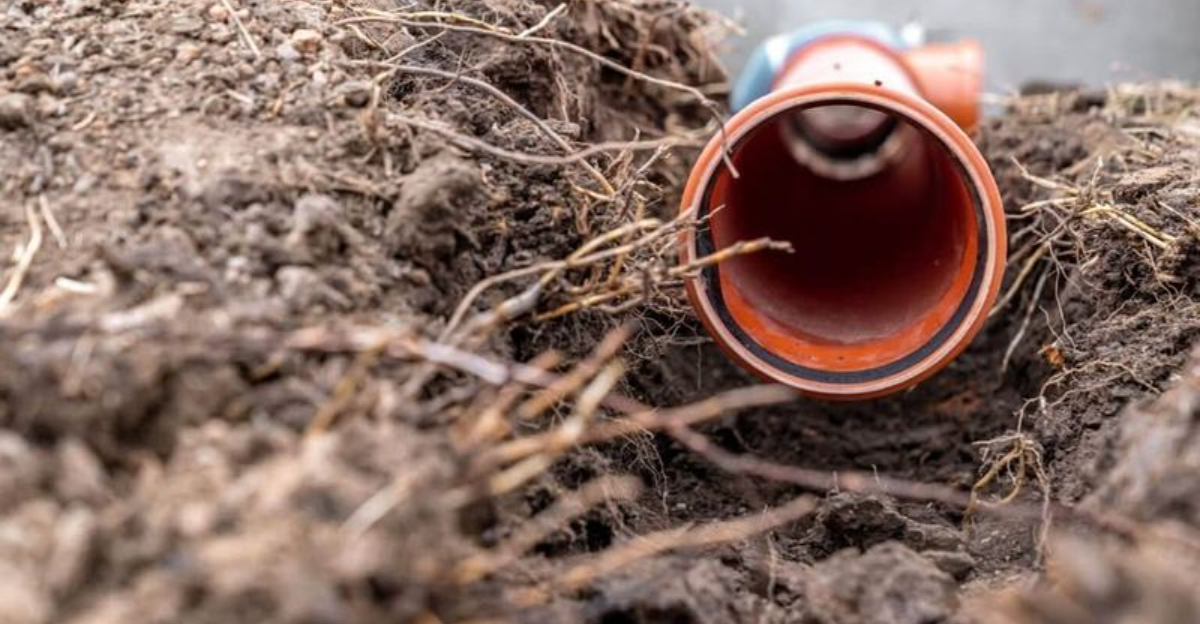
Tree roots don’t stop at property lines — and in Florida, where lush landscapes and fast-growing species are the norm, root-related damage is more common than most homeowners realize.
Cracked driveways, lifted sidewalks, clogged pipes, and foundation trouble can all start with a neighbor’s tree quietly spreading underground.
But when the damage shows up on your side of the fence, the big question becomes: who’s actually responsible for paying the bill?
Florida law has some clear rules, but the details often surprise homeowners.
Liability can depend on whether the tree is healthy, whether the neighbor knew about the risk, and how the damage unfolded.
Handling the situation incorrectly can lead to costly disputes — or even legal trouble.
This article breaks down how Florida determines responsibility, what rights you have to protect your property, and the smart steps to take before calling an attorney or confronting a neighbor.
Understanding Florida’s Tree Law Basics
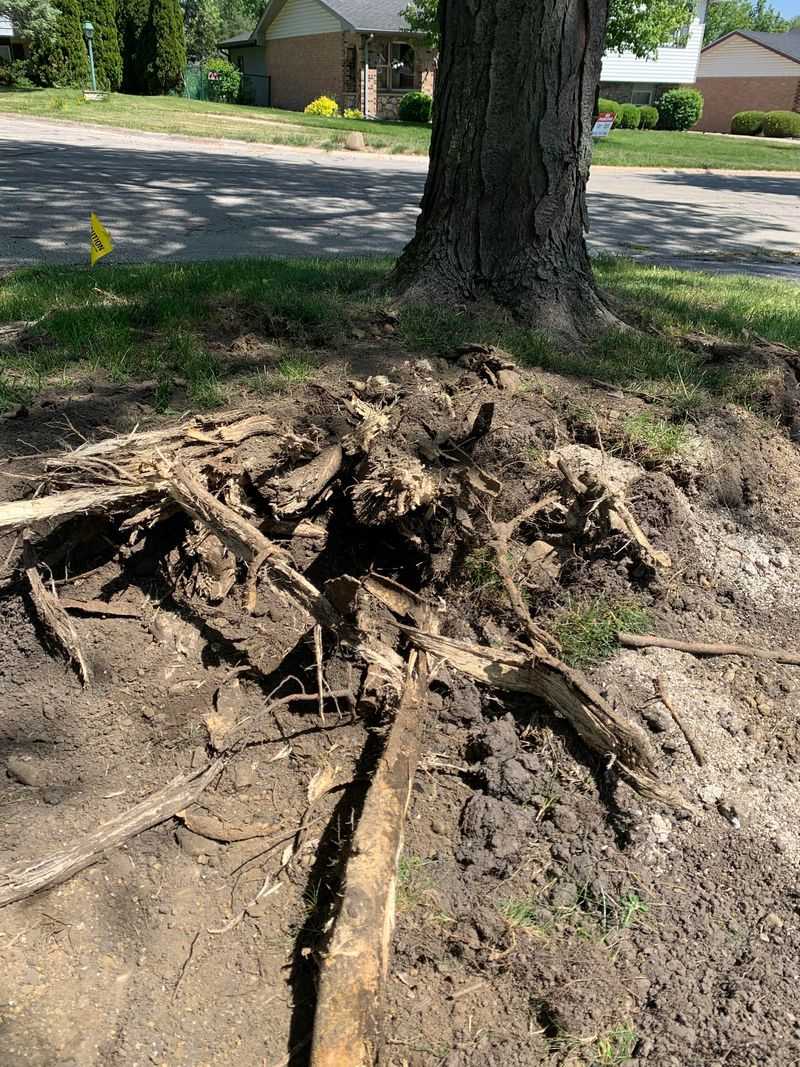
Florida follows what lawyers call the “Massachusetts Rule” when it comes to trees and property damage.
This means that if a healthy tree from your neighbor’s yard causes damage to your property, your neighbor usually isn’t responsible for paying.
You’re expected to take care of problems on your side of the property line, even if the roots came from next door.
However, things change if the tree is diseased, damaged, or poses an obvious hazard.
When a neighbor knows their tree is sick or dangerous and does nothing about it, they can be held liable for any damage it causes.
Documentation becomes crucial in these situations.
Take photos of the tree’s condition and keep records of any conversations you have with your neighbor about the problem.
Many homeowners don’t realize they have the right to trim roots and branches that cross onto their property, as long as they don’t harm the tree’s health.
Understanding these basic principles helps you know when you can take action yourself and when you might need legal help.
Documenting Root Damage Before Taking Action
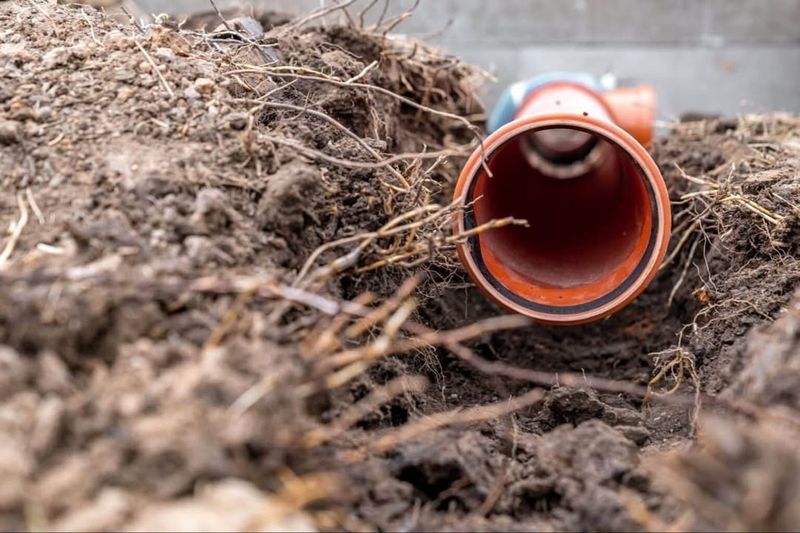
Before you do anything about invasive tree roots, gather solid evidence of the damage they’re causing.
Photograph the affected areas from multiple angles, showing how roots have lifted pavement, cracked foundations, or invaded pipes.
Include close-up shots that clearly show the roots themselves and wider shots that establish their connection to your neighbor’s tree.
Date-stamped photos from your phone work perfectly for this purpose.
Consider hiring a professional arborist or plumber to assess the situation and provide a written report.
Their expert opinion carries weight if disputes escalate to insurance claims or legal action.
Keep receipts for any temporary repairs you make and notes about how the damage affects your daily life.
If roots have clogged your sewer line, save the plumber’s invoice that identifies tree roots as the cause.
This documentation protects you whether you’re filing an insurance claim or trying to negotiate with your Florida neighbor.
Good records also help if you later discover additional damage that wasn’t immediately visible.
Remember to document the tree’s overall health and appearance too, since this affects liability questions.
Communicating With Your Neighbor About The Problem
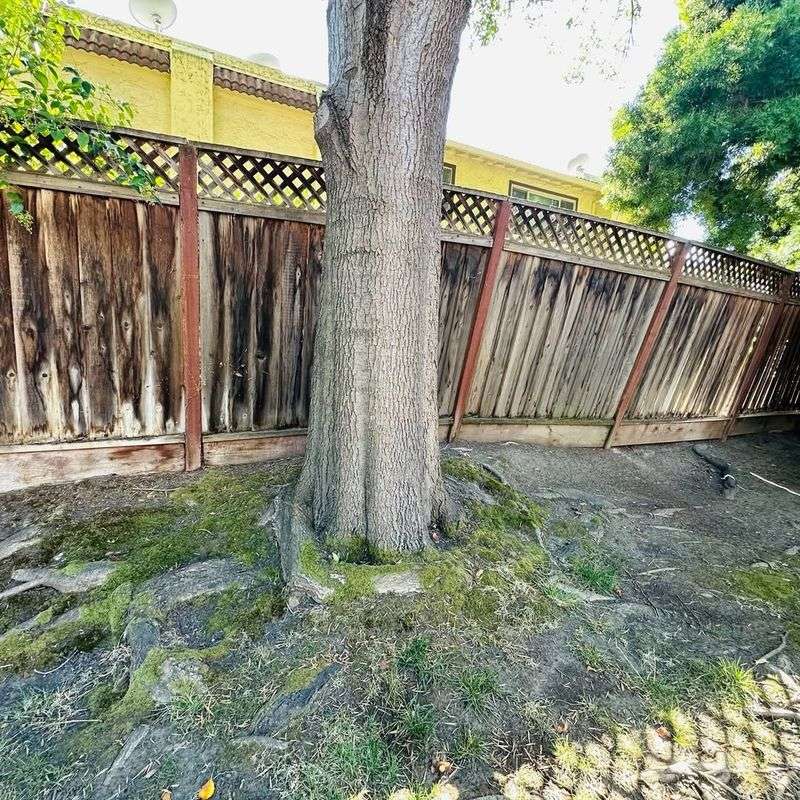
Starting a conversation with your neighbor about their tree might feel uncomfortable, but it’s usually the best first step.
Most people don’t realize their tree is causing problems until someone tells them.
Approach the discussion calmly and focus on finding solutions together rather than placing blame.
Explain what damage you’ve discovered and show them photos if that helps illustrate the issue.
Many Florida neighbors will appreciate the heads-up and work with you to resolve things peacefully.
Suggest getting a professional arborist’s opinion together so you’re both working from the same information.
Sometimes splitting the cost of tree removal or root barrier installation makes sense for both parties.
If your neighbor seems resistant or dismissive, follow up with a polite written letter that documents your concerns.
Send it via certified mail so you have proof they received it.
This written notice becomes important if you later need to show they knew about the problem.
Keep copies of all correspondence and notes about phone conversations, including dates and what was discussed.
Good communication often prevents small issues from becoming expensive legal battles.
Your Right To Trim Roots On Your Property
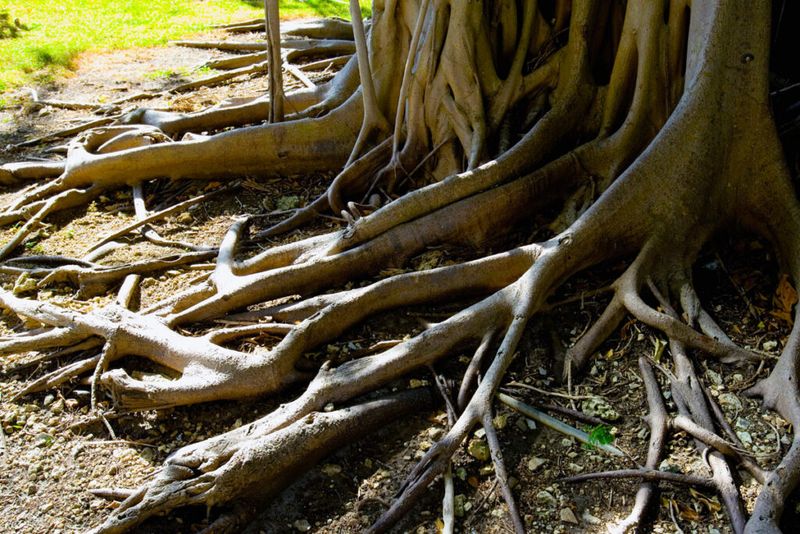
Florida law gives you the right to cut roots that have crossed onto your property, even without your neighbor’s permission.
This principle comes from the idea that you control what happens on your land.
However, you must exercise this right carefully to avoid causing harm to the tree itself.
If your trimming severely damages or ultimately destroys a healthy tree, you could face liability for its value.
Hiring a certified arborist to do the work properly protects you from accidentally causing more problems than you solve.
These professionals know how to remove invasive roots without compromising the tree’s stability or health.
They can also identify whether the tree is diseased, which might shift liability back to your neighbor.
Never cut roots right against the tree’s trunk, as this can cause serious harm.
Most experts recommend staying at least several feet away from the base when trimming roots.
Installing a root barrier after cutting can prevent future invasions without ongoing damage to the tree.
Document your careful approach with photos and professional invoices to show you acted reasonably if questions arise later.
When Homeowners Insurance Covers Root Damage
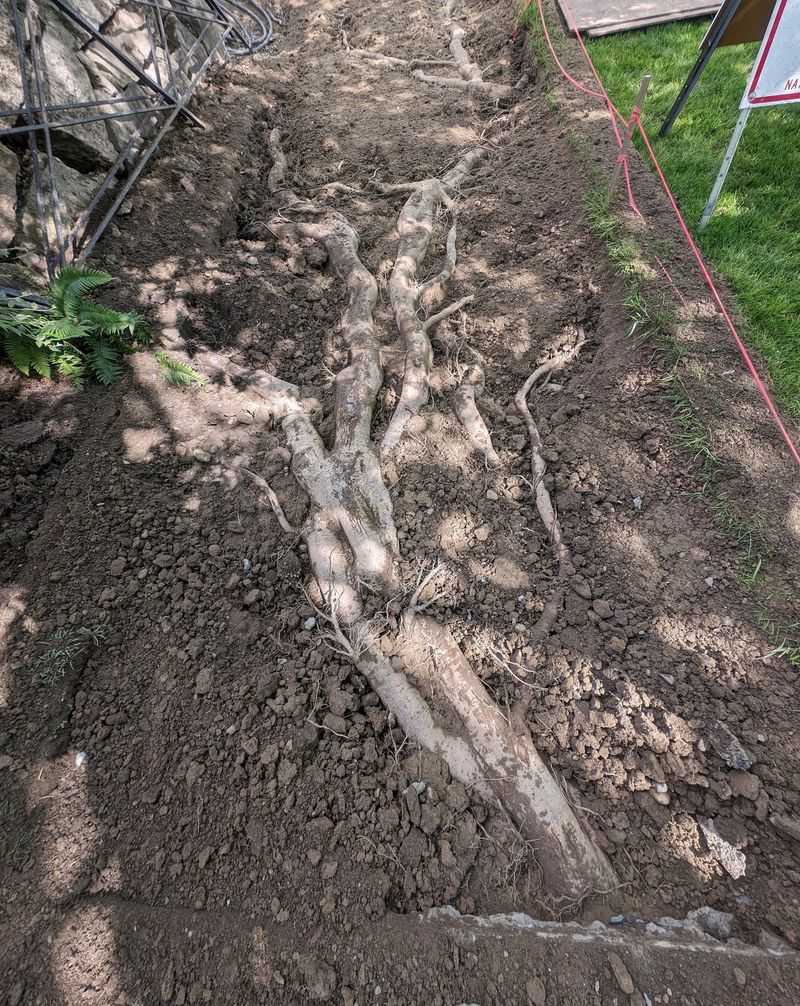
Your homeowners insurance might cover some types of tree root damage, but policies vary significantly in what they include.
Most standard policies cover sudden, accidental damage but exclude gradual deterioration that happens over time.
Root damage typically falls into that excluded category since it develops slowly as roots grow and expand.
However, if roots cause a sudden pipe burst or dramatic foundation failure, you might have coverage.
Review your policy carefully or call your insurance agent to understand your specific coverage.
Some policies include optional riders that cover tree root damage for an additional premium.
If you live in an area with many mature trees, this extra coverage might be worth considering.
When filing a claim, emphasize any sudden damage rather than gradual problems.
Your neighbor’s insurance generally won’t pay for damage from their healthy tree since Florida law makes you responsible for your own property.
If their tree was diseased or dangerous and they ignored warnings, their liability insurance might come into play.
Keep detailed records of all insurance communications and claim decisions for future reference.
Proving A Tree Was Dangerous Or Diseased
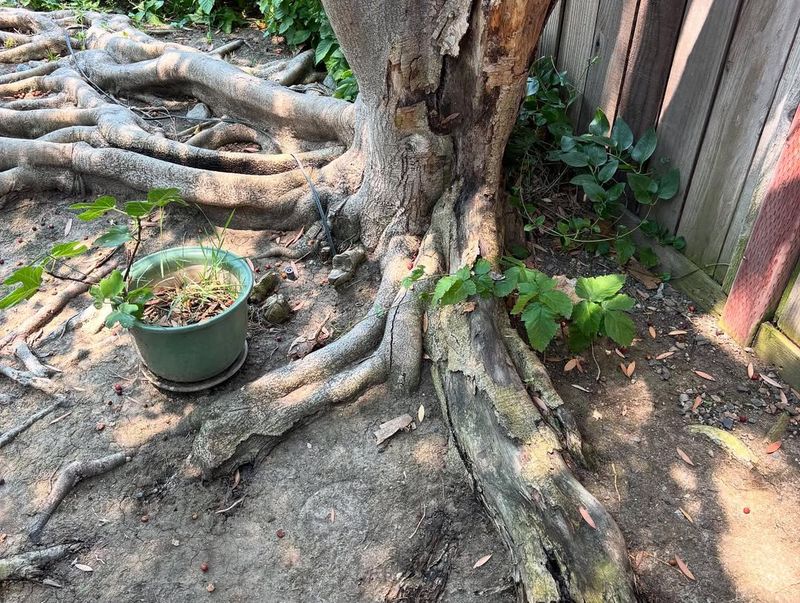
Shifting liability to your Florida neighbor requires proving their tree was unhealthy or hazardous before it caused damage.
Visible signs of disease include fungal growth, large areas of missing bark, significant leaning, or large sections without leaves.
Cracks in the trunk, hollow sounds when tapped, or extensive insect damage also indicate problems.
However, your personal observations usually aren’t enough to establish liability in disputes.
Hiring a certified arborist from the International Society of Arboriculture provides the professional assessment you need.
These experts can identify diseases, structural problems, and hazards that untrained eyes might miss.
Their written reports carry weight with insurance companies and in court if necessary.
The key is showing your neighbor either knew or should have known about the tree’s condition.
If obvious warning signs were visible from their property, that helps establish their responsibility.
Previous complaints from you or other neighbors create a record of their knowledge.
Some municipalities require permits before removing large trees, and permit records might show prior concerns.
Building your case with professional opinions and documented evidence gives you the best chance of recovering damages from a negligent neighbor.
Installing Root Barriers To Prevent Future Damage
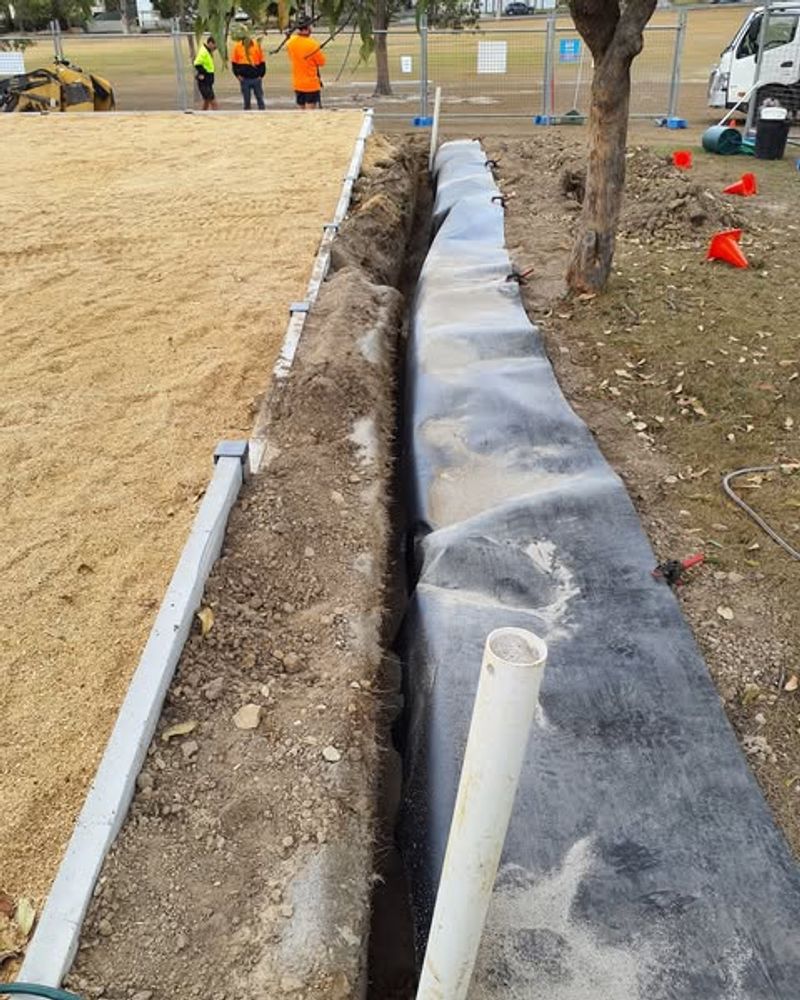
Root barriers offer an effective way to protect your property from future invasions without removing the tree entirely.
These vertical panels, typically made from heavy-duty plastic or metal, redirect roots downward rather than letting them spread horizontally.
Professional installation involves digging a trench along your property line and placing the barrier several feet deep.
The barrier should extend at least two feet above ground to prevent roots from growing over it.
Most Florida experts recommend barriers that go down at least three to four feet, though deeper is better for large trees.
Since you’re installing the barrier on your own property, you don’t need your neighbor’s permission.
However, informing them about your plans maintains good relationships and might lead to cost-sharing.
Root barriers work best when installed before serious damage occurs, though they can still help after you’ve trimmed invasive roots.
Expect to pay several thousand dollars for professional installation, depending on the length needed and soil conditions.
This investment often costs less than repeatedly repairing driveways, foundations, or plumbing systems.
Remember that barriers don’t harm the tree since they simply guide roots in a different direction where they can still find water and nutrients.
Taking Legal Action For Significant Damage
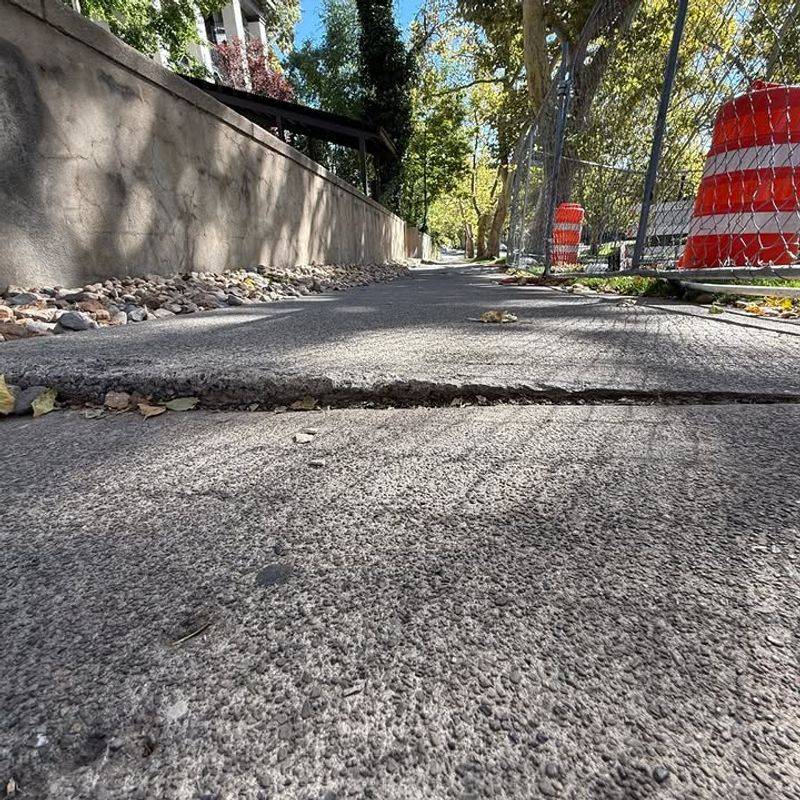
Sometimes negotiations fail and damage becomes too expensive to ignore, making legal action necessary.
Small claims court handles disputes up to $8,000 in Florida, providing a relatively simple and inexpensive option for moderate damage.
You can represent yourself without an attorney, though consulting one beforehand helps you understand your chances.
For damage exceeding small claims limits, you’ll need to file in county or circuit court.
These cases definitely benefit from professional legal representation since procedures become more complex.
Your success depends largely on proving the tree was diseased, dangerous, or that your neighbor acted negligently.
Bring all your documentation: photos, expert reports, repair estimates, correspondence with your neighbor, and proof they knew about problems.
Courts consider whether your neighbor had reasonable opportunity to address the hazard before damage occurred.
If you win, you can recover repair costs, diminished Florida property value, and sometimes attorney fees.
However, litigation takes time and money with no guaranteed outcome.
Many attorneys offer free consultations where they’ll review your evidence and give honest assessments of your case strength.
Mediation provides another option where a neutral third party helps you and your neighbor reach agreement without going to trial.
Preventing Problems With Proper Tree Placement

If you’re planting new trees on your own property, smart placement prevents future conflicts with neighbors.
Research each species’ mature size and root spread before choosing a planting location.
Some trees, like willows and silver maples, have aggressive root systems that seek out water and can travel surprisingly far.
Others, like dogwoods and Japanese maples, have compact root systems that stay relatively contained.
As a general rule, plant trees at least as far from property lines as their expected mature canopy width.
This gives roots room to spread without invading Florida neighboring properties.
Keep large trees even farther from underground utilities, septic systems, and building foundations.
Many experts suggest planting major shade trees at least fifteen to twenty feet from structures.
Consider installing root barriers during planting if space is limited and you’re concerned about future spread.
This preventive step costs much less than dealing with damage years later.
Talk with neighbors before planting large trees near shared property lines.
Their input might reveal concerns you hadn’t considered, and collaborative planning builds goodwill that pays off if minor issues arise later.
Thoughtful tree placement protects everyone’s property values and maintains peaceful neighborhood relationships.