Why A Red-Bellied Woodpecker Keeps Showing Up In Your New York Yard
That drumming sound at six in the morning is not construction. It is a red-bellied woodpecker, and it has picked your backyard for a reason.
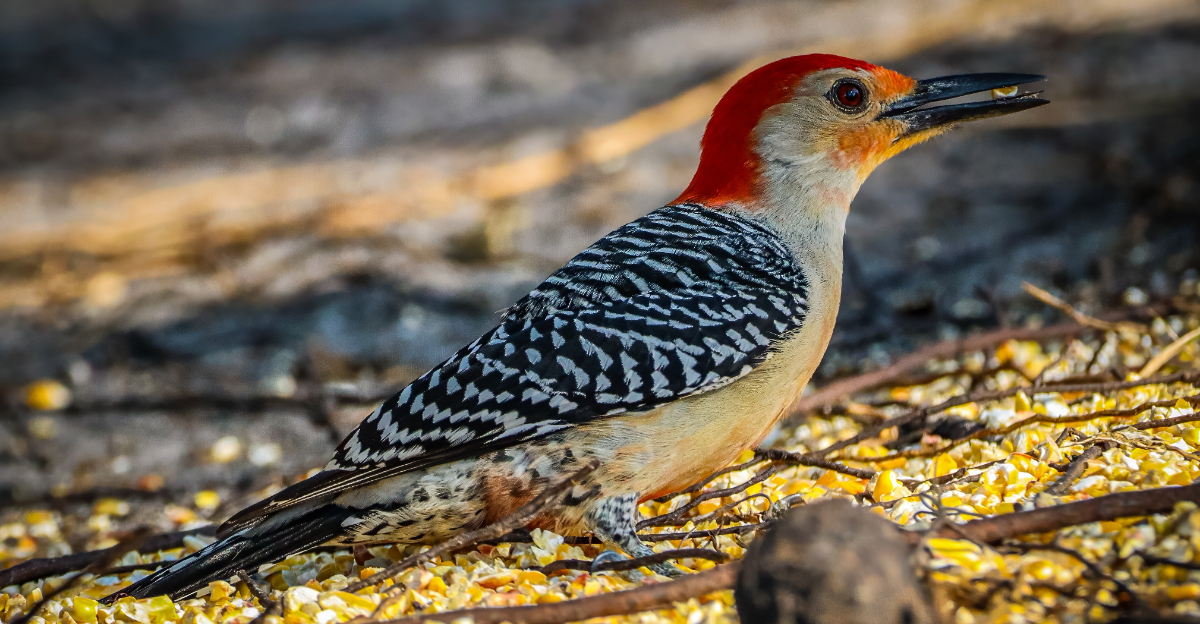
This bird shows off a zebra-striped back and a red cap that runs from its beak all the way to its neck, making it hard to miss even from your kitchen window.
Lately, more New York homeowners are catching sight of it clinging to fence posts, suet feeders, and old oak trunks.
Here is the twist: this woodpecker rarely nests where it cannot also eat well, and if your yard has become its favorite stop, something specific is pulling it in, from a decaying branch full of insects to a feeder stocked with the right seed.
Your Yard Offers Something This Woodpecker Needs
Look around your New York yard for a moment. What do you see?
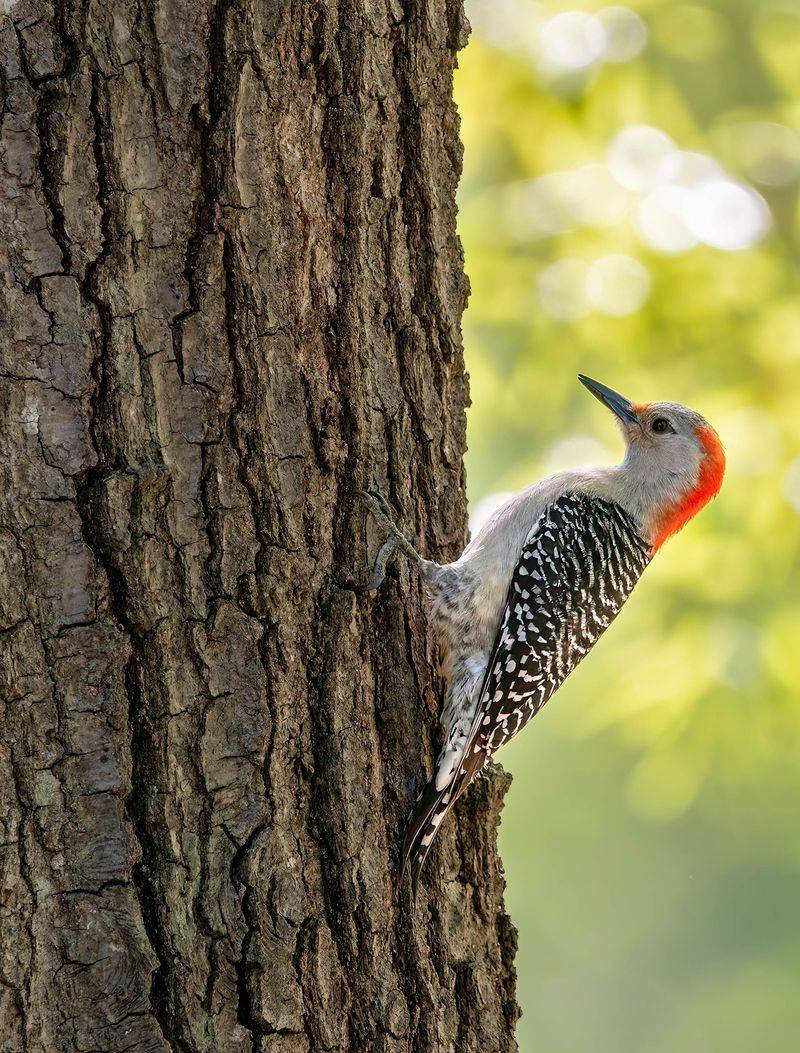
Tall trees, old wood, and layers of bark are exactly what a red-bellied woodpecker is scanning for every single day. Your backyard might be a five-star resort in woodpecker terms.
These birds are highly territorial and strategic about where they spend their time. A yard with mature trees signals safety, food, and a place to raise young.
New York is home to a growing population of red-bellied woodpeckers, partly because suburban yards have expanded their habitat. Older neighborhoods with large oaks, maples, and elms are especially attractive to this species.
The bird’s strong bill lets it peel back bark and probe deep into wood grain. It is searching for insects, larvae, and cached food it may have stored in earlier visits.
Red-bellied woodpeckers are year-round residents in many parts of New York. Unlike migratory birds, they do not leave when temperatures drop, so your yard becomes even more valuable in winter.
Shelter from wind and predators also matters to this bird. Dense shrubs, tall canopy cover, and layered plantings give it a sense of security that keeps it returning.
If your yard has all of these features, you have essentially built a woodpecker magnet without even trying. This bird is a sign of a healthy, thriving outdoor space worth celebrating.
Backyard Feeders Are a Major Draw for This Bird
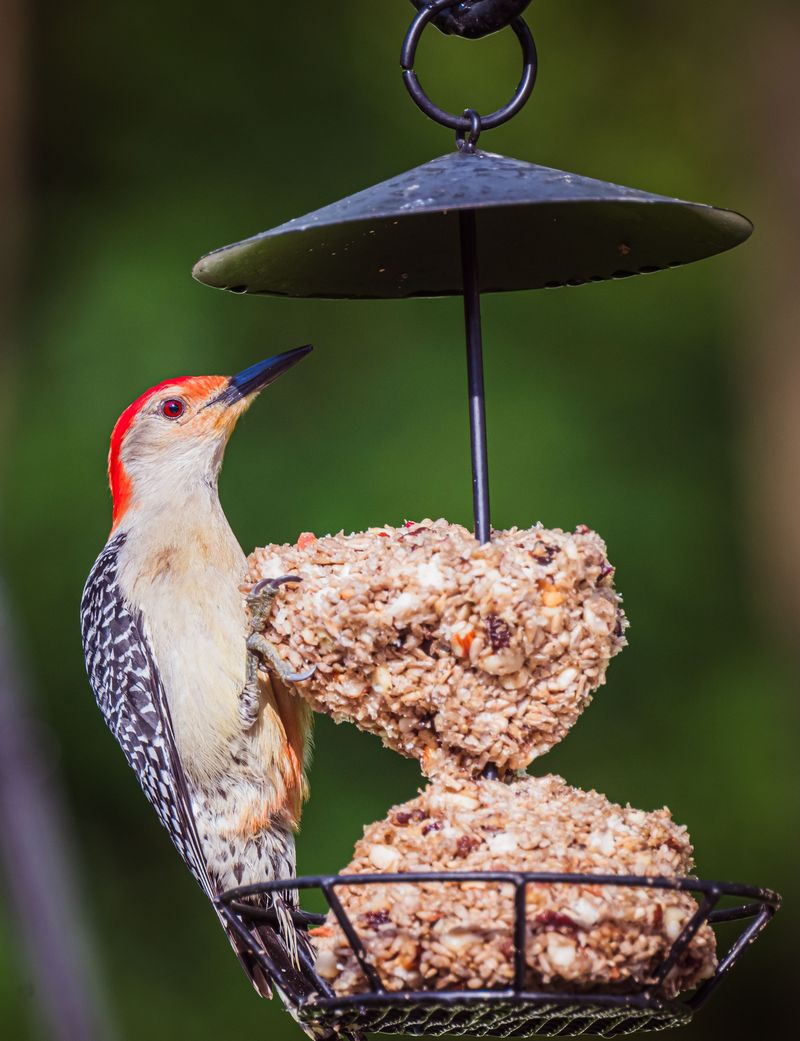
Suet is like fast food for woodpeckers, and they rarely pass it up. If you have a suet feeder in your yard, you may have already solved the mystery of why this bird keeps coming back.
Red-bellied woodpeckers are not shy at feeders. They are bold, persistent visitors who will push past smaller birds to claim their spot.
Suet cakes packed with nuts, seeds, and berries are especially irresistible to this species. The high fat content fuels their energy-intensive lifestyle of constant climbing and drumming.
Peanuts are another crowd favorite for this bird. Whole or shelled peanuts placed in a wire mesh feeder will have a red-bellied woodpecker visiting within days of setup.
Sunflower seeds also attract these birds, especially when offered in a sturdy feeder that can handle their weight. They grip the side of a feeder with surprising strength and agility.
Your New York Garden Changes Every Week. Your Plan Should Too.
Gardening in New York changes quickly throughout the season. Every Friday you’ll receive a simple weekly plan showing exactly what to plant, prune, fertilize, harvest, and protect so you never miss the right timing.
Placement matters more than most people realize. Feeders hung near large trees give the woodpecker a quick escape route, which makes it feel safe enough to linger longer.
Consistency is key once you start feeding. If the feeder runs empty for several days, the bird may shift its route to a neighbor’s yard instead.
Keeping feeders clean and stocked through fall and winter is especially important. This is when natural food sources thin out and your feeder becomes a true lifeline for the red-bellied woodpecker returning to your property.
Weathered Trees and Snags Offer Prime Nesting Spots
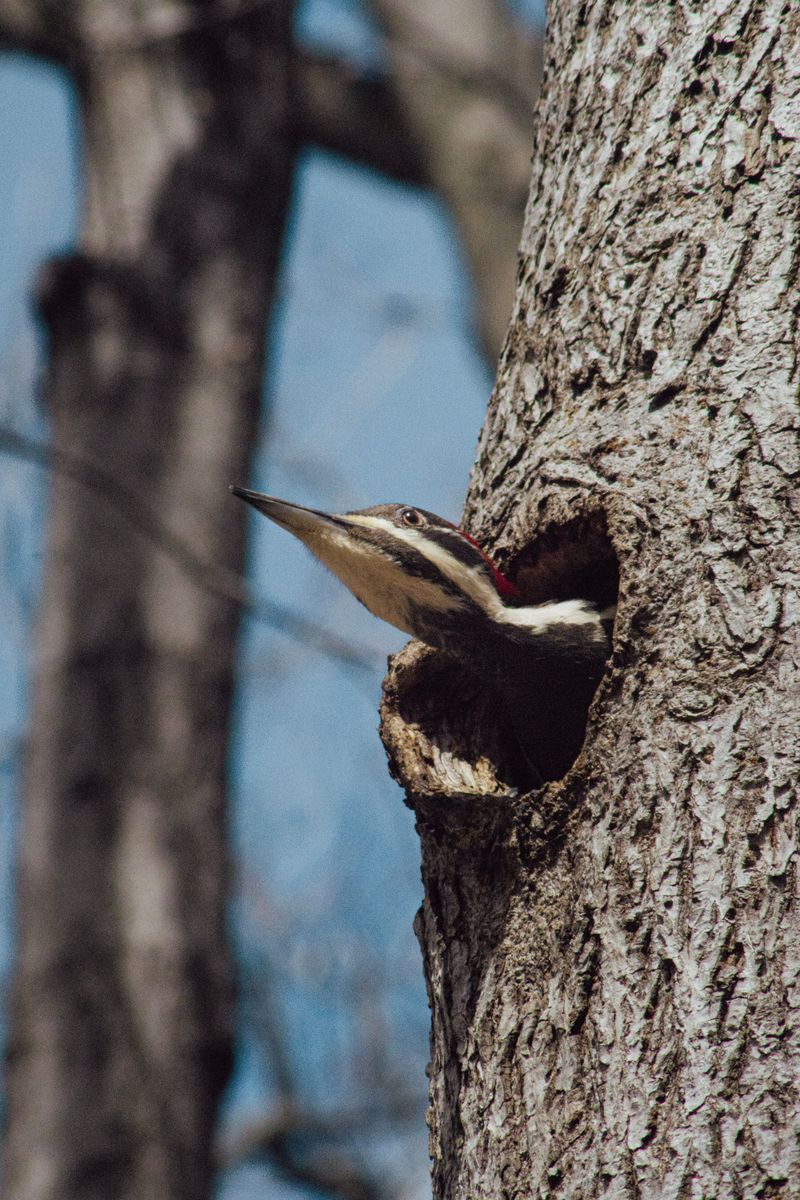
That weathered tree you have been meaning to cut down? It might be the most valuable piece of real estate in your entire yard.
Trees with decaying trunks or limbs, called snags, are prime nesting territory for woodpeckers. Red-bellied woodpeckers excavate their own nest cavities each breeding season.
They prefer soft, decaying wood because it is easier to carve through with their powerful bills.
A single snag can host multiple generations of nesting birds over many years. After the woodpecker moves on, other cavity-nesting species like bluebirds and chickadees move right in.
In New York, nesting season for this species typically runs from April through July. You may notice increased drumming and territorial calls as the birds prepare their chosen site.
Both the male and female take turns excavating the nest hole. The entrance is usually round and just wide enough for the bird to squeeze through comfortably.
If you do not have a natural snag, a wooden nest box can serve as a substitute. Mount it on a tree at least 12 feet off the ground for best results.
Leaving a weathered limb or partial snag standing instead of removing the whole tree is a simple way to support this bird. Many homeowners are surprised to learn how much wildlife depends on decaying wood.
A standing snag is not an eyesore. For a red-bellied woodpecker scouting your New York yard, it is an open invitation to stay and raise a family right in your space.
Insects in Your Yard Keep This Woodpecker Coming Back
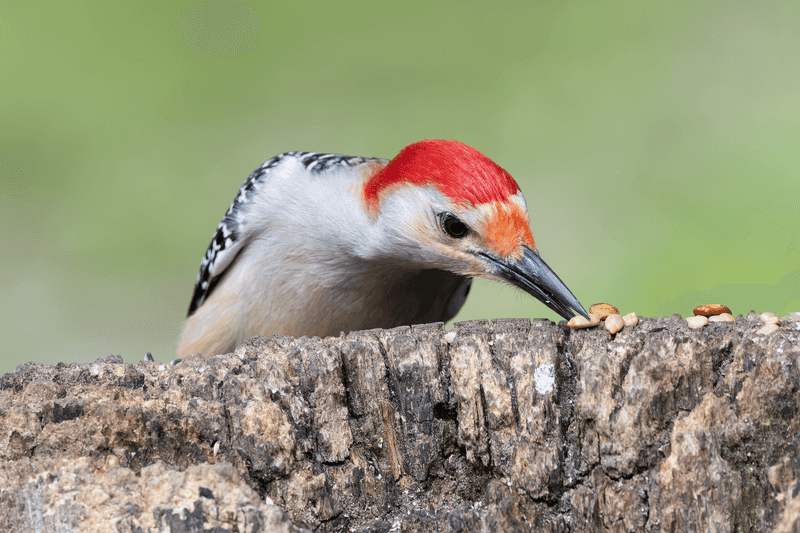
Your yard is basically a buffet, and the woodpecker already knows the menu. Insects hiding beneath bark and inside rotting wood are the primary reason this bird keeps drilling into your trees.
Beetle larvae, ants, and caterpillars are among the top menu items for a red-bellied woodpecker. Its long, sticky tongue can reach insects buried nearly two inches inside a tree.
That tongue is an engineering marvel. It wraps around the bird’s skull and anchors near its nostril, allowing it to extend far beyond the tip of the bill.
Trees stressed by drought, disease, or old age tend to attract more wood-boring beetles. Those beetles then attract woodpeckers, which is why a struggling tree often becomes a hotspot for activity.
Lawns with grubs just below the surface can also draw its attention. This bird will sometimes shift from bark to nearby turf when insects surface after a rain.
Native plantings support a richer insect population than non-native ornamentals. A yard full of native oaks, cherries, and serviceberries will attract far more insect life, which in turn draws more woodpeckers.
Reducing pesticide use is one of the most impactful things you can do. When insect populations drop, so does the food supply for birds like this one.
A yard buzzing with insect life is a yard this woodpecker will return to again and again. Think of every bug as a breadcrumb leading the red-bellied woodpecker straight back to your space.
Its Drumming Sounds Serve a Clear Purpose
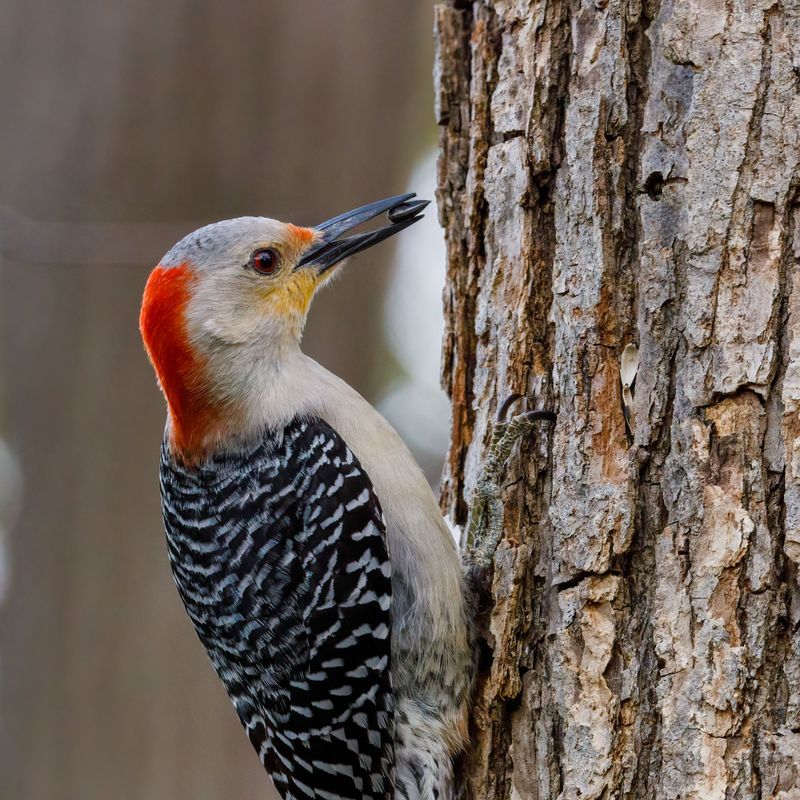
That rapid-fire knocking rattling through your morning is not random. Every drumbeat from a red-bellied woodpecker is a deliberate message sent to other birds in the area.
Drumming serves two main purposes for this species. It is used to establish and defend territory, and it is also a key part of attracting a mate during breeding season.
The sound carries surprisingly far through a neighborhood. A woodpecker on your oak tree may actually be communicating with another bird several properties away.
Both males and females drum, though males tend to do it more frequently and with greater intensity. You may notice the drumming picks up in early spring as hormone levels rise.
Preferred drumming surfaces include weathered wood, hollow trees, and unfortunately for homeowners, wooden siding and gutters. Hard surfaces amplify the sound, which is exactly the point for the bird.
If drumming is happening on your house, the bird is not eating the wood. It is simply using your home as a giant speaker to broadcast its presence.
Placing a wooden drum post or a section of log near a tree can redirect this behavior away from your siding. The bird just needs a loud surface, and it will happily use a decoy.
Once you understand why the drumming happens, it is easier to coexist with this noisy neighbor. The red-bellied woodpecker is simply doing what comes naturally, just louder than you expected.
Simple Ways to Attract This Bird to Your Property
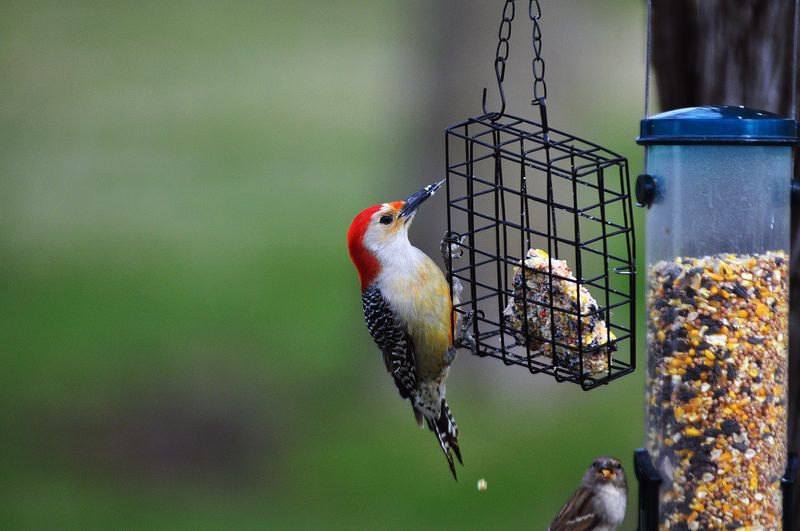
Attracting a red-bellied woodpecker does not require a complete yard overhaul. A few targeted changes can turn your outdoor space into a place this bird chooses every single day.
Start with a suet feeder hung close to a mature tree. This one step alone can bring a red-bellied woodpecker to your yard within a week or two.
Add a peanut feeder as a secondary option. Having two food sources increases the chances of the bird establishing a regular feeding route through your property.
Native trees are a long-term investment with rewards you will notice sooner than expected. Planting a native oak or cherry adds both insect habitat and potential nesting sites that this woodpecker will scout for years.
Fresh water is often overlooked but surprisingly powerful. A shallow birdbath with a dripper or wiggler creates movement that catches a woodpecker’s eye from a surprising distance away.
Avoid trimming every bare branch from your trees. Leaving some rough, weathered wood gives the bird places to forage and practice its drumming without touching your house.
Consider mounting a nest box with a 2-inch entrance hole on a tree at least 12 feet up. Position it facing away from prevailing winds for the best chance of occupancy.
Patience is the final ingredient in this whole process. Once a red-bellied woodpecker finds your New York yard reliable and safe, it will return season after season as long as that reliability continues.