What To Cut And What To Leave Alone In Your Kentucky Garden This August
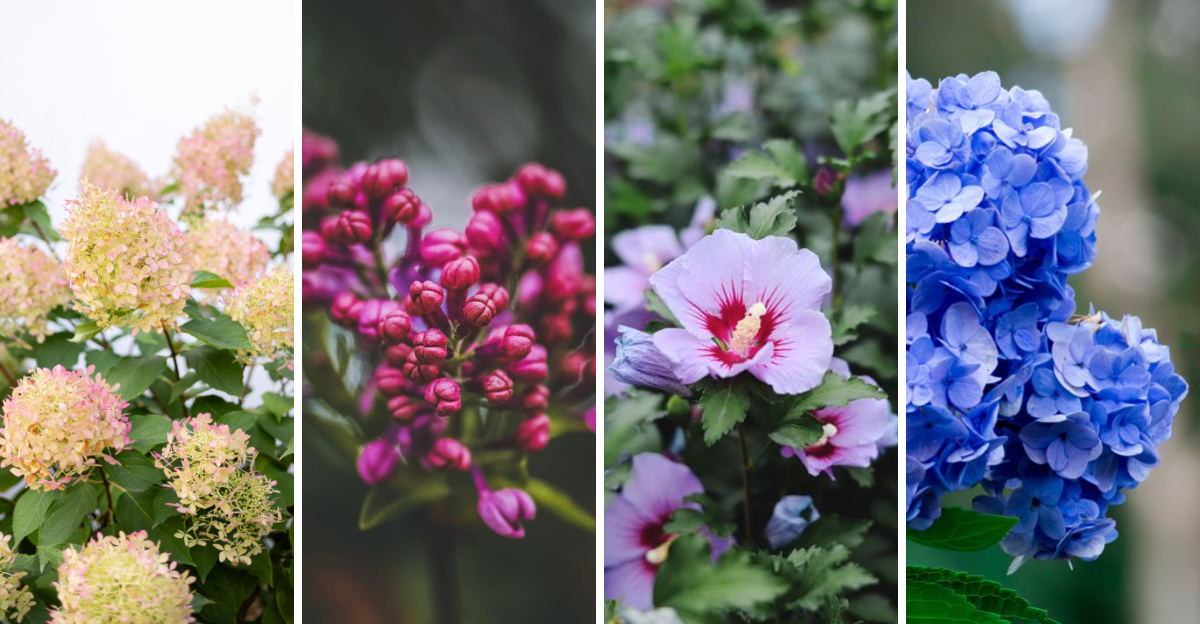
Your pruners can surprise you this month if you don’t know the rules. Kentucky gardens hide a quiet secret every August. Bloom buds form silently on certain shrubs right now.
Cutting blind means erasing next spring before it starts. Timing separates thriving borders from disappointing, empty stems. Certain plants forgive careless snips without complaint.
Southern humidity accelerates bud formation faster than you’d expect. Others cost you instantly, losing an entire season’s worth of color. Heat and humidity make Kentucky yards surprisingly vulnerable to pruning mistakes.
Late cuts on spring bloomers erase entire flowering cycles instantly. Wrong choices linger quietly until spring exposes them. Smart gardeners already know which branches to leave untouched.
Confidence comes from truly understanding what’s happening beneath the bark. Every cut carries consequences you won’t see for months.
Growth never stops, even when you think it does. You can’t afford to guess your way through this decision.
Butterfly Bush Handles Trimming Well
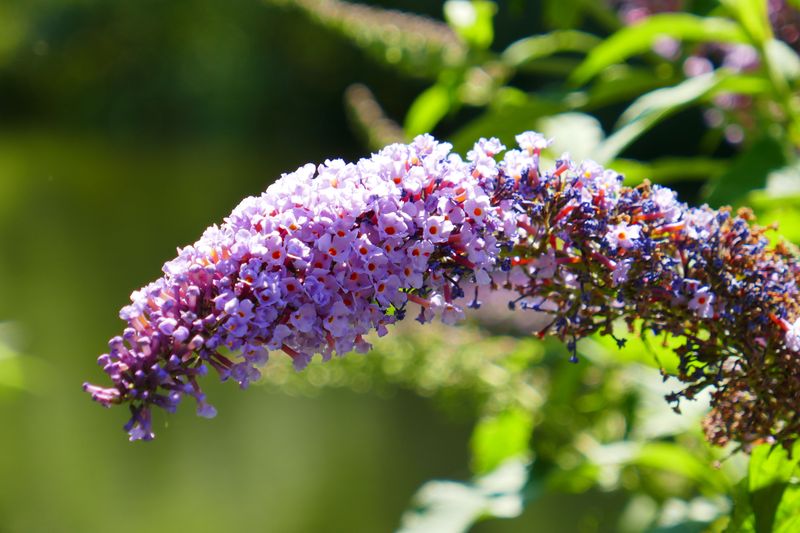
Few shrubs are as forgiving as the butterfly bush, and August is actually a great time to work with it. This plant blooms on new growth, which means cutting it back now will not sacrifice a single flower spike next year.
Grab your shears and remove spent blooms as soon as they fade. That simple move encourages the plant to push out fresh flower clusters before fall arrives.
Butterfly bush can get leggy fast in Kentucky’s humid summers. Thinning out crowded stems helps air move through the center, which lowers the chance of fungal problems.
Cut back any branch that looks weak, crossing, or damaged. Focus on shaping the plant into an open, airy structure that lets sunlight reach every stem.
You do not need to do a hard cutback right now. A moderate trim of about one-third of the overall size is plenty for August.
This shrub is also a pollinator magnet, so check for butterflies and bees before you start cutting. Moving slowly through the plant gives any visitors time to find a new perch.
One more thing to keep in mind: butterfly bush is considered invasive in some regions. Removing spent blooms before seeds form is a responsible habit that keeps it from spreading beyond your yard.
Trimming now sets you up for a stronger, fuller plant next summer, and that is a win worth every drop of August sweat.
Rose Of Sharon Takes Light Shaping Now
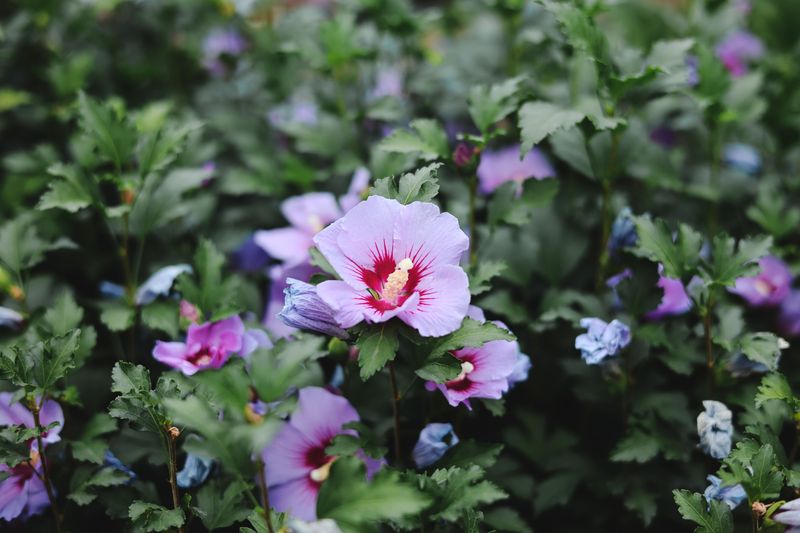
Rose of Sharon is one of those shrubs that seems almost too pretty to touch with a blade. But a light shaping session in August can actually improve its form without costing you any current blooms.
This plant blooms on new wood from the current season, so it has already done its budding work by now. Removing a few wayward branches will not interrupt the show already happening on your shrub.
Focus on trimming stems that are crossing each other or poking out at odd angles. The goal is a cleaner silhouette, not a dramatic reduction in size.
Your Kentucky Garden Changes Every Week. Your Plan Should Too.
Gardening in Kentucky changes quickly throughout the season. Every Friday you’ll receive a simple weekly plan showing exactly what to plant, prune, fertilize, harvest, and protect so you never miss the right timing.
Avoid cutting back more than one-quarter of the plant at this stage. Aggressive pruning in August can stress the shrub right before it needs to store energy for winter.
Kentucky summers are tough on woody plants, and Rose of Sharon is no exception. If your shrub looks tired or sparse, a light trim helps redirect energy into the healthiest branches.
Removing spent flowers is also a smart move right now. Rose of Sharon self-seeds aggressively, and removing faded blooms keeps seedlings from taking over your garden beds next spring.
Use clean, sharp bypass pruners for every cut. Dull blades crush the stem tissue instead of slicing cleanly, which slows healing and opens the door to disease.
A well-shaped Rose of Sharon in August means a tidier plant heading into fall and a stronger blooming structure ready for next July.
Panicle Hydrangea Tolerates Summer Cuts
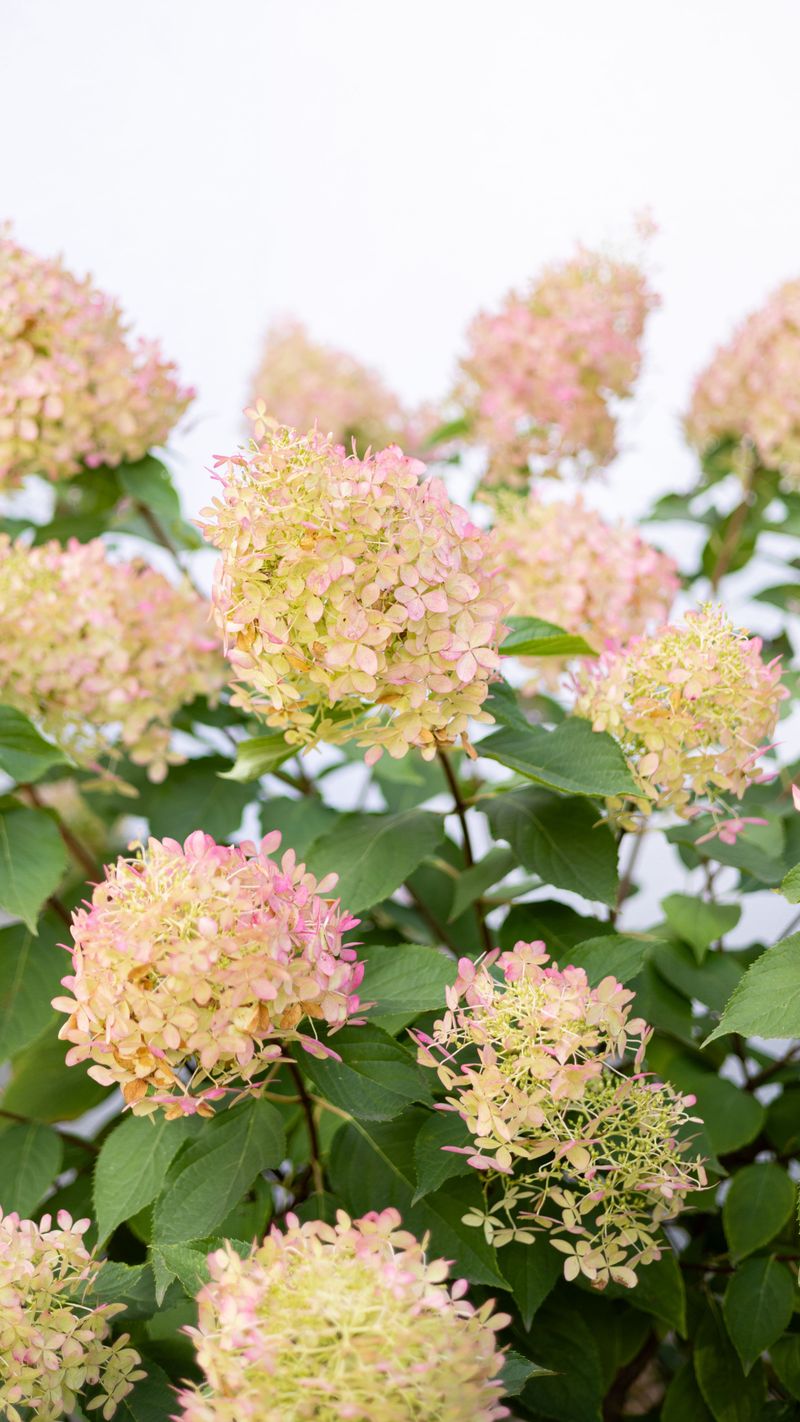
Not all hydrangeas are created equal, and panicle hydrangeas are the exception in the group. Unlike their finicky cousins, panicle types bloom on new wood and can handle a trim even in the heat of August.
You will recognize a panicle hydrangea by its tall, cone-shaped flower clusters. Popular varieties like Limelight and Quick Fire are common across Kentucky yards and gardens.
If your plant is looking a little top-heavy or floppy, now is a fine time to cut back a few of the longest stems. Shortening them by about one-third helps the plant stand upright without staking.
Removing spent or browning flower heads also improves the overall appearance. Some gardeners leave them on through fall for winter interest, but cutting them now redirects energy into the roots.
Avoid removing more than one-third of the plant in a single session. Panicle hydrangeas are tough, but over-pruning in summer can reduce next year’s flower count.
These shrubs thrive in Kentucky’s climate and can get quite large if left unchecked. An August tidy-up keeps the size manageable and the structure strong heading into cooler months.
Make every cut just above a leaf node or a healthy lateral branch. That placement encourages the plant to branch out rather than sending up one long, weak shoot.
Panicle hydrangeas reward attentive gardeners with bigger blooms and better structure, so a confident August trim is a move you will not regret come next summer.
Spirea Rebounds From Thinning
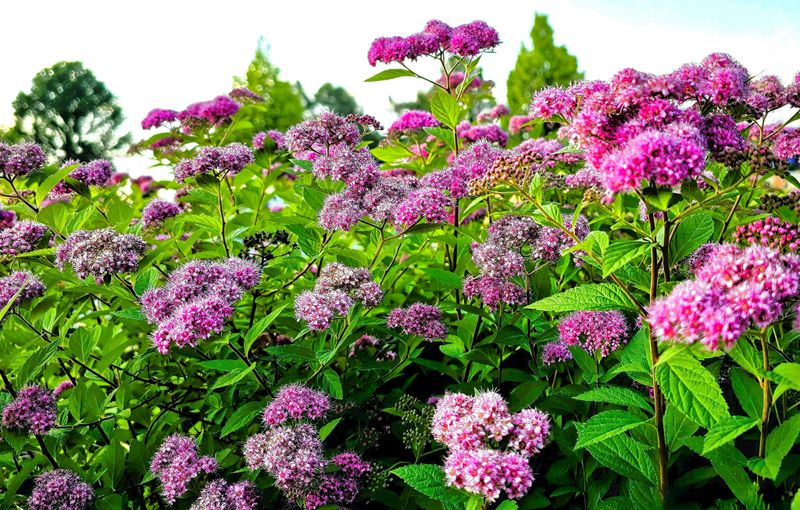
Spirea is one of the fastest-recovering shrubs after pruning. Cut it back and it bounces right back, often with a fresh flush of foliage and sometimes even a second round of flowers before frost hits.
Summer-blooming spirea varieties, like Anthony Waterer and Little Princess, have already finished their main bloom cycle by August. That makes this the ideal window for a good thinning session.
Start by removing the oldest, thickest canes from the base of the plant. These older stems produce fewer flowers, and taking them out pushes the shrub to generate fresh new growth.
Next, trim back any stems that flowered earlier in the season. Cutting them down by about half encourages branching and gives the plant a fuller, more compact shape.
Spirea can spread wider than expected over a few seasons in Kentucky’s growing conditions. Thinning now keeps it from crowding out neighboring plants in your garden bed.
After pruning, give your spirea a good deep watering. August heat combined with fresh cuts can stress the plant, and consistent moisture helps it recover quickly.
A light application of slow-release fertilizer after pruning gives the plant a small energy boost. Avoid high-nitrogen formulas, which push leafy growth at the expense of next spring’s flower buds.
Spirea is one of the most rewarding shrubs to prune because the results show up fast, and that second flush of blooms in September feels like a bonus gift from your garden.
Lilac Already Holds Next Year’s Buds
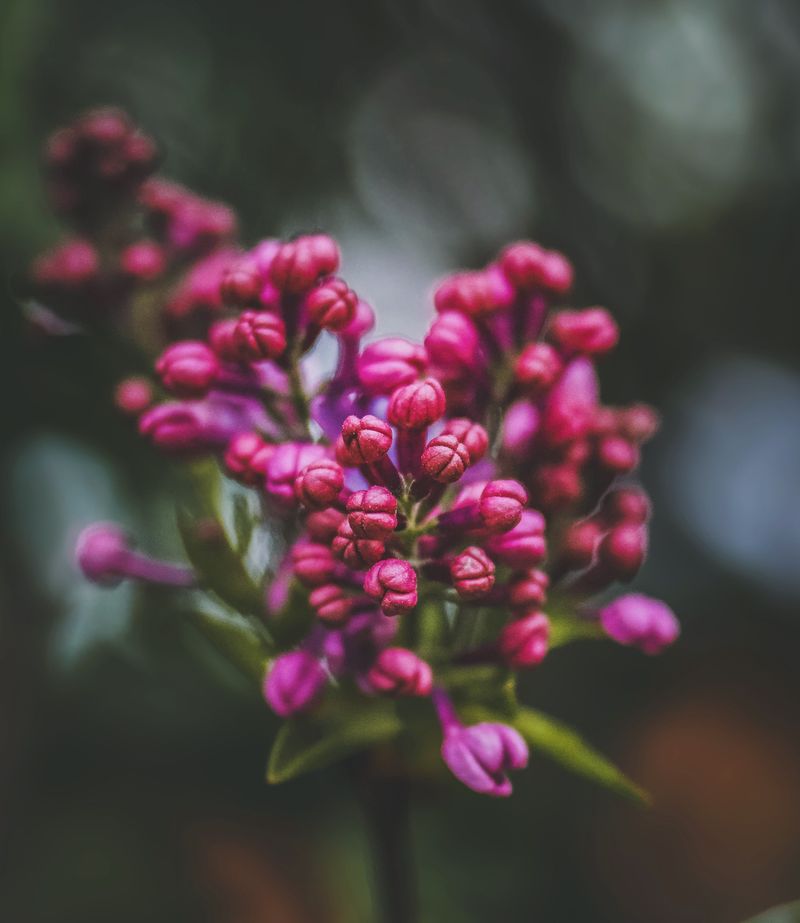
Here is where things get tricky for a lot of Kentucky gardeners. Lilac is one of the most beloved flowering shrubs around, but cutting it in August is a serious mistake.
By mid-summer, lilac has already set the buds that will open into those gorgeous, fragrant clusters next May. Every branch you remove now takes a bloom with it.
Lilac blooms on old wood, meaning the buds form on growth from the previous season. Pruning in August removes exactly the wood you need for next spring’s show.
The only time to prune a lilac properly is within a few weeks after it finishes blooming in spring. That short window gives the plant the entire growing season to set new buds on fresh stems.
If your lilac is overgrown and you feel the urge to shape it, resist that urge until next May. Patience is the best tool in your kit right now.
Removing damaged or broken branches is acceptable at any time of year. Just make sure you are only taking out wood that is clearly damaged, not live stems with healthy buds forming.
Lilac is a long-lived shrub that can thrive for decades with the right care. Protecting those August buds is one of the simplest ways to honor the investment you have made in your landscape.
Put the pruners away, step back, and let your lilac do its quiet summer work because next spring’s flowers are already on their way.
Forsythia Sets Buds On Old Wood
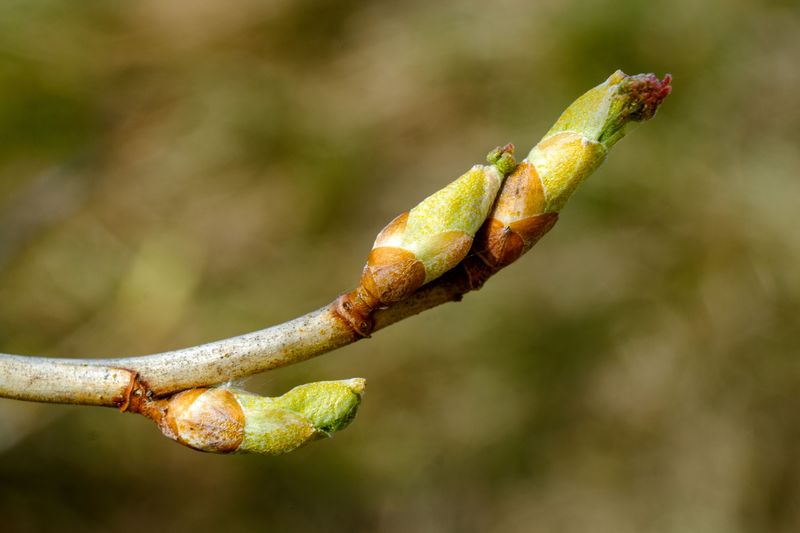
Forsythia is the shrub that announces spring with its yellow blooms, typically in March or early April depending on the weather. But if you prune it in August, you are preventing that bloom from happening next spring.
Like lilac, forsythia blooms on old wood. The buds for next year’s flowers are quietly forming right now on the branches that grew earlier this season.
Cutting those branches in August removes the buds along with them. You end up with a neatly shaped shrub in fall and no flowers next spring.
The correct pruning window is right after blooming finishes, which usually falls in late June or early July in most parts of Kentucky, though exact timing can shift with the season’s weather.
Forsythia grows fast and can get quite large in Kentucky’s climate. If yours has gotten out of hand, plan a rejuvenation prune for next April rather than tackling it now.
A rejuvenation prune involves cutting the oldest, thickest canes down to the ground. This encourages fresh new growth that will carry blooms in future seasons.
For now, the best thing you can do is leave your forsythia completely alone. Water it during dry spells and let those buds develop undisturbed through the rest of summer.
Forsythia rewards patient gardeners with one of the most cheerful displays of early spring color, and all it asks in return is that you keep your pruners away until the flowers have faded.
Azalea Needs Its Buds Left Alone
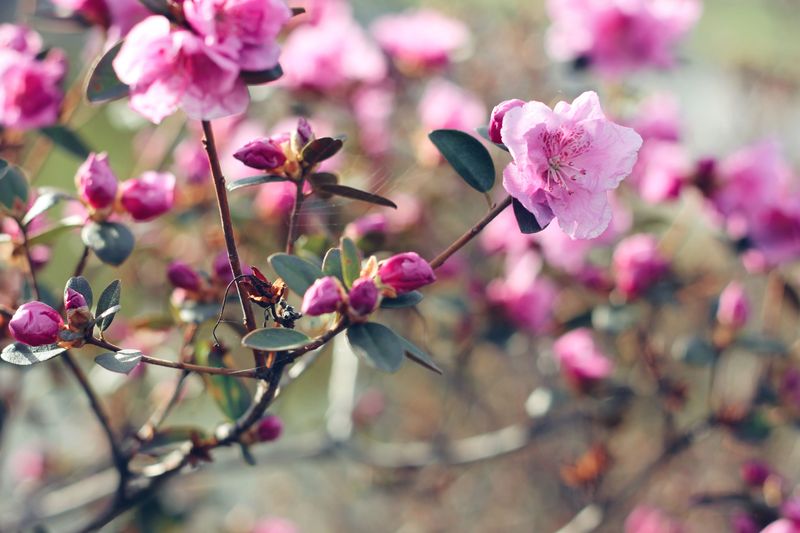
Azaleas are some of the most stunning shrubs in any Kentucky yard, and August is absolutely the worst time to prune them. Those buds sitting quietly at the branch tips right now are next spring’s blooms in disguise.
Azaleas set their flower buds in mid to late summer, making August a critical hands-off period. Snipping those tips removes the buds before they ever get a chance to open.
Many gardeners make this mistake because the shrub looks a little wild after summer growth. The temptation to tidy it up is understandable, but the tradeoff isn’t worth it.
The right time to shape an azalea is within about three weeks after it finishes blooming in spring. That timing lets you clean up the shape without sacrificing a single bud.
If you missed that spring window this year, simply wait until next May. One season without pruning will not ruin your plant, and the bloom reward is worth the patience.
Azaleas also prefer acidic soil, so if yours is looking stressed this August, check the soil pH before reaching for the pruners. A soil issue is often the real culprit behind a struggling shrub.
Removing damaged or clearly weakened branches is acceptable even now. Just be precise and careful, avoiding any green growth that has healthy bud tissue developing at the tips.
Protecting azalea buds in August is one of the easiest ways to guarantee a breathtaking spring display, and you’ll be glad you waited when spring arrives.
Hydrangea Macrophylla Risks Losing Blooms
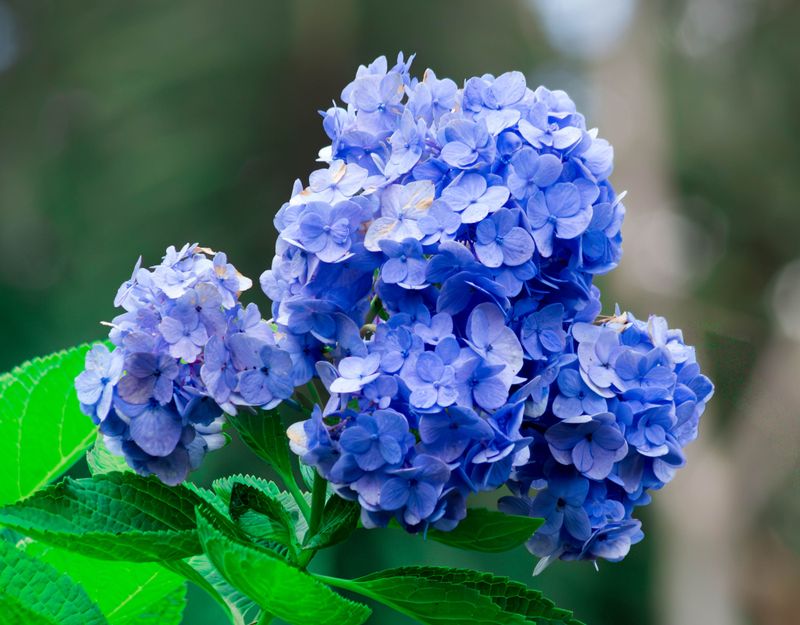
Hydrangea macrophylla, also called bigleaf or mophead hydrangea, is the most commonly misunderstood shrub when it comes to pruning in Kentucky. Cutting it in August is a common way to reduce next summer’s blooms.
This species blooms on old wood, meaning the buds for next year’s flowers are already forming on this summer’s growth. Pruning now strips away those buds before they ever mature.
You will recognize this hydrangea by its large, round flower clusters in shades of pink, blue, or purple. The flower color often shifts based on your soil’s pH, which is a fun quirk of this species.
Unlike panicle hydrangeas, macrophylla types do not tolerate late-summer pruning without a real cost. The two look similar to some gardeners, but their pruning needs are completely different.
If your bigleaf hydrangea did not bloom well this year, the cause is often a well-intentioned but poorly timed prune from last season. Leaving it alone now is the first step toward fixing that pattern.
The correct pruning window is right after blooming finishes, typically in late June or early July in most parts of Kentucky. Even then, light shaping is preferred over aggressive cutting.
For shrubs that are overgrown or struggling, a patient approach over two to three seasons works better than one dramatic prune. Gradually removing the oldest canes each spring keeps the plant healthy and blooming.
When it comes to the right and wrong shrubs to prune in Kentucky this August, macrophylla hydrangea falls into the avoid-for-now category, so set down those shears and walk away.