Why Aphids Attack Florida Garden Plants As New Growth Emerges After Cool Snaps
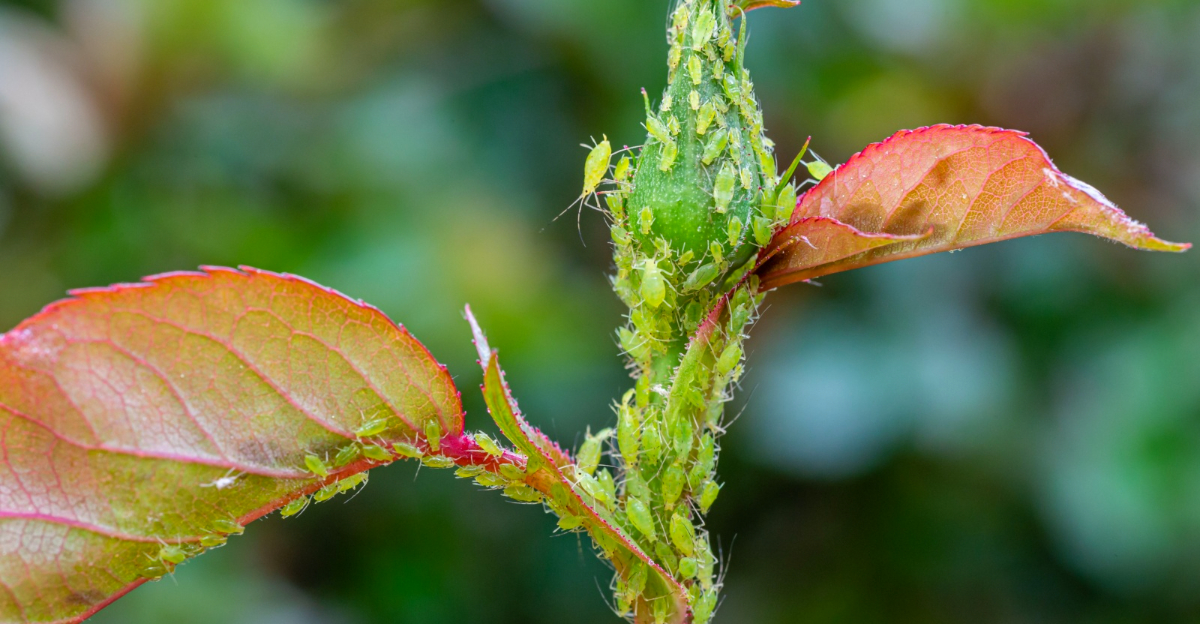
Have you ever noticed that just as your Florida garden starts looking its best after a cold snap, a tiny, swarming army appears overnight to ruin the view?
Those soft, tender new shoots are like a dinner bell for aphids, and in our subtropical climate, they don’t waste any time moving in.
Florida’s unique mix of warm winters, sandy soil, and high humidity creates the perfect environment for these pests to thrive exactly when your plants are most vulnerable.
Understanding why they strike during this burst of spring growth is the first step to protecting your landscape.
By catching them early, you can stop the infestation before it escalates and keep your garden thriving in the heat.
1. Tender New Growth Becomes Aphid Candy
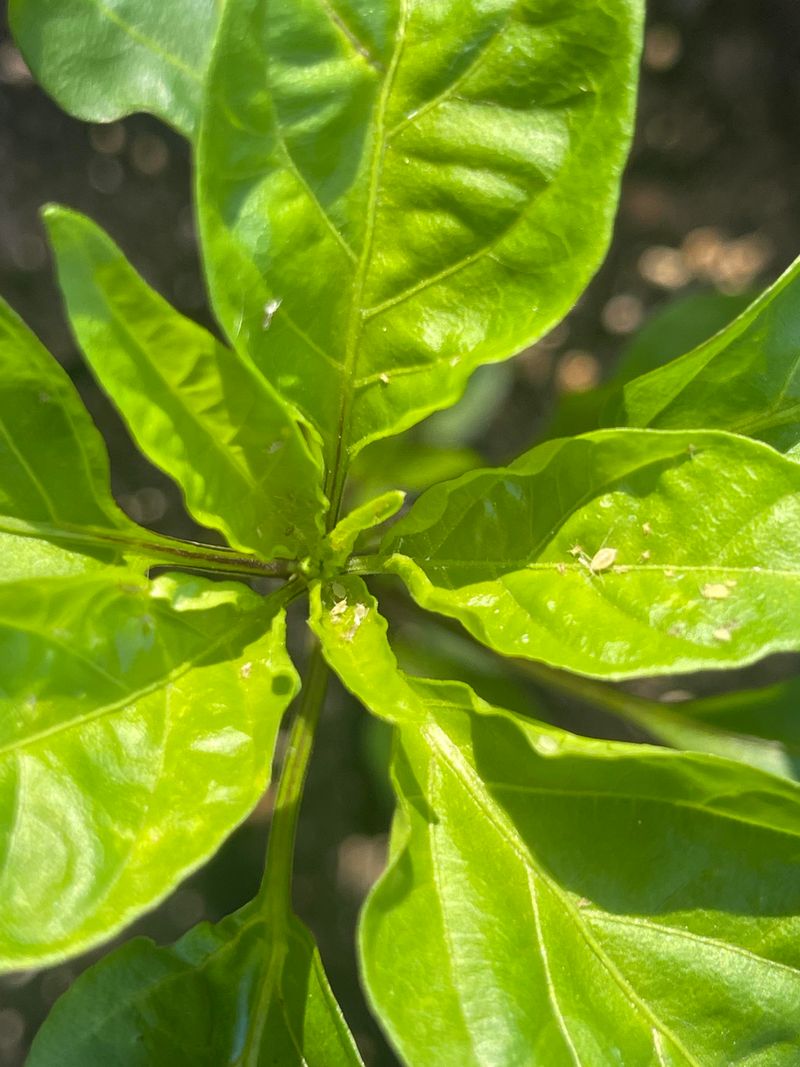
Fresh plant growth after a cool snap is practically a neon sign for aphids. When temperatures dip and then rebound in Florida, plants respond quickly by pushing out new shoots, buds, and leaves.
These tissues are soft, thin-walled, and packed with sugary plant sap that aphids can access easily by piercing the surface with their needle-like mouthparts.
Young leaves have not yet developed the tougher cell walls and waxy coatings that older foliage builds up over time. That means less resistance and easier feeding for an insect that weighs less than a grain of rice.
Aphids target this new growth the way a shopper targets a fresh display at a bakery window, moving straight for the most irresistible option available.
Florida gardeners can slow this down by avoiding heavy nitrogen fertilizer right after a cold snap. Excess nitrogen pushes rapid, overly soft new growth that is even more appealing to aphids than normal.
Using a balanced, slow-release fertilizer keeps new growth steady and a bit more resilient. Checking plants every two to three days during warm-up periods lets you catch early colonies before they explode.
A strong spray of water from a garden hose can dislodge small groups before they settle in and start reproducing in earnest.
2. Young Leaves Are Low On Natural Defenses
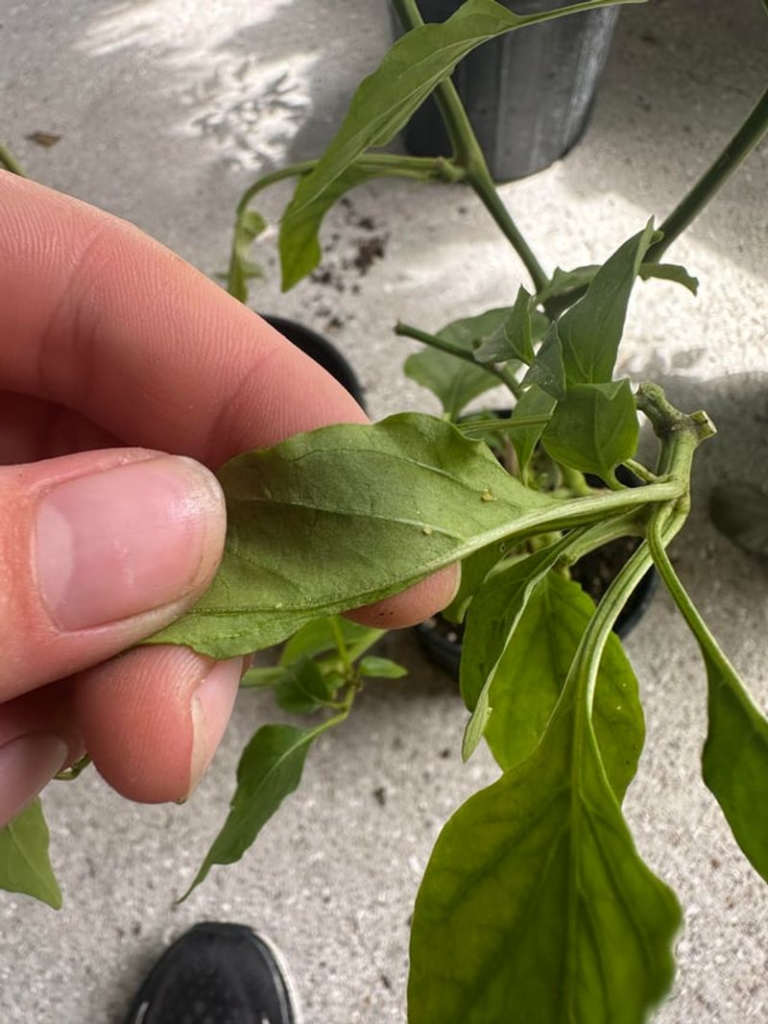
Plants are not helpless against insects, but their defenses take time to develop.
Mature leaves in a Florida garden build up layers of protective compounds, including tannins, phenols, and physical barriers like thick cuticles, that make feeding harder and less rewarding for soft-bodied insects.
Newly emerged leaves have not had time to produce these defenses at full strength.
Research in plant-insect interactions shows that young leaf tissue is significantly lower in defensive chemicals compared to mature foliage.
Aphids have evolved to detect this difference and actively seek out the youngest, least-defended tissue on a plant.
In Florida, where warm weather after a cool snap can trigger a sudden flush of new growth across an entire garden at once, aphids hit a buffet with almost no barriers in place.
One practical way to help is by choosing plant varieties that are bred for pest resistance when possible. Native Florida plants and regionally adapted cultivars often have stronger built-in defenses against local pest pressure.
Keeping plants healthy through consistent watering and proper soil nutrition also speeds up the maturation of new growth, shortening the window when leaves are most vulnerable.
Mulching around the base of plants helps stabilize soil moisture and temperature, which supports steady, healthier growth rather than the soft, rapid flushes that aphids find most attractive.
3. Florida’s Warm Humid Weather Gives Aphids A Head Start
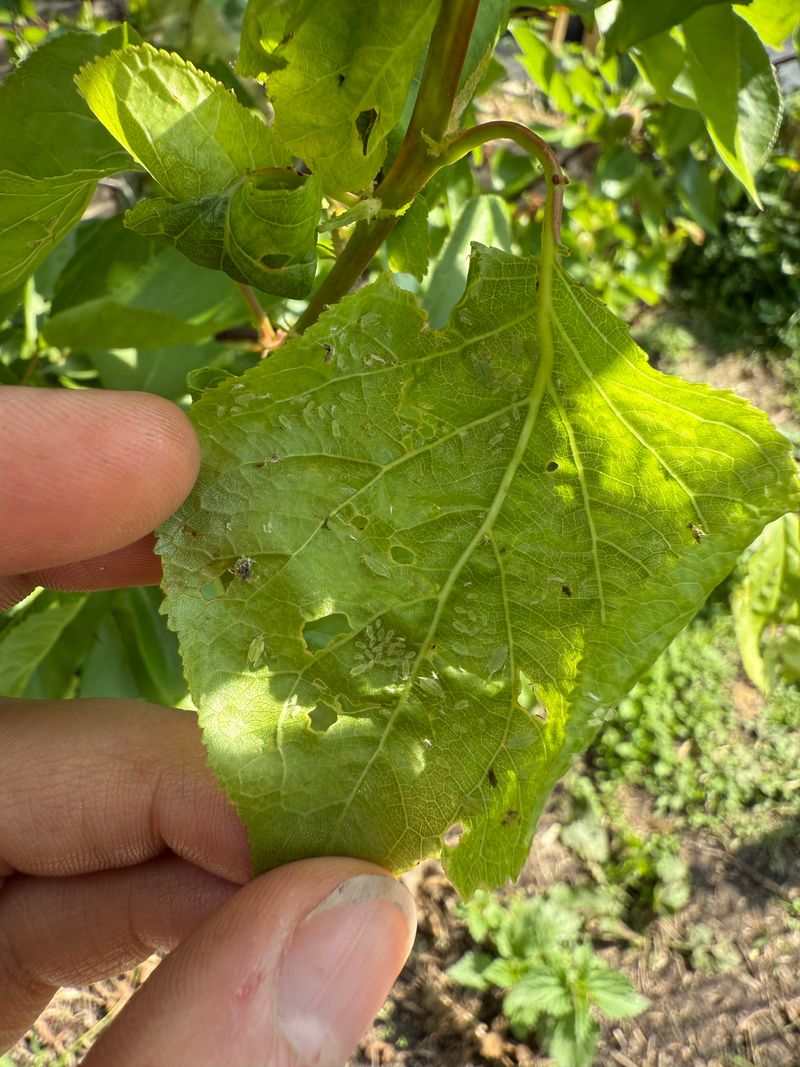
Most of North America experiences hard freezes that send aphid populations crashing each winter. Florida does not follow that pattern.
Across much of the state, winter temperatures rarely drop low enough or stay cold long enough to significantly reduce aphid numbers. A brief cool snap might slow them down slightly, but populations bounce back fast once warmth returns.
Humidity plays a supporting role too. Florida’s consistently moist air keeps soft-bodied insects like aphids from drying out, which is a real survival challenge for them in drier climates.
The combination of mild winters, quick warm-ups, and high humidity means Florida aphid populations enter spring already strong, well-established, and ready to colonize whatever new growth appears.
Gardeners in central and south Florida especially feel this pressure because the warm season stretches so long. Rotating plant placement in the garden from year to year can help disrupt aphid populations that have learned to congregate in specific spots.
Planting flowering herbs like dill, fennel, and sweet alyssum nearby encourages beneficial insects that keep aphid numbers in check naturally.
Avoiding overhead irrigation in the late afternoon also helps, since standing moisture on foliage can create conditions that favor pest buildup.
Staying aware of Florida’s seasonal rhythms gives gardeners a real edge in managing these outbreaks before they spiral.
4. Predators Take A Break After Cold Snaps
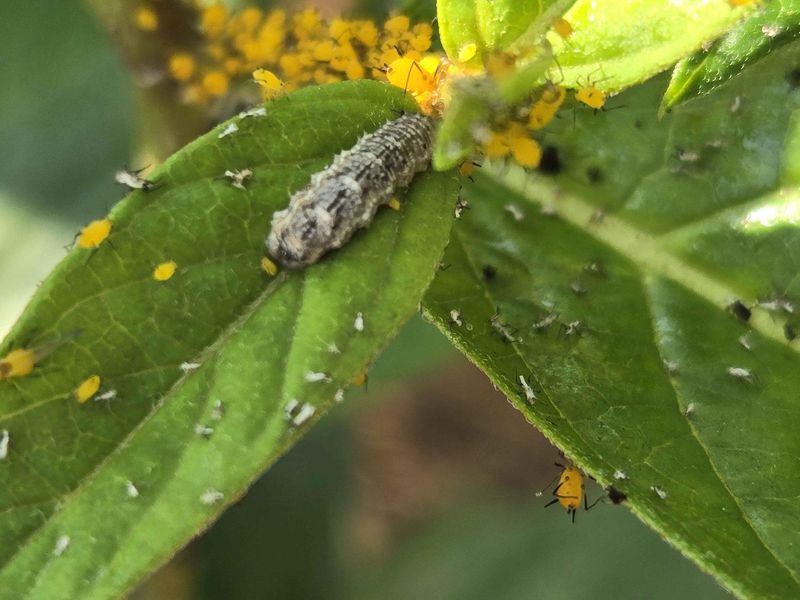
Lady beetles, lacewings, parasitic wasps, and spiders are some of the best natural controls for aphids in Florida gardens. These beneficial insects feed heavily on aphid colonies and can keep populations in balance during stable weather.
The problem is that a cool snap disrupts their activity just as much as it affects the aphids, and their recovery is slower.
Aphids have a major biological advantage here: they reproduce asexually during warm months, meaning females give birth to live young without needing to mate. A single aphid can start a colony on her own.
Beneficial predators, by contrast, must find mates, lay eggs, and wait for larvae to develop before the next generation joins the fight. That lag time after a cold snap gives aphids a head start that can be several weeks long.
Florida gardeners can shorten that window by creating habitat for beneficial insects year-round. Leaving some areas of the garden slightly wilder, with flowering plants and ground cover, gives predators shelter during cool periods so they recover faster.
Avoiding broad-spectrum pesticide sprays is equally important because those products eliminate the beneficial insects along with the pests, making future outbreaks worse.
If treatment is necessary, insecticidal soap or neem oil applied carefully to affected areas targets aphids without causing widespread harm to the predator community that keeps the garden balanced.
5. Rapid Reproduction Lets Aphids Multiply Quickly
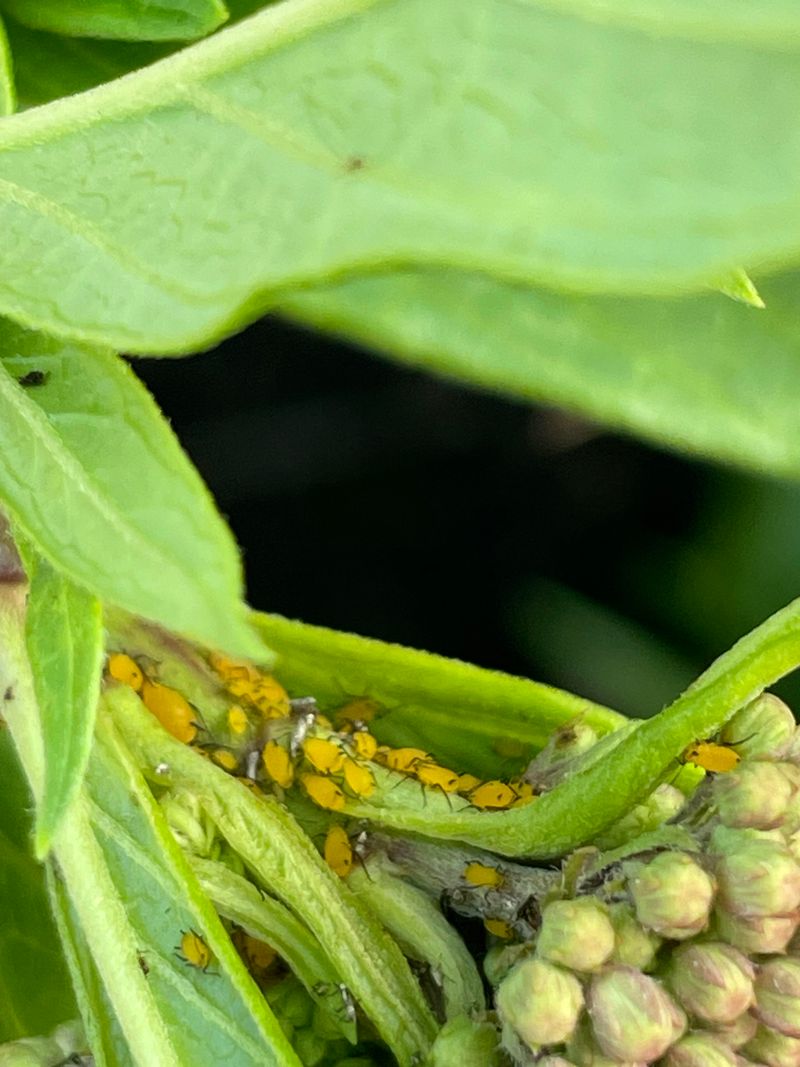
Few insects can match the reproductive speed of an aphid under favorable conditions. In warm Florida weather, a single female aphid can produce dozens of offspring in a week without mating at all.
Those offspring are born already pregnant with the next generation, a biological strategy called telescoping generations that makes population explosions almost inevitable when conditions align.
After a cool snap in Florida, temperatures rebound quickly and plants push fresh growth almost simultaneously across the garden.
Aphids that survived the cool period in protected spots, under leaves, in soil crevices, or sheltered by dense foliage, move immediately onto new growth and begin reproducing at full speed.
Within ten to fourteen days, what started as a handful of insects can become thousands spread across multiple plants.
Catching infestations early is the single most effective strategy against rapid aphid reproduction. Checking the undersides of new leaves twice a week during warm-up periods takes only a few minutes but makes a dramatic difference in outcomes.
Small colonies of fewer than twenty or thirty aphids can often be removed by hand or with a water spray before they reach critical mass.
For larger infestations, insecticidal soap applied thoroughly to all leaf surfaces, especially undersides, interrupts reproduction cycles without leaving long-lasting chemical residues in the garden.
Staying consistent with monitoring is far more effective than waiting for visible plant damage to appear.
6. Stressed Plants Invite Aphids To Feed
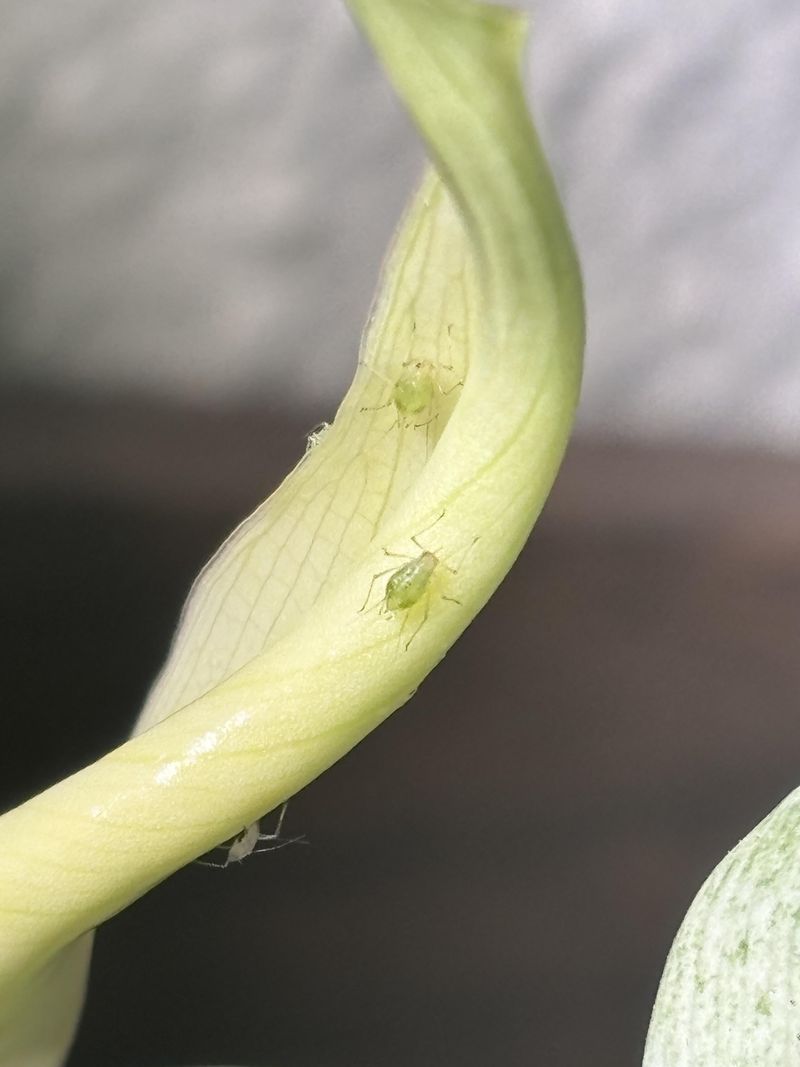
Plants under stress communicate that stress in ways that insects can detect.
When a plant is struggling from inconsistent watering, compacted soil, nutrient imbalances, or root damage, it produces amino acids and other compounds in its sap that signal weakness.
Aphids are remarkably good at reading these signals and tend to congregate on struggling plants more than on healthy, vigorous ones.
Florida gardens face a particular set of stressors after cool snaps. Soil that was cold may drain poorly for a few days, leading to temporary waterlogging near roots.
Plants that were already dealing with sandy soil and inconsistent moisture before the cold spell may be pushed into a stressed state right at the moment when aphids are most active and hungry.
That combination creates a vulnerability window that is hard to miss from an aphid’s perspective.
Soil health is one of the best long-term defenses against stress-related pest pressure.
Incorporating compost into Florida’s sandy soils improves water retention, nutrient availability, and beneficial microbial activity, all of which support stronger plant growth.
Consistent, deep watering encourages roots to grow downward rather than staying shallow and vulnerable. Soil testing every year or two helps identify nutrient deficiencies before they weaken plants enough to attract pests.
A garden with genuinely healthy soil produces plants that recover faster from temperature swings and resist aphid colonization more effectively than plants grown in poor conditions.
7. Crowded Plantings Help Aphids Spread Fast
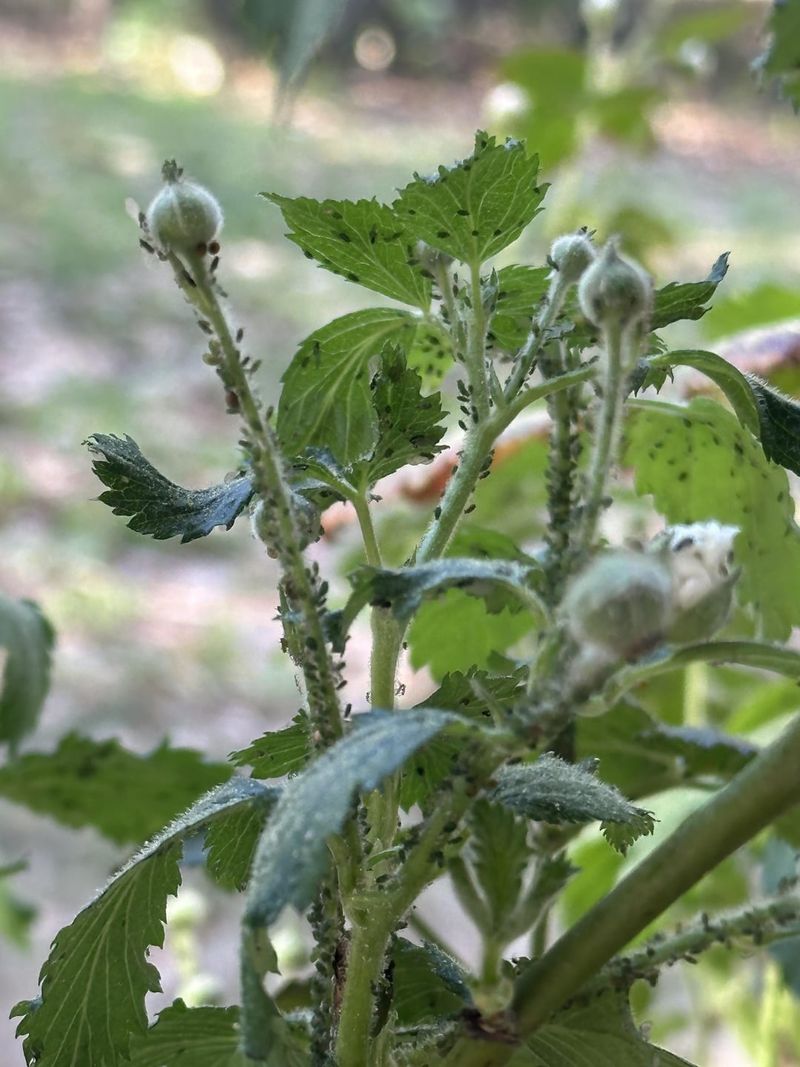
Garden layout might not seem like a pest management issue, but spacing between plants has a real effect on how quickly aphids spread.
When leaves and stems from neighboring plants touch, aphids can walk directly from one host to the next without ever exposing themselves to open air.
Dense plantings also trap humidity and reduce airflow, creating the warm, moist microclimate that aphids prefer.
In Florida, where the growing season is long and enthusiastic gardeners often pack raised beds and borders as full as possible, crowding is a common and understandable habit.
The problem becomes clear after a cool snap when aphid populations are rebuilding fast.
A colony that starts on one tomato plant can move to adjacent peppers, herbs, and ornamentals within days if foliage is touching throughout the bed.
Improving plant spacing does not require a complete garden redesign. Thinning out a few plants in densely packed areas and pruning back branches that overlap with neighbors can open up airflow significantly.
Removing lower leaves that touch the soil also reduces pathways for insects moving up from the ground. Interplanting with strongly scented herbs like basil, catnip, or garlic chives can create natural breaks in plant rows that slow aphid movement.
Winged aphids that develop within large colonies can still fly between plants, so monitoring the entire garden rather than just known problem spots gives the most complete picture of where infestations are building.