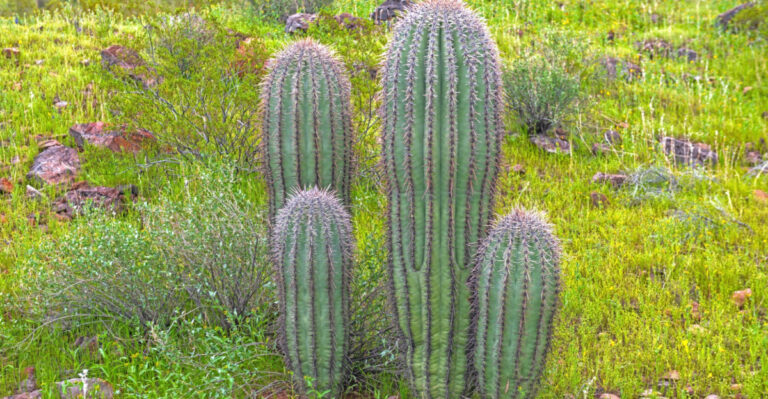
Why Arizona Cactus Turns Yellow Or Mushy And What It’s Telling You
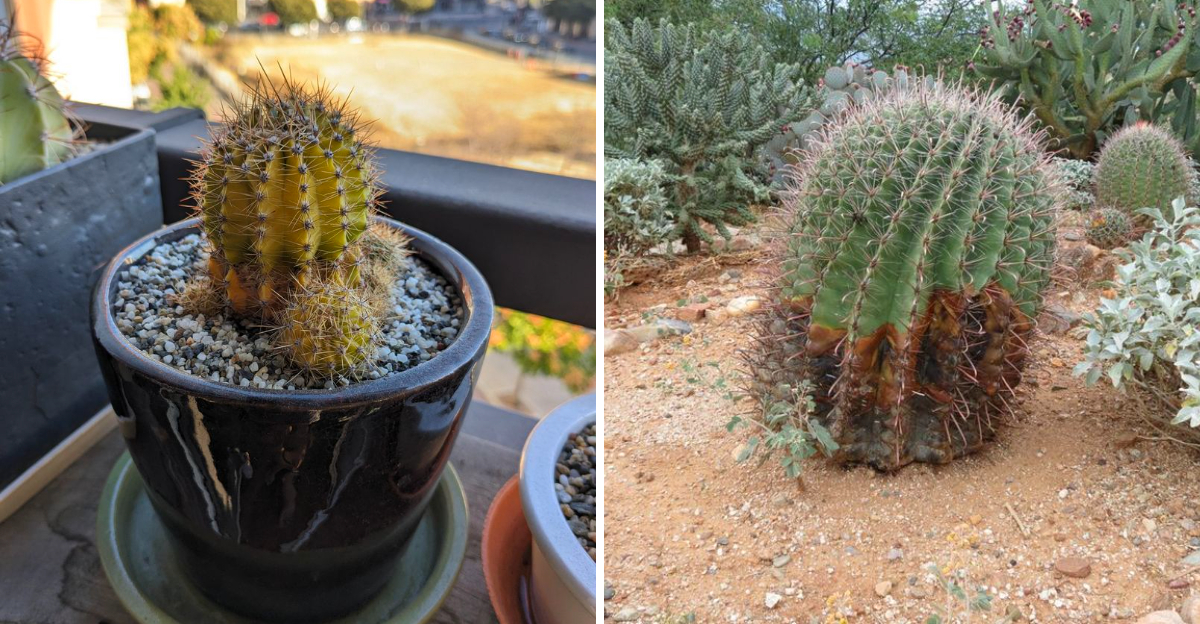
Cacti have a reputation for being basically indestructible, and honestly, it’s a reputation they’ve earned. These plants survive blistering Arizona summers, rocky dry soil, and months without rain like it’s nothing.
So when your barrel cactus starts turning yellow, your saguaro goes soft in spots, or your prickly pear looks like it’s slowly giving up on life, it’s understandably alarming.
What did you even do wrong? You barely watered it. That was kind of the whole plan.
Here’s the thing though, cacti do communicate when something is off, and once you know what to look for, the signs are actually pretty readable. Yellowing, mushiness, discoloration, and strange soft patches all mean something specific.
Learning to decode what your cactus is trying to tell you can make a real difference before small problems turn into big ones.
1. Overwatering Can Lead To Soft Mushy Tissue
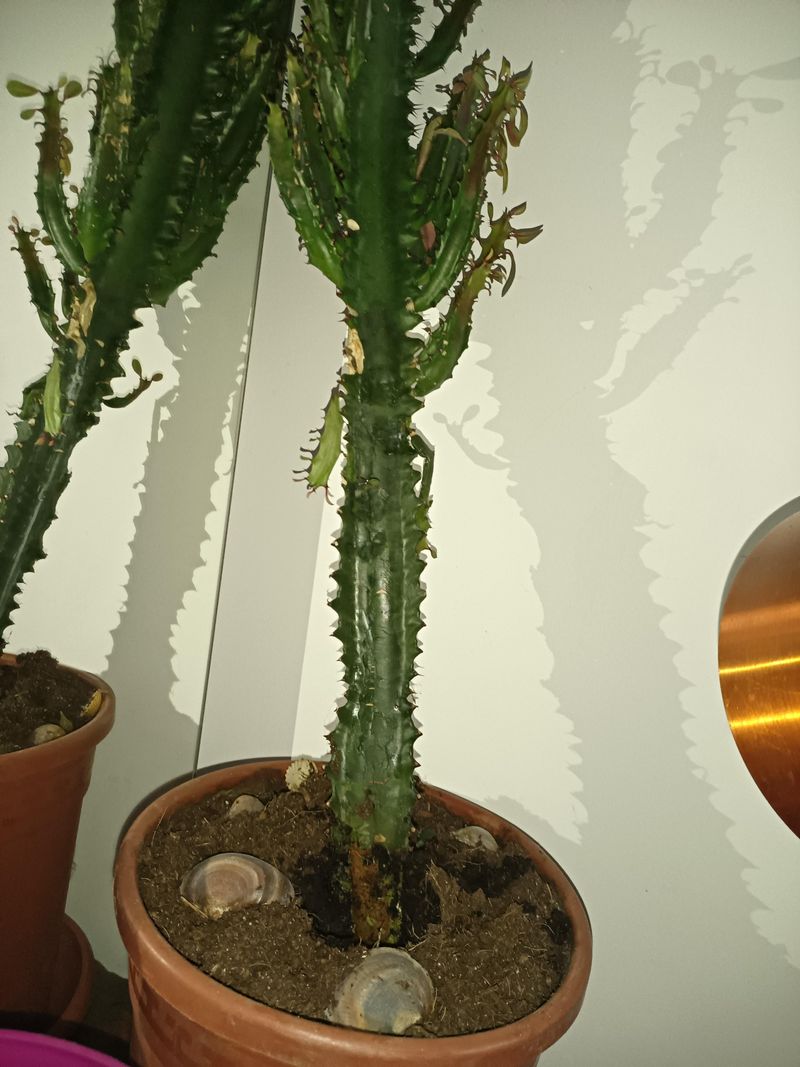
Soft, squishy cactus tissue that collapses when you press it gently is one of the clearest signs that a plant has received too much water.
In Arizona, where summer monsoon rains already add significant moisture to the soil, supplemental irrigation can push even drought-tolerant plants past their comfort zone.
Many homeowners water their cacti on the same schedule they use for other plants, which rarely works well in desert conditions.
When roots sit in waterlogged soil for too long, they lose their ability to function properly, and rot can spread upward through the plant. Barrel cactus and saguaros are especially vulnerable when planted in low spots where water collects after heavy monsoon storms.
A cactus that feels firm near the top but soft near the base may have root damage that is not yet visible from the outside.
Cutting back on irrigation is often the first step, but the soil itself needs time to dry out completely between waterings.
If the mushiness has spread widely through the plant, it may be worth consulting an Arizona cooperative extension office or a local cactus specialist for guidance on whether recovery is realistic.
2. Poor Drainage Keeps Roots Too Wet
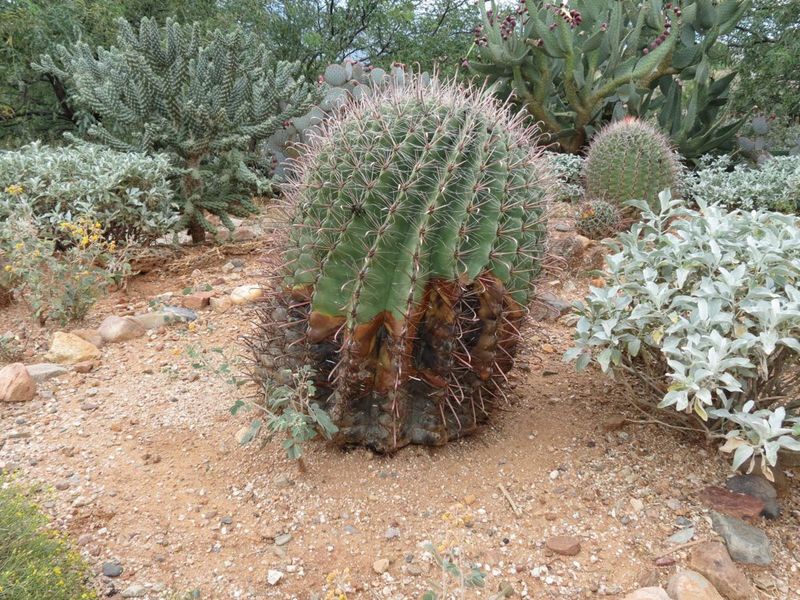
Soggy soil that never fully dries out is a quiet problem that can sneak up on cactus gardeners, particularly those who have clay-heavy soil beneath a decorative gravel surface.
Gravel beds look dry on top, but the layer underneath can hold moisture for days or even weeks after a rainstorm or irrigation cycle.
Roots sitting in that hidden wetness can begin breaking down long before any visible symptoms appear on the plant above ground.
Prickly pear, agave, and barrel cactus planted in poorly draining spots often develop soft patches along the lower pads or near the soil line first. Homeowners sometimes mistake this for a pest problem or sunburn, which can delay the right response.
Checking the soil a few inches below the surface for lingering dampness can help clarify what is actually happening.
Improving drainage before replanting is worth the effort. Raised planting mounds, amended soil with coarse sand or decomposed granite, and strategic placement away from low-lying areas can all make a meaningful difference in Arizona yards.
Your Arizona Garden Changes Every Week. Your Plan Should Too.
Gardening in Arizona changes quickly throughout the season. Every Friday you’ll receive a simple weekly plan showing exactly what to plant, prune, fertilize, harvest, and protect so you never miss the right timing.
Containers with drainage holes are another option for smaller cactus varieties on patios or covered outdoor spaces where water tends to linger.
3. Yellowing Can Signal Water Stress
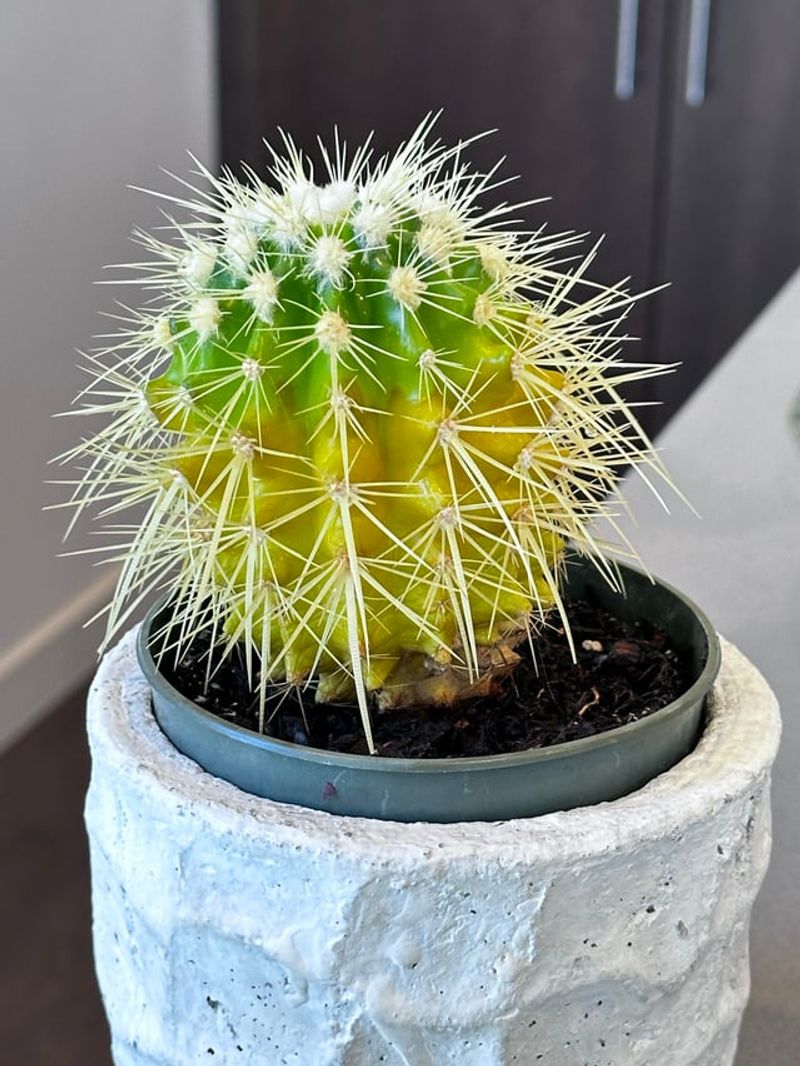
Not all yellow cactus tissue points to overwatering. In fact, a cactus that has gone too long without water during intense summer heat can also develop a yellowed or faded appearance.
The difference often comes down to texture. A water-stressed cactus tends to look slightly shrunken, wrinkled, or deflated rather than soft and wet-feeling.
Established saguaros and prickly pear plants in Arizona are remarkably good at storing water in their tissue, but younger plants or recently transplanted ones have smaller reserves and can show stress more quickly.
During stretches of extreme heat without rain, even desert-adapted cacti in rock gardens and gravel beds may benefit from an occasional deep watering to help them stay hydrated.
Yellowing that appears on new growth first can be a sign that the plant is struggling to push nutrients through its system without adequate moisture.
Before adjusting your watering routine, check the soil and observe the overall texture of the plant. Firm, slightly wrinkled tissue with a pale yellow color is usually less urgent than soft, dark, or wet-looking tissue.
If you are unsure, reaching out to an Arizona-based master gardener program or local nursery can help you interpret what your cactus is showing you.
4. Sunburn Can Leave Yellow Or Pale Patches
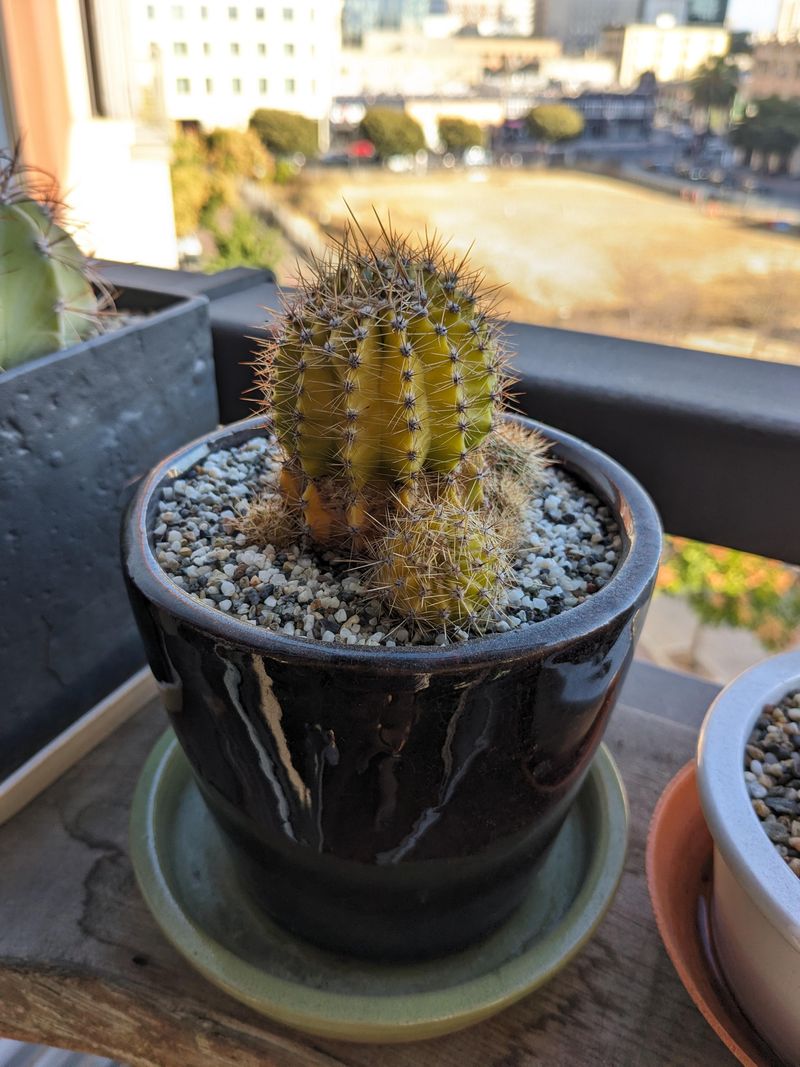
Arizona summers are relentless, and even sun-loving cactus plants can develop pale yellow or whitish patches when exposed to sudden or extreme direct sunlight.
Sunburn on a cactus typically shows up on the side facing the most intense afternoon sun, which in Arizona usually means the southwest-facing surface of the plant.
The discoloration tends to look faded, dry, and papery rather than wet or soft.
Sunburn most often happens after a cactus is moved from a shaded or indoor environment into full outdoor sun without a gradual adjustment period.
It can also occur when surrounding plants or structures that once provided shade are removed, suddenly exposing a cactus that had adapted to lower light levels.
Patio containers are a common setting for this kind of problem, since potted plants are frequently moved around.
Sunburned patches on a cactus usually do not recover or return to their original green color, but the plant can continue growing normally if the damage is only on the surface layer.
Providing afternoon shade with a shade cloth or repositioning containers can help prevent further damage.
Firm, pale patches without any mushiness are generally less concerning than soft or wet-looking discoloration, though monitoring the spot over several weeks is a reasonable approach.
5. Cold Damage Can Show Up As Discoloration
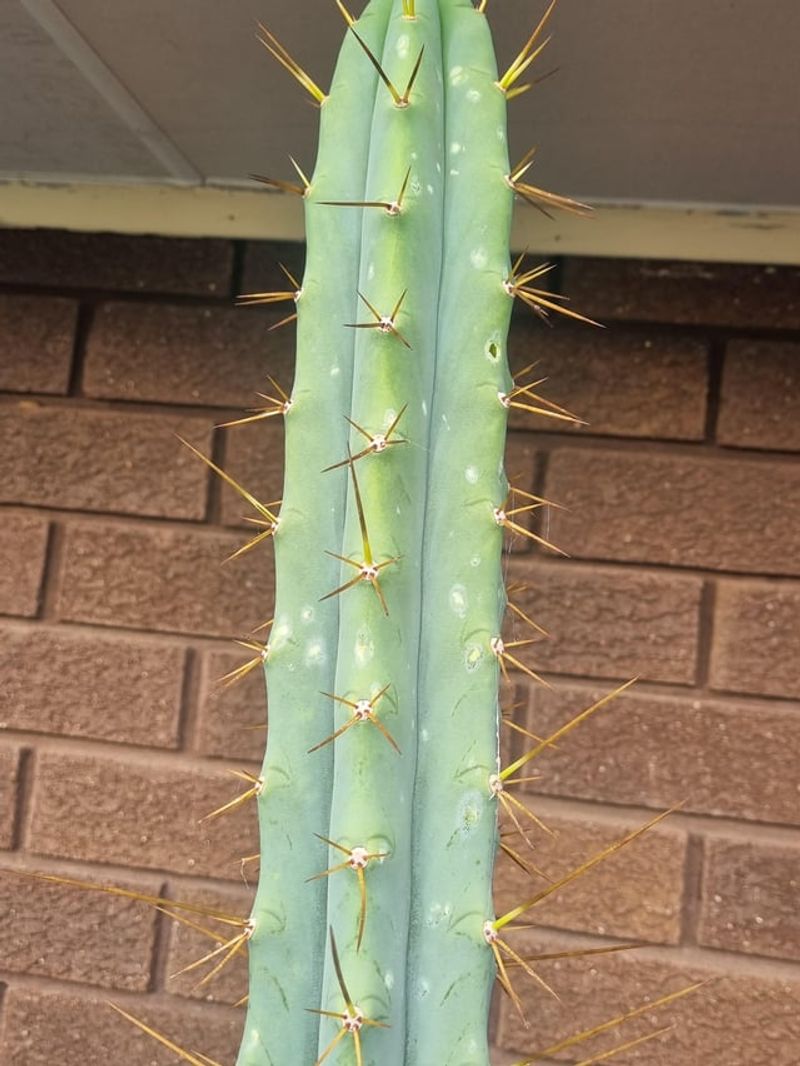
Arizona is known for heat, but cold nights in winter, especially at higher elevations or in valley frost pockets, can catch cactus plants off guard.
When temperatures drop below freezing, the water stored inside cactus tissue can expand and damage the cells from the inside out.
The result often looks like yellowing, browning, or a mushy softness that appears days or even weeks after the cold event, which can make it tricky to connect the symptom to its cause.
Saguaros, which are native to the Sonoran Desert and well-adapted to Arizona conditions, can tolerate brief cold spells, but extended freezes or unusual cold snaps can still cause visible damage, particularly on younger plants or those in exposed locations.
Prickly pear cacti often show cold damage as bleached or brownish patches on their pads, while barrel cactus may develop soft spots near the top where cold air settles most.
After a frost event, it helps to wait and observe before taking any action. Some discoloration turns out to be superficial, and the plant may resume normal growth as temperatures warm.
However, tissue that remains soft and wet-looking weeks after the cold snap has passed may need closer attention from a local cactus expert familiar with Arizona growing conditions.
6. Bacterial Necrosis Can Affect Saguaros
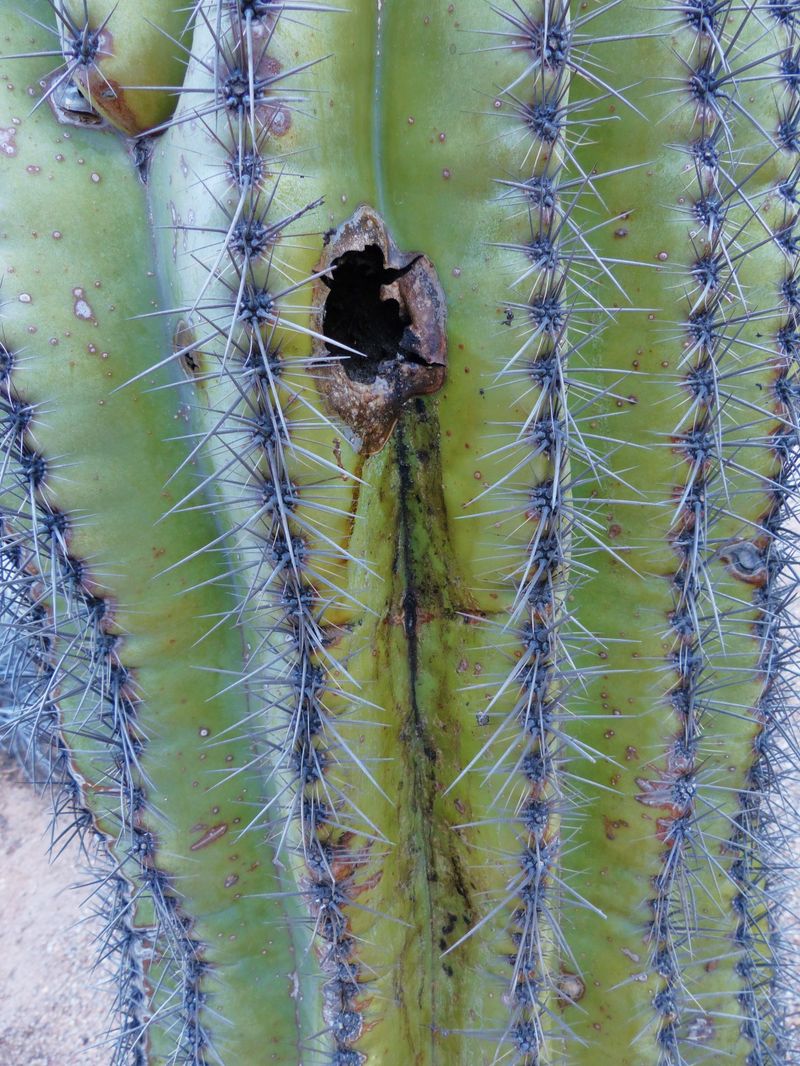
One of the more serious conditions that can affect Arizona’s iconic saguaro cactus is bacterial necrosis, a disease caused by bacteria that enter the plant through wounds, insect activity, or other openings in the outer skin.
The signs can include dark, wet-looking patches that ooze a foul-smelling liquid, along with soft or collapsing tissue that spreads inward over time.
This is different from simple overwatering rot and tends to have a distinct odor.
Saguaros can sometimes wall off small areas of necrosis and continue growing without major visible decline, which is one reason the condition can go unnoticed for a while.
However, when the affected area is large or located at a structurally important part of the plant, the situation can become more serious.
Homeowners sometimes discover the problem when they notice dark staining on the outside of the cactus or find insects clustering around a damaged area.
Bacterial necrosis is not something that responds well to home remedies or guesswork.
If you suspect your saguaro may be dealing with this kind of infection, contacting an Arizona-based plant diagnostics service or a certified arborist familiar with desert plants is a reasonable step.
Early attention gives the plant a better opportunity to limit the spread of damage.
7. Physical Damage Can Invite Rot Problems
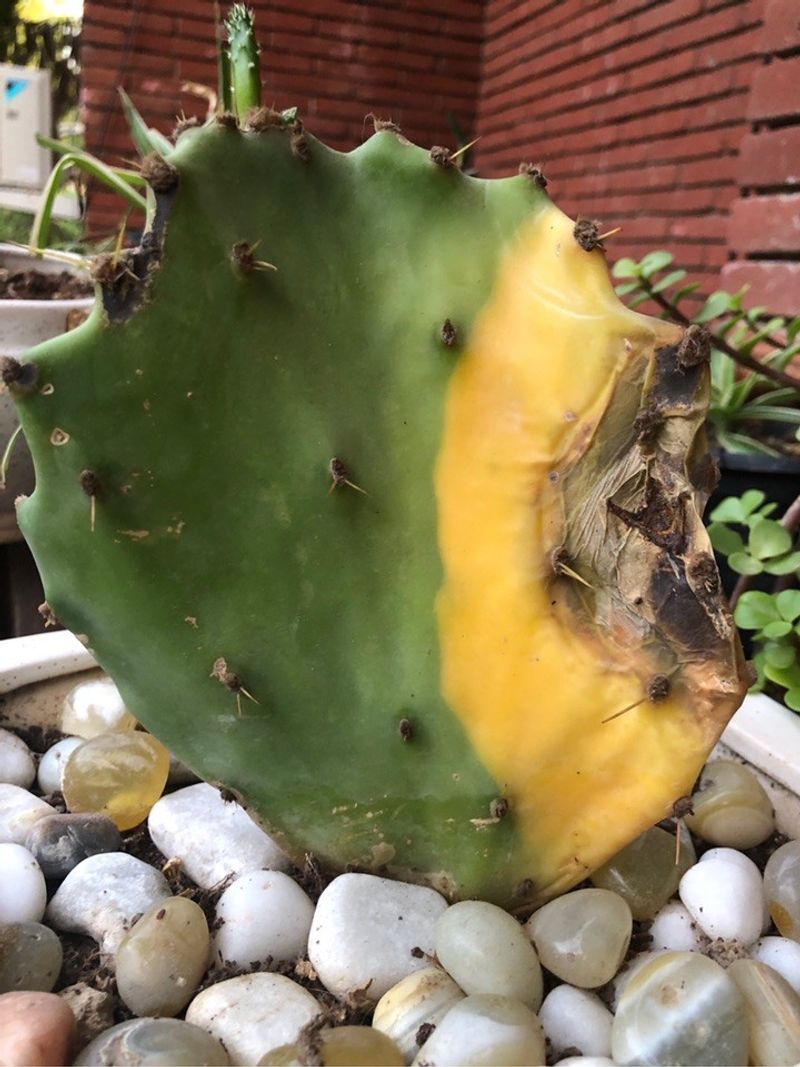
A crack, cut, or puncture in a cactus can seem like a minor issue at first, but in Arizona’s warm and sometimes humid monsoon season, even a small wound can become a gateway for bacteria and fungi that lead to rot.
Saguaros struck by rocks or debris, prickly pear pads broken by strong winds, and barrel cactus nicked by lawn equipment are all common examples of physical injuries that can quietly develop into bigger problems.
The tissue around a wound may begin to look discolored, soft, or sunken within a few days to a few weeks depending on conditions. Warm, wet weather following the injury tends to speed up this process, while dry conditions may slow it down.
Watching a wounded area closely during monsoon season in Arizona is especially worthwhile, since the combination of heat and moisture creates ideal conditions for secondary infections to take hold.
Small, dry wounds on tough-skinned cactus like saguaros sometimes callous over on their own without intervention. Larger or wet-looking wounds, particularly those that seem to be spreading, may benefit from professional assessment.
Keeping foot traffic, tools, and equipment away from cactus plants in your yard reduces the chance of accidental damage that could lead to more complicated health concerns later.
8. Pests Can Cause Spots And Weak Growth
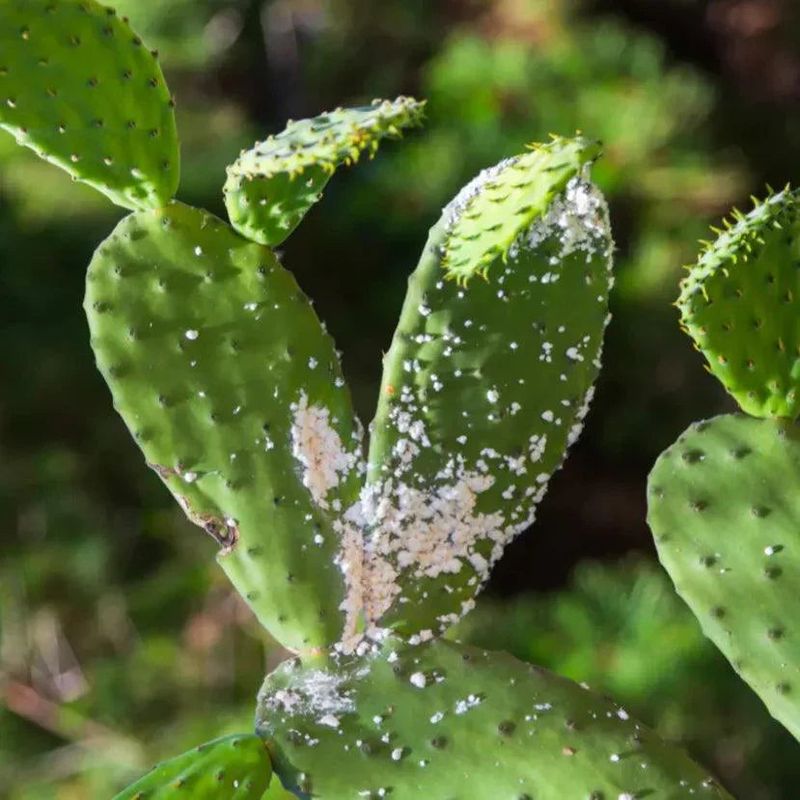
Tiny pests can cause surprisingly noticeable damage on Arizona cactus plants, often showing up as yellow spots, pale patches, sticky residue, or small cottony clusters on the surface of pads and stems.
Scale insects, mealybugs, and cochineal scale are among the more common culprits found on prickly pear, barrel cactus, and other desert plants in Arizona yards and rock gardens.
Some of these insects feed by sucking moisture and nutrients from the plant, which weakens growth over time.
Cochineal scale, which appears as a bright white, waxy coating on prickly pear pads, is one of the easiest pests to spot. Beneath that white layer, the insects are actually a deep red color, which becomes visible if the coating is wiped away.
While a light infestation may not cause serious harm, a heavy one can lead to yellowing pads and reduced vigor, particularly on younger or stressed plants.
Rinsing affected pads with a strong stream of water is often a first approach for manageable infestations. For more persistent problems, insecticidal soap or horticultural oil applied carefully can help reduce pest populations.
Checking cactus plants regularly, especially during spring and early summer in Arizona, makes it easier to catch pest activity before it becomes widespread across your landscape.
9. Transplant Stress Can Cause Color Changes
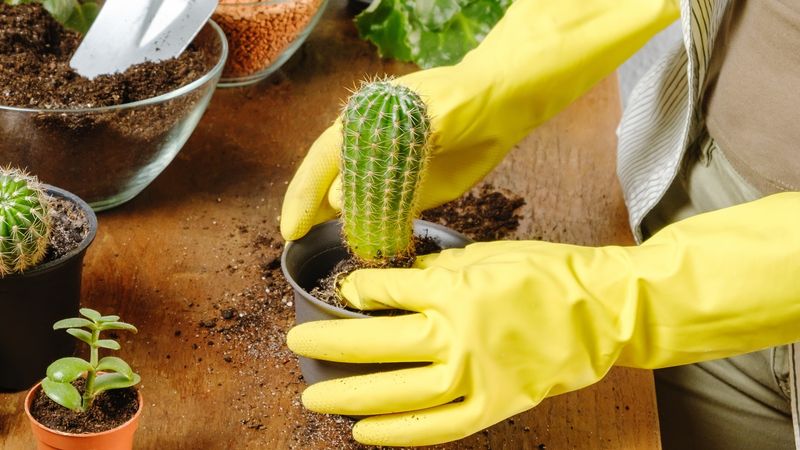
Moving a cactus, even a short distance, can trigger a stress response that shows up as yellowing, pale coloration, or slight softening of the outer skin.
Transplant stress happens because the root system is disrupted during the move, and the plant temporarily loses some of its ability to take up water and nutrients.
In Arizona’s intense heat, this adjustment period can feel particularly hard on a newly placed cactus.
Saguaros that are relocated for construction projects or landscape redesigns are especially prone to transplant stress, and the symptoms can sometimes linger for a full growing season.
The key is allowing the plant to settle without adding more stress through overwatering, excess fertilizer, or unnecessary handling.
Keeping the cactus in a similar sun orientation to where it grew before can also help it adjust more comfortably.
Most transplant-related color changes in otherwise healthy cactus plants tend to stabilize as the root system reestablishes itself. Pale or slightly yellow tissue that remains firm and does not spread is generally less alarming than soft or wet-looking areas.
If a newly transplanted cactus in your yard develops mushy tissue within the first few weeks, checking soil moisture and drainage conditions is a sensible first step before drawing any firm conclusions.
10. Firm Yellowing Means Something Different Than Mushiness
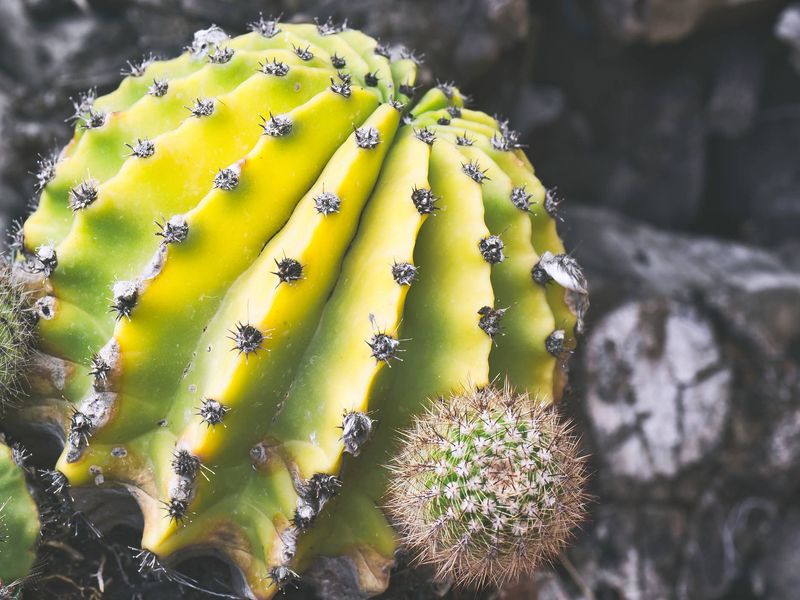
Not every yellow cactus is in serious trouble. Firm, evenly yellowed tissue on a cactus can sometimes point to nutrient availability issues, natural aging of older pads, or minor environmental stress rather than rot or disease.
In Arizona landscapes where soil composition varies widely, some cactus plants grow in conditions that are low in certain nutrients, which can contribute to a washed-out or pale yellow appearance over time without causing soft tissue.
The texture of the discolored area is one of the most useful clues a homeowner can use when evaluating a cactus.
Firm yellow tissue that holds its shape when gently pressed is a meaningfully different situation than tissue that collapses, weeps liquid, or smells unpleasant.
Soft and mushy areas often call for faster attention because they can indicate active rot that may spread if conditions stay wet or warm.
Older pads on prickly pear cactus in Arizona yards sometimes yellow naturally as the plant directs energy toward newer growth, which is a normal process rather than a warning sign.
Observing whether the yellowing is isolated to older sections or spreading to newer, healthier growth can help you decide whether the situation needs a closer look.
When in doubt, a local Arizona cactus nursery or extension resource can offer grounded, region-specific guidance.