Why Arizona Gardeners Should Never Leave Fallen Fruit On The Ground
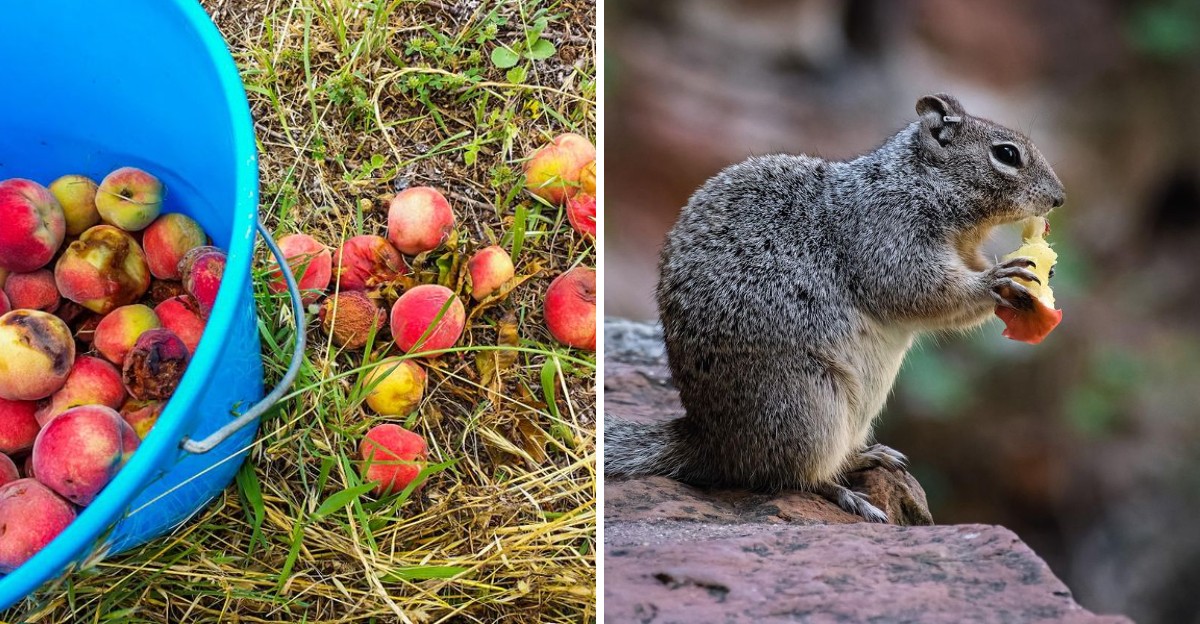
There’s something genuinely lovely about walking out to your Arizona backyard on a warm morning and catching that sweet, fruity smell drifting up from beneath your citrus or peach tree. For about thirty seconds it feels idyllic.
And then you look down. Fallen fruit has a way of accumulating faster than most homeowners expect, and what starts as a few dropped pieces can quietly become a much bigger situation.
Insects show up. Pests get comfortable. Wildlife starts treating your yard like a scheduled stop on their regular route.
None of this happens dramatically or all at once, which is exactly why fallen fruit cleanup tends to get pushed to the bottom of the garden to-do list.
It seems minor right up until it isn’t. Regular cleanup is one of those simple habits that pays off in ways that are easy to underestimate.
1. Fallen Fruit Can Attract Fruit Flies And Other Pests
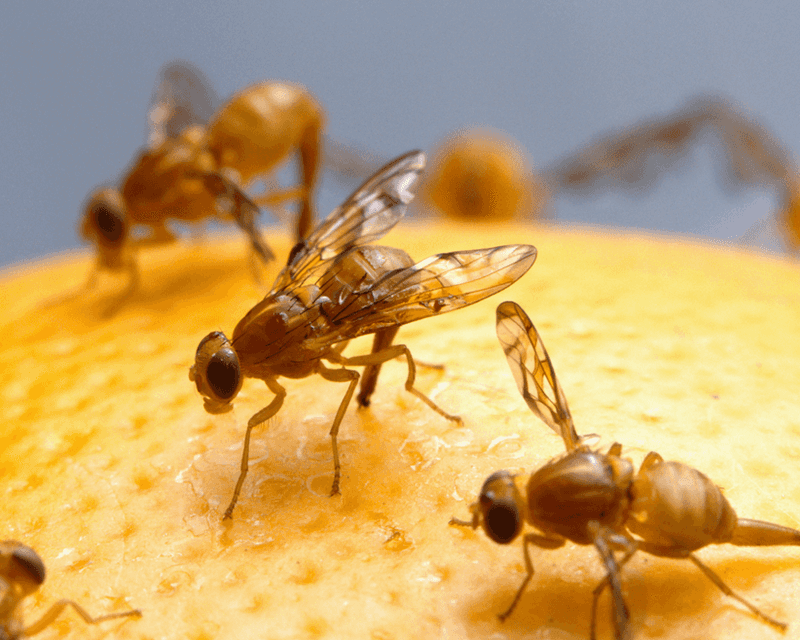
Ever notice how a single soft peach or fig on the ground can quickly become surrounded by tiny insects? In Arizona’s warm climate, ripe or rotting fruit can attract fruit flies and other scavenging insects looking for food.
Fruit flies are drawn to fermenting fruit because it provides a place to feed and reproduce. When fallen fruit remains beneath trees, it can create a convenient food source that helps these insects stay nearby.
Warm Arizona temperatures can speed up fruit breakdown, making damaged fruit soften and ferment more quickly under certain conditions. The longer fruit remains on the ground, the more opportunity insects have to find and use it.
Beyond fruit flies, other scavenging insects such as beetles and gnats may also be attracted to decaying fruit. A buildup of fruit can create a more active insect area around your trees.
Cleaning up fallen fruit regularly can help reduce these food sources and make the area less appealing to some pests. A bucket and a few minutes of cleanup during harvest season can go a long way.
Removing fallen fruit does not eliminate every insect problem, but it is a simple sanitation step that supports better garden care. A cleaner area also makes it easier to notice other problems developing around your trees.
2. Fallen Fruit Can Encourage Ant Activity Around Arizona Trees

Ants are often quick to find sugary food sources, and fallen fruit can provide an easy meal in an Arizona yard. A dropped orange, fig, or peach may attract ants that are searching for sweet materials.
The sugars in ripe or damaged fruit can encourage ant activity around the base of trees. When ants discover a reliable food source, they may create trails between their nest and the fruit.
Arizona has many ant species that are active during warm weather, and accessible food can increase activity in certain areas. The longer fruit remains available, the more likely ants may continue visiting that location.
There is another reason ant activity matters around fruit trees. Some ant species protect honeydew-producing insects such as aphids or scale insects because they collect the sugary liquid those pests produce.
Your Arizona Garden Changes Every Week. Your Plan Should Too.
Gardening in Arizona changes quickly throughout the season. Every Friday you’ll receive a simple weekly plan showing exactly what to plant, prune, fertilize, harvest, and protect so you never miss the right timing.
This does not mean fallen fruit will automatically create an aphid problem, but reducing extra food sources can help limit unnecessary ant traffic around your trees.
Picking up fallen fruit removes one easy food source and makes the area easier to monitor. Keeping the ground beneath fruit trees clear also helps you spot other insects before they become more noticeable.
A regular cleanup routine during fruit season can make your Arizona garden easier to manage without relying on extra treatments.
3. Damaged Fruit Can Harbor Fruit Pests Near Arizona Trees
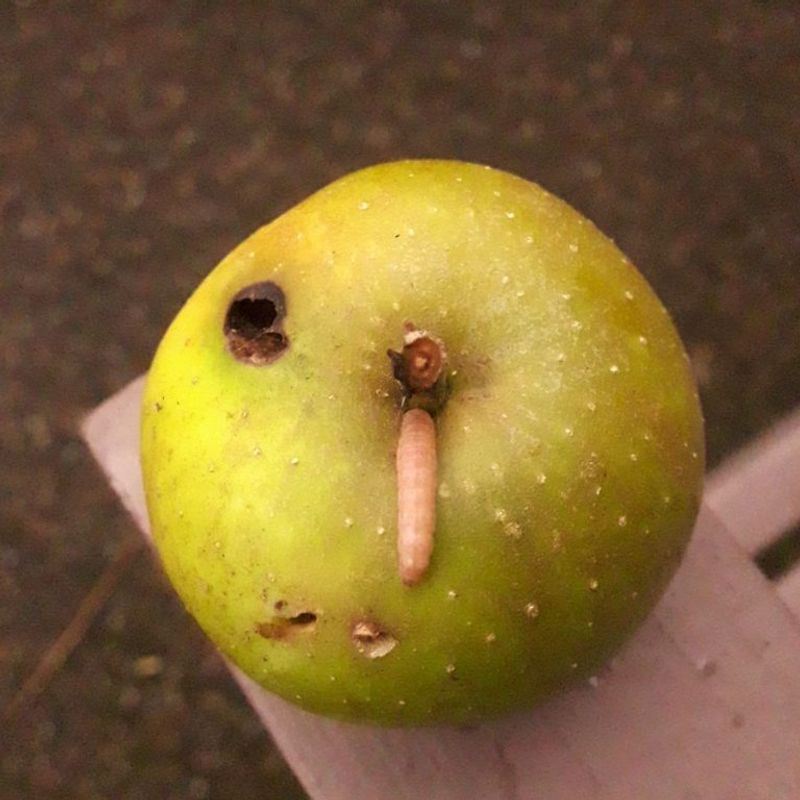
A bruised or cracked piece of fruit on the ground may look harmless, but damaged fruit can sometimes provide shelter for certain pests and decay organisms. Soft spots and openings create easier access for insects that take advantage of weakened fruit.
Some fruit pests can use damaged or fallen fruit as part of their life cycle. When fruit remains beneath a tree, it may allow certain pests to continue developing instead of removing that opportunity.
Arizona’s warm seasons can allow some fruit pests to remain active for extended periods. Leaving fallen fruit in place may contribute to continued pest pressure around the tree.
Some fruit pests are more likely to become a concern when fallen fruit remains available for longer periods, especially during warm weather when their development can continue.
The challenge is that much of the damage can remain hidden. A fruit that looks only slightly bruised from the outside may already contain insects, larvae, or decay.
Gathering up damaged and dropped fruit helps reduce these possible sources of trouble. Removing fruit promptly is especially useful when you notice signs of insects, disease, or unusual damage.
Dispose of problem fruit properly rather than leaving it piled beside the tree. Keeping the area cleaner supports better monitoring and makes it easier to notice new issues.
For Arizona fruit growers, sanitation is one useful part of a larger approach to keeping trees healthy and productive.
4. Fallen Fruit Can Spread Or Maintain Some Fruit Diseases
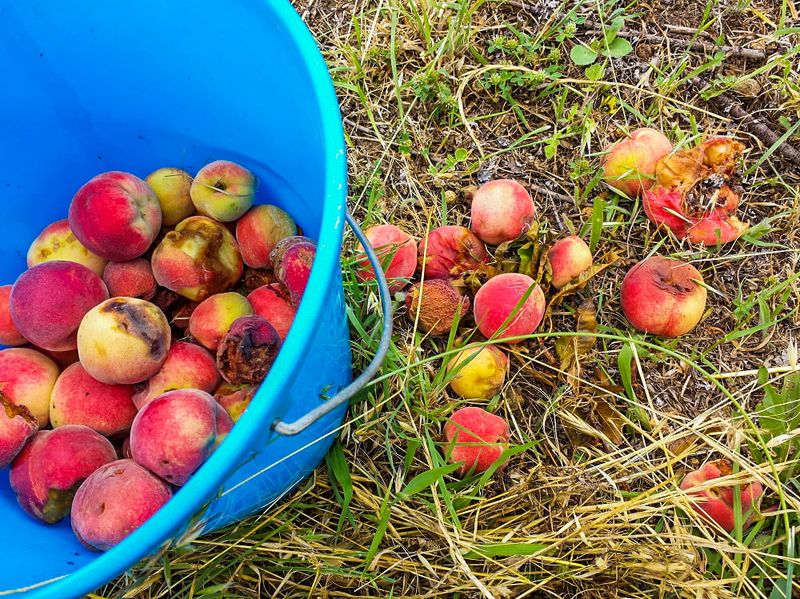
Rotting fruit left under a tree can sometimes serve as a place where certain plant pathogens remain. Infected fruit that stays in the landscape may contribute to disease problems in future seasons.
Some fungal diseases produce spores that can spread from infected plant material. Under the right conditions, rain, irrigation splash, or moisture movement can move these spores onto nearby plant parts.
This does not mean every fallen piece of fruit will spread disease. The risk depends on the fruit type, the disease involved, weather conditions, and whether the fruit was already infected.
Some fruit problems can carry over from one season to the next when infected fruit remains attached to trees or lies on the ground. Removing fruit that shows signs of disease can help reduce possible sources of infection.
Warm Arizona weather combined with irrigation can create conditions where some plant diseases become active, especially when moisture remains available. Good sanitation practices make it easier to manage these problems.
Remove diseased fruit from beneath trees and dispose of it appropriately rather than leaving it near healthy plants. Keeping the area clean gives gardeners a better chance to notice and respond to problems early.
A tidy orchard area will not prevent every disease, but it can support better fruit-tree care.
5. Rotting Fruit Can Create Unpleasant Yard Conditions
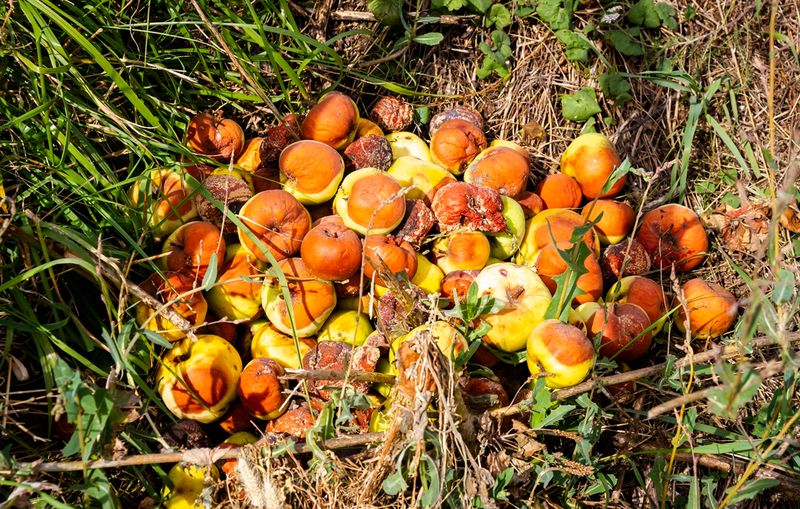
Let’s be honest, nobody enjoys stepping barefoot onto a pile of soft, fallen fruit. That sudden mess can quickly turn a relaxing evening in your Arizona backyard into an unexpected cleanup job.
Rotting fruit can develop strong odors as it breaks down, especially when warm conditions speed up fermentation and decay. Instead of enjoying your outdoor space, you may find yourself dealing with sticky spots and unpleasant smells.
The mess can spread beyond the tree itself. Soft fruit may get tracked onto patios, walkways, shoes, and other outdoor surfaces.
Fallen fruit can also make it harder to keep high-traffic areas around your garden clean and inviting. During harvest season, regular cleanup helps prevent small messes from becoming a larger maintenance task.
Arizona heat can cause fallen fruit to soften, dry, or break down quickly depending on moisture conditions. A yard that looked neat during harvest can become messy if fruit continues collecting underneath the tree.
Curious pets may also investigate fallen fruit. Some fruit, especially large amounts of spoiled fruit, may not be suitable for animals to eat.
Removing fallen fruit regularly keeps outdoor areas cleaner and easier to enjoy. A quick walk around your trees with a bucket can prevent a much larger cleanup later.
For gardeners who spend a lot of time outdoors, keeping fruit trees tidy improves both comfort and convenience.
6. Fallen Fruit Can Attract More Wildlife Activity

Free food can encourage wildlife to spend more time in an area, and fallen fruit can become an available food source in some Arizona yards.
Birds and other animals may feed on fruit that drops from trees. In some areas, larger wildlife such as javelinas may investigate yards where accessible food is available.
Javelinas are known to eat a variety of plant materials, including some fruits. Whether they visit a particular yard depends on location, habitat, and available food sources.
Other animals, including rodents and some small mammals, may also take advantage of fallen fruit. Increased wildlife activity can sometimes lead to additional messes or damage around gardens and landscaped areas.
Fallen fruit can be especially noticeable to wildlife when other natural food sources are limited or less available. Keeping fruit picked up helps reduce one easy food opportunity while still allowing birds and other animals to use the wider landscape.
Removing excess fruit can reduce one of the food sources that may encourage animals to spend time near your home. It does not guarantee that wildlife will avoid your yard, but it can make the area less attractive.
Arizona wildlife is part of the landscape, and the goal is not to remove every visitor. Instead, reducing easy food sources can help create a better balance between gardens and nearby wildlife.
Regular cleanup under fruit trees is a simple way to manage the space while still enjoying the nature around your home.
7. Fallen Fruit Can Make Fruit Tree Maintenance More Difficult
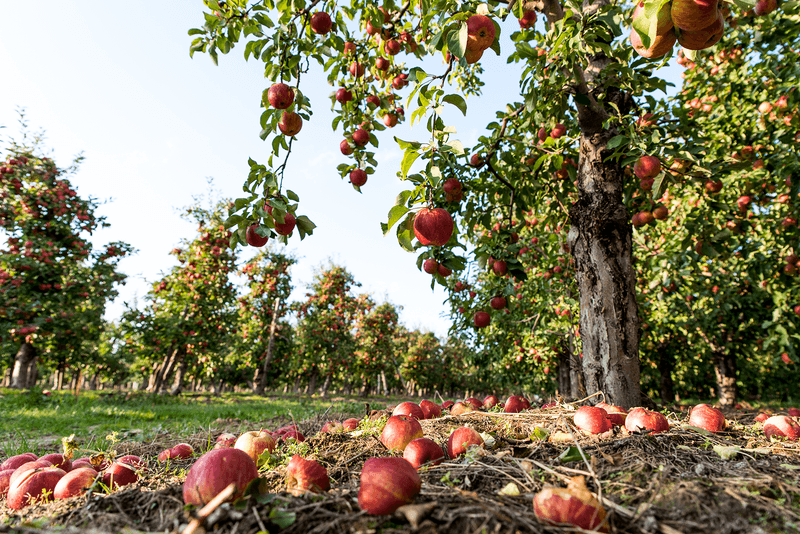
Caring for a fruit tree is easier when the area underneath it is clear. A layer of fallen fruit can make regular gardening tasks more frustrating and time-consuming.
Mowing, raking, watering, and walking beneath the tree become harder when soft fruit covers the ground. Fallen fruit can also create slippery areas that require extra attention.
A clear area around the tree makes inspections easier. Gardeners can more easily check the trunk, irrigation equipment, soil condition, and nearby plant growth when fallen fruit is not covering the ground.
Accumulated fruit may also make it harder to notice certain issues around the base of the tree. Regular cleanup gives you a better view of what is happening in the landscape.
Keeping the area tidy does not directly make a tree stronger, but it improves the conditions for monitoring and maintenance. Early detection of pests, irrigation problems, or other concerns becomes easier.
It also gives gardeners a safer and more comfortable space to work around the tree during harvest season. A clear area makes it easier to move tools, inspect fallen leaves or fruit, and complete routine tasks without working around obstacles.
These small improvements can make regular fruit-tree care feel much simpler throughout the growing season.
A few minutes of cleanup during harvest season can save time later. In Arizona gardens, simple maintenance habits often make fruit-tree care much more manageable.
8. Removing Fallen Fruit Helps Keep The Orchard Area Healthier
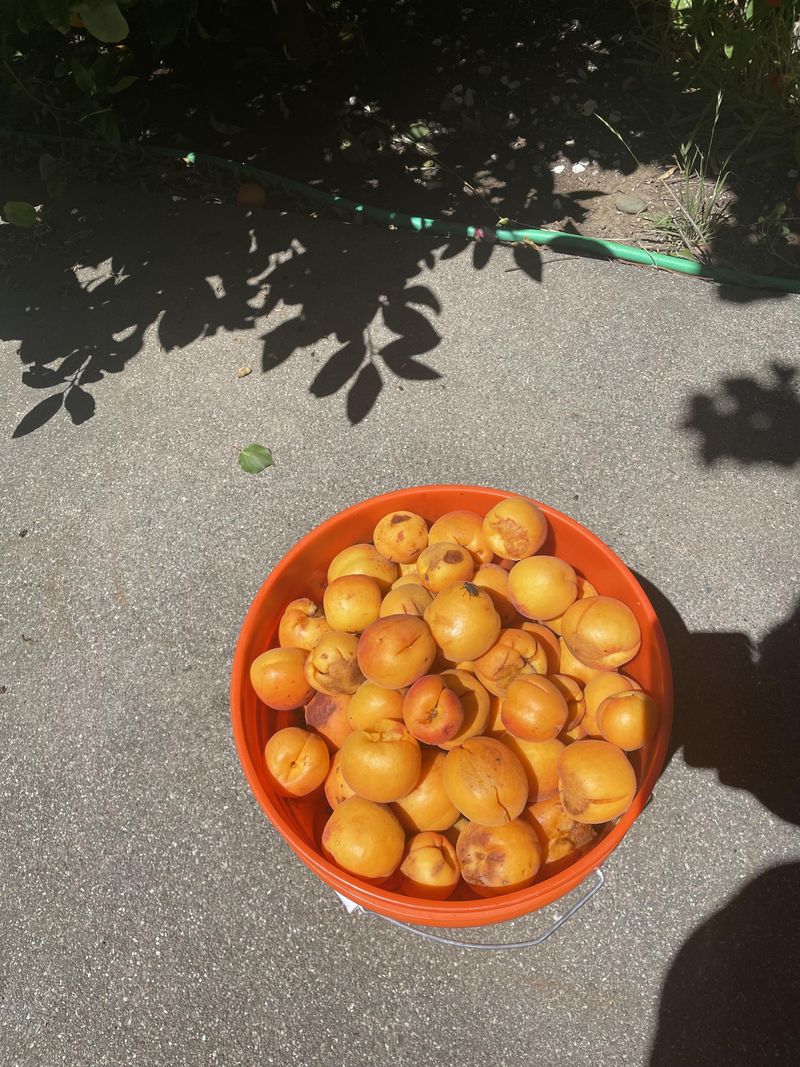
Cleaning up fallen fruit is one of the simplest sanitation practices for fruit-tree care. It helps reduce possible food sources for pests and removes some plant material that may contribute to disease problems.
A clean area beneath fruit trees makes inspections, watering, and general maintenance easier. You can see the soil surface, check irrigation, and notice changes around the tree more clearly.
Removing fallen fruit does not solve every pest or disease issue, but it supports other good gardening practices. Healthy fruit-tree care usually involves several steps, including proper watering, pruning, monitoring, and sanitation.
Fruit that shows signs of disease or heavy pest damage is especially important to remove. Leaving problem fruit beneath the tree can allow certain issues to continue.
Make cleanup part of your regular garden routine during fruit season. A quick collection every few days can prevent piles of fruit from building up.
This simple task also makes it easier to keep track of how much fruit your tree is dropping and whether unusual fruit loss is occurring. A sudden increase in fallen fruit can sometimes point to issues such as pests, weather stress, or fruit development problems that deserve a closer look.
Regular cleanup turns a small chore into a useful opportunity to monitor your trees more closely.
Your reward is a cleaner, more enjoyable growing space and a better environment for caring for your trees. In Arizona, where outdoor spaces are used year-round, small maintenance habits can make a noticeable difference.