The Real Reasons Bald Eagles Hover Near Washington Homes
A single nest can weigh more than a ton, and some get used by the same pair for decades. I learned that fact one gray morning while a huge shape drifted over my vegetable beds in Washington.
My coffee went cold while I stared. In 1980, Washington had only about 105 known nesting pairs of this bird. Today the state counts well over 800 territories.
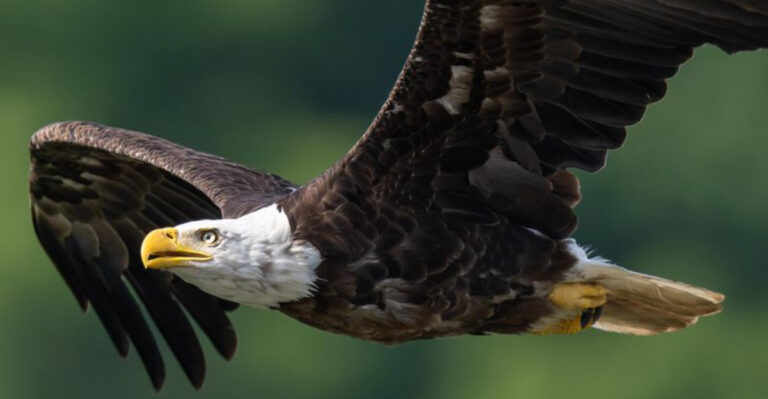
That rebound is one of the best wildlife recoveries in American history. You might notice these birds gliding over rooftops, perched on a tall Douglas fir, or riding warm air above a nearby lake. I never get tired of the sight.
Still, I wanted to know why they seemed so close to home. Turns out the answer has less to do with luck and more to do with water, trees, food, and timing. Your yard is not an accident; it is on their map.
Those Soaring Eagle Silhouettes Are Part of a Bigger Comeback Story
Fifty years ago, spotting a bald eagle over a Washington backyard was a rare treat. Pesticides like DDT made eggshells thin, and many chicks never hatched. Habitat loss and shooting made things worse.
Everything shifted after DDT was banned in 1972 and the birds gained added protection under the Endangered Species Act.
State biologists later counted more than 840 occupied territories, and the bald eagle came off the federal list of threatened and endangered species in 2007.
More eagles means more birds looking for space. Many of the best spots along rivers and shorelines already have owners.
Newer pairs and young birds often settle closer to people, including neighborhoods with big trees and water nearby.
So that circling shape over your roof is usually not a sign of trouble. It mostly reflects a healthy, growing population sharing the same landscape you enjoy. I find that pretty encouraging every time I look up.
Circling itself is also a normal habit. Eagles ride rising warm air, called thermals, to gain height without much flapping.
From up there, they can scan a wide area for food and keep tabs on neighbors. Your home may simply sit under a handy thermal route.
Living Near a Lake, River, or Puget Sound Shoreline Puts You on the Eagle Map

Water is the biggest clue. Bald eagles eat mostly fish, so they build their lives around lakes, rivers, bays, and marine shorelines.
Washington biologists have found most nests sit within a short flight of open water, often under half a mile.
If your home overlooks Puget Sound, Hood Canal, the Columbia River, or even a decent-sized lake, you live in prime eagle territory. They patrol these waters for salmon, flounder, and other fish swimming near the surface.
Ducks and gulls on the water also catch their attention. I live a few miles from a river, and I can practically predict eagle traffic by the fish runs. When salmon move upstream in fall, the birds follow the buffet.
The Skagit River draws hundreds of wintering eagles for that reason. Homes near water also tend to have large shoreline trees. Those give eagles a handy perch while they watch for a meal below.
Want to enjoy the show more? Keep a pair of binoculars near a window facing the water. Watch at low tide and early morning, when fish and shorebirds often stay active. You may catch a dramatic snatch right off the surface.
Tall Douglas Firs and Cottonwoods Make Perfect Eagle Lookouts
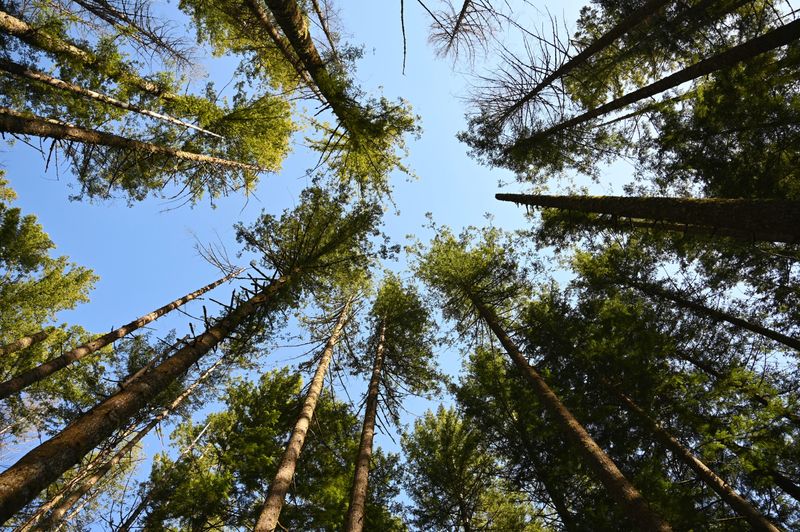
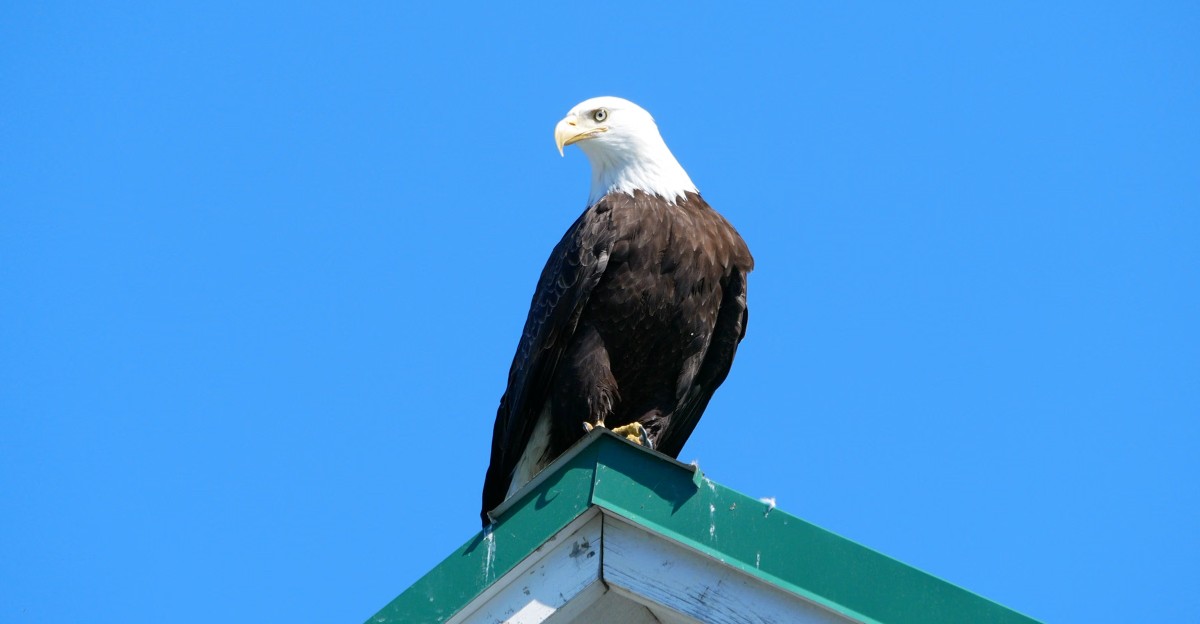
Ever notice an eagle sitting on the very tip of the tallest tree around? Height matters to these birds. A high perch gives them a clear view of water, open ground, and any rival flying past.
In western Washington, big Douglas firs, Sitka spruce, and black cottonwoods are favorite choices. East of the Cascades, ponderosa pines and cottonwoods along rivers fill the same role.
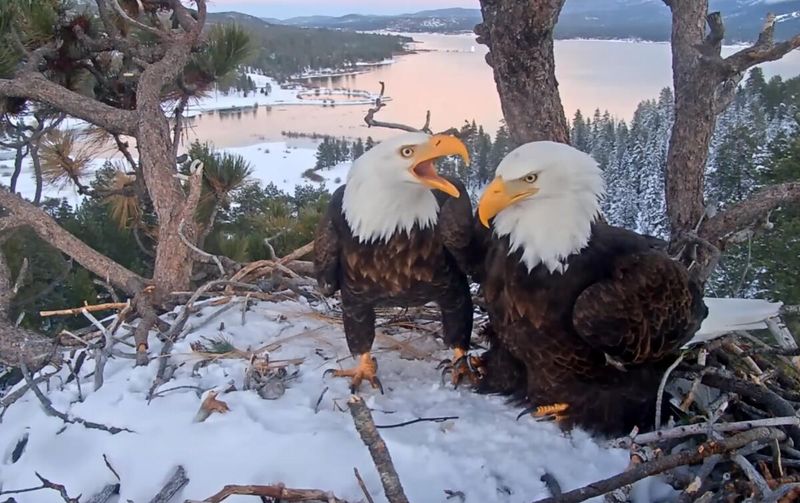
Eagles like sturdy branches with open space for easy takeoffs and landings. Nests usually go in the tallest, strongest tree in a stand. Pairs add sticks every year, and some nests grow several feet wide.
A big one can top a thousand pounds. If you have old trees on your property, treat them as treasures. Snags, which are standing trees past their prime, also make great perches if they pose no safety risk to your home.
An arborist can help you decide what to keep. Planting for the future helps too. Native conifers like Douglas fir and western red cedar grow into the giant trees eagles prefer.
You may not see the payoff for decades, but your grandkids might watch an eagle land in a tree you planted.
Your Yard Might Be Serving Up an Accidental Eagle Snack Bar
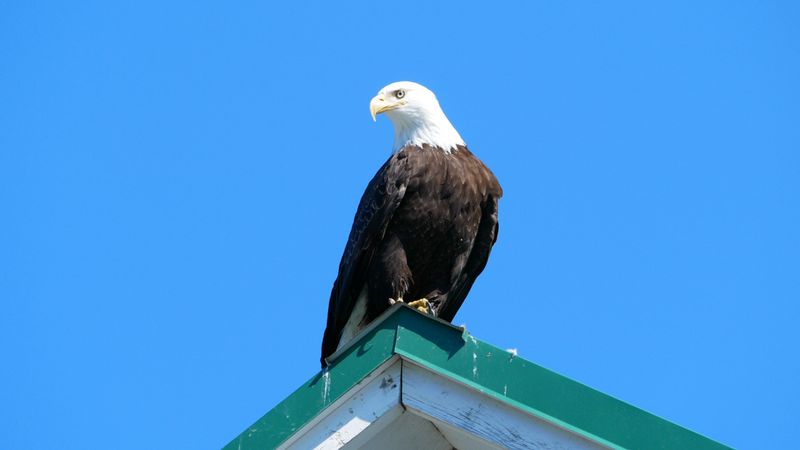
Eagles are proud hunters, but they are also champion freeloaders. They happily steal fish from ospreys, scavenge roadside carcasses, and grab easy meals wherever they appear.
Fish makes up most of their diet, yet they are flexible eaters. Around homes, a few things can catch their eye. Backyard chickens, ducks, and rabbits in open pens can look like takeout.
Fish scraps tossed near a dock, trash bins without lids, and leftover pet food can also draw them in, or draw the gulls and rodents they chase.
I keep a small flock of hens, and covered runs made a real difference. A sturdy roof of wire or netting stops a diving raptor cold. Simple fixes work best.
Small pets are rarely taken, but supervising tiny dogs and cats outdoors near water is a wise habit. Eagles can usually lift only a few pounds, so most pets are too heavy.
Clean up fish cleaning stations quickly, and avoid feeding wildlife on purpose. Feeding eagles changes their natural habits and can cause problems for neighbors. Let them hunt the river instead of your patio. They are perfectly good at it.
Two Eagles Spiraling Overhead Could Be Courtship or a Turf Dispute
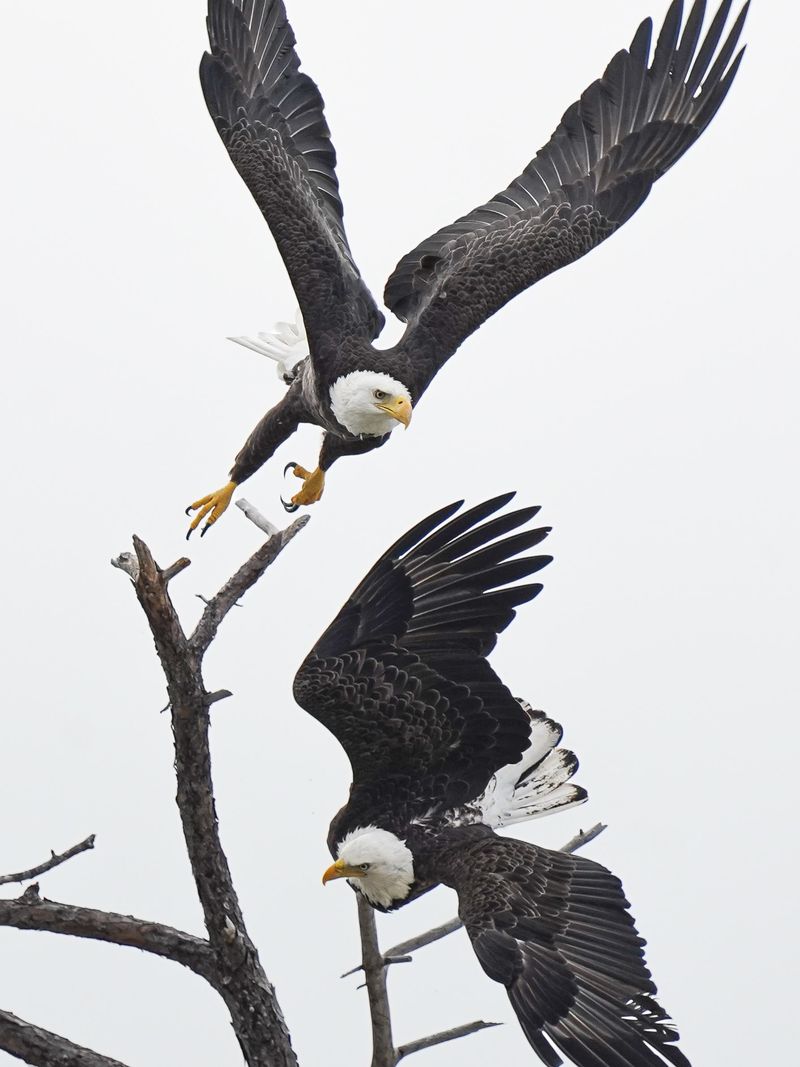
Few sights beat two eagles locking talons and tumbling through the sky. Biologists call it a cartwheel display. It can be part of courtship, or it can be a fight over territory.
Washington pairs often start nest work in late winter, and many lay eggs from about February into April. Before that, mates fly together, circle high, and repair the nest. You may see them carrying long sticks overhead.
Territory fights happen too. A resident pair will chase off younger eagles or strangers drifting through. With so many eagles now, competition for good spots near water has grown stronger.
Those piercing, high-pitched calls are part of the act. Fun fact: the mighty scream in movies usually belongs to a red-tailed hawk. Real bald eagles sound more like squeaky chirps and giggles.
If you see the same two birds circling your area day after day, a nest might be nearby. Watch where they land in the evening.
Just enjoy it from a distance, because nesting eagles can abandon a site if people crowd them. A good spotting scope or zoom lens lets you see every feather without bothering anyone.
Brown Young Eagles Wander Far Before Settling Down
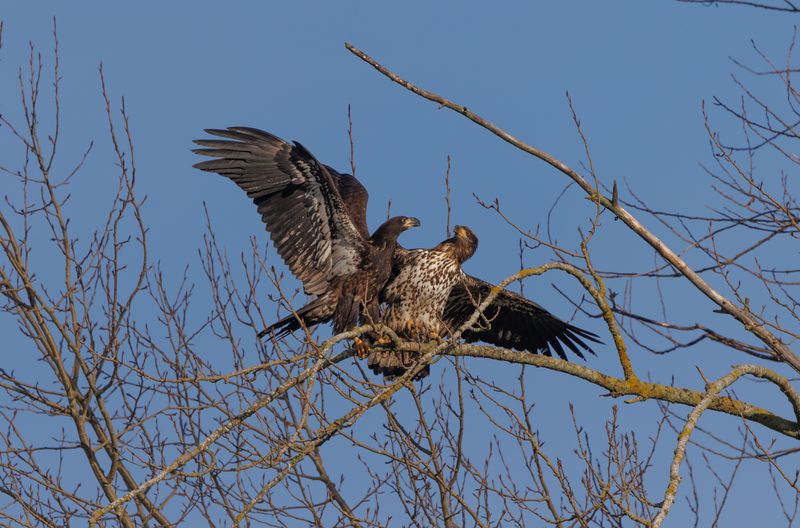
Spot a big brown bird with messy white blotches? You might be looking at a young bald eagle. They take about four to five years to grow the famous white head and tail.
Washington chicks usually leave the nest in summer, often around July. Soon after, many wander widely, sometimes hundreds of miles. Some head north to British Columbia or Alaska for salmon runs, then return.
These youngsters lack their own territory, so they roam through neighborhoods, farm fields, and parks looking for food. That wandering can mean more random eagle sightings over homes. Plenty of people mistake them for hawks or golden eagles.
Winter adds another wave. Eagles from Canada and Alaska come south to Washington rivers.
Spots like the Skagit and Nooksack host big gatherings from roughly December through February.
So timing explains a lot. Late winter brings nesting pairs, summer brings fledglings, and fall and winter bring visitors chasing spawning salmon. Your local eagle count can change from month to month.
Keeping a simple sighting log helps. Jot down dates, weather, and whether the bird was brown or white-headed. Over a year, your own eagle calendar starts to appear.
Sharing Your Sky With Bald Eagles Comes With a Few Simple Rules
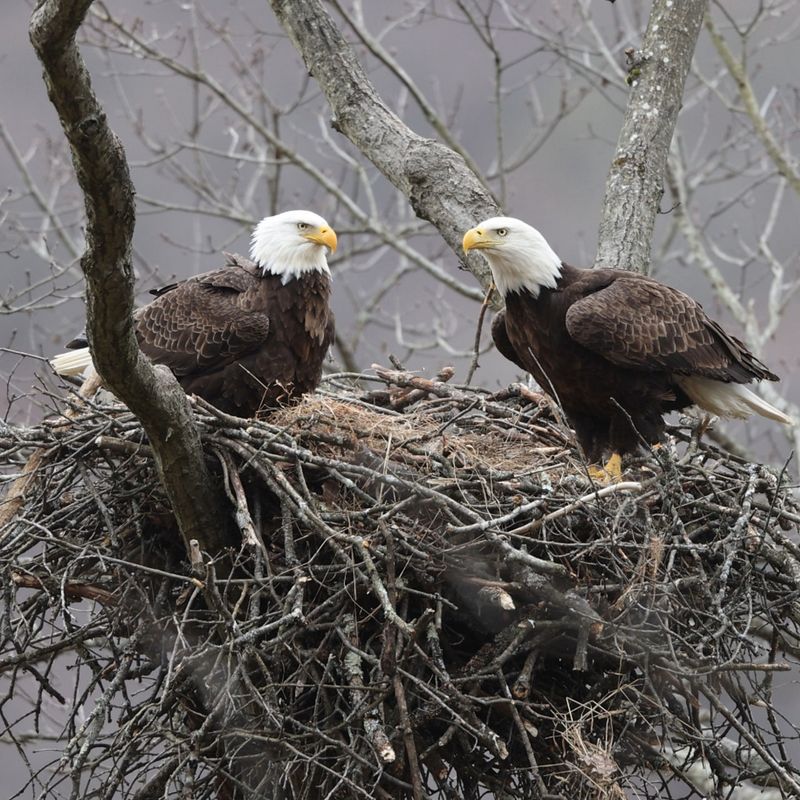
Bald eagles remain protected by federal law, even after leaving the endangered list. The Bald and Golden Eagle Protection Act makes it illegal to harm, harass, or disturb them, or to take feathers, eggs, or nests.
That includes picking up a stray feather. Planning yard work near a nest? Give it plenty of space, especially during nesting season.
The U.S. Fish and Wildlife Service suggests buffers, often around 330 to 660 feet, for loud work like tree cutting or construction.
Contact them or the Washington Department of Fish and Wildlife for guidance. Removing a nest tree usually requires a federal permit. Check before calling the chainsaw crew.
Daily habits help too. Secure trash, cover poultry runs, clean up fish scraps, and keep tiny pets supervised.
Hunters can switch to non-lead ammunition, since eagles eating lead fragments in carcasses can get sick.
If you find an injured eagle, do not handle it. Call WDFW or a local wildlife rehab center right away.
Then simply enjoy them. An eagle circling your home means your corner of the world offers water, trees, and food worth visiting. That is a pretty fine compliment from nature.