8 Washington Shrubs That Turn Into A Nightmare Every Summer
Some shrubs look stunning in spring. They burst with color and make your yard the envy of the neighborhood.
But in Washington State, a few of those beautiful plants can quietly cause serious problems over time. The Pacific Northwest has a unique and fragile ecosystem.
Certain popular shrubs can spread far beyond your yard. They crowd out native plants and affect the wildlife that depends on them. Birds, insects, and even soil health can all feel the impact over time.
Many homeowners have no idea their beloved backyard shrub appears on a state noxious weed list. By the time they find out, it has already crept past the fence line and into neighboring green spaces.
The good news is that smarter alternatives exist. Native plants can give you the same beauty without regret. Knowing which shrubs to avoid before you buy can save you real time, money, and frustration.
So which shrubs should stay at the garden center where they belong?
1. Scotch Broom
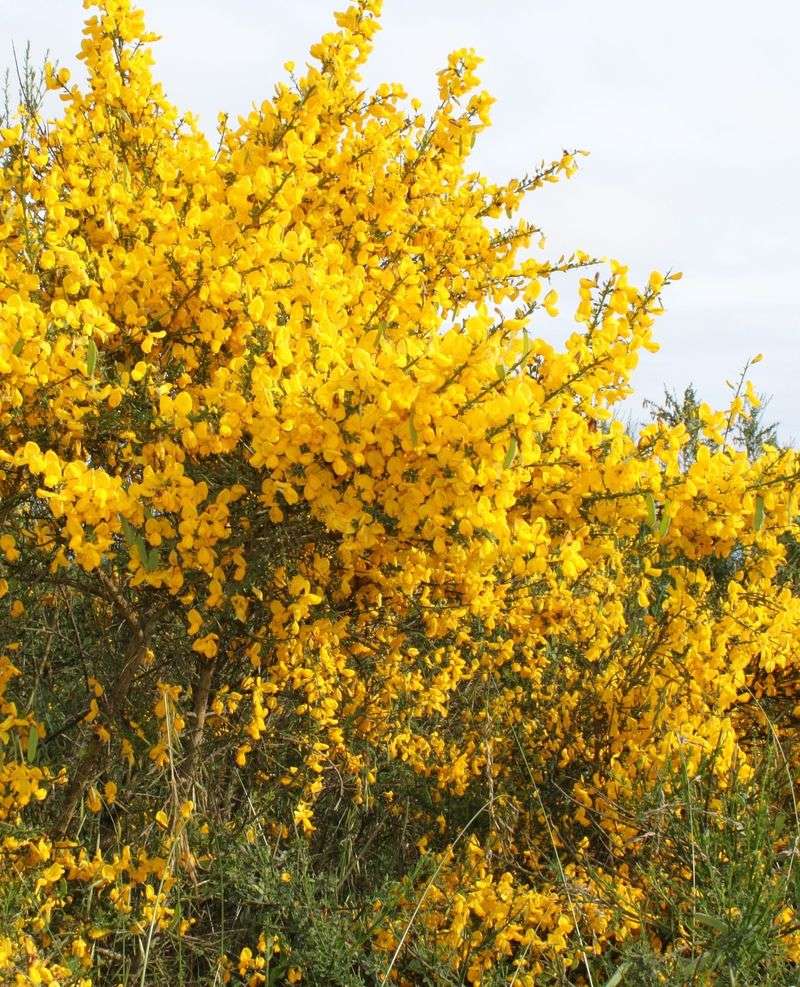
Scotch Broom puts on a show every spring. Those bright yellow flowers look cheerful, carefree, and almost impossible to resist at the nursery.
But this is one shrub that comes with a much longer story than its pretty blooms suggest.
This shrub grows quickly and produces thousands of seeds each year. Those seeds can remain viable in the soil for decades.
Once it establishes itself, it tends to spread into open fields, roadsides, and natural areas. In Washington State, Scotch Broom is listed as a Class B noxious weed.
That means it is already widespread and actively managed in many counties.
The plant also has some interesting effects on soil. It fixes nitrogen, which sounds helpful, but this can actually change soil chemistry in ways that make it harder for native plants to compete.
Over time, large patches can replace native grasses and wildflowers that local wildlife depends on. Bees do visit the flowers, but the overall impact on native ecosystems tends to be more negative than positive.
For homeowners, maintenance can become a real challenge. Pulling or cutting Scotch Broom without removing the roots often leads to regrowth.
Larger infestations may require repeated removal efforts over several seasons.
If you love that bright yellow in spring, native alternatives like red flowering currant or Oregon grape are worth considering. They offer beautiful seasonal interest without the long-term management concerns of Scotch Broom.
2. Beaked Hazelnut
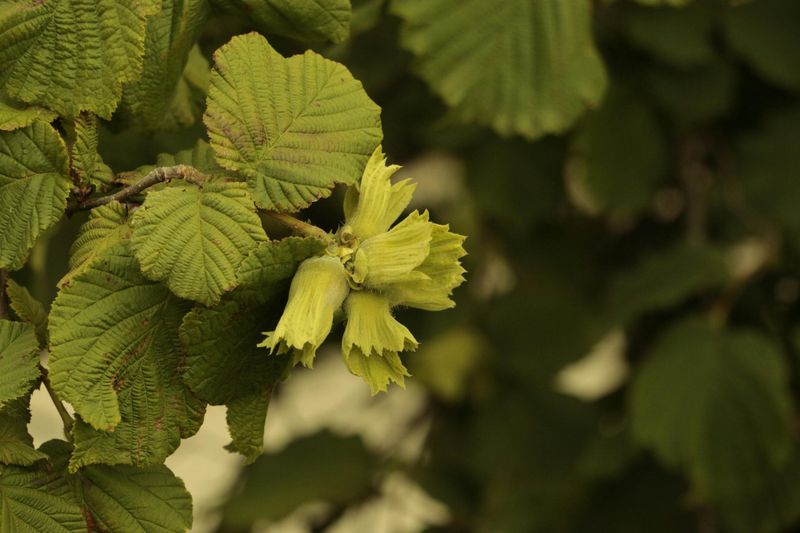
Beaked hazelnut has a way of charming gardeners in the nursery and then quietly humbling them by midsummer. It arrives looking manageable, even delicate, and fits neatly into plans for a naturalistic Pacific Northwest garden.
Then the growing season kicks in. Within a few years it can claim considerably more space than the original planting spot suggested, spreading outward with dense branching that becomes increasingly difficult to shape or pull back.
Summer is also when the bristly, hair-covered husks on the nuts begin to develop, and anyone who brushes against them during routine garden maintenance will remember the experience. Tidying up around the base or trying to shape it during summer can turn into an unexpectedly itchy afternoon.
Your Washington Garden Changes Every Week. Your Plan Should Too.
Gardening in Washington changes quickly throughout the season. Every Friday you’ll receive a simple weekly plan showing exactly what to plant, prune, fertilize, harvest, and protect so you never miss the right timing.
It is not a dangerous plant by any measure, but it rewards inattention by quietly taking over. Gardeners with generous space and a relaxed maintenance style tend to appreciate it.
Those working with a smaller yard or a tidier vision often find themselves wondering how to walk back the decision. Beaked hazelnut is a genuinely valuable native shrub, and in the right setting it earns its place.
The challenge is that many Pacific Northwest garden spaces are simply not quite right for it.
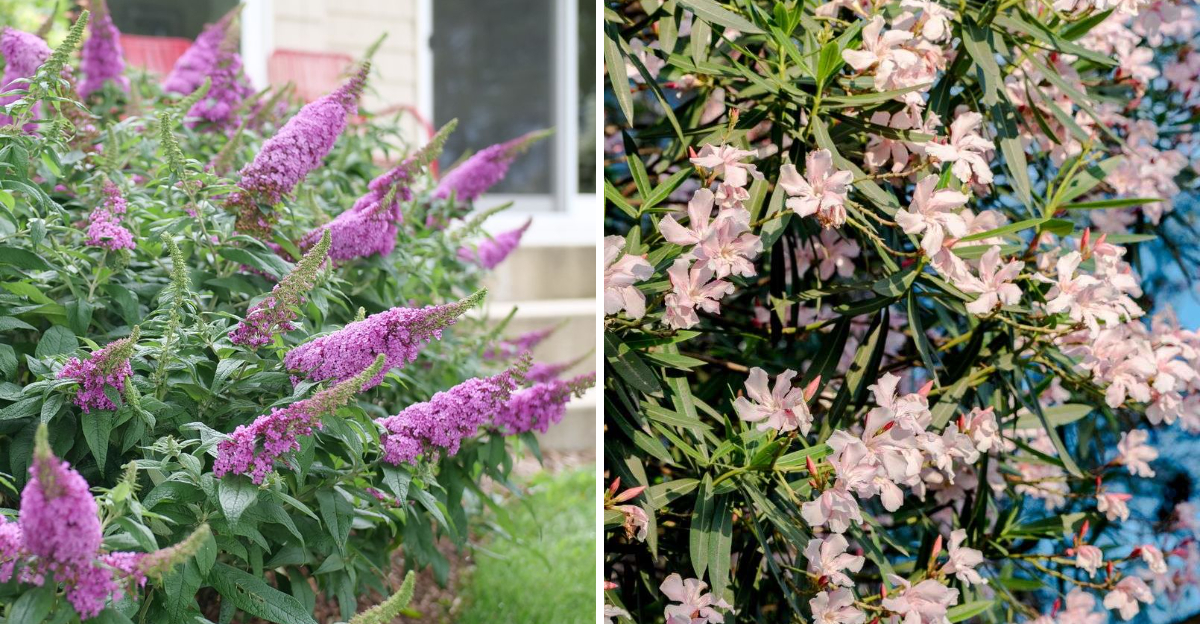
3. Butterfly Bush
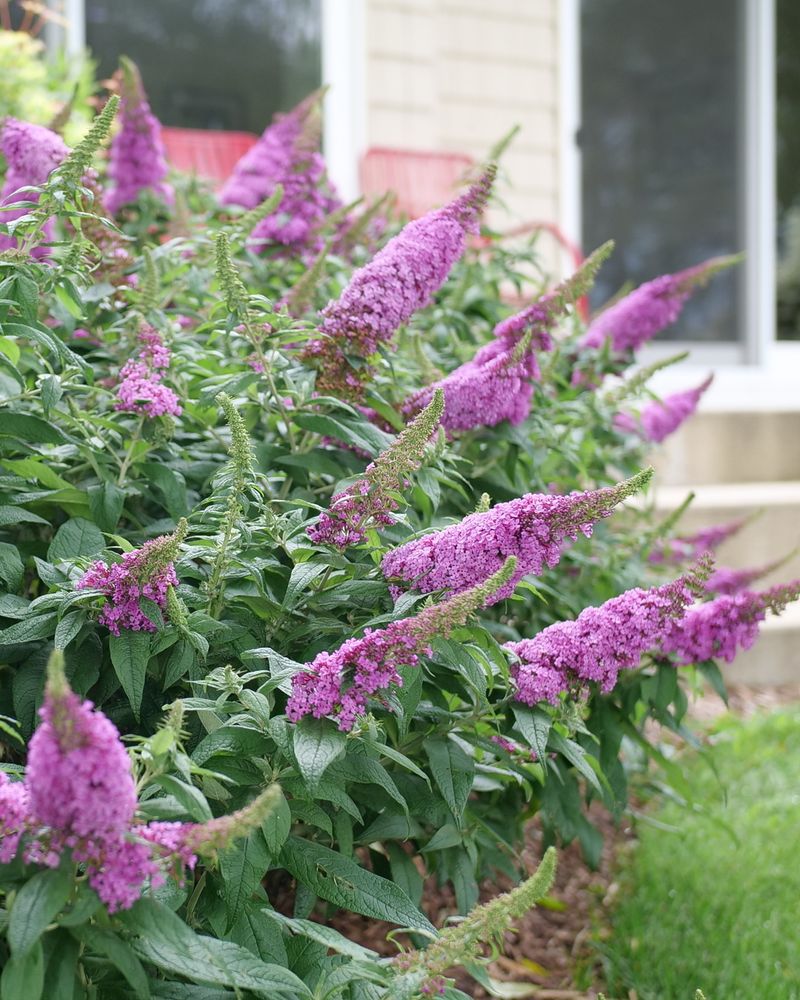
Butterflies love it, gardeners adore it, and nurseries sell millions of them every year, but Butterfly bush has a few drawbacks worth knowing.
It produces massive, fragrant flower spikes that attract pollinators like a magnet, which is exactly why so many people plant it.
The problem is that it attracts butterflies without actually supporting their full life cycle the way native plants do.
Native caterpillars cannot eat its leaves, so the bush feeds adult butterflies while doing nothing to help the next generation.
Meanwhile, one plant can release up to 40,000 seeds that spread easily by wind and water into natural areas.
In Washington, it has escaped into riparian zones along rivers, crowding out native willows and alders that fish and wildlife truly depend on.
Gardeners who love pollinators are often surprised to learn this plant does more harm than good in the broader landscape.
Several varieties are now listed as invasive in Washington, and some counties actively discourage planting them.
Sterilized or seedless cultivars exist, but even those carry some risk.
Swapping it out for native options like red flowering currant or native asters gives pollinators real, lasting support while keeping your garden lush and full of life.
4. English Ivy
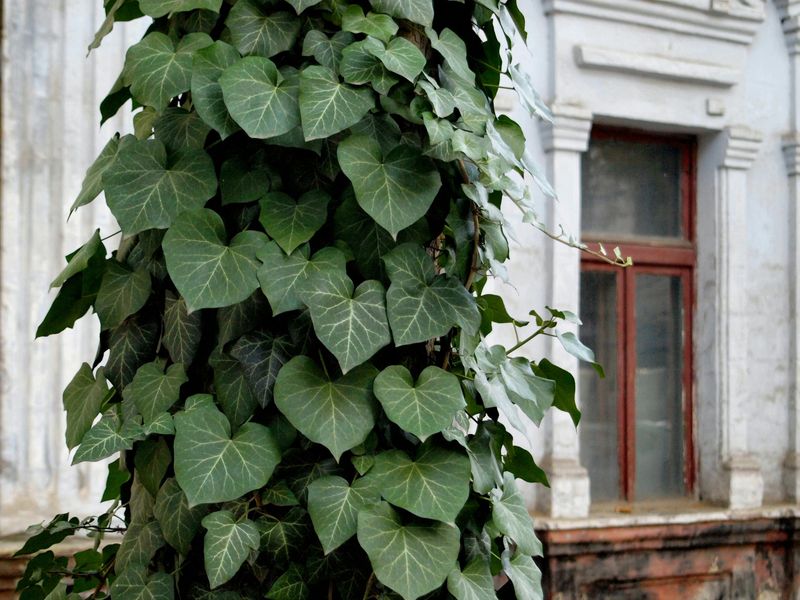
English Ivy is technically a vine, but it appears in so many Washington gardens that it earns a spot on this list. Walk through almost any older Seattle neighborhood and you will see it everywhere.
It climbs fences, wraps around tree trunks, and carpets the ground in thick endless green.
English Ivy looks tidy and timeless, which is exactly why generations of homeowners planted it without a second thought. But that classic look hides a few problems worth knowing about before you plant.
But this European import is one of the top threats to native forest ecosystems across Washington.
When ivy climbs trees, it adds enormous weight and catches wind, making the tree far more likely to fall during storms.
The dense ground cover blocks sunlight and prevents native seeds from germinating, essentially creating a thick monoculture beneath its canopy.
Birds spread the berries widely, which is why ivy shows up even in protected natural areas far from any garden.
Removing established English Ivy is a time-consuming project that often requires multiple seasons of effort.
Volunteer groups across the state run regular ivy pulls in parks and natural areas just to keep it from taking over completely.
If your yard is full of it, start by cutting stems at the base of any trees and work outward from there.
Native ground covers like wild ginger, sword fern, or low Oregon grape make excellent replacements that support local birds and insects instead of smothering them.
5. Red Alder
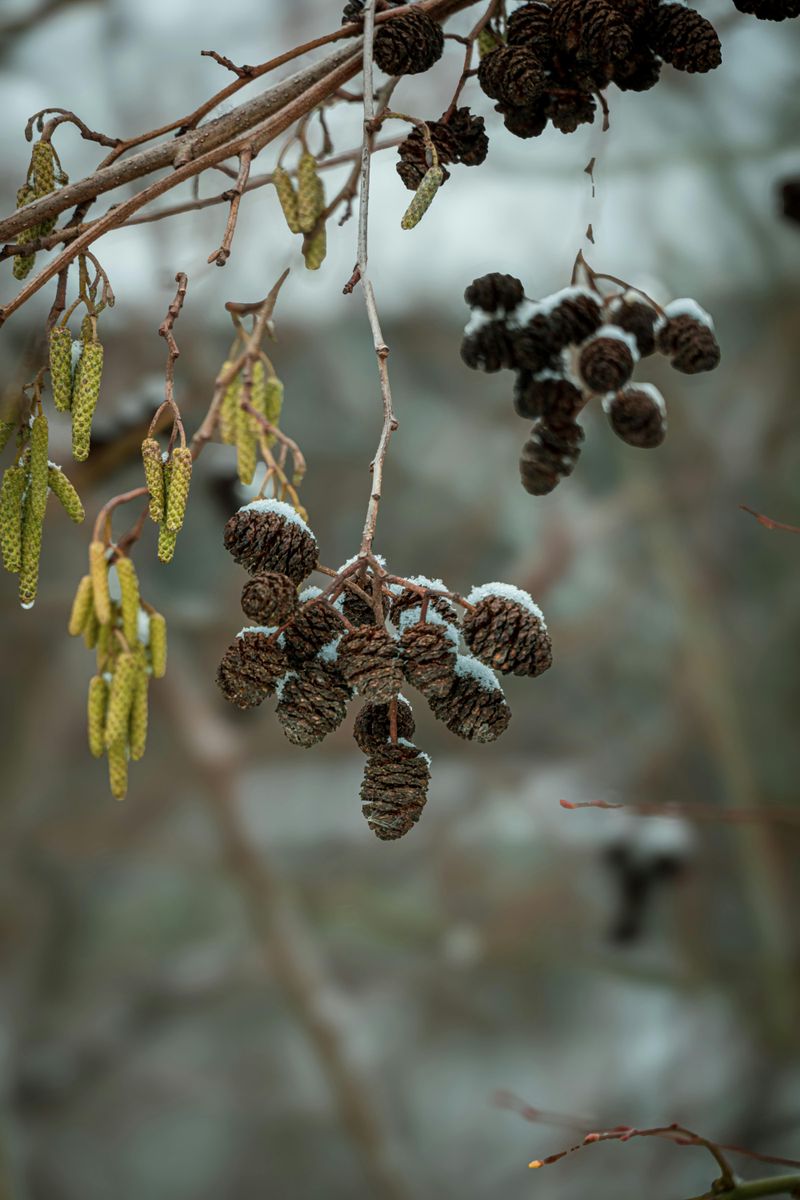
Red Alder is a plant Pacific Northwest ecosystems depend on, and one that suburban gardens often struggle to accommodate. Impressive speed is part of its appeal, until that speed becomes the problem.
By the second or third year, a Red Alder can already be pushing well beyond the space a homeowner had in mind. Summer growth has a way of changing that picture quickly.
Then comes the debris. Red Alders drop catkins in late winter, pollen through early spring, leaves in fall, and small woody cones that turn up in garden beds seemingly year-round.
For a homeowner who prefers low-maintenance summers, that cleanup schedule can feel relentless. The wide-spreading roots are worth keeping in mind near paths, raised beds, or other garden structures.
Red Alder genuinely thrives along stream banks, in rain gardens, and across larger naturalized properties where its size and habits are welcome.
By midsummer, a Red Alder in a typical backyard can start to feel like a guest who has overstayed their welcome.
What began as a promising native planting has a way of quietly outgrowing the space, leaving many homeowners wondering what to do next.
6. Privet
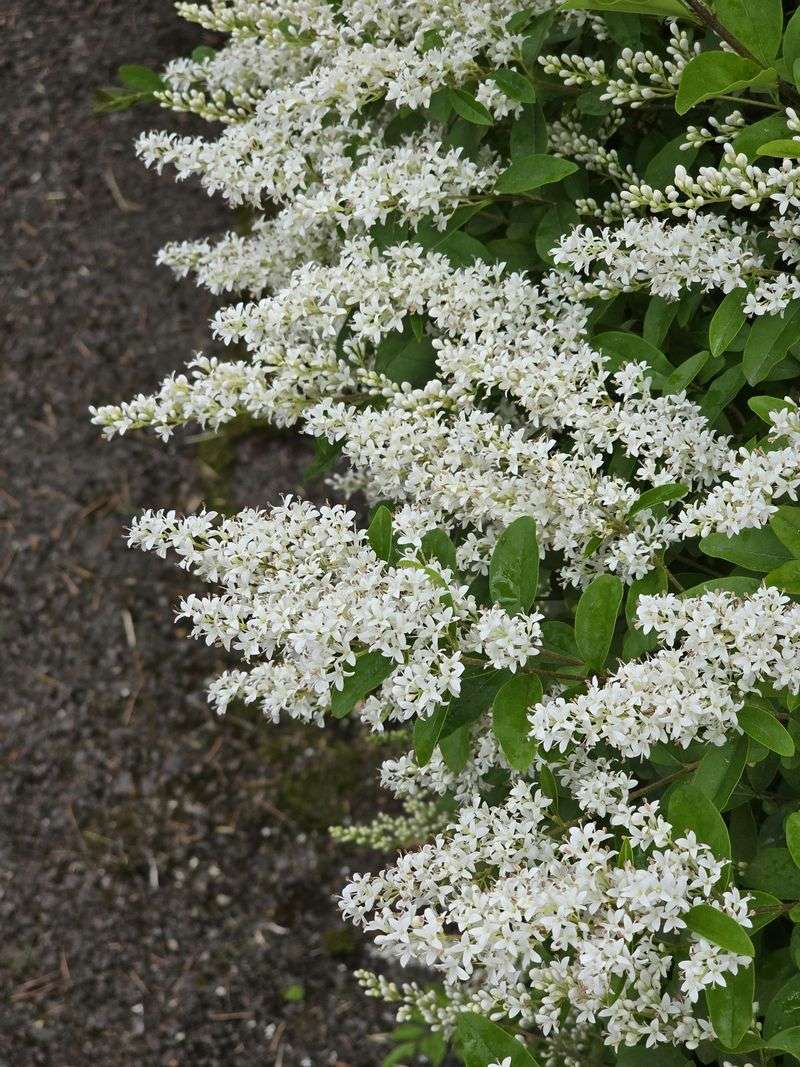
Privet has been the go-to hedge plant for suburban yards for over a century, and it is easy to see why.
It grows fast, stays dense, tolerates hard pruning, and keeps its leaves well into winter in mild climates like western Washington.
But the same toughness that makes Privet a reliable hedge plant also makes it a serious problem when it escapes into natural areas.
The small, dark berries are eaten by birds and spread readily into forest edges, stream banks, and disturbed ground.
Once established, Privet grows quickly enough to shade out native shrubs and young trees before they have a chance to get established.
The flowers smell sweet to some people but are considered overpowering and even irritating by others, especially those with seasonal allergies.
Several Ligustrum species are flagged as invasive concerns in Washington, particularly in warmer, drier parts of the state where conditions favor their spread.
If you need a fast-growing hedge, consider native alternatives like red elderberry, snowberry, or tall Oregon grape. They provide dense screening along with berries and flowers that wildlife actually use.
Removing established Privet requires persistence, since stumps resprout readily and roots spread outward over time.
Choosing the right hedge from the start saves years of regret and hours of hard labor later on.
7. Oleander
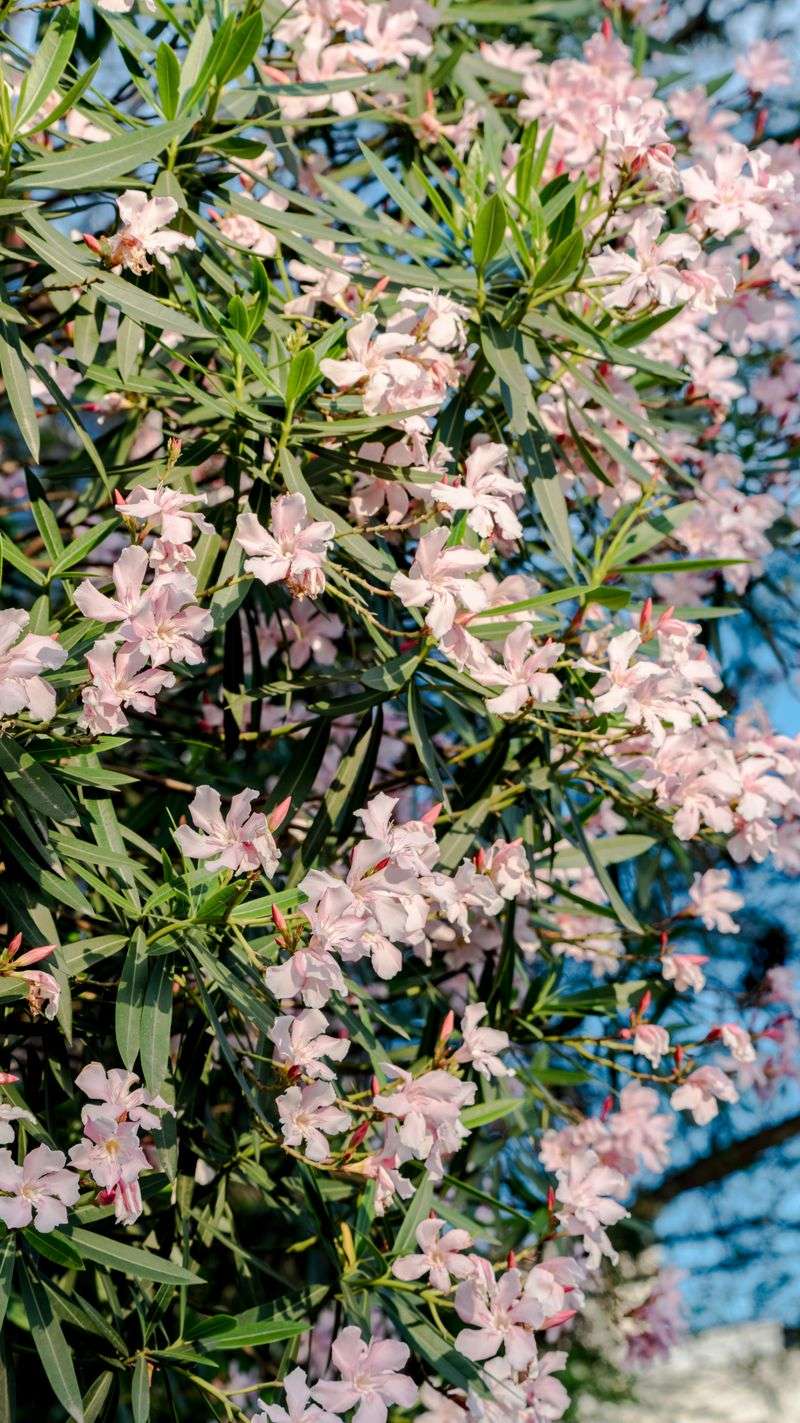
Image Credit: © Orange Ocean / Pexels
Oleander looks like it belongs on a Mediterranean vacation.
Clusters of showy pink, white, and red flowers bloom for months, turning any yard into something straight out of a sun-soaked travel magazine. In warmer parts of Washington, especially east of the Cascades, it is easy to see why gardeners reach for it.
Long bloom season, drought tolerance, and stunning color make it hard to pass up.
But Oleander carries a secret that every homeowner, especially those with children or pets, absolutely needs to know.
Every single part of this plant is highly toxic, from the flowers and leaves to the stems and even the smoke if it is burned.
Ingesting any part of the plant can cause serious illness in humans, dogs, cats, horses, and livestock.
There is a risk of children being hurt by chewing on a leaf or using a stem as a makeshift skewer while roasting food outdoors.
Beyond the safety concern, Oleander has shown invasive tendencies in parts of the American West, spreading into disturbed areas and riparian zones where it is difficult to manage.
In Washington, its spread is less dramatic than in California or Arizona, but planting it close to natural areas is still not a good idea.
If you love the look, native alternatives like mock orange or Lewis mock orange offer gorgeous white blooms without any toxic risk.
Knowing what grows in your yard could genuinely protect your family and your neighborhood ecosystem at the same time.
8. Yew
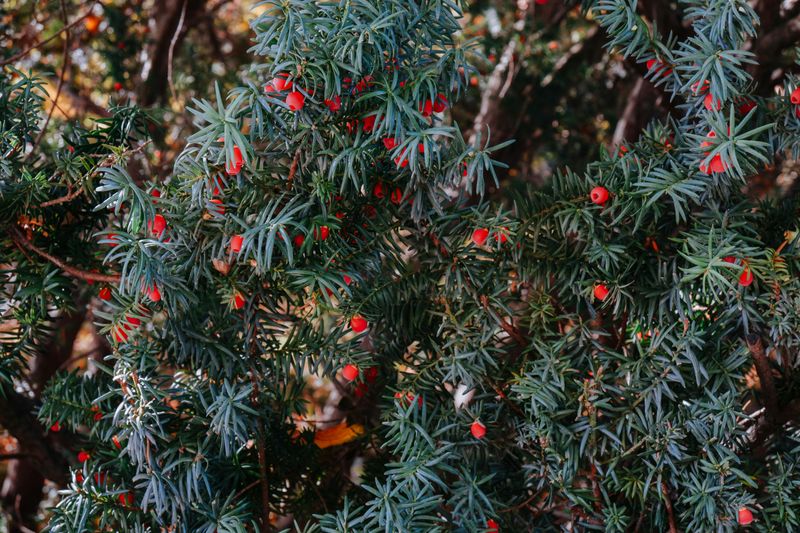
Ever noticed those perfectly trimmed dark green hedges outside schools, office buildings, and homes across the Pacific Northwest?
Chances are you have walked past a Yew shrub more times than you can count. They are tidy, evergreen, and incredibly common.
But how much do most people actually know about what they are planting?
They are beloved by landscapers for their deep green, fine-textured foliage and their ability to tolerate heavy shearing into almost any shape.
What many people do not realize is that this polished, well-behaved hedge plant is one of the most toxic plants in the entire Northern Hemisphere.
The bright red berries look almost festive, and that is exactly the problem, because they are incredibly appealing to curious children and hungry wildlife alike.
The fleshy red part of the berry is actually the only non-toxic portion of the plant.
The seed inside, along with the leaves, bark, and stems, contains taxine alkaloids that can cause rapid and serious cardiac effects in humans and animals.
Beyond the toxicity concern, Yew can spread slowly into natural areas via bird-dispersed seeds, gradually establishing in forest understories where removal is difficult.
If you have Yew growing near play areas or animal enclosures, consider replacing it with a safer native evergreen like western red cedar or Pacific wax myrtle.
Washington’s most regretted shrubs often look completely harmless, and Yew is the perfect reminder that appearances can be not always what they seem.