Why Bermuda Grass Keeps Showing Up in Arizona Gravel Beds, and a Routine for Managing It
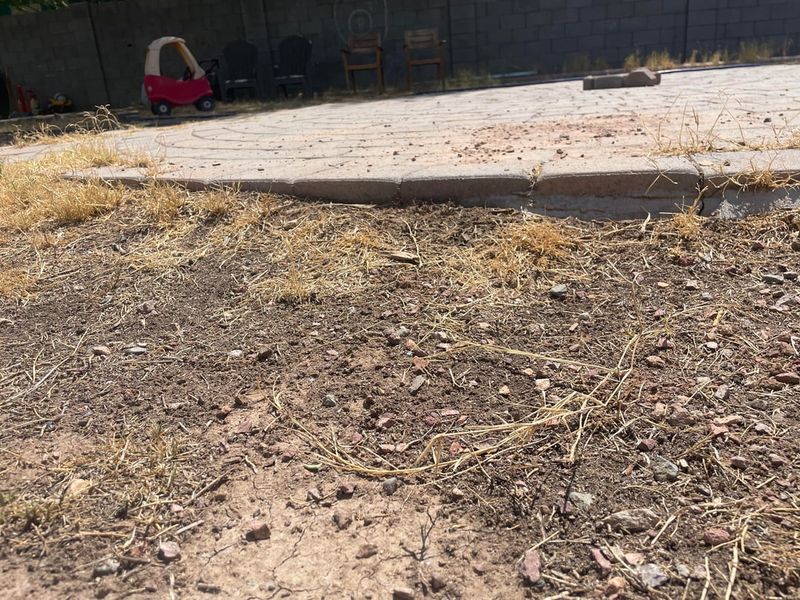
You rake the rock smooth, pull every green blade, and a few weeks later the grass is back. In low-desert Arizona, that is a very common story.
Bermudagrass is tough, and gravel does not stop it the way many people hope. Here is why it returns and how to build a routine that keeps it under control.
Why gravel does not keep bermudagrass out
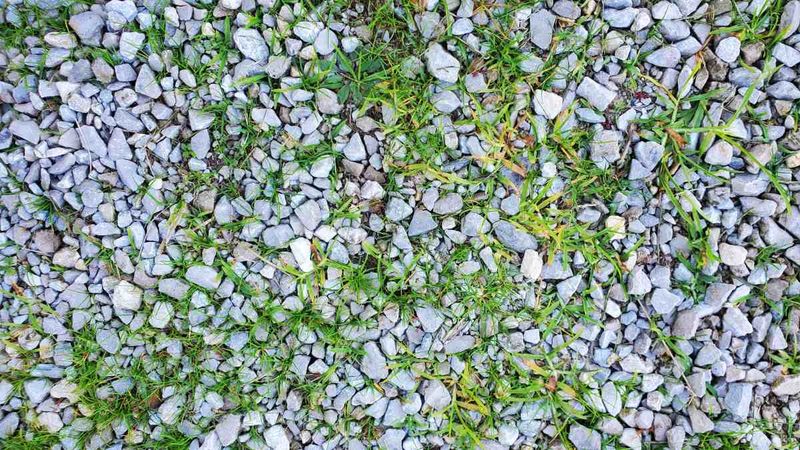
Gravel gets blamed a lot, but nothing shows that rock causes bermudagrass. The real issue is that gravel is not a dependable wall.
Grass from a neighboring lawn can slip right in.
According to Arizona Extension bermudagrass guidance, the grass spreads on stolons, which are runners that crawl along the surface, and on rhizomes, which are stems that travel underground. Pieces left in the soil can also root and regrow.
Seeds are a separate route. Arizona Extension mulch guidance notes that weed seeds can establish in gravel, even over landscape fabric.
Dust, wind, and irrigation water can carry seeds in and leave them in the gaps between rocks.
So a green shoot in your rock bed might be a runner from the lawn, a fragment that rooted, or a seedling. Knowing which one you are dealing with helps you choose a fix.
Trace the growth before you remove it
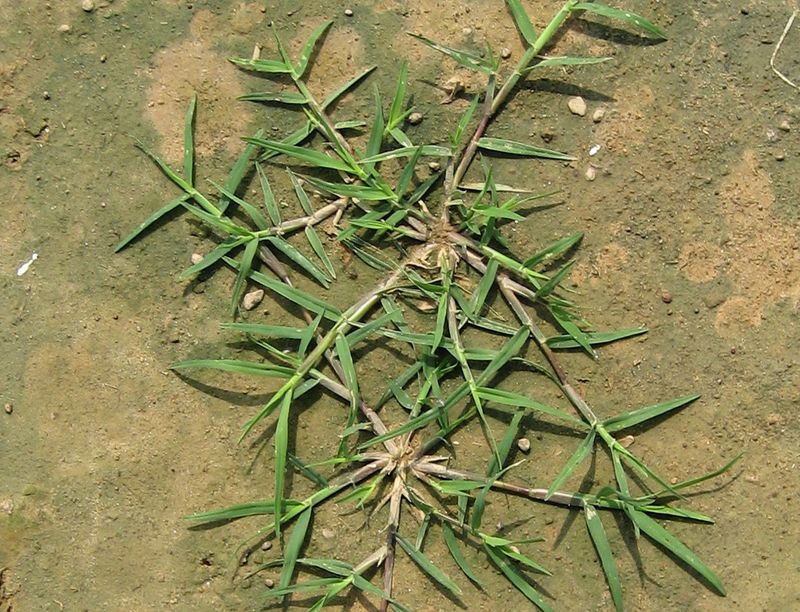
Before you grab a hoe, follow the grass. Bermudagrass has creeping stolons above ground and stout rhizomes below, as the Arizona Extension bermudagrass publication describes.
A single shoot in the rock may be tied to a much bigger network.
Gently lift a runner and see where it leads. It may point back to a lawn edge or to a thicker clump under a shrub.
You cannot necessarily see every underground connection, so assume there is more than shows.
Resist the urge to chop or till. Cutting the grass and leaving pieces behind can give it many new starts, especially in moist soil, a point also made by UC IPM bermudagrass advice.
Careful digging or treatment of what you find is one step in a continuing plan, not the finish line. Bag up the pieces you remove rather than tossing them in another bed.
Use black plastic only where the patch is unplanted
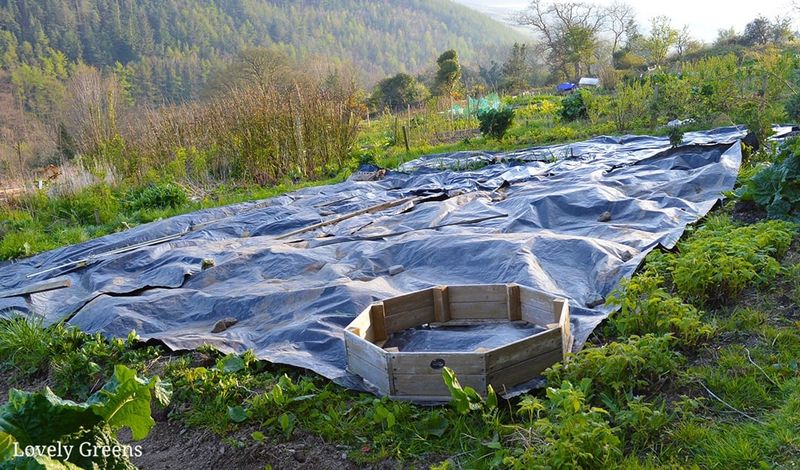
If the infested patch is contained and has no plants you want to keep, black plastic is a supported option. The method is light exclusion, which is not the same as clear-plastic solarization.
Following Arizona Extension directions, start by mowing the bermudagrass and irrigating it. Then cover it with opaque black polyethylene and seal the edges so light cannot sneak in and the sheet will not blow loose.
Leave the plastic in place for at least 6 to 8 weeks in summer. Rushing it is the most common way to end up with a patch that bounces right back.
When you uncover the area, look closely for surviving or returning growth. Check again every few weeks.
A few green tips mean the job is not done, and they are easier to deal with when small.
Your Arizona Garden Changes Every Week. Your Plan Should Too.
Gardening in Arizona changes quickly throughout the season. Every Friday you’ll receive a simple weekly plan showing exactly what to plant, prune, fertilize, harvest, and protect so you never miss the right timing.
Skip this method over planted areas, since the plastic would shade and harm roots you want to keep. No single treatment guarantees a permanent result.
Choose carefully around landscape plants
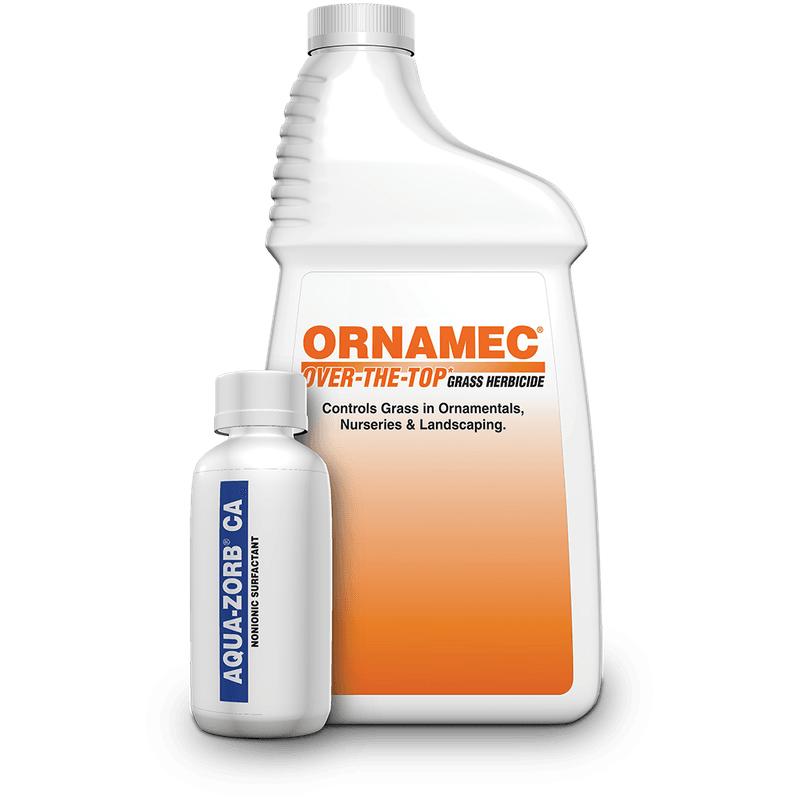
A planted gravel bed needs a method that lowers the risk to the plants you want. No option should be assumed safe just because it sounds gentle.
Among broadleaf ornamentals, Arizona Extension lists grass-selective herbicides as a possible choice. Repeat applications may be needed.
These products are not safe for every plant, so read the specific label and confirm it permits use around the plants in your bed. This article does not give a product or dose.
Glyphosate is a different tool. It is nonselective, meaning it can injure any green plant it touches, and spray drift can reach nearby plants too.
The EPA glyphosate page says to use these products according to their labels.
If grass is woven through the base of a shrub or agave, hand removal of small amounts may be safer than spraying. Match the method to how close the grass is to your plants.
Make inspection and follow-up part of the routine
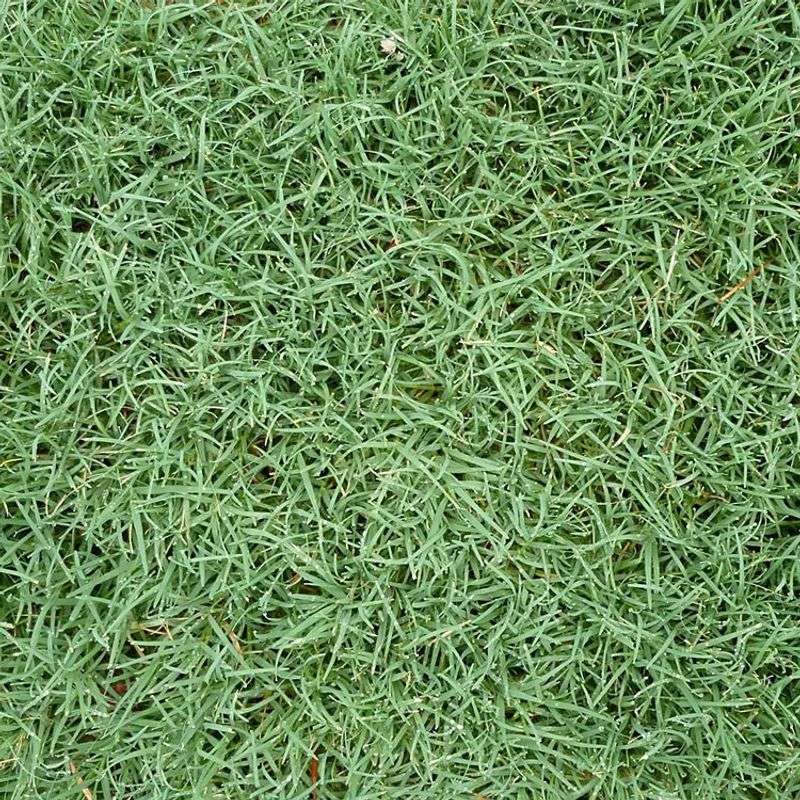
A routine beats a one-time battle. First, deal with visible growth using a method that fits the bed: black plastic for an unplanted patch, careful removal or label-directed treatment where plants are growing.
Next, walk the bed every couple of weeks during the growing season. Look along lawn edges, around drip emitters, and at the bases of plants, where new shoots tend to appear.
When you find one, respond again right away.
Keep expectations honest. Arizona Extension says nonchemical control takes persistence and is rarely completely successful.
Water deserves a careful word. Do not cut off water to a planted bed if it could hurt nearby ornamentals.
UC IPM notes that drying can help only where the area can be dried without harming other plants. Bermudagrass also tolerates drought, so this is never a stand-alone fix.
Expect management, not a guaranteed final fix
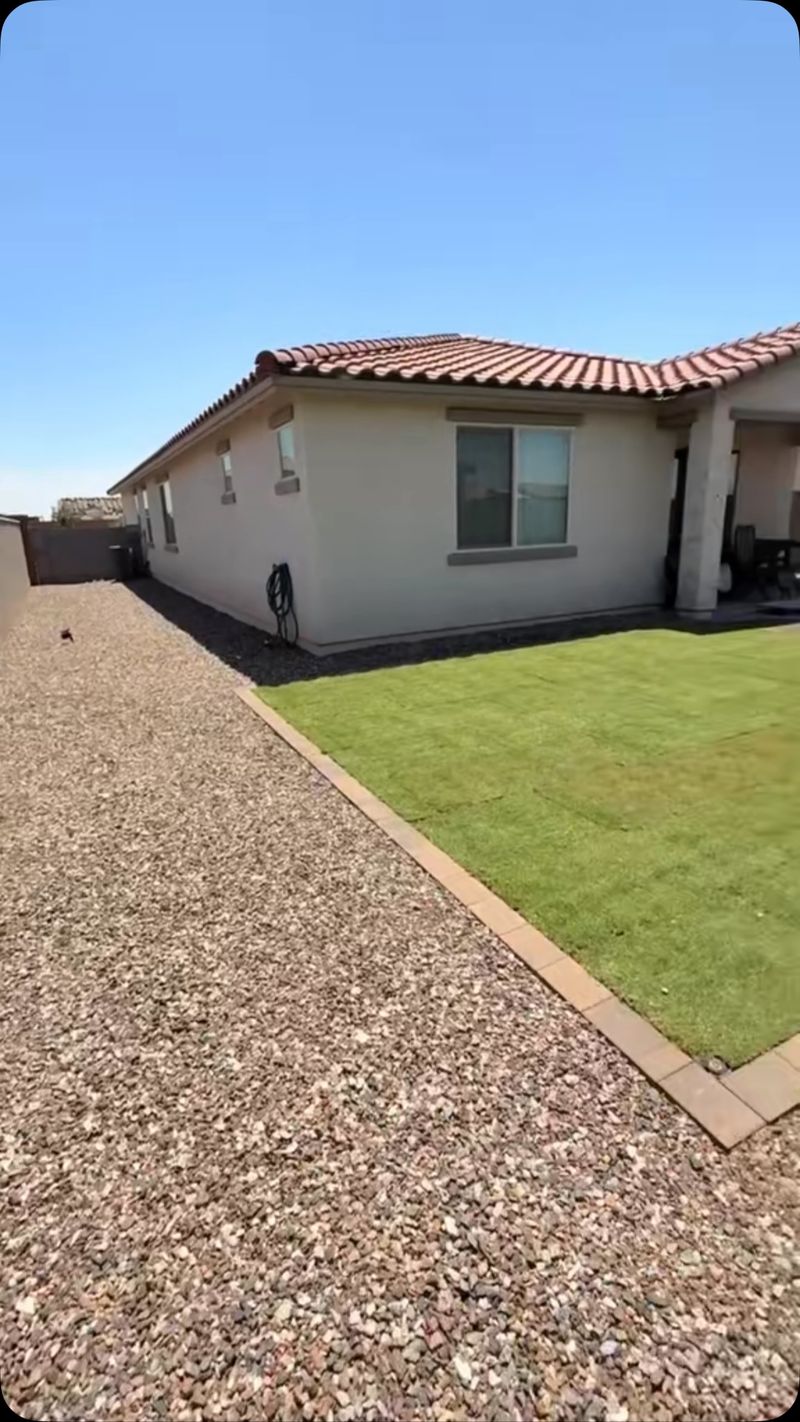
Here is the honest picture. Gravel and landscape fabric are not dependable permanent barriers.
Arizona Extension reports that weed seeds can establish in gravel even over fabric, and bermudagrass runners can slip in from a nearby lawn.
Even after a good treatment, grass may come back. That does not mean you failed.
It means the plant is built for Arizona heat, and its own management guidance calls for ongoing effort.
Pick the method that fits your bed, check for regrowth, and keep responding. A quick pass with a trowel beats a big cleanup later.
The goal is not a bed that never sees grass again. It is a bed where you spot the next shoot before it becomes the next problem.