Why Blue Fertilizers Are A Bad Choice For Florida Gardens And What To Use Instead
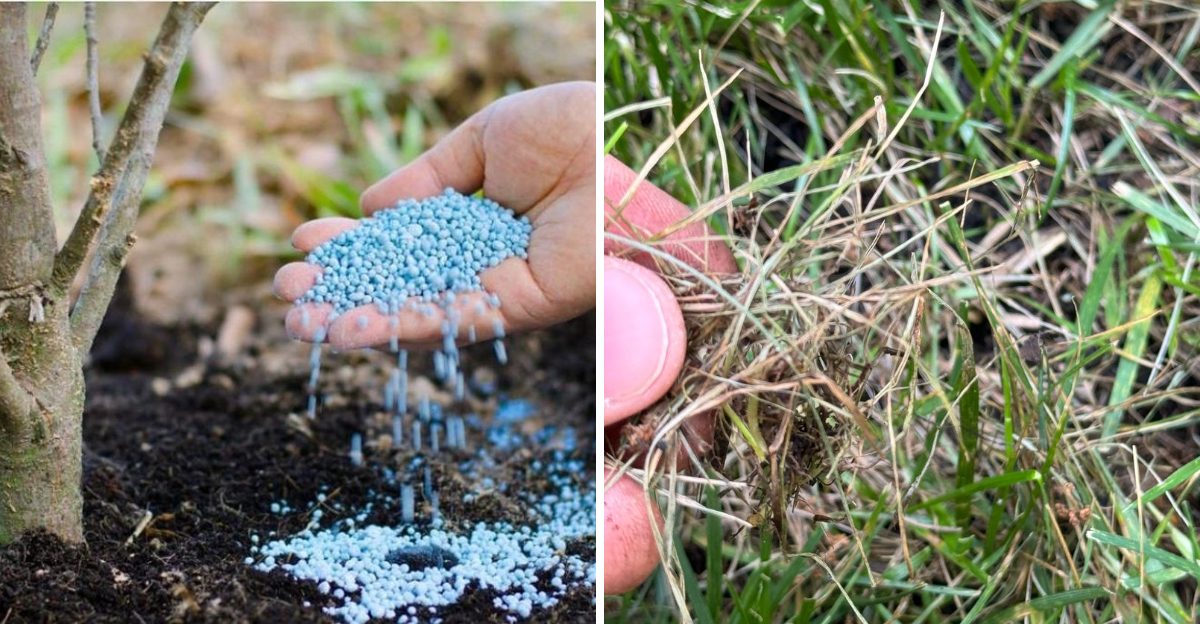
You step outside after a Florida afternoon storm and notice bright blue fertilizer pellets scattered across your driveway and floating toward the storm drain. You paid good money to feed your lawn, yet your grass still looks pale, your plants stay thirsty, and weeds seem to grow faster than everything else.
Sound familiar? What most homeowners do not realize is that the quick-green fertilizers sold in big box stores often work against Florida’s sandy soil and heavy rainfall.
Instead of building strong roots and healthy soil, they can create a cycle of wasted money, constant watering, weak growth, and nutrient runoff that ends up in canals, lakes, and coastal waters. The good news is this problem has a simple fix.
Changing how and what you fertilize can transform your landscape while protecting Florida’s environment at the same time.
1. What “Blue Fertilizer” Really Means
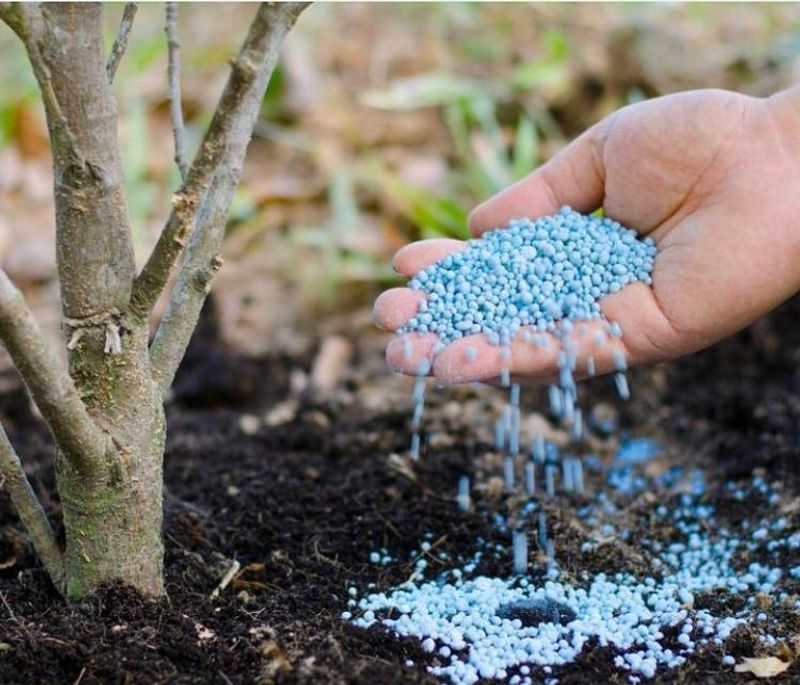
Walk down any garden center aisle and you will see bags of bright blue or green granules marketed as lawn food or quick-green fertilizer. Many fast-release fertilizers are dyed blue or green for visibility, but the rapid nutrient release comes from the fertilizer formulation itself, not the color.
The chemistry behind them focuses on delivering nitrogen, phosphorus, and potassium all at once in a water-soluble form.
Most homeowners buy these thinking faster nutrition equals healthier plants. The problem starts with how quickly that coating breaks down.
After irrigation or rainfall, fast-release fertilizers dissolve quickly and make a large portion of nutrients immediately available to plant roots.
The blue or green color itself does not make fertilizer fast-acting. The color is only a dye added so homeowners can see where they have applied product evenly.
What actually matters is whether the fertilizer contains water-soluble (fast-release) nutrients or controlled-release nutrients. Many fast-release fertilizers happen to be blue, which is why the term has become common, but the color is not the cause of the problem.
Florida gardeners often notice an intense green flush within days of application. That burst looks impressive but creates dependency because plants grow soft, thirsty tissue instead of strong root systems.
Many fast-release fertilizer formulas were originally developed for regions with heavier soils and cooler climates that naturally hold nutrients longer.
In Florida’s sandy ground and frequent downpours, the same formulas behave completely differently. Understanding what these blue granules actually do helps explain why they fail so consistently in our unique conditions.
2. Why Florida Soil Makes Fast Fertilizers Fail
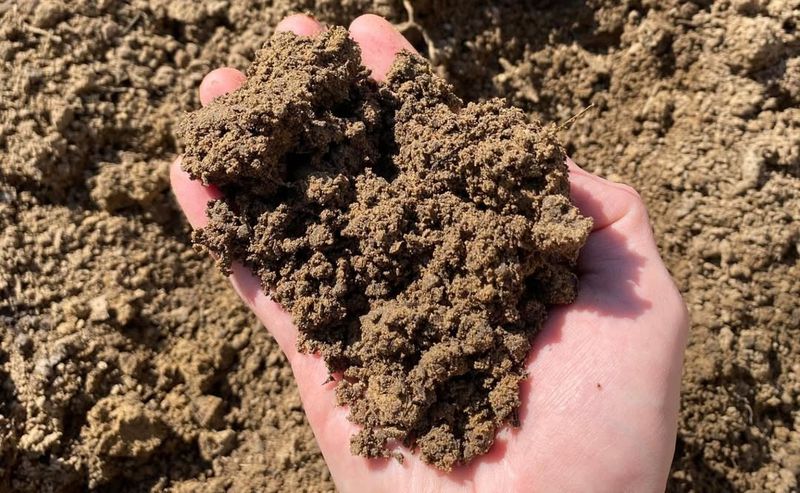
Grab a handful of Florida soil and let it run through your fingers. Notice how quickly it drains and how little organic matter clings together.
Our sandy soils across most of the state contain very little clay or humus to hold onto nutrients when water moves through.
When you apply fast-release fertilizer to this kind of ground, the nutrients dissolve almost immediately. Central Florida gardeners often experience severe leaching because residential soils frequently contain very high sand content.
Each afternoon thunderstorm or sprinkler cycle pushes dissolved nitrogen and phosphorus straight down past the root zone.
Your plants never get the chance to absorb what you paid for. After heavy rainfall or frequent irrigation, a significant portion of fast-release nutrients can move below the root zone within days in sandy Florida soils.
Clay soils in other states hold nutrients in the top few inches for weeks, giving plants time to use them efficiently.
Florida’s coarse texture works like a sieve instead of a sponge. You end up reapplying fertilizer every few weeks just to maintain basic color, spending more money and creating more runoff with each application.
3. How Fast-Release Fertilizers Contribute To Florida Water Pollution
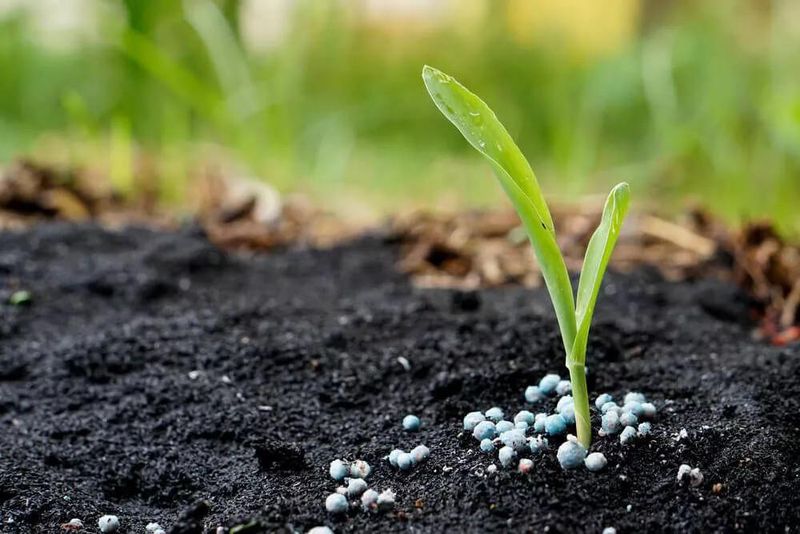
After a summer rain in South Florida, stormwater races off lawns and driveways carrying dissolved nutrients straight into canals, retention ponds, and eventually the Everglades or coastal bays. Those nutrients do not disappear.
They feed algae blooms that turn water green and choke out oxygen that fish and other aquatic life need to survive.
Phosphorus poses the biggest threat to Florida springs and rivers. Even small amounts trigger explosive algae growth in our warm, sunlit waters.
Many counties now restrict or ban phosphorus in lawn fertilizers because of documented damage to water quality.
When any fast-release fertilizer washes away before plants absorb it, nutrients can be carried into nearby waterways instead of being used by your garden. North Florida springs that once ran crystal clear now struggle with algae mats fed by upstream fertilizer runoff.
Coastal estuaries face similar problems when nutrient-loaded freshwater flows in during rainy season.
Florida fertilizer ordinances exist because the connection between lawn chemicals and water pollution became impossible to ignore. Switching to slower, more targeted feeding protects the natural systems that make Florida beautiful.
4. Plant Problems Caused By Overusing Fast-Release Fertilizer
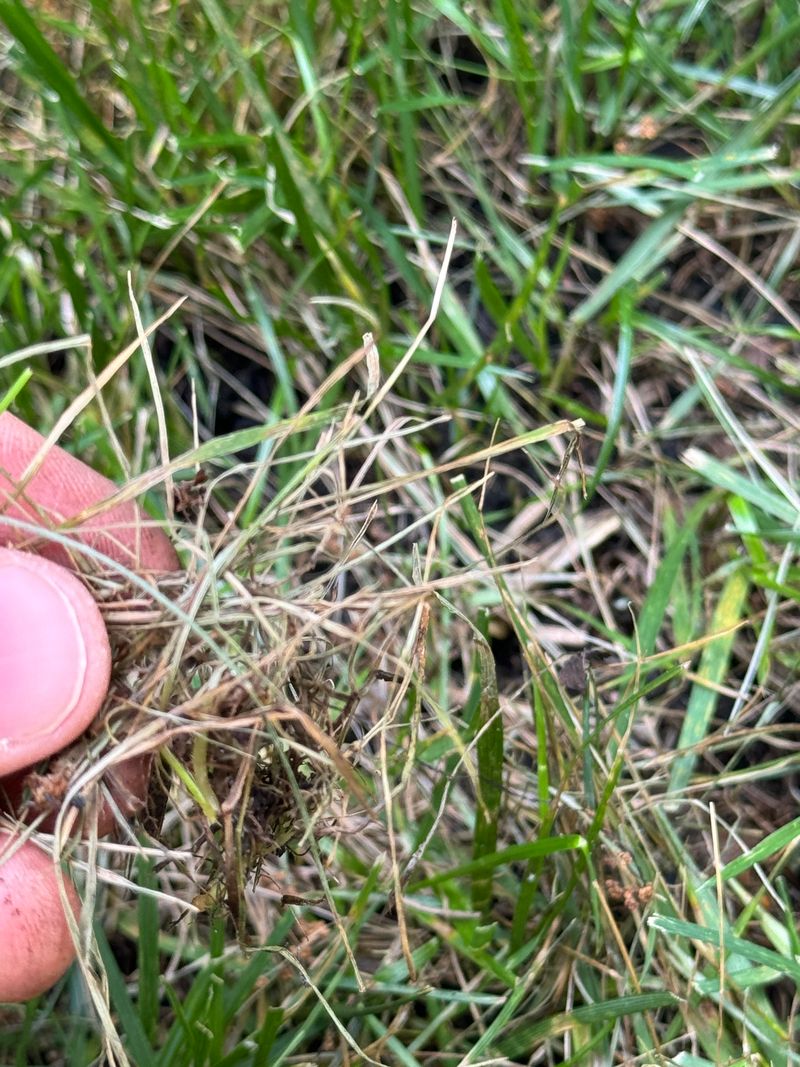
Your lawn grows three inches in a week, forcing you to mow twice as often while the grass develops thin, weak blades that wilt in afternoon heat. Heavy applications of fast-release nitrogen can push plants to produce excessive top growth faster than root systems can develop.
The result looks lush for a few days but becomes a maintenance nightmare.
Shrubs and ornamentals react similarly when overfed with quick nutrients. Rapid, nitrogen-heavy growth can increase susceptibility to certain pests and diseases, especially when plants are overfertilized.
In many cases, gardeners end up spraying pesticides to manage problems that could be reduced with balanced, slower feeding.
Salt buildup becomes another hidden issue. Fast-release fertilizers contain high concentrations of soluble salts that accumulate in the root zone when you apply them repeatedly.
Florida’s low rainfall during winter and spring does not flush these salts away, and they start burning root tips and leaf margins.
Your plants show brown edges and stunted growth even though you keep fertilizing. The cycle becomes self-defeating as you add more chemicals trying to fix problems caused by the fertilizer itself.
5. What To Use Instead For Healthier Florida Gardens
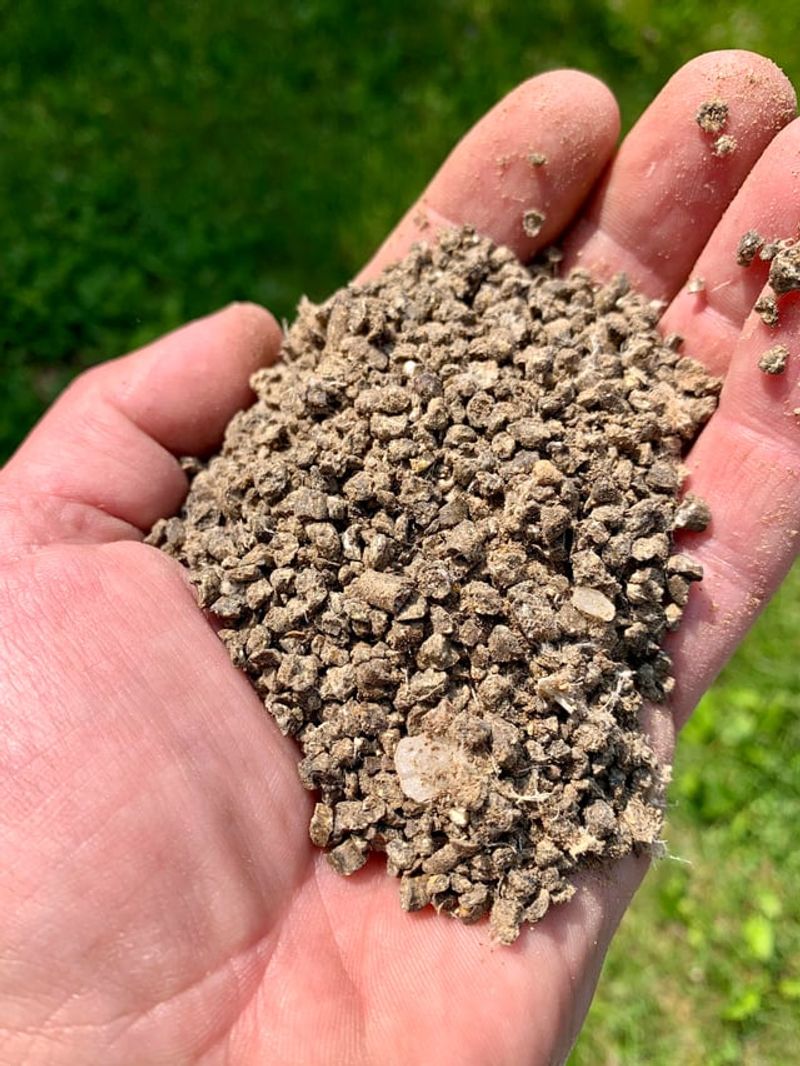
Slow-release fertilizers coated with sulfur or polymer shells deliver nutrients gradually over weeks or months instead of all at once. These products cost more upfront but feed plants steadily while resisting leaching through sandy soil.
You apply them less often and waste far less to runoff.
Organic options like composted manure, fish emulsion, and seaweed extract work even better for building long-term soil health. They release nutrients as soil microbes break them down, matching the pace plants actually absorb food.
Compost adds organic matter that helps sandy soil hold moisture and nutrients between waterings.
Milorganite, a heat-treated biosolids product, is popular among Florida gardeners because it provides slow nitrogen release and is less likely to burn turf when applied correctly. University of Florida research shows that controlled-release and organic nutrient sources generally reduce leaching losses and improve nutrient efficiency in sandy Florida soils compared to fast-release products.
Blending different nutrient sources gives you the best results. A spring application of slow-release granules combined with monthly compost tea or fish emulsion keeps plants growing strong without the boom-and-bust cycle of blue fertilizers.
6. How To Fertilize Properly In Florida’s Climate
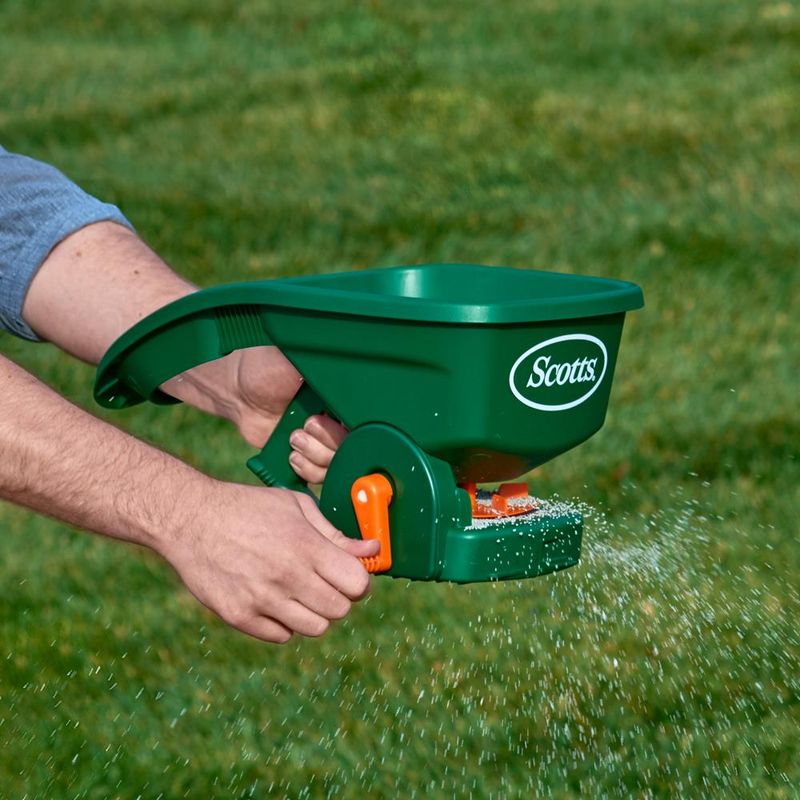
Timing matters more than the amount when feeding Florida landscapes. Apply nutrients during active growing seasons when plants can actually use them, typically March through October for warm-season grasses and year-round for many shrubs and perennials.
Fertilizing during winter dormancy wastes product and increases runoff risk.
Always check the weather forecast before spreading any fertilizer. Many Florida counties prohibit fertilizer application when heavy rain is forecast or during the rainy season as part of local fertilizer ordinances designed to reduce runoff.
Wait for a dry period when plants can absorb nutrients before the next storm washes them away.
Use a calibrated spreader instead of broadcasting by hand. Accurate application prevents over-concentration in some areas and bare spots in others.
Sweep any granules that land on driveways or sidewalks back onto the lawn rather than letting them wash into storm drains.
Water lightly after application only if the product label recommends it. Many slow-release fertilizers work better when left dry on the soil surface.
Your goal is getting nutrients to roots without creating runoff, which requires paying attention to rainfall patterns and soil moisture.
Always follow local extension service recommendations and fertilizer label instructions, since soil type, grass species, and rainfall patterns vary across Florida.
7. A Simple Florida-Friendly Fertilizing Schedule
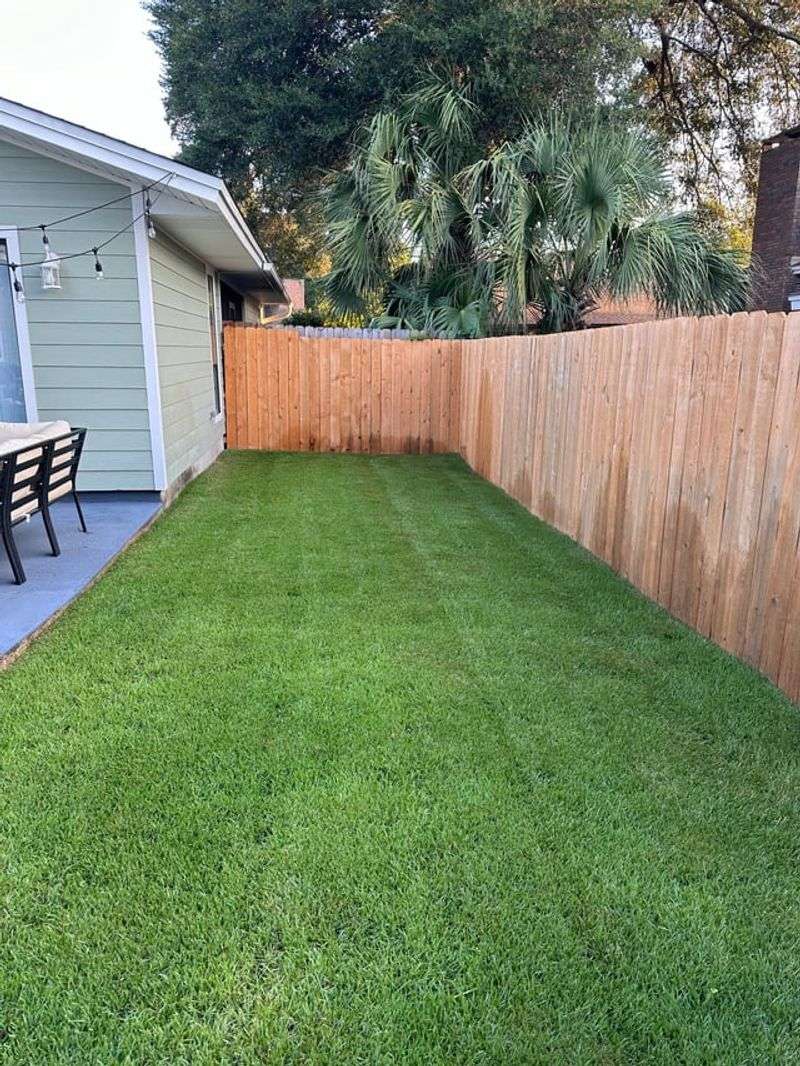
South Florida gardeners can fertilize warm-season lawns four times yearly, spacing applications from March through September. Central Florida works well with three applications during the same window, while North Florida often needs only two because cooler winters limit growth more significantly.
These regional differences reflect how temperature and rainfall patterns affect plant nutrient demand.
Shrubs and ornamental beds benefit from one or two slow-release applications in spring and early fall. Flowering plants may need monthly light feeding during blooming periods, but always choose products designed for Florida conditions.
Vegetables grow best with compost worked into beds before planting plus occasional liquid feeding during harvest season.
Mark your calendar rather than fertilizing whenever the lawn looks pale. Consistent, moderate feeding produces better results than heavy applications followed by long gaps.
Your plants develop steady growth and deeper roots when nutrients arrive predictably.
Soil testing every two or three years through your county extension office shows exactly what your ground needs. You might discover phosphorus levels are already high, eliminating the need for fertilizers containing it and reducing pollution risk to nearby waters.
8. Final Tips For Stronger Plants And Better Growth
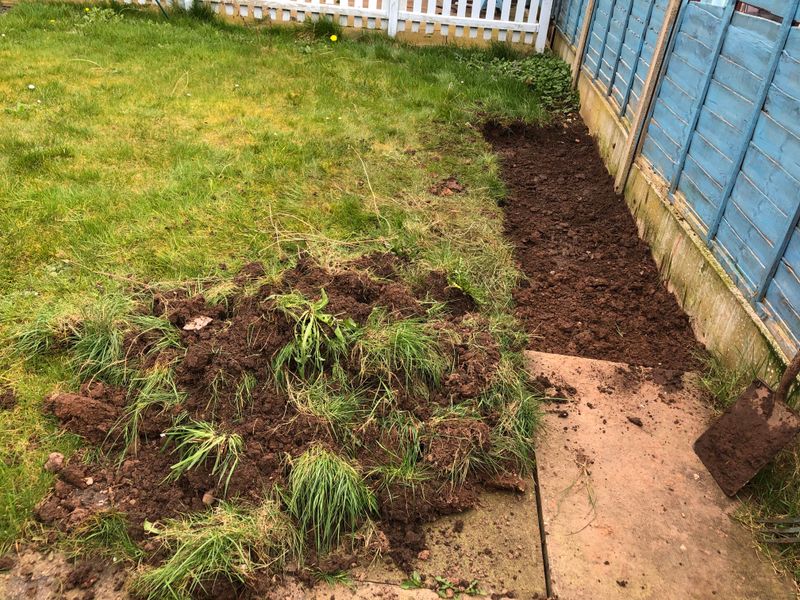
Healthy soil grows healthy plants with less fertilizer input. Adding compost or aged manure twice yearly improves sandy soil structure so it holds moisture and nutrients more effectively.
Mulching beds with pine bark or wood chips reduces water needs and slowly feeds the ground as organic matter breaks down.
Choose plants adapted to Florida conditions rather than fighting to grow species that struggle in our climate. Native and Florida-friendly plants often thrive with minimal fertilization once established because they evolved in our nutrient-poor soils.
Your workload drops and your landscape becomes more resilient.
Water deeply but less frequently to encourage deep root growth. Shallow, frequent irrigation keeps roots near the surface where they remain vulnerable to heat and drought.
Proper watering helps plants access nutrients more efficiently regardless of fertilizer type.
When you stop chasing quick green-up from fast-release fertilizers and instead focus on building soil health and choosing appropriate feeding methods, your garden transforms. Plants grow stronger, maintenance decreases, and you protect Florida’s precious water resources while enjoying a landscape that looks better year-round.
The real solution is not avoiding fertilizer entirely, but choosing the right release type, timing applications correctly, and building healthier soil so plants can use nutrients efficiently.