Why Bluebirds May Start Gathering Around Georgia Yards In September
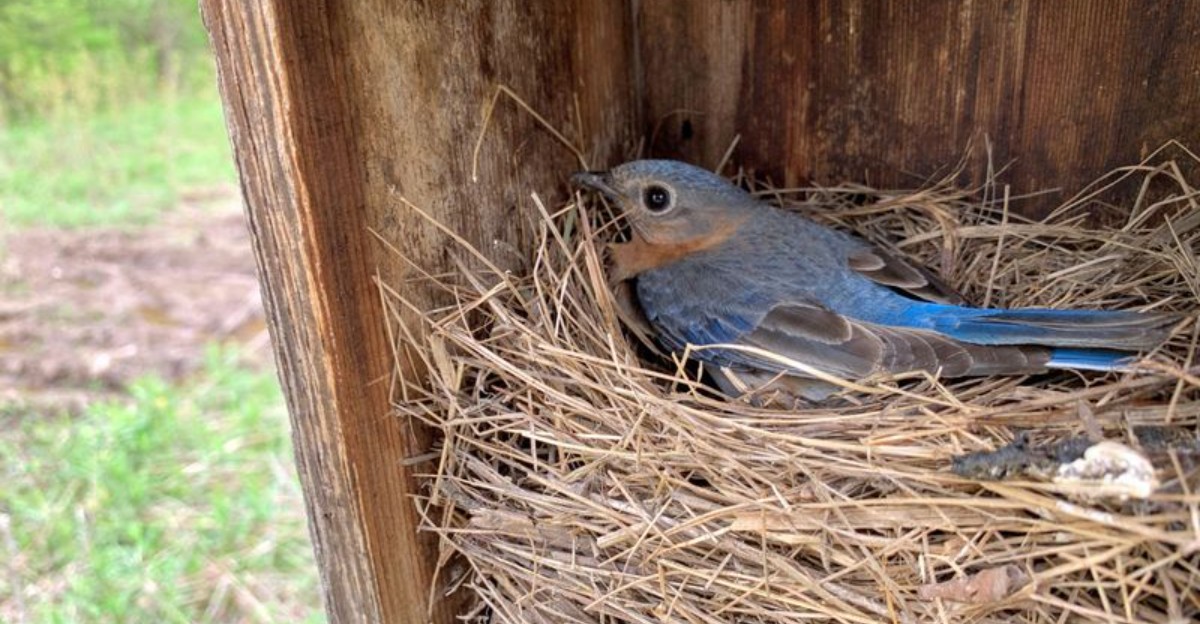
Bluebirds that seemed scattered through summer can suddenly become much easier to notice once September arrives. You may even spot several sharing the same stretch of yard.
That change is connected to a seasonal shift in how these familiar birds spend their time.
After the nesting season, bluebirds can begin forming loose groups and exploring areas with reliable food. Georgia yards with the right features may become regular stopping places.
Their growing presence can make feeders, fences, and open spaces feel unexpectedly busy.
Watch where the birds spend their time, because those choices reveal what is attracting them. You might discover that your yard already offers something useful without any special preparation.
September changes the bluebirds’ routine, and understanding that shift makes their sudden gatherings much easier to appreciate.
1. September Can Bring A Noticeable Change In Bluebird Behavior
Something shifts in early fall, and bluebirds are usually the first birds people notice. Pairs that guarded a nest box all summer suddenly seem relaxed about company.
Nesting season for eastern bluebirds in Georgia typically runs from around March into August. Once that wraps up, territorial squabbling drops off sharply.
Adults no longer need to defend a tight area around a box, so they wander farther each day.
You may see birds visiting a box without any interest in nesting. Some bluebirds still roost inside boxes on chilly nights, which surprises a lot of homeowners.
Their singing also changes, becoming softer and less frequent than the spring chatter.
Instead of loud territorial calls, you will hear quiet contact notes as birds keep track of each other. Those short warbles often signal a group moving through together.
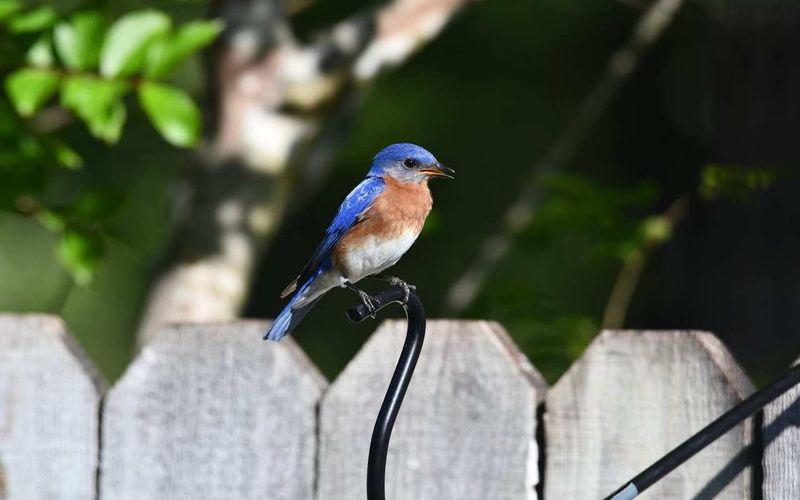
Perching behavior gets more social, with three or four birds sharing the same wire or branch.
Weather plays a role too, since September mornings often feel cooler and insects stay active longer. That combination makes open feeding easier than it was in the August heat.
Keep in mind that timing varies from yard to yard depending on local conditions and how late the last brood fledged.
If your yard looks busier than usual, it is likely normal seasonal behavior rather than anything to worry about.
2. Family Groups Begin Joining Other Birds After Nesting
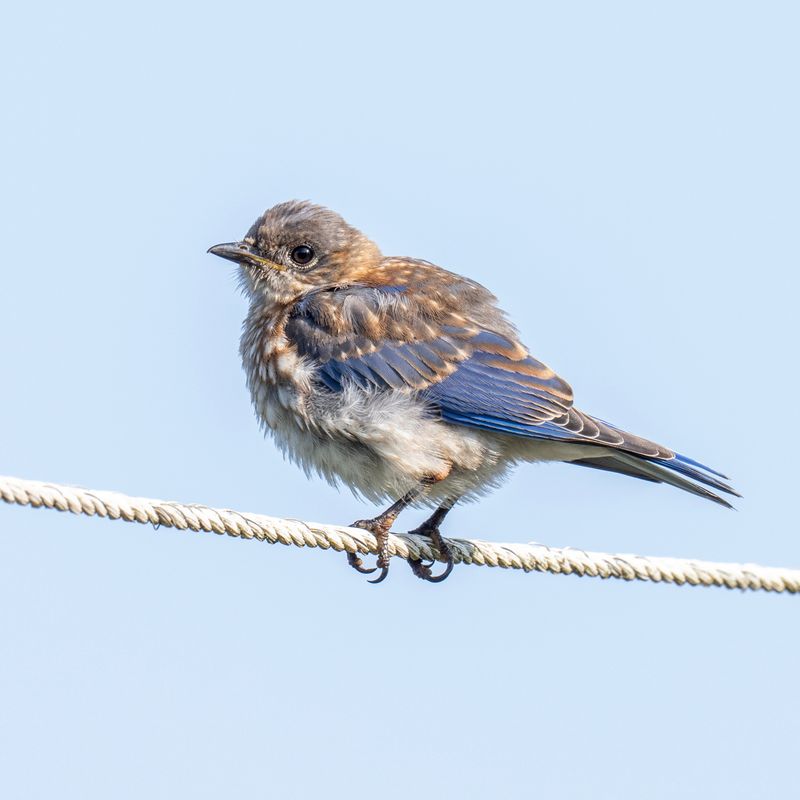
Count the birds next time you see bluebirds together, and you may notice mixed ages. Juveniles with speckled chests often travel alongside their parents well past fledging.
Bluebirds raise two or three broods in a season across much of the Southeast. Young from earlier nests sometimes stay near the family group instead of scattering right away.
Those loose family units are what people mistake for a sudden flock arriving overnight.
Grouping brings real advantages, since more eyes mean quicker warnings about hawks and cats. Feeding also gets easier when several birds work the same open patch of ground.
Bluebirds in Georgia may also join loose mixed groups with chickadees, titmice, warblers, and woodpeckers during fall movement.
Watching a yard closely in September often reveals different species passing through together.
Your Georgia Garden Changes Every Week. Your Plan Should Too.
Gardening in Georgia changes quickly throughout the season. Every Friday you’ll receive a simple weekly plan showing exactly what to plant, prune, fertilize, harvest, and protect so you never miss the right timing.
Juvenile bluebirds look duller than adults, with grayish brown backs and spotting that fades as fall goes on. By late autumn, most look much closer to adult coloring.
Give them space and avoid crowding the area with heavy yard work when a group settles in.
Loud equipment and constant activity can push cautious young birds toward quieter properties nearby. A calm corner of the yard usually holds their attention longer.
Group size shifts week to week, so numbers will rise and fall naturally.
3. Food Starts Shaping Where They Spend Their Time
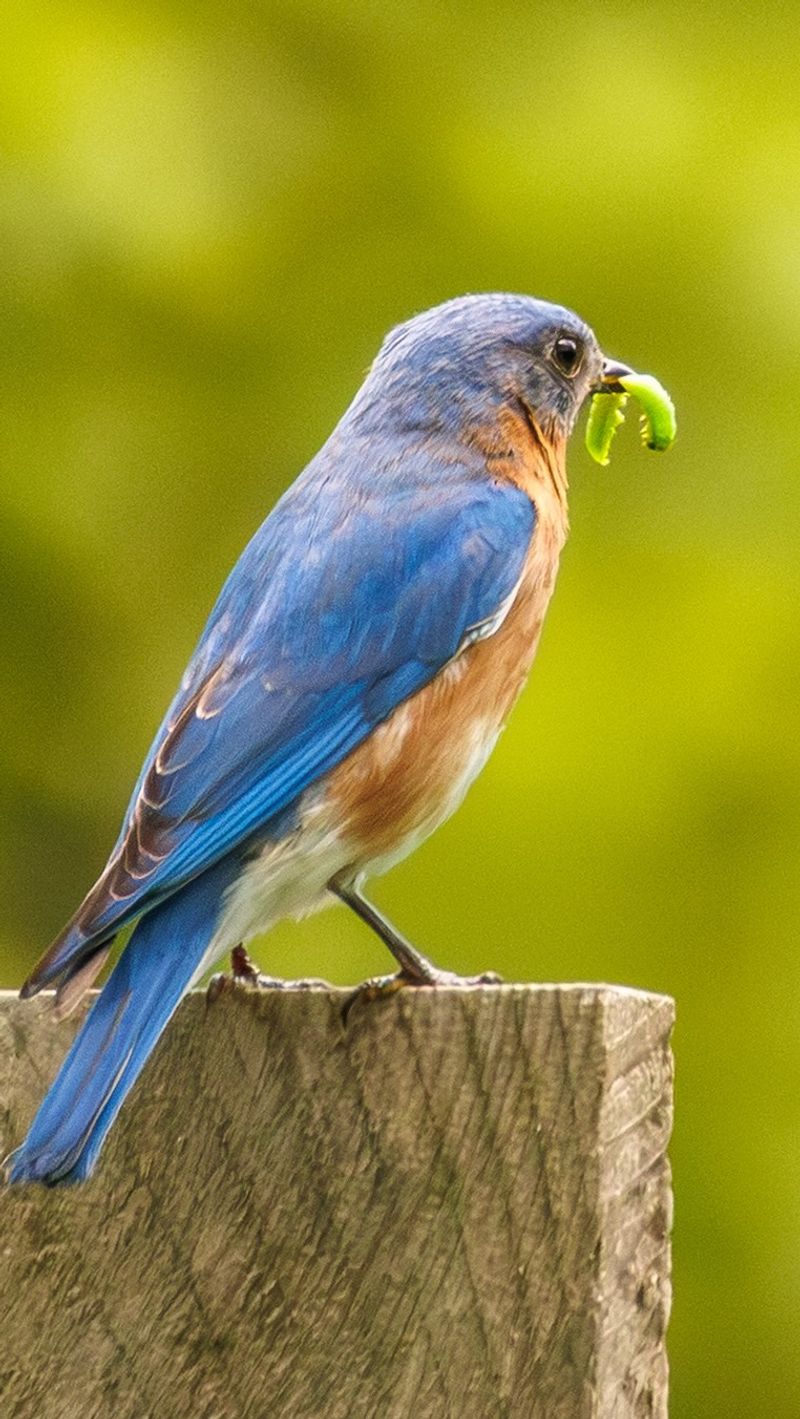
Follow the food and you will find the birds. Bluebirds shift their daily routine based on what is easiest to catch or pick.
Insects make up the bulk of their warm-weather diet, including beetles, grasshoppers, crickets, caterpillars, and spiders. September still offers plenty of those across most of the state.
Lawns, garden edges, pasture strips, and mulched beds all produce steady insect activity in early fall.
Yards treated heavily with broad insecticides tend to hold fewer birds, simply because the food supply drops. Cutting back on blanket spraying often helps more than adding feeders.
Mealworms remain the most reliable feeder food, offered live or dried in a shallow dish.
Start with a small amount, since bluebirds can be slow to notice a new feeder. Placing it near an open perch improves the odds they spot it.
Suet crumbles and hulled sunflower chips also draw interest, though results vary by yard.
Bluebirds rarely use tube feeders built for finches, so an open tray or covered dish works better. Height around five feet keeps food away from most ground animals.
Sudden gatherings usually mean your yard is simply producing more food than the neighbors right now.
Keep dishes clean and refill on a predictable schedule, because regular timing seems to matter to returning birds.
4. Open Lawns Offer Easy Places To Search For Insects
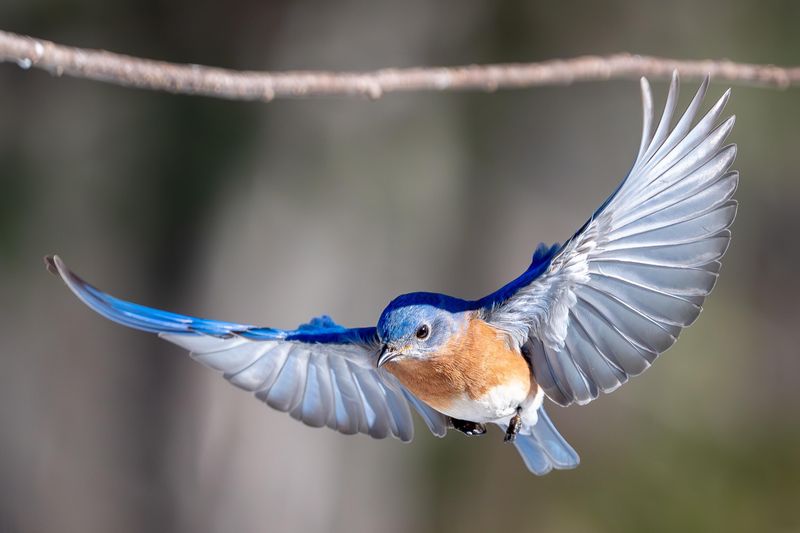
Bluebirds hunt by sight, not by digging. Short grass and a good perch matter more than almost anything else you can offer.
Their usual method involves sitting on a low branch, wire, or post and scanning the ground below. When they spot movement, they drop straight down and grab it.
Tall, thick turf hides prey and makes that whole approach far less effective.
Mowing regularly through September keeps hunting areas usable without any extra effort on your part. Even one mown strip beside a fence can pull birds in.
Adding perches is one of the cheapest improvements a Georgia homeowner can make.
A shepherd’s hook, garden stake, or bare branch stuck upright near an open area works fine. Around four to six feet of height gives them a solid view.
Avoid clearing every shrub, since birds still want cover close by for quick escapes.
Edges tend to attract the most activity, where lawn meets woods, garden, or pasture. That mix of open ground and nearby shelter suits them well.
Sprinkler-irrigated lawns sometimes hold more insects, though results depend on soil, season, and how the yard is managed.
Do not expect instant crowds, because bluebirds explore new spots gradually and often return in small numbers first.
5. Berries Become More Important As The Season Changes
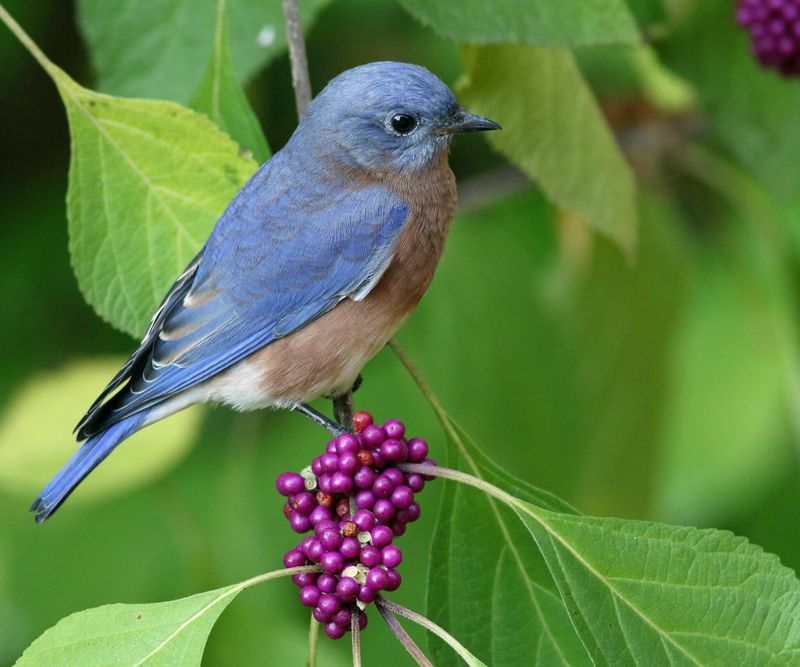
Insects thin out as nights cool, and fruit picks up the slack. Bluebirds switch toward berries more and more through fall and winter.
Dogwood, holly, sumac, wax myrtle, eastern red cedar, and viburnum all provide fruit that bluebirds eat. Several of those grow naturally in woodland edges throughout north and central Georgia.
Native shrubs generally offer better long-term value than feeders, since they produce food year after year.
Planting season here runs well into fall, which makes September and October good months to get shrubs in the ground. Cooler soil helps roots settle before winter.
Water new plantings regularly during their first year, especially through dry spells.
Fruit timing differs by species, so mixing several kinds spreads the food supply across more weeks. Holly and cedar tend to hold berries longest.
Skip invasive options like nandina, which can spread aggressively and has raised concerns about fruit toxicity in some birds.
Existing shrubs may already be feeding birds without you realizing it. Watch closely and you may catch bluebirds picking fruit early in the morning.
Leaving a few volunteer cedars or wax myrtles along a fence line costs nothing and pays off later.
Berry crops vary year to year depending on weather, pollination, and plant age, so expect some seasons to be better than others.
6. Water Can Draw Several Visitors Into The Same Yard
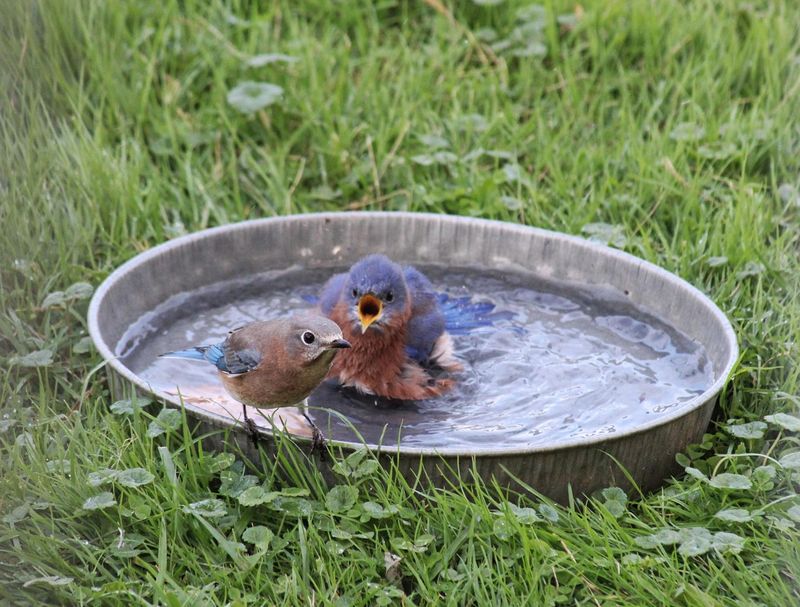
Water often beats food when it comes to pulling bluebirds in close. A shallow basin can turn a quiet yard into a busy one.
Bluebirds bathe frequently, and clean feathers help with insulation once temperatures drop. Late summer dry spells in Georgia make open water even more appealing.
Depth matters most, with about one to two inches working best for small songbirds.
Deep, steep-sided baths get ignored, so adding flat stones or gravel helps birds wade comfortably. Rough surfaces also give better footing than smooth glazed bowls.
Moving water tends to attract far more attention than still water.
A small solar dripper, mister, or wiggler creates ripples and sound that birds notice from a distance. Simple setups often work as well as expensive ones.
Placement near a shrub or low tree gives bathing birds a safe spot to preen afterward.
Rinse and refill every couple of days, especially in warm weather when algae builds quickly. Standing water left too long can also support mosquito larvae.
Keep the bath a few feet away from dense ground cover where cats might hide.
Several bluebirds may use the same bath in sequence, which is part of why yards suddenly look full of them. Regular maintenance keeps them coming back through fall.
7. Cooler Months Bring A Different Routine For Bluebirds
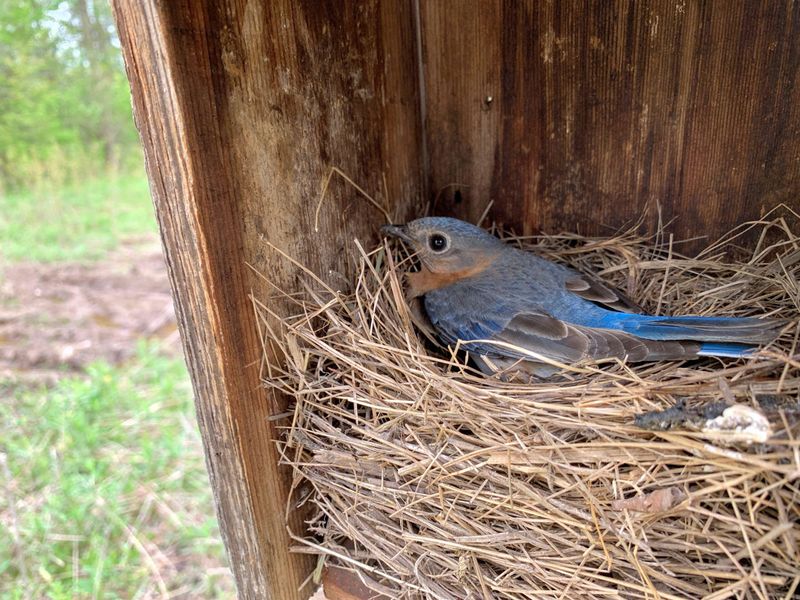
Winter does not send bluebirds away from this region. Most eastern bluebirds in Georgia stay put, though some northern birds move south and mix with local groups.
Their winter habits look noticeably different from spring. Small flocks roam together, feeding on fruit and whatever insects they can still find on warm days.
Roosting turns social, and several birds sometimes crowd into one box or cavity overnight for warmth.
Leaving nest boxes up year-round gives them that option. Clean out old nesting material in early fall so the space stays usable.
Boxes with tight joints and no drafts tend to get more winter use.
Feeders can help during cold snaps or ice, when natural food gets harder to reach. Dried mealworms and suet crumbles are practical choices then.
Water stays valuable in winter, since frozen sources limit drinking and bathing options.
A heated birdbath is not necessary in most of the state, but refilling a shallow dish on freezing mornings helps. Even brief access makes a difference.
Expect flock numbers to shift as birds move between food sources across the neighborhood.
Come late February, pairs start breaking away and checking boxes again. Watching that whole cycle unfold in one yard is one of the better parts of backyard birding here.