The Crepe Myrtle Leaf Problem Texas Homeowners Often Notice Right As September Begins
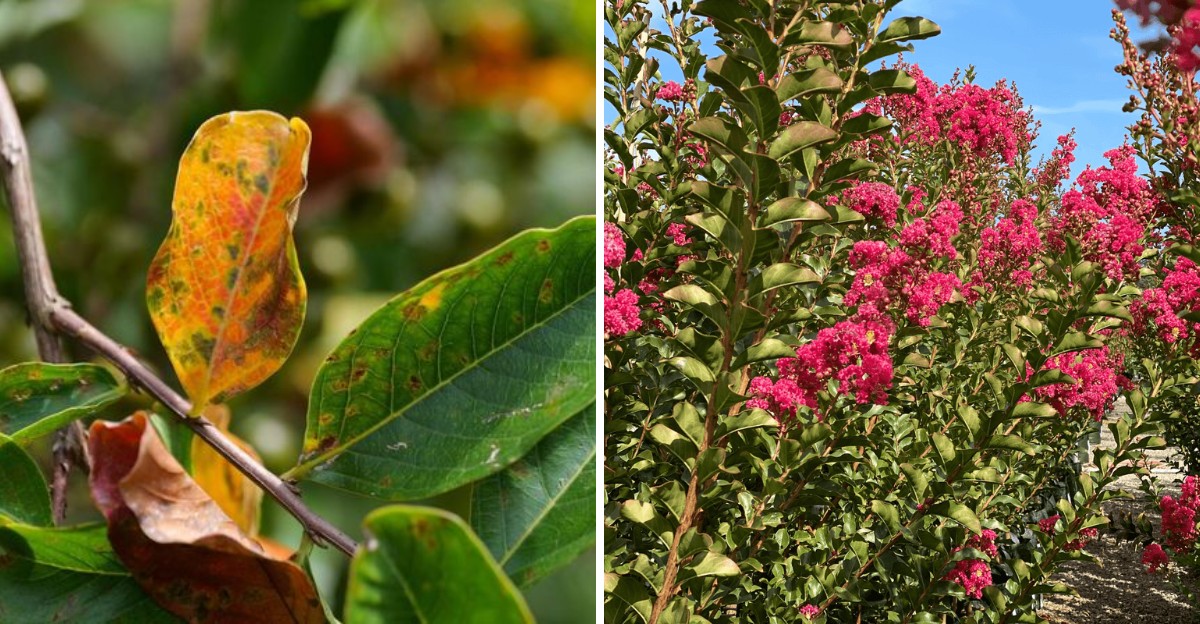
Crepe myrtles in Texas are one of the most reliable flowering trees available, and most of the season they prove it. But right as September begins, a lot of Texas homeowners start noticing something on their crepe myrtle leaves that wasn’t there a few weeks ago.
A color change, a coating, spots, or some other visual shift that raises the question of whether the tree is in trouble and what, if anything, needs to happen next. This timing is not a coincidence.
The conditions that produce this particular leaf problem in Texas crepe myrtles are closely tied to the combination of late summer heat, humidity, and the specific stress patterns the tree has been carrying since the height of summer.
Understanding what you’re actually looking at and why it’s appearing right now changes how you respond, because the right answer depends entirely on which problem you’re dealing with.
Some of what appears on crepe myrtle leaves in early September is worth addressing quickly. Some of it requires nothing at all.
Yellowing Leaves Are The September Crepe Myrtle Problem
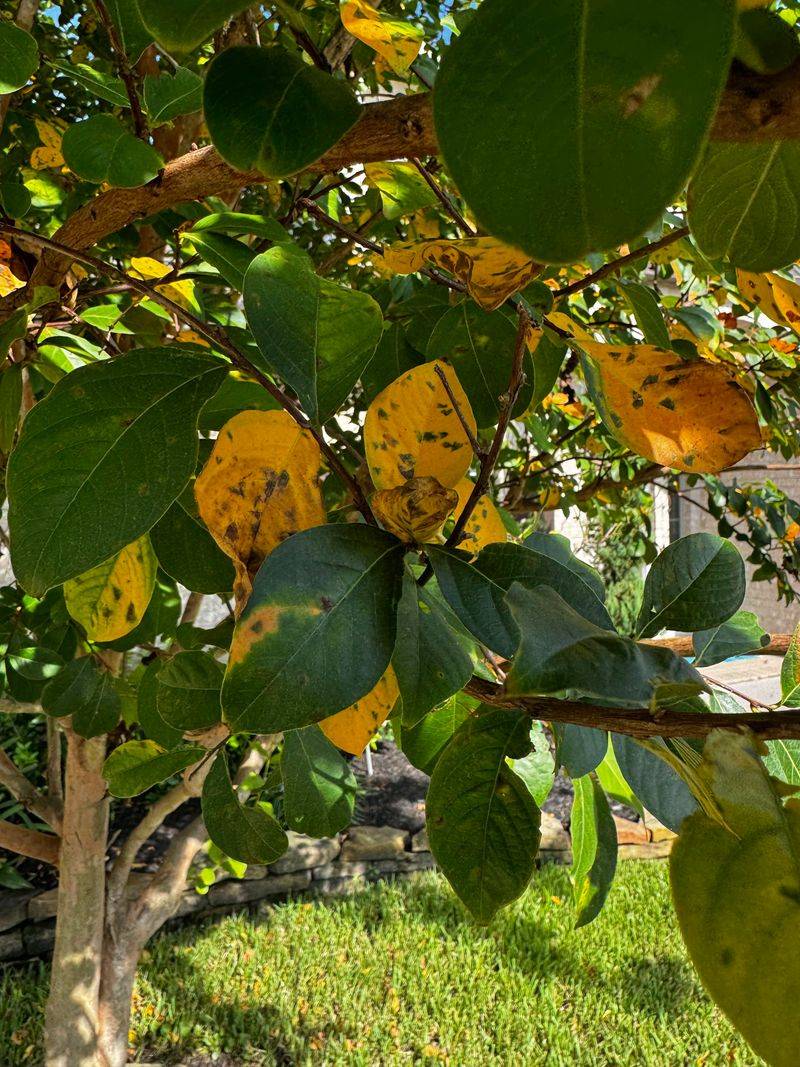
Walk outside on a cool September morning and you might spot your crepe myrtle looking a little tired. Yellow leaves show up, and a few float down to the grass below.
Many Texas homeowners see this and instantly think their tree is in trouble. The truth is much calmer than that.
Crepe myrtles are known for putting on a show in summer, then slowing down as the season shifts.
Yellow leaves in early fall are one of the most common sights across neighborhoods. They usually mean the tree is simply reacting to the change in weather, not struggling to survive.
Think of it like people pulling out sweaters when the air turns crisp. Your tree is doing its own version of getting ready for a new season.
Not every yellow leaf is a red flag. A handful of leaves changing color while most of the tree stays green is nothing to lose sleep over.
What matters is the overall pattern. If the tree still has healthy branches and steady growth, the leaf drop is likely just part of nature doing its thing.
Take a slow walk around your yard and observe. Look at the whole tree instead of one branch that caught your eye.
Fun fact: crepe myrtles are one of the last trees to leaf out in spring, and one of the last to change in fall. Their timing is a little different from other plants.
Once you understand that yellowing is often normal, you can relax and focus on giving your tree the right care.
Why Crepe Myrtle Leaves Change As Summer Ends
As summer fades, your crepe myrtle starts reading the signals nature sends. Shorter days and cooler nights tell the tree that big changes are coming.
Trees are surprisingly good at keeping track of time. When daylight hours shrink, the tree knows fall is near and begins to slow down its busy summer growth.
Your Texas Garden Changes Every Week. Your Plan Should Too.
Gardening in Texas changes quickly throughout the season. Every Friday you’ll receive a simple weekly plan showing exactly what to plant, prune, fertilize, harvest, and protect so you never miss the right timing.
During the warm months, leaves work hard making food through sunlight. As the season winds down, the tree pulls nutrients back into its branches and roots for storage.
That process is why leaves turn yellow before they fall. The green color fades as the tree reclaims the good stuff it needs to rest through winter.
Cooler temperatures also play a part. When nights get chilly, the tree gets the message that it is time to enter dormancy, which is like a long nap.
Dormancy helps crepe myrtles save energy during months when growing is harder. It is a smart survival trick built into the plant over many years.
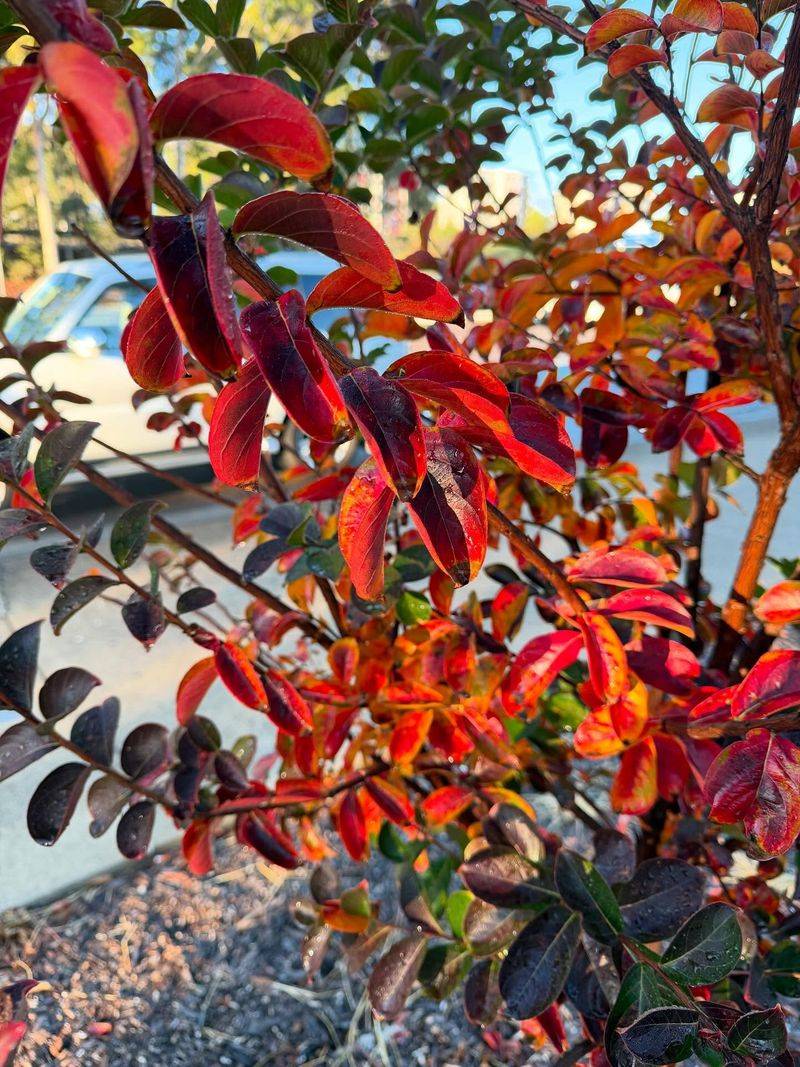
You might notice the leaf change happens gradually, not all at once. Some branches shift color earlier than others, and that uneven look is totally normal.
This natural rhythm repeats every single year. Once you know what is happening, the yellow leaves become a sign of a healthy cycle rather than a scare.
There is real beauty in this transition too. Many crepe myrtles show off warm shades of orange, red, and gold before their leaves finally drop.
So when the leaves start changing at summer’s end, remember the tree is just following its yearly plan and getting ready for a well-earned rest.
How Texas Heat And Drought Can Trigger Early Leaf Stress
Texas summers can be brutal, and your crepe myrtle feels every scorching day. A long stretch of heat can push the tree to show stress earlier than usual.
When the ground dries out, roots have a tough time pulling up enough water. The tree then sacrifices some leaves to save moisture for the rest of itself.
Drought is a common trigger for early yellowing across Texas yards. The tree is basically making a tough choice to protect its most important parts.
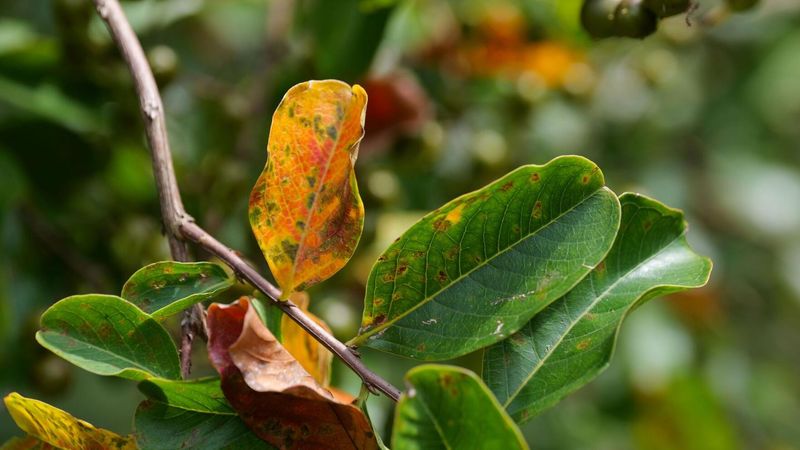
You might see leaves curl, fade, or drop sooner than you expected. This often shows up during the hottest, driest weeks of late summer.
Hard clay soil, which many Texas homes have, makes the problem worse. Water can run off the surface instead of soaking down to thirsty roots.
Watch for signs like crispy leaf edges or a droopy look during the afternoon. These clues tell you the tree is fighting to keep up with water demands.
The good news is that this kind of stress is usually fixable. Giving the tree a deep, slow drink can help it bounce back nicely.
Aim to water the soil deeply rather than spraying a quick splash on top. Deep watering encourages roots to grow strong and reach further down.
Mulch around the base also helps hold moisture in the ground. A layer a few inches thick keeps roots cooler and reduces water loss.
Once the heat breaks and rain returns, many stressed crepe myrtles perk right back up. Understanding this heat connection helps you respond calmly instead of worrying.
When Yellow Leaves Point To A Bigger Problem
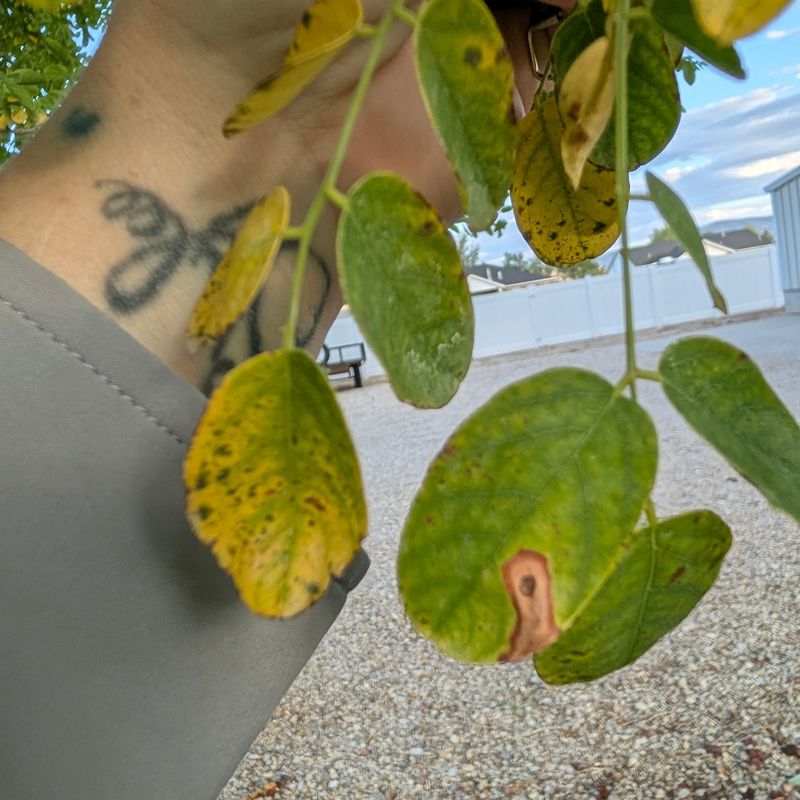
Sometimes yellow leaves are trying to tell you something more serious. Learning the warning signs helps you catch trouble before it spreads.
Not all leaf changes come from the calm rhythm of fall. Certain patterns hint at disease, pests, or problems in the soil.
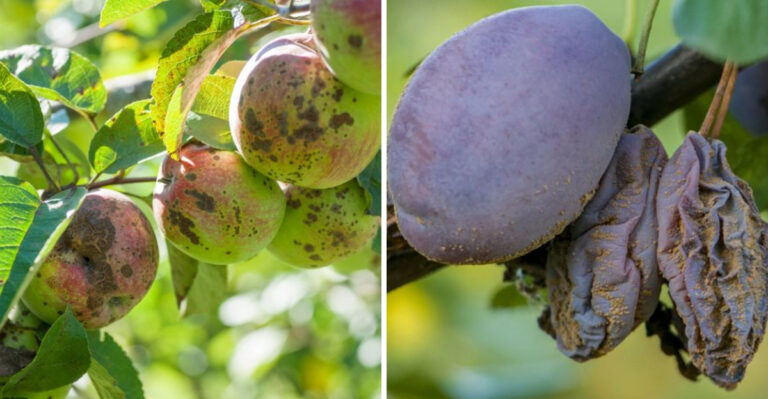
One common issue is a fungus that leaves dark spots or a powdery white coating on leaves. If you see that, the tree may need extra help.
Poor drainage is another sneaky troublemaker. When water sits around the roots too long, leaves can yellow and the roots may struggle to breathe.
Tiny pests like aphids and scale insects can also cause damage. They feed on the tree and often leave behind a sticky, shiny coating on leaves.
Watch for a black, sooty film on the leaves, which usually means bugs are present. Sticky spots on nearby sidewalks or cars are another clue.
Nutrient problems can turn leaves yellow too, especially when the veins stay green. That pattern often points to something missing in the soil.
Pay attention to timing and spread. Normal fall yellowing is gradual and even, while trouble often shows up in patches or comes on fast.
If leaves are covered in spots, curling oddly, or dropping heavily in midsummer, take a closer look. Those signs deserve more than a shrug.
When you spot serious warning signs, it may be smart to call a local tree expert. They can figure out the cause and suggest the right fix.
Knowing the difference between normal and worrying leaves keeps your crepe myrtle healthy for many seasons.
What Texas Homeowners Should Do In September
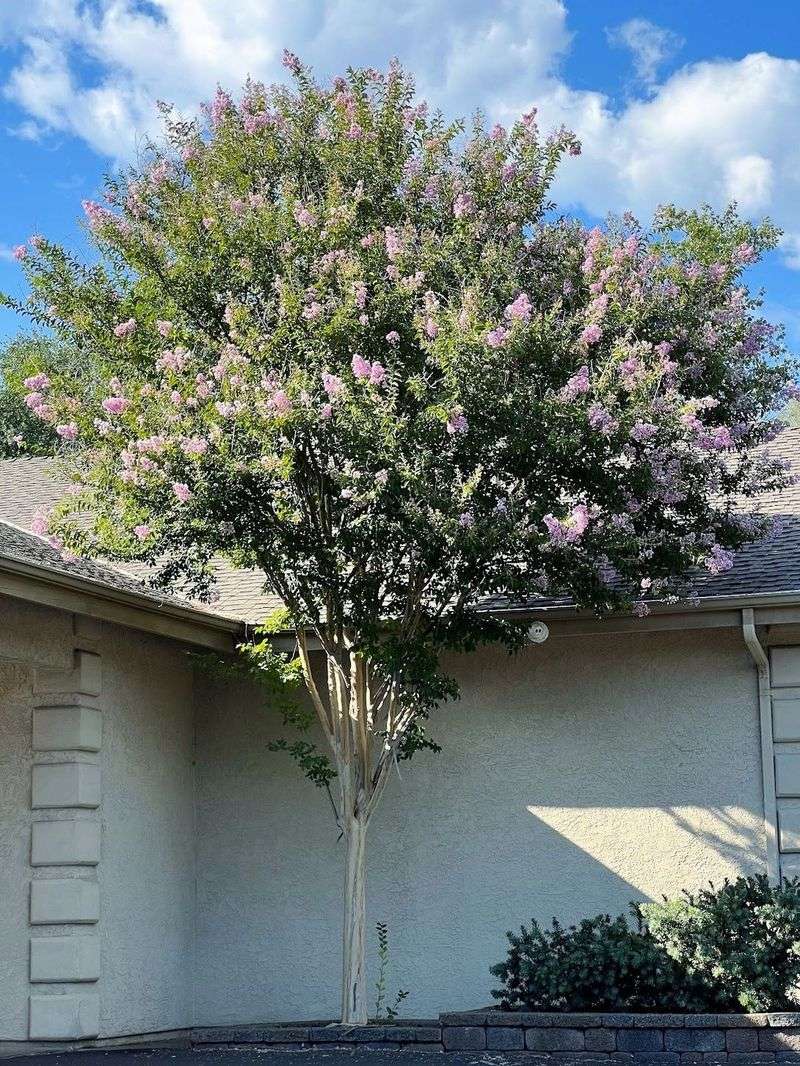
September is the perfect month to give your crepe myrtle a little attention. A few simple checks can tell you a lot about your tree’s health.
Start with the soil. Push a finger or a small tool a few inches into the ground near the tree to see if it feels dry or damp.
If the soil is dry deep down, your tree likely needs a good drink. Water slowly and deeply so the moisture reaches the roots below the surface.
Try not to overwater, though. Soggy soil can cause just as many problems as dry soil, so aim for a balanced amount.
Resist the urge to reach for treatments right away. If the yellowing looks normal, adding chemicals or extra fertilizer can actually stress the tree more.
Fall is not the best time to feed crepe myrtles. Fertilizing now can push new growth that will not have time to toughen up before cold weather.
Take a few minutes to look over the whole tree. Check the leaves, branches, and base for any spots, bugs, or sticky coatings.
Keep a simple record in your head or on paper. Noticing changes week by week helps you tell normal fall behavior from real trouble.
Clear away fallen leaves if they pile up thickly around the trunk. This keeps the area tidy and lowers the chance of fungus taking hold.
Most of all, stay patient. September is a season of change, and your tree is simply moving through its natural cycle while you keep a watchful eye.
How To Help Crepe Myrtles Prepare For Fall
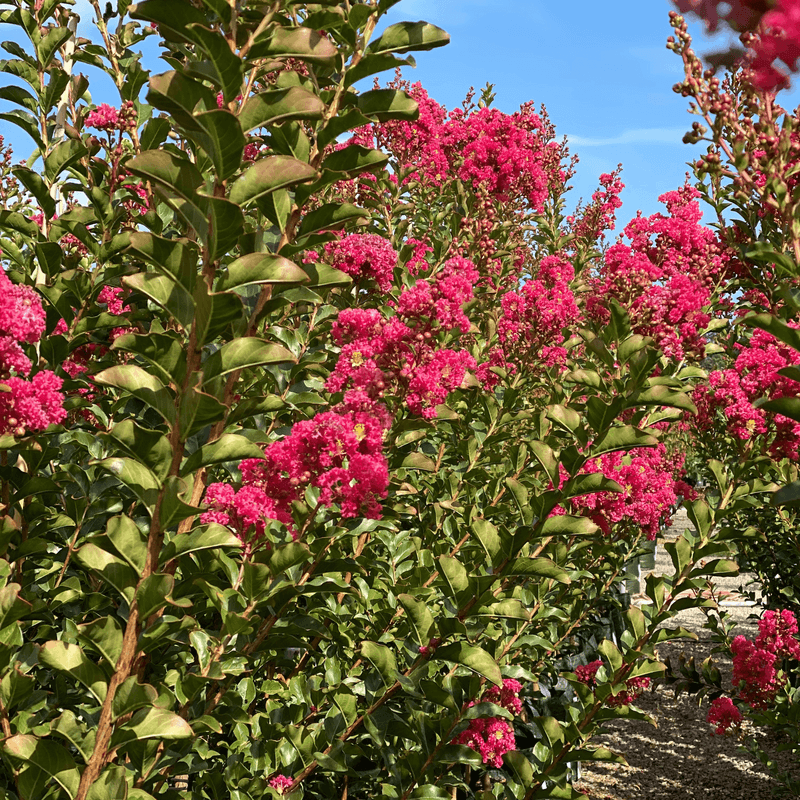
Helping your crepe myrtle ease into fall is easier than you might think. A little care now sets the stage for a strong tree next spring.
Keep up with steady watering as the weather cools. The tree still needs moisture to store energy before it goes into its winter rest.
Slowly cut back on how often you water as temperatures drop. Cooler air means the soil holds moisture longer, so the tree needs less frequent drinks.
Add a fresh layer of mulch around the base if the old layer has thinned out. Mulch protects roots and keeps the soil temperature steady.
Leave a small gap between the mulch and the trunk. Piling it right against the bark can trap moisture and invite problems.
Skip heavy pruning for now. Fall pruning can spark tender new growth that struggles once the first cold snap arrives.
Save the big trimming for late winter, when the tree is fully dormant. That timing helps it heal and bounce back beautifully in spring.
Rake up fallen leaves and clear away any that show spots or fungus. Removing them helps stop problems from returning next year.
Give the tree one last look for pests before the cold sets in. Catching bugs early makes them much easier to handle.
Here is a nice bonus: crepe myrtles are tough plants that handle Texas weather well once they are settled. With a bit of seasonal care, yours will reward you with gorgeous blooms again.
By treating fall as a fresh start, you give your crepe myrtle everything it needs to thrive through the seasons ahead.