Why Bougainvillea Won’t Bloom In Florida (And What Actually Works)
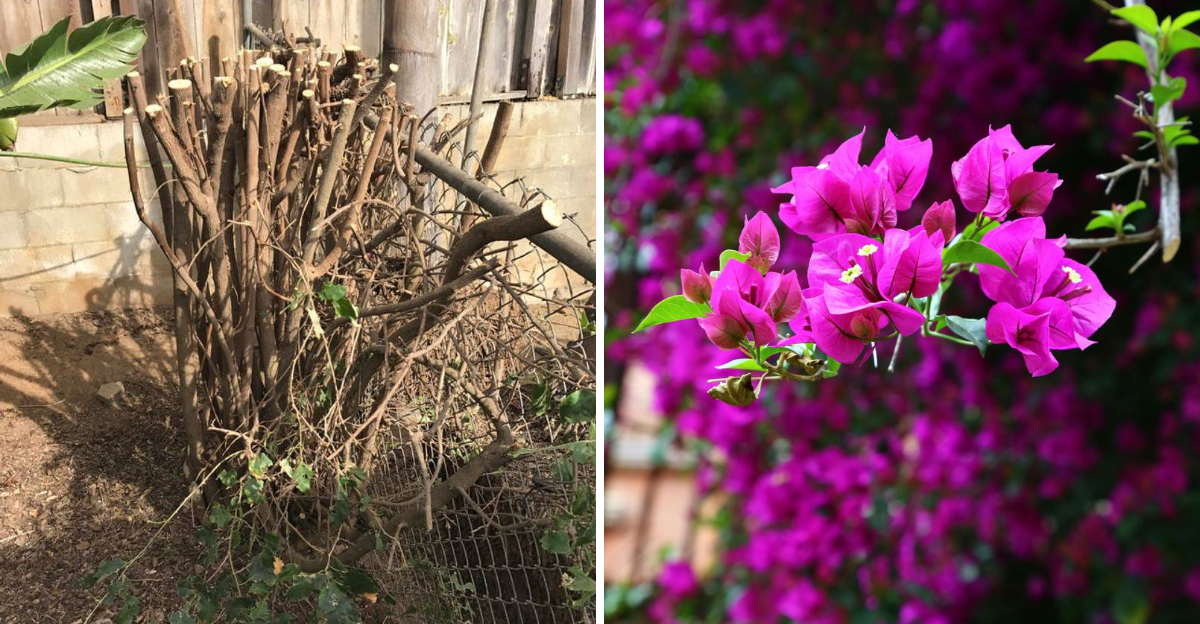
Few plants promise color like bougainvillea, yet many Florida growers end up with long vines and plenty of leaves but barely a hint of bloom.
The plant looks healthy, growth seems strong, and still the bright bracts never appear the way they should.
This frustration is common across warm regions where conditions seem perfect on the surface but something subtle holds flowering back. Small missteps, unnoticed patterns, or timing issues can quietly shift the plant’s focus away from blooms.
Once you understand what truly controls its flowering cycle, the difference can be dramatic. With the right adjustments, a quiet green bougainvillea can transform into the vivid, color packed display it was meant to be.
1. Too Much Nitrogen Is Feeding Leaves, Not Flowers
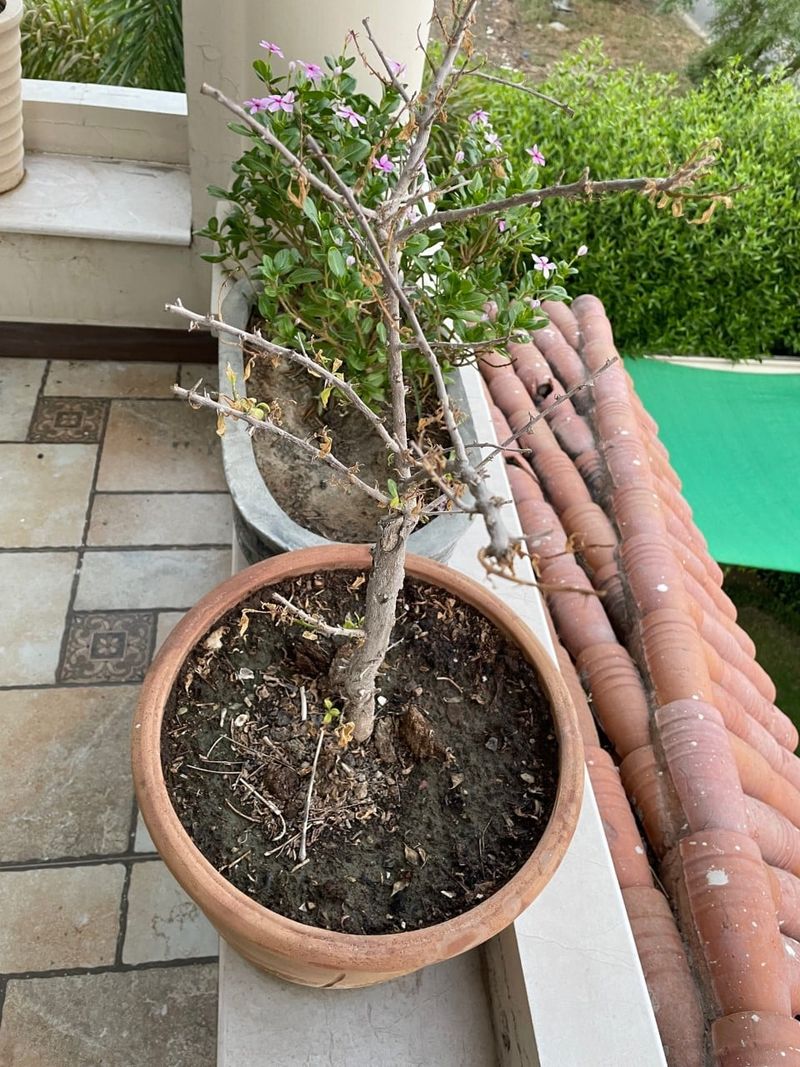
Bougainvillea responds to high nitrogen fertilizer the same way most plants do: by producing abundant leafy growth. When nitrogen levels stay elevated, the plant prioritizes foliage over flower production.
This becomes especially common in Florida yards where lawn fertilizers drift onto nearby landscape beds during regular feeding schedules.
Many homeowners unknowingly create this problem by using general-purpose or lawn fertilizers near their bougainvillea. These products typically contain high nitrogen ratios designed to green up grass, not encourage blooms.
The plant absorbs this excess nitrogen through its root zone and channels energy into leaf production instead of developing the colorful bracts we love.
Switching to a bloom-boosting fertilizer with lower nitrogen and higher phosphorus makes a noticeable difference. Look for formulations labeled for flowering plants with lower nitrogen and moderate phosphorus rather than high-nitrogen lawn fertilizers.
Apply these sparingly during the growing season, typically every six to eight weeks.
If your bougainvillea grows near a regularly fertilized lawn, consider creating a small barrier or adjusting your lawn care routine. Even better, reduce feeding frequency altogether.
Bougainvillea thrives on lean nutrition in Florida’s naturally sandy soils, and less fertilizer often means more blooms. Give your plant a break from heavy feeding and watch those vibrant bracts start to appear.
2. Not Enough Direct Sun Stops Bloom Production
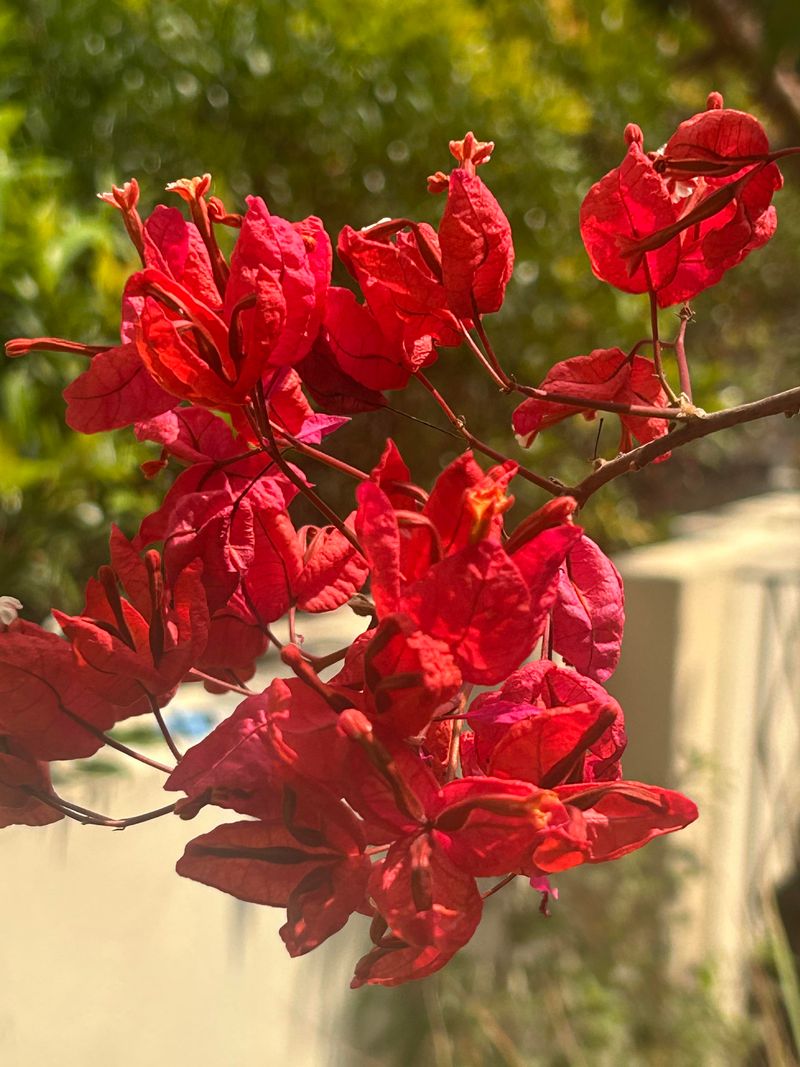
Sunlight acts as the primary trigger for bougainvillea bloom production. These plants evolved in sunny, tropical regions where intense light drives their flowering cycles.
In Florida landscapes, bougainvillea needs at least six hours of direct sunlight daily to produce abundant bracts, though eight or more hours delivers even better results.
Planting locations matter more than most gardeners realize. A spot that seems sunny in winter might fall into shade during summer when trees leaf out fully or when the sun angle shifts.
Buildings, fences, and tall shrubs can also block critical afternoon light. Even dappled shade throughout the day reduces the light intensity bougainvillea requires for heavy blooming.
Many Florida gardeners discover their bloom problems disappear simply by relocating their plant to a sunnier spot. If moving isn’t practical, consider pruning back nearby trees or shrubs that cast shade.
Sometimes removing just one overhanging branch opens up enough light to make a difference.
Container-grown bougainvillea offers more flexibility since you can move pots to follow the sun throughout the day or across seasons. Position your plant where it receives morning through afternoon sun for best results.
The intense Florida sunshine might seem harsh, but bougainvillea thrives in these conditions. Strong sunlight encourages the mild stress that often promotes heavier blooming.
3. Overwatering Reduces Flowering Stress
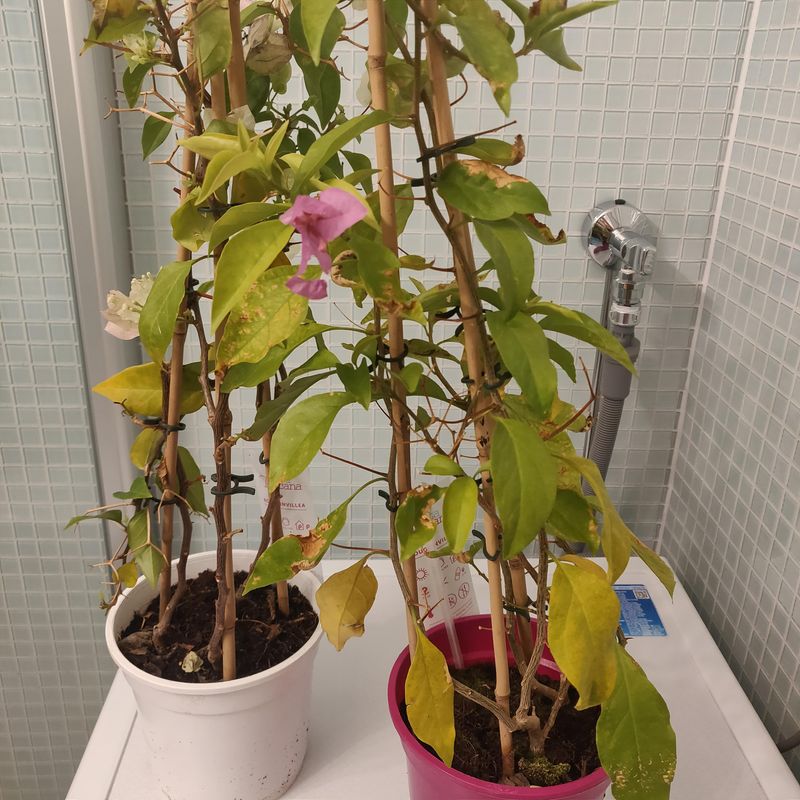
Bougainvillea naturally grows in regions with distinct wet and dry seasons, and this plant has adapted to bloom most heavily when water becomes slightly scarce. Constant moisture signals the plant that conditions are ideal for vegetative growth rather than reproduction through flowering.
Florida’s frequent summer rains can actually work against bloom production if supplemental watering continues during these wet periods.
Many well-meaning gardeners water their bougainvillea on the same schedule as other landscape plants. This keeps the root zone consistently moist, which the plant interprets as a signal to keep growing leaves and stems.
Without the mild stress that comes from periodic drying, bougainvillea has little incentive to produce the showy bracts that attract pollinators.
The solution involves allowing the soil to dry moderately between deep waterings rather than keeping it constantly moist. During Florida’s rainy season, you might not need to water at all for weeks at a time.
In drier months, check soil moisture by feeling an inch or two below the surface.
Established bougainvillea planted in the ground shows remarkable drought tolerance. Container plants dry faster and need more frequent monitoring, but the same principle applies.
Let them approach dryness before watering thoroughly. This cycling between moist and moderately dry conditions creates the flowering stress that produces those spectacular color displays Florida gardeners love.
4. Pruning At The Wrong Time Removes Future Blooms
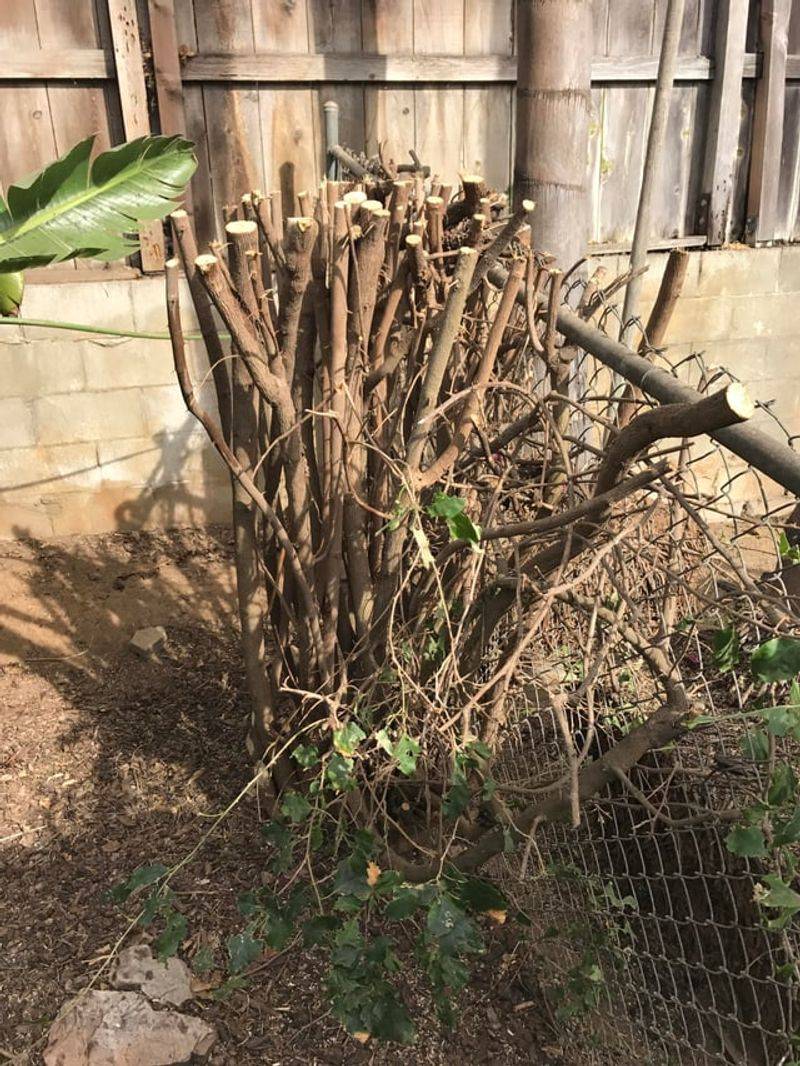
Bougainvillea produces its colorful bracts on new growth that emerges from branch tips. When you prune heavily or at the wrong time, you remove the very stems that would have developed into flowering wood.
Timing matters enormously, and understanding the plant’s growth cycle helps you prune strategically without sacrificing bloom potential.
Many Florida gardeners prune in late winter or early spring, thinking they’re preparing the plant for the growing season. Unfortunately, this removes the new growth that would bloom in spring and early summer.
Similarly, pruning in late summer cuts away stems that would flower during fall, one of bougainvillea’s most spectacular blooming periods in Florida’s climate.
The best approach involves light, selective pruning right after a major bloom cycle ends. Remove wayward branches, shape the plant gently, and avoid cutting back more than about one-third of the total growth.
This gives the plant time to produce new stems that will develop flower buds for the next cycle.
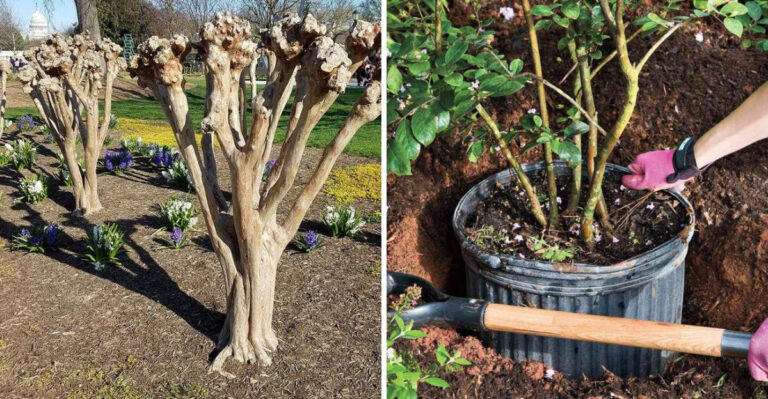
If your bougainvillea has gotten severely overgrown, you might need to sacrifice one bloom cycle to bring it back under control. Do this renovation pruning right after a flush of flowers finishes, then wait patiently while new growth emerges.
The plant will bloom again once those fresh stems mature. Timing varies with temperature and sunlight, but new growth must mature before blooming begins.
5. Young Plants Need Time Before Blooming Heavily
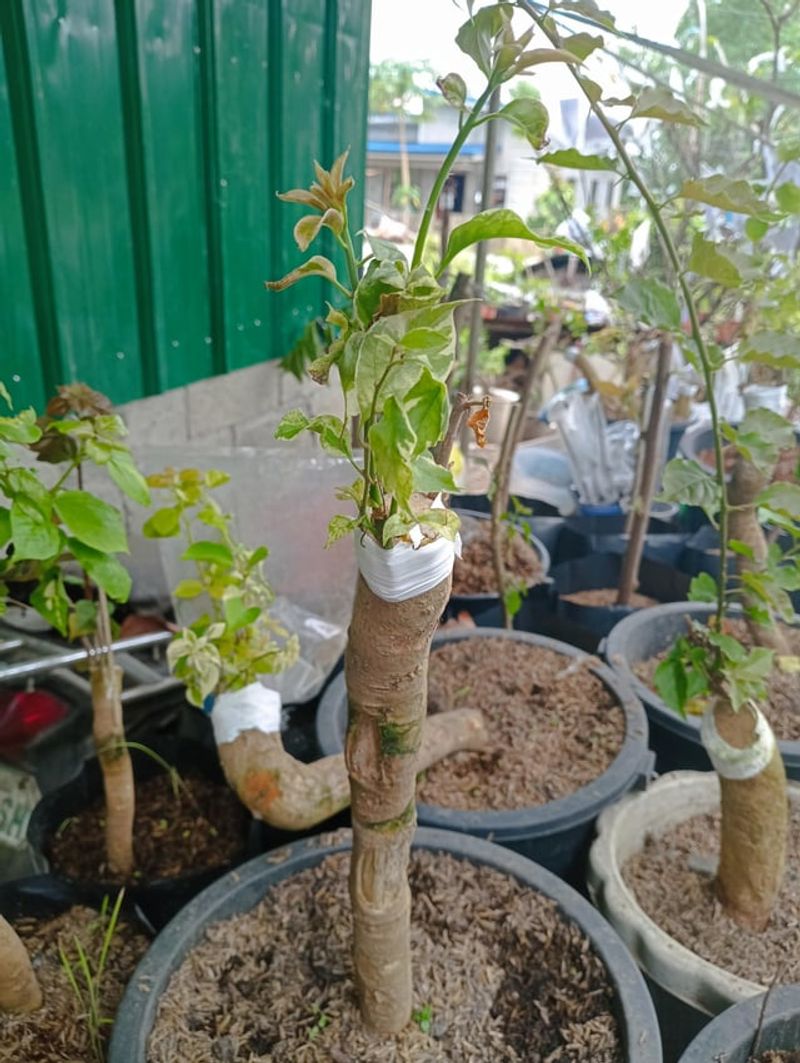
Gardeners often expect immediate results from newly planted bougainvillea, but these plants invest considerable energy in root development before putting on impressive floral displays. A bougainvillea that just went into the ground needs time to establish a strong root system capable of supporting heavy bloom production.
This establishment phase typically lasts one to two growing seasons in Florida.
During this time, you might see occasional bracts, but nothing like the massive color show mature plants produce. The plant is busy sending roots deep into Florida’s sandy soil, establishing the foundation it needs for long-term success.
Pushing for blooms too early by heavy feeding or other interventions can actually delay establishment and create a weaker plant overall.
Container-grown bougainvillea from nurseries often bloom heavily in their pots because they’re slightly root-bound, a condition that triggers flowering. Once transplanted into open ground with room to spread, these same plants often pause their blooming while roots expand into the surrounding soil.
This temporary reduction in flowers is completely normal and healthy.
Patience pays off with bougainvillea in Florida landscapes. Focus on proper planting depth, occasional deep watering during the first few months, and minimal fertilization.
Avoid the temptation to push growth with heavy feeding.
By the second or third year, your established plant will reward your patience with the abundant, colorful bracts that make bougainvillea such a spectacular addition to Florida gardens.
6. Container Roots May Be Too Comfortable
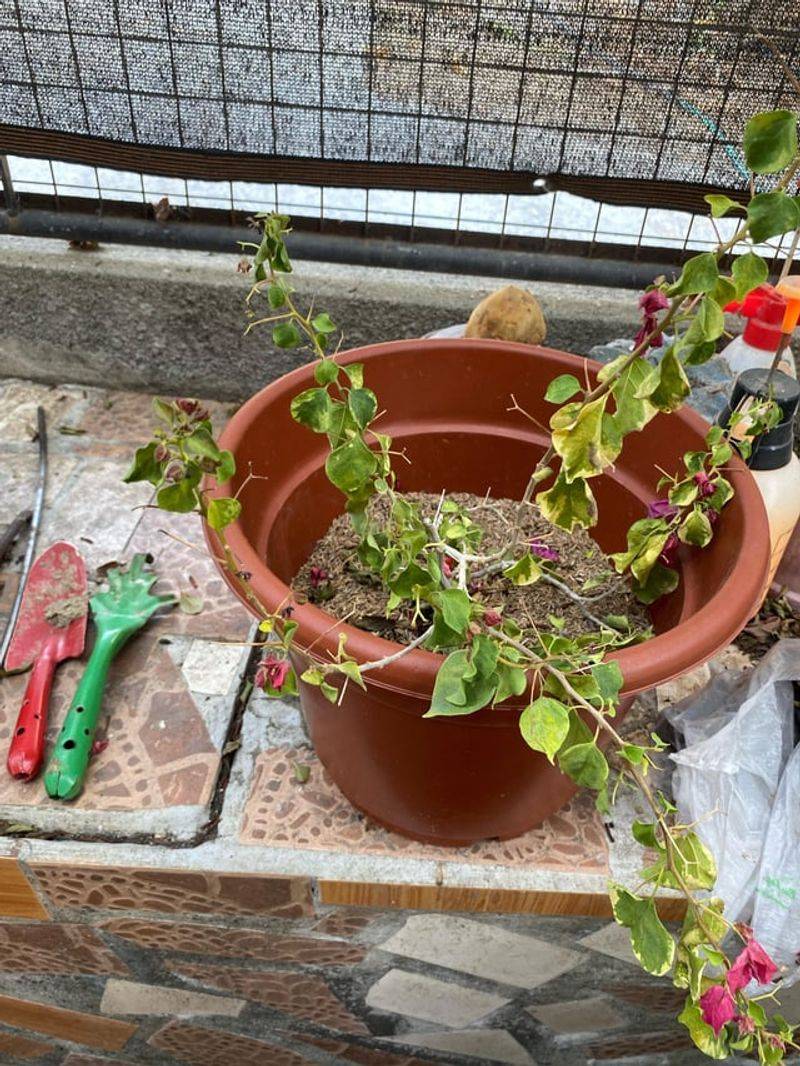
Bougainvillea often blooms more heavily when roots are slightly confined rather than overpotted. In nature, these plants often grow in rocky areas or shallow soils where root space is limited.
This restriction triggers the flowering response as the plant senses it should reproduce. Container-grown bougainvillea in oversized pots with plenty of root room often focuses on vegetative growth instead of bloom production.
When you pot up a bougainvillea into a container that’s too large, the plant spends energy exploring all that available soil space. Roots spread comfortably, and the plant channels resources into leaf and stem growth.
Without the gentle stress that comes from limited root space, flowering takes a back seat. This explains why bougainvillea often blooms heavily at the nursery in smaller pots but slows down after being transplanted into roomier containers.
The solution involves choosing appropriately sized containers. When repotting, move up just one or two pot sizes rather than jumping to a much larger container.
Allow the plant to become slightly root-bound before considering another increase in pot size. You’ll know roots are getting snug when growth accelerates and water drains quickly after irrigation.
For Florida gardeners growing bougainvillea in containers on patios or balconies, this root restriction actually works in your favor. Keep plants in moderately sized pots, and you’ll enjoy more frequent bloom cycles throughout the year.
Just ensure containers have excellent drainage since confined roots are more susceptible to waterlogging problems.
7. Cold Snaps Can Delay Flower Cycles
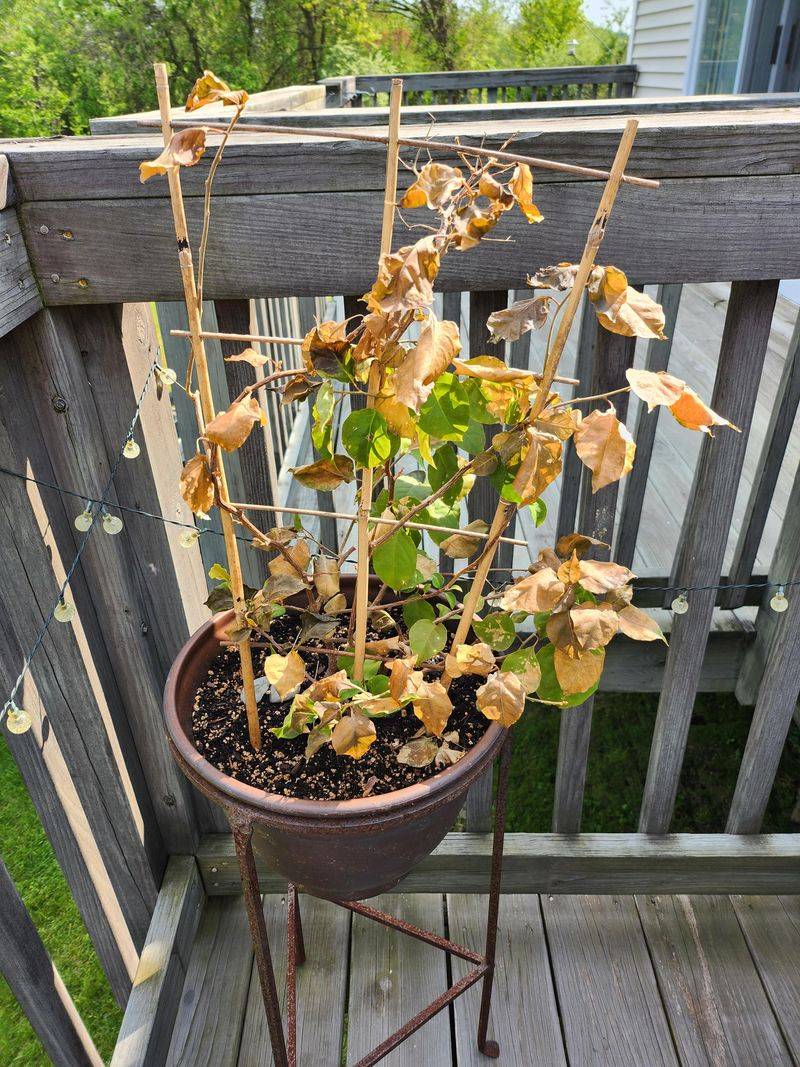
While bougainvillea thrives in Florida’s generally warm climate, occasional winter cold snaps temporarily slow or halt flowering even when plants remain healthy overall. These tropical plants evolved in consistently warm regions and respond to temperature drops by pausing active growth.
Cool temperatures can slow or pause flowering until consistent warmth returns.
North and Central Florida gardeners notice this more than those in South Florida, where winter temperatures rarely threaten bougainvillea. After a cold night or a few chilly days, your plant might look fine but produce no new flowers for several weeks.
The plant hasn’t suffered permanent damage; it’s simply waiting for sustained warmth before resuming normal flowering cycles.
Cold-affected bougainvillea often shows subtle signs like slightly purplish leaves or slowed growth rates. These symptoms typically resolve once temperatures stabilize in the 60s and above.
The plant will resume blooming as soon as conditions feel right, usually within three to six weeks after the last cold spell. Florida’s long growing season means you’ll still enjoy plenty of color even with these temporary pauses.
Protecting your bougainvillea during predicted freezes helps maintain bloom momentum. Cover plants with frost cloth on cold nights, or move containers into protected areas.
Even simple measures like positioning plants near south-facing walls or under eaves provides enough warmth to keep flowering cycles on track through Florida’s brief cool season.
8. Healthy Stress Triggers The Best Bloom Show
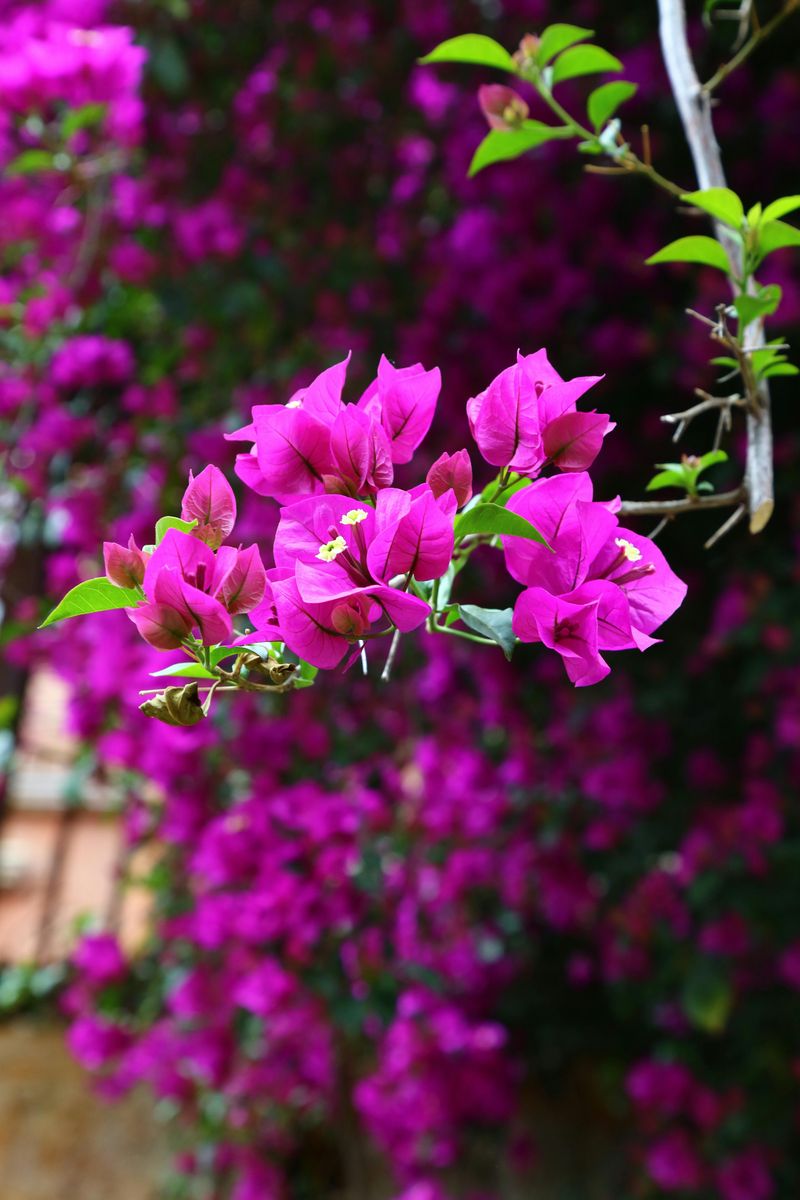
Understanding bougainvillea’s blooming secret comes down to one key concept: controlled stress produces the most spectacular displays. This might seem counterintuitive since we typically try to give plants optimal conditions.
But bougainvillea evolved to flower most heavily when resources become limited, signaling the plant to reproduce through seed production. Creating these mildly stressful conditions in your Florida landscape unlocks the plant’s full flowering potential.
The combination of intense sunlight, lean fertilization, and periodic dry spells mimics the plant’s natural habitat. When bougainvillea experiences these conditions, it responds by producing masses of colorful bracts that completely cover the foliage.
Florida’s climate provides the perfect environment for this approach, with abundant sunshine and naturally low-nutrient sandy soils that don’t require amendment.
Implementing healthy stress means resisting the urge to pamper your bougainvillea. Skip the regular watering schedule and let the plant approach dryness between deep soakings.
Use minimal fertilizer, perhaps just once or twice during the growing season with a low-nitrogen bloom formula. Ensure the planting location receives maximum sun exposure throughout the day.
Many Florida gardeners find bougainvillea blooms best with minimal fertilizer, strong sun, and controlled watering rather than intensive care. Plants growing in lean soil, rarely fertilized, and watered only during extended dry periods often outperform those receiving attentive care.
This doesn’t mean abandoning your plant, but rather adjusting your expectations about what bougainvillea truly needs to thrive and bloom in Florida’s unique growing conditions.