Why Boxelder Bugs Are Crowding Sunny Michigan Homes And What You Can Do
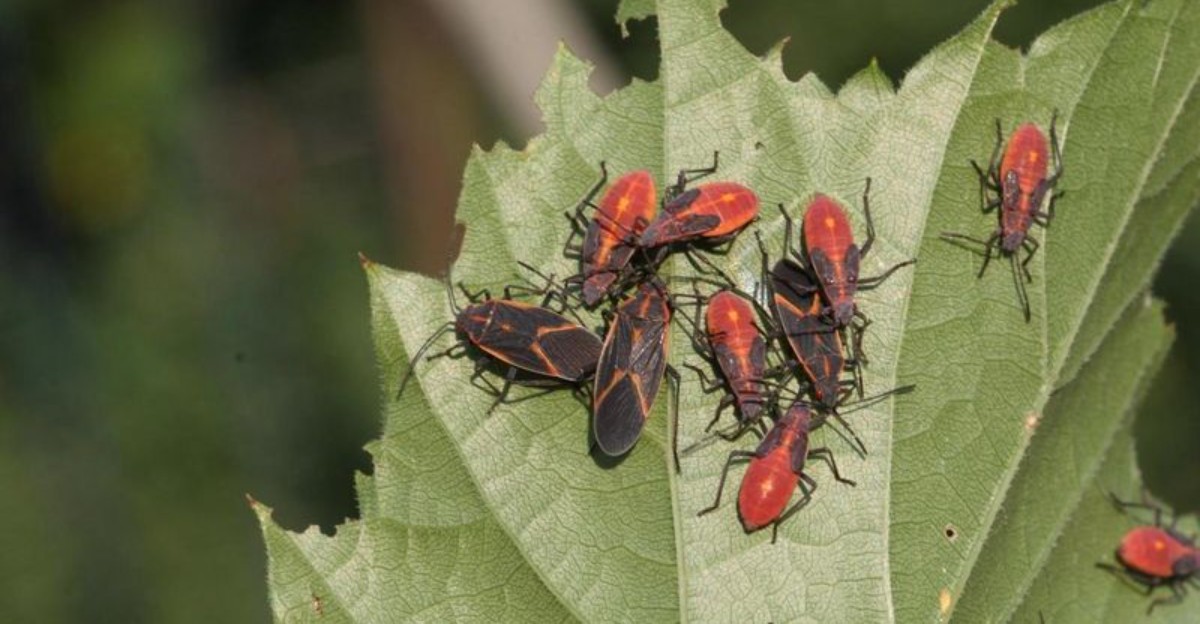
It starts with a few black and red bugs on a warm wall. Within days, hundreds are crawling across the siding. Boxelder bugs love sunny Michigan afternoons, and fall is when they gather.
Cool nights push them to seek shelter. Your house, warmed by the sun, looks like a perfect choice. They are mostly harmless to people and homes, but they can be a nuisance when they slip inside.
They also leave small stains and a faint smell if crushed. The reason they come in such numbers is tied to nearby trees.
Understanding where they start explains why some houses see swarms and others see none. A few smart steps can keep them outside where they belong.
1. They’re Looking For A Place To Spend Winter
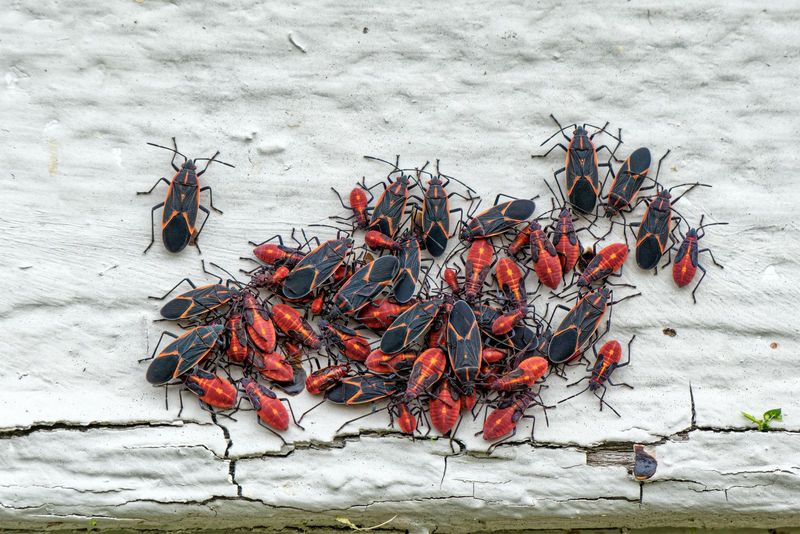
Michigan winters are no joke, and boxelder bugs know it. These small insects, known to scientists as Boisea trivittata, are about half an inch long, black, and marked with red or orange lines along their backs.
When fall arrives, they start hunting for a cozy hideout to wait out the cold months. Shorter days and cooler nights send a clear signal.
Adult bugs stop feeding and leave the trees where they spent the summer. They begin searching for protected spots, and your house happens to offer plenty of them.
Cracks in siding, gaps behind trim, and spaces inside walls all feel like perfect winter cabins to a boxelder bug. Out in the open, freezing winds and snow would be too harsh. Tucked inside a wall, though, they can rest quietly until spring.
Timing matters most here. In Michigan, you can expect these clusters to appear from September into October, with the busiest days often coming after a cool snap. That window is your best chance to stop them before they settle in.
So what should you do? Focus on keeping the bugs outside during those weeks. Seal openings around your home, and remove clusters as soon as you spot them forming on walls or windows.
Staying ahead of the rush makes a huge difference. Michigan’s long, cold winters push many kinds of insects to seek shelter in buildings, not just boxelder bugs.
A little effort in early fall means far fewer surprise guests crawling across your living room later in the season.
2. Sunny Walls Warm Them Up
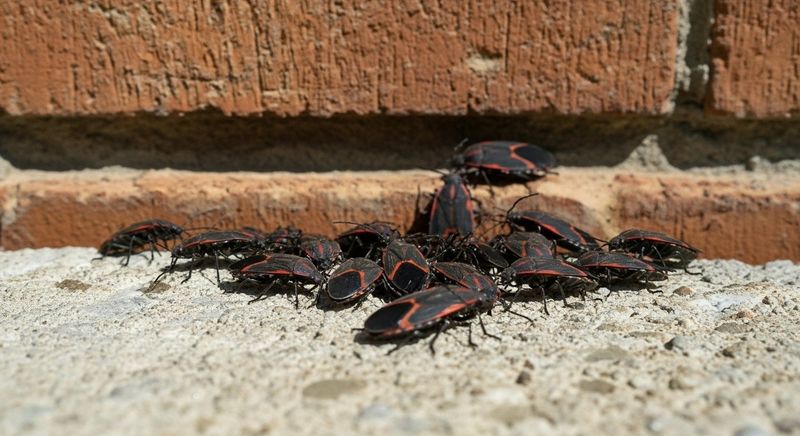
Ever notice how a cat loves curling up in a patch of sunshine? Boxelder bugs share that same habit. On cool autumn days, they crowd onto the warmest surfaces they can find, and that usually means the sunny side of your house.
Walls that face south and west soak up the most afternoon sun. Because these bugs can’t make their own body heat, they rely on warm surfaces to stay active. While they bask, they also keep scouting for a good place to hide for winter.
In Michigan, this effect can be surprisingly strong. A chilly morning might start in the 40s, yet by mid-afternoon a sun-soaked brick or vinyl wall can feel much warmer to the touch. For a boxelder bug, that warm wall is like a heated waiting room.
Your Michigan Garden Changes Every Week. Your Plan Should Too.
Gardening in Michigan changes quickly throughout the season. Every Friday you’ll receive a simple weekly plan showing exactly what to plant, prune, fertilize, harvest, and protect so you never miss the right timing.
Knowing their favorite hangouts gives you a big advantage. Check your sunniest walls first, along with window frames, door frames, and the base of your foundation. Those spots tend to collect the biggest crowds.
Once you find a cluster, a simple spray works well. Mix water with a little dish soap, or grab a bottle of insecticidal soap from the garden store. The soapy solution coats the bugs and works only on contact, so spray them directly.
Afterward, sweep up the bugs or use a shop vacuum to clear them away. Try making a quick walk around the house part of your afternoon routine on bright fall days. Catching groups early keeps them from finding their way through nearby cracks.
3. Seed-Bearing Boxelder Trees Are Nearby
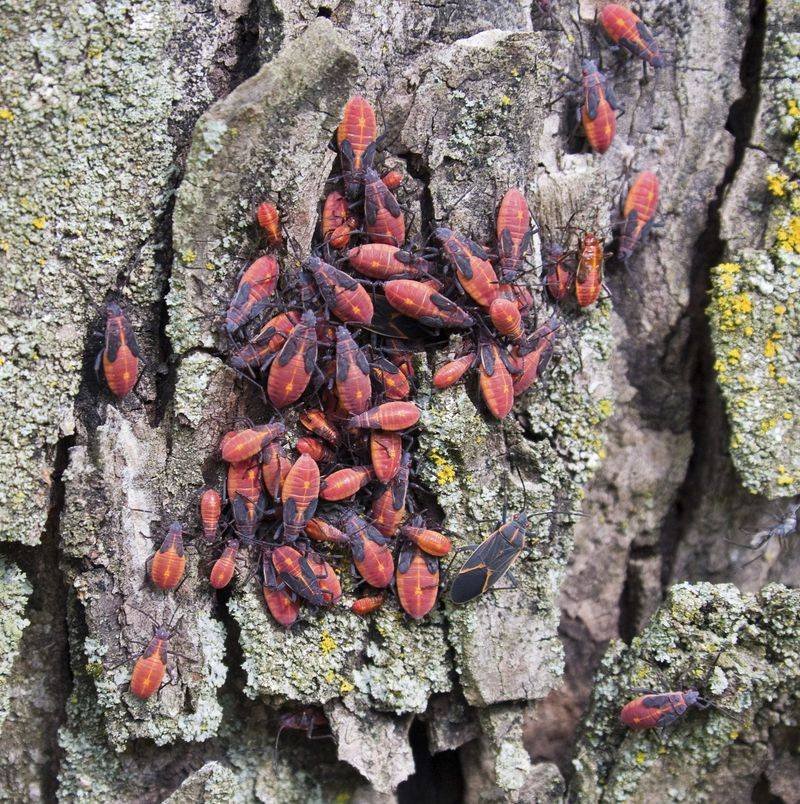
Here’s a clue hiding in plain sight: the tree in your yard or down the street might be the reason for all those bugs.
Boxelder bugs got their name from the boxelder tree, known as Acer negundo. This fast-growing tree is actually a native maple, even though its leaves look a bit different from the classic maple shape.
The bugs feed mainly on boxelder seeds, though they sometimes snack on other maples too.
Only female boxelder trees make seeds, and those winged seed clusters hang on the branches through summer. That steady food supply helps the bugs grow and multiply.
As a result, homes close to seed-bearing trees usually see the largest fall crowds. Once the bugs finish feeding, the nearest warm building becomes their next stop. Your house may simply be the closest option around.
Spotting a boxelder tree isn’t hard once you know what to look for. Its leaves usually have three to five leaflets, and the green twigs often have a whitish coating.
In late summer, check the trunk and branches for gathering bugs, since that’s an early warning of what’s coming.
The good news is that these insects cause little harm to the trees themselves. You don’t need to rush out and cut down a healthy tree just because of them.
Boxelder trees grow naturally along rivers, floodplains, and disturbed areas across Michigan. They’re also common in older neighborhoods where they were planted long ago for quick shade. If one stands nearby, plan on extra bug patrol each fall.
4. They Gather Where Others Already Are
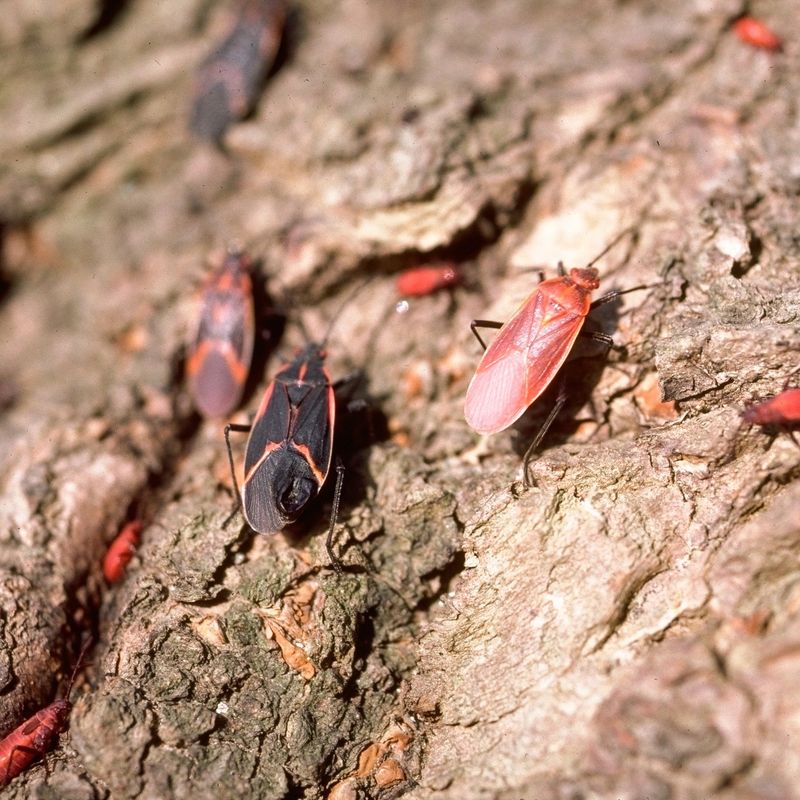
Boxelder bugs are social creatures, and they really do follow the crowd. When a few show up on a wall, many more seem to appear out of nowhere. It isn’t your imagination at all.
Clustering helps these insects survive. Grouping together gives them a better shot at making it through harsh conditions, so a handful of bugs on your siding acts like a welcome sign for others. Before long, a small group can turn into hundreds.
Many homeowners also notice a pattern from year to year. If boxelder bugs crowded one corner of your house last fall, there’s a good chance they’ll return to that same area again. The same houses and walls often get picked over and over.
Breaking that cycle starts with speed. Remove clusters as soon as they begin to form, before the group grows large enough to draw even more bugs. A quick spray of soapy water or a pass with the vacuum works nicely.
Next, grab a notebook or use your phone to jot down where the bugs gather each fall. Maybe it’s the porch corner, the garage door, or the wall under the attic vent. Over a couple of seasons, you’ll have a handy map of trouble spots.
Make those areas your top priority when sealing up the house. For Michigan homeowners dealing with this yearly visit, that small habit can save hours of cleanup. Knowing exactly where to focus turns a frustrating chore into a simple plan.
5. Warm, Dry Summers Lead To Bigger Fall Swarms
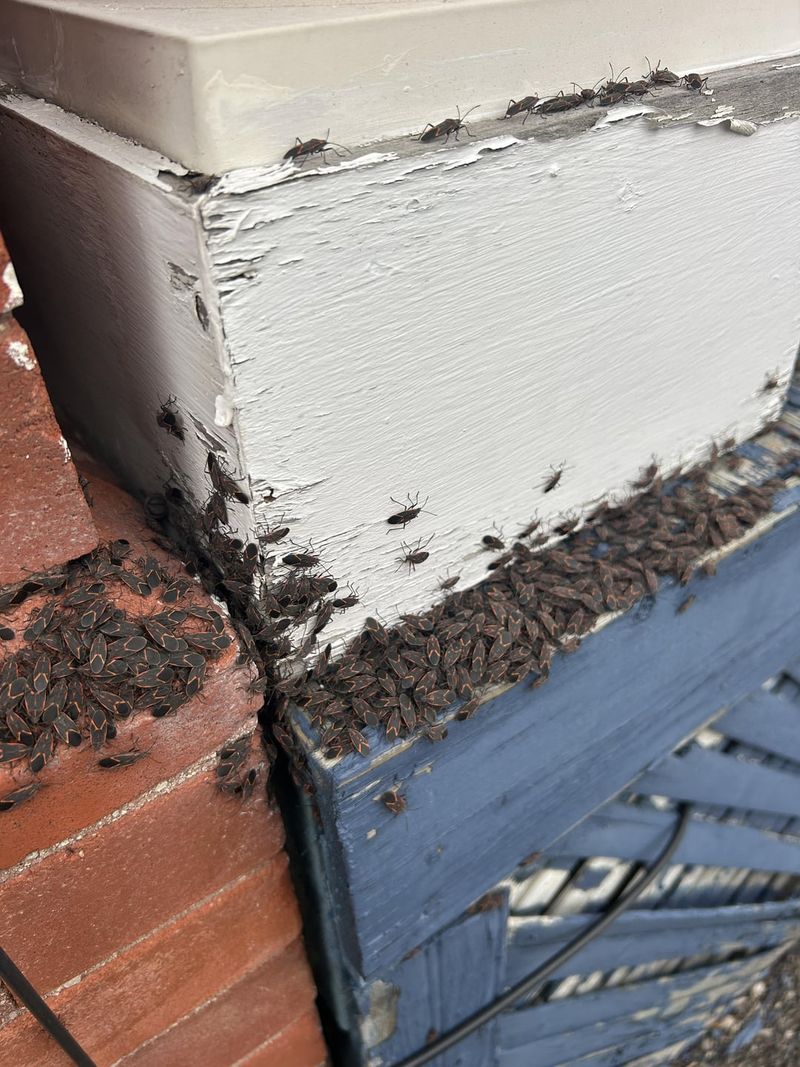
Think back to last summer. Was it hot and dry, with lawns turning brown and gardens begging for water? If so, you might want to brace yourself for more boxelder bugs this fall.
Weather plays a big role in how many of these insects show up. Warm, dry conditions during the growing season help boxelder bugs develop and thrive.
When summer brings plenty of heat and little rain, larger numbers often gather on homes once autumn arrives.
Cool, wet summers tend to work the other way, though the link isn’t perfect every single year. Still, keeping an eye on the season gives you a useful heads-up. Gardeners already track rain and heat for their plants, so adding bug forecasting is an easy step.
After a scorching, dry stretch, get a head start. Begin sealing entry points in late summer, before the bugs start gathering on walls. August is a great time to caulk cracks and check screens while the weather is still pleasant.
Once September rolls in, look over your sunny walls often. Catching the first few bugs early helps prevent big groups from forming. A five-minute check in the afternoon can stop a small problem from growing.
Michigan summers can swing widely from one year to the next. One season might bring steady rain, while the next feels like a long heat wave. Paying attention to those shifts helps you plan ahead and stay one step in front of the swarm.
6. Small Gaps Let Them Slip Inside
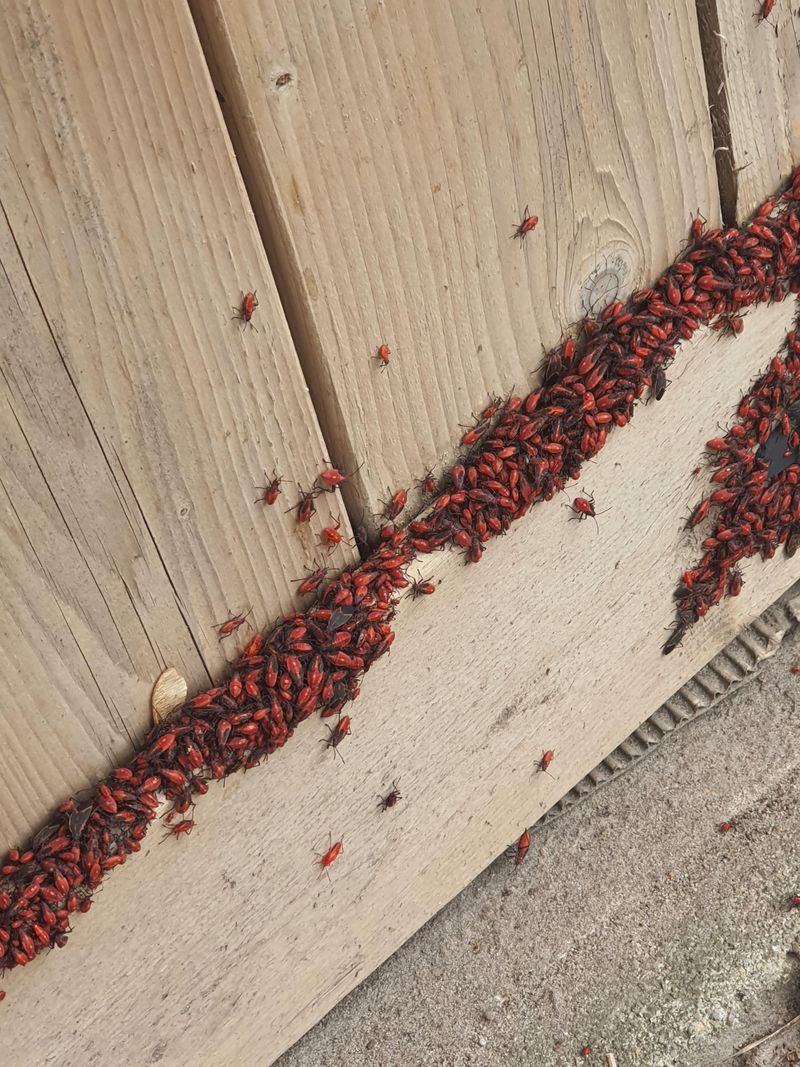
A gap no wider than a pencil line can be a wide-open door to a boxelder bug. Their flat bodies let them squeeze into spaces most people would never notice. Once inside, they head for wall spaces and attics to hide.
Common entry points include cracks around windows and doors, loose siding, vents, and the spots where pipes and wires enter your home. Every tiny opening is a possible path indoors. Block those paths, and the bugs stay outside where they belong.
Sealing is the single most helpful step you can take. Start by running a bead of caulk along cracks around window and door frames. Silicone or latex caulk both work well for most small gaps.
Next, look closely at your screens. Even a small tear lets bugs crawl right through, so patch or replace any damaged ones. Then add weatherstripping around doors and install door sweeps along the bottom edges.
Don’t forget about utility lines. Gaps where cables, pipes, and dryer vents pass through walls are easy to miss. Fill small openings with caulk, and use expanding foam or copper mesh for bigger holes.
Timing is key, so try to finish this work before the bugs begin gathering in fall. Older homes in Michigan often have many small gaps from years of settling and weather.
Sealing them also helps keep out drafts and other pests, and it can even lower your heating bill during those long, chilly months.
7. Warm Winter Days Bring Them Back Out
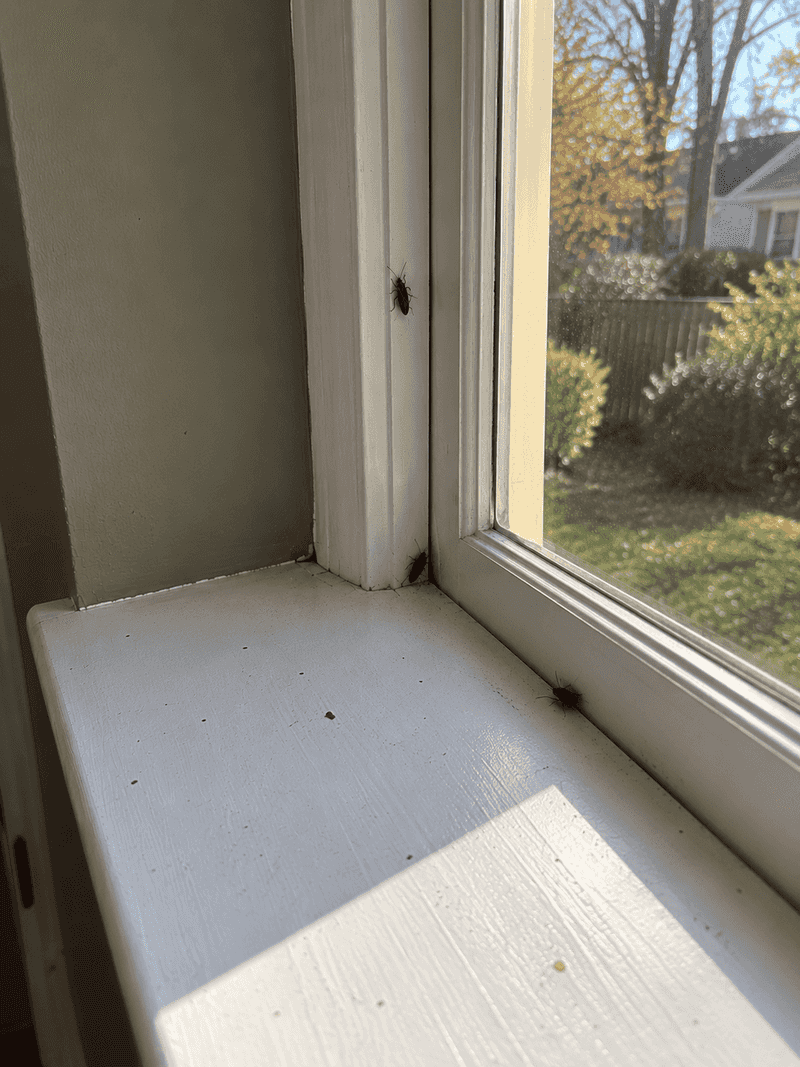
It’s February, snow covers the yard, and suddenly a boxelder bug strolls across your kitchen window. Surprised? Plenty of Michigan families have the same reaction every winter.
Bugs that slipped into wall spaces in fall don’t always stay put. On mild winter days and early spring afternoons, sunshine warms the walls and attic. That warmth wakes the bugs, and some wander into your living areas by mistake.
Thankfully, they come in peace. Boxelder bugs don’t breed or feed indoors, and they won’t chew on your furniture, clothes, or food. They also don’t damage the structure of your home, so they’re more of an annoyance than a real threat.
Removing them is simple. Use a vacuum to pick up any bugs you find inside, then empty the bag or canister outdoors right away. That keeps them from crawling back out later.
Resist the urge to squash them, though. Crushed boxelder bugs can leave stains on walls, curtains, and fabric, and they give off an unpleasant smell. A vacuum or a quick scoop with a cup and paper works much better.
You can also skip indoor insecticide sprays, since they aren’t needed for these harmless visitors. In Michigan, late winter thaws often bring hidden bugs out before spring officially arrives.
Keep a small vacuum handy, stay calm, and remember that next fall’s sealing work will mean fewer winter surprises.