These Are The Native Michigan Plants To Grow Instead Of Hostas
Hostas are fine. Great, even. Michigan gardeners have been reaching for them to solve shady bed problems for decades, and they do the job well.
But fine and great are not the same as native, and that distinction is starting to matter more to gardeners who want their yards to feel like they actually belong here.
The state’s woodland edges and forest floors are full of incredible leafy plants that can fill a shaded bed just as beautifully as any hosta, and they come with built-in benefits that imported plants simply cannot offer.
Better wildlife value, stronger regional roots, and a look that feels genuinely at home under a native tree canopy.
Turns out, going native in the shade garden is a seriously good idea.
1. Canadian Ginger Brings A Lush Woodland Look
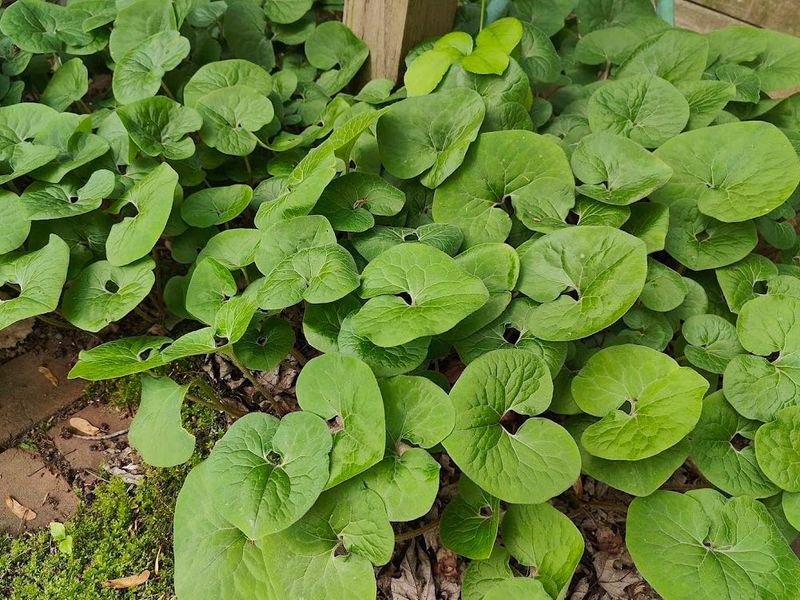
Shaded backyard corners in Michigan often beg for a low, spreading plant that can fill in steadily without much fuss, and Canadian wild ginger does exactly that.
This native ground cover produces wide, heart-shaped leaves that overlap and spread into a thick mat, giving shady beds a rich, full look that rivals the density hostas are known for.
The deep green color holds well through the growing season and looks especially lush when planted beneath large deciduous trees.
Canadian wild ginger grows naturally across Michigan’s woodland floors, where it thrives in humus-rich soil loaded with decomposed leaf matter. It prefers consistent moisture and does best in deep to partial shade rather than areas that dry out quickly.
Unlike hostas, it stays quite low to the ground, rarely exceeding six inches in height, so it works especially well as a layered ground cover beneath taller shade plants or shrubs.
One thing gardeners appreciate about this plant is how slowly but reliably it spreads over time. It won’t take over a bed overnight, but given a few seasons, it forms a dense, weed-suppressing carpet that requires very little maintenance.
It also handles winters without any extra protection. If your shady garden bed has good organic matter and stays reasonably moist, Canadian wild ginger is a low-maintenance native worth adding to the mix.
2. Ostrich Fern Fills Shade With Big Feathery Fronds
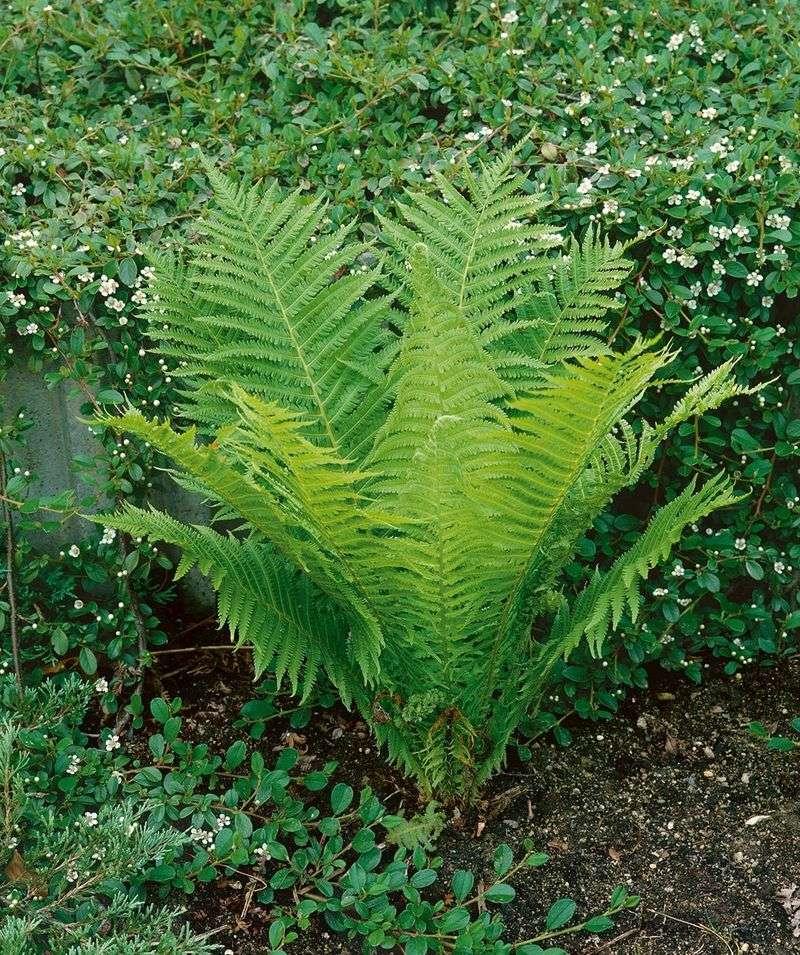
Few native shade plants in Michigan make a statement quite like ostrich fern. Its tall, arching fronds fan outward in a graceful vase shape that can reach four to six feet in height, creating a bold visual presence in shaded beds that hostas simply cannot match in scale.
If you have a large shady area beneath mature trees or along a north-facing fence line, this fern can transform the space into something that genuinely feels like a piece of Michigan’s natural woodland.
Ostrich fern grows naturally in moist, lowland forests and along streambanks across Michigan. It thrives in rich, consistently moist soil and tends to struggle in dry or compacted areas.
Morning light or filtered shade suits it well, though it can handle deeper shade too. When conditions are right, it spreads steadily through underground runners to form impressive colonies over time.
Your Michigan Garden Changes Every Week. Your Plan Should Too.
Gardening in Michigan changes quickly throughout the season. Every Friday you’ll receive a simple weekly plan showing exactly what to plant, prune, fertilize, harvest, and protect so you never miss the right timing.
The fronds emerge in spring as tightly coiled fiddleheads, which is one of the more charming seasonal moments in a native shade garden.
By midsummer, the full fronds create a lush, cooling effect that makes shady corners feel intentional and layered rather than neglected.
Gardeners should keep in mind that this fern appreciates leaf mulch and added organic matter at planting time. It may go dormant earlier than hostas in late summer, but the spring and early summer display more than makes up for that shorter season.
3. Cinnamon Fern Adds Height And Texture In Shade
Walk through a wet woodland in Michigan and you may spot cinnamon fern growing in thick clusters beside mossy logs and slow-moving water.
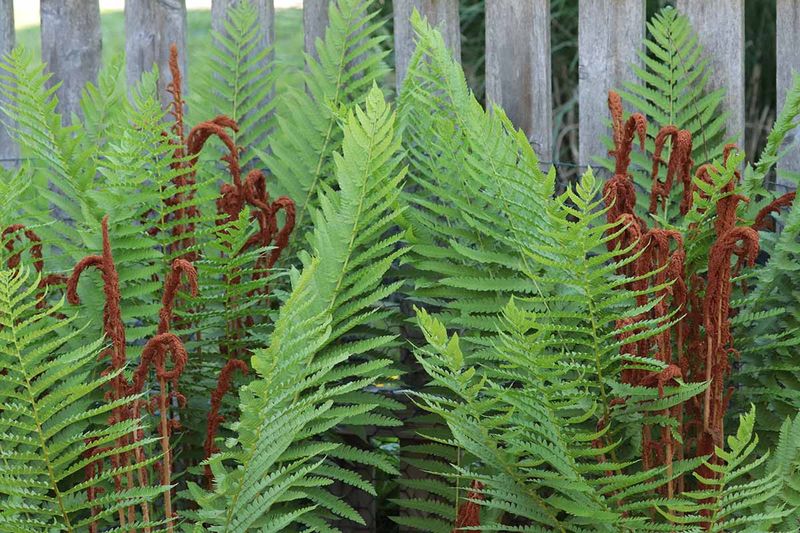
This native fern brings a similar wild, textured quality to home shade gardens, with tall green sterile fronds reaching three to five feet and distinctive cinnamon-colored fertile fronds rising from the center of each clump in spring.
That warm russet color is where the plant gets its name, and it adds a seasonal detail that makes the garden feel alive and changing.
Cinnamon fern does best in consistently moist to wet soil with plenty of organic matter. It handles both partial and deep shade well, making it a solid option for low-light beds where hostas might otherwise dominate.
Over time, individual clumps grow wider and more substantial, developing a crown of fibrous roots that holds the plant firmly in place even through Michigan’s cold winters.
One reason this fern works well as a native hosta alternative is the way it fills vertical space in a shaded bed. While hostas spread outward in a low mound, cinnamon fern grows upright, giving the garden a different kind of structure.
Pairing it with lower-growing native ground covers creates a layered woodland feel.
Gardeners with rain gardens, shaded pond edges, or consistently damp low spots in the yard may find cinnamon fern especially well-suited to those trickier wet conditions.
4. Solomon’s Seal Brings Graceful Arching Growth
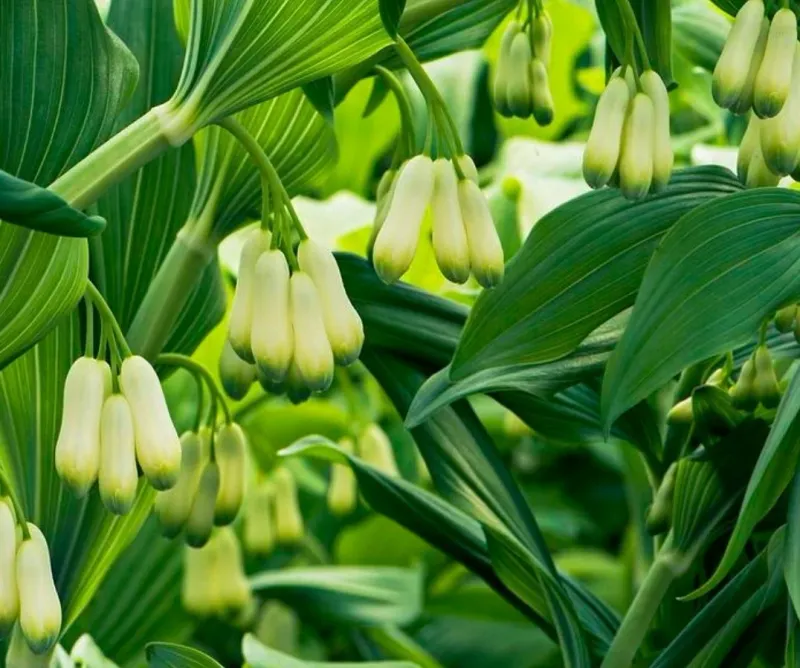
There is something almost elegant about the way Solomon’s seal moves through a shaded garden.
Its long, arching stems carry pairs of smooth oval leaves that angle outward in a gentle, layered pattern, and in late spring, small white bell-shaped flowers dangle beneath those stems like tiny lanterns.
The overall effect is graceful and understated, which makes it a lovely counterpart to bolder shade plants or a quiet focal point on its own along a shaded garden path.
Native to Michigan’s woodland edges and forest floors, Solomon’s seal grows naturally in rich, well-drained to moderately moist soil beneath a canopy of deciduous trees.
It tolerates both partial and deep shade, and it tends to establish well when planted in soil that has been amended with leaf compost or aged organic matter.
Once settled in, it spreads slowly through underground rhizomes to form loose colonies that feel natural rather than crowded.
Gardeners often enjoy this plant for the way it changes through the seasons.
The arching stems emerge in spring with a fresh green energy, the flowers appear briefly but beautifully in late spring, and by fall the foliage turns a soft golden yellow before the plant goes dormant.
Dark blue-black berries also appear in late summer, adding another layer of seasonal interest. For shaded borders, woodland edges, or the dry-ish shade beneath large trees, Solomon’s seal earns its place as a refined native alternative worth growing.
5. False Solomon’s Seal Softens Shady Garden Edges
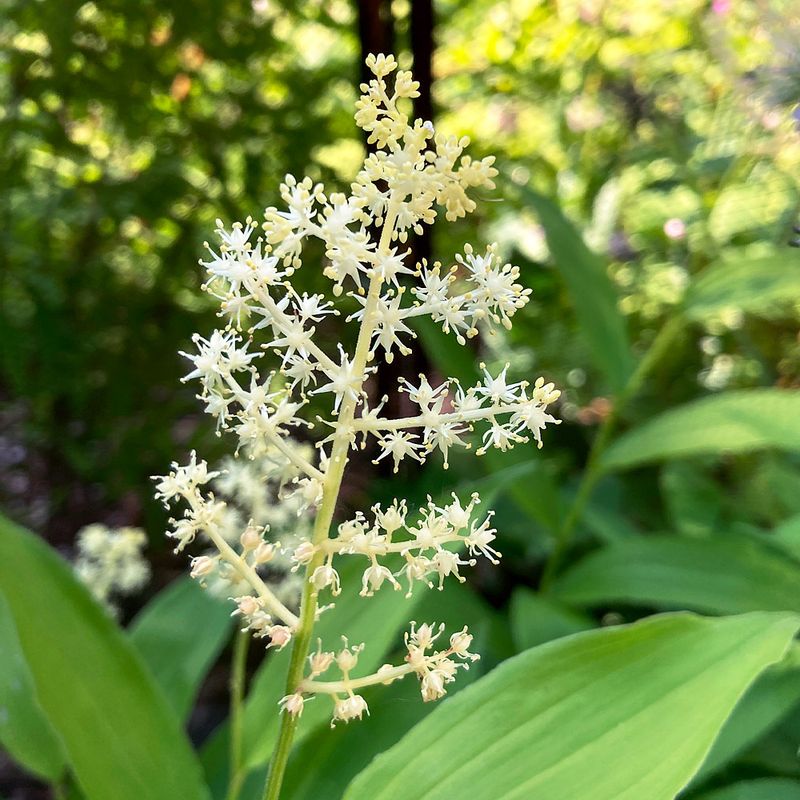
At first glance, false Solomon’s seal looks like a close cousin of Solomon’s seal, and in many ways it is. Both have arching stems and broad, oval leaves that catch filtered light beautifully in a shaded bed.
But false Solomon’s seal has a trick up its sleeve: instead of flowers dangling beneath the stems, it produces a frothy plume of tiny white flowers at the very tip of each arching stem in late spring.
That creamy, feathery bloom is one of the more charming floral moments a Michigan shade garden can offer.
This native plant grows naturally along woodland edges, streambanks, and forest clearings across Michigan. It handles a range of light conditions from partial shade to fairly deep shade, and it does best in moist, humus-rich soil with good organic content.
It spreads gradually through rhizomes, forming loose drifts that soften the edges of shaded beds and fill in around taller ferns or shrubs in a natural-looking way.
After the flowers fade, false Solomon’s seal develops small berries that turn red in late summer, giving birds a food source and adding color to the garden at a time when many shade plants are winding down.
The foliage also turns a warm golden tone in fall before the plant goes dormant.
For gardeners wanting a native plant that offers flowers, berries, and fall color in a shaded spot, false Solomon’s seal delivers more seasonal variety than most alternatives.
6. Mayapple Adds Bold Umbrella-Like Leaves
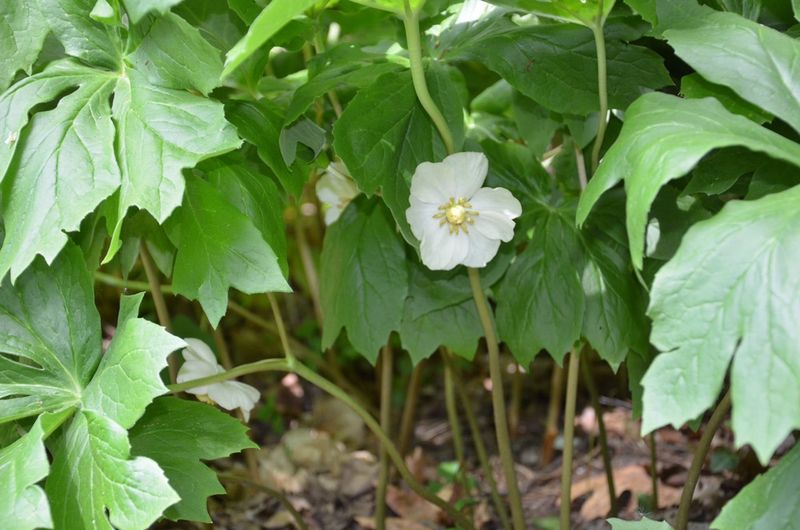
Bold, architectural foliage is one of the main reasons gardeners love hostas, and mayapple delivers that same quality in a distinctly Michigan-native package.
Each plant sends up a single stem topped with one or two large, deeply lobed leaves that spread outward like an umbrella, sometimes reaching a foot or more across.
A colony of mayapples growing together in a shaded bed creates a layered, canopy-like effect that feels genuinely wild and woodland-inspired.
Mayapple grows naturally across Michigan in moist, rich woodland soil beneath deciduous trees.
It spreads through underground rhizomes to form expanding colonies over time, which makes it a useful ground cover for larger shaded areas where you want plants to fill in naturally.
It tends to do best in partial to fairly deep shade, and it appreciates soil that stays consistently moist with plenty of leaf litter or organic matter worked in.
In spring, a small waxy white flower blooms beneath the leaf canopy, hidden from view unless you lift the leaves to look.
By early summer, a small yellowish fruit develops at the base, though all other parts of the plant should be left alone as they are not safe to handle or consume.
The foliage tends to go dormant by midsummer, so pairing mayapple with other native plants that fill in later in the season helps keep the bed looking full.
For gardeners with large shaded areas and a love of bold foliage, mayapple is a striking and rewarding native choice.
7. Jack-In-The-Pulpit Gives Shade Gardens Native Character
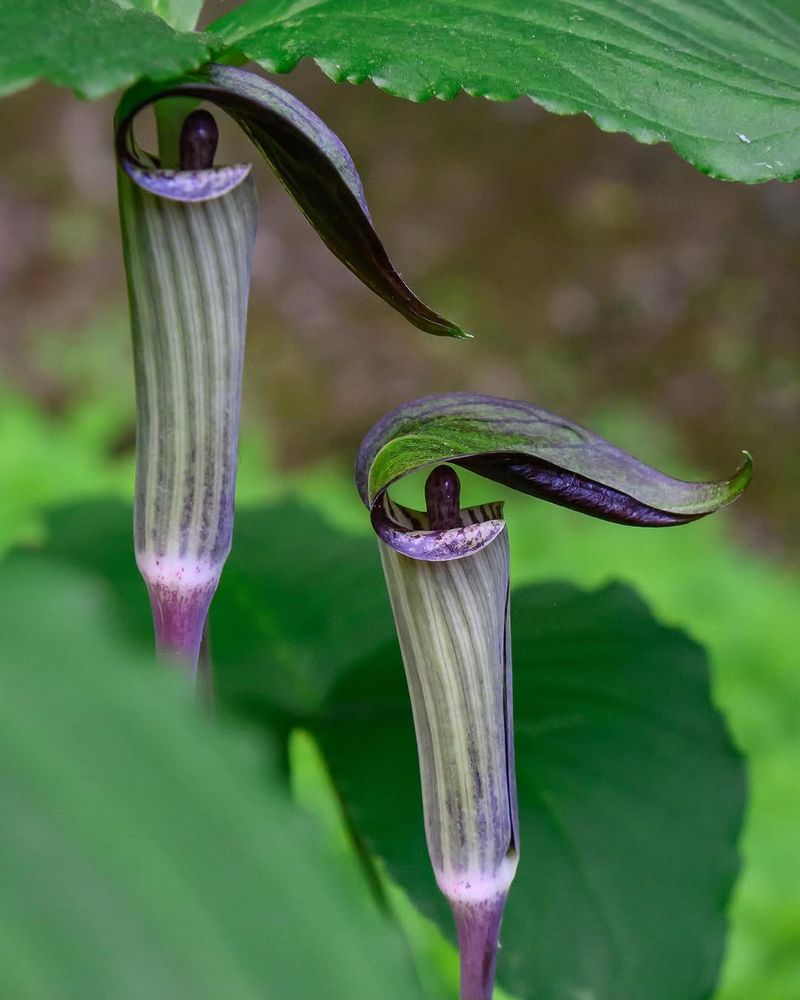
Some plants earn a spot in the garden purely because of their personality, and jack-in-the-pulpit is that kind of plant.
Its unusual hooded flower structure, a striped green and purple spathe curled around a central spadix, looks like something out of a botanical illustration.
It brings a quiet drama to shaded beds that feels nothing like the tidy mounding habit of hostas, and that distinctiveness is exactly what makes it appealing to gardeners who want their shade garden to feel genuinely native and wild.
Jack-in-the-pulpit grows naturally in moist, rich woodland soil across much of Michigan, often near streams, seeps, or low spots beneath large trees.
It thrives in deep to partial shade and does best when planted in soil rich with decomposed organic matter and leaf mulch.
The plant grows from a corm and tends to take a season or two to establish before it really shows off, so patience is part of the deal with this one.
By late summer, the flower structure gives way to a cluster of bright red berries that birds find attractive and that add a vivid splash of color to the shaded garden floor.
The plant goes dormant in late summer, so placing it among other native companions that hold their foliage longer helps keep the bed looking layered and full.
For Michigan shade gardens that lean toward a naturalistic, woodland-inspired style, jack-in-the-pulpit adds a level of native character that few other plants can match.