Why Boxelder Bugs Are Gathering On Warm Ohio Walls As Nights Cool
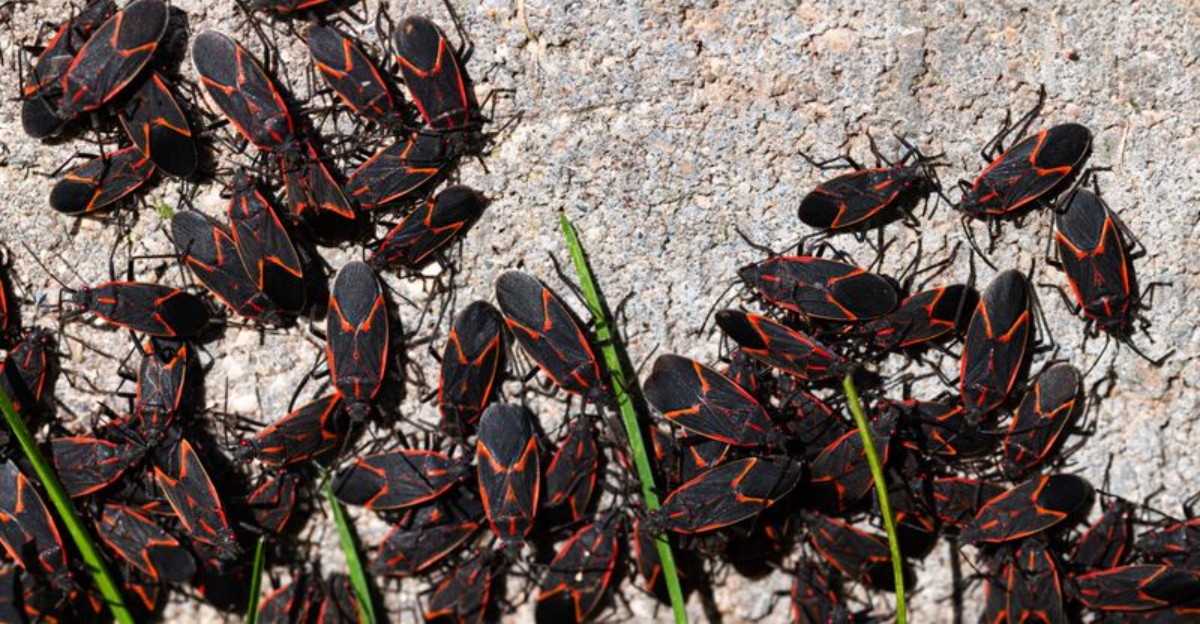
A single sunny wall can host hundreds of tiny red and black visitors by mid-afternoon in October. I counted over two hundred on my garage siding one year before I gave up.
Not going to lie, my first thought was that something had gone badly wrong in the garden. The insects just sat there, soaking up sunshine like retirees on a beach. Some crawled slowly, while others barely moved at all.
This scene shows up across Ohio nearly every fall once nights turn crisp. Neighbors post photos, kids poke at them with sticks, and somebody always asks if they bite. I get it, because the sight looks a little alarming.
The truth is far more interesting than any invasion story. These little sunbathers follow a plan they have used for ages, and your house happens to be part of it. So what exactly are they waiting for?
Those Red And Black Bugs On Your Sunny Siding Are Following A Fall Ritual
Every fall, I get the same question from friends. Why are those little red and black bugs piling up on one side of the house? The answer is simpler than most folks expect.
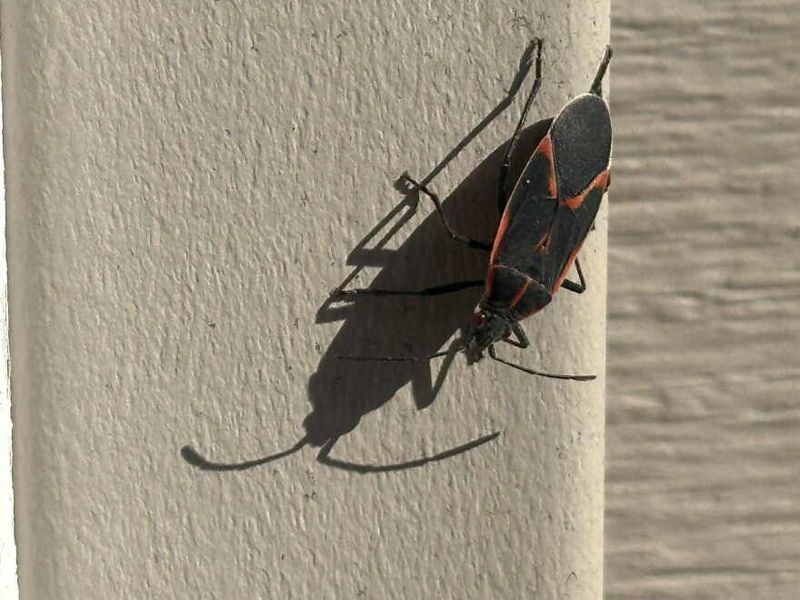
Boxelder bugs are cold-blooded, so their body temperature follows the air around them. When Ohio nights start dipping into the 40s and 50s, they look for warmth during the day. A sun-soaked wall works like a heating pad for them.
South and west-facing walls catch the most afternoon light, so those are the busiest spots. Light siding, brick, and stone all hold heat well after the sun moves on. That extra warmth keeps the bugs active enough to search for winter shelter.
Ohio State University Extension notes that these insects spend winter as adults. They do not stay active all season, though. They hunt for a protected crack, slip inside, and slow way down until spring warms things up again.
So the crowd on your siding is mostly a waiting room. The bugs warm up, wander around, and test every gap they can find. Once you understand that, the whole scene feels a lot less mysterious and a lot more manageable.
Boxelder Bugs Want A Winter Hideout, Not Your Kitchen
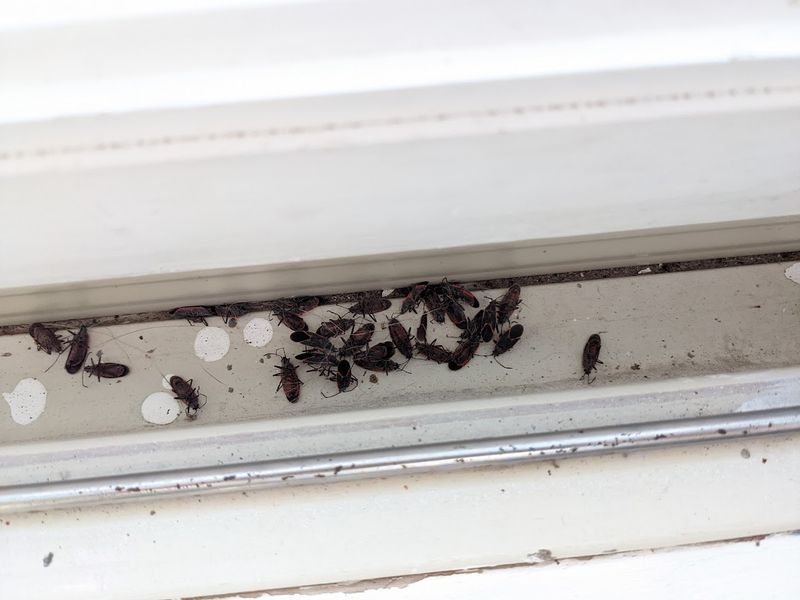
Here is a relief for anyone eyeing their pantry nervously. Boxelder bugs are not after your food, your houseplants, or your family. They want one thing, and that is a quiet place to rest through winter.
Once they warm up on your siding, they creep into cracks around windows, doors, soffits, and siding seams. Many settle inside wall voids and attics. A few take a wrong turn and wander into living spaces on warm winter days.
Those indoor wanderers confuse people every year. A sunny day in January can wake bugs hiding in the walls. They follow the warmth toward your rooms instead of back outside.
The bugs do not breed indoors, so you will not see a growing family in your house. They also do not chew wood, wiring, or fabric. According to university entomologists, they rarely bite people, and when it happens it is more of a startled poke.
The main complaints are smell and stains. Crushed bugs give off an unpleasant odor, and their droppings can leave reddish-orange spots on curtains and pale walls. Knowing this helps you stay calm and focus on smart prevention instead of panic.
A Caulk Gun Is Your Best Friend Before The Boxelder Rush
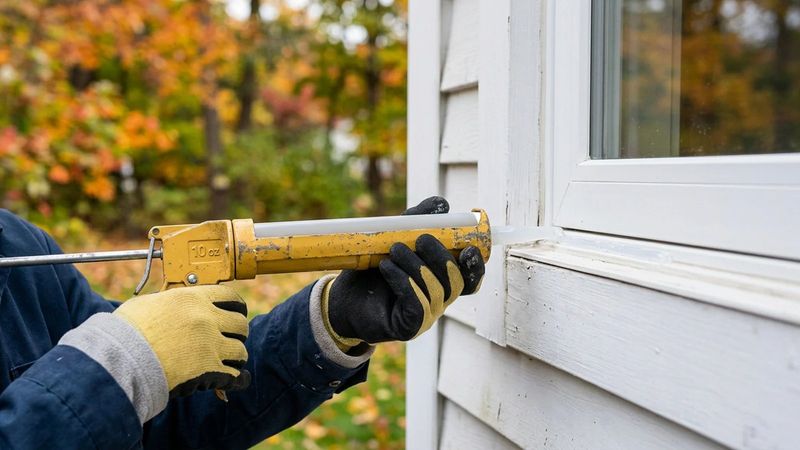
I learned the hard way that August is the real battle month. By the time hundreds of bugs coat the siding in October, many have already slipped inside. Sealing early makes the biggest difference.
Start with a slow walk around your house. Look closely at window frames, door trim, siding corners, and spots where pipes, cables, or vents pass through the walls. If a credit card slides into a gap, a bug can fit too.
Fill small cracks with a quality exterior caulk. Use expanding foam or copper mesh for larger holes around utility lines. Replace worn weather stripping and add door sweeps where you can see daylight underneath.
Screens matter more than people think. Check window screens for tears, and cover attic, soffit, and foundation vents with fine mesh. Ohio State Extension suggests these physical fixes as the most reliable long-term approach.
Trimming branches and shrubs away from your walls also helps. Plants touching the house act like little bridges. A tidy gap of a foot or two gives the bugs fewer easy routes onto your siding and closer to those tempting cracks.
Female Boxelder Trees Nearby Explain A Lot

Take a look across your yard and the neighbors’ yards. Chances are good that a boxelder tree is growing somewhere nearby. That tree is the heart of this whole story.
Boxelder, also called Acer negundo, is a native maple common across Ohio. Only the female trees produce seeds, and those seeds are the bugs’ favorite meal. Young bugs feed on seeds, leaves, and tender twigs all summer long.
The insects also feed on silver maple and sometimes other maples. They use a straw-like mouthpart to sip plant juices. Healthy trees handle the feeding just fine, so you rarely need to worry about the tree itself.
By late summer, a heavily seeded tree can raise a big crowd of bugs. Hot, dry summers seem to favor larger numbers, according to extension specialists. That buildup sets the stage for the fall gathering on your walls.
Some homeowners consider removing female boxelders to cut down numbers. That can help, but bugs fly in from other yards too. Before reaching for a saw, remember this native tree also feeds birds and other wildlife, so weigh your choices carefully.
Grab The Vacuum Instead Of A Flyswatter For Indoor Boxelder Bugs
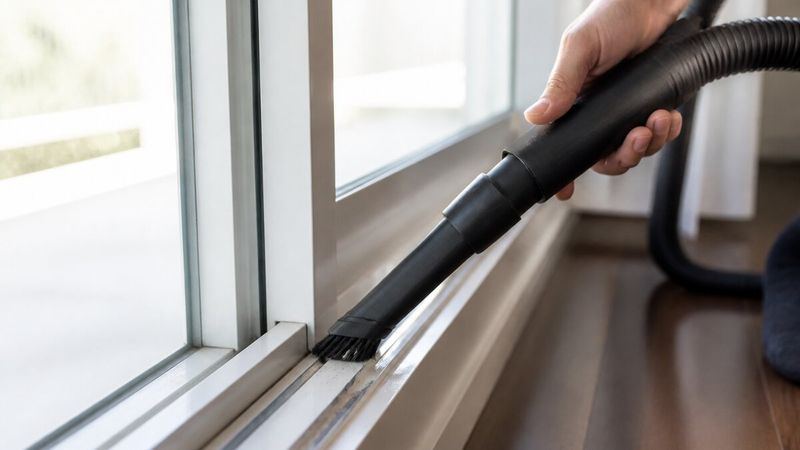
Trust me on this one. Smacking a boxelder bug on your nice white curtains is a mistake you only make once. The smell lingers, and the stain can be stubborn.
A vacuum is the cleanest tool for the job. Use a hose attachment to pick up bugs from windowsills, walls, and corners. When you finish, seal the bag or empty the canister into a sealed plastic bag and take it outside.
Indoor bug sprays are not recommended for these visitors. They add chemicals to your living space without stopping other bugs hiding in the walls from coming out. Extension experts point to the vacuum as the smarter choice.
Outside, things are a little different. A strong blast from the garden hose knocks bugs off the siding. Soapy water, made with a few tablespoons of dish soap per gallon, can handle clusters you spray directly.
Keep expectations realistic, though. Soapy water only works on bugs it touches, and more will likely arrive on the next sunny afternoon. Think of these steps as tidying up, while sealing cracks does the heavier lifting for the season.
The Same Warm Wall Tends To Draw Boxelder Crowds Year After Year
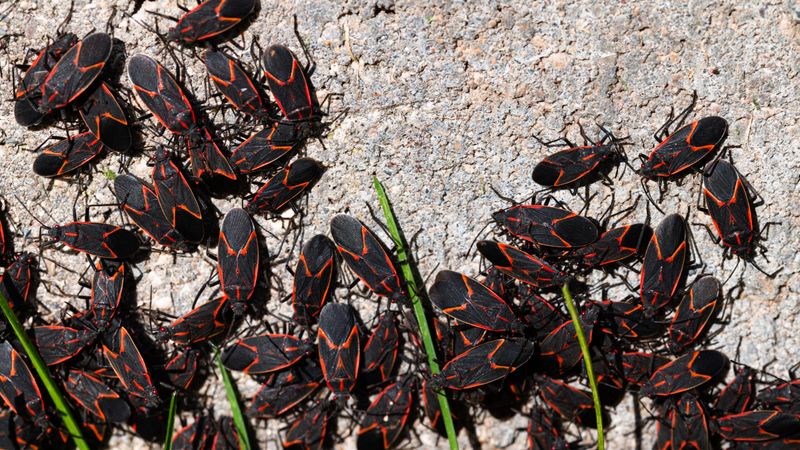
It took me a while to notice the pattern. The bugs gathered on the exact same corner of my house three falls in a row. That repeat performance is pretty common.
Part of the reason is plain geography. A wall with strong southern or western sun stays the warmest spot in your yard. If your home sits near host trees, that wall becomes an easy first stop.
Many pest experts also suggest the bugs leave chemical signals that draw others to good shelters. Research on this is still developing, so treat it as a likely factor, not a proven rule. Either way, popular spots tend to stay popular.
That is why careful sealing pays off over time. Each crack you close removes a familiar entry point. Fewer bugs inside means fewer surprises next winter and possibly smaller crowds the following fall.
Washing heavily used wall areas with soapy water may help a bit too. It removes debris and any lingering scents. Keep a simple note of where bugs gather each year, and focus your repair work on those hot spots first.
Lady Beetles And Stink Bugs Often Join The Fall Wall Party
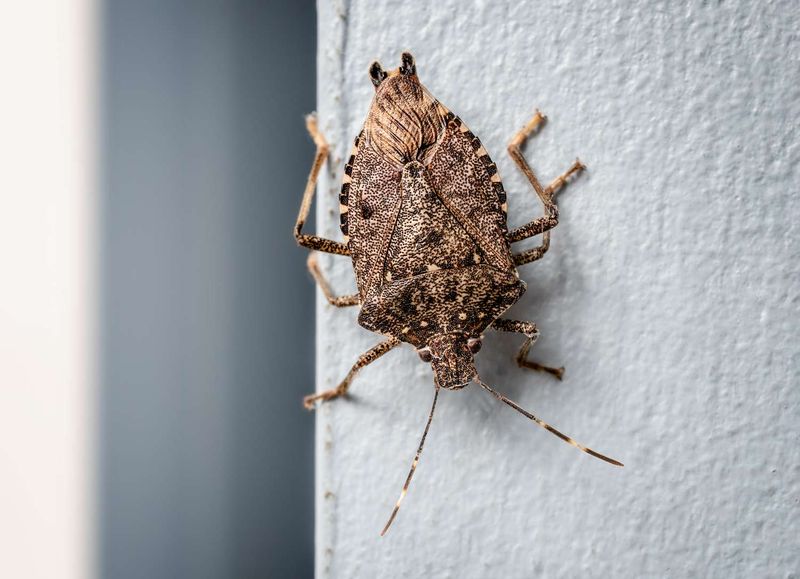
Boxelder bugs rarely show up alone. Look closely at your sunny siding and you may spot orange beetles and brownish shield-shaped bugs too. Ohio homes host a whole crew of fall visitors.
The multicolored Asian lady beetle is one regular guest. It looks like a classic ladybug but often has an M-shaped mark behind its head. The brown marmorated stink bug is another, with banded antennae and a mottled brown body.
All three want the same thing, which is a sheltered place to spend winter. They respond to cooling nights in a similar way. Warm, sunny walls draw them first, and cracks pull them inside.
The best part is that one plan works for the whole group. Sealing gaps, repairing screens, and vacuuming strays handles every one of these insects. You do not need a separate battle plan for each.
My takeaway after many Ohio autumns is simple. A busy wall is a seasonal signal, not an emergency. Spend late summer sealing your house, keep a vacuum handy in winter, and you can enjoy those crisp fall evenings with far fewer uninvited roommates.