Why Cabbage Needs A July Or August Start In North Carolina To Form Firm Fall Heads
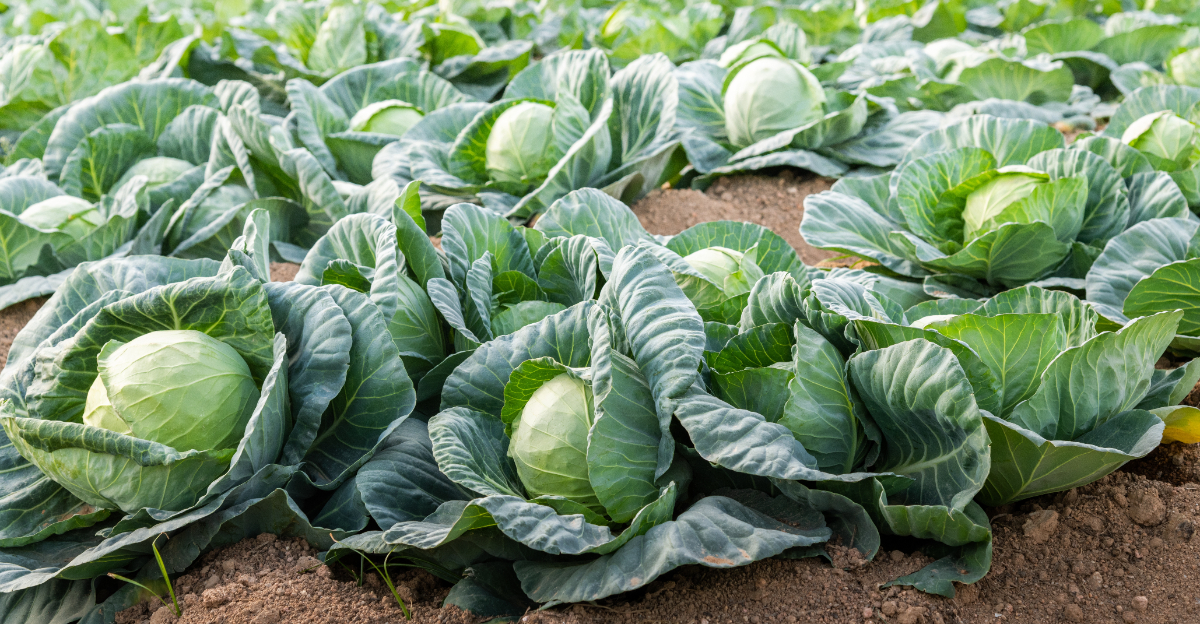
Cabbage is picky about timing, and starting seeds too late in North Carolina often leads to loose, disappointing heads. The plant needs several weeks of cool weather to form tight leaves, which means working backward from the first expected frost.
A July or August start gives seedlings enough time to establish strong roots before the worst summer heat fades. Cabbage also bolts or splits when temperatures swing too much during head formation, so timing really does matter here.
Gardeners who wait until September often end up with small, leafy heads that never fully close. Starting seeds indoors during peak summer heat helps protect tender sprouts from scorching sun.
Once transplanted, cabbage thrives as days shorten and nights cool down. Getting the calendar right now means a much better harvest come October or November.
1. Cabbage Needs Enough Time To Reach Maturity
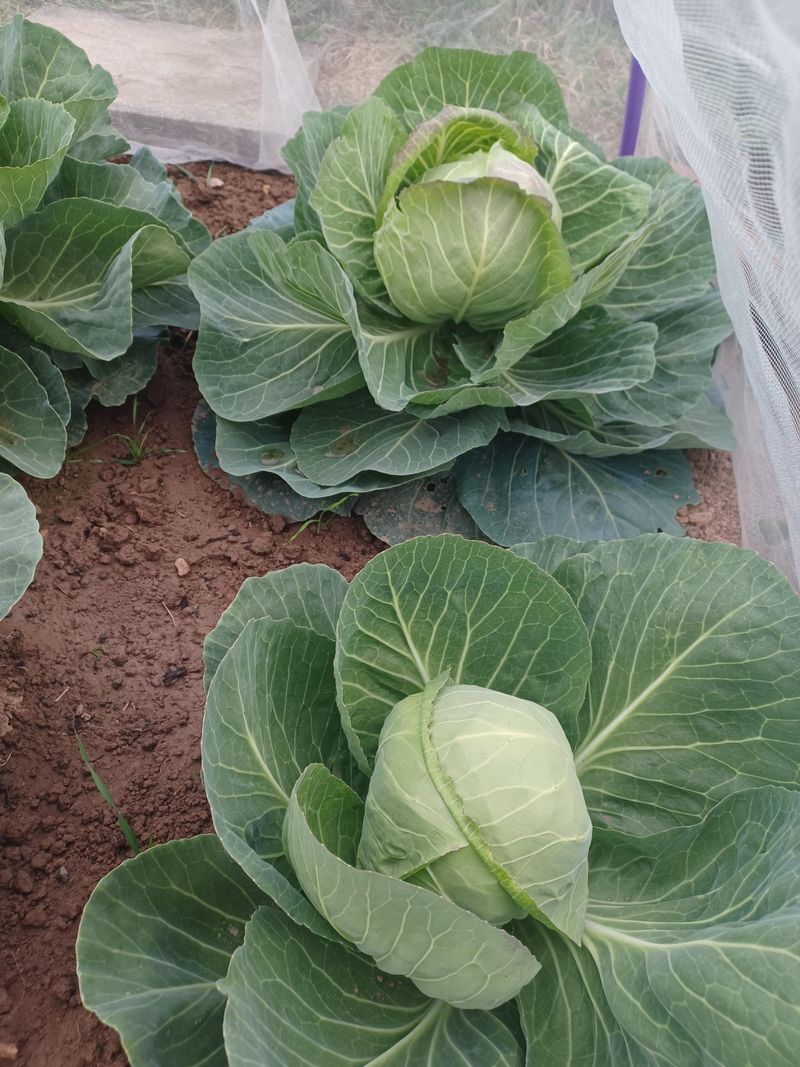
Most gardeners are surprised to find out just how long cabbage actually takes to grow. Unlike radishes or lettuce that are ready in a few weeks, cabbage is a slow and steady grower that rewards patience.
Most varieties need somewhere between 63 and 75 days from transplanting, and if you are starting from seed, expect closer to 90 to 120 days before that firm head is ready to harvest.
That timeline is not a suggestion. It is a real countdown that should shape your entire planting schedule.
When you work backward from a typical North Carolina fall harvest window in October or November, the math almost always lands you in July or August as your starting point.
Skip that window, and you are likely to end up with plants that run out of time before they can finish.
Cabbage needs warm early conditions to build roots and outer leaves, then cooler fall weather to tighten and firm up the head. That natural temperature shift is part of what makes fall cabbage taste so good.
Without enough time to move through both stages, the plant never quite delivers what it is capable of.
Always check the days to maturity listed on your seed packet or plant tag before you plan your schedule.
Different varieties have different timelines, and a 10-day difference in maturity can matter a lot when fall temperatures are closing in fast. Knowing your variety helps you plant with real confidence instead of guessing.
2. July Seed Starting Supports August Transplanting
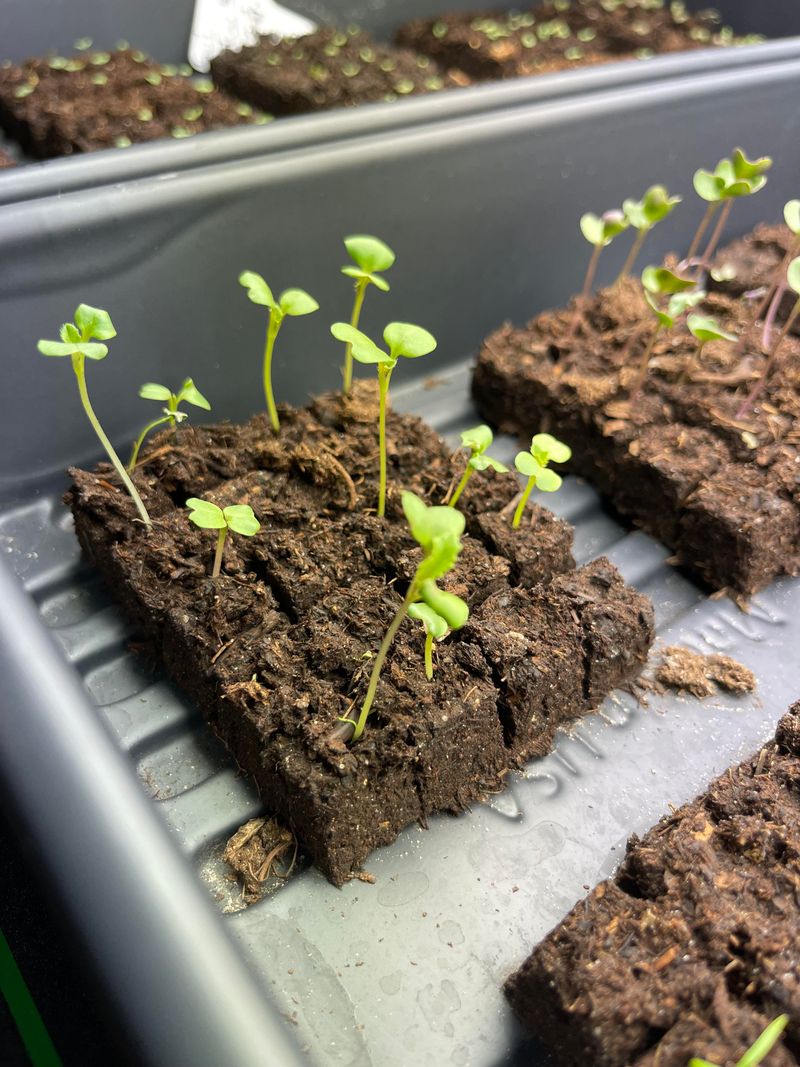
Starting cabbage from seed indoors during July might feel early, but that head start is exactly what makes August transplanting possible.
Cabbage seedlings need roughly four to six weeks of steady growth before they are strong enough to handle garden conditions. Beginning in July gives them that time while keeping your overall fall timeline on track.
Good seedling growth depends on a few key things. Bright light is at the top of the list because weak, stretched seedlings rarely develop into strong garden plants.
A south-facing window works, but a simple grow light set on a timer gives you far more consistent results. Pair that with steady moisture and good airflow around the seedlings, and you are setting them up for a smooth transition.
Your North Carolina Garden Changes Every Week. Your Plan Should Too.
Gardening in North Carolina changes quickly throughout the season. Every Friday you’ll receive a simple weekly plan showing exactly what to plant, prune, fertilize, harvest, and protect so you never miss the right timing.
Airflow matters more than most beginners realize. A small fan running nearby for a few hours each day strengthens stems and helps prevent the fungal issues that can sneak up on seedlings in humid conditions.
North Carolina summers are warm and sticky, so this step is genuinely worth the effort.
Before moving seedlings outside, take about a week to harden them off gradually. Set them in a shaded spot for a few hours each day and slowly increase their outdoor exposure.
This adjustment period reduces transplant shock and helps them settle into the garden with much less stress. A seedling that moves outdoors confidently in August has every advantage it needs to form a firm, full head by fall.
3. Established Plants Are Ready For Cooler Head Formation Weather
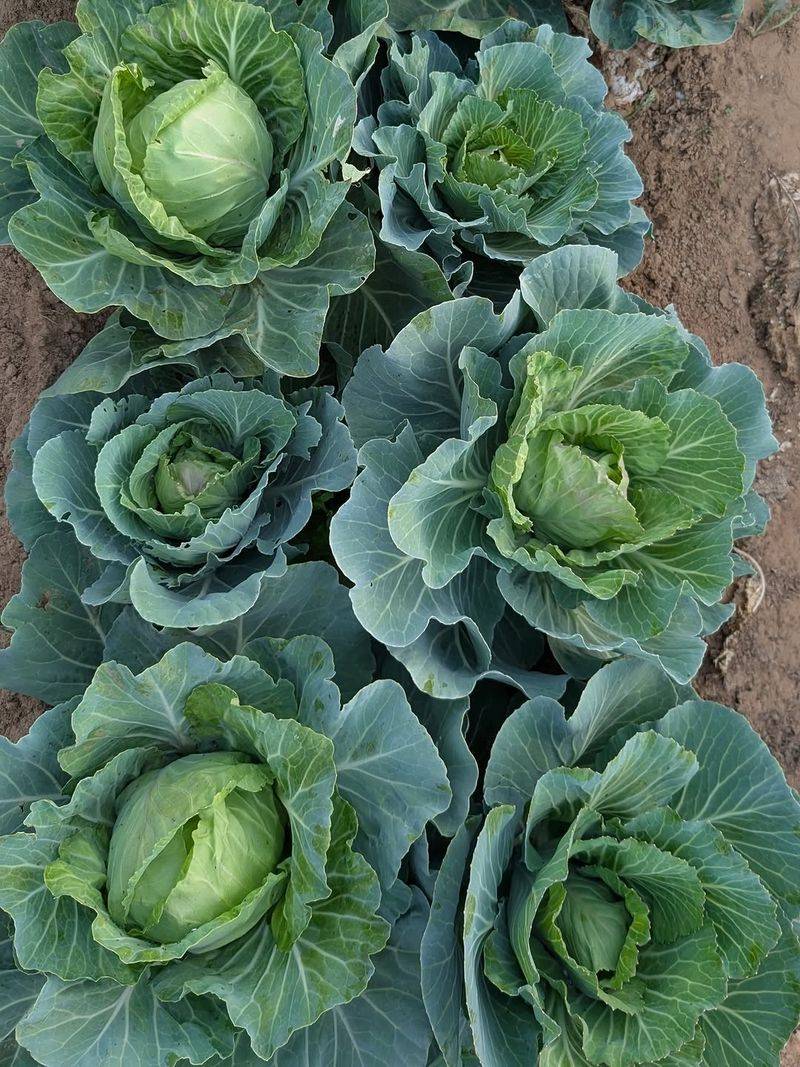
Cabbage is one of those vegetables that actually improves as the weather cools down. The flavor gets sweeter, the leaves tighten up, and the head develops that satisfying density that makes fall cabbage worth every bit of effort.
But that cool-weather magic only works if the plant has already done its early growing work during warmer conditions.
A July or August start gives cabbage time to put down strong roots and build a solid framework of outer leaves while temperatures are still high.
By the time September and October arrive with their cooler nights and shorter days, the plant is no longer a young seedling trying to survive. It is a well-rooted, established plant ready to shift into head formation mode.
The tricky part is managing that early summer period when young transplants face intense heat and strong afternoon sun. Consistent moisture is critical during this stage because dry soil during establishment sets the plant back considerably.
A layer of organic mulch around the base helps hold soil moisture and keeps root temperatures more stable on the hottest days.
Temporary afternoon shade is another practical tool worth using. A simple shade cloth or even a nearby taller plant can take the edge off intense midday sun for young transplants.
You do not need to shade them forever, just through the first couple of weeks while roots are getting established. Once they are settled in and growing steadily, they handle summer conditions much better on their own.
4. Earlier Planting Builds The Leaves Needed For Firm Heads
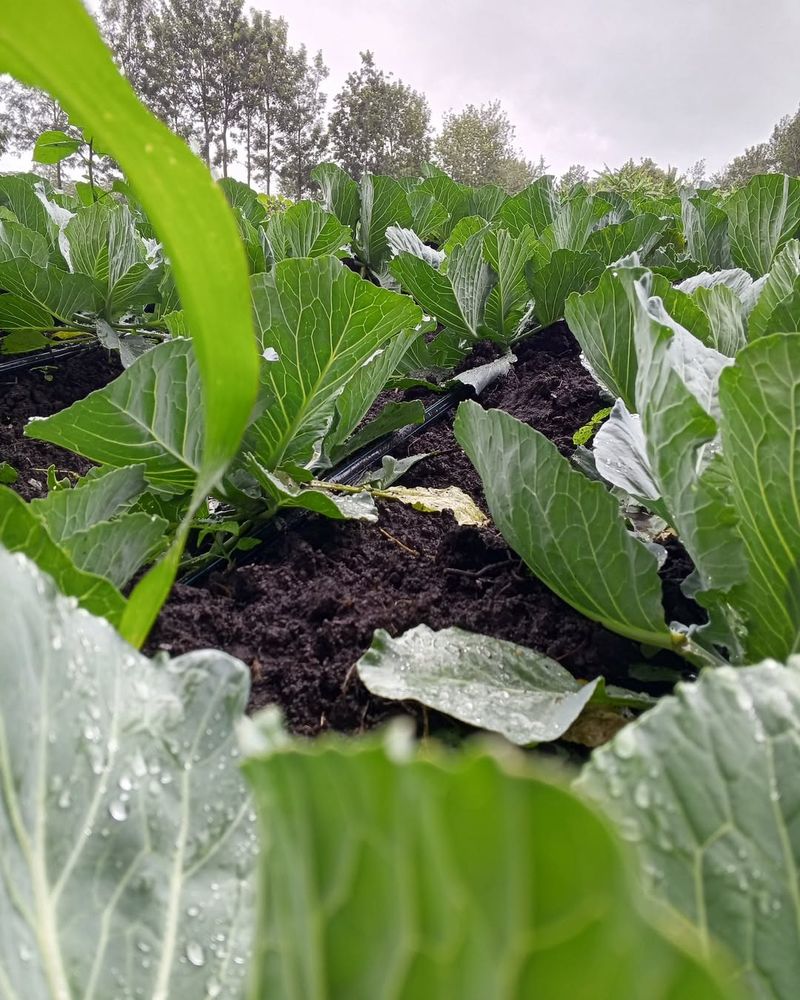
A firm cabbage head does not appear out of nowhere. It builds layer by layer from the inside out, and that process depends entirely on how many healthy outer leaves the plant has already produced.
Think of those big outer leaves as the engine that powers everything happening in the center. Without them, the head simply cannot form the way it should.
When planting happens too late in the season, the plant does not have enough warm growing time to develop that broad leaf structure before cooler temperatures slow things down.
The result is a smaller, underdeveloped plant that may produce a loose or incomplete head, or sometimes no real head at all. Starting in July or August gives the plant the runway it needs to build a strong foundation first.
Soil preparation plays a big role in how well those outer leaves develop. Cabbage is a hungry feeder that responds well to rich, well-amended soil with good drainage.
Working compost into your bed before planting gives roots something to work with right away. A balanced fertilizer applied during early growth keeps leaf production moving at a steady pace.
Spacing also matters more than many gardeners expect. Crowded cabbage plants compete for nutrients, light, and water, and that competition shows up in slower, weaker leaf development.
Giving each plant 18 to 24 inches of space allows the outer leaves to spread naturally and do their job well. That room to grow is one of the simplest investments you can make in a firm fall harvest.
5. North Carolina Fall Days Provide A Limited Growth Window
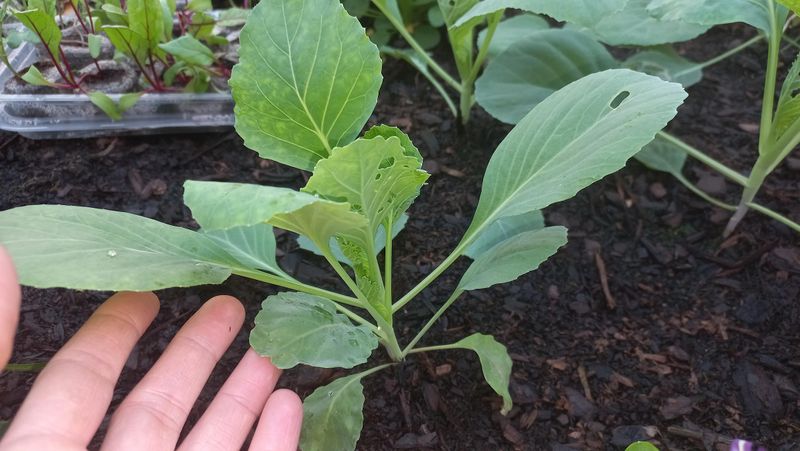
North Carolina has a lot going for it as a gardening state, but fall does not last forever. Once late October and November arrive, temperatures begin dropping in ways that slow vegetable growth considerably.
For cabbage, that narrowing window is something every gardener needs to plan around carefully, not discover too late.
Even though cabbage tolerates cool weather well, it still needs active growing conditions to push a head to full size and density. Temperatures that drop into the low 40s and upper 30s at night slow that process significantly.
A plant that enters fall without enough size and leaf coverage is simply not going to make up for lost time once those cool nights become a regular pattern.
Counting backward from your expected harvest date is one of the most practical planning tools available.
Take the maturity days listed for your variety, add a small buffer for any weather delays or transplant adjustment time, and count back from mid to late October.
In most parts of North Carolina, that calculation lands squarely in July or August as the right starting point.
Daylight also plays a role that often gets overlooked. Shorter days in fall reduce the amount of energy a plant can produce through photosynthesis each day.
A plant that is still in early growth stages when days shorten noticeably will simply grow more slowly than one that is already established and heading. Getting ahead of that shift is exactly what a summer start makes possible.
6. Regional Conditions Change The Best Starting Date
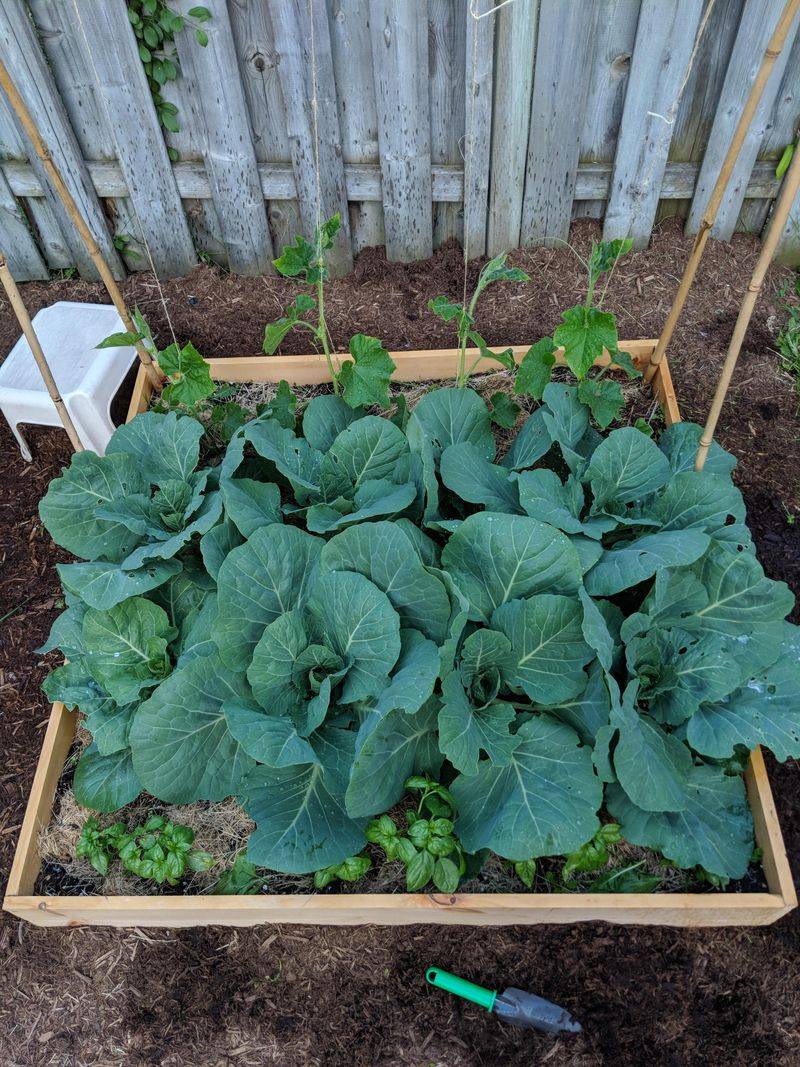
North Carolina stretches from the Appalachian Mountains all the way to the Atlantic coast, and that geography creates genuinely different growing conditions across the state.
A single planting date that works perfectly in Asheville is not necessarily going to serve a gardener in Wilmington the same way. Understanding your region makes your planting decisions much more reliable.
Western North Carolina gardeners in the mountain counties typically need to start fall cabbage earlier than anyone else in the state. Cooler temperatures arrive sooner at higher elevations, and frost can appear earlier in the season than many people expect.
For these gardeners, a late June or early July start for seeds, with transplanting in mid to late July, is often the smarter approach.
Piedmont gardeners, covering the broad middle section of the state from the foothills to the central counties, generally work with an early August transplant target. Starting seeds in late June or early July keeps that timeline on track.
The Piedmont has a slightly longer warm season than the mountains, but fall still closes in quickly enough that waiting too long is a real risk.
Coastal Plain gardeners in eastern North Carolina often enjoy a longer mild fall season, which can push their ideal transplant window into mid-August or even later.
Milder temperatures near the coast mean more usable growing days in October and November.
Your county Cooperative Extension office is the best resource for a calendar specific to your location, and their guidance is always worth checking before you plan your garden schedule.
7. Timely Planting Allows Recovery From Summer Stress
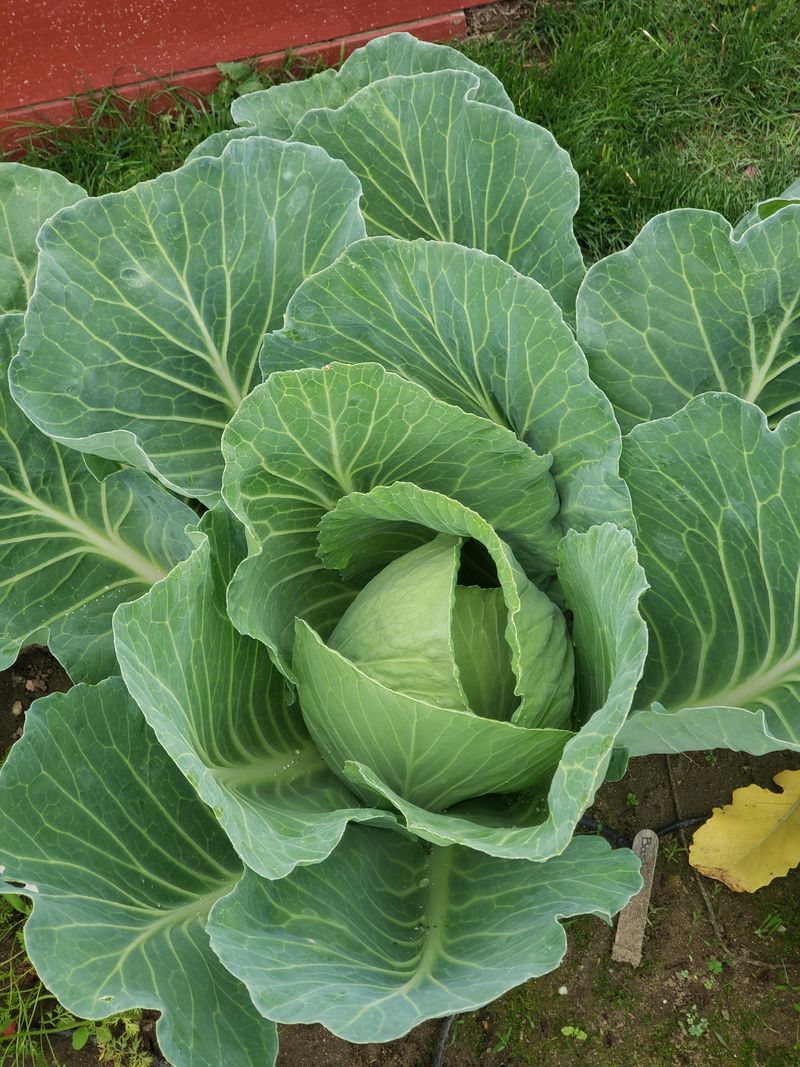
Summer in North Carolina is not exactly gentle on young vegetable transplants. Heat, humidity, strong afternoon sun, occasional dry spells, and sudden heavy rain all show up during the July and August planting window.
Knowing that stress is coming and preparing for it makes a real difference in how well your cabbage gets established.
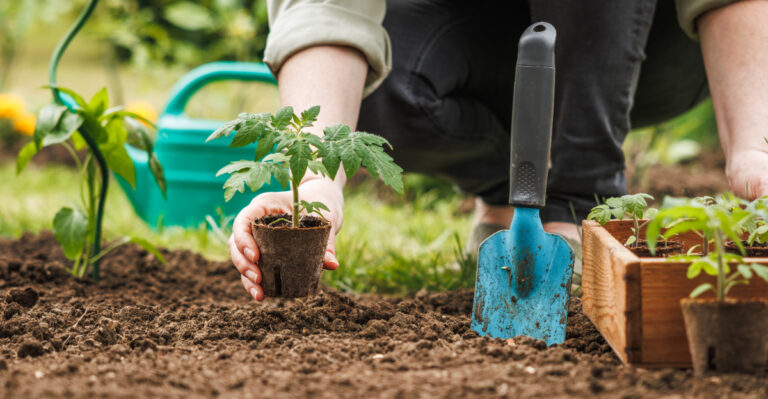
One of the easiest things you can do is transplant in the early morning rather than during the heat of the afternoon. Morning planting gives roots several hours to begin settling into the soil before the hottest part of the day arrives.
Water thoroughly right after planting and apply a generous layer of organic mulch around each plant to hold that moisture in place.
Temporary shade during the first week or two after transplanting takes a lot of pressure off young plants. A simple shade cloth supported by stakes works well and can be removed once the plants show strong new growth.
This small step can mean the difference between a plant that thrives and one that struggles for weeks before recovering.
Cabbage insects are active during summer, and getting ahead of them early protects your investment. Cabbage loopers, imported cabbageworms, and aphids are all common in North Carolina gardens.
Checking plants regularly and using row covers or appropriate organic treatments early keeps populations manageable without letting damage build up.
A plant that recovers quickly from transplant stress and stays free of heavy pest pressure has the best possible chance of producing a firm, full head by harvest time.
8. Proper Timing Improves The Chance Of Dense Uniform Heads
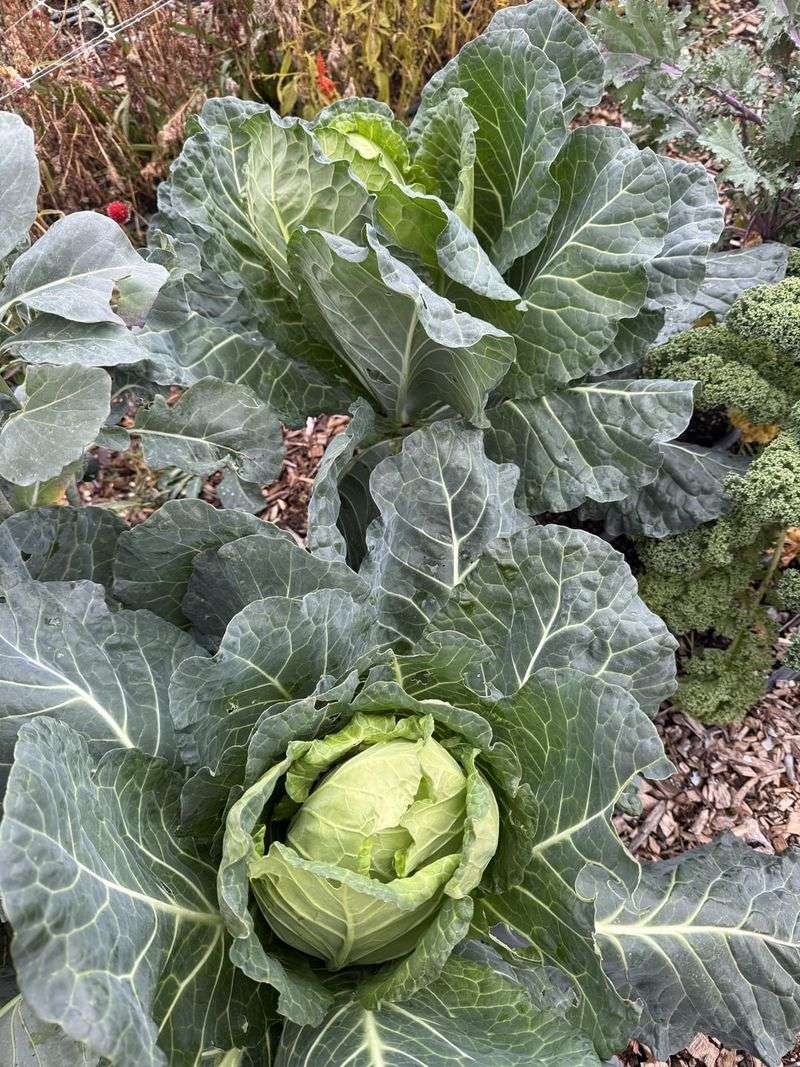
Timing is one of those gardening factors that quietly shapes everything about your final harvest.
With fall cabbage, the difference between a dense, uniform head and a loose, disappointing one often comes down to whether planting happened at the right point in the season.
Plants that go in too late simply do not have the time or the conditions to finish what they started.
A cabbage started too late in the season may produce plenty of leafy growth without ever tightening into a real head.
The plant is alive and technically growing, but the combination of limited warm days, shortening daylight, and cooling temperatures prevents it from completing the heading process.
Starting in July, whether from seed or transplant, gives the plant a genuine chance to move through every stage of development before fall conditions close the window.
Head density and uniformity also improve when growing conditions stay consistent throughout the season. Irregular watering, nutrient deficiencies, or pest damage during early growth all show up later in the quality of the finished head.
A steady approach to soil care, moisture management, and pest monitoring from the beginning pays off in a noticeably better harvest.
Before you finalize your planting plan, consider your specific variety, your county’s average first frost date, and whether you are starting from seed or buying transplants. Each of those factors shifts your ideal starting date slightly.
A July seed start or a well-timed August transplant, matched to your local conditions and chosen variety, gives fall cabbage the best possible foundation for producing heads worth harvesting.