Why California Citrus Trees Push Soft New Growth At The Wrong Time Before Fall
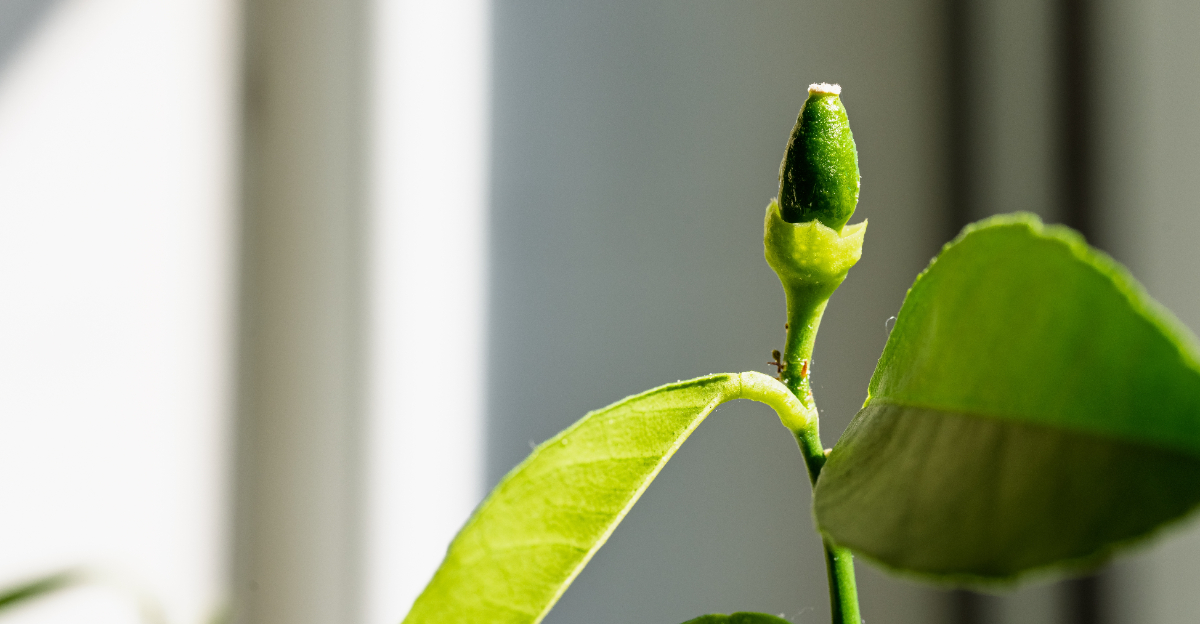
Your California citrus tree has made it through another blazing stretch of sunshine, and just when you expect it to start settling down, something unexpected happens.
Fresh, tender shoots begin popping out, looking bright green, soft, and suspiciously enthusiastic for a plant heading toward fall. Apparently, nobody told the citrus tree that the season is changing.
That sudden burst of growth can leave gardeners wondering what the tree is up to. New leaves usually feel like good news, but timing matters in the garden, and growth appearing close to a seasonal transition can raise plenty of questions.
Should you leave it alone? Change your routine? Start watching the forecast like it is the season finale of your favorite show?
California’s varied climates make the situation even more interesting, since citrus trees can experience very different conditions depending on where they are growing.
If your tree suddenly looks determined to start a fresh chapter just as summer winds down, pay attention.
That soft new growth could be responding to something happening in its surroundings, and what you do next may matter.
Late Fertilizing Can Trigger A Flush Of Tender Growth
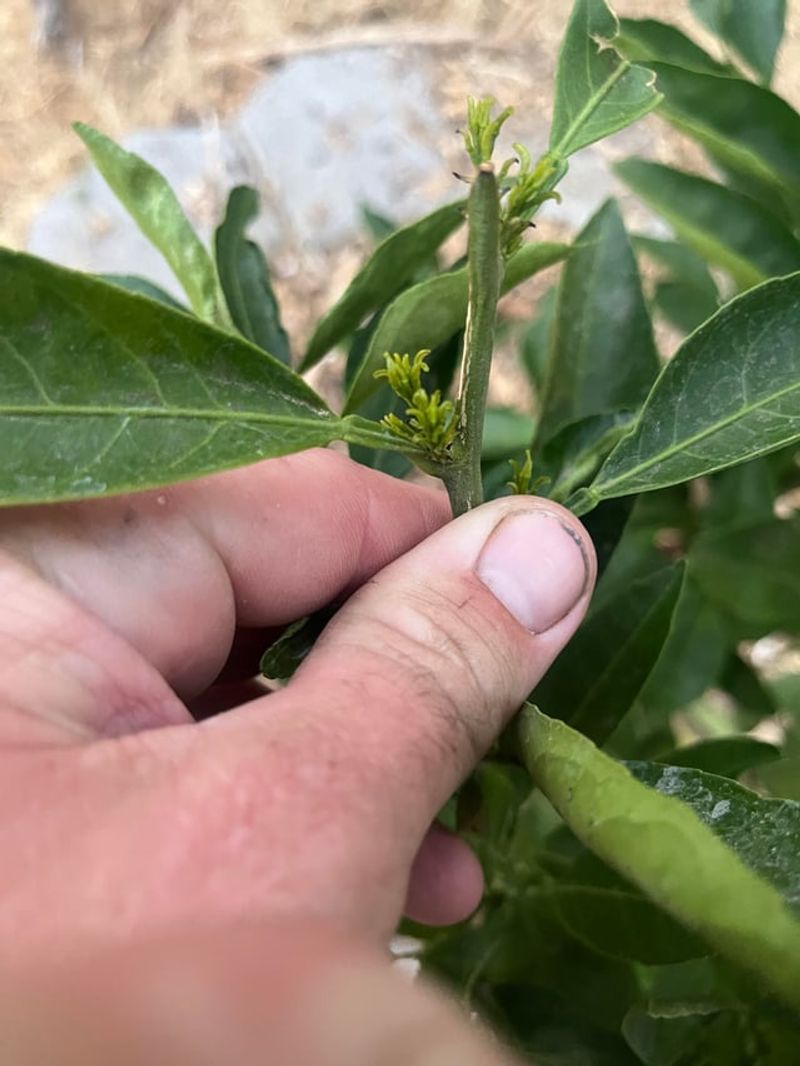
Gardeners make the honest mistake of feeding their citrus trees too late in the growing season. Fertilizer is packed with nutrients that signal the tree to start producing new growth.
When you apply it in late summer or early fall, the tree reads that as a cue to push out a fresh round of soft, leafy shoots.
Citrus trees are heavy feeders, and they respond quickly to a boost of nutrients. The problem is that the new growth they produce late in the season does not have enough time to mature and toughen up.
By the time cooler nights arrive, those tender shoots are still soft and vulnerable.
A good rule of thumb is to stop applying fertilizer by late summer, usually around August in most warm growing regions.
Giving the tree time to slow its growth naturally helps it prepare for the seasonal shift. If you are not sure when to stop, check the fertilizer label for seasonal guidance.
Skipping that last fall feeding might feel counterintuitive, but it actually does your tree a favor. Letting it coast into fall without extra nutrients encourages the tree to harden off existing growth rather than produce new flushes.
Healthy, mature growth handles temperature changes much better than fresh, soft shoots that never had a chance to firm up.
Too Much Nitrogen Keeps Citrus Focused On New Leaves
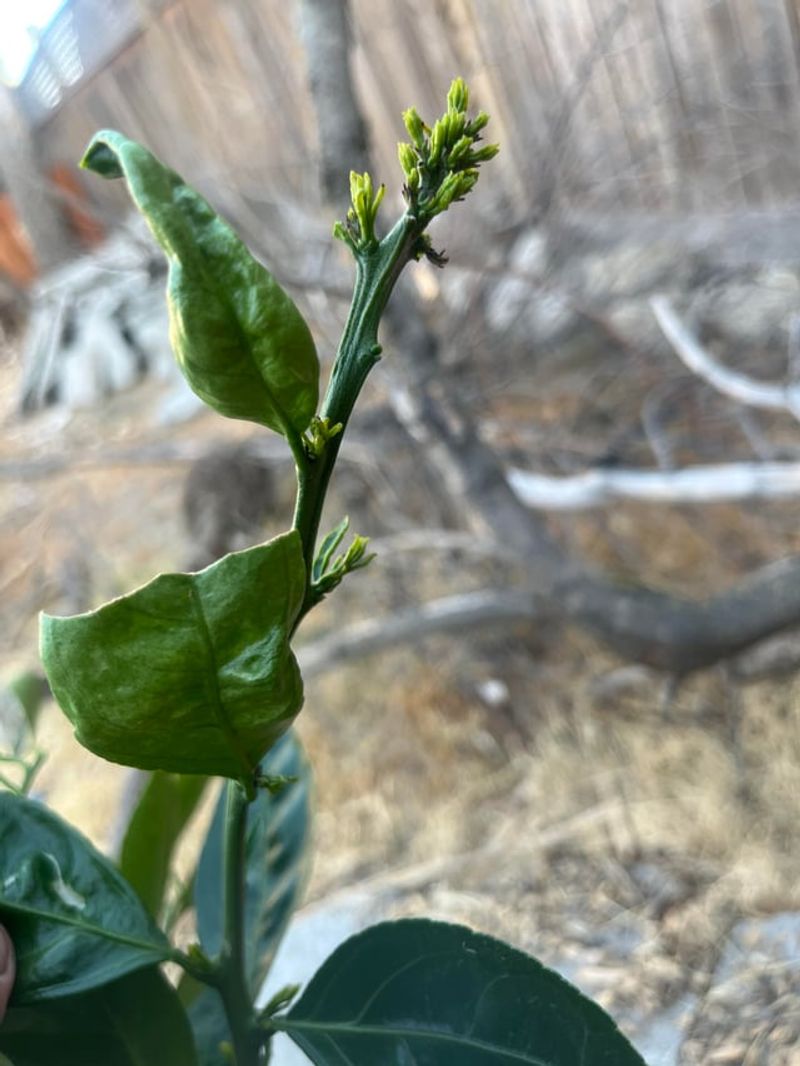
Nitrogen is the nutrient most responsible for leafy, green growth in plants. When citrus trees get too much of it, they shift their energy away from fruit production and toward pushing out new leaves and shoots.
This is a natural plant response, but it can create problems when it happens at the wrong time of year.
High-nitrogen fertilizers are great during the active spring growing season. But using them too generously or for too long into the season tips the balance in the wrong direction.
Your California Garden Changes Every Week. Your Plan Should Too.
Gardening in California changes quickly throughout the season. Every Friday you’ll receive a simple weekly plan showing exactly what to plant, prune, fertilize, harvest, and protect so you never miss the right timing.
The tree keeps growing leaves instead of letting its existing growth mature and harden.
Switching to a low-nitrogen or balanced fertilizer in midsummer can help slow this leafy push. Some gardeners prefer a fertilizer with a higher ratio of phosphorus and potassium in late summer.
These nutrients support root health and fruiting rather than encouraging a surge of new foliage.
Reading the fertilizer label carefully matters more than most people realize. Products labeled for citrus trees often come with seasonal feeding schedules for good reason.
Following those guidelines helps keep nitrogen levels in check during the months when new growth could cause more harm than good.
A little attention to the nutrient balance you provide can go a long way toward keeping your tree on a healthy seasonal rhythm.
Heavy Watering Can Encourage Another Growth Spurt
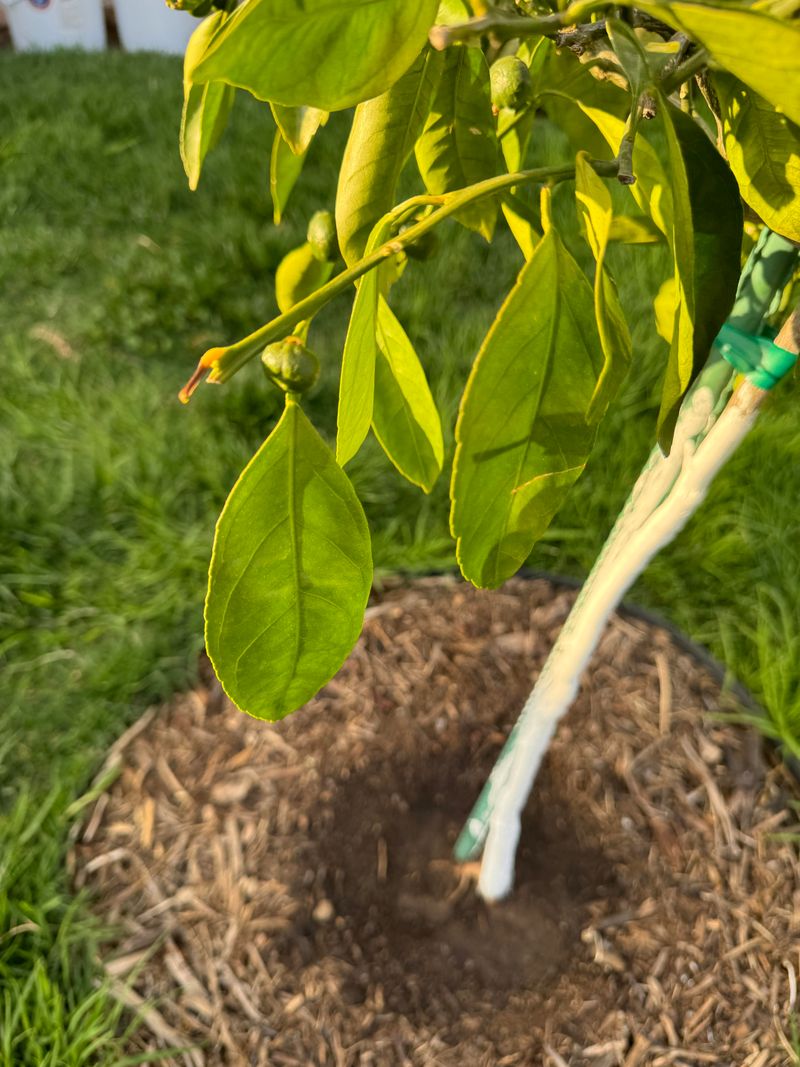
Water is one of the most powerful growth triggers for citrus trees. When a tree gets a sudden surge of water after a dry period, it often responds by pushing out a new flush of growth.
This is especially common in late summer when California gardeners try to compensate for the heat by watering more frequently or more deeply.
Citrus trees do need consistent moisture, but there is a difference between steady watering and overwatering. Too much water at once sends a strong signal to the tree that conditions are ideal for growing.
The result is a burst of soft new shoots that are not ready for the temperature drops coming in fall. Adjusting your watering schedule as summer winds down is a smart move.
Gradually reducing the amount of water you give your citrus tree helps it sense the seasonal shift and begin slowing its growth naturally.
Deep, infrequent watering is generally healthier than frequent shallow sessions. Checking the soil moisture before you water is one of the easiest habits to build. If the top few inches of soil are still damp, the tree does not need more water yet.
Letting the soil dry out a bit between waterings mimics the natural seasonal dry-down that tells a citrus tree it is time to rest rather than grow. This simple adjustment can prevent a lot of late-season growth problems.
Warm Late-Summer Weather Can Fool Trees Into Growing Again
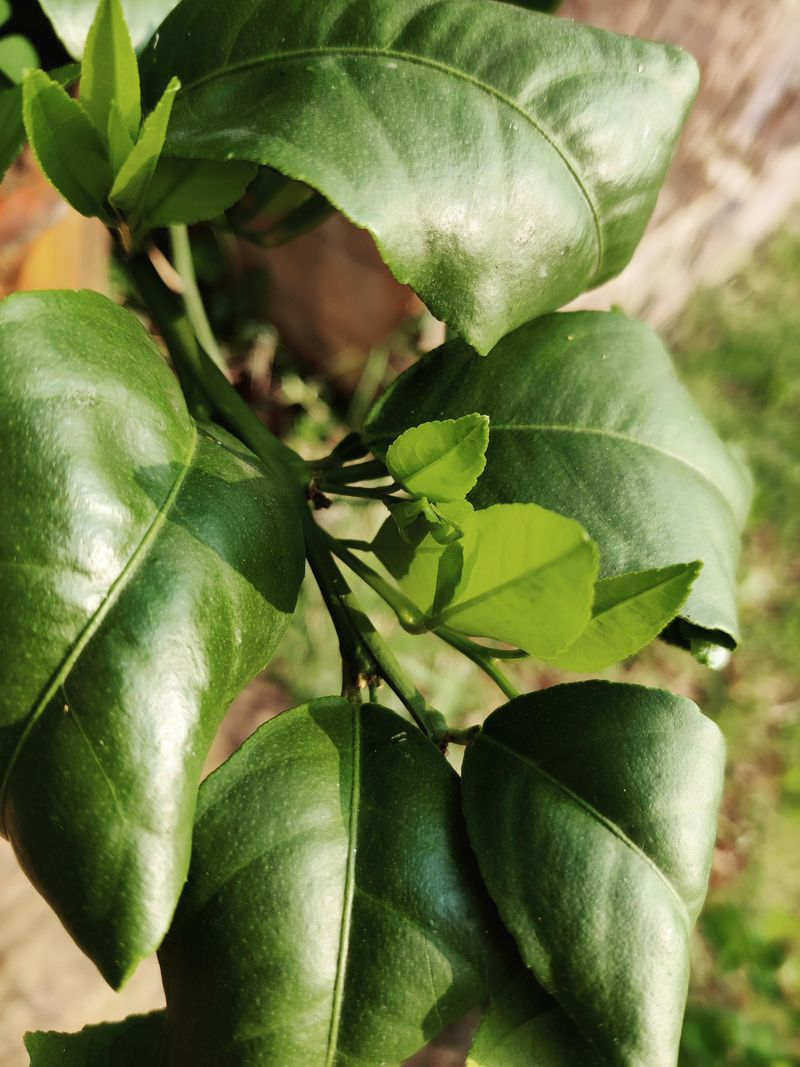
Citrus trees are sensitive to temperature, and they use warmth as one of their main signals for when to grow.
When late summer brings a stretch of unusually hot days, a tree can easily mistake that heat for the peak of the growing season.
The result is a new flush of soft growth at a time when the tree should be winding down.
In many parts of the western United States, late summer heat waves are not unusual. A week or two of temperatures climbing back into the 90s can reset a tree’s internal clock.
Suddenly, the citrus starts behaving like it is spring again, sending energy into new shoots instead of preparing for cooler months.
There is not much you can do to control the weather, but you can control how you respond to it.
Avoid fertilizing or increasing watering during a late-summer heat wave, even if it feels like the right thing to do for a stressed tree.
Keeping your care routine steady helps the tree stay on a more natural seasonal schedule.
Providing some afternoon shade during extreme heat events can also help. A shade cloth placed over smaller trees during a heat spike reduces the temperature stress that pushes trees into unexpected growth.
Once the heat passes, the tree is more likely to settle back into its natural rhythm without producing a risky late flush of tender new growth.
Soft New Shoots Are More Vulnerable As Nights Cool
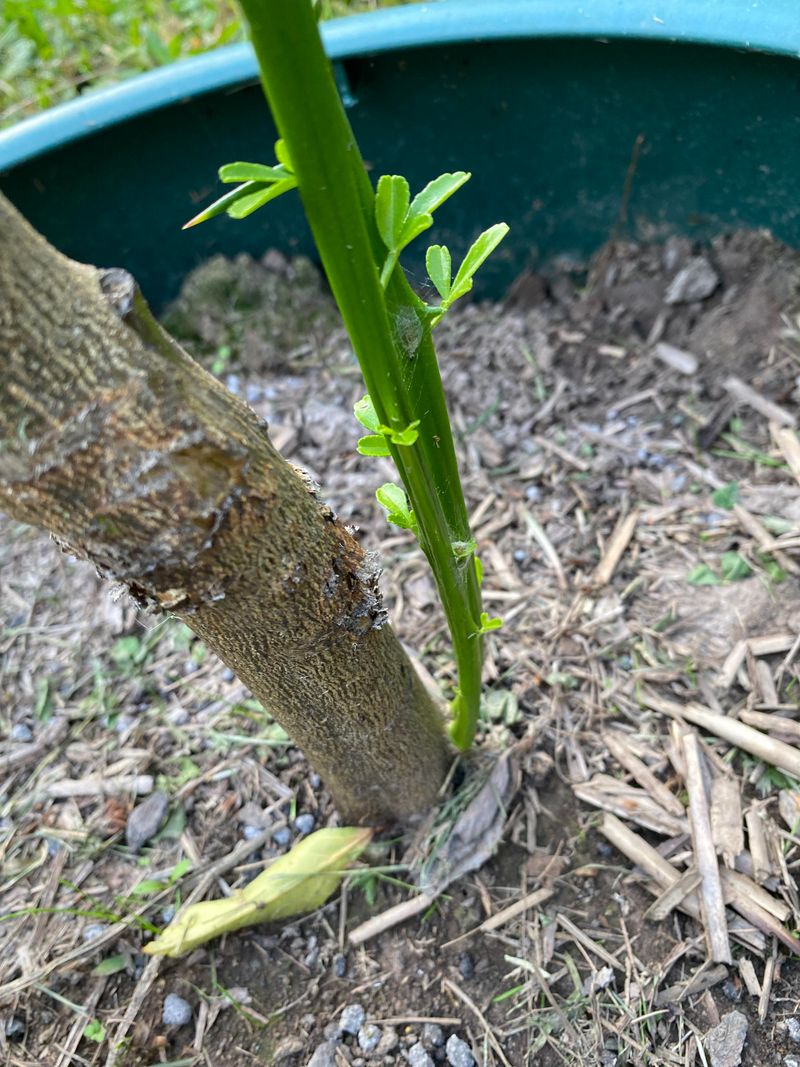
Fresh new growth on a citrus tree is beautiful, but it comes with a real downside when the timing is off.
Those bright, soft shoots are full of water and have not yet developed the tougher cell structure that protects mature leaves.
When nights start cooling down in fall, tender new growth is the first part of the tree to feel the effects.
Even in mild climates, nighttime temperatures in October and November can drop low enough to stress soft new shoots.
The cells in tender growth are not as resilient, and they can suffer damage when temperatures swing sharply between warm days and cool nights. This kind of stress weakens the tree and can set it back heading into winter.
Watching your tree closely in late summer and early fall helps you catch a late flush early. If you see new bright green shoots appearing, avoid doing anything that would encourage more growth.
Hold off on fertilizing, ease back on watering, and let the tree use its energy to toughen up what it already has.
Covering smaller trees with frost cloth on unexpectedly cold nights offers some protection. For larger trees, keeping the soil slightly dry helps limit the cold damage to roots and lower branches.
The goal is to give every bit of growth on the tree the best possible chance to harden before temperatures drop further into the season.
Fresh Growth Can Attract Aphids And Other Sap Feeders
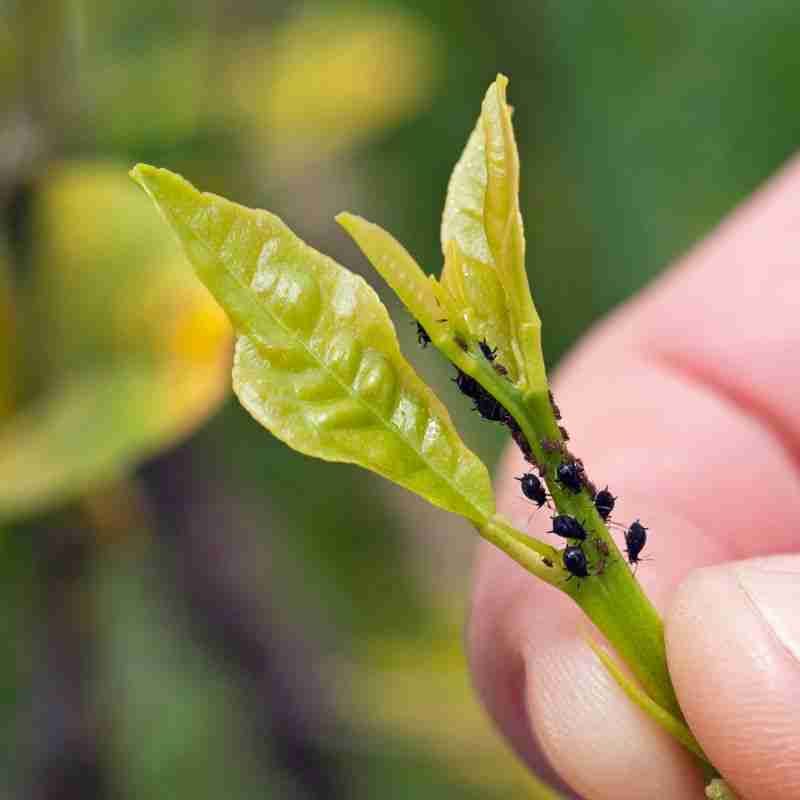
Soft, fresh growth is like a welcome sign for garden pests. Aphids, in particular, are strongly attracted to the tender new shoots that citrus trees produce during a late-season flush.
These tiny insects gather quickly on new growth because the cell walls are thin and easy to pierce, making it simple for them to feed on the plant’s sap.
An aphid infestation on late-season growth is frustrating for a few reasons. The pests weaken the new shoots right when those shoots need all their energy to toughen up before fall.
Heavy aphid feeding can cause the leaves to curl, yellow, and drop before they ever have a chance to mature.
Keeping a close eye on your citrus tree during any late flush of growth helps you catch pest problems early. A strong spray of water from a hose can knock aphids off new shoots without using any chemicals.
For heavier infestations, insecticidal soap is a gentle and effective option that will not harm beneficial insects as harshly as stronger pesticides.
Encouraging natural predators like ladybugs and lacewings in your garden is a great long-term strategy. These insects feed on aphids and help keep populations in check without any effort on your part.
Planting flowers nearby that attract beneficial insects adds another layer of natural protection for your citrus trees throughout the growing season and into fall.
New Shoots Need Time To Harden Before Cooler Weather
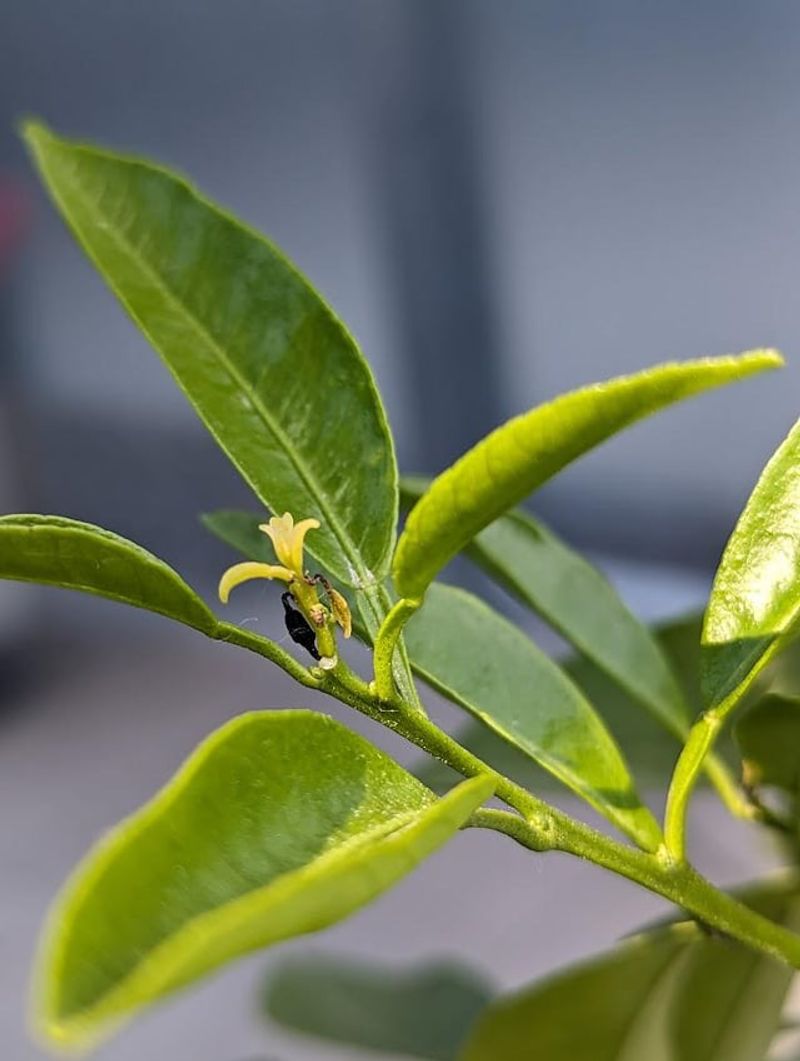
One of the most important things to understand about citrus trees is that new growth needs time to mature.
After a fresh shoot emerges, it goes through a process called hardening off, where the cells firm up, the color deepens, and the leaves become more resistant to stress. This process takes several weeks under normal conditions.
When new growth appears too late in the season, it simply does not have enough time to complete that hardening process before cooler weather sets in. Soft, immature shoots heading into fall are at a real disadvantage.
They are more likely to suffer from temperature swings, pest pressure, and drought stress than mature growth on the same tree.
Helping your tree avoid late flushes in the first place is the most effective strategy. But if a flush has already happened, there are still things you can do.
Avoid pruning the new growth right away, since cutting stimulates even more new shoots to emerge. Instead, let the existing flush harden as much as possible before any cold nights arrive.
Mulching around the base of the tree helps keep soil temperature stable and supports the tree through the transition.
A two-to-three-inch layer of organic mulch holds moisture, moderates temperature, and encourages healthy root activity.
Strong roots help the whole tree manage stress better, giving even late-season growth a slightly better chance of making it through the cooler months ahead.