The California Yard Issue That HOAs Cite Most Often (And The Native Plant That Fixes It)
A single letter from a homeowners association can turn an ordinary afternoon into a stressful one. Many of those letters across California point to the same visible problem, one that neighbors notice from the sidewalk and boards notice during drive-by inspections.
Long, rainless summers make that problem hard to avoid, especially with water bills climbing and conservation rules tightening.
State law offers homeowners more protection than many realize, though the details matter.
A quiet, low-growing native also offers a way out, trading constant upkeep for a soft green look that blends right into the neighborhood.
The path from citation to compliance turns out to be shorter than expected, and far easier on the water bill.
A Brown Patchy Lawn Is A Common Complaint
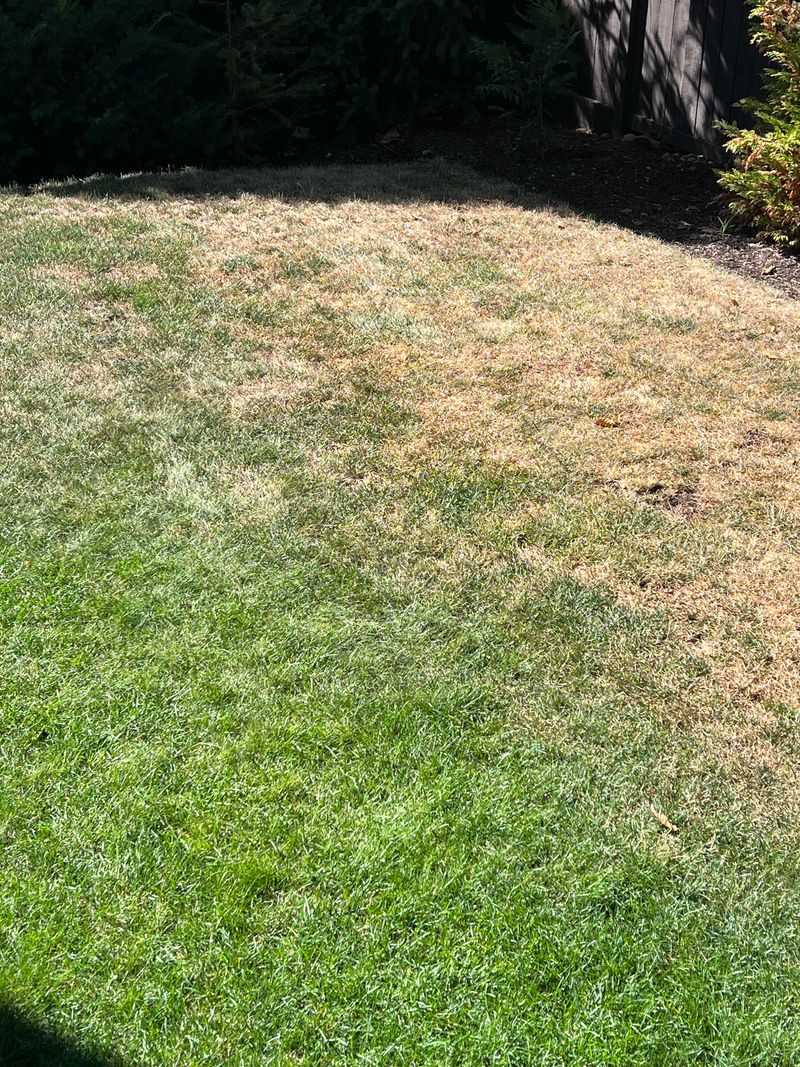
Almost any California neighborhood in August shows the contrast. One yard glows green while the next looks like toast left in too long.
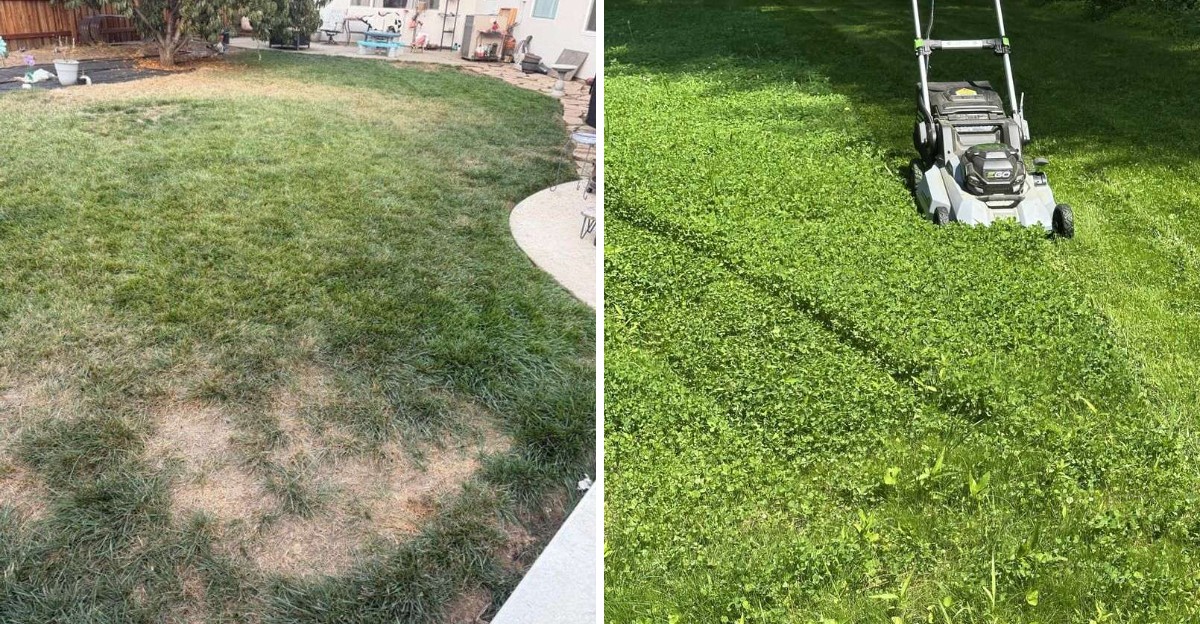
Brown spots, bare dirt, and thin grass stand out on streets where curb appeal matters. Homeowners associations often write rules about keeping yards maintained, and a dry, patchy lawn ranks among the easiest problems to spot.
Neighbors may complain, and managers doing drive-by inspections often flag it. Unlike a cracked window or a faded door, a lawn covers a large, highly visible part of the property.
A citation letter usually arrives with a few key details. It should point to a specific rule and often gives a window to respond or fix the problem.
Many associations also offer a hearing for homeowners who disagree. Reading the letter carefully helps clarify what the complaint really says.
A close look at the yard comes next. Dormant grass may green up again with cooler weather, while bare dirt points to grass that’s truly gone.
Dry spots lined up with sprinkler gaps suggest an irrigation fix. Dated photos create a helpful record of the yard’s condition over time.
Those details shape the next step, whether repairs, a conversation with the board, or a longer-term plan.
For many homeowners, that plan ends with replacing thirsty turf entirely, and the right native plant can make that switch surprisingly smooth.
Thirsty Turf Struggles In California Summers
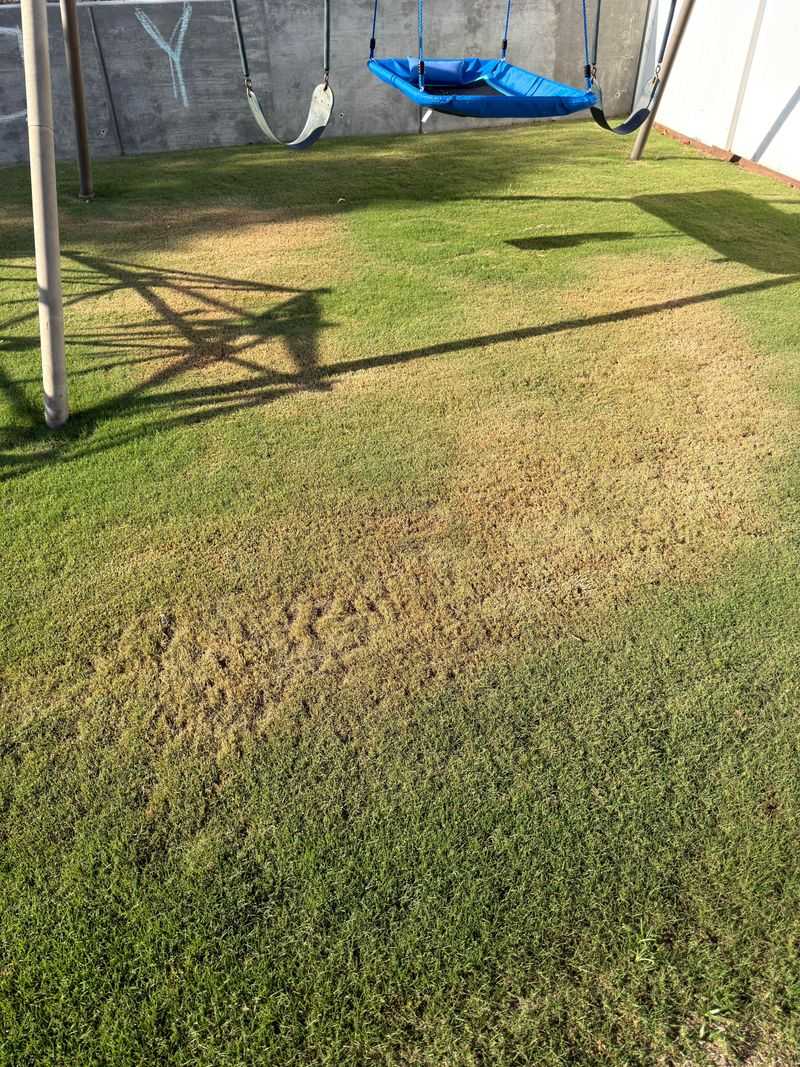
A lawn that looked lush in April can fade to straw by August with surprising speed. California’s climate explains much of that transformation.
Most of the state receives nearly all of its rain between fall and spring. Summers then stretch for months with little or no rainfall, leaving lawns entirely dependent on sprinklers.
Many common turf grasses simply aren’t built for that pattern. Cool-season grasses like tall fescue and Kentucky bluegrass prefer mild temperatures and steady moisture.
Inland heat waves push them hard. Even well-watered lawns can thin out when temperatures climb past 100 degrees for days at a time.
Soil adds another challenge. Heavy clay sheds water quickly during irrigation, so moisture runs off before soaking in.
Sprinkler problems make things worse. Broken heads, clogged nozzles, and uneven coverage create brown patches even when the timer runs often.
Water rules play a role, too. Many cities and water districts limit outdoor watering days, especially during dry years.
Your California Garden Changes Every Week. Your Plan Should Too.
Gardening in California changes quickly throughout the season. Every Friday you’ll receive a simple weekly plan showing exactly what to plant, prune, fertilize, harvest, and protect so you never miss the right timing.
Homeowners trying to save water and money often find themselves caught between conservation goals and HOA expectations. That tension pushes plenty of them to rethink the lawn altogether.
Turf replacement rebates from many water districts reflect that shift. A lower-water groundcover that still looks green offers a way to satisfy both the water bill and the neighborhood.
California law supports that kind of change.
California Law Protects Low-Water Landscaping
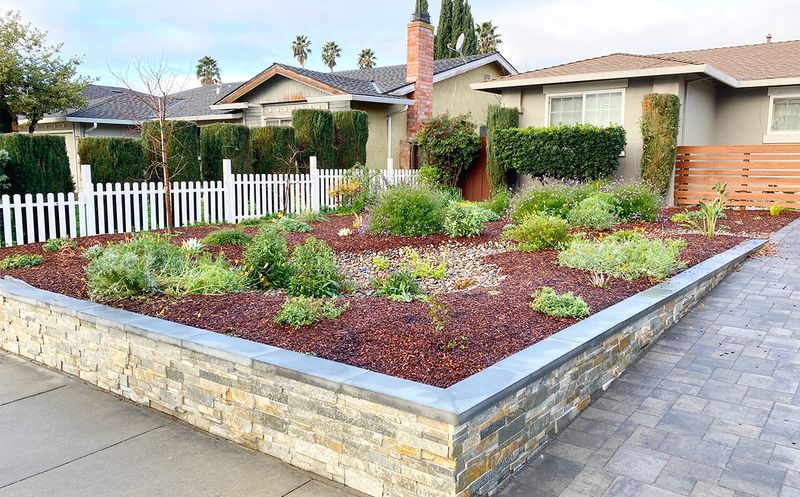
A board rule that allows only lawns, with no succulents or natives, may sound strict enough to hold. In California, that kind of blanket ban doesn’t stand up.
Civil Code Section 4735, part of the Davis-Stirling Act, protects water-wise yards. The law makes void and unenforceable any HOA provision that bans low water-using plants as a group.
It also voids rules that block those plants from replacing existing turf. An association can’t simply forbid the whole idea of a drought-friendly yard.
The law doesn’t hand homeowners a blank check, though. Associations can keep landscaping rules that follow the statute.
They may require submitted plans, architectural approval, or standards for design and upkeep. A messy gravel lot full of weeds could still break a reasonable maintenance rule.
Section 4735 also addresses artificial turf and watering rules, and lawmakers have updated it over the years. The official California Legislative Information website offers the current text.
Laws change, so a quick check before relying on any detail makes sense.
A practical plan smooths the process. A written request for the association’s architectural guidelines comes first.
A simple sketch of the new design, a plant list, and notes on edges and paths make the application clear. Submitting it before any digging shows good faith.
A thoughtful plan signals cooperation and makes approval far more likely. Ripping out grass first and asking for forgiveness later tends to invite friction instead.
Drought Emergencies Limit HOA Fines For Brown Lawns
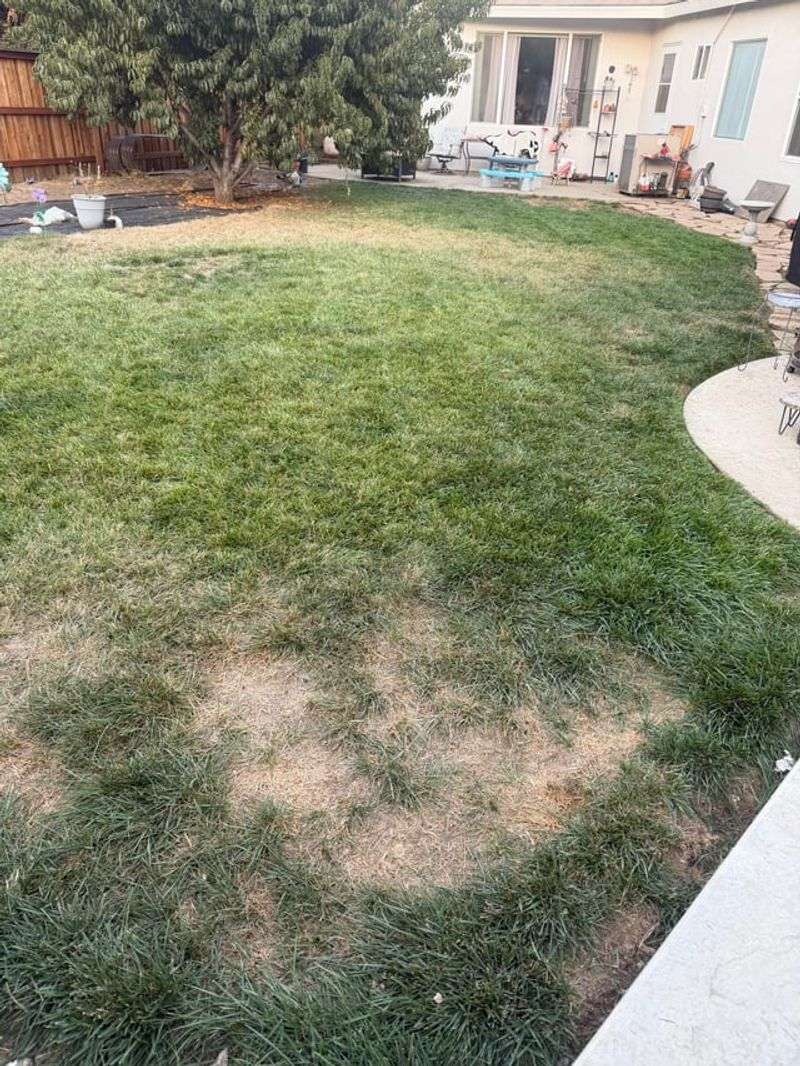
The dry years of 2014 and 2015 put many Californians in an odd squeeze. The state asked residents to cut water use, while some associations still demanded green grass.
Lawmakers responded by adding protection to Section 4735. Under that law, an HOA may not fine or assess a homeowner for reducing or eliminating lawn watering during a declared drought emergency.
The Governor or a local government must declare that emergency. While the declaration stays active, letting a lawn go golden to save water is protected.
Timing matters here. The fine protection applies only while the emergency remains in effect.
Once it ends, an association may again enforce reasonable rules about lawn appearance. The protection works as a temporary shield rather than a permanent pass.
Finding out whether an emergency is active takes a little homework. Announcements from the Governor’s office, city or county websites, and local water districts all offer clues.
Water agencies often post current restrictions in plain language. Saving a copy of any declaration that applies locally builds a useful record.
A fine received during a declared emergency calls for a written response. Mentioning Section 4735 and attaching proof of the declaration strengthens the case.
A hearing, when offered, gives another chance to explain. Calm, documented communication usually works far better than an angry email and builds a clear record if the dispute continues.
Meadow Sedge Makes A Green Native Lawn Alternative
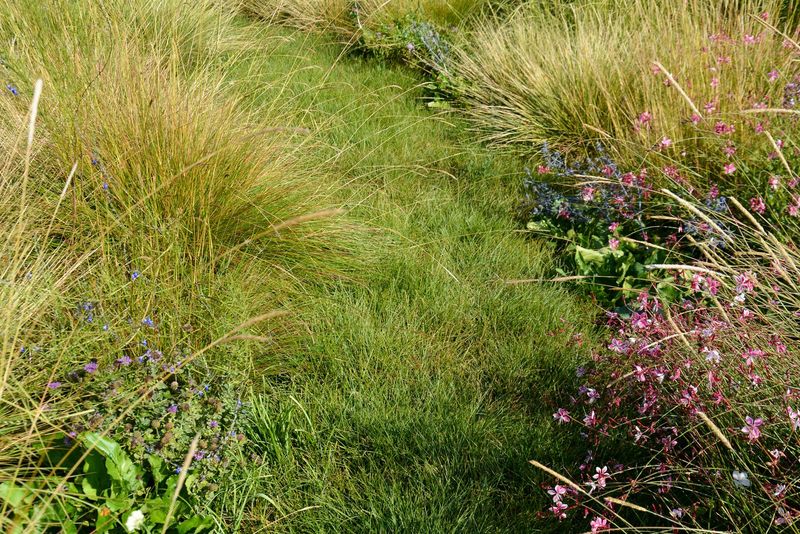
A hand brushed across a patch of California meadow sedge finds it soft, a little like a shaggy rug. This native plant grows naturally in coastal dunes and meadows, spreading by underground stems called rhizomes.
Over time, those stems knit together into a green carpet. Nurseries often sell it under its botanical name, Carex pansa, so that label helps when shopping.
UC Davis Arboretum and UC ANR have both discussed native sedges as lawn alternatives. Meadow sedge often earns a mention because it stays green and grassy looking.
That appearance helps it blend into neighborhoods that expect a lawn. Sedges aren’t true grasses, and their stems are often triangular, which inspired the old saying that sedges have edges.
Water needs drop compared with many thirsty turf grasses, though the plant still appreciates some irrigation. Regular watering during the first year helps roots settle.
After that, many gardeners water every week or two in summer, depending on heat, soil, and shade. Inland yards usually need more than coastal ones.
Planting moves more slowly than rolling out sod. Plugs are typically spaced several inches to about a foot apart and take a season or more to fill in.
Weeding matters a great deal during that time. Native nurseries carry plugs and flats, and staff can advise on regional fit.
Clustered field sedge, a close relative, sometimes suits certain conditions better. Regional advice from local experts beats one-size-fits-all rules.
Mow Optional Sedge Cuts Upkeep
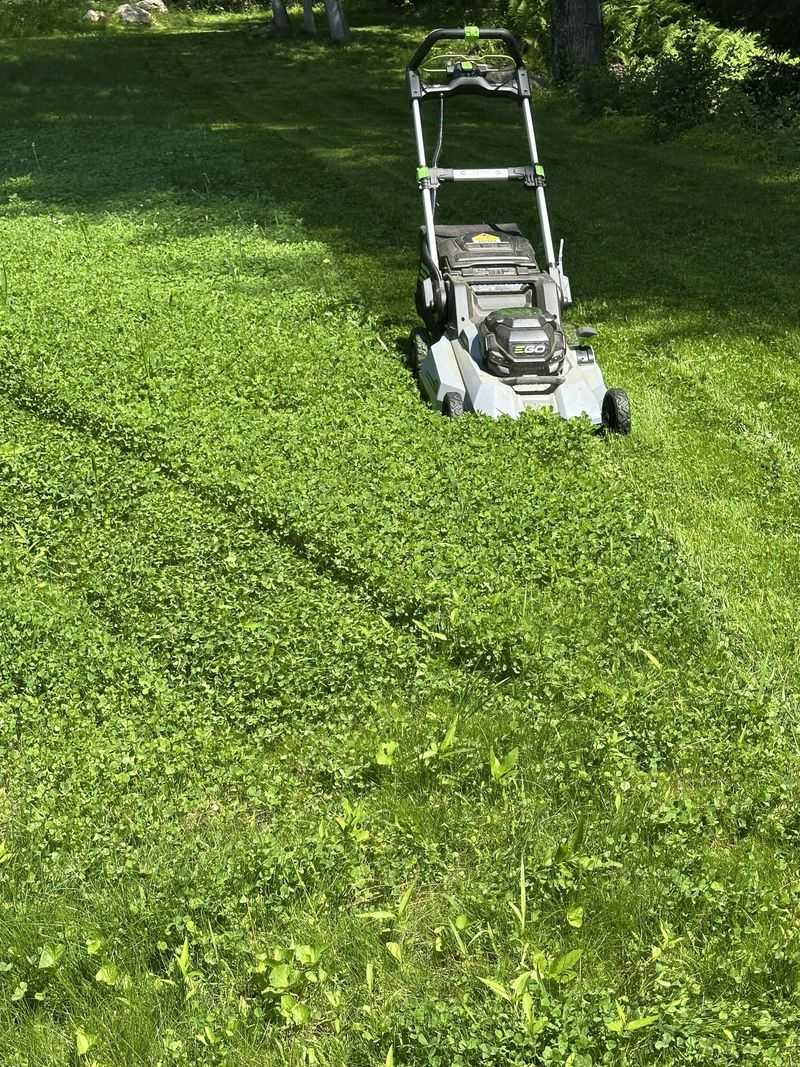
Saturday morning arrives, and the neighbor fires up the mower again. Next door, a sedge lawn sits there looking relaxed.
One of meadow sedge’s biggest perks is how rarely it needs mowing compared with regular turf. Left alone, it grows into a loose, flowing look, often around six inches tall.
Some people love that soft meadow style. Others prefer a tidier appearance and mow a few times a year on a high blade setting.
Either way, the weekly routine disappears. Less mowing means less noise, less gas or battery use, and more free weekends.
Grass clippings shrink dramatically, too. Over a long California growing season, which can stretch most of the year, those savings add up.
Mow-optional doesn’t mean care-free, though. Weeds love to sneak into gaps, especially while plugs are filling in.
Pulling them early keeps the sedge winning the turf war. Regular hand weeding during the first year or two makes a real difference.
Foot traffic presents another limit. Sedge handles light walking, though it isn’t built for soccer games or daily dog races, and heavy use can wear thin paths.
Stepping stones work well where people walk most. HOA height rules deserve a check, too, since some communities expect lawns kept short.
An occasional high mow can keep things neat. Mentioning the mowing plan in an approval application helps the board picture a tidy future for the yard.