Why California Gardeners Should Prepare For A Leaf Avalanche Before The Next Windstorm
Autumn often saves its biggest garden chore for a single blustery night. Trees that held their color for weeks can let go almost all at once.
By morning, lawns, paths, gutters, and curbs may all disappear beneath a thick layer of brown and gold.
In California, that sudden pile brings more than a long afternoon of raking.
Fire season often lingers into fall, the first storms follow close behind, and neighborhood drains feel the effects of every yard on the block.
The good news is that a little preparation turns a hazard into something genuinely useful, both for the garden and for the household.
The time to get ready arrives before the gusts, not after them.
1. Wind Strips Trees In A Single Day
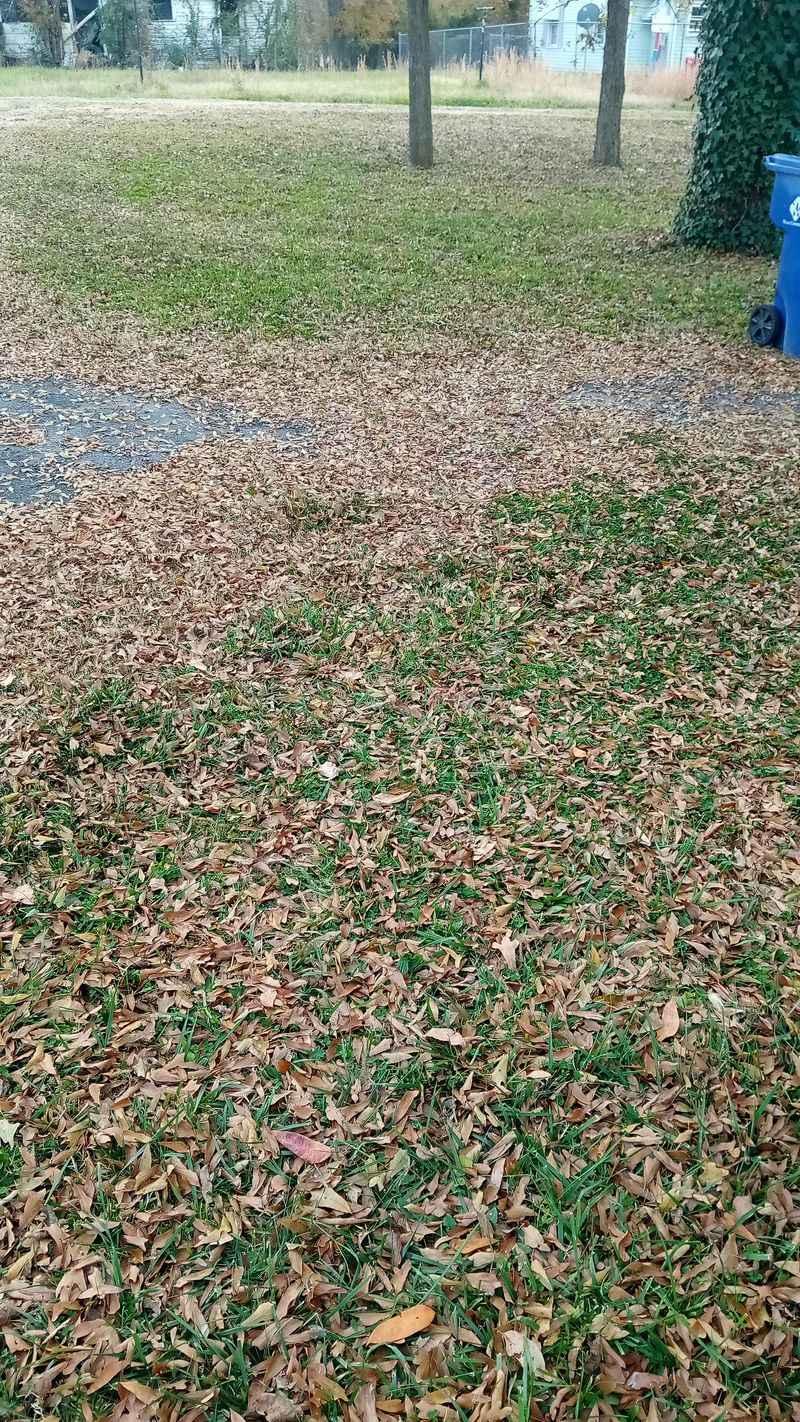
A sycamore that looked full and leafy one week can stand bare after a single gusty night, with the yard buried beneath it. Fall winds can pull down weeks of leaf drop within hours.
Deciduous trees prepare to shed in autumn by forming a weak layer of cells where each leaf stem meets the twig. Once that layer forms, leaves hang on by a thread, and a strong gust snaps them loose.
In California, dry offshore winds such as the Santa Anas often arrive in fall, right when trees are most ready to let go.
Sycamores, ashes, liquidambars, Chinese pistache, fruit trees, and deciduous oaks can all drop huge loads at once. A large tree can shed many thousands of leaves, so a little raking each weekend can suddenly become the whole season in one morning.
Knowing the yard’s trees ahead of time helps. A walk around the property noting which trees drop leaves, and where they tend to pile up, reveals the problem spots, since corners, fences, and areas beside the house often collect the most.
Gathering gear early pays off too. A sturdy rake, a leaf blower or sweeper, a tarp for hauling, and room in the green waste bin all help.
Some cities restrict gas leaf blowers, and California’s ban on sales of new small gas engines means electric models are increasingly common.
Wind advisories in the local forecast offer advance notice, so a quick sweep can be planned for the following day rather than discovered as a surprise.
2. Dry Leaves Are Fuel Near The House
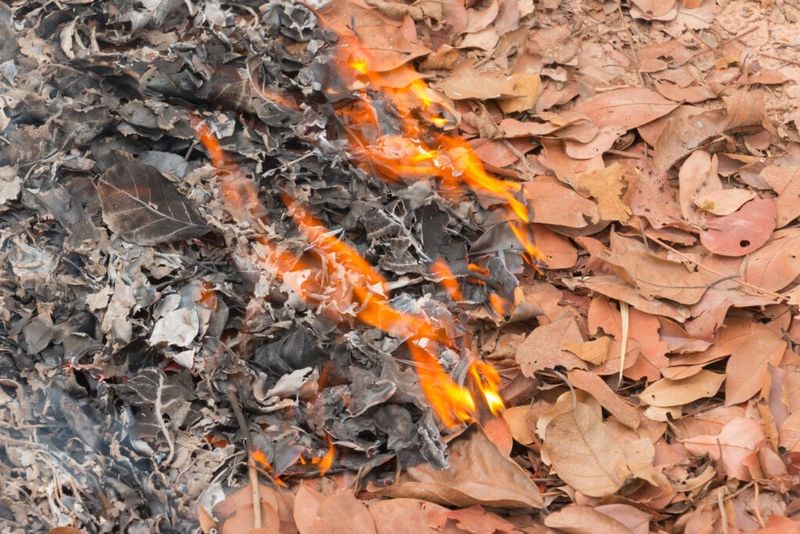
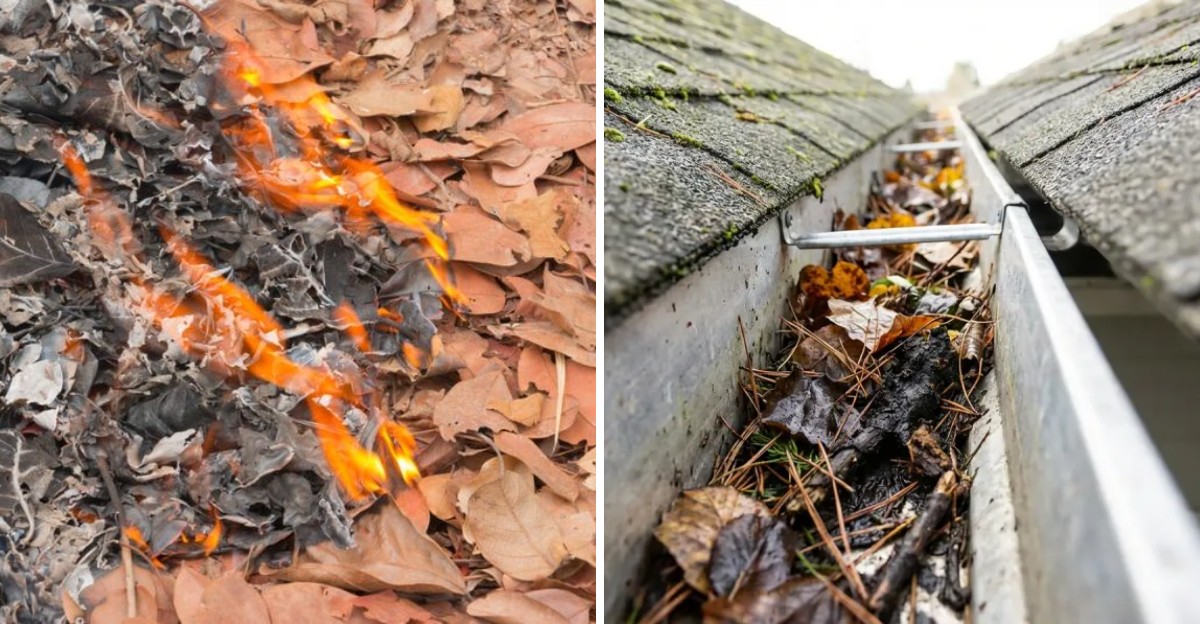
A single ember floating over the fence on a hot, windy day can land in a crunchy drift of leaves tucked against the porch. Within seconds, that pile can catch, placing flames right beside the siding.
Embers cause many home losses during California wildfires, often traveling long distances ahead of the main fire. Dry leaves and needles make easy targets because they ignite quickly and burn hot.
A pile against a wall, under a deck, or in a gutter works like kindling placed exactly where it does the most harm.
CAL FIRE defensible space guidance calls for removing dry plants, leaves, and pine needles from yards, roofs, and rain gutters. The first five feet around the home, known as Zone 0 or the ember-resistant zone, receive the strictest attention.
Your California Garden Changes Every Week. Your Plan Should Too.
Gardening in California changes quickly throughout the season. Every Friday you’ll receive a simple weekly plan showing exactly what to plant, prune, fertilize, harvest, and protect so you never miss the right timing.
Zone 0 rules approved this year by the Board of Forestry will apply in designated fire hazard areas once they take effect, while Zone 1, stretching out to 30 feet, also calls for clearing dry leaves and needles.
After each windstorm, clearing leaves away from walls, decks, fences attached to the house, and outdoor furniture makes a big difference. Spaces under stairs and decks deserve a close look, since leaves love to hide there.
Firewood, leaf piles, and bins belong well away from the home as well. A quick check after every gusty day keeps the house from sitting beside a ready supply of fuel.
3. Clogged Gutters Cause Rain Damage Later
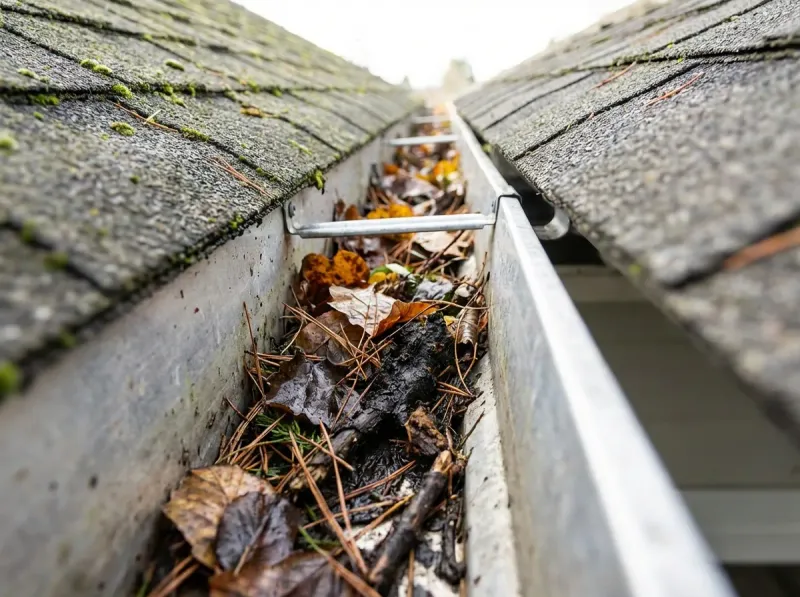
Leaves sitting in a gutter seem harmless in October. Then the first winter storm rolls in, water hits a packed gutter with nowhere to go, and it pours over the edge like a small waterfall.
Gutters and downspouts carry rain off the roof and away from the house, and leaves block that path quickly. A wad of soggy leaves in a downspout can stop the whole system.
Overflow then splashes down walls, soaks soil beside the foundation, and can seep into crawl spaces or basements.
Problems can creep higher too. Water backed up in a clogged gutter can wick under roof edges and decay the fascia boards behind it, while wet, heavy gutters can sag or pull loose.
Damp leaf sludge also gives mosquitoes and mildew a comfortable home. Downspouts that empty right at the foundation benefit from extensions that carry water a few feet away.
Cleaning gutters after the big leaf drop and before the rainy season settles in makes the most sense. Leaves come out by hand or with a gutter scoop, and a hose flush afterward confirms water flows freely from each downspout.
Safety deserves priority. A stable ladder on firm ground, with a helper holding it, reduces risk, while steep or high roofs belong with a professional.
Gutter guards can reduce future clogs, though they still need checking. In fire country, metal guards make a better choice than plastic ones, since CAL FIRE guidance favors noncombustible materials near the roof.
4. Storm Drains Fill With Leaf Mats
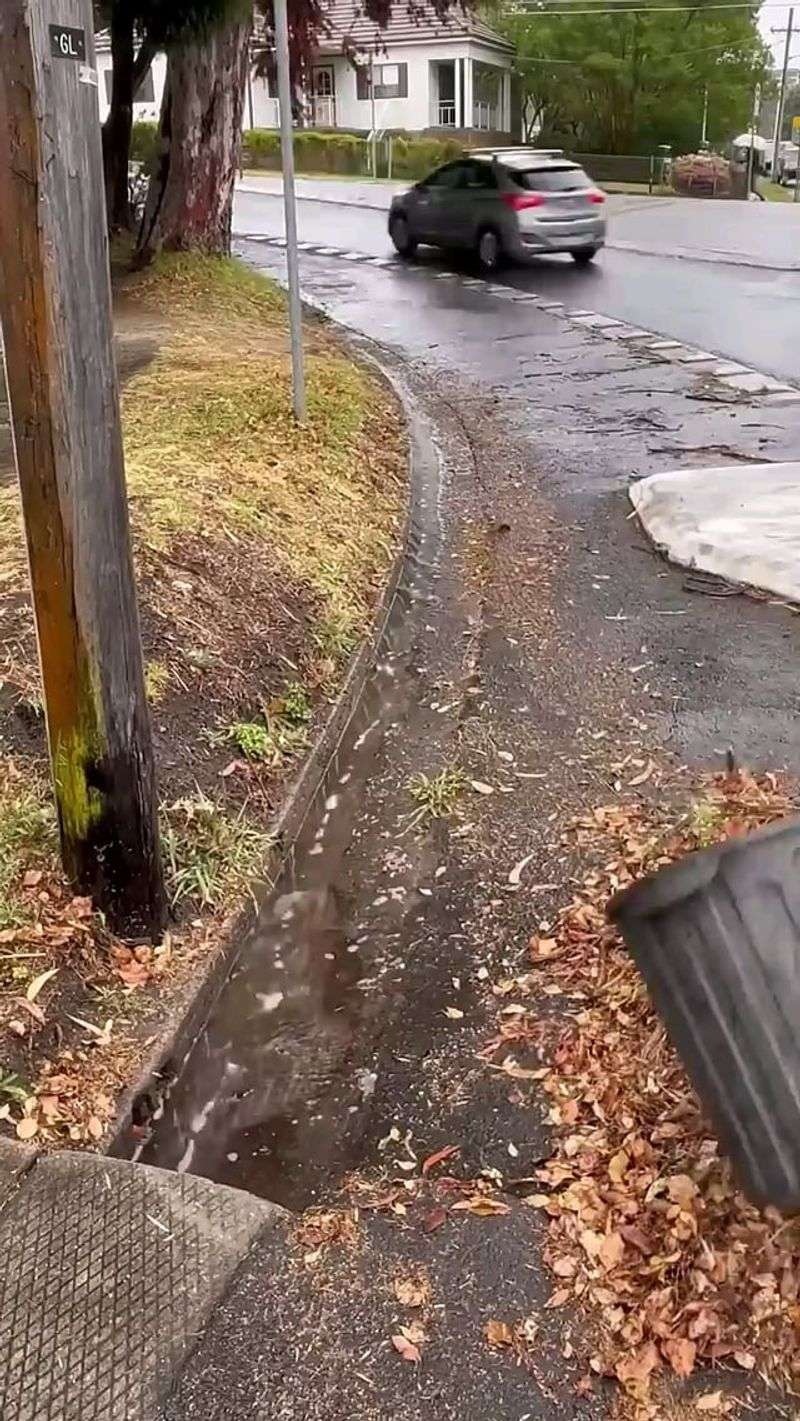
A street that turns into a shallow lake after one rainy afternoon often has a simple culprit: a flat, soggy blanket of leaves sitting right over the storm drain. Water backs up, spreads across the road, and creeps toward driveways.
Leaves swept or blown into the street collect along the curb. When rain arrives, they wash toward the nearest drain and lock together into a thick mat that seals the grate like a lid.
Even a light storm can then flood intersections and sidewalks.
A second problem hides beneath that mess. In most California cities, storm drains bypass treatment plants and carry water straight to creeks, rivers, and the ocean.
Decaying leaves add extra nutrients to those waters, which can feed algae and harm fish and other wildlife.
Many local stormwater programs ask residents to keep leaves and yard waste out of the street and gutter, and some cities fine people for blowing debris into the road. Rules vary by town, so a check with city or county public works offers clarity.
Leaves raked or blown back onto the property, rather than into the street, can be bagged, composted, or placed in the green waste cart.
Before a forecast storm, a quick look at the drain near the home helps. When conditions are safe and leaves sit on top, raking them off can spare an entire block from flooding.
Standing in the street to clear a drain during heavy rain or traffic is best avoided.
5. Leaf Piles Smother Lawns And Seedlings
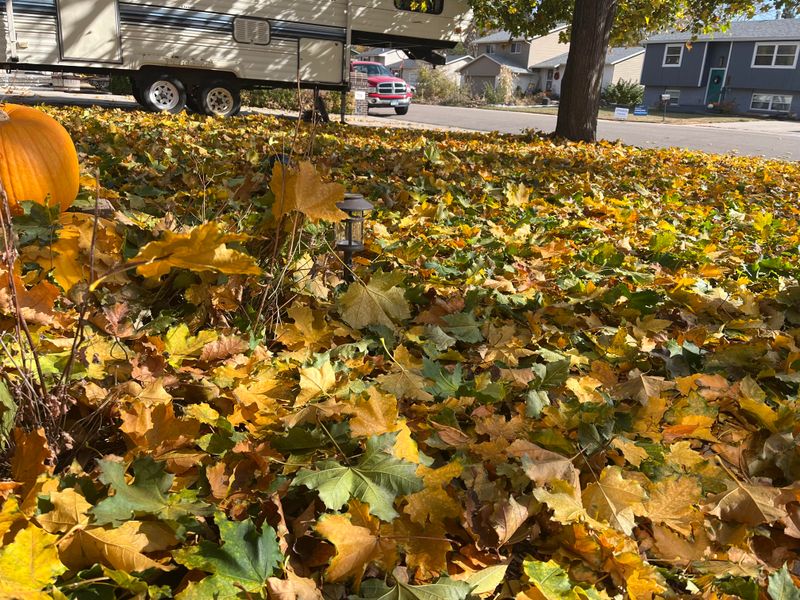
A thick, wet layer of leaves lifted off a lawn after a few weeks often reveals an unpleasant surprise. The grass beneath looks pale, yellow, and flattened from its time in the dark.
Grass needs sunlight and air to stay healthy. A heavy leaf layer blocks light and traps moisture, and wet leaves pack into a tight sheet that holds water against the blades, inviting fungal disease and mold.
Young plants fare even worse. Fall marks planting season across much of California, when gardeners sow wildflowers, cool-season vegetables, and new perennials.
Tiny seedlings can vanish under a sudden leaf dump, stretching weakly or failing to grow without light. Snails and slugs also love hiding in damp leaf piles right beside tender new sprouts.
Ground-hugging succulents and low perennials can also struggle under heavy, wet cover.
Not every leaf needs removal. A thin, scattered layer on a lawn can break down and feed the soil, with trouble starting only when the grass disappears from view.
Clearing lawns and planting beds within a few days of a windstorm prevents most damage. A mulching mower can chop light coverage right into the grass, while heavy layers come up with a rake for use elsewhere.
Seedling rows benefit from a gentle brush by hand. A light floating row cover over new plantings can catch falling leaves before they bury fresh growth, and it doubles as protection from birds pecking at sprouts.
6. Wet Leaves Make Walks Slippery
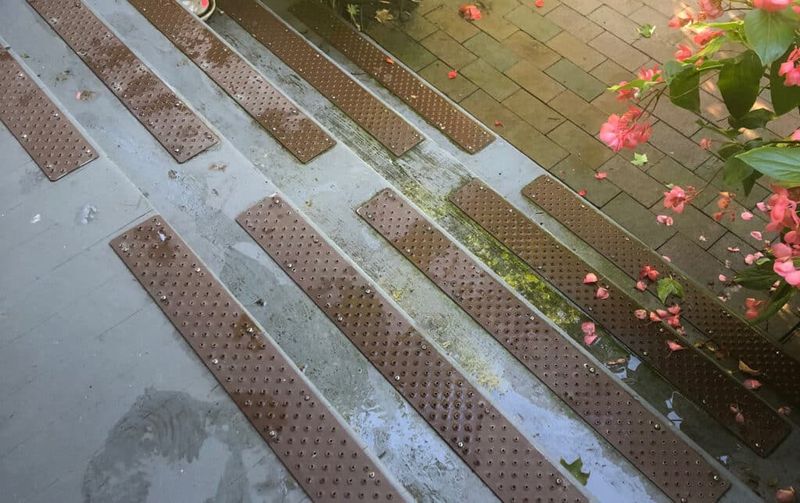
A sunny path dusted with leaves looks cheerful. After one rainy night, though, that same path can feel like a banana peel stretched across the sidewalk.
Wet leaves turn slick because they hold a thin film of water and break down into a slimy layer. Shoes lose grip on that surface, especially on smooth concrete, tile, painted steps, and wooden decks.
Sloped driveways prove extra tricky, since feet slide downhill with nowhere to stop.
Falls pose a serious risk, particularly for older adults and children. Mail carriers, delivery drivers, and guests also cross walkways without knowing what lies ahead, and a fall on steps can mean a twisted ankle or worse.
Even cars and bikes can skid on a leaf-covered driveway.
Sweeping or blowing leaves off paths, steps, and the driveway soon after a windstorm keeps them safer. Clearing before rain arrives works best, since dry leaves move far more easily than soggy ones.
Stairs, ramps, and spots beneath trees that drop leaves daily deserve close attention. A quick morning sweep during peak season takes only a few minutes.
Extra grip helps where needed. Sturdy handrails and textured mats at entries make a real difference, and a stiff push broom kept by the door makes cleanup easy. Outdoor lighting also helps visitors spot slick patches after dark.
Leaves raked from walkways can go straight to the compost pile or mulch beds, turning a hazard into garden food.
7. Shred Leaves For Mulch Instead Of Bagging Them
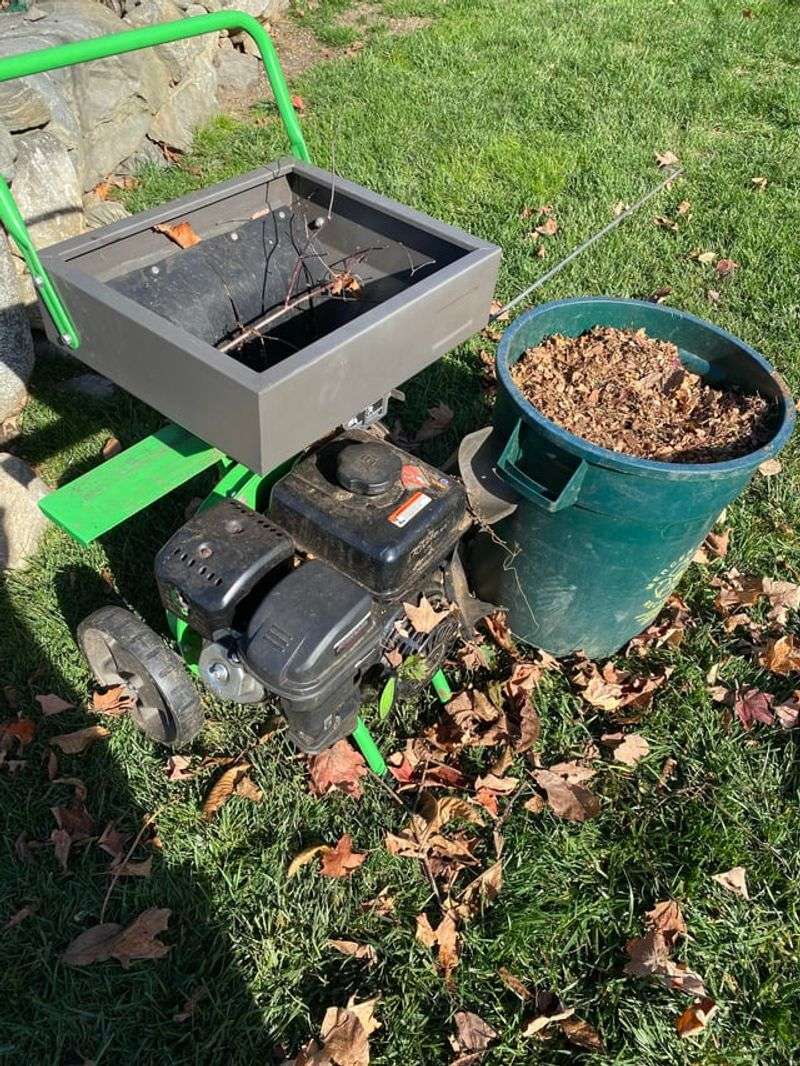
Bag after bag of leaves rolling to the curb sends plenty of free garden food away from the yard. A little shredding turns that mountain into rich mulch that stays at home.
Whole leaves tend to mat down and shed water, while shredded leaves stay loose, let air and rain through, and break down much faster. UC ANR recommends using leaves as mulch and compost to protect soil, hold moisture, and feed helpful soil life.
Shredding takes little effort. A mower with a bagger run over a leaf pile works well, as does a leaf shredder or a vacuum with a shredding blade, ideally producing pieces about the size of a coin.
A layer roughly 2 to 4 inches deep suits beds, shrubs, and areas beneath trees, kept a few inches from trunks and stems so bark stays dry.
In fire country, leaf mulch belongs outside the zone right next to the house. CAL FIRE guidance favors rock, gravel, or bare soil within five feet of the home, consistent with the Zone 0 rules approved this year.
Extra leaves make excellent compost. Healthy brown leaves mixed with green kitchen scraps or grass clippings, kept moist like a wrung-out sponge and turned now and then, break down steadily.
Stored bags of dry leaves offer a handy brown supply for compost all year, kept well away from the house.
Leaves from diseased plants are best kept out of the pile, along with poison oak, which belongs in the trash or green waste cart according to local rules and away from any burning.