Why California Rosemary Turns Brown In July And Is It Possible To Bring It Back
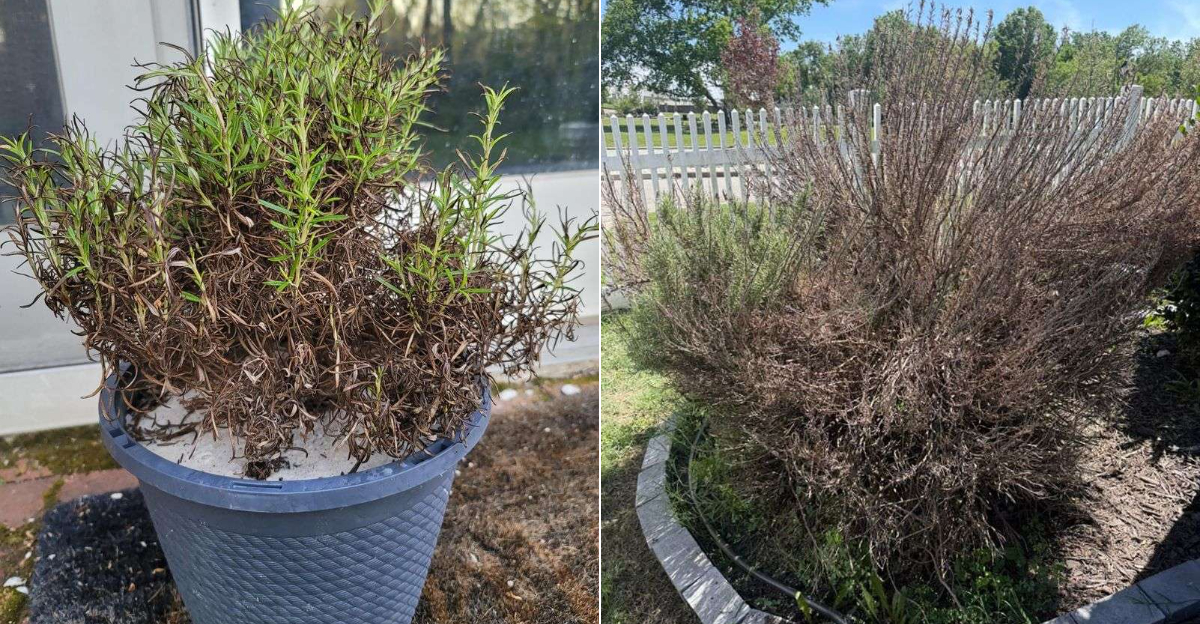
California rosemary does not usually ask for much, which makes it extra insulting when it turns brown in July like it is quitting the garden without notice.
One week it is fragrant, tough, and very Mediterranean-chic, and the next it looks crispy enough to season a roast by itself.
July heat can push rosemary over the edge, especially when blazing sun, poor drainage, compacted soil, overwatering, underwatering, or a sneaky fungal problem gets involved.
The tricky part is that brown rosemary is not always a gone rosemary. Sometimes it is stressed and sulking. Other times, those dry branches are officially done.
Before you yank it out and start shopping for a replacement, it is worth checking the stems, roots, and soil to see what is really going on.
With the right fix, your rosemary may bounce back, or at least teach you exactly what not to do next summer.
1. July Browning Usually Starts At The Roots
Most people look at the leaves when rosemary starts turning brown, but the real story is happening underground.
Roots are the first part of the plant to react when something goes wrong, and by July, they have usually been dealing with stress for weeks.
The problem just becomes visible above ground when it is already fairly advanced.
In California, summer soil can swing between bone dry and waterlogged depending on how often you water. Roots that sit in inconsistent moisture start to break down.
Once the roots stop working properly, the plant cannot pull water up to its stems and leaves, which causes that familiar brown color to spread from the inside out.
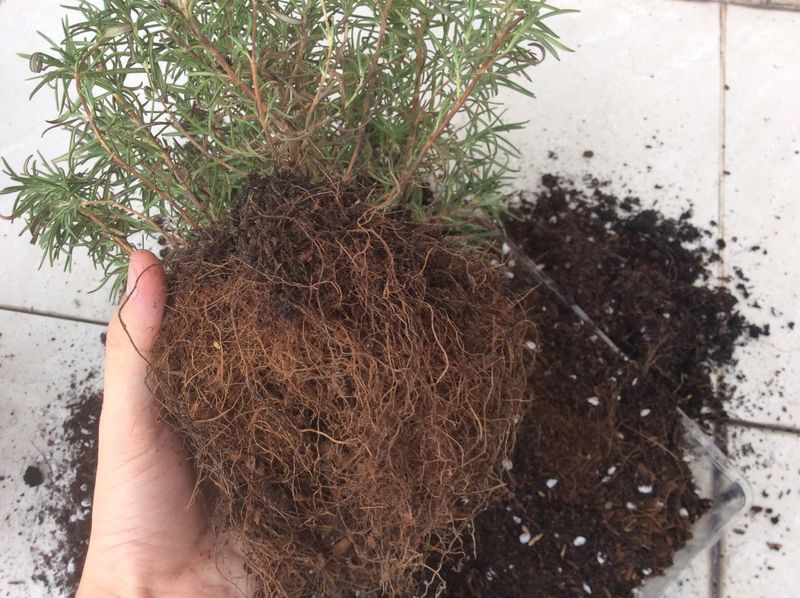
Checking the roots is easier than most people think. Gently loosen the soil around the base of the plant and look at the root tips.
Healthy roots are white or light tan and feel firm. Roots that are soft, dark brown, or smell musty are struggling.
You do not need to dig the whole plant up to check.
If you catch root stress early, you can often fix it by improving drainage and adjusting your watering schedule. Add some coarse sand or perlite to the surrounding soil to help it drain faster.
Pulling back on watering frequency during July, even when it feels counterintuitive, often gives damaged roots a chance to recover and regrow.
2. Overwatering Can Look Like Drought Stress
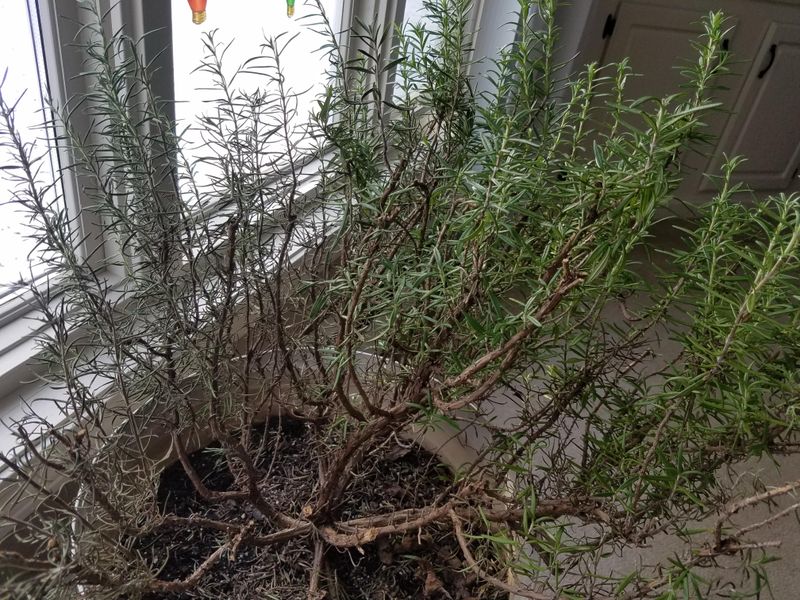
Here is something that surprises a lot of gardeners: a plant drowning in too much water looks almost exactly like a plant that is not getting enough.
Both show wilting, browning, and drooping stems. The difference is in the soil, not the leaves.
Rosemary comes from the dry, rocky coasts of the Mediterranean. Its roots are built for fast-draining soil with low moisture.
When we water it like a tomato plant in July, we are essentially flooding a plant that prefers near-drought conditions. The roots suffocate and stop delivering water to the rest of the plant.
Before you water again, push your finger two inches into the soil near the base of the plant. If the soil feels damp or cool, the plant does not need water yet.
Your California Garden Changes Every Week. Your Plan Should Too.
Gardening in California changes quickly throughout the season. Every Friday you’ll receive a simple weekly plan showing exactly what to plant, prune, fertilize, harvest, and protect so you never miss the right timing.
Rosemary should only be watered when the top two inches of soil are completely dry. In July, that might mean watering every ten to fourteen days for in-ground plants.
Cutting back your watering schedule is often the single most effective fix for browning rosemary in summer.
Many gardeners see new green growth appear within two to three weeks of simply watering less.
It feels wrong to water less during a heatwave, but rosemary actually prefers the stress of dry soil over the stress of wet soil. Trust the plant on this one.
3. Poor Drainage Suffocates Rosemary Fast
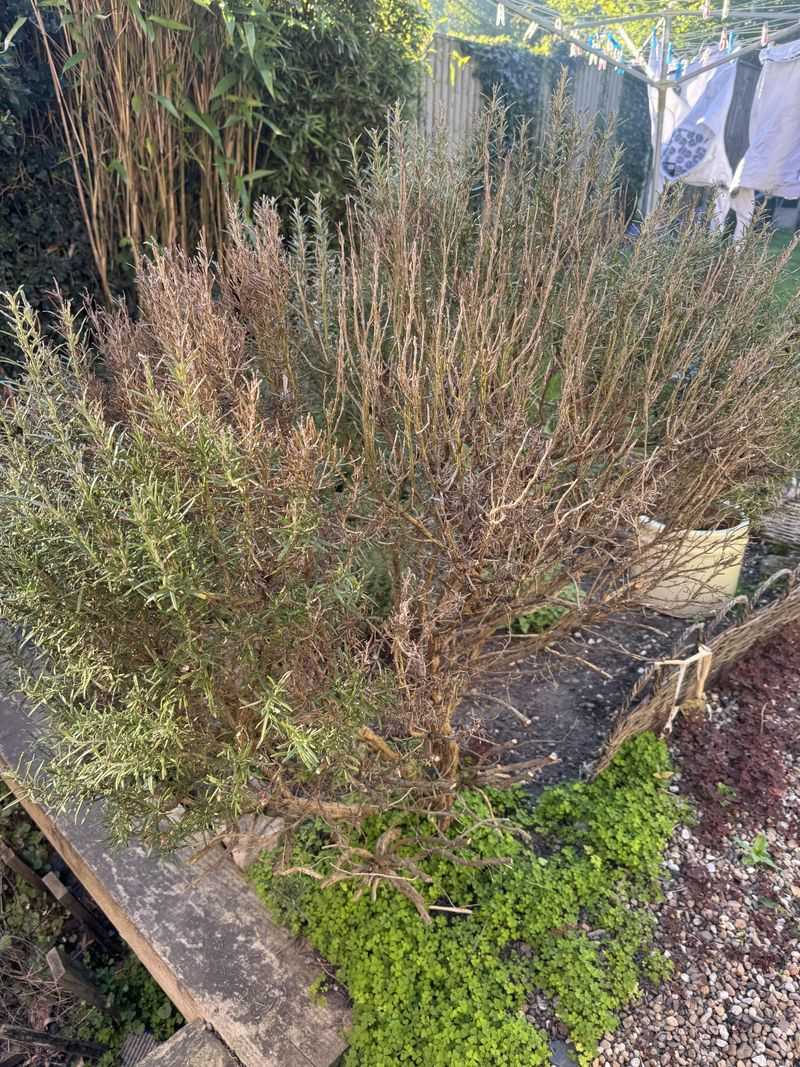
Drainage might be the single most overlooked factor in rosemary care, especially in California where many yards have dense clay soil.
Clay holds moisture for a long time, which sounds helpful, but it is actually harmful to a plant that evolved in sandy, fast-draining ground.
When water pools around rosemary roots for more than a day, the oxygen supply to the root zone gets cut off. Roots need air just as much as they need water.
Without oxygen, beneficial root function slows down and harmful bacteria start to take over. Brown stems and a musty smell near the base of the plant are common signs of this problem.
Fixing drainage does not always require replanting. You can improve the soil around an existing plant by working coarse sand, perlite, or fine gravel into the top six inches of soil.
Creating a slight mound or raised bed around the plant also helps water run away from the root zone instead of collecting there.
For new plantings, mix one part coarse sand with two parts native soil before planting. In Northern regions of California where winter rains are heavy, raised beds are almost always a better choice than flat ground planting.
Good drainage is not optional for rosemary. It is the foundation of a healthy plant, especially when July temperatures push the soil to its limits.
4. Pots Heat Up And Dry Out Quickly
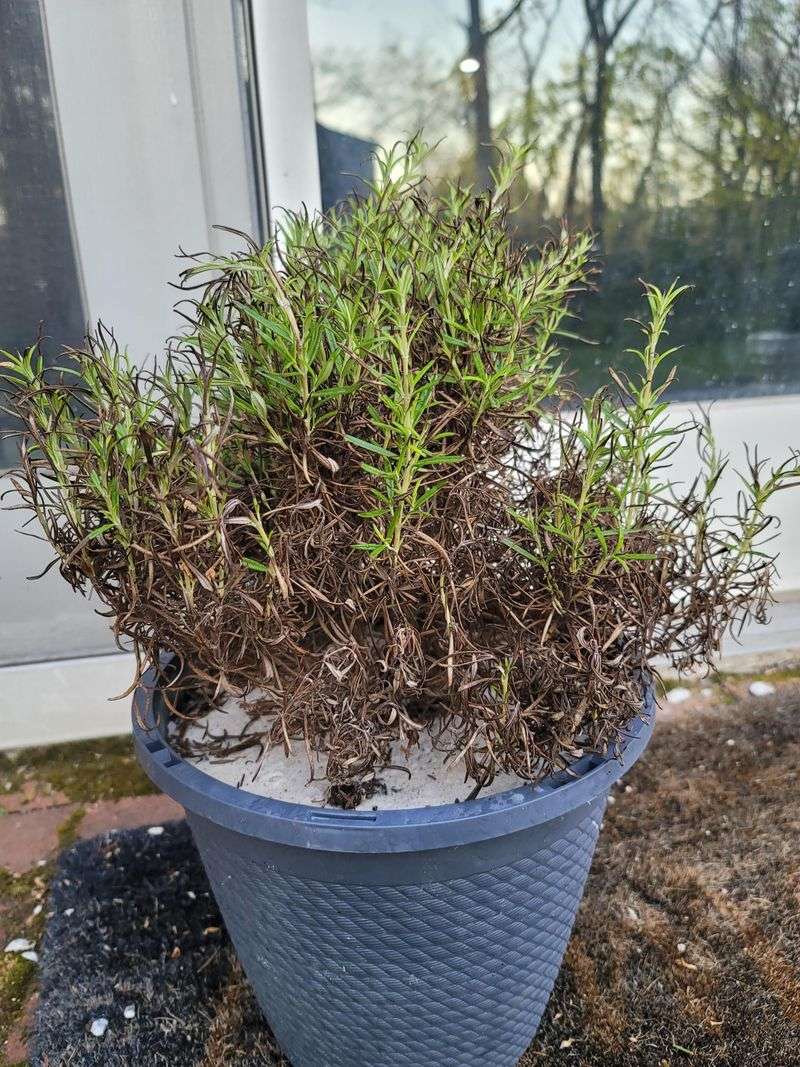
Growing rosemary in a container seems like a smart, flexible choice until July arrives and the pot turns into an oven. Terracotta and dark-colored pots absorb sunlight and radiate heat directly into the root zone.
Soil temperatures inside a pot sitting on concrete or pavers can reach levels that damage roots even when the air temperature seems manageable.
Container rosemary also dries out much faster than in-ground plants. A pot sitting in full July sun might need water every two to three days, while the same plant in the ground might go two weeks between waterings.
The challenge is that by the time the top of the soil looks dry, the roots may have already been stressed for hours.
Moving pots to a spot that gets morning sun and afternoon shade can make a dramatic difference during the hottest weeks.
East-facing walls are ideal in California because they offer bright early light without the brutal afternoon heat.
You can also place the pot inside a larger pot to add an insulating air gap around the sides.
Light-colored pots made from glazed ceramic or thick plastic reflect more heat than terracotta.
If repotting is not practical, wrapping the outside of the pot with burlap or a light cloth can reduce heat absorption significantly.
Small changes in pot placement and material can mean the difference between a thriving plant and a crispy one by mid-July.
5. Brown Tips Can Mean Salt Buildup
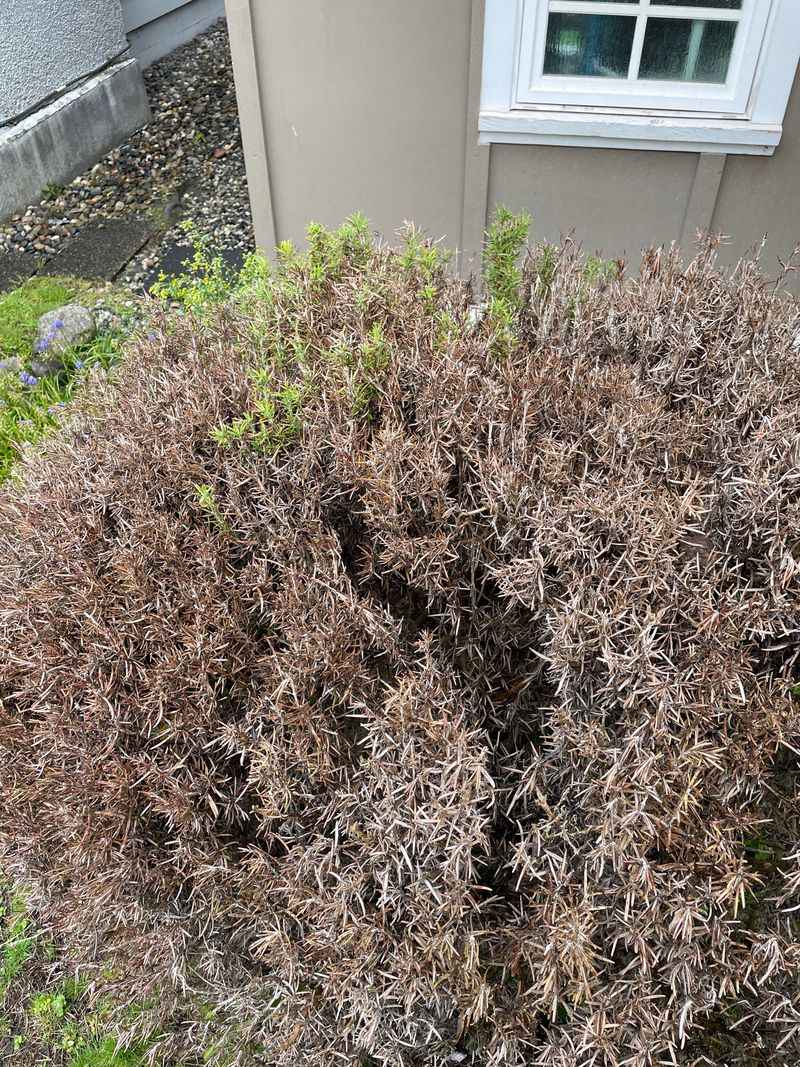
Salt buildup is a sneaky problem that often gets blamed on heat or drought. When you fertilize regularly or use tap water with high mineral content, salts accumulate in the soil over time.
By July, after months of buildup, those salts start to pull moisture away from plant roots in a process called osmotic stress.
The tips of the leaves turn brown first, usually with a crispy texture that feels dry even when the soil is moist.
The browning tends to start at the outermost tips and work inward, which is a helpful clue that separates salt damage from other causes.
You might also notice a white or grayish crust forming on the surface of the soil or around the rim of a container.
Flushing the soil with clean water is the most direct fix. For container plants, water thoroughly until water runs freely from the drainage holes, then repeat two more times over the course of an hour.
This pushes accumulated salts down and out of the root zone. For in-ground plants, a deep, slow watering with a drip system works well.
Cutting back on fertilizer during summer also helps. Rosemary does not need heavy feeding, especially in California where the growing season is long.
A light application of balanced fertilizer in early spring is usually enough for the whole year. Less is genuinely more when it comes to feeding this plant.
6. Spider Mites Love Hot, Dusty Plants
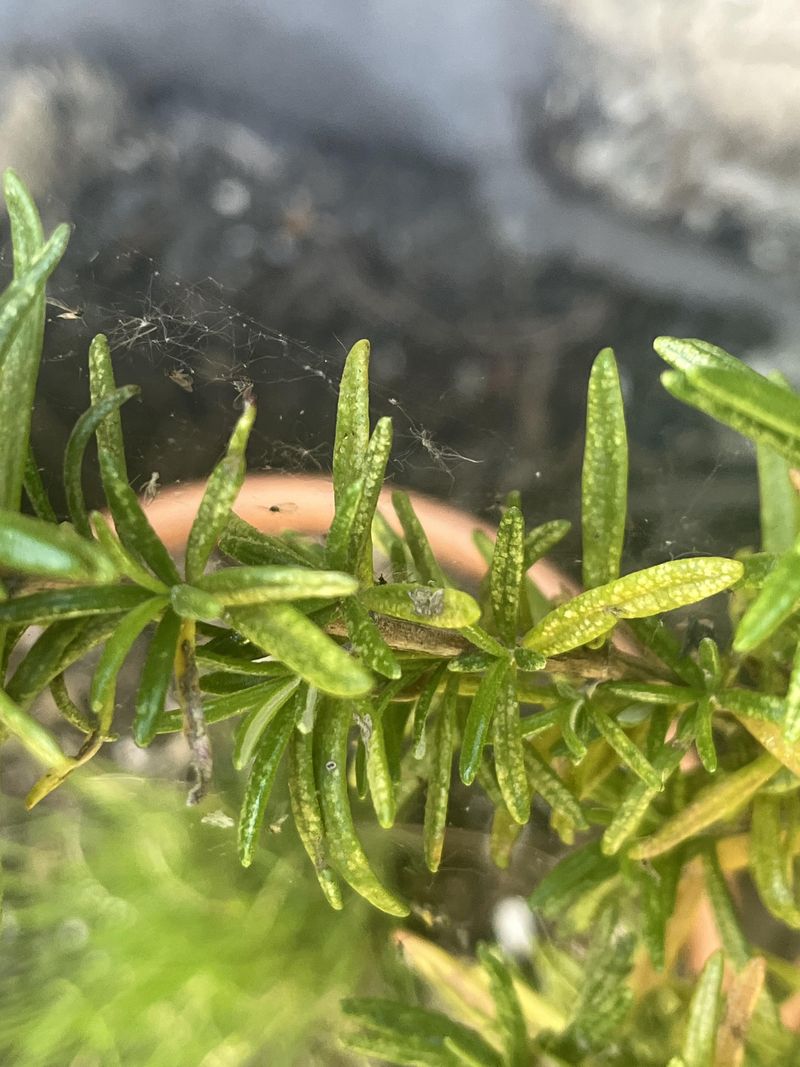
Spider mites are almost invisible to the naked eye, but the damage they leave behind is very easy to spot.
These tiny pests thrive in hot, dry, dusty conditions, which makes July in California practically perfect for them.
They feed by piercing plant cells and sucking out the contents, leaving behind a stippled, bronze, or brown discoloration that spreads across the plant quickly.
Look for fine, silky webbing between stems and on the undersides of leaves. The webbing looks almost like a thin layer of dust, so it is easy to miss during a quick glance.
Hold a white piece of paper under a branch and tap it gently. If tiny moving specks fall onto the paper, you have spider mites.
Water is your first line of defense. Spider mites hate moisture and struggle to reproduce in humid conditions.
Spraying the plant with a strong stream of water every two to three days disrupts their colonies effectively. Focus on the undersides of leaves where they cluster most densely.
For heavier infestations, neem oil mixed with water and a small amount of dish soap works well as a spray. Apply it in the early morning or evening to avoid leaf scorch.
Repeat every five to seven days for three weeks to break the mite life cycle. Keeping the area around your rosemary clear of dust and dry debris also reduces the chances of a reinfestation later in the season.
7. Withered Wood Won’t Leaf Out Again
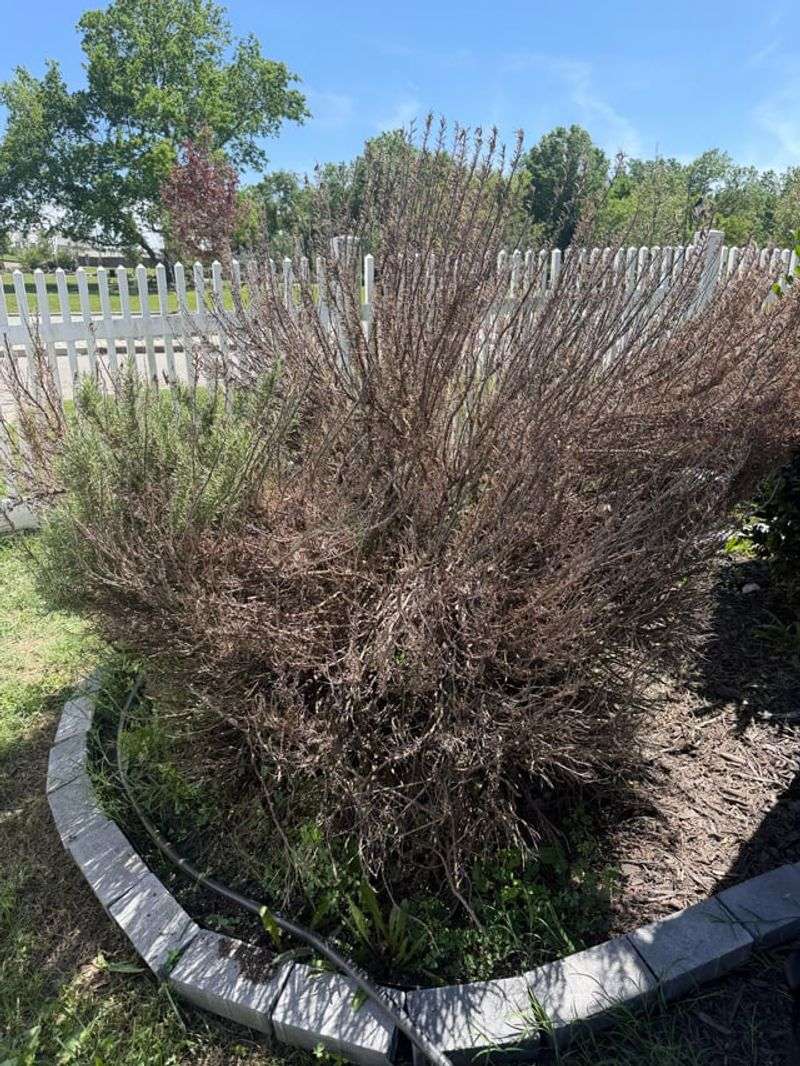
Rosemary has a very specific rule about old wood that every gardener needs to understand before reaching for the pruning shears.
Once a stem becomes fully woody and gray with no green bark remaining, it almost never produces new growth.
Cutting into that damaged zone expecting a comeback is a frustrating and usually unsuccessful strategy.
The woody base of rosemary is a natural part of how the plant ages, but when stress accelerates that woody transition, it can take over the plant faster than expected.
Hot summers, especially in the inland valleys and southern parts of California, can push a plant to go woody in sections where it was green just a season before.
Before you give up on a stem, bend it gently between your fingers. Woody stems that are truly beyond recovery will snap cleanly with a dry, brittle sound.
Stems that still have some life in them will bend slightly before breaking and may show a faint green tinge just under the surface bark.
If most of the plant is woody, recovery is very difficult. But if only some branches are affected, removing the damaged wood entirely can redirect the plant’s energy into its remaining green growth.
Cut just above the last point where you see green leaves or green bark. Clean cuts with sharp, sanitized shears help the plant recover without introducing additional stress from ragged wounds.
8. Scratch The Stem Before You Give Up
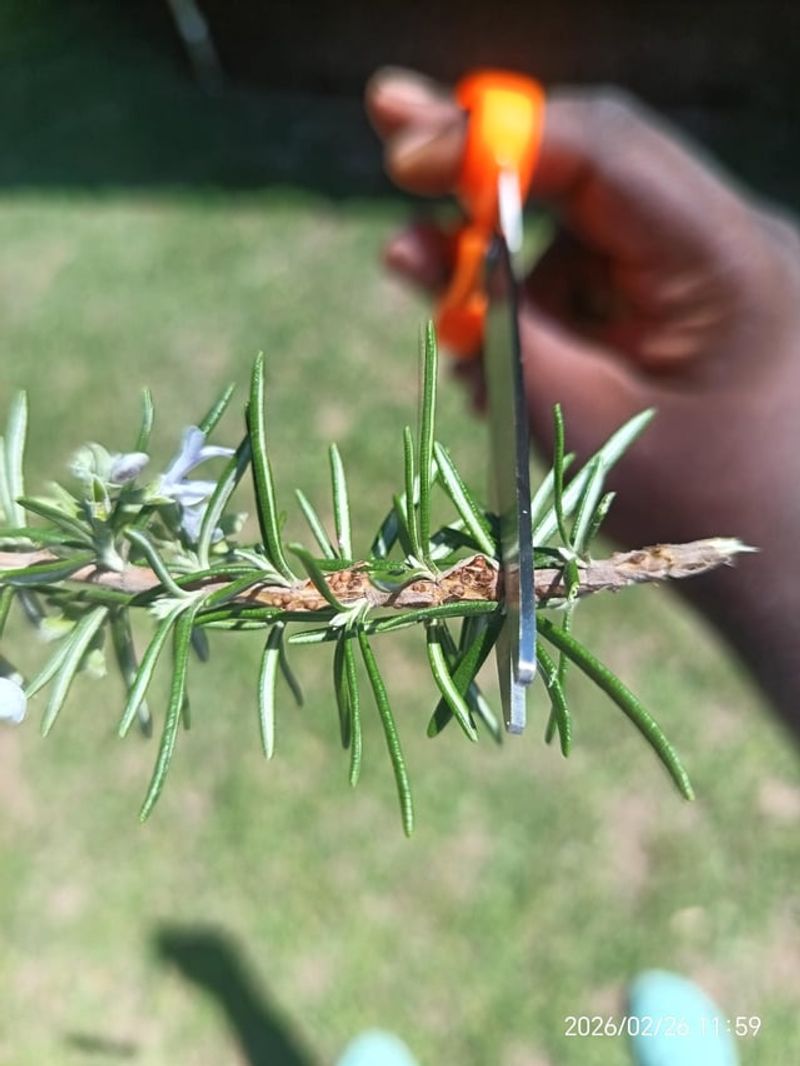
Before pulling out a browning rosemary plant, do a quick scratch test. This simple technique takes about ten seconds and can save you from giving up on a plant that still has life in it.
Use your fingernail or a small knife to gently scratch the surface of a stem that looks brown or withered from the outside.
If the tissue just under the bark is green or white and moist, the stem is still alive. That green layer is called the cambium, and it is where new growth originates.
A living cambium means the plant can still recover with the right care adjustments. A brown, dry, or hollow interior means that particular stem is gone.
Work your way from the tips of the plant toward the base, scratching as you go. You might find that only the outer tips are truly gone while the inner framework of the plant is still healthy.
That is actually a very hopeful sign. Rosemary can regrow from its living core even after losing most of its visible green foliage.
This test is especially useful after a July heatwave when the whole plant looks uniformly brown and discouraging.
Many California gardeners have saved plants that looked completely lost simply by doing this check before giving up.
Knowledge is the most powerful gardening tool you have, and this one small test gives you real information instead of guesswork.
9. Trim Lightly, Not Into Bare Wood
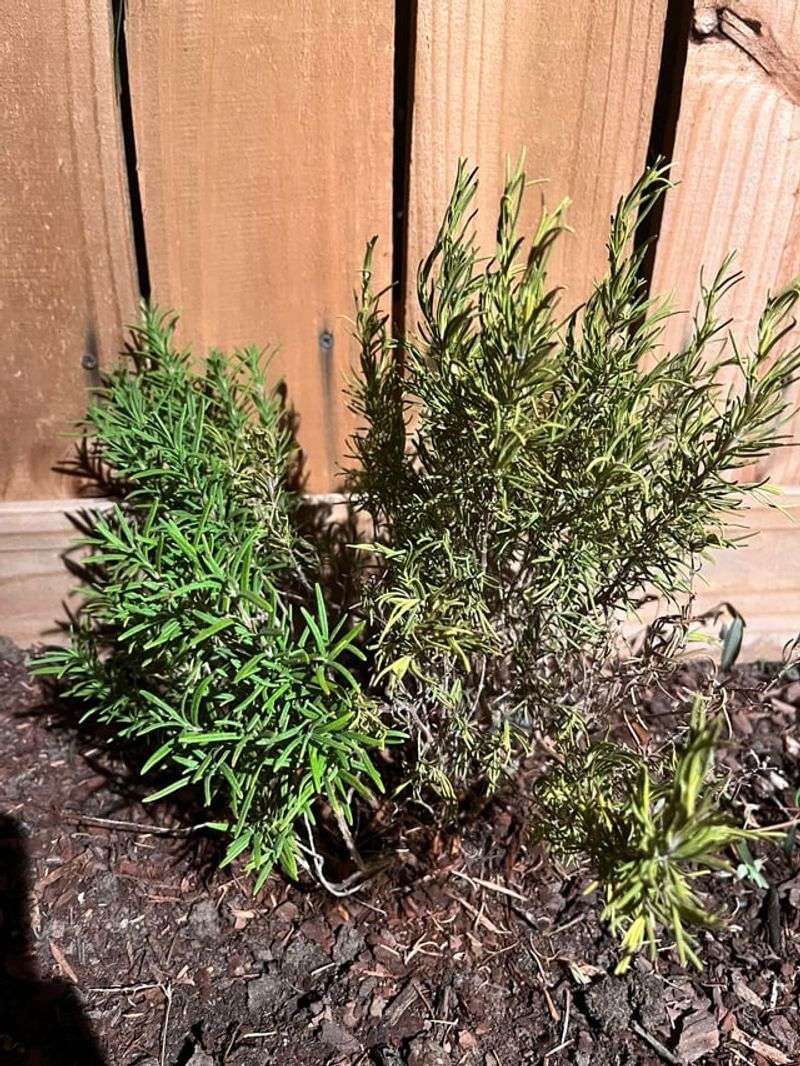
Pruning browning rosemary in July feels like a logical fix, but cutting too aggressively can do more harm than good.
The biggest mistake gardeners make is cutting all the way back into the bare, woody sections of the plant hoping to force fresh growth.
Rosemary does not regenerate from bare wood the way some other shrubs do.
A light trim, removing only the brown and damaged tips while leaving green growth intact, is the right approach during summer.
Cut about one-third of the brown growth at most, and always make your cut just above a node where you can see green leaves or buds.
Sharp, clean shears reduce the stress on the plant and prevent ragged cuts that invite pests.
Timing matters too. Early morning is the best time to prune in summer because the plant is cooler and less stressed than it would be during peak afternoon heat.
Pruning during the hottest part of the day can cause additional moisture loss from the fresh cut ends, which is the last thing a stressed plant needs in July.
After trimming, give the plant a light watering at the base and keep it out of direct afternoon sun for a few days if possible. New growth should appear within three to four weeks if the underlying plant is healthy.
In the cooler coastal zones of California, recovery tends to happen faster than in the hot inland valleys. Be patient and resist the urge to over-prune.