Why Common Nighthawks Are Suddenly Easier To Spot Over Georgia
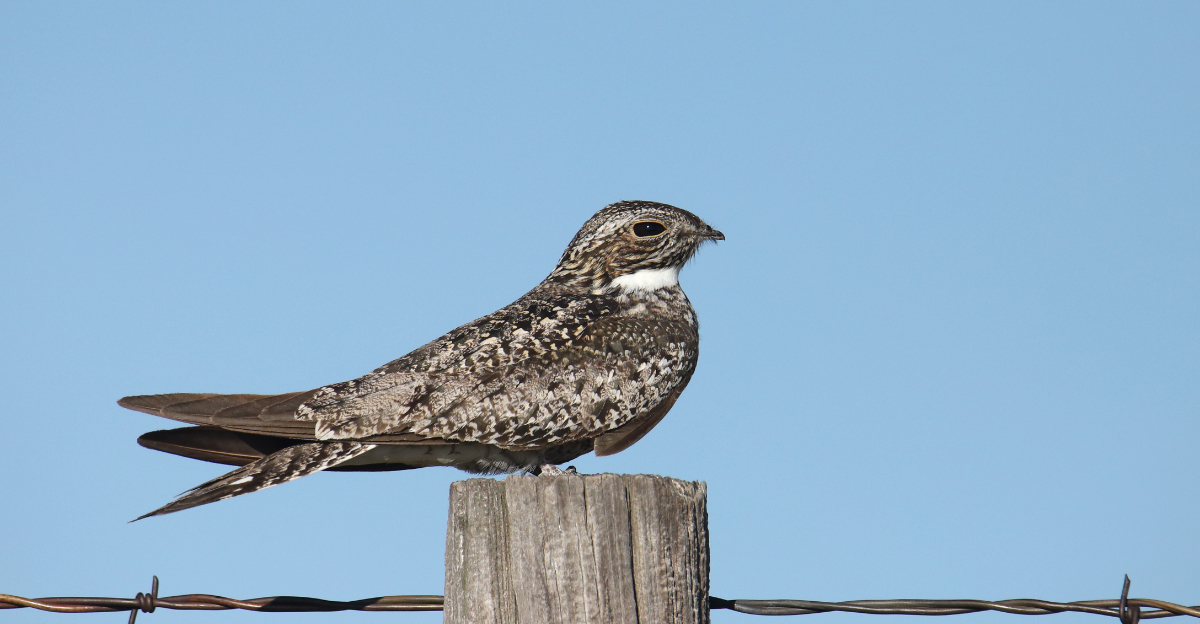
Look up as evening settles in, and you might notice something unusual moving through the sky. Common nighthawks are becoming easier to catch in action right now.
Late August brings a seasonal shift for these birds. Georgia offers opportunities to notice them as their movement becomes more visible overhead.
Watch for long, pointed wings and quick turns as they sweep through open skies. Their distinctive flight becomes easy to recognize once you know it.
This brief window makes evening watching rewarding for anyone who enjoys backyard wildlife. You do not need any special equipment to catch the activity above.
Try stepping outside around dusk and giving the sky a few quiet minutes. The timing could reward you with an impressive sight.
Soon, these noticeable gatherings will continue moving farther onward.
1. Common Nighthawks Are Gathering Before Fall Migration
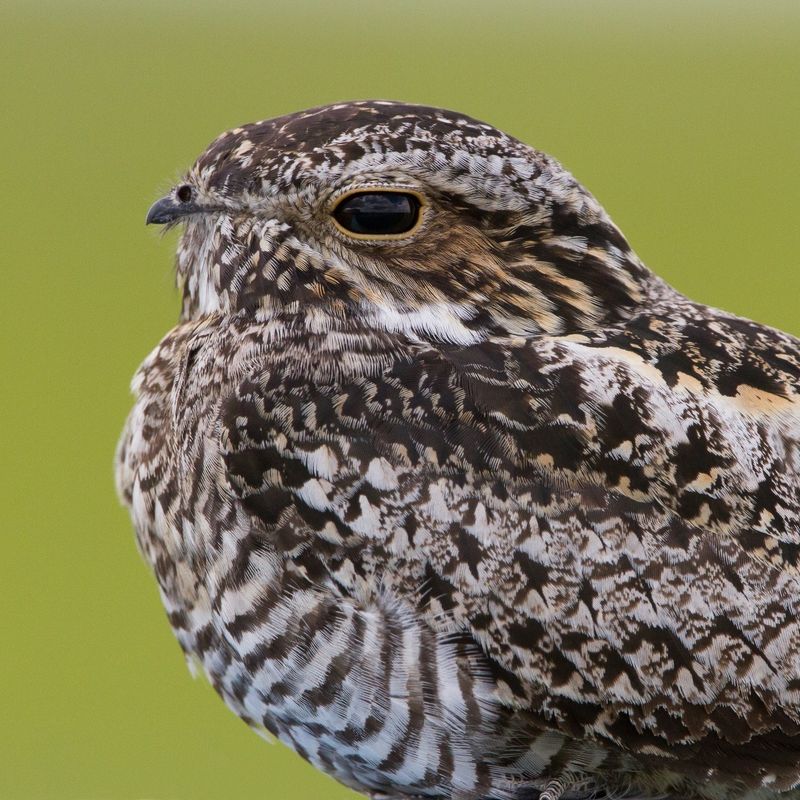
Right now, something remarkable is unfolding overhead. Common Nighthawks are beginning to group up before heading south for the season.
Seeing just one or two used to be considered lucky, but late summer changes that entirely.
These birds spend their breeding season spread out across open habitats. As August winds down, they start pulling together in loose flocks.
Skies that felt empty a few weeks ago can suddenly look busy with swooping, darting silhouettes.
Flocking behavior makes them far easier to notice than when they travel solo. A single bird might slip past undetected, but a group moving across the sky is hard to miss.
Birdwatchers across the Southeast often mark this window on their calendars.
Pre-migration gatherings can range from just a handful of birds to dozens moving together. Counts vary depending on weather, habitat, and local insect activity.
No two evenings look exactly the same.
Watching for these gatherings is one of the best ways to connect with the rhythm of bird migration. It is a natural event that repeats each year, though timing and numbers can shift slightly.
Paying attention in late August gives you the best odds of catching it.
2. Late August Makes Their Movements Easier To Notice
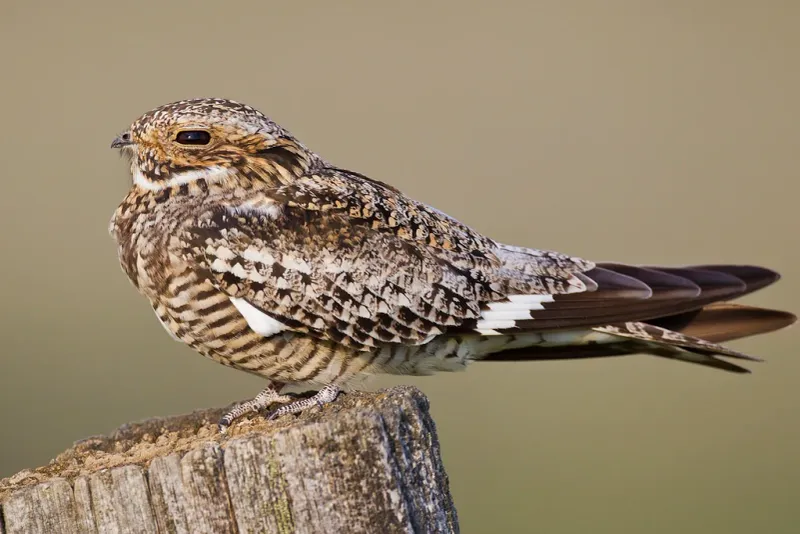
Late August has a certain magic for birdwatchers. Nighthawks that spent summer scattered across breeding territories start concentrating along flyways, making them suddenly visible in places where they rarely showed up before.
Timing matters a lot with these birds. Earlier in summer, they blend into the background of normal evening activity.
By late August, their movements have a sense of urgency that makes them stand out.
Longer evenings earlier in summer gave way to earlier sunsets. That shift actually works in your favor.
Nighthawks often feed actively just before dark, and a slightly earlier dusk means you can watch them without staying out too late.
Open areas near water or above rooftops tend to concentrate feeding birds. Insects swarm in these spots, and Nighthawks follow.
Spotting one bird often leads to spotting several more nearby.
Weather patterns in late August can also push migrating birds to lower altitudes. After a cold front passes, conditions often bring more birds into easy viewing range.
Your Georgia Garden Changes Every Week. Your Plan Should Too.
Gardening in Georgia changes quickly throughout the season. Every Friday you’ll receive a simple weekly plan showing exactly what to plant, prune, fertilize, harvest, and protect so you never miss the right timing.
Checking the sky the evening after a weather change is a smart move.
Patience pays off during this window. Give yourself at least 20 to 30 minutes of watching time.
Quiet evenings with clear skies offer the clearest views of birds passing through.
3. Evening Is Often The Best Time To See Them
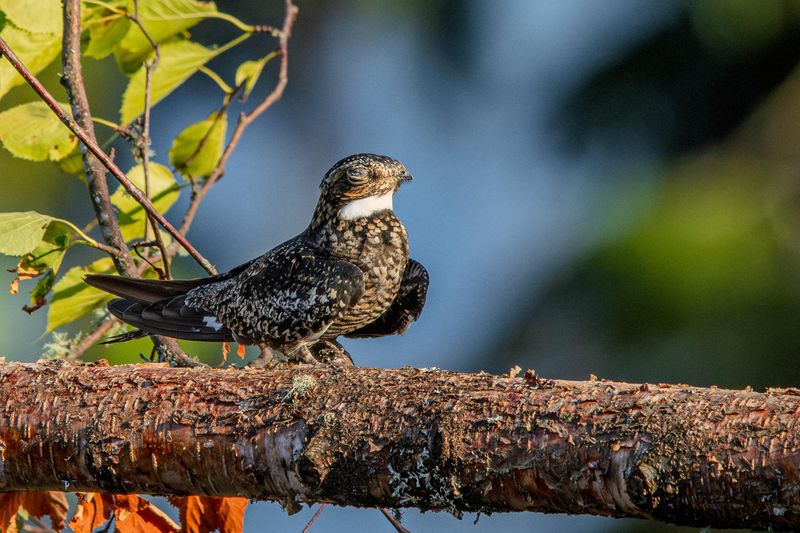
Forget early morning bird walks for this one. Common Nighthawks come alive in the evening, and that is when your chances of seeing one are highest.
Dusk is their prime feeding window, and they make the most of it.
Watch the sky about 30 minutes before sunset. Birds start appearing low over open ground, swooping and banking in tight arcs.
Their movements look erratic, but every twist follows an insect.
Parking lots and shopping centers with bright lights are surprisingly good spots. Lights attract insects, insects attract Nighthawks, and suddenly a convenience store parking lot becomes a birdwatching hotspot.
It sounds strange, but it works.
Their call is another helpful cue. A sharp, buzzy “peent” sound cuts through evening noise easily.
Hearing that call often leads your eyes to a bird already overhead.
Twilight fades fast, so be ready before the light drops completely. Binoculars help, but honest observation with bare eyes can reveal plenty.
White wing patches flash clearly even in low light.
Evening watching also means cooler temperatures, which makes standing outside much more comfortable during late summer. Bring a folding chair, tilt your head back, and give yourself a solid half hour.
Consistent evening checks during late August tend to reward patient observers.
4. Open Skies Make Their Flight Easier To Follow
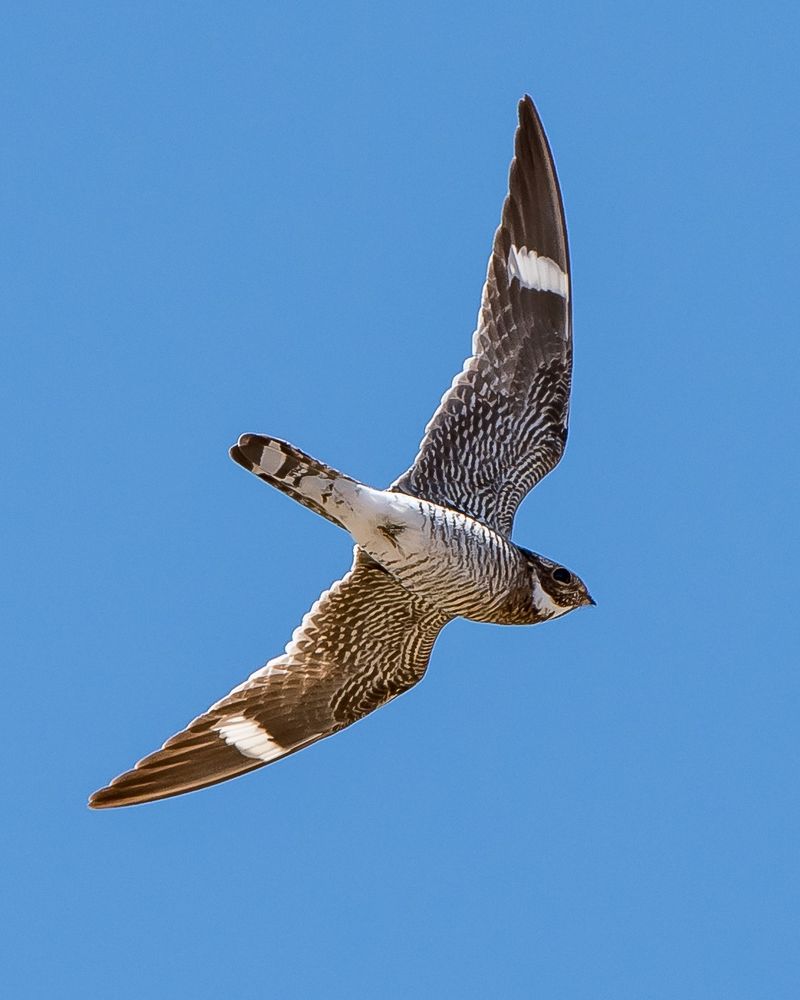
Spotting a small bird through dense tree cover is frustrating. Nighthawks skip that problem entirely.
Open skies are their stage, and wide views make following their flight surprisingly easy once you find one.
Fields, lakes, golf courses, and open parking areas all offer clean sightlines. Standing in a spot with nothing blocking your upward view makes a real difference.
A clear 180-degree view of the sky above gives you the best chance of catching movement.
Nighthawks rarely hide in foliage. Their whole life plays out in open airspace, which is unusual for a bird that roosts on the ground.
Watching them is less about searching and more about scanning.
Their wing shape is distinctive once you know what to look for. Long, narrow wings with a bold white bar near the tip set them apart from swallows and swifts.
A quick glance often confirms an ID without binoculars.
Georgia has plenty of open habitats where sky-watching comes naturally. Lakesides, sports fields, and flat suburban rooftops all create good conditions.
Anywhere with an unobstructed view overhead is worth a stop.
Wind direction can affect how birds move across the sky. Light tailwinds often push migrants along faster, while headwinds may slow them down.
Either way, open ground gives you the viewing angle needed to watch the whole show.
5. Flying Insects Keep Them Busy Before Their Journey
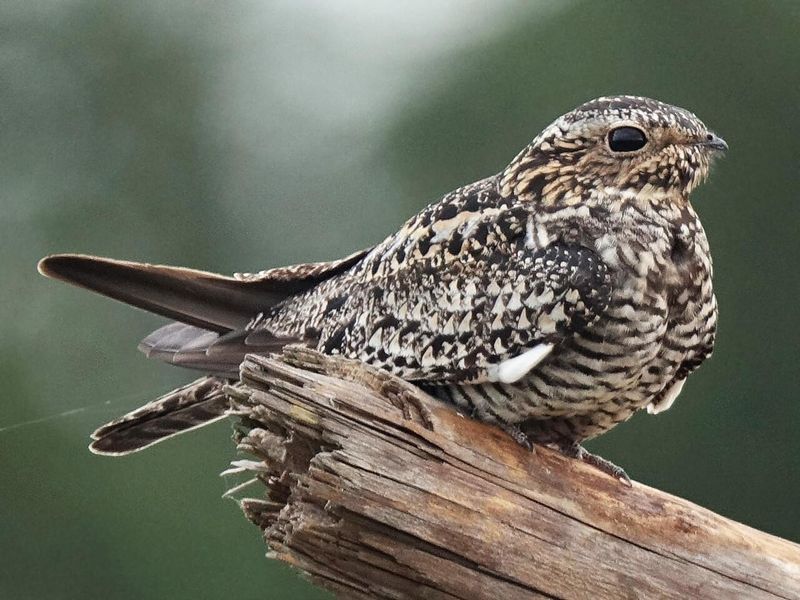
Nighthawks are eating machines right now. Before a long migration south, they need to build up energy fast, and flying insects are the fuel they rely on.
Late summer insect swarms make this fueling process very efficient.
Warm humid evenings push insect activity higher into the air column. Moths, beetles, and flying ants all drift upward in the heat, and Nighthawks follow the swarm.
Feeding can look frantic, with birds banking sharply every few seconds.
Their mouths open surprisingly wide for a bird their size. A bristled gape helps them scoop insects out of the air on the fly.
No hovering, no diving into water. Pure aerial pursuit the whole time.
Insect density varies night to night. After rain, insect activity often spikes noticeably.
Checking the sky on humid evenings following afternoon showers can put you in the right place at the right time.
Lights that attract insects at night become reliable feeding stations. Bridge lights over water, stadium lights, and parking lot floods all pull insects in.
Nighthawks learn these spots and return to them consistently during migration stopovers.
Watching a Nighthawk feed is genuinely entertaining. Their speed and agility look effortless.
Each evening feeding session builds the energy reserves they will need for the weeks of travel ahead.
6. Their Fast Flight Helps Them Stand Out Overhead
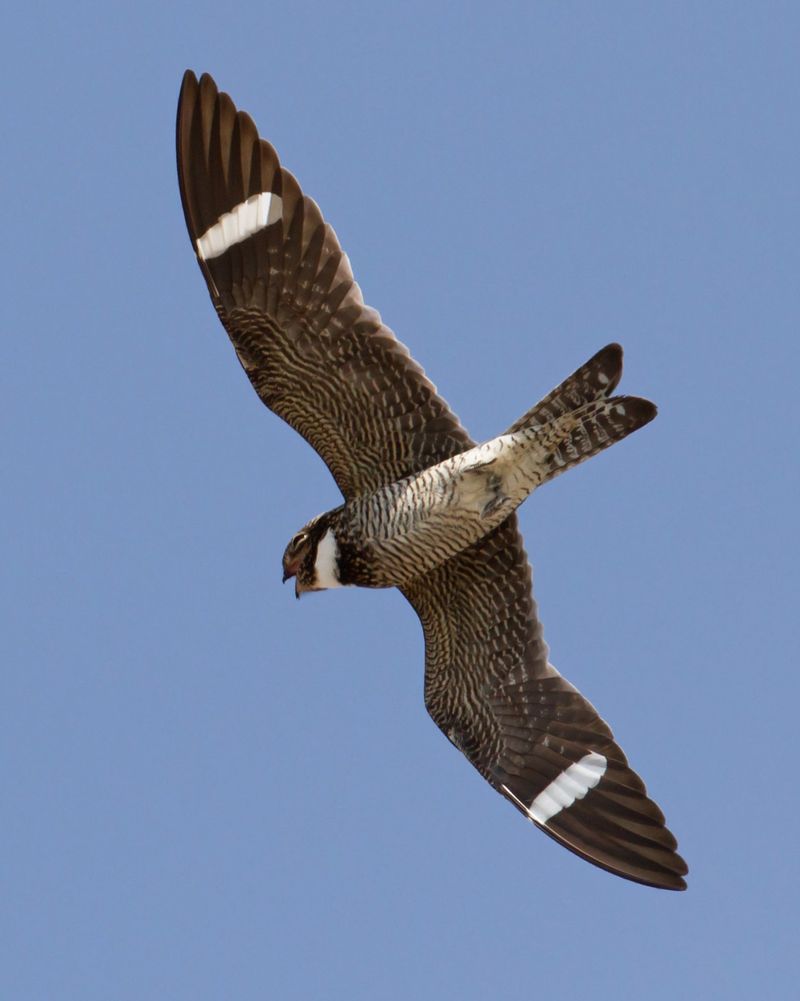
Speed is the first thing most people notice. Nighthawks move faster than swallows and cover more ground per minute than most small birds flying overhead.
Once you catch their movement, it is hard to look away.
Their flight style is not a straight line. Sharp cuts, sudden rolls, and quick altitude changes are constant.
Following one bird with binoculars takes practice, but the effort is worth it.
That erratic pattern is not random. Every twist is a response to an insect in the air.
Their reaction time is impressive, and watching it play out in real time gives a sense of just how capable these birds are.
Compared to bats, which also appear at dusk, Nighthawks look more deliberate and cover larger patches of sky. Bats tend to loop in small areas.
Nighthawks range widely, often crossing large open spaces in just seconds.
Their speed also makes identification tricky at first. New observers often mistake them for swifts or swallows until the white wing patch catches the light.
Seeing that flash of white settles the ID quickly.
Watching them over flat, open ground in the Southeast gives you enough sky to track their full flight path. Catching a bird as it crosses from one side of your view to the other is a satisfying moment for any observer.
7. Some Areas May See Groups Passing Through Together
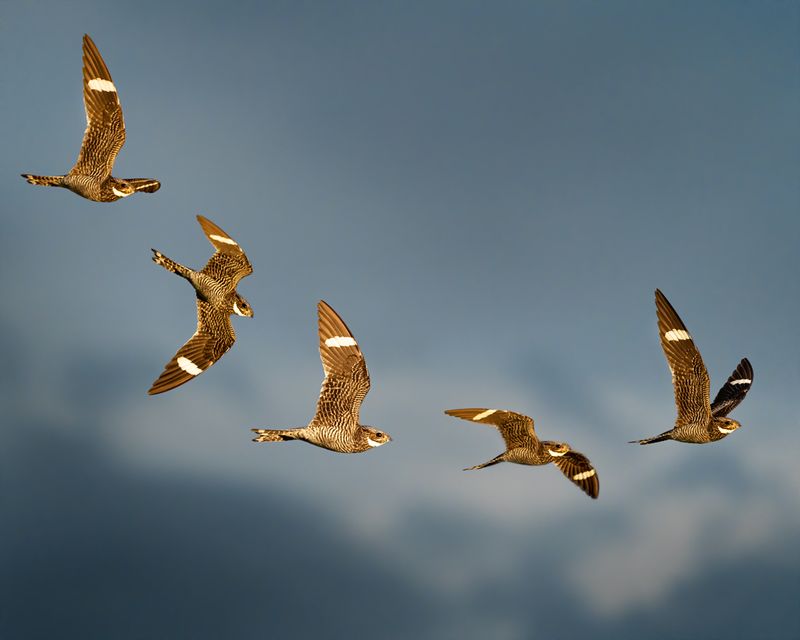
Not every sighting is a lone bird. During peak migration windows, groups of Nighthawks can pass through certain areas in a short stretch of time.
Catching one of these movements is a highlight of the late summer season.
Certain corridors funnel migrating birds together. Ridgelines, river valleys, and open coastal plains can concentrate birds moving south.
Spots along these natural pathways sometimes produce impressive counts on a single evening.
Local birdwatching groups often share sighting reports during this time of year. Checking community platforms or regional bird alert networks can point you toward areas seeing higher-than-usual activity.
Real-time reports from other observers are genuinely useful.
Group movements tend to happen in waves tied to weather. A strong cold front pushing through from the north can trigger visible migration the following evening.
Watching conditions a day or two in advance helps you plan.
Birdwatchers in Georgia have reported notable Nighthawk counts during late August and early September in recent years. Open fields near Atlanta’s suburbs and reservoir areas have both produced good sightings.
Location matters, but timing matters just as much.
Even small groups of five or ten birds moving together feel exciting in the field. Seeing several sweep across the same patch of sky at once is a reminder of just how connected bird migration is to season and place.
8. Their Stay Will Soon Wind Down
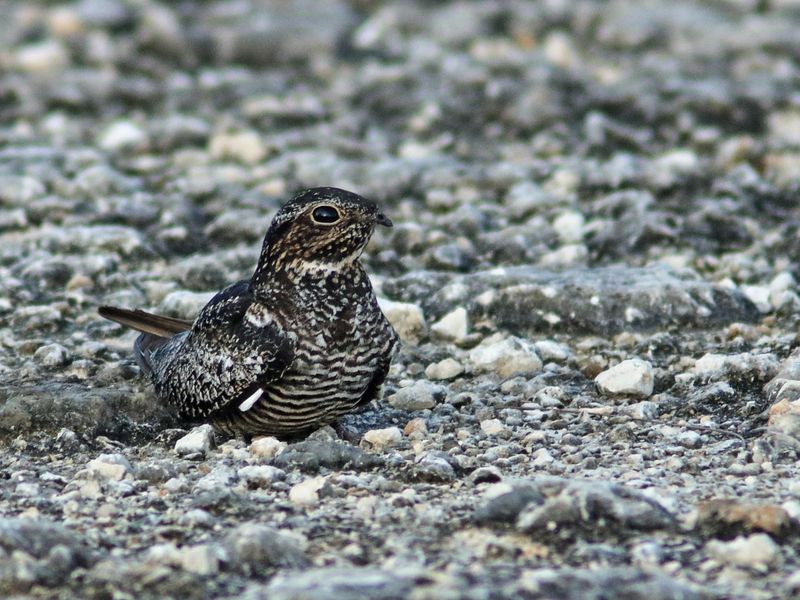
Enjoy this window while it lasts. Nighthawks do not linger long once migration picks up speed.
What feels like a sudden abundance of birds can thin out within a couple of weeks, sometimes faster.
By mid-September, most Nighthawks passing through the Southeast have continued their journey. Stragglers may appear later, but the peak viewing window is concentrated and brief.
Missing it by even a week can mean a much quieter sky.
Cooler nights signal the shift. As temperatures drop and insects become less active, the feeding frenzy slows.
Birds that were visible every evening start disappearing as they push further south toward wintering grounds in South America.
Keeping a simple log of your sightings helps you track the pattern year to year. Noting dates, numbers, and locations builds a personal record that becomes more useful over time.
Patterns emerge when you have a few seasons of data to compare.
Late sightings in early October are possible but not guaranteed. Weather, geography, and individual bird variation all influence timing.
Checking the sky regularly through September keeps you in the game.
There is something genuinely moving about watching migratory birds pass through. Nighthawks carry the season with them as they go.
Catching even one last glimpse before they clear out feels like a proper send-off for summer.