Why Curve Billed Thrashers Keep Choosing Certain Arizona Yards In Summer
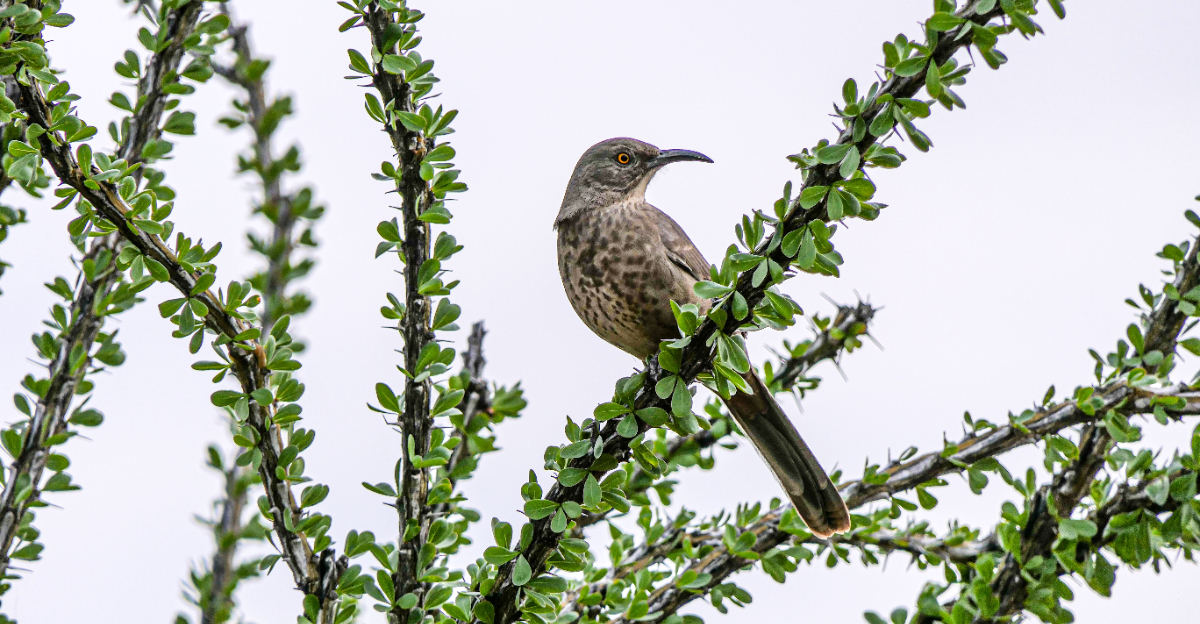
Some birds never seem to stop for long, while others keep coming back until you cannot help noticing the pattern. A single visit is easy to forget, but repeated appearances quickly make you wonder what is drawing them in.
That curiosity usually grows with every passing day. Little details around the yard can matter far more than anyone expects.
A place that looks ordinary to us may offer exactly what a wild bird has been searching for. The real reason is often much simpler than it first appears.
Curve-billed thrashers return to certain yards for a reason.
Arizona provides the dry conditions they naturally prefer, but only some outdoor spaces have what keeps them coming back.
Once you understand what attracts them, those repeated visits begin making much more sense every summer.
1. Cactus And Thorny Shrubs Offer Safer Nesting Sites
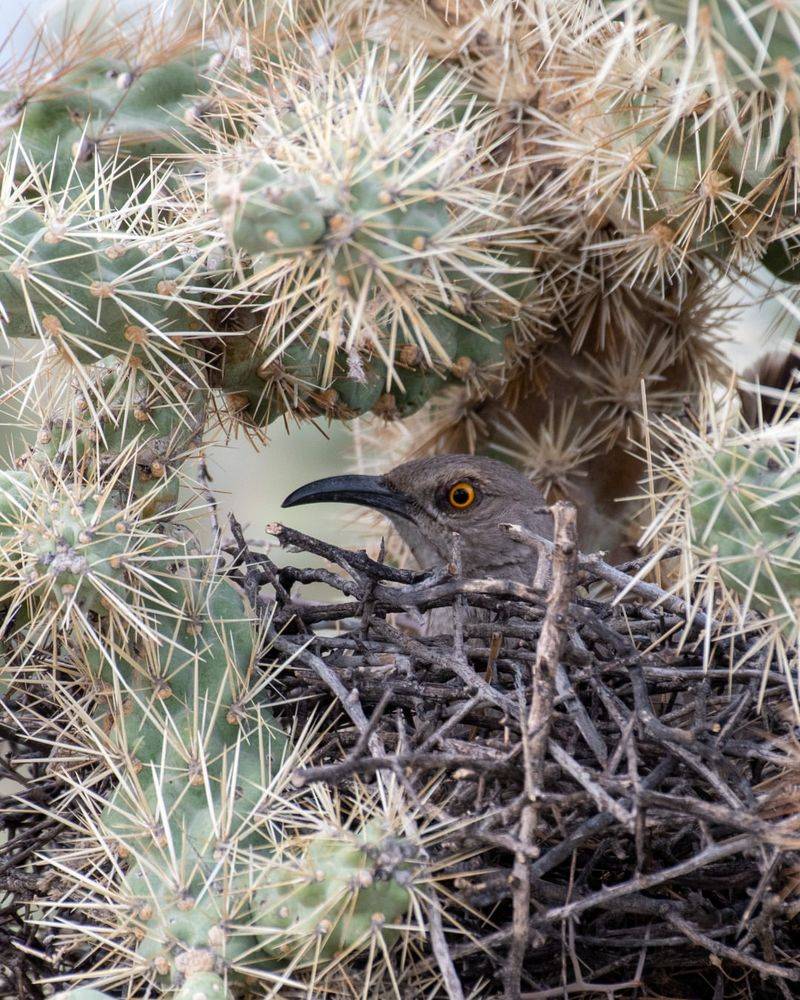
Cholla cactus might look uninviting to most creatures, but to a curve-billed thrasher, it looks like a fortress. These birds actively seek out thorny plants when choosing a place to build their nests.
The sharp spines create a natural barrier that most predators avoid entirely.
Saguaro cactus, prickly pear, and desert shrubs like wolfberry all serve a similar purpose. A yard that includes a variety of these plants gives thrashers more options.
More options mean a higher chance that at least one spot will feel safe enough for nesting.
Thrashers tend to build their nests low inside cholla clusters, often just a few feet off the ground. That placement might seem risky, but the surrounding spines make access nearly impossible for larger animals.
Predators that try usually back off quickly.
Planting native thorny species in your yard can take a season or two before thrashers notice them. Patience matters here.
Once established, those plants often become annual nesting spots that the birds return to each summer.
A dense patch of desert shrubs near a fence line or wall can also work well. Thrashers are practical.
They use what is available and what feels most protected.
2. Open Ground Makes Hunting For Insects Easier
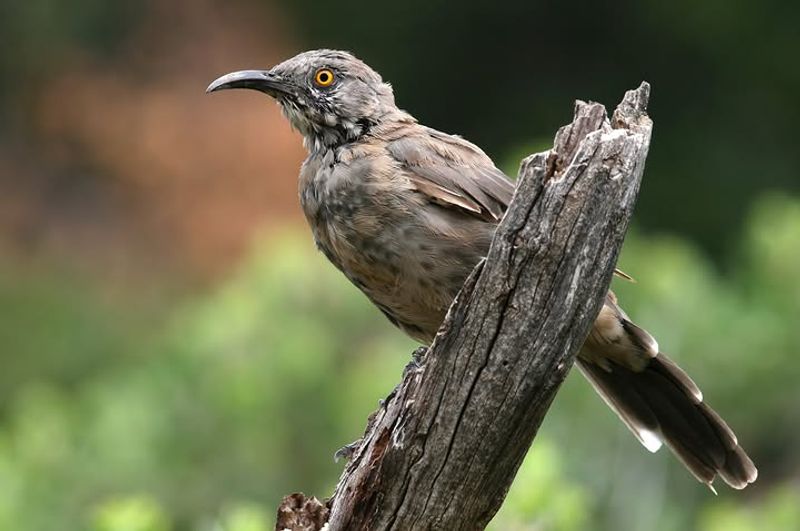
Watch a thrasher for five minutes and you will see it working the ground constantly. That curved beak is built for digging, and open soil gives it room to do exactly that.
Yards with patches of bare or lightly covered ground are far more useful to these birds than thick lawns.
Beetles, ants, grasshoppers, and grubs make up a significant part of their summer diet. Most of those insects live just below the surface of loose desert soil.
A thrasher can detect and extract them quickly when the ground is not packed down or covered in dense grass.
Rock mulch and decomposed granite, common ground covers in desert landscaping, actually work well for thrashers. Insects hide under small rocks and in the gaps between gravel pieces.
Thrashers flip and dig through that material with ease.
Heavily irrigated lawns can attract some insects, but they also compact the soil and change the soil temperature. That tends to push away the specific ground-dwelling insects thrashers prefer.
Your Arizona Garden Changes Every Week. Your Plan Should Too.
Gardening in Arizona changes quickly throughout the season. Every Friday you’ll receive a simple weekly plan showing exactly what to plant, prune, fertilize, harvest, and protect so you never miss the right timing.
A more natural, drier ground surface usually performs better.
Leaving sections of your yard with minimal ground cover is a simple adjustment. A few square feet of open, natural soil near shrubs or cactus can become a regular foraging zone.
3. Fruit Bearing Desert Plants Provide Summer Food
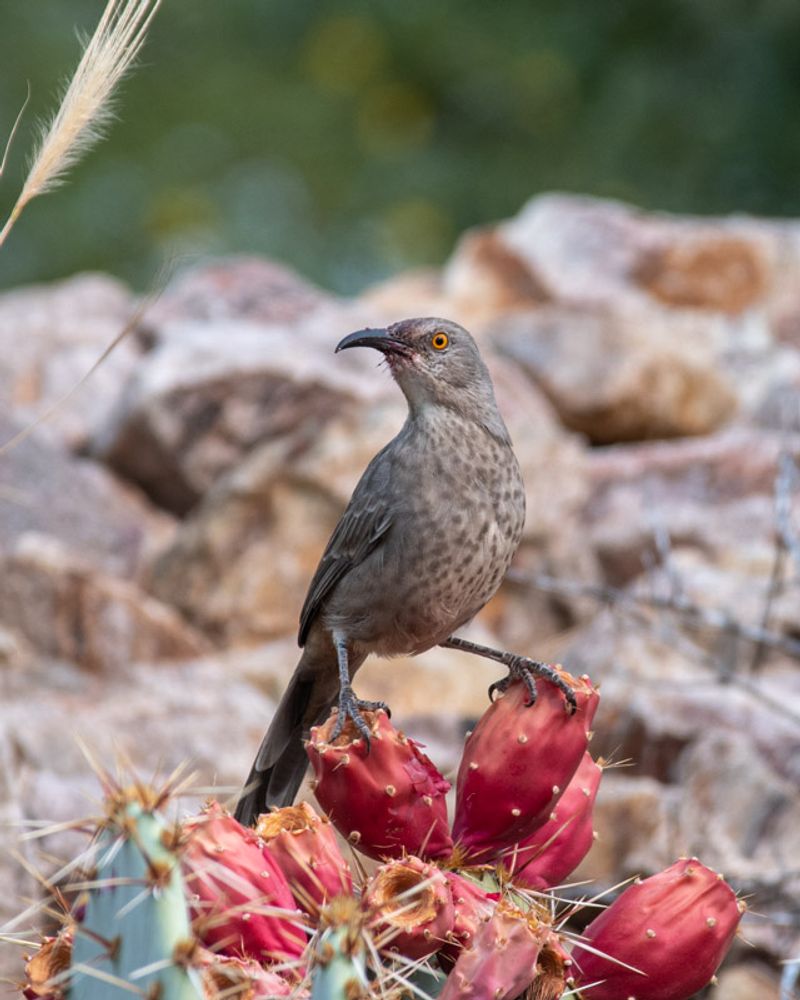
Saguaro fruit ripens right when summer heat peaks, and thrashers know it. Timing like that is not a coincidence.
These birds have adapted to take full advantage of native fruiting cycles, and yards that include those plants become reliable food sources during the toughest months.
Prickly pear cactus produces bright magenta fruit that thrashers eat regularly. Wolfberry, desert hackberry, and saguaro are among the most attractive options.
Each one offers fruit at slightly different points in the season, which can extend the feeding window across several weeks.
Exotic fruit trees and non-native plants occasionally attract thrashers too, but native plants tend to draw more consistent visits. Native species align with the feeding patterns thrashers already follow.
Familiarity plays a role in which plants they approach with confidence.
Growing these plants from nursery stock takes time, but even younger specimens produce some fruit within a few seasons. A small prickly pear planted near an open foraging area can start pulling in birds faster than expected.
Placement near ground cover or shade adds extra appeal.
Thrashers are opportunistic feeders. They shift between insects and fruit depending on what is available.
A yard that offers both options simultaneously tends to hold their attention longer.
4. Shade Keeps Birds Active During Hot Afternoons
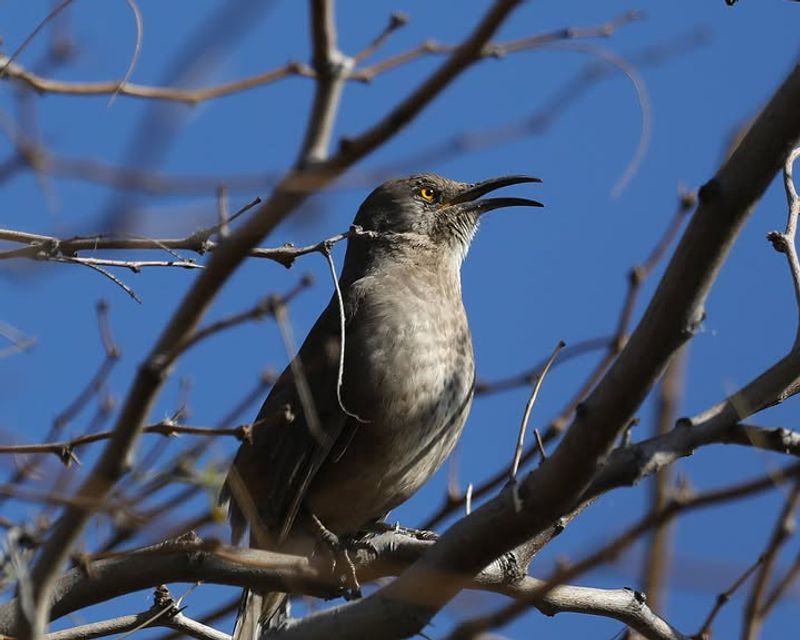
Triple-digit heat slows most desert wildlife down to a crawl by midday. Thrashers are tough birds, but they still seek shade when temperatures spike.
Yards with natural shade structures tend to keep these birds active well into the afternoon hours.
Mesquite trees are one of the best shade providers in desert landscaping. Their canopy is open enough to let air flow through but dense enough to drop ground temperature noticeably.
Thrashers use the branches for perching and the shaded ground below for foraging.
Palo verde trees serve a similar role. They provide filtered shade without blocking airflow.
Both species are native and support a range of insects that thrashers hunt. Planting either near open ground or water features creates a layered habitat that checks multiple boxes at once.
Shade from walls, fences, or structures can help too, though it does not replicate the insect activity that living trees support. A combination of structural and plant-based shade gives birds more flexibility throughout the day.
Flexibility matters when heat is unpredictable.
Afternoon visits from thrashers often increase in yards where shade is available near a food or water source. A shaded perch close to a foraging zone is especially attractive.
5. Shallow Water Helps Them Stay Cool
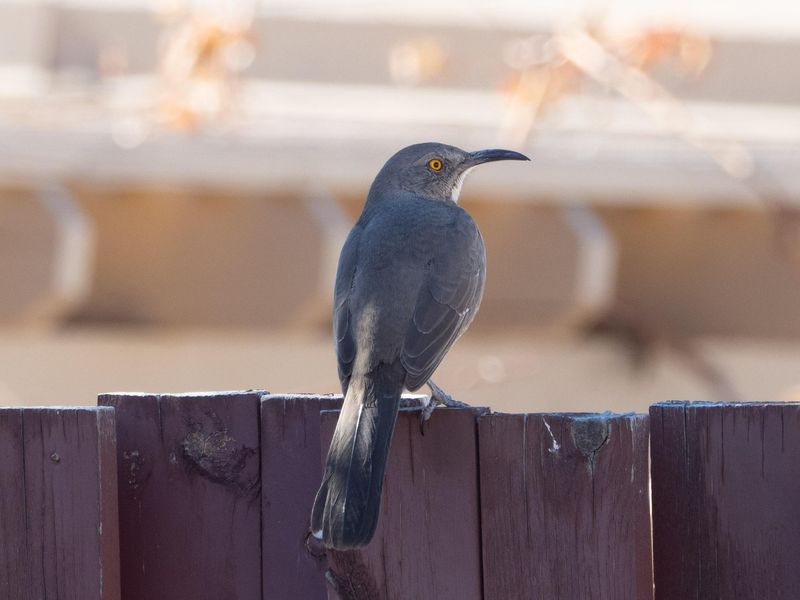
A shallow dish of clean water can do more for thrasher visits than almost any plant addition. Water is scarce in the desert during summer, and birds actively seek it out.
Thrashers are no exception, and they return to reliable water sources repeatedly throughout the day.
Depth matters more than most people realize. Thrashers prefer water that sits around one inch deep.
Deeper baths can discourage smaller birds from wading in comfortably. A wide, shallow basin with a rough textured bottom gives them better footing and more confidence.
Placement near shade or low shrubs adds a layer of security. Thrashers are alert birds, but they still prefer a quick escape route nearby.
A bath positioned in the open with no cover nearby may get fewer visits than one tucked closer to vegetation.
Changing the water every day or two helps keep it clean and reduces the risk of mosquito breeding. Thrashers are drawn to fresh, moving water when possible.
A small solar-powered dripper or wiggler creates gentle movement that can make the water more visible and appealing.
During peak summer heat in the desert Southwest, water availability becomes a genuine daily challenge for wildlife. Yards that maintain a consistent, clean, shallow water source often see thrasher visits even when food sources are limited.
6. Low Branches Give Young Birds Better Cover
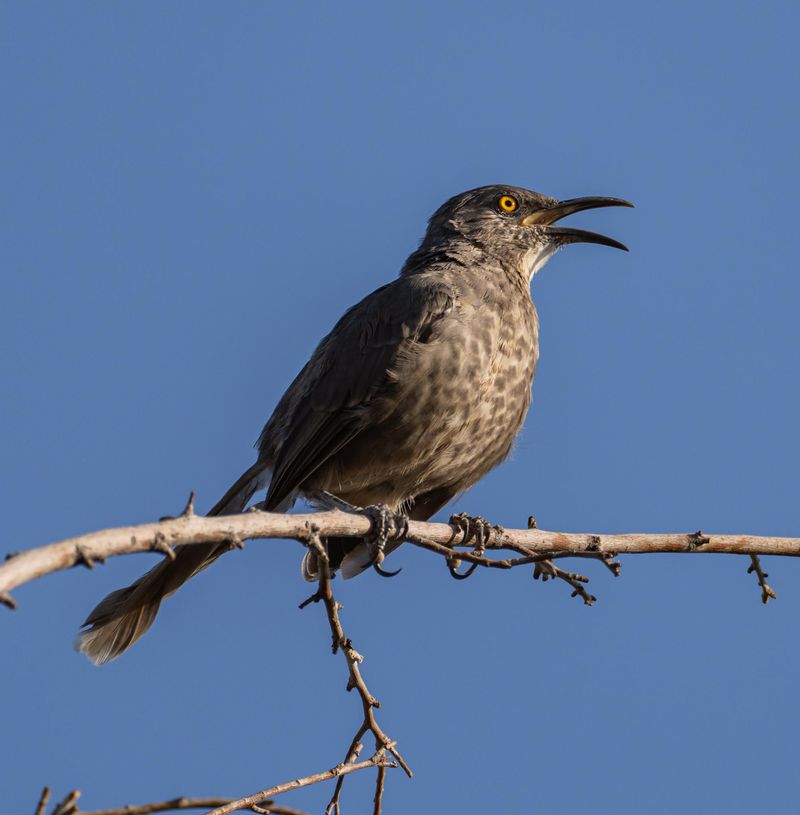
Fledgling thrashers leave the nest before they can fly well. That window between leaving the nest and full flight capability is one of the most vulnerable periods in their early life.
Low branches and dense ground-level shrubs give young birds a place to hide while they develop.
Parent thrashers continue feeding fledglings for weeks after they leave the nest. Yards that offer good low cover tend to hold family groups longer than open yards.
More time spent in a yard often means more foraging and more regular return visits from adults.
Native shrubs like creosote, brittlebush, and desert broom grow at heights that suit young birds perfectly. Their branching structure is dense enough to conceal a small bird from above.
Predatory birds that hunt by sight have a harder time spotting fledglings in layered, bushy cover.
Trimming shrubs too aggressively during early summer can remove exactly the type of cover young thrashers need. Leaving some growth natural and unpruned through the nesting season tends to support more successful fledgling survival.
A slightly overgrown corner of the yard can be genuinely useful.
Yards that have supported successful fledgling periods often see adult thrashers return the following season. Birds tend to favor locations where they or their offspring have survived well.
7. Natural Landscapes Support More Daily Visits
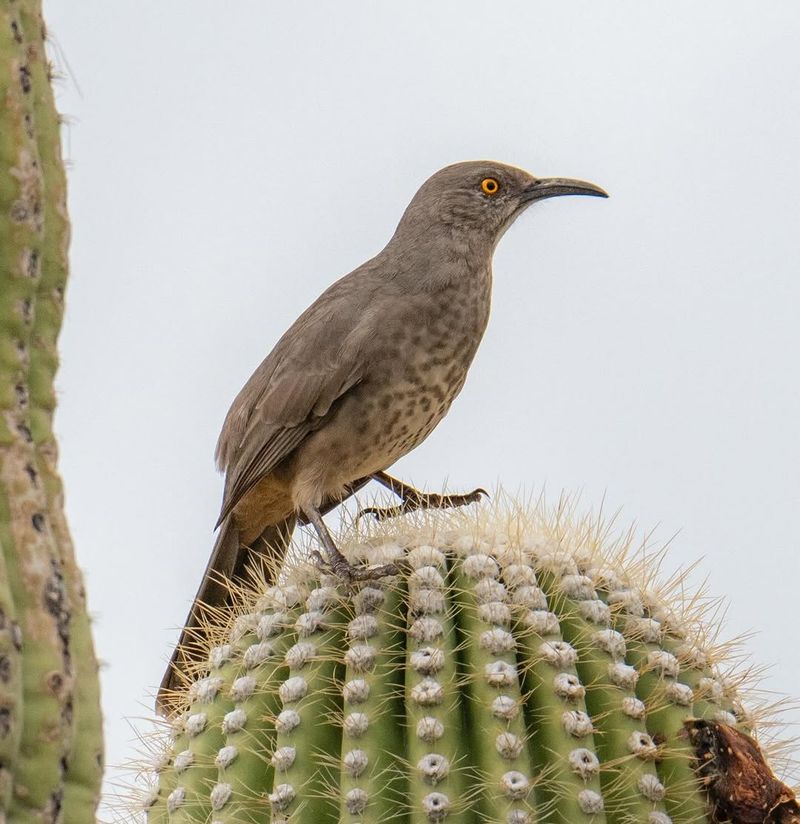
Heavily manicured yards with non-native plants and thick turf grass rarely attract thrashers consistently. Natural desert landscaping, on the other hand, tends to function like an extension of the surrounding habitat.
That familiarity keeps thrashers comfortable enough to visit more frequently.
A yard planted with native species supports more insects, more fruiting plants, and more natural shelter. Each of those elements builds on the others.
Together they create conditions that match what thrashers encounter in undeveloped desert terrain.
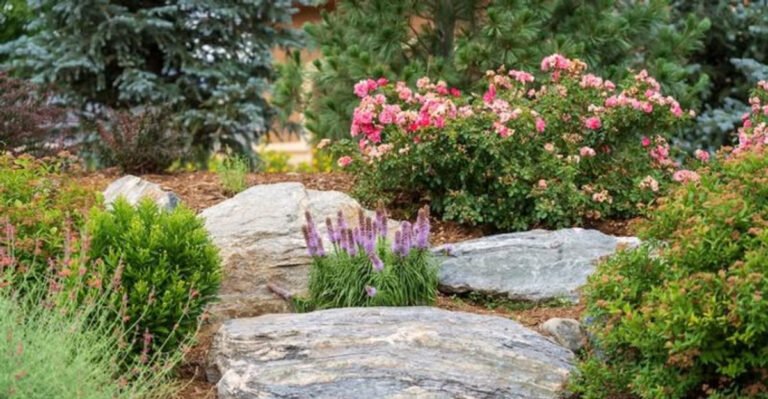
Decomposed granite ground cover, native cactus, drought-tolerant shrubs, and a few established trees form the backbone of an effective desert yard. None of those elements require heavy watering or frequent maintenance once established.
They also provide year-round structure that thrashers can rely on across seasons.
Non-native plants are not always a dealbreaker. Some exotic species do attract insects or offer fruit.
However, a yard built primarily around native species tends to deliver more consistent results with less effort. Native plants and native birds evolved together, and that relationship still holds.
Thrashers are territorial and habitual. Once a yard earns a spot in their daily route, they tend to stick with it as long as conditions remain stable.
Keeping a natural, low-disturbance landscape through summer gives them fewer reasons to look elsewhere.