Why Deer Strip Some Michigan Hydrangeas In August While Ignoring Others Just Yards Away
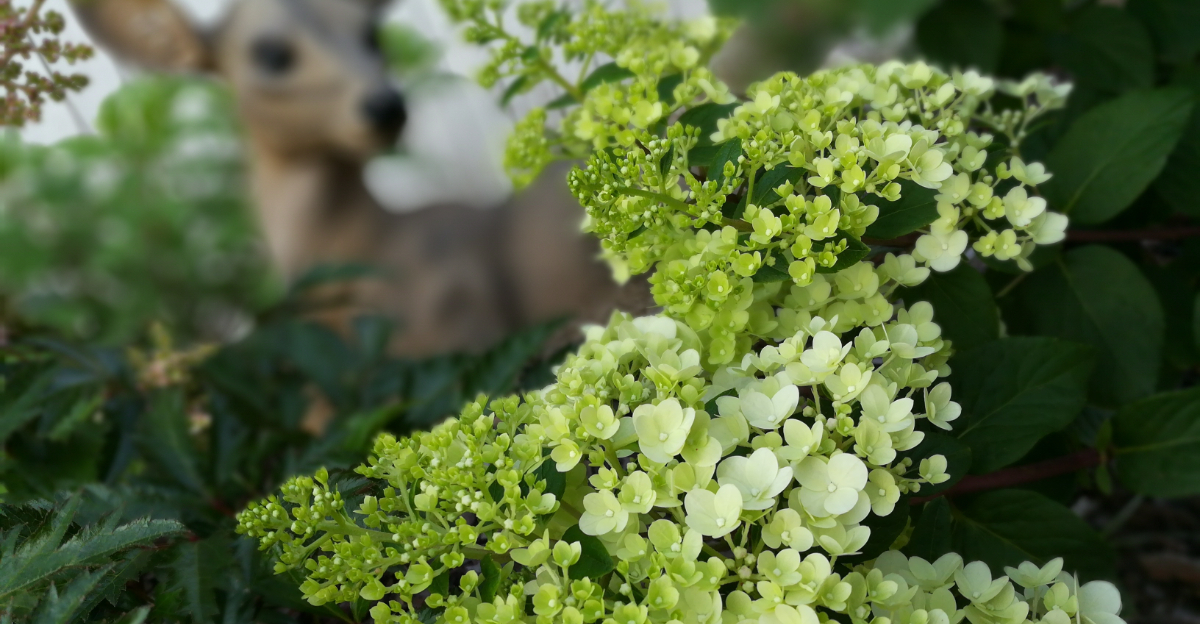
Deer can be surprisingly picky, and their selective feeding on Michigan hydrangeas often comes down to variety rather than random chance.
Bigleaf hydrangeas tend to attract deer more than panicle or smooth types, thanks to their softer leaves and higher moisture content.
Hunger levels also play a role, since deer become less choosy during late summer when natural food sources start thinning out. Location matters too, as hydrangeas planted near wooded edges face far more pressure than those closer to the house.
Scent based deterrents can help protect vulnerable plants, though they often need reapplying after rain. Fencing remains one of the most reliable ways to protect prized hydrangeas from repeat visits.
Choosing deer resistant varieties for new plantings can reduce future damage significantly. Understanding these preferences helps Michigan gardeners plan smarter placement going forward.
1. Bigleaf Hydrangeas Often Lose Tender Tips And Flower Buds
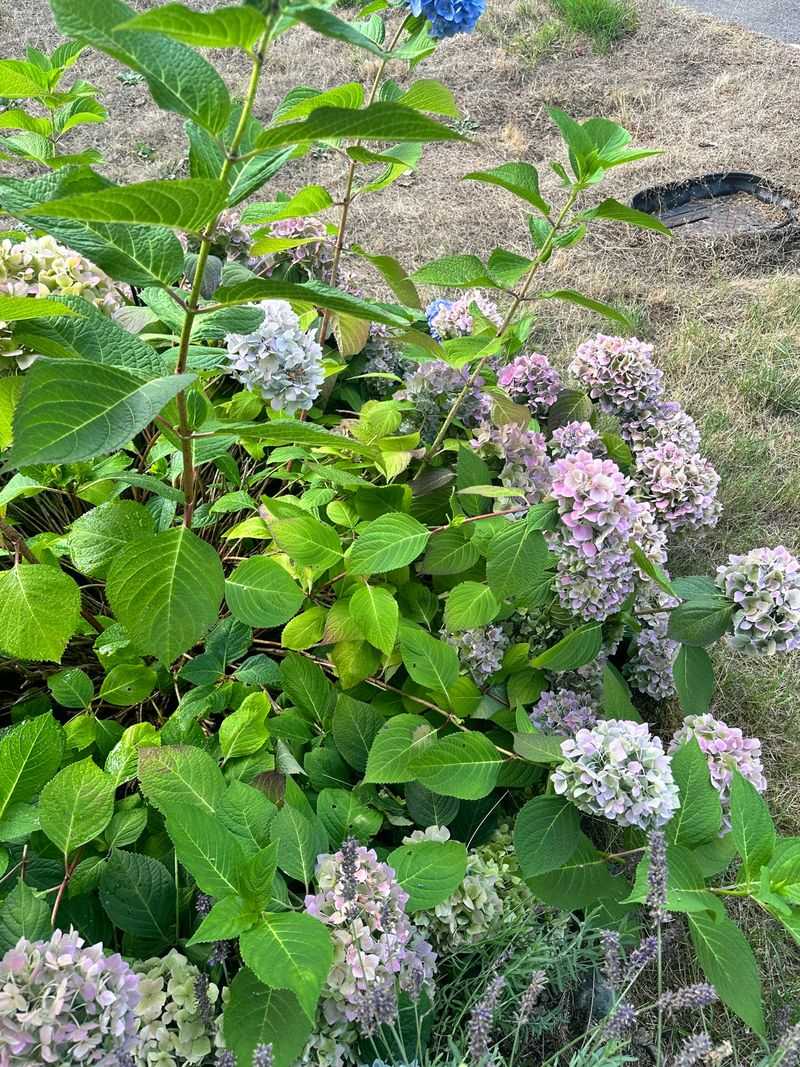
Bigleaf hydrangeas, known scientifically as Hydrangea macrophylla, are among the most popular flowering shrubs in Michigan yards, and unfortunately, they are also among the most appealing to deer.
Rutgers University classifies them in the occasionally severely browsed category, which means a hungry deer will not hesitate to help itself.
Broad, soft leaves and tender shoot tips make these plants easy targets from late spring straight through summer.
August is a particularly critical month for bigleaf hydrangeas because many of them begin forming next year’s flower buds during late summer. When deer browse during this window, they are not just removing today’s flowers.
They are reducing what you will see blooming the following summer, which makes the timing of browsing especially frustrating for gardeners who have been waiting all year for a strong display.
Reblooming cultivars like Endless Summer can produce flowers on both old and new growth, which gives them a slight advantage after browsing. Even so, consistent deer pressure will still weaken the plant and reduce overall flowering.
Protecting bigleaf hydrangeas before late summer bud formation becomes advanced is far more effective than trying to recover afterward.
Physical barriers, timely repellents, and keeping an eye on nearby deer activity can all help you stay ahead of the problem and keep your display looking its best through the season.
2. Oakleaf Hydrangeas Are Not Reliably Ignored
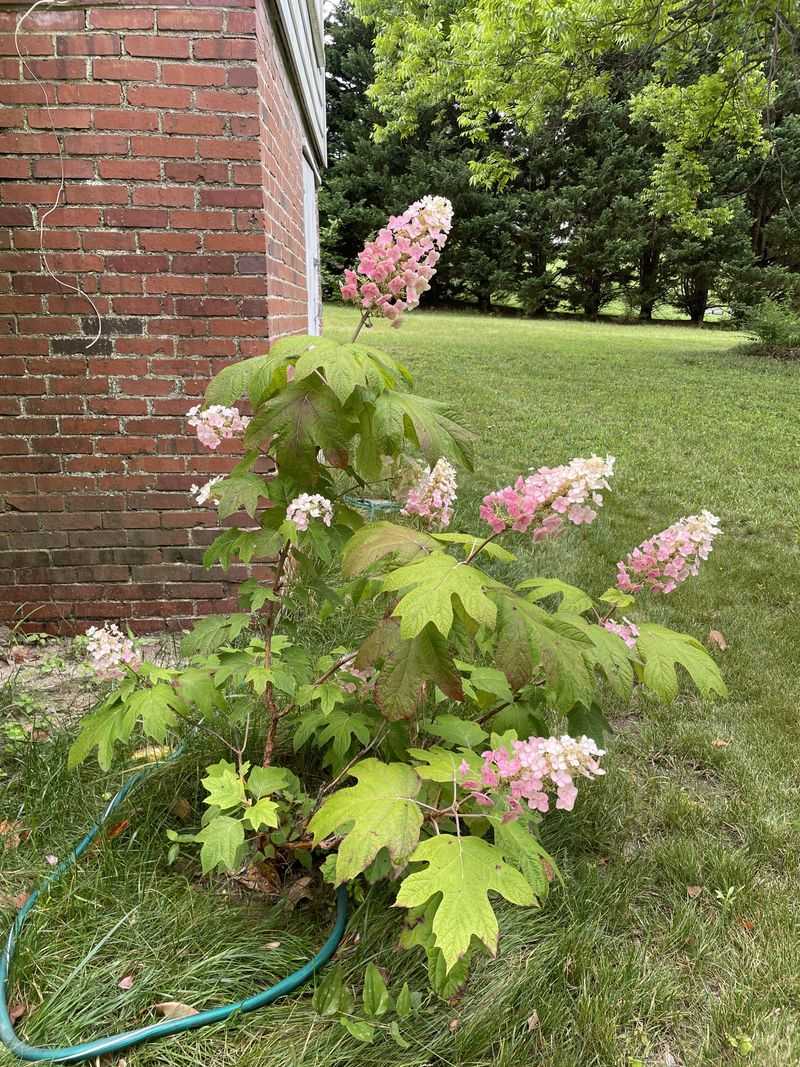
Many gardeners assume that oakleaf hydrangeas are safe from deer because of their rougher, more textured foliage. That assumption can lead to a rude surprise.
Rutgers University places Hydrangea quercifolia in the occasionally severely browsed category, which puts it in the same risk group as bigleaf hydrangeas.
The leaves, soft shoot tips, and developing buds are all accessible to deer, especially on smaller or newly planted shrubs that have not yet grown tall enough to put foliage out of reach.
Oakleaf hydrangeas are what gardeners call old-wood bloomers, meaning they form their flower buds on stems from the previous season. That detail matters a lot in August.
If deer browse the shrub during late summer, they may remove or damage buds that were already forming for next year’s flowers, leaving you with a much lighter display the following spring and summer.
Your Michigan Garden Changes Every Week. Your Plan Should Too.
Gardening in Michigan changes quickly throughout the season. Every Friday you’ll receive a simple weekly plan showing exactly what to plant, prune, fertilize, harvest, and protect so you never miss the right timing.
An established oakleaf hydrangea with peeling cinnamon-colored bark and mature structure may handle some browsing better than a young one, but neither is fully protected.
A plant that looks untouched in your yard might owe that luck to its location near a fence, a frequently used pathway, or simply being away from a regular deer travel route. Assuming the plant repels deer on its own can lead to skipped protection at exactly the wrong time.
Monitoring your oakleaf hydrangeas through late summer and applying barriers or repellents proactively gives you a much better chance of protecting next season’s blooms.
3. Mountain Hydrangeas Can Lose Developing Buds
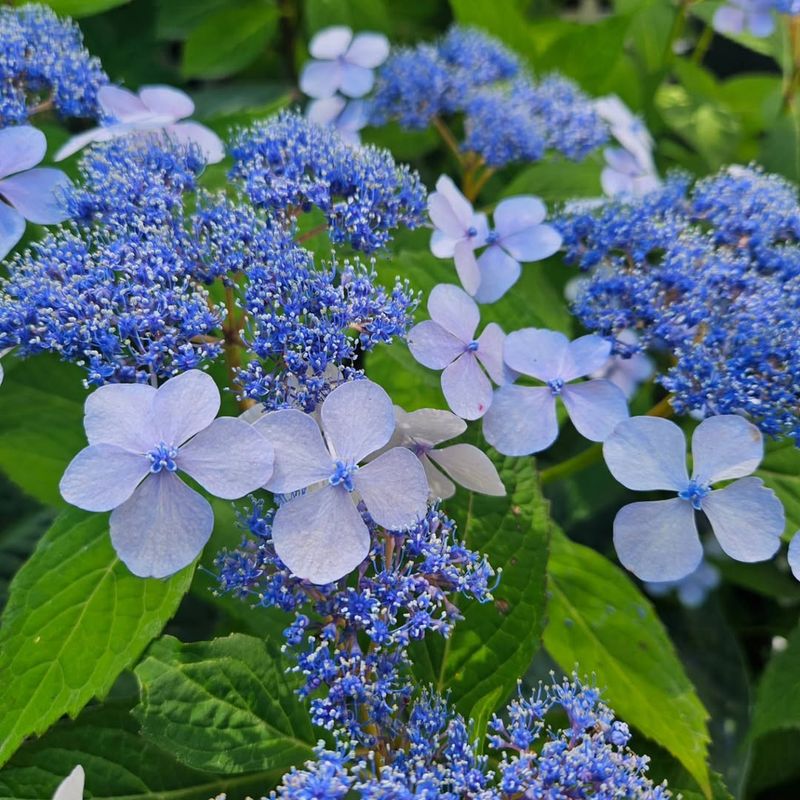
Mountain hydrangeas, or Hydrangea serrata, are close relatives of bigleaf hydrangeas, and they share more than just a family resemblance. Both carry soft, broad foliage, and both are vulnerable to deer browsing in similar ways.
These shrubs typically display elegant lacecap flowers and tend to stay more compact than some other hydrangea types, which actually works against them when deer are around.
A smaller shrub means the leaves and buds sit right at browsing height, making them easy to reach without any extra effort.
Like their bigleaf cousins, mountain hydrangeas generally form flower buds on older stems. August browsing can remove those developing buds before you even realize they were there, leading to noticeably fewer flowers the following year.
Some newer mountain hydrangea cultivars have been bred to rebloom on new growth as well, which offers a bit of flexibility, but repeated deer pressure through the growing season will still wear the plant down over time and reduce its overall vigor.
You might hear that mountain hydrangeas have slightly rougher foliage than bigleaf types and wonder if that texture deters deer.
A well-fed deer with plenty of options might pass one by, but a hungry deer in a dry August with limited food nearby will browse whatever is available.
Counting on leaf texture as a defense is not a reliable strategy. Wrapping smaller shrubs with netting or applying repellent before browsing activity picks up gives mountain hydrangeas a real fighting chance through the late summer months.
4. Panicle Hydrangeas Often Receive Less Severe Browsing
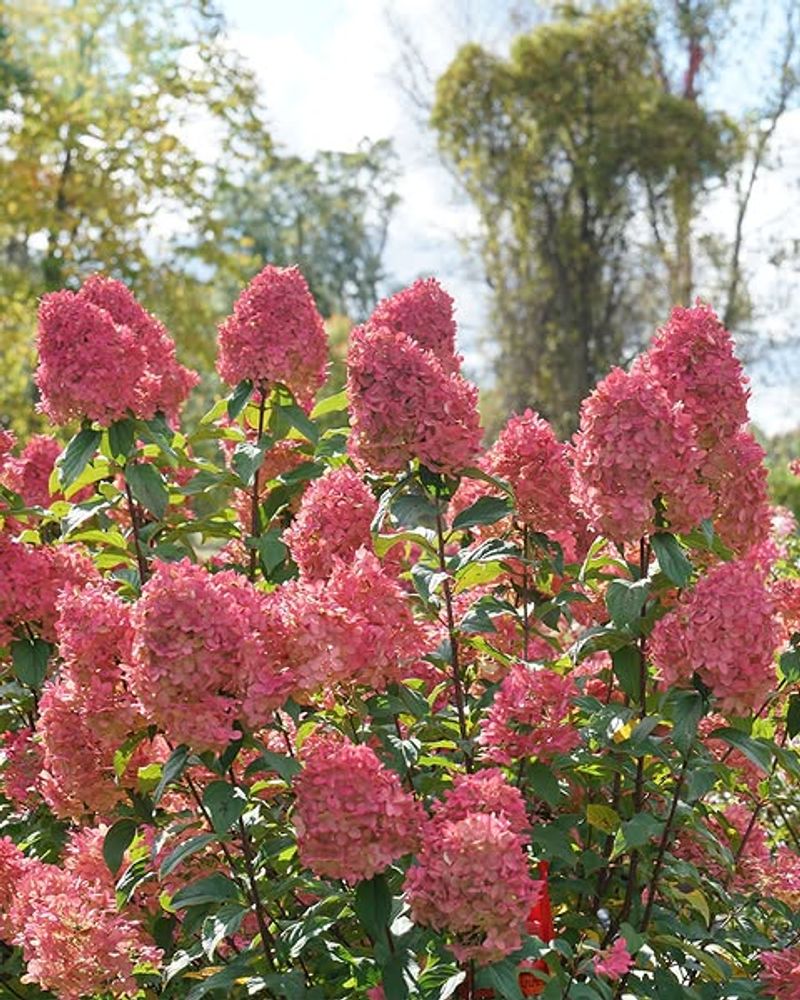
Panicle hydrangeas have a reputation that many Michigan gardeners have come to appreciate, and for good reason.
Michigan State University lists Hydrangea paniculata among shrubs that are seldom severely browsed, placing it in a more favorable category than bigleaf or oakleaf types.
That said, seldom severely browsed is a field-based rating drawn from observed patterns, not a guarantee that every panicle hydrangea in every Michigan yard will escape damage.
Local deer populations, drought conditions, and nearby food availability all play into what actually happens on your property.
One practical advantage panicle hydrangeas have is their potential size. Established varieties like Limelight or Tardiva can grow quite tall, pushing many of their flowers and much of their upper foliage above the height deer can comfortably reach.
That natural height advantage does not help dwarf cultivars or newly planted shrubs, which remain well within browsing range until they mature.
Young panicle hydrangeas planted along a deer travel corridor can still take a hit during August when other food sources become less appealing.
Another helpful detail about panicle hydrangeas is that they flower on current season growth, meaning new stems produced each spring carry the blooms.
If deer do browse a panicle hydrangea, the plant has a better chance of pushing out new growth and recovering than types that depend on older stems for flowers.
That resilience does not make protection unnecessary, but it does mean browsing damage during August carries somewhat different consequences than it does for old-wood flowering types.
5. Smooth Hydrangeas Often Fare Better But Still Need Watching
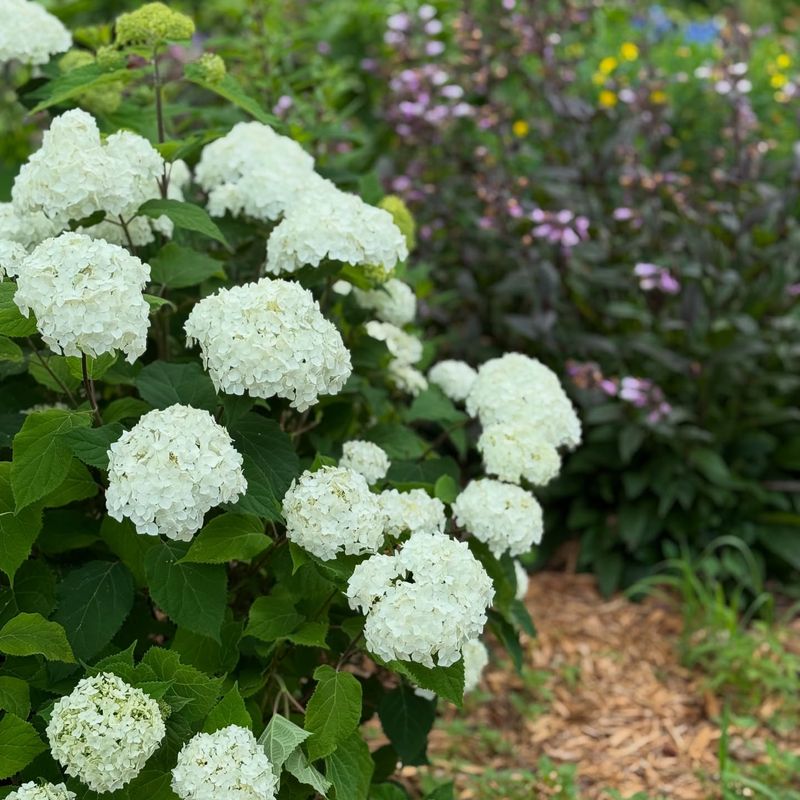
Smooth hydrangeas have earned a loyal following among Michigan gardeners, partly because of their hardiness and partly because of their relative standing with deer.
Michigan State University places Hydrangea arborescens, which includes beloved cultivars like Annabelle and Incrediball, in the seldom severely browsed group.
For many gardeners, that rating translates to seasons of relatively peaceful coexistence with local deer. The large, rounded white flower heads of smooth hydrangeas are a summer staple in yards across the state, and most years they hold up reasonably well.
Still, reasonably well is not the same as fully protected. Deer can and do remove leaves, flowers, and soft stems from smooth hydrangeas, particularly when the plants are young or when they happen to grow along a well-worn deer path.
A dry August can push deer into yards they might otherwise avoid, and a smooth hydrangea that has been lush with irrigation while surrounding vegetation dries out can suddenly become a very attractive snack.
Young plants are especially vulnerable because they have not yet developed the woody structure that puts more stems out of easy reach.
The good news is that smooth hydrangeas bloom on new growth produced each season, so if deer do browse them in late summer, the plant is not losing stored flower buds the way bigleaf or oakleaf types do. Recovery is more straightforward.
Even so, keeping an eye on deer activity near your smooth hydrangeas and stepping in with repellent or barriers when browsing signs appear will help you get the most out of these reliable summer bloomers year after year.
6. Climbing Hydrangeas Gain Some Protection From Height
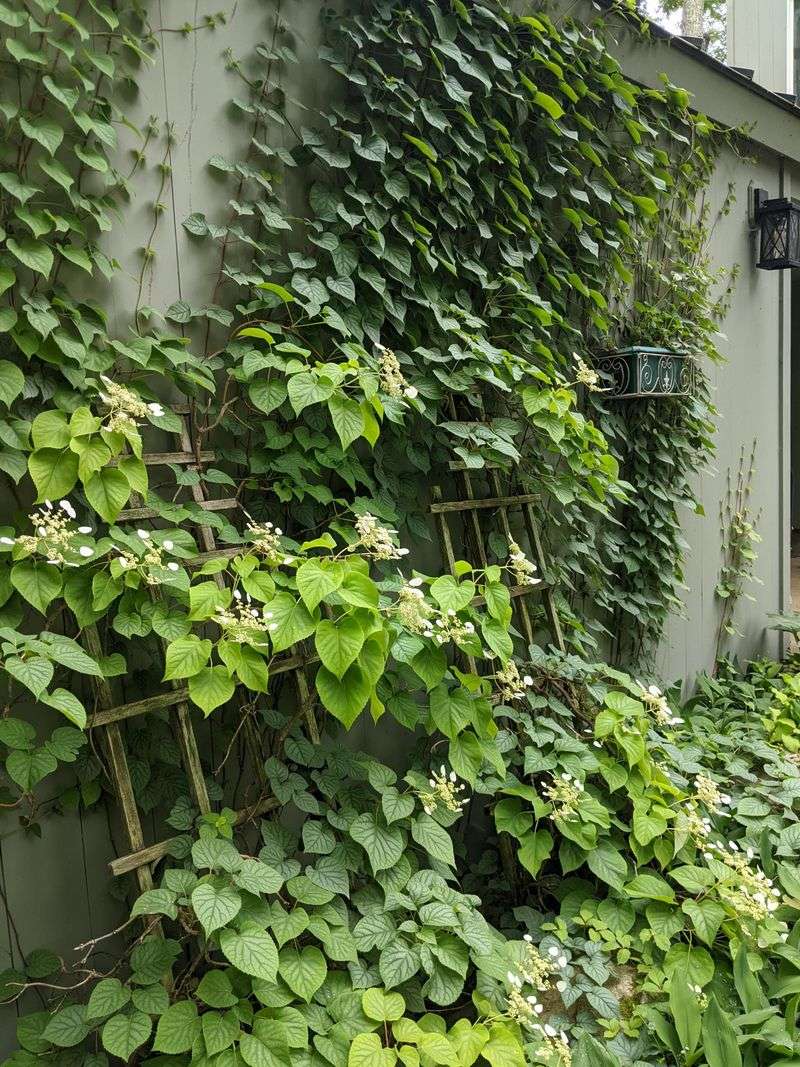
Climbing hydrangeas have a quiet elegance that makes them stand out in Michigan landscapes, and they also happen to sit in a more favorable position when it comes to deer browsing.
Michigan State University includes Hydrangea anomala petiolaris among the shrubs classified as seldom severely browsed.
Part of the reason is straightforward: a mature climbing hydrangea can cover a wall, fence, or large tree trunk and carry the majority of its foliage and flowers well above the height deer can comfortably reach. What deer cannot reach, deer cannot browse.
That height advantage, however, builds slowly. Climbing hydrangeas are famously slow to establish, often spending their first few years putting energy into root development before they begin climbing vigorously.
During those early years, all of the plant’s foliage sits at ground level, right where deer can easily access it.
Low branches and new shoots growing near the base of a mature climbing hydrangea also remain within reach and may still attract browsing even after the plant has climbed high.
Protection during the establishment phase is especially worthwhile.
Height reduces access, but it does not make any hydrangea completely off-limits to a determined deer. A hungry animal in a dry August will stretch, reach, and work harder to access food than one with plenty of options nearby.
Using a physical barrier around the base of young climbing hydrangeas and applying repellent to lower growth during high-pressure periods gives these slow-growing beauties the protection they need to eventually climb out of harm’s way on their own.
7. Plant Location Can Matter More Than A Few Yards Of Distance
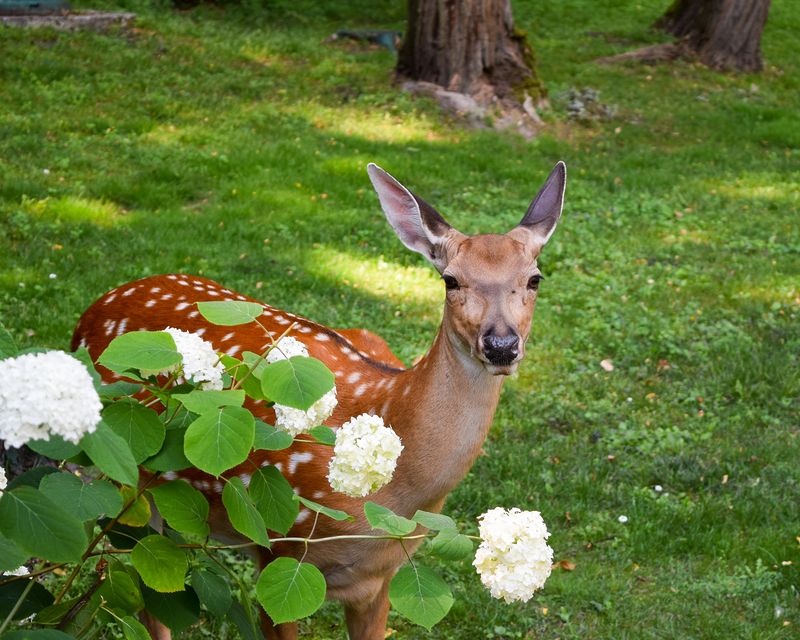
It can seem almost impossible to explain why one hydrangea gets stripped while another of the same type, just a few yards away, looks completely untouched.
The answer usually has less to do with the plants themselves and more to do with where they are sitting.
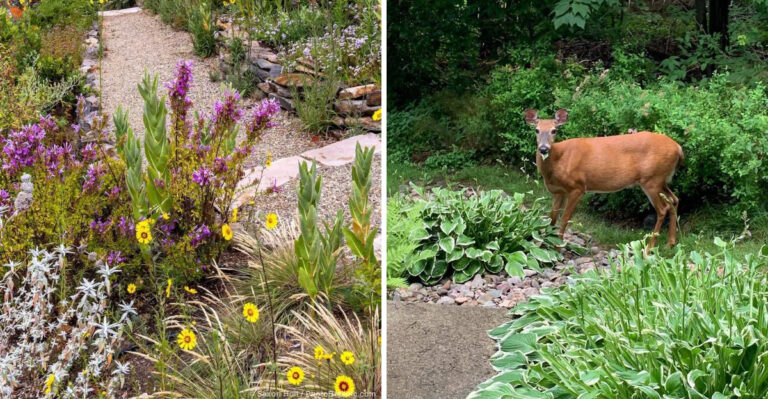
Deer are creatures of habit and tend to follow established travel routes through neighborhoods and yards.
A shrub that happens to grow near a regular deer path gets visited far more often than one tucked closer to the house or near a frequently used side door.
Woodland edges, dense shrub borders, and areas with good cover for hiding tend to see more deer traffic than open spaces with clear sight lines.
A hydrangea planted near a tree line or a brushy back corner of the yard sits in prime deer territory, while the same plant near a driveway or patio might go unbothered simply because deer feel exposed there.
Fencing, even partial fencing, can redirect deer movement enough to shift which plants get attention. Human activity near a planting also tends to keep deer away, at least during daylight hours.
Irrigation adds another layer to the puzzle. During a dry Michigan August, a well-watered hydrangea stays lush and green while surrounding vegetation turns tough and less appealing.
That irrigated plant can stand out as the most attractive option in the area, drawing deer that might otherwise have passed through without stopping.
Thinking about location, water, and deer movement together gives you a much clearer picture of why browsing patterns in your yard look the way they do.
8. Barriers And Timely Repellents Provide The Best Protection
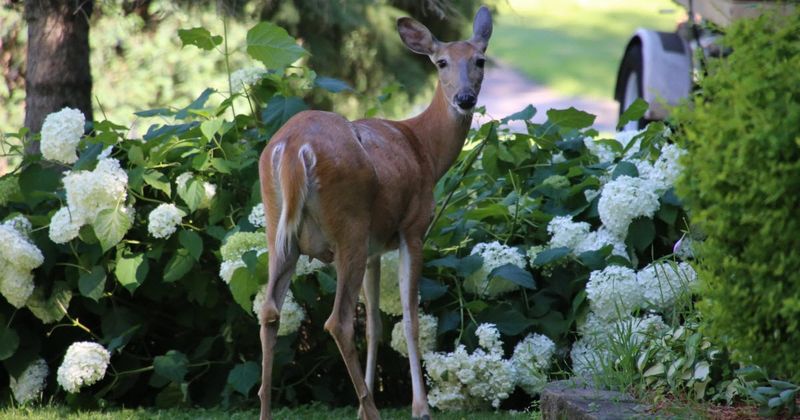
When it comes to keeping Michigan hydrangeas safe in August, physical barriers are the most dependable tool available.
Enclosing valuable shrubs with sturdy wire fencing, deer netting, or individual cages creates a straightforward obstacle that hungry deer cannot push through or step over.
No plant selection strategy, no matter how well researched, offers the same level of consistent protection as a proper physical barrier.
Bigleaf, mountain, and oakleaf hydrangeas especially benefit from this approach because their late summer bud formation is so critical to the following year’s flower display.
Repellents can work well as a supporting strategy, but timing and consistency are everything.
Applying repellent before deer begin browsing an area is far more effective than trying to redirect them after they have already developed a habit of visiting.
Most repellents need to be reapplied after heavy rain, irrigation, or significant new plant growth, so following the product label closely matters.
Rotating between different repellent types through the season is also a smart move because deer can become accustomed to one scent or formula over time and begin ignoring it.
Knowing what deer damage actually looks like helps you catch a problem early. Ragged, torn stem ends are a clear sign because deer do not have upper front teeth and tear rather than cut cleanly.
Shredded or missing foliage, hoof tracks in soft soil, and droppings near your plants all point to deer as the cause. Spotting these clues quickly lets you respond before browsing becomes a deeply ingrained pattern that is much harder to break.