Why Shallow Planting Matters More Than Late Frost For Michigan Spring Bulbs
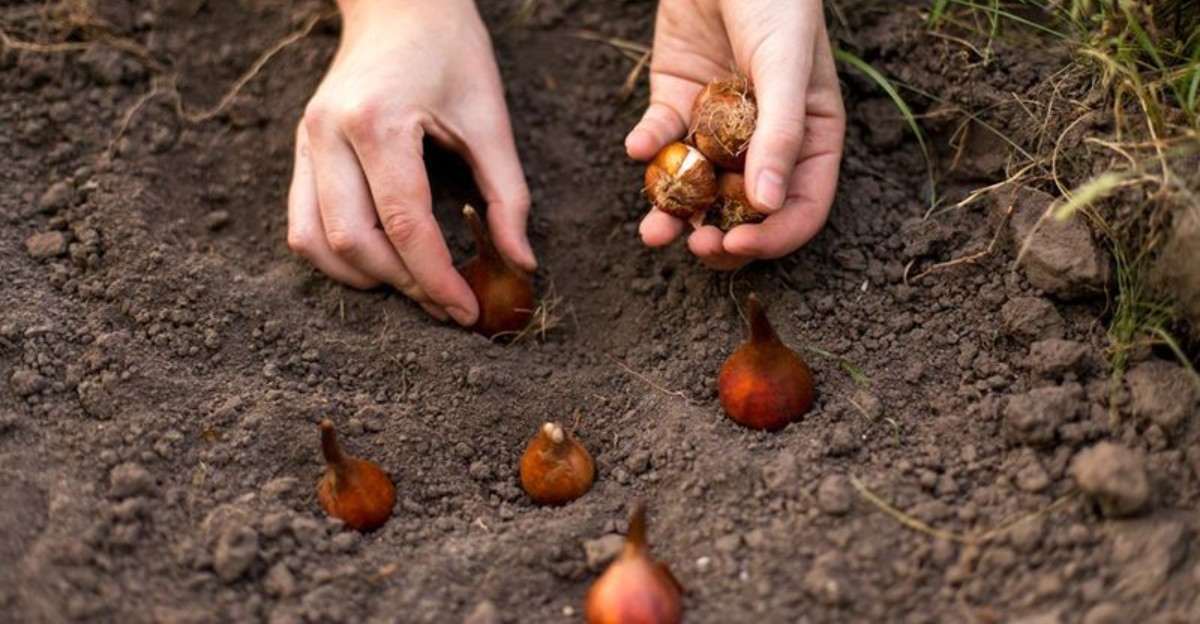
Many Michigan gardeners worry about planting bulbs too late and missing the ideal frost window, but planting depth actually plays a bigger role in spring success.
Bulbs set too shallow are more exposed to temperature swings and can struggle to develop strong roots before winter fully sets in. This shallow placement can lead to weaker stems or uneven blooming, even if the bulbs were planted at a reasonable time in fall.
Depth also affects how well bulbs handle Michigan’s freeze-thaw cycles, since deeper planting offers more consistent insulation throughout winter.
Getting planting depth right matters more than chasing an exact frost date, and it makes a real difference in how strong next spring’s bulb display turns out to be.
1. Spring Bulbs Shrug Off Late Frost Better Than You Think
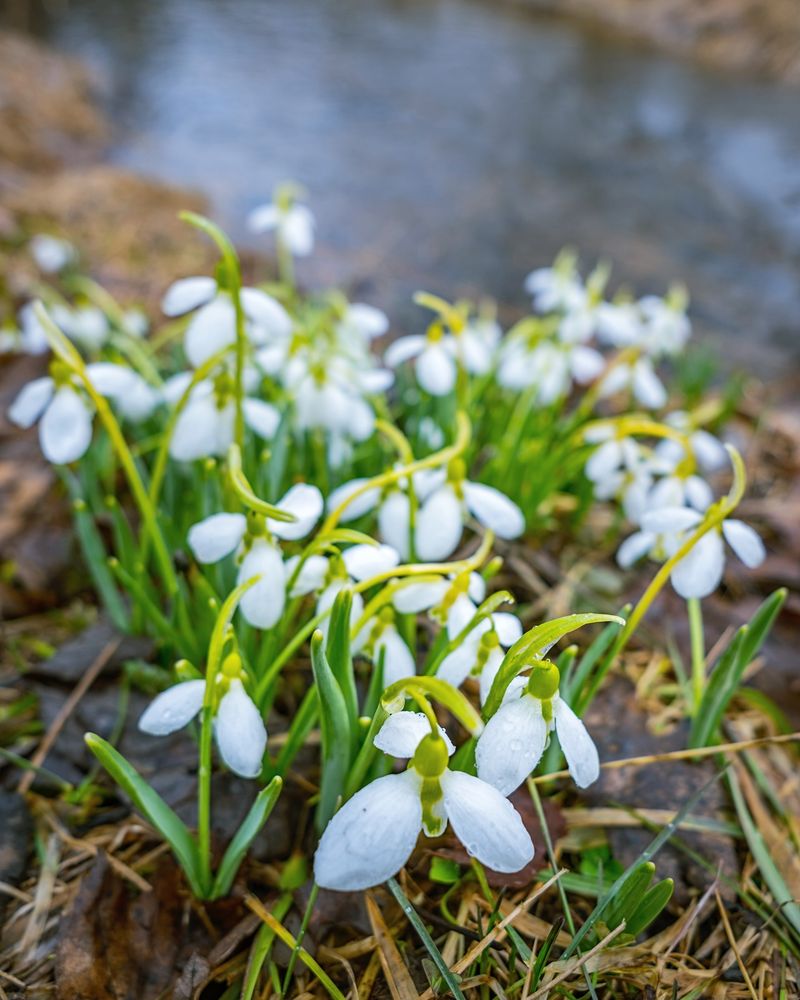
Snow on a crocus looks alarming, but the flower usually treats it like a light jacket. Tulips, daffodils, crocus, hyacinths, and snowdrops all come from places with chilly springs, so cold snaps are part of their normal routine.
They evolved to push up leaves while the air still bites. Their leaves and buds can handle light frosts and even a coating of snow. Meanwhile, the bulb itself stays tucked safely underground, where the soil protects it from the worst of the cold.
A hard freeze can sometimes brown the petals of flowers that are already open, but the plant underneath keeps going strong.
So what should you expect on a frosty morning? Leaves may flop over and look limp, almost like they gave up. Give them a few hours of sunshine and warmer air, and they usually stand right back up as if nothing happened.
Early bloomers are especially tough. Snowdrops and crocus often flower right through late snow, and many gardeners love seeing those bright petals poking out of a white blanket. Their small size and low growth help them stay close to the warmer ground.
Here in Michigan, April frosts and even May snow are common, so worry comes easy. Still, frost rarely ruins a bulb planting. Planting depth has a much bigger effect on how your bulbs grow, bloom, and return.
If you want a stronger spring show, spend less time fretting over the forecast and more time getting each bulb set at the right level in fall.
2. Shallow Bulbs Get Tossed Around By Freezing And Thawing
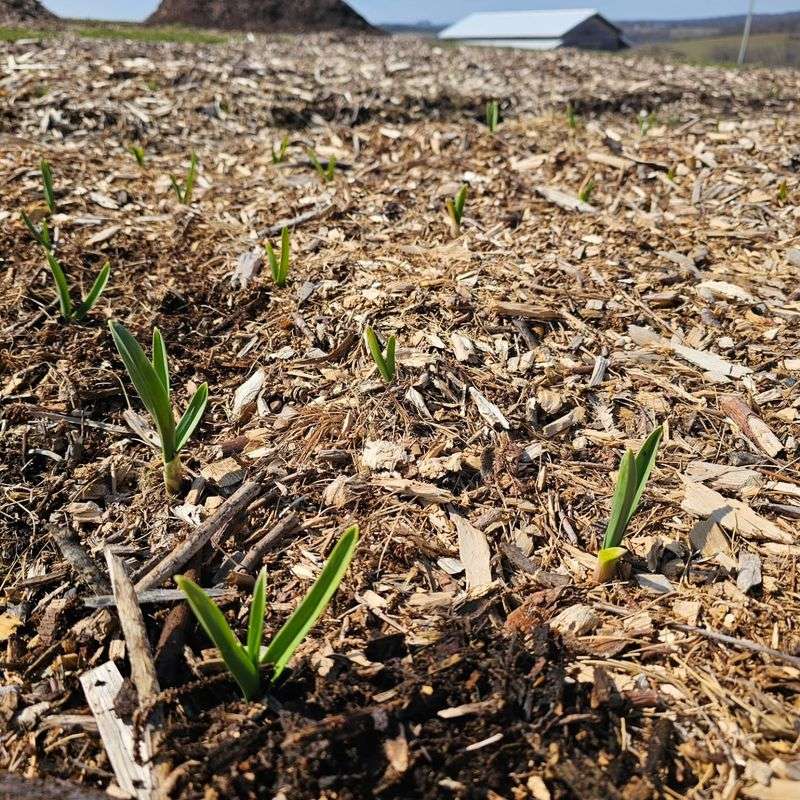
Soil might look calm in winter, but near the surface it is surprisingly restless. Water in the top few inches freezes, expands, thaws, and shrinks again each time the weather flips. Gardeners call this movement frost heave.
Bulbs planted too shallow sit right in that busy zone. As the ground swells and settles over and over, it can slowly push bulbs upward like popcorn rising in a pot.
Along the way, tender new roots can tear, and some bulbs end up sitting right on top of the soil with nothing to shield them.
A bulb lying on the surface faces cold wind, drying air, and hungry critters all at once. That is a rough way to spend February. Deeper soil, on the other hand, changes temperature much more slowly, so bulbs down there stay snug and steady.
Your Michigan Garden Changes Every Week. Your Plan Should Too.
Gardening in Michigan changes quickly throughout the season. Every Friday you’ll receive a simple weekly plan showing exactly what to plant, prune, fertilize, harvest, and protect so you never miss the right timing.
The fix starts at planting time. Set each bulb at its proper depth so it rests in soil that stays more stable all winter long. Then take a quick walk around your beds in late winter, especially after a warm spell.
If you spot any bulbs that have popped up, press them back into the ground or replant them right away, covering them with loose soil.
Michigan winters are famous for mood swings. A January thaw can bring forty-degree days, followed by a sudden deep freeze, and the southern Lower Peninsula sees these swings often. Planting deep enough keeps your bulbs from riding that roller coaster.
3. Follow The Simple Two To Three Times Rule
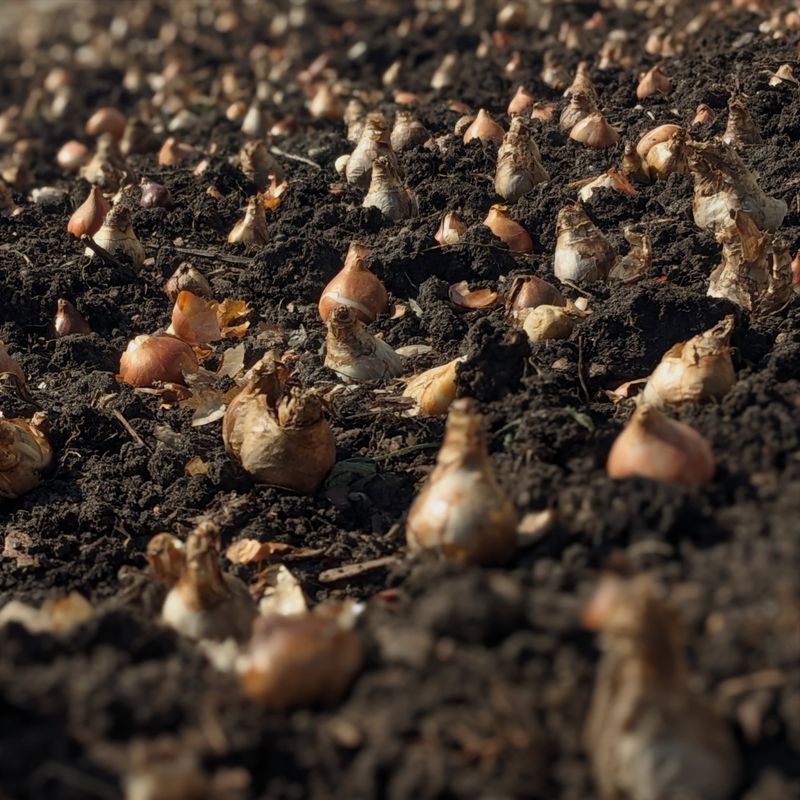
Good news for anyone who hates complicated charts. One easy rule works for almost every spring bulb: plant it two to three times as deep as the bulb is tall. If your bulb measures two inches from bottom to tip, aim for a hole four to six inches deep.
Why does such a simple formula work so well? At that depth, the bulb sits in soil that holds a steadier temperature through the winter. Roots also get plenty of room to spread out and anchor the plant, which helps tall stems stand up to spring wind and rain.
Measuring is easier than it sounds. Always measure from the bottom of the bulb, not the top, since the base is where the roots grow. A ruler, a marked trowel, or a bulb planter with depth lines makes the job quick.
For large bulbs like tulips and daffodils, dig about 6 to 8 inches deep. Small bulbs such as crocus and snowdrops only need about 3 to 4 inches. Set every bulb with the pointed end facing up and the flat, root side down.
If you truly cannot tell which end is which, plant it on its side, and the shoot will find its way.
In Michigan, winters are long and cold, and bulbs spend months waiting underground. Correct depth gives them a cozy, stable home until spring arrives. Follow this rule, and you set yourself up for reliable blooms without guesswork.
4. Deeper Planting Helps Tulips Come Back Each Year
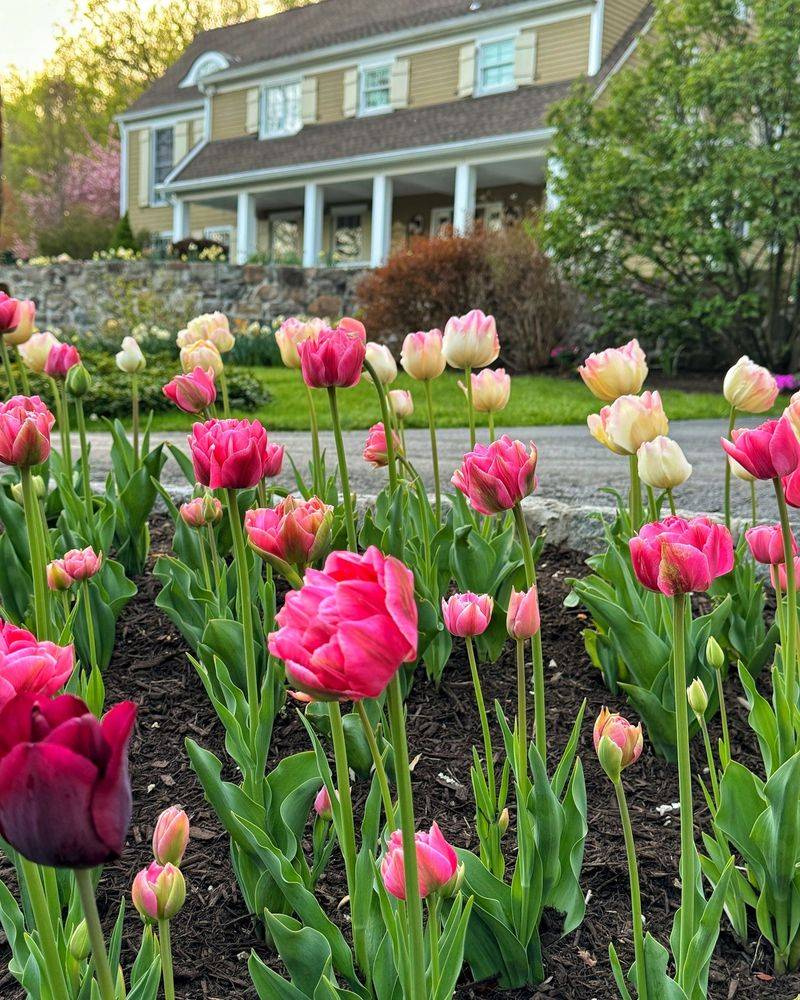
Ever planted gorgeous tulips, only to see a patch of floppy leaves and no flowers the next spring? You are far from alone. Many gardeners blame the weather, but shallow planting is often the real culprit.
Tulips planted too close to the surface tend to split into several small bulbs. Each little bulb sends up a leaf, yet none of them has enough stored energy to make a flower. When planted deeper, tulips are more likely to hold on to one large, healthy bulb that blooms again.
For the best shot at returning flowers, plant tulips about 8 inches deep in soil that drains well. Soggy ground leads to rot, so avoid spots where puddles linger. Variety matters too.
Darwin hybrids are known for coming back strong, and small species tulips often spread and return for years.
After the petals fall, resist the urge to tidy up too soon. Leave the leaves in place until they turn yellow on their own, usually about six weeks later. During that time, the leaves soak up sunlight and send energy down to the bulb for next year.
Snip off the faded flower head, though, so the plant does not waste energy making seeds.
Tulips first grew wild in the mountains of Central Asia, where winters are cold and summers are dry. Michigan winters provide the long chill tulips need to bloom again.
Pair that natural advantage with proper depth, and your tulips can become loyal spring visitors.
5. Shallow Bulbs Are An Easy Snack For Squirrels
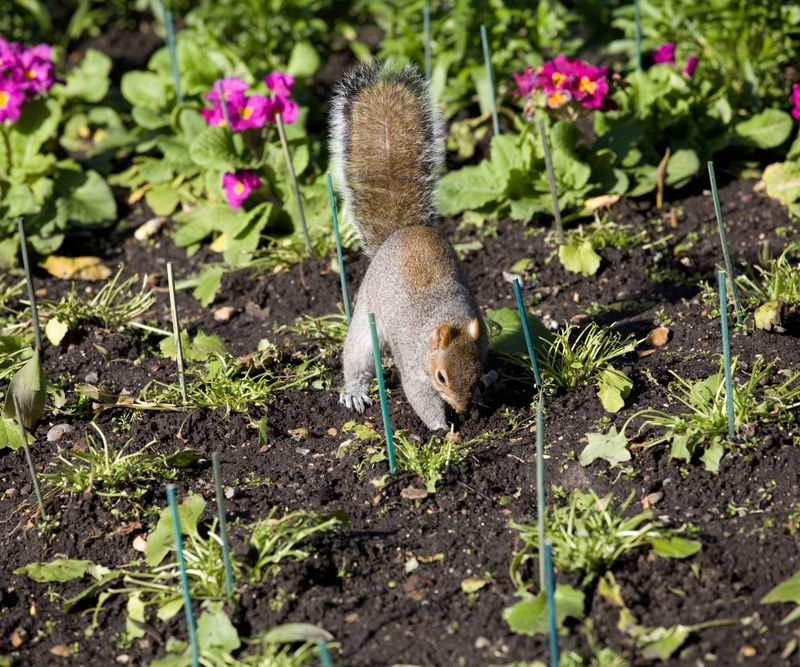
Squirrels have sharp noses and zero shame. Plant a bed of tulips in the morning, and by afternoon you might find little holes and papery bulb skins scattered across the lawn. Chipmunks join the party too, and crocus bulbs are one of their favorite treats.
Depth makes a big difference in this battle. Bulbs sitting near the surface are easy to sniff out and grab, while deeper bulbs take much more work to reach. Many squirrels simply give up and move on to an easier meal.
Fresh digging also acts like a big neon sign. Loose, fluffy soil tells animals that something tasty was just buried there. Squirrels bury their own food, so they know exactly what a freshly dug spot means.
To outsmart them, plant every bulb at its full recommended depth. Firm the soil well with your hands or the back of a rake so the bed looks settled. Pick up any bulb skins, bags, or debris, since the scent draws curious visitors.
For extra security, lay chicken wire over the newly planted bed and cover it with mulch. Remove the wire in early spring, before shoots poke through, so they do not grow tangled in it. Fall in Michigan is prime time for busy squirrels and chipmunks.
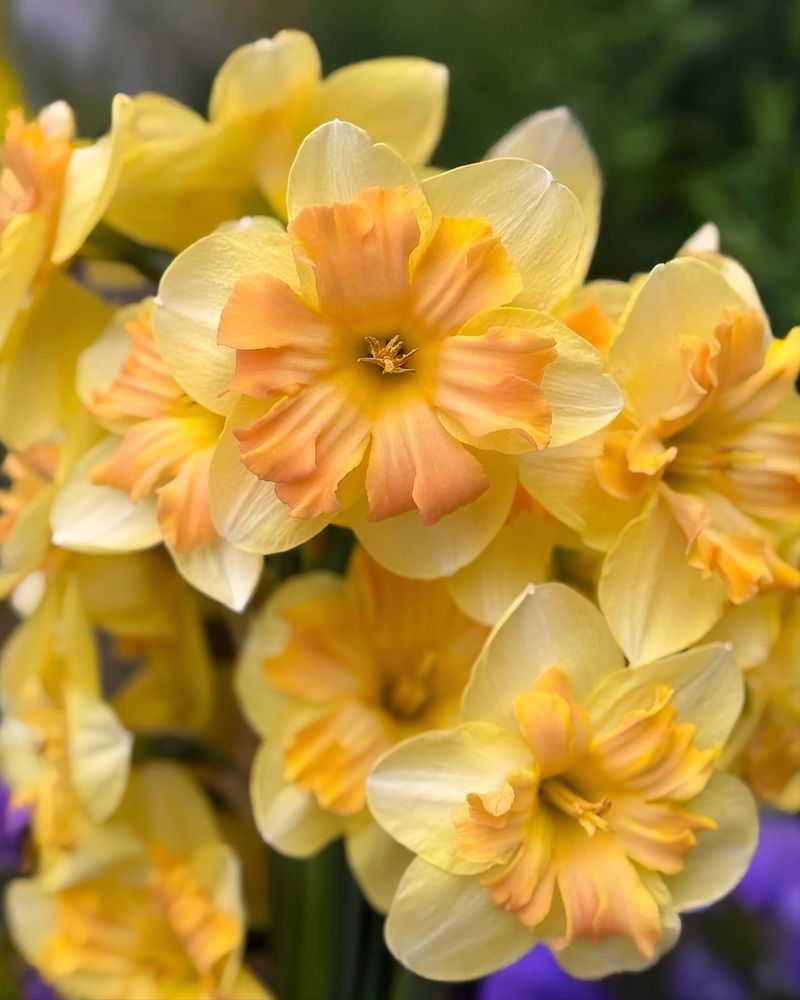
They race around gathering and hiding food for winter, which lines up perfectly with bulb planting season. Daffodils, by the way, taste bitter to them, so mixing some in can help protect your beds.
6. Deeper Roots Stay Strong Through Dry Spells
Think of the top inch of garden soil like a sponge left on the kitchen counter. It dries out fast, especially on sunny, breezy days. A little lower down, moisture hangs around much longer.
Bulbs planted at the right depth grow their roots in that cooler, damper layer. They can keep sipping water even when the surface looks dusty.
Shallow bulbs are not so lucky, since their roots sit where the ground dries first, and the plant may struggle to produce full, healthy blooms.
Moisture matters most at two key moments. First, bulbs need water in fall to start growing roots before the ground freezes. Then in spring, they need steady moisture while they push up leaves, open flowers, and store energy for next year.
Start by planting at the proper depth. After you tuck bulbs in during fall, give the bed a good soaking if the soil feels dry. In spring, keep an eye on rainfall.
If a week or two passes without a decent shower while bulbs are growing or blooming, water deeply so it reaches the roots rather than just wetting the surface.
West Michigan has plenty of sandy soil, especially near the Lake Michigan shoreline. Sand drains quickly, which bulbs like, but it also lets water slip away fast.
Add in the dry, windy weather that spring sometimes brings, and deeper roots become a real advantage. A simple finger test, pushing into the soil a few inches, tells you when to grab the hose.
7. Going Too Deep Can Backfire Too

More is not always better, and planting depth proves it. After hearing so much about shallow bulbs, some gardeners grab a shovel and dig a foot down just to be safe. That extra effort can actually work against you.
Every bulb carries a limited supply of stored energy, a bit like a packed lunch. When it sits too deep, it burns through that supply just pushing a shoot up to the surface.
Blooms may show up late, stems may be weak, and the plant might have little strength left for flowering.
Soil type adds another twist. In heavy clay, deep holes can turn into little bathtubs that stay cold and wet for weeks. Bulbs sitting in soggy soil are likely to rot, and once rot sets in, there is no saving them.
The best approach is to follow the recommended depth for each kind of bulb. If you garden in heavy clay, plant an inch or two shallower than usual. Mix compost into the planting area to loosen the soil and help water drain away.
Before you dig, notice where puddles form after rain, and skip those low spots entirely. Raised beds or gentle slopes are much friendlier choices.
Clay soil is very common across southeast and mid Michigan, from the Detroit suburbs up toward Saginaw. It holds nutrients well, which is a plus, but it drains slowly.
A little compost and smart depth choices help your bulbs enjoy the benefits without sitting in cold mud.
8. Mulch Tucks Your Bulbs In For Winter
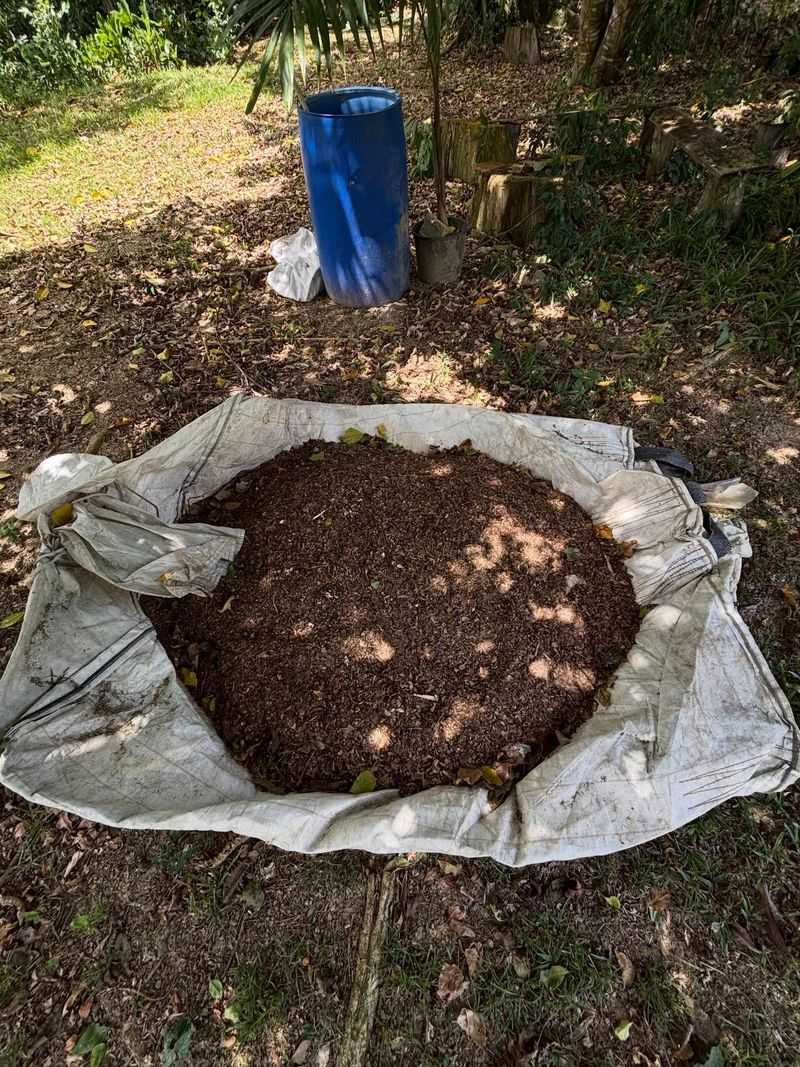
A cozy blanket helps you sleep better on a cold night, and mulch does something similar for bulbs. Once your bulbs are planted at the right depth, a layer of mulch adds a final bit of insurance for winter.
Mulch acts as a buffer between the air and the soil. It keeps ground temperatures more even, so the soil does not freeze and thaw as often. Fewer swings mean less heaving, which keeps your bulbs right where you put them.
Mulch also helps the soil hold on to moisture. Timing is the secret. Wait until the ground begins to freeze in late fall, then spread 2 to 3 inches of shredded leaves or straw over your bulb beds.
Waiting helps keep the soil cold and steady instead of trapping warmth that could confuse bulbs. Shredded leaves work beautifully, and you probably have plenty in your yard already.
When early spring arrives and green tips start poking up, gently pull the mulch back a bit so shoots can reach the sunlight easily.
Skip thick, matted layers, like whole wet leaves piled high. They can form a heavy mat that smothers new growth and holds too much water. Run leaves over with a lawn mower first to break them into smaller pieces.
Michigan winters are long, and snow cover changes a lot from year to year. Some beds sit under a deep snow blanket, while others stay bare and exposed to brutal cold. A simple layer of mulch keeps every bulb protected, no matter what winter brings.