Why Louisiana Crape Myrtle Suckers Keep Coming Back (And What To Do This November)
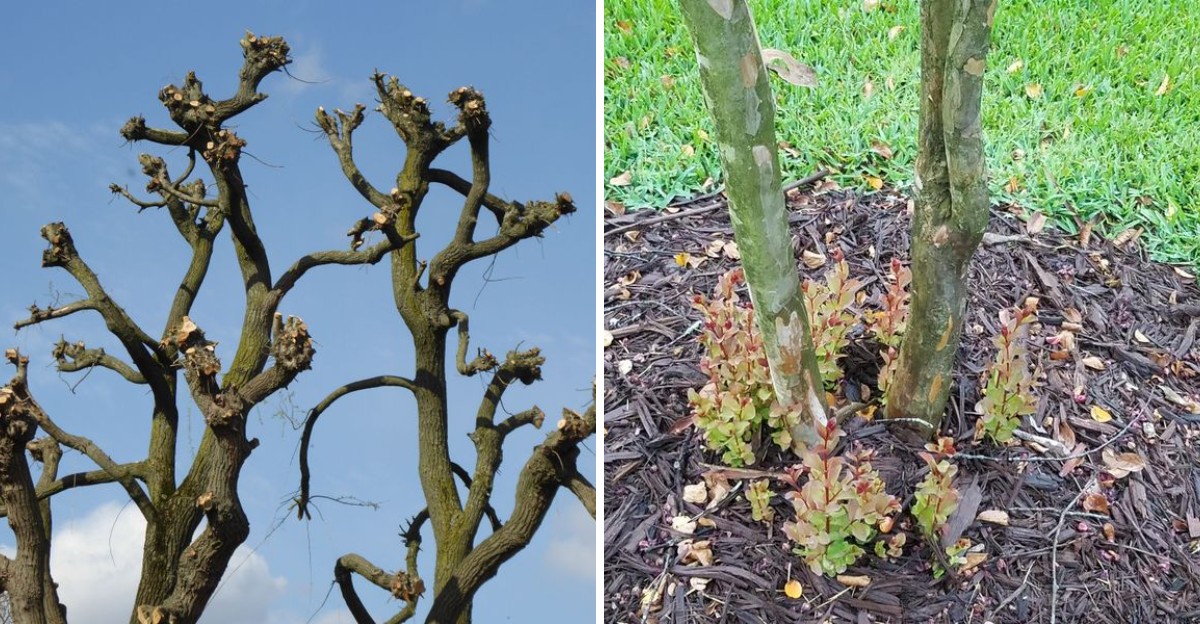
Cutting your sucker down never actually makes it disappear. You trim, it returns, and the cycle repeats endlessly. Meanwhile your neighbors deal with these same stubborn shoots.
Roots resting beneath your soil store hidden reserves of energy. Many Louisiana yards see this struggle. Stress from your quick pruning forces dormant buds into action.
Every cut you create becomes an open invitation for growth. Sunlight reaching your exposed roots accelerates sucker production nearby.
After a cut, the plant may send stored energy toward new growth. Grafted trees can face this problem more.
Louisiana’s warm climate keeps your root system active for much of the year. Nothing about your sucker problem happens by pure accident. Understanding why this happens changes how you fight back.
Timing your pruning wrong can lead to more shoots later. Ignoring the root cause keeps you stuck in this loop. Answers are coming, and you won’t want to miss them.
1. Rich Soil Fuels Eager Regrowth
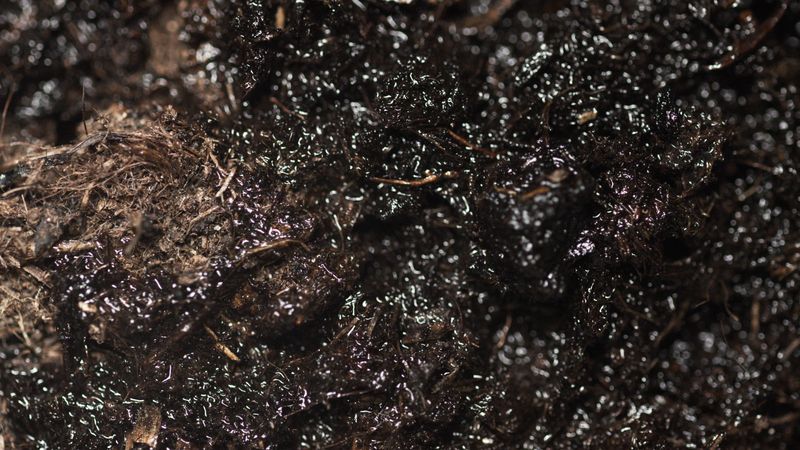
Crape myrtles are tough and happy trees that do well in simple soil. They do not need rich feeding to look their best.
Too much nitrogen gives the roots extra energy to spare. That energy often goes into soft, leafy shoots at the base.
Suckers are one of the quickest ways a tree can use extra food. Leaner soil gives the roots less reason to send them up.
In November, the tree is slowing down for its winter rest. Fresh fertilizer now would only encourage growth it does not need.
Skip feeding the base of the tree this fall. Your crape myrtle will be perfectly fine until spring.
When spring arrives, choose a low nitrogen fertilizer if you wish to feed. Many trees do well with no extra food at all.
Spread any feed out toward the drip line of the tree. This nourishes the roots without waking the buds near the trunk.
Compost is wonderful for most plants in the garden. Try to keep thick layers of it away from the trunk zone.
A reasonable garden bed already holds plenty of nutrients. Your tree can simply enjoy what is already there.
Lean soil may feel like less care, but it is kind to this tree. It keeps growth steady and balanced.
Cutting back on richness is a gentle way to calm the base. Over time you may notice fewer new shoots appearing.
2. Shallow Cuts Leave the Roots Intact
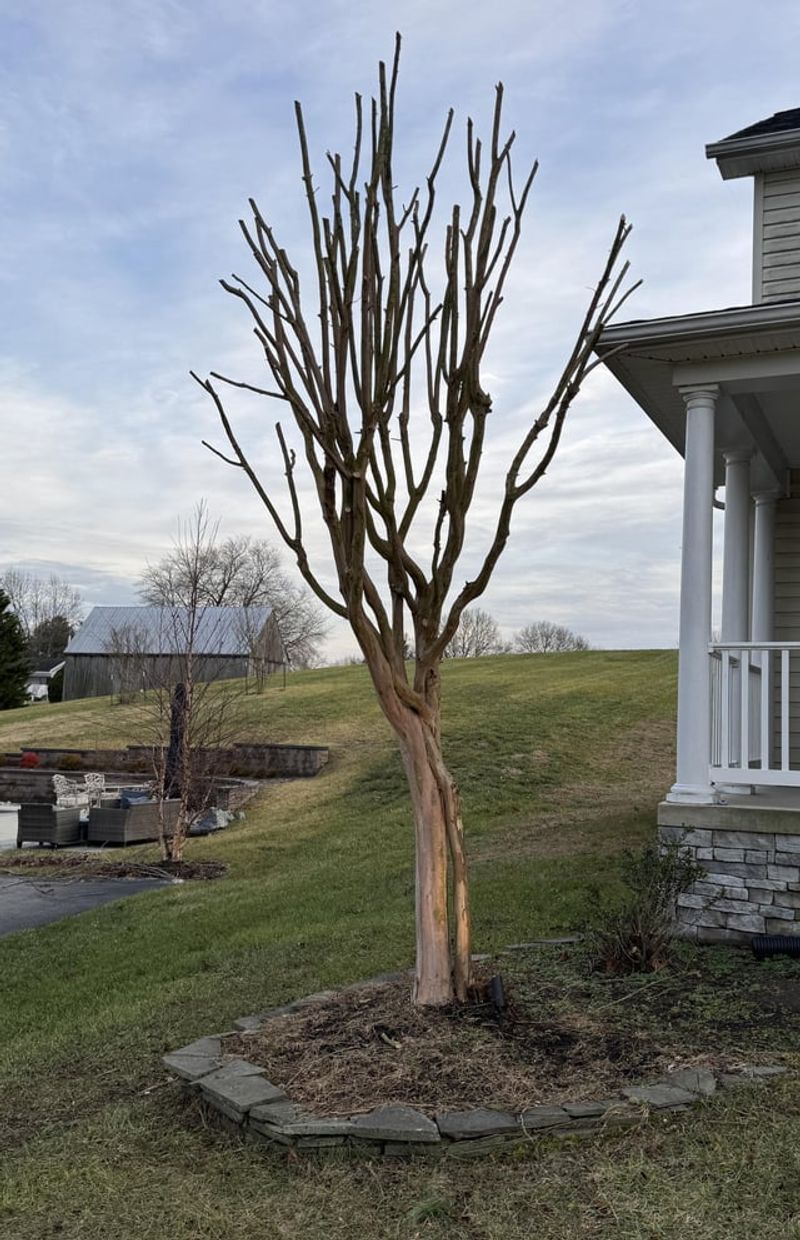
Trimming a sucker at the soil line feels tidy and satisfying. Sadly, it only removes the part you can see.
The root underneath stays whole and ready to try again. It simply sends energy to the next bud in line.
A new shoot can appear within a few days or weeks. This is why the same suckers seem to return.
November is a lovely time to go a little deeper. The tree is resting, and fall rains often soften the soil.
Use a small hand trowel to move the soil away gently. Uncover the spot where the sucker meets the root.
Make a clean cut at that connection with sharp pruners. Sharp tools help the cut heal neatly and quickly.
Try not to leave a long stub behind when you finish. A short, clean cut gives the root less reason to regrow.
Very small suckers can sometimes be pulled out by hand. They may bring a tiny piece of root along with them.
This gentle disruption may slow regrowth a little more than a simple snip. Many gardeners have noticed this over the years.
Replace the soil and press it down softly when you are done. Add a fresh layer of mulch over the area.
This method will not stop every future shoot, but it buys you time. You will have longer breaks between each round.
3. Grafted Rootstock Sends Up Shoots Below the Graft
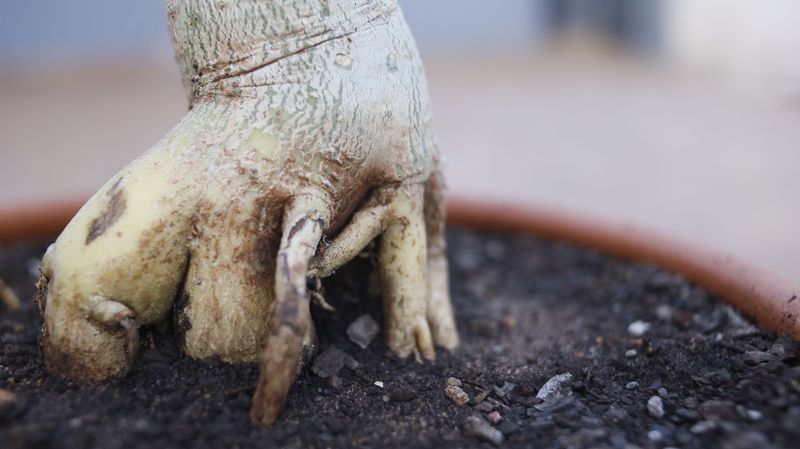
Most modern crape myrtles are grown from cuttings, but a few are grafted. A grafted tree has a top and roots from two different plants.
The roots, called rootstock, have their own growing habits. They often grow quickly and with great energy.
Shoots that rise from below the graft come from that rootstock. They will not look like the variety you chose.
You may notice smaller flowers or different leaves on these shoots. Their shape may also look quite different.
November is a perfect time to find the graft union. As the leaves drop, the trunk becomes easier to see.
Look near the base for a slight swelling or a change in the bark. It is usually just above the soil line.
Any shoot growing from below that point is worth removing. Doing this early helps your chosen variety stay in charge.
Cut each shoot as close to the root as you comfortably can. Leaving a stub may lead to more shoots in that spot.
If you are unsure whether your tree is grafted, check the plant tag. A local nursery can also help you find out.
Many trees have no graft at all, so do not worry if you find none. In that case, the shoots are simply regular suckers.
A little knowledge about your tree makes every pruning choice easier. It also keeps your favorite variety looking its best.
4. Sunlight at the Base Triggers Sprouting
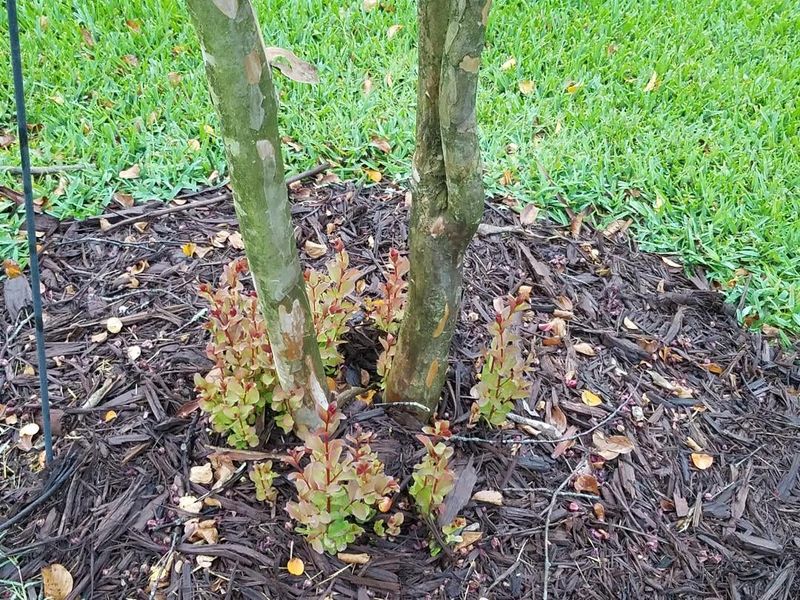
Sunlight on the soil is a gentle signal for your crape myrtle roots. Warm soil can encourage sleeping buds to grow.
Bare ground around the trunk lets that light reach the roots easily. New shoots then rise up to enjoy the warmth.
Mulch is a simple way to keep the soil shaded and calm. A thick layer helps the buds stay asleep.
In November, autumn rain can wash away your mulch quickly. Patches of bare soil may appear in many Louisiana yards without you noticing.
Take a slow walk around the tree after the next rain. Look for any spots where the mulch has washed away.
Add wood chip mulch until the layer is three to four inches deep. This keeps the soil shaded through the cooler Louisiana months.
Keep the mulch a few inches back from the trunk itself. This lets the bark stay dry and healthy.
Fallen crape myrtle leaves can also help cover the soil. Spread a few of them lightly over any thin areas.
Ground cover plants are another kind way to shade the roots. They add a soft look to the garden bed as well.
A little attention to mulch each month goes a long way. Your tree will thank you with fewer shoots next season.
Many Louisiana gardeners find that shading the base is the easiest step to begin with. It costs very little and takes only an afternoon.
5. Warm Southern Weather Keeps Roots Active
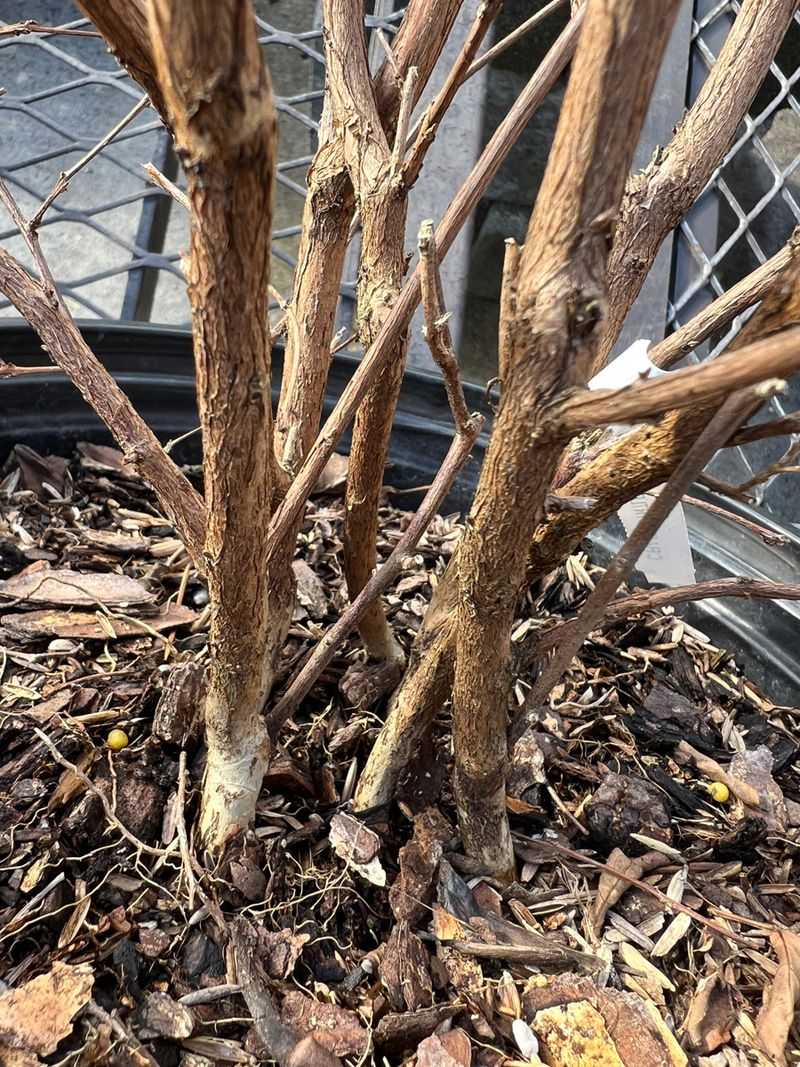
In cooler places, tree roots take a long rest in winter. In Louisiana, the roots stay active much longer.
Mild weather keeps the soil warm well past the first cool days. Warm soil tells the buds they can keep growing.
You may spot a few suckers even in December or January. This is quite normal for a gentle Southern winter.
Soil temperature matters more than the air around the tree. Even after a chilly night, the ground holds its warmth.
November is a good month to settle into a regular routine. Plan a quick check of the base every two weeks.
Small suckers are easy to remove with your fingers or pruners. Catching them early keeps the work light and pleasant.
A simple soil thermometer can show how warm the roots remain. Place it near the base and read it once a week.
Mulch helps here too, since it keeps the soil temperature steady. Steady soil is calmer for the roots.
Do not assume the season is over when the leaves begin to fall. Roots are often still busy below the surface.
Try pairing the check with another garden chore you enjoy. A cup of coffee in the yard makes it feel easy.
Working with the warm climate is much easier than resisting it. A friendly routine through the year pays off nicely.
6. Heavy Pruning Prompts a Burst of New Growth
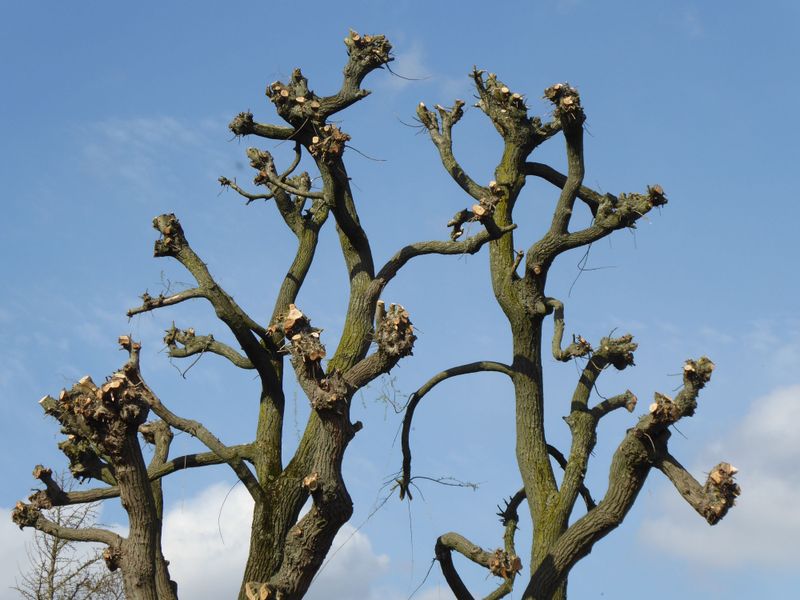
Heavy pruning can surprise a crape myrtle and send it into recovery mode. The tree then grows many new shoots to replace what it lost.
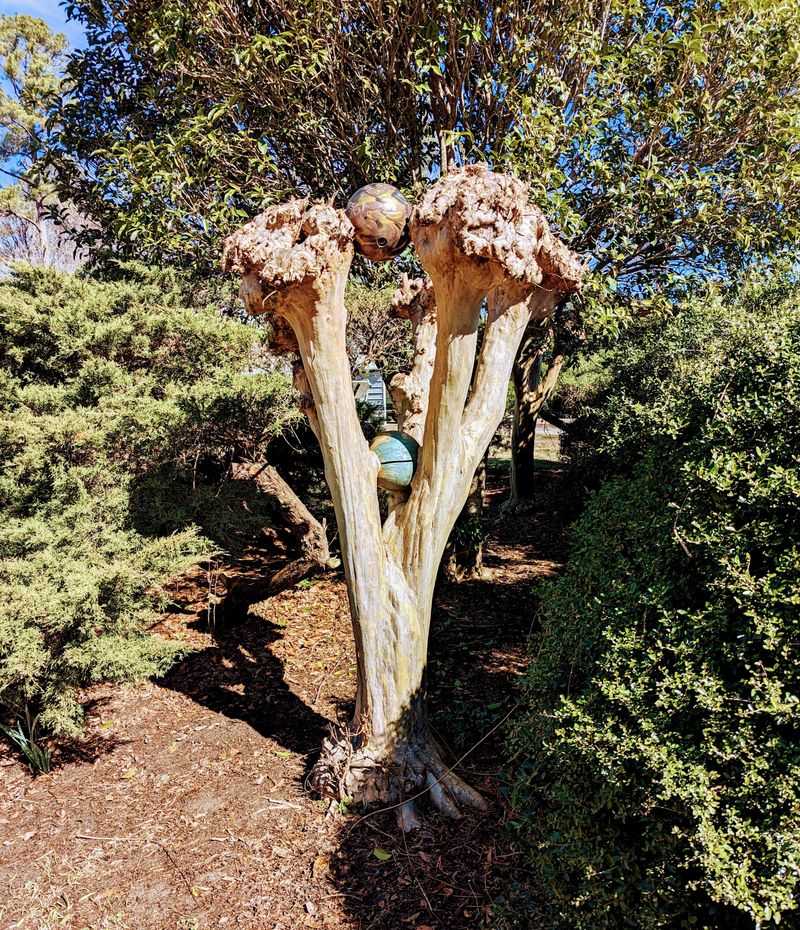
Cutting the top off the tree is a common cause. A flat cut asks the roots to rebuild everything at once.
Gentle pruning keeps the tree calm and the base quiet. It also lets the natural shape of the tree shine.
November is a lovely time to plan your pruning. Any structural pruning is best saved for late winter.
Late January to February is usually the right window in Louisiana. Warm fall days can invite tender growth that a frost may harm.
For now, you can remove lifeless wood with confidence. Crossing branches and stems thinner than a pencil are fine to trim too.
Take only a small amount at a time. Never remove more than one third of the canopy in one session.
Clean, sharp tools make every cut easier on the tree. Wipe the blades between trees to keep things healthy.
Remember that a natural form is the goal. Crape myrtles look best when they keep their graceful, open branches.
Spreading your pruning over several seasons is kinder to the roots. The tree adjusts slowly and stays balanced.
Light, thoughtful cuts lead to fewer shoots at the base. Your tree will reward you with a lovely shape and steady growth.
7. Every Cut Wakes Dormant Buds Nearby
Underground, the roots hold many tiny buds in reserve. They wait quietly for a reason to wake up.
When you remove one sucker, nearby buds notice the change. Some of them may begin to grow in its place.
This is a clever habit that crape myrtles have had for ages. It helps them recover and keep growing.
It can feel as if one removal brings two new shoots. A slower, steadier approach tends to work better.
In November, try making sucker care a gentle routine. A quick pass every few weeks is easier than one big session.
Small, regular visits keep the roots from reacting strongly. The tree stays calm, and so does your schedule.
Remove each sucker cleanly and as close to the root as you can. Neat cuts heal well and leave less behind.
Some gardeners use a sucker growth inhibitor on fresh cuts. You can find these at select garden centers and online shops.
If you try one, read the label and follow every direction. Results can vary, so be patient and keep notes.
Keep a small note in your phone about when you last checked. This makes it easy to stay on schedule.
Understanding this natural response makes the whole task feel friendlier. With a little patience, the shoots become much easier to manage.
8. Unsettled Roots Push New Growth
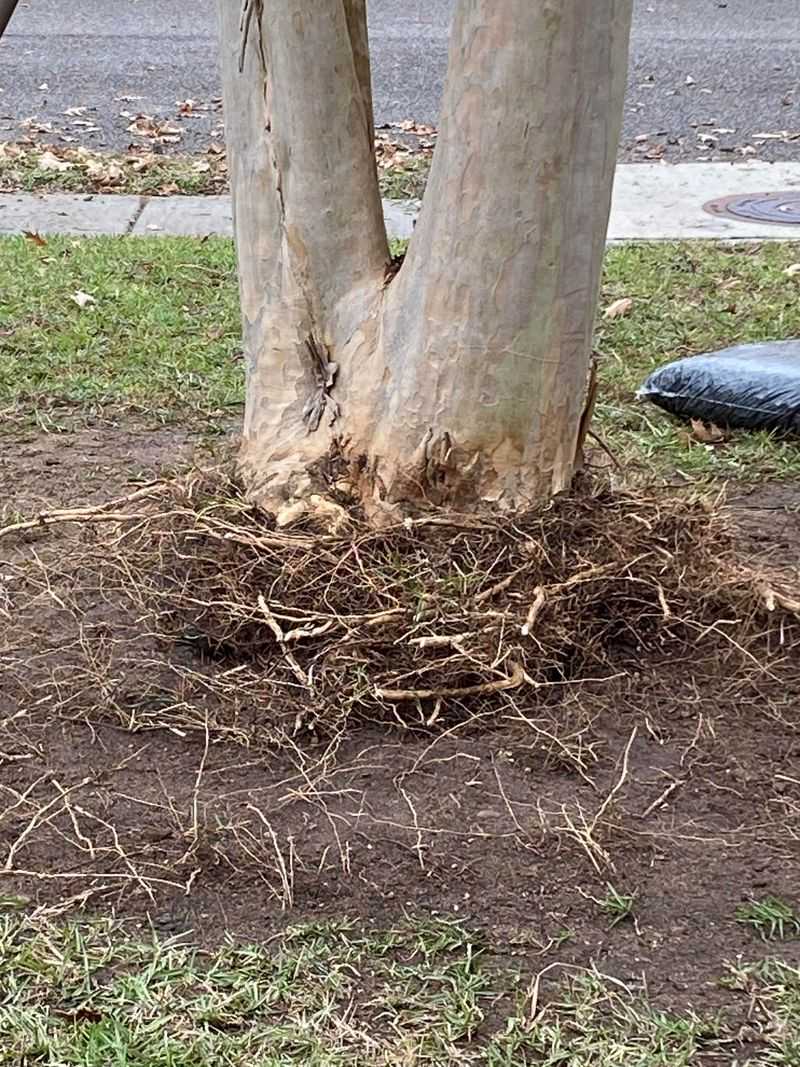
Roots that feel unsettled often respond by sending up new shoots. Compacted soil, dry spells, and soggy ground can all cause this.
Calm roots are happy roots, and happy roots send up fewer suckers. Fall is a lovely time to help them relax.
Soil that is packed down makes it hard for roots to breathe. Foot traffic and parked cars are common causes.
Try keeping cars and heavy walking away from the root zone. A simple border of stones or plants can help.
Loosen the top few inches of soil with a garden fork. Work gently and stay clear of the larger roots.
Watering matters just as much as soil texture. Swings between very dry and very wet ground keep roots unsettled.
During dry spells in November, give the tree a slow, deep drink. Aim for soil that stays evenly moist.
Good drainage helps too, so avoid spots where water sits for days. Raised beds or gentle slopes can help water move along.
A steady routine gives the roots a sense of comfort. They respond with calmer, more balanced growth.
Healthy roots are the foundation of a healthy crape myrtle. Everything above ground benefits when they feel secure.
Caring for the roots first is the surest path to fewer suckers. It is a kind approach that rewards you for years.
Walk around the tree each weekend and notice how the soil feels. Small observations help you adjust before any trouble starts.